Attraction in Zamość
Zamoyski Palace (Pałac Zamoyskich)
The Zamoyski Palace was the first building raised in Zamość, designed by Bernardo Morando in 1579 to 1586 as the residence of the city's founder, Jan Zamoyski.
Reviewed and updated July 2026
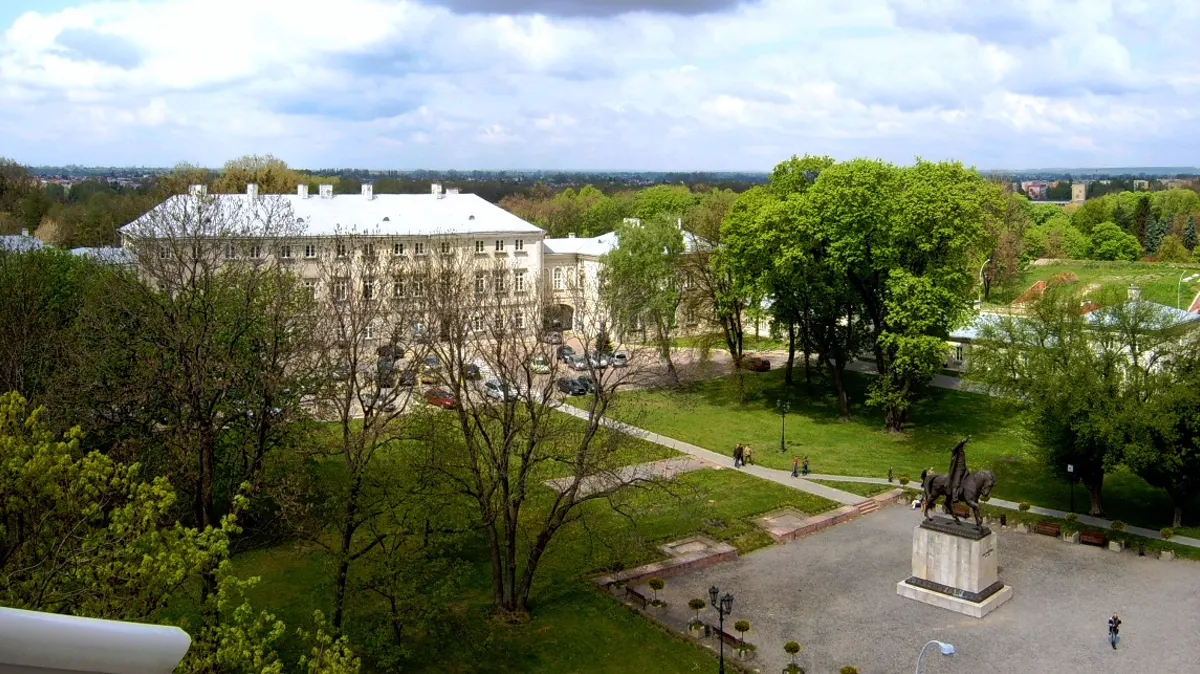
The Zamoyski Palace was the first structure built in Zamość, raised between 1579 and 1586 to a design by the Italian architect Bernardo Morando as the residence of the city's founder, Jan Zamoyski. It anchors the western end of the town's planned axis, and visitors come to see where the whole ideal city began and to stand before the equestrian monument to Zamoyski on the square outside.
Where the ideal city started
Everything in Zamość radiates from a single planned line, and the palace sits at its western head. Morando placed the founder's residence here so that Jan Zamoyski's home would face down the main axis toward the town he had commissioned, a deliberate statement of who held authority over the fortified settlement. Because construction began in 1579, this is literally the oldest part of the townscape, the point from which the market square, the collegiate church and the streets were then laid out.
From residence to garrison
The building you see today is not Morando's palace in its original form. In the 19th century it was rebuilt for military use, which changed its appearance from a grand aristocratic seat into something closer to a functional barracks-era structure. That layer of history is part of the story, since Zamość spent much of the 1800s as an active fortress under partition-era rule. Reading the palace means reading two periods at once, the Renaissance intention beneath the later military remodelling.
The monument to Jan Zamoyski
On the square in front of the palace stands the equestrian monument to Jan Zamoyski, the chancellor and hetman who founded the city and paid for its construction. Placing the statue here, before his former residence and at the axis end, keeps the founder and his palace in a single view. It is the natural spot to photograph and to understand the person behind the whole project, so most visitors pause here before walking east into the Old Town.
Fitting it into a Zamość visit
The palace now holds administrative and court functions, so the interior is not a museum you tour freely; the reward is the exterior, the setting and the monument. Sitting at the western edge of the Old Town along the former defensive line, it works best as a starting or finishing point on a walk through the planned centre. Pair it with the Great Market Square and the town's Renaissance streets, covered in our Zamość guide, to see how the founder's home relates to the city he built.
Good to know
The palace serves administrative and court functions today, so plan to enjoy the exterior and the Zamoyski monument rather than expecting public interior access, and check official municipal channels before visiting.
Frequently asked questions
More attractions in Zamość
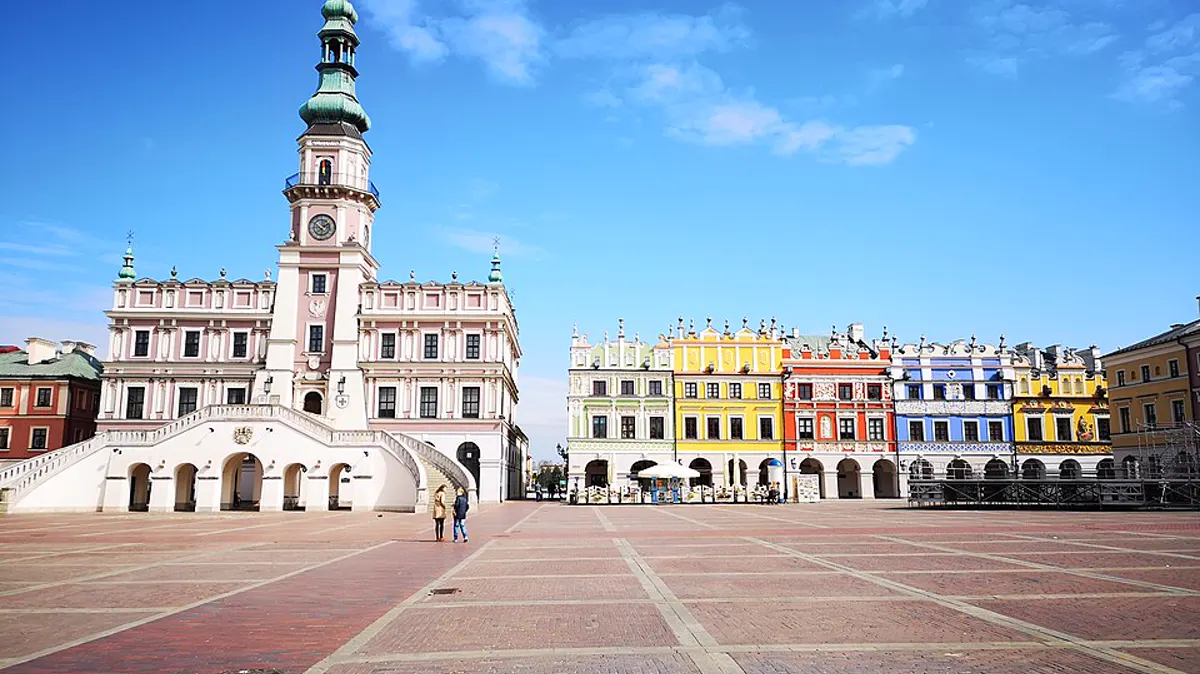
Great Market Square, Zamosc
A near-perfect Renaissance square of arcaded, pastel burgher houses, the centrepiece of a sixteenth-century ideal city.
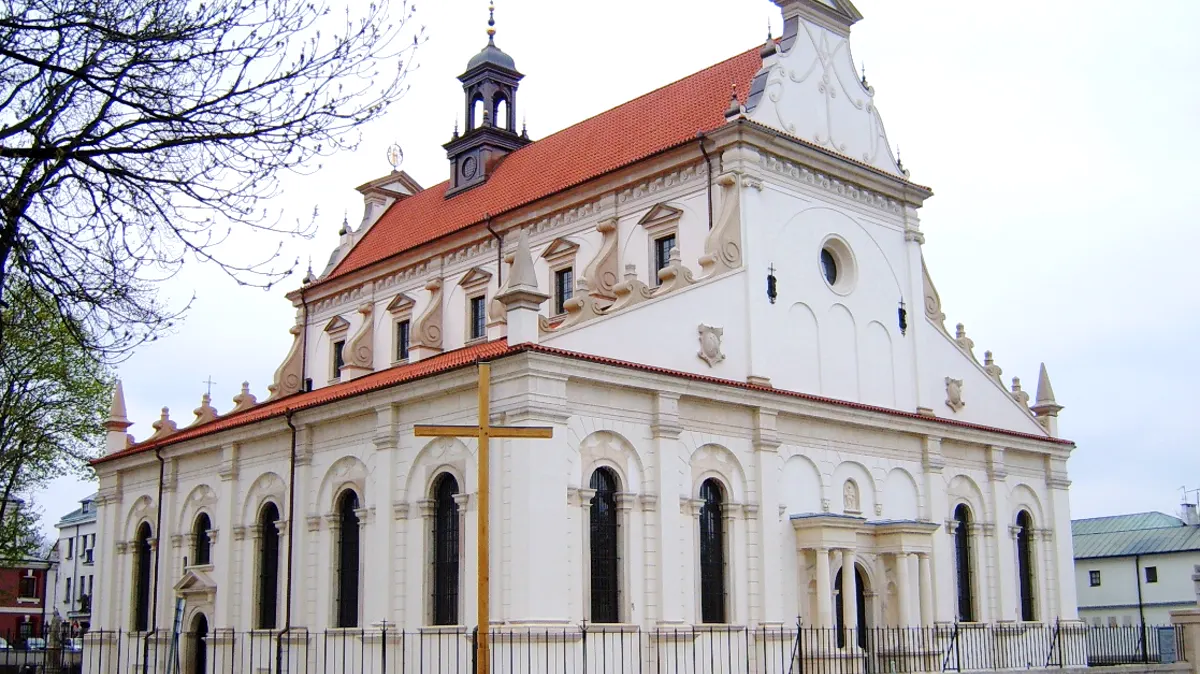
Zamość Cathedral (Cathedral of the Resurrection and St Thomas the Apostle)
One of Poland's finest Renaissance churches, designed by Bernardo Morando and paid for by Jan Zamoyski, raised to cathedral rank in 1992.
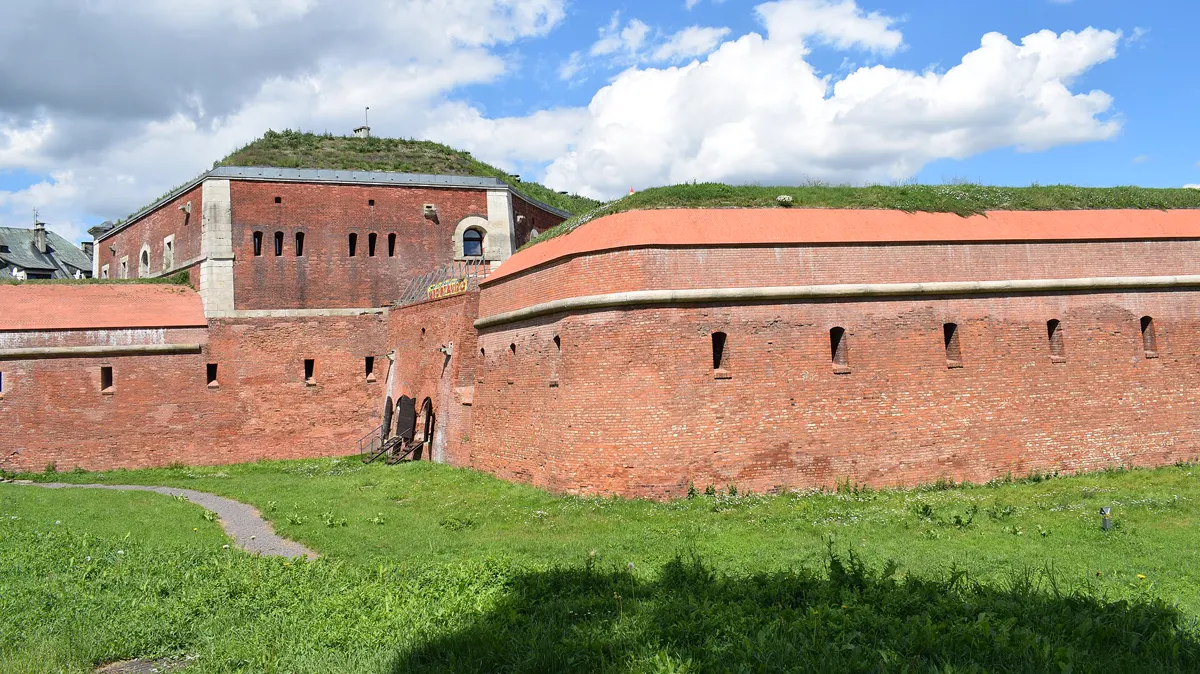
Bastion VII Underground Tourist Route (Nadszaniec)
A half-kilometre walk through the casemates and galleries of Bastion No 7, the biggest bastion of a fortress that was never taken by an enemy.
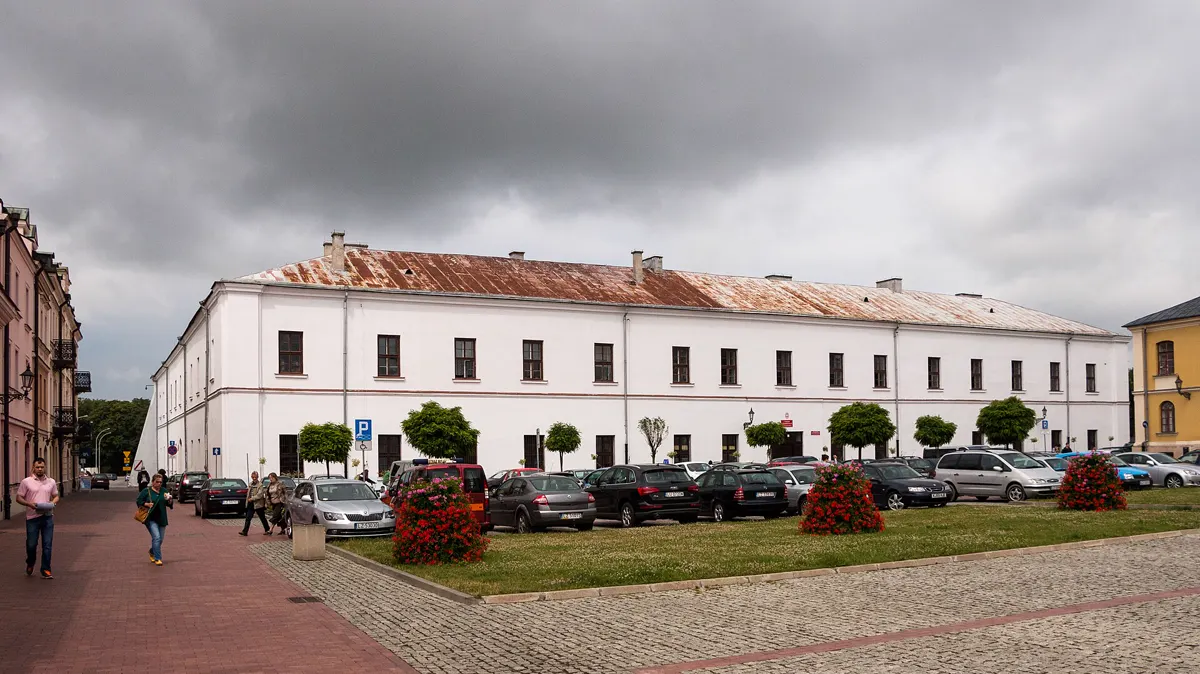
Zamoyski Academy
The Zamoyski Academy was Poland's first private university, founded in 1594 by Crown Chancellor Jan Zamoyski. Its restored late-Baroque building stands in Zamość Old Town and now houses a high school.
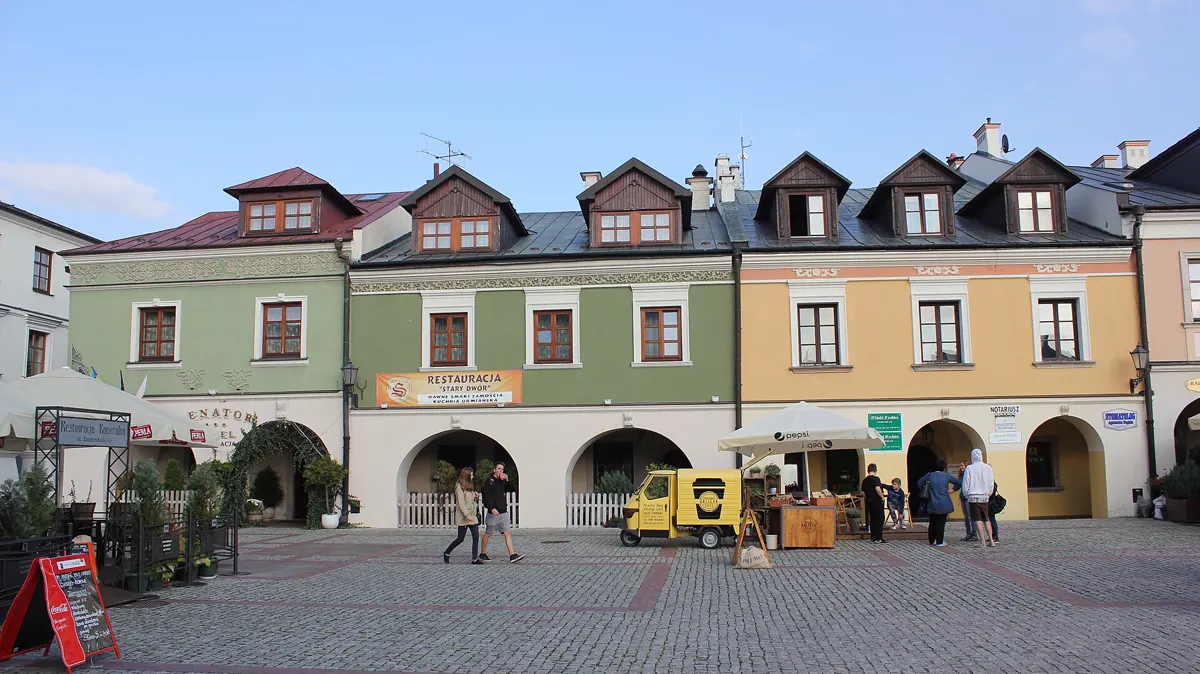
Salt Market (Rynek Solny)
Rynek Solny is one of Zamość's two smaller market squares, named for the salt trade that once passed through it and marked today by a large ship's anchor.
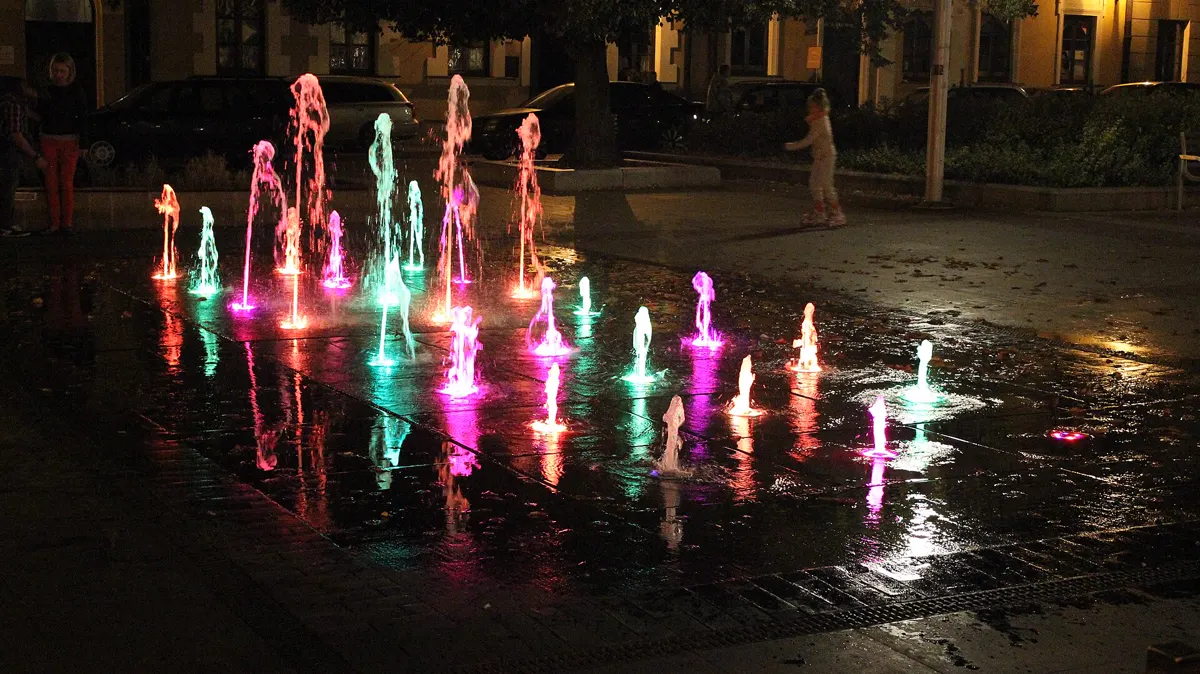
Water Market (Rynek Wodny)
The Water Market is the smallest of Zamosc's three Renaissance Old Town squares, a quiet pedestrian plaza in the southern quarter with an illuminated fountain and the former Poor Clares church.
More to explore in Zamość
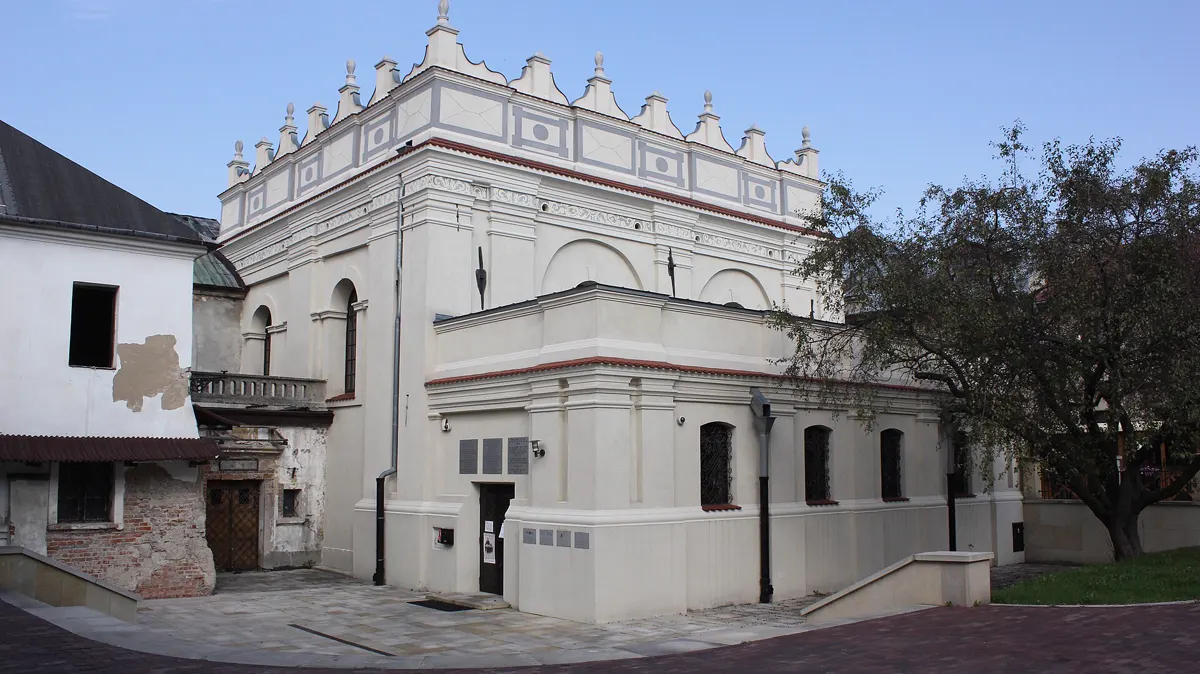
Museum
Zamość Synagogue (Synagogue Centre)
A rare surviving Renaissance synagogue of about 1618, restored by the Foundation for the Preservation of Jewish Heritage and reopened in 2011 as a cultural centre with a multimedia exhibition on the town’s Jewish heritage.
Museum
Zamość Rotunda (Museum of Martyrdom of the Zamość Region)
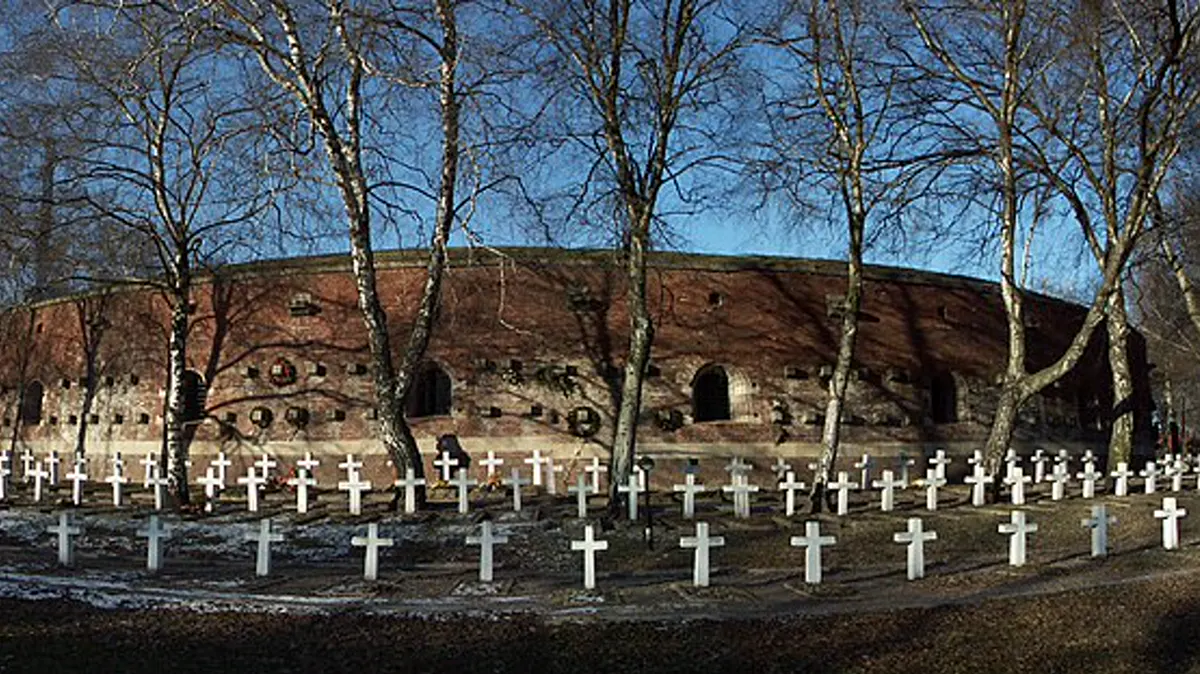
A 19th-century circular fort that the Gestapo turned into a place of execution during WWII, now a museum of martyrdom for the Zamość region.
Museum
Muzeum Zamojskie (Museum of Zamość, Armenian Houses)
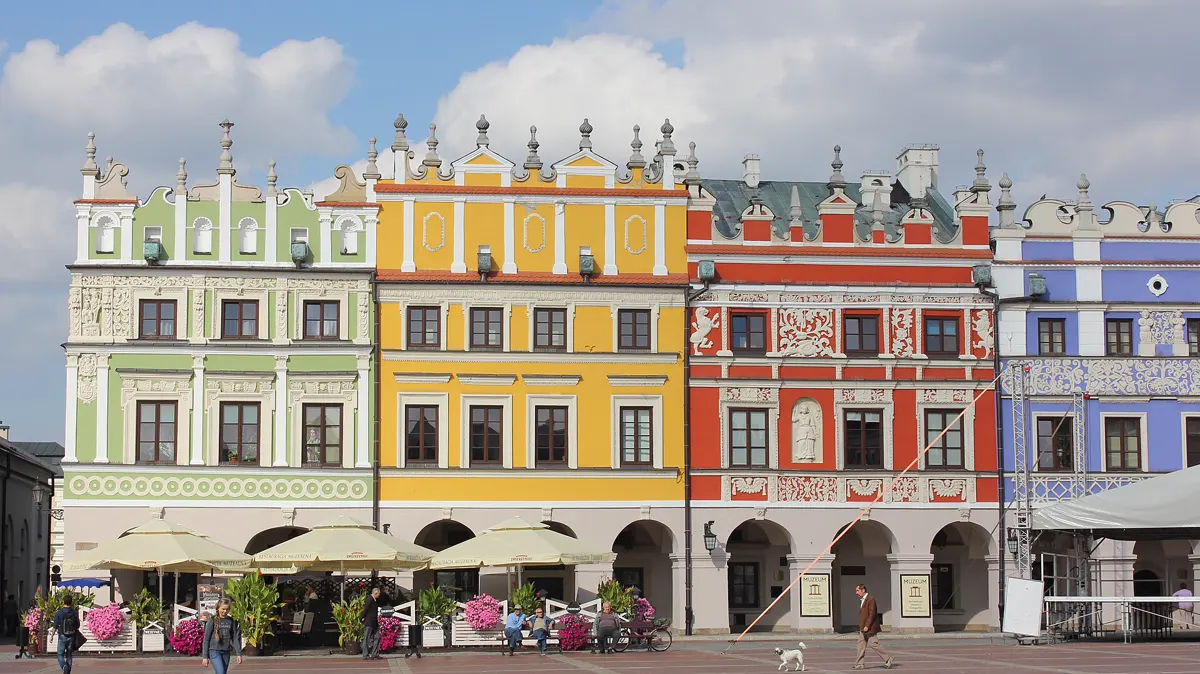
The town museum set inside the ornately decorated 17th-century Armenian houses on the Great Market Square.
Restaurant
Restauracja Muzealna Ormiańskie Piwnice
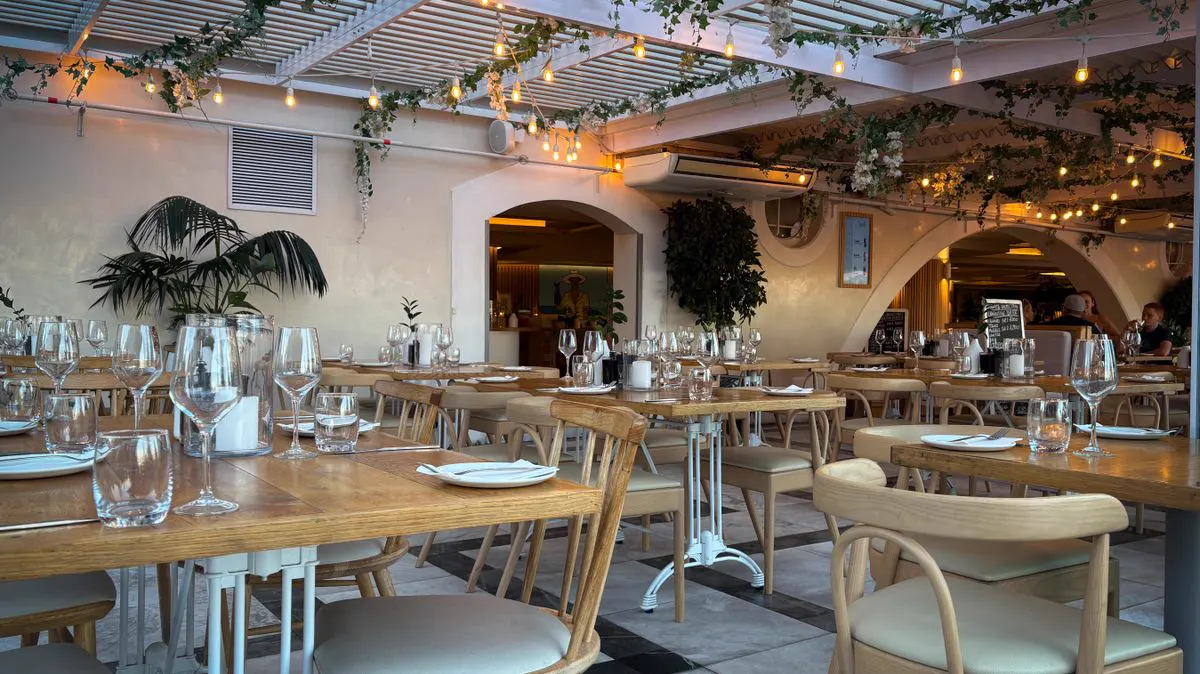
Armenian and regional cooking served in the vaulted cellars of a 17th-century Armenian house beside the Town Hall.
Restaurant
Restauracja Bohema
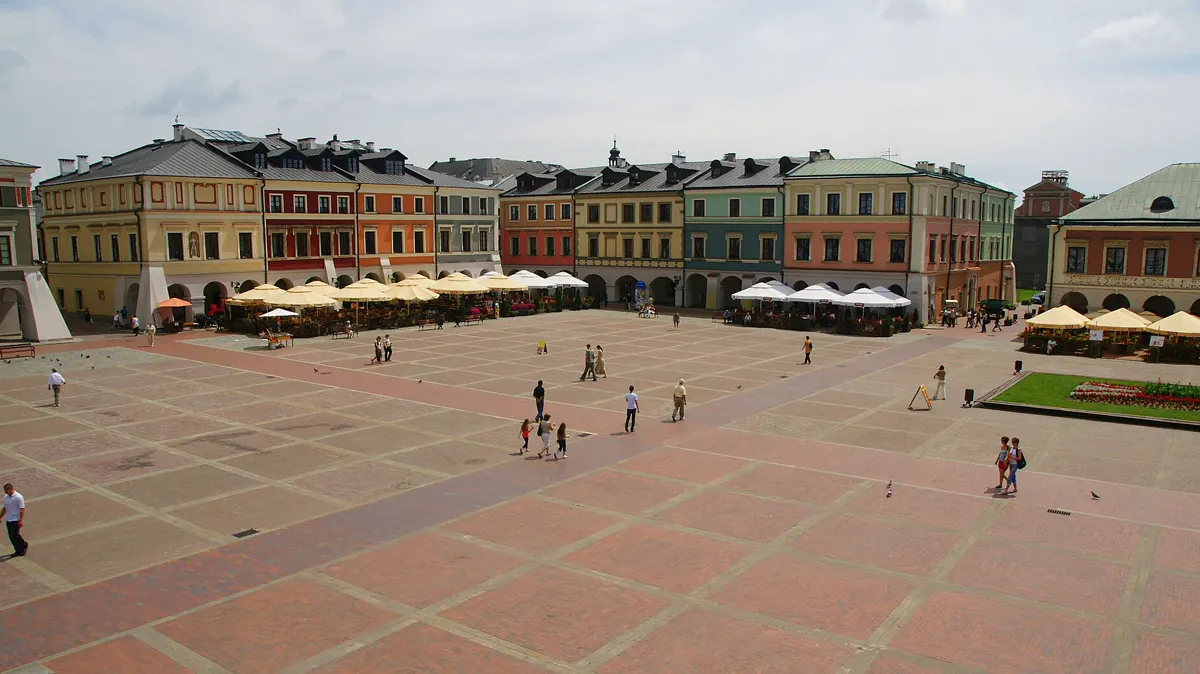
A long-running restaurant on a corner of the Great Market Square, with big outdoor tables looking onto the arcades.
Hotel
Hotel Renesans
A three-star hotel inside the Old Town, a few minutes' walk from the Great Market Square.