Attraction in Białowieża
Obelisk of 1752
The oldest monument in Białowieża, a sandstone obelisk marking a royal hunt held by King Augustus III in 1752, with inscriptions listing the game taken.
Reviewed and updated July 2026
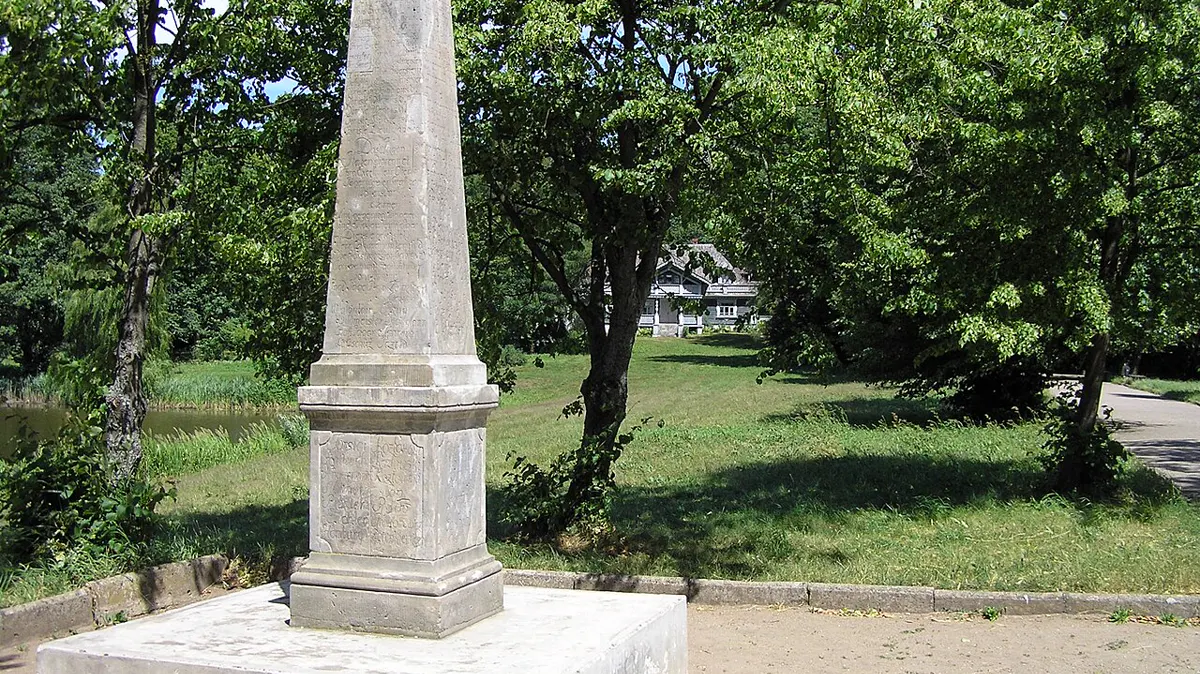
The Obelisk of 1752 is a sandstone monument in the Palace Park in Białowieża, and it is the oldest monument in the town. It was raised to commemorate a royal hunt held by King Augustus III on 27 September 1752, and its inscriptions in Polish and German record the game taken during the event, including 42 bison and 13 elk. People visit because it puts a date and a number on the centuries-old tradition of royal hunts in this forest, standing on its mound close to the Narewka River.
What the inscriptions record
The obelisk carries text in both Polish and German, a reminder of who took part in and read about hunts here in the eighteenth century. The inscriptions list the animals killed during the 1752 hunt, among them 42 bison and 13 elk. Reading the tally is the point of a visit, since few monuments state so plainly what a royal hunt actually involved. Take a moment to look for these figures on the stone rather than rushing past.
A monument that travelled and came home
The obelisk has an unusual biography for a piece of stone. In 1915, during the First World War, Russian troops carried it deep into Russia. It was returned to Poland in 1921 and, after restoration, set once more in the Palace Park in 1938, where it stands today. That journey out and back is part of why the monument matters, and it explains why the oldest marker in Białowieża is still here to be seen.
Where it stands and who it suits
You will find the obelisk in the Palace Park, near the Narewka River, so it fits naturally into a walk through the park rather than a special trip. It suits anyone interested in the history of the forest and the royal hunts that shaped how it was used and protected. The setting on a low mound by the water is quiet, and the stone itself is modest, so it rewards visitors who slow down to read it. Check official park channels for any details on access or guided routes.
Fitting it into a Białowieża visit
The obelisk pairs well with the wider Palace Park, which is the usual starting point for exploring the town and the surrounding forest. Because it sits within the park, you can see it alongside other sights on foot in a single outing. For planning the rest of your time, see our Białowieża guide. Treat the monument as a short, meaningful stop that ties the living forest to the human history recorded on its stone.
Good to know
The obelisk sits on a mound in the Palace Park near the Narewka River, so pair it with a park walk rather than a separate trip.
Frequently asked questions
More attractions in Białowieża
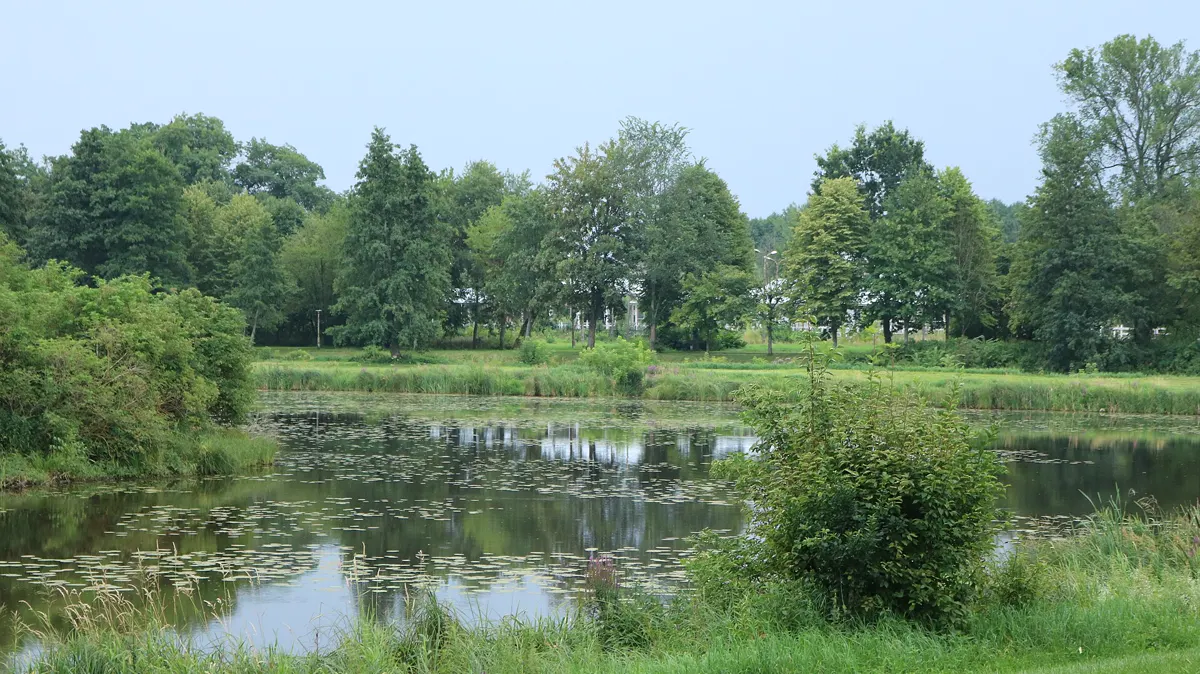
Palace Park (Park Pałacowy)
Landscaped grounds around the site of the tsars' burned hunting palace, now the setting for the national park museum.
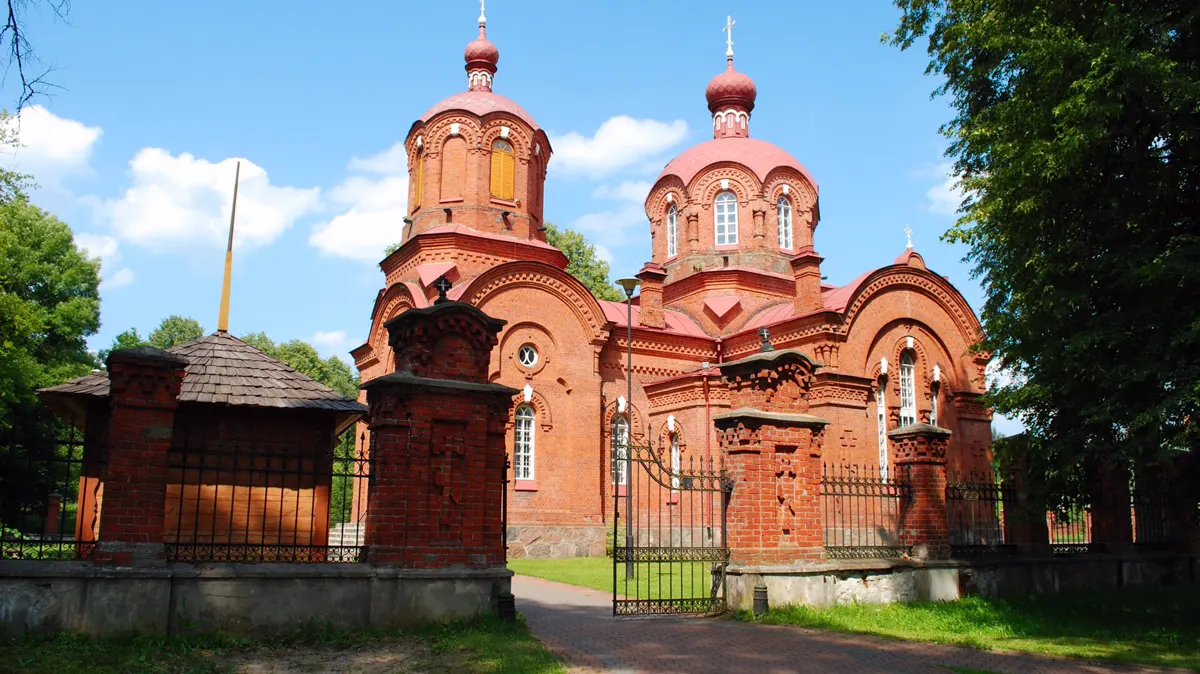
Orthodox Church of St Nicholas
A tsarist-era Orthodox church holding a rare glazed-ceramic iconostasis, unusual in Poland.
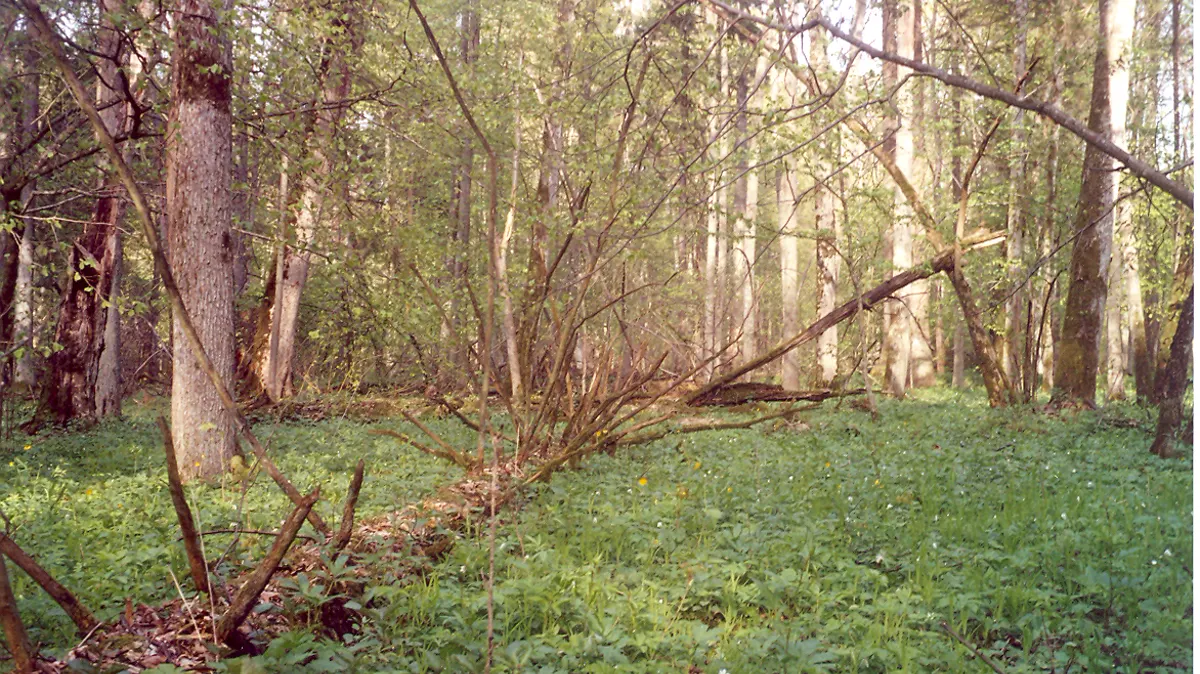
Strict Nature Reserve, Białowieża (Guided Primeval Forest Walk)
The strictly protected core of the Białowieża primeval forest, a UNESCO World Heritage site entered only on foot with a licensed park guide. Visitors walk through old-growth woodland that has never been cleared.
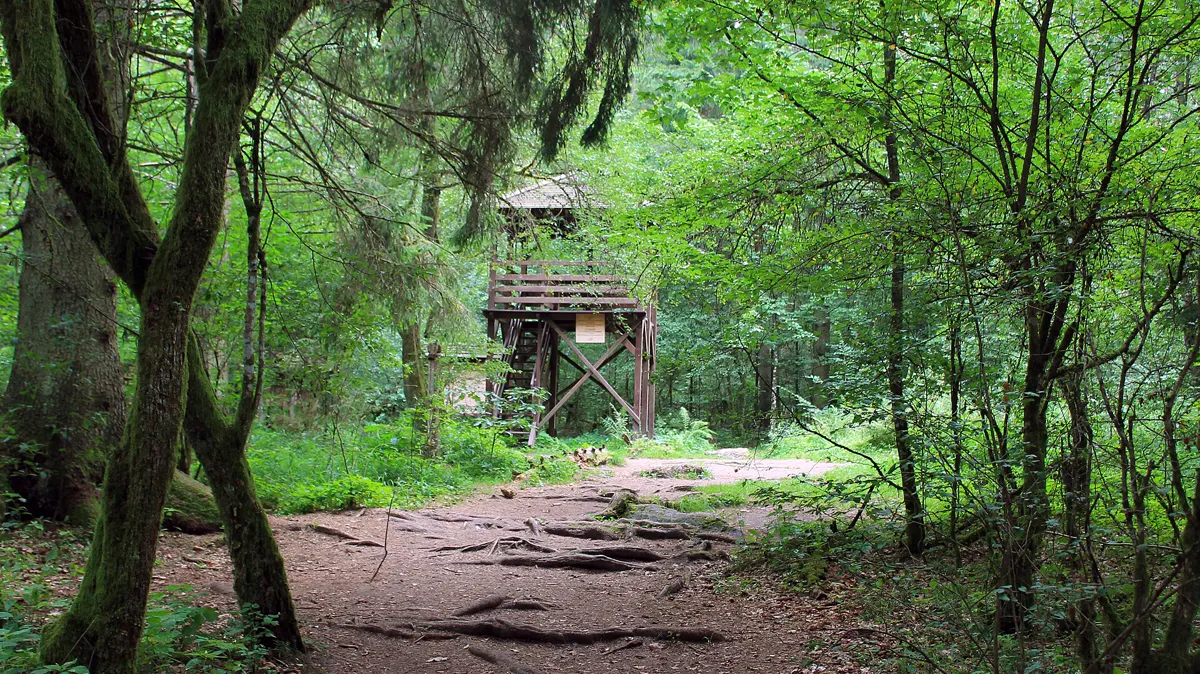
Place of Power (Miejsce Mocy)
A forest clearing with an arrangement of stones a few kilometres from Białowieża, tied by local tradition to old pagan worship and visited for its quiet, folklore-tinged atmosphere.
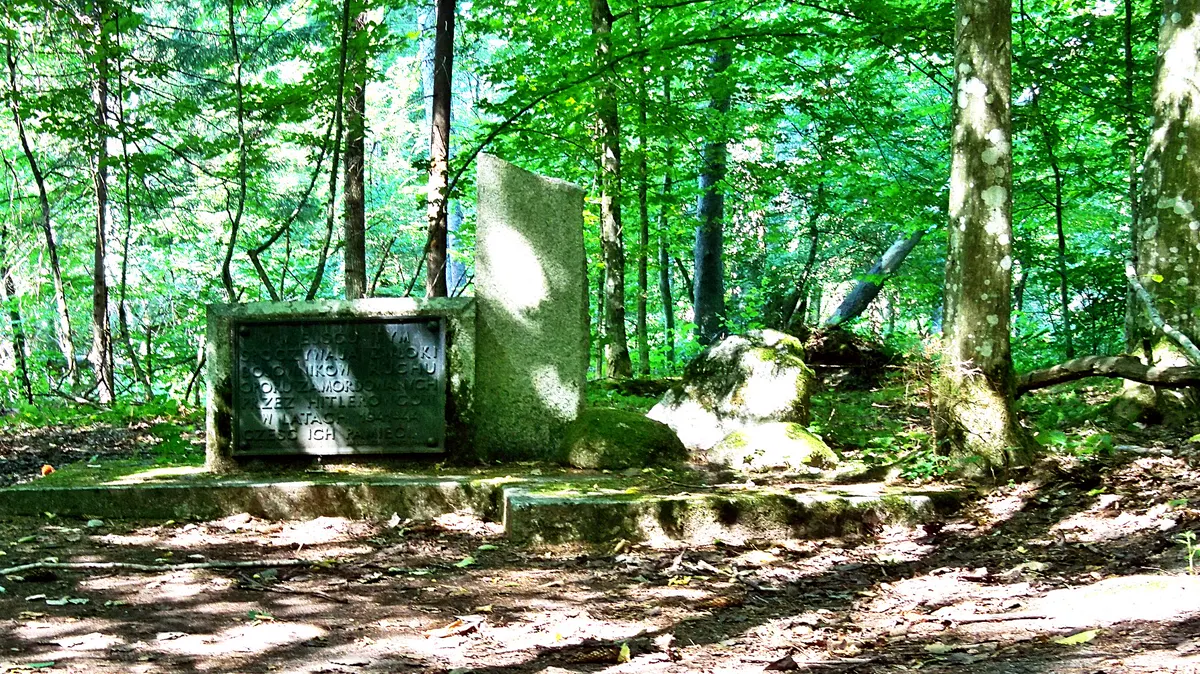
Execution Site Memorial (Miejsce Straceń)
A memorial at a former gravel pit near Białowieża marking the wartime execution of around 500 local people by Nazi German forces. It is one of the village's most important places of remembrance.
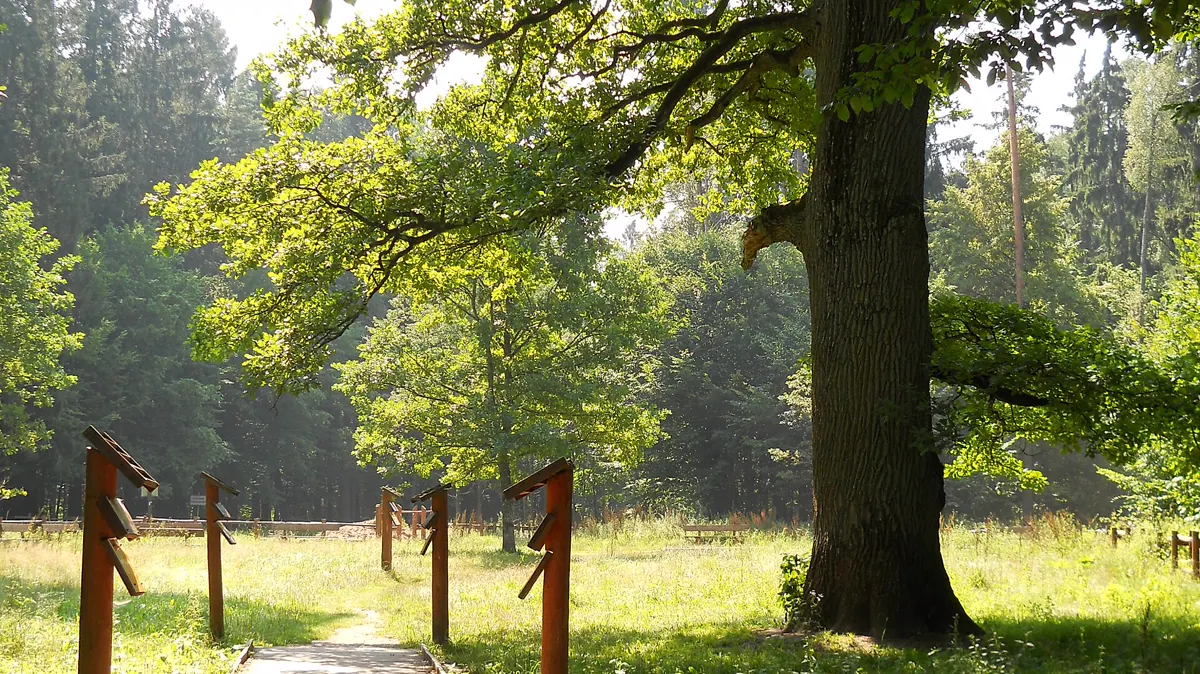
Royal Oaks Trail (Szlak Dębów Królewskich)
A short boardwalk loop in the Stara Białowieża tract that winds past monumental oaks, each named after a Polish king or Lithuanian duke who once hunted in the forest.
More to explore in Białowieża
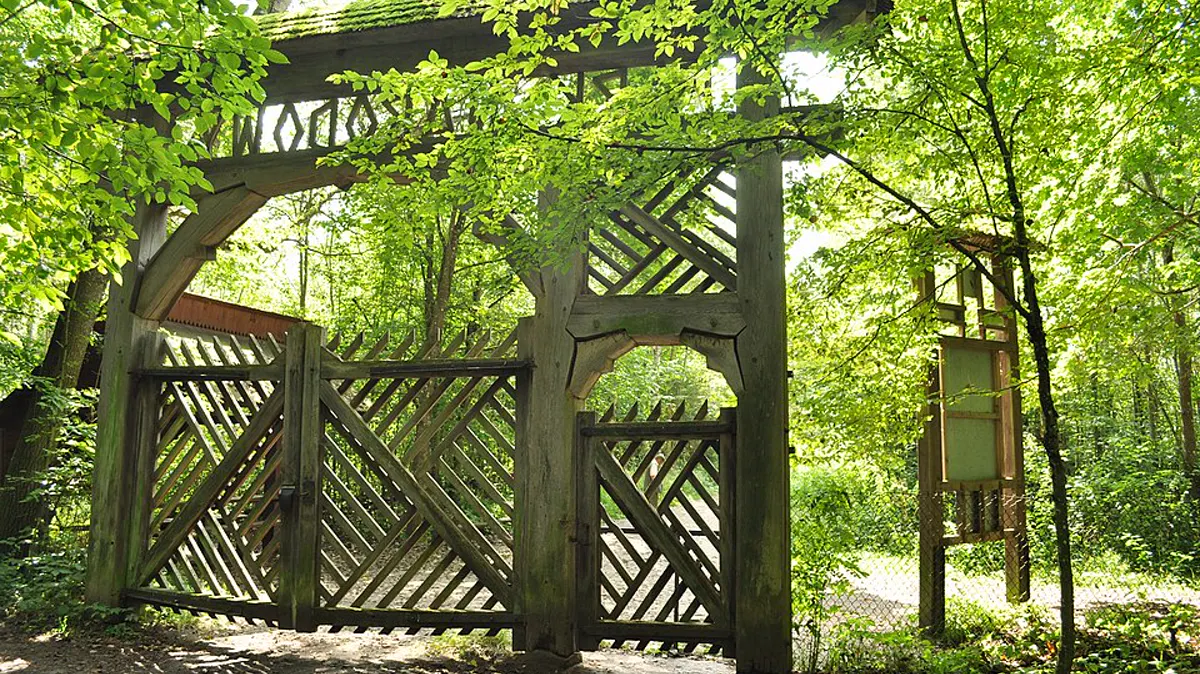
National Park
Bialowieza National Park
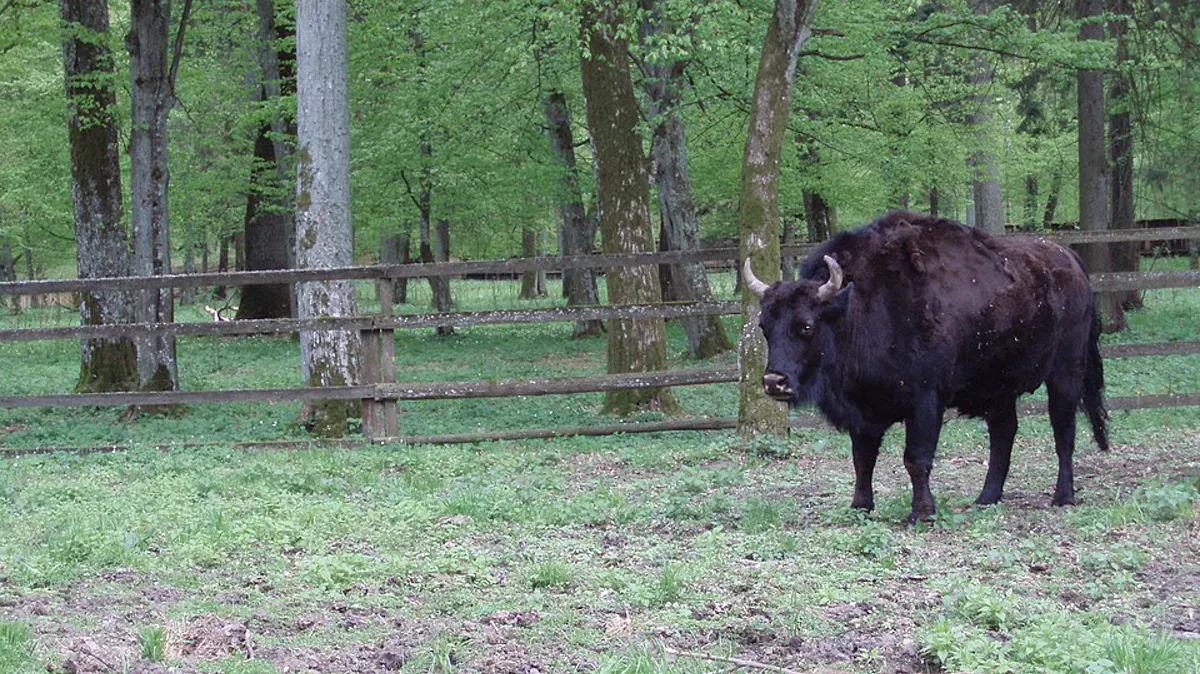
A fragment of primeval lowland forest, never logged in its core, protecting Europe's largest wild population of bison.
Nature
European Bison Show Reserve
A managed enclosure west of the village where you can reliably see European bison along with wolves, lynx and elk.
Museum
Nature and Forest Museum (Muzeum Przyrodniczo-Leśne)
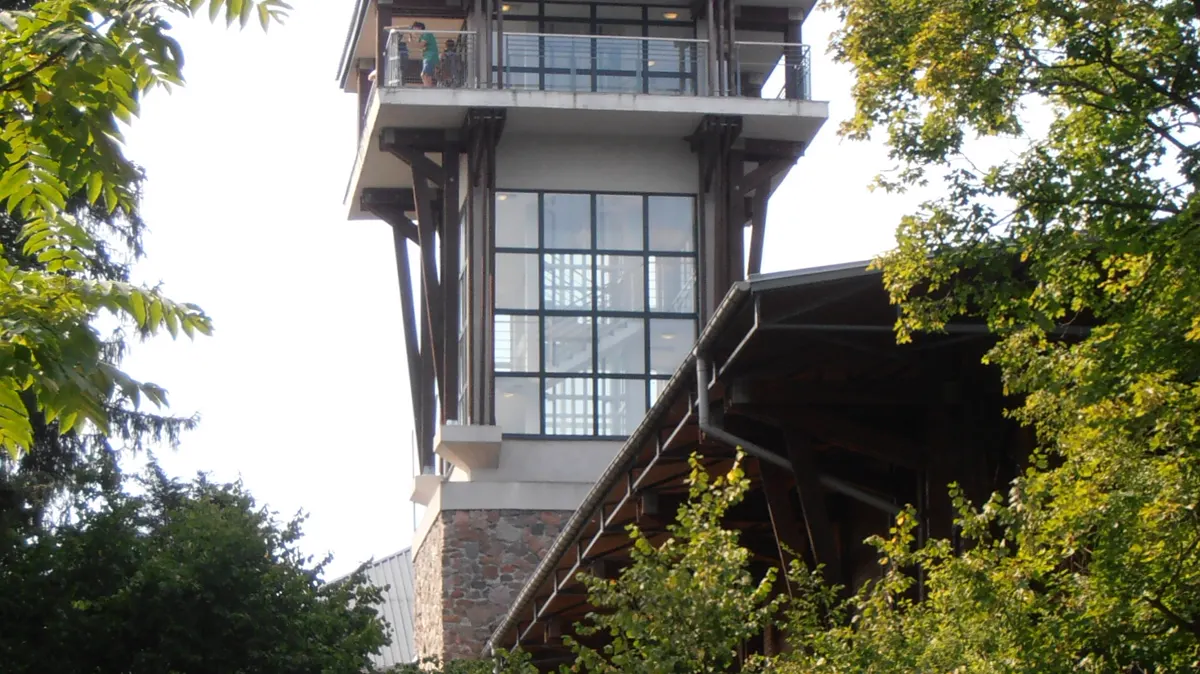
The national park's natural-history museum in Palace Park, with forest dioramas and a viewing tower.
Restaurant
Restauracja Pokusa
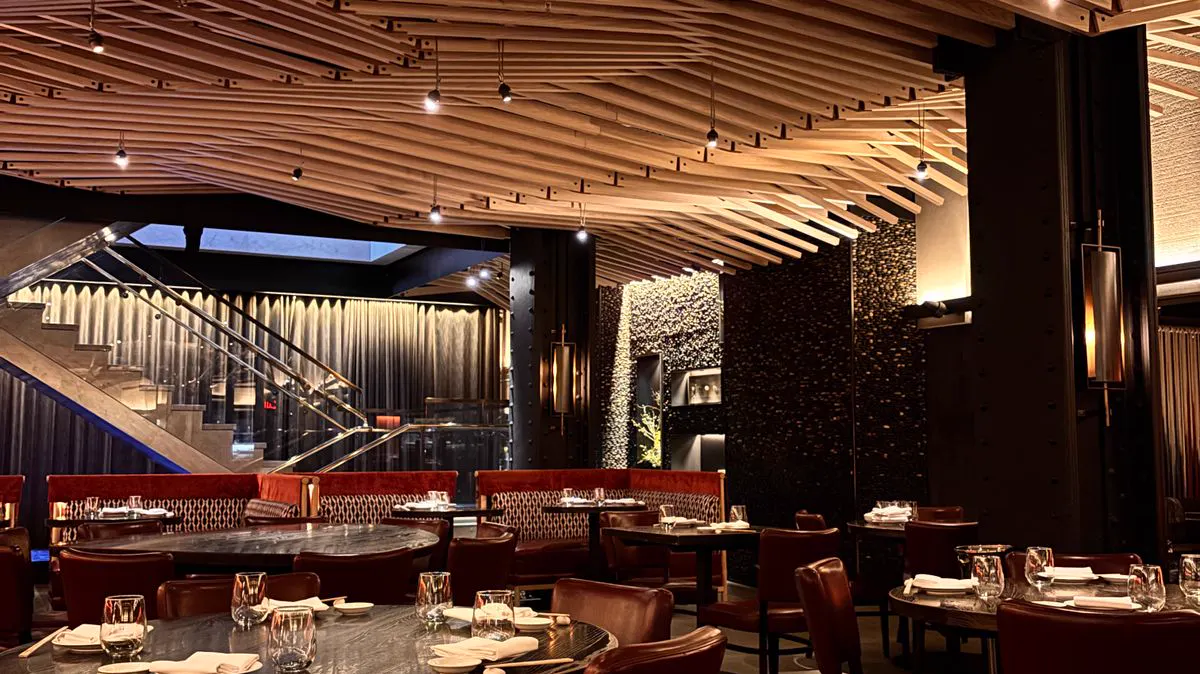
A broad-menu Białowieża restaurant strong on game, fish and regional dishes with craft beer.
Hotel
Hotel Żubrówka Spa & Wellness
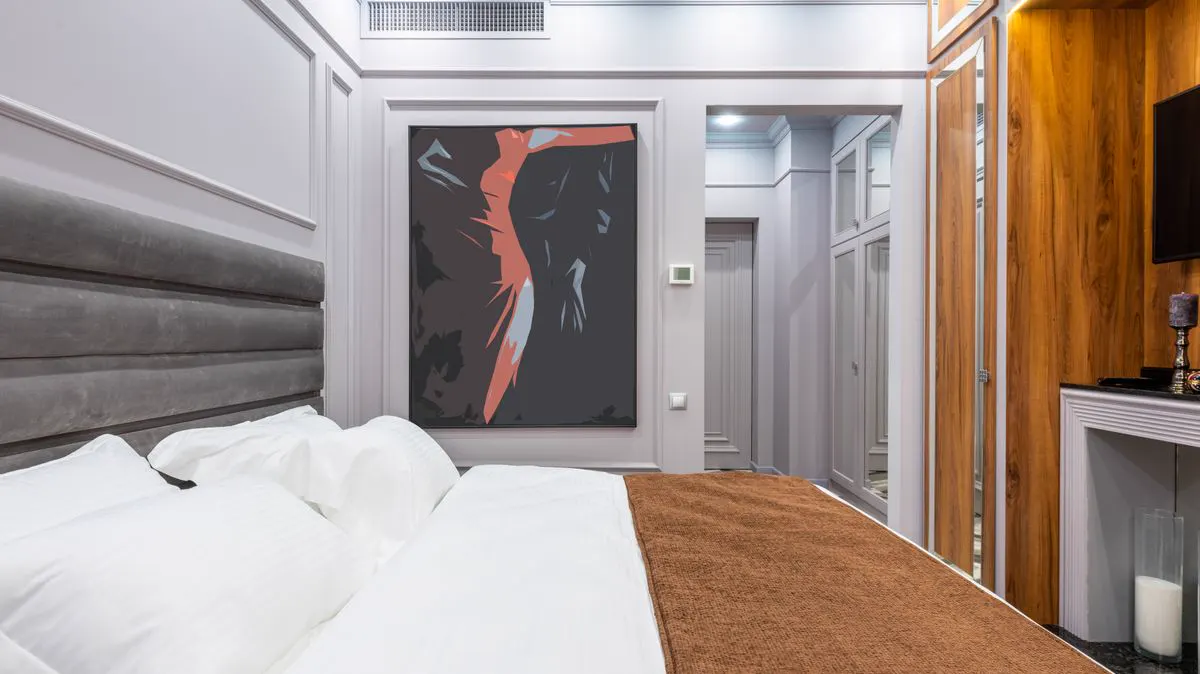
A four-star spa hotel by the national park entrance with pool, salt cave and a regional restaurant.
Hotel
Hotel Białowieski Conference, Wellness & SPA
A three-star forest-edge hotel with an indoor pool, spa and its own on-site brewery.