Attraction in Częstochowa
Church of St. James the Apostle
A domed garrison church on plac Biegańskiego in Częstochowa, built in 1869-1872 as an Orthodox church and given to the Roman Catholic Church in 1918.
Reviewed and updated July 2026
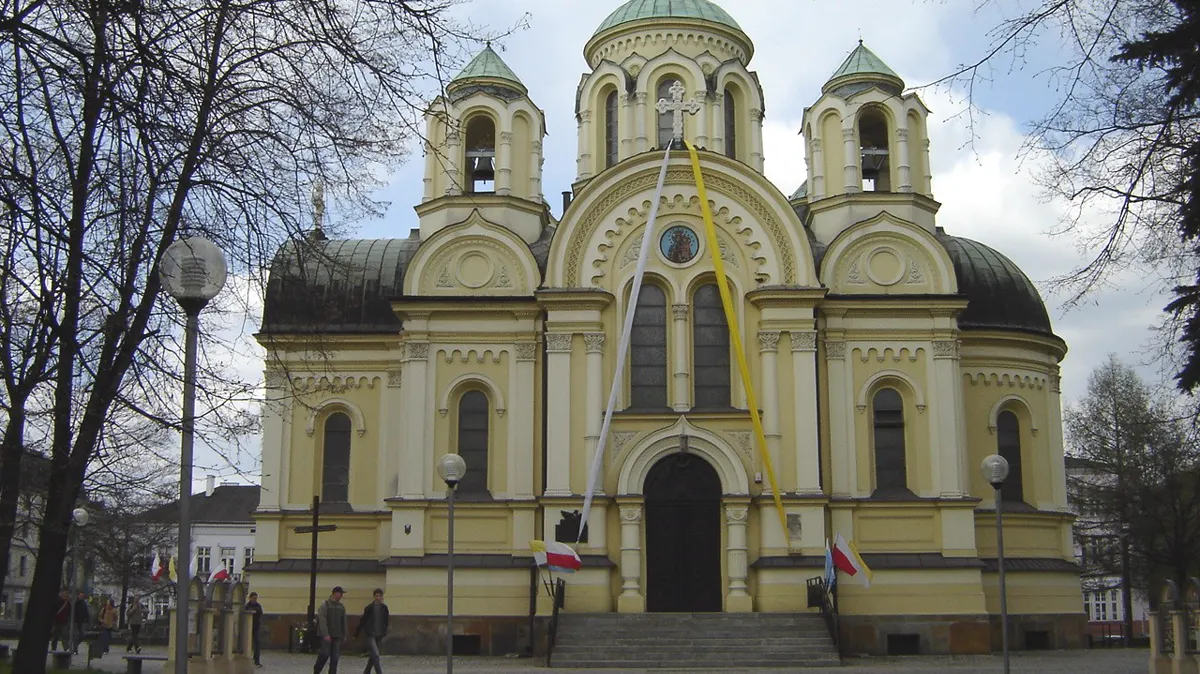
The Church of St. James the Apostle is a Roman Catholic garrison church on plac Biegańskiego in Częstochowa, and people visit it for its domed Byzantine-Russian silhouette, one of the most recognisable near the main avenue. It was built by the Tsarist authorities in 1869-1872 as the Orthodox church of Saints Cyril and Methodius, then handed to the Roman Catholic Church in 1918 after Poland regained independence and rededicated to St. James, the saint of the chapel that had stood on the site before.
The domed Byzantine-Russian exterior
The church stands out for its shape rather than its scale, a compact body crowned by a central dome that reads clearly against the surrounding streets. It was built in a Byzantine-Russian style typical of Orthodox churches raised under Tsarist rule, which is why its form differs from the Catholic churches around it. That contrast is the main reason the building draws the eye on plac Biegańskiego, and it is easy to pick out as you walk along the Avenue of the Blessed Virgin Mary.
A church that changed faith and function
The site carries a longer story than the current building. An earlier St. James chapel and a hospice for pilgrims stood here before the Tsarist authorities cleared the ground and put up their Orthodox church between 1869 and 1872. When Poland regained independence in 1918 the building passed to the Roman Catholic Church, was rededicated to St. James, and took on its present role as a garrison church. That handover makes it a physical record of the shift from partition to independence.
Who it suits and how to visit
The church rewards travellers interested in architecture and in the layered history of the partition era, rather than those looking only for the famous monastery on the hill. Because it is an active parish and garrison church, plan a visit around Mass times and treat the interior with the usual respect, and check the parish's official channels for current opening details before you go. Its position right on plac Biegańskiego means you can see the exterior at any time as you pass.
Fitting it into a Częstochowa visit
Most people come to Częstochowa for Jasna Góra, and the Church of St. James works well as a short stop along the way. Plac Biegańskiego sits on the Avenue of the Blessed Virgin Mary, the axis that runs from the city centre up towards the monastery, so the church falls naturally on a walk between the two. Pair it with the square and the avenue for a fuller sense of the city, and see the wider Częstochowa guide for what else lies nearby.
Good to know
It sits directly on plac Biegańskiego along the Avenue of the Blessed Virgin Mary, so you can fit it into the walk between the city centre and Jasna Góra.
Frequently asked questions
More attractions in Częstochowa
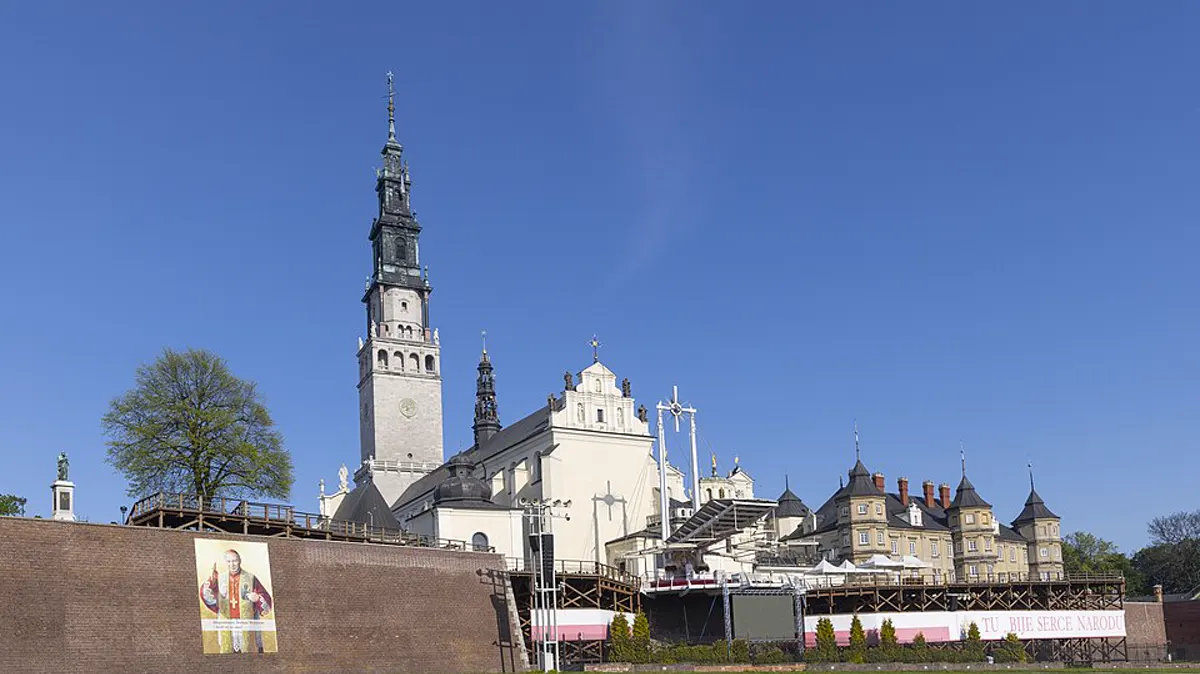
Jasna Gora Monastery
The fortified hilltop monastery that guards the Black Madonna icon, the most important Catholic pilgrimage site in Poland.
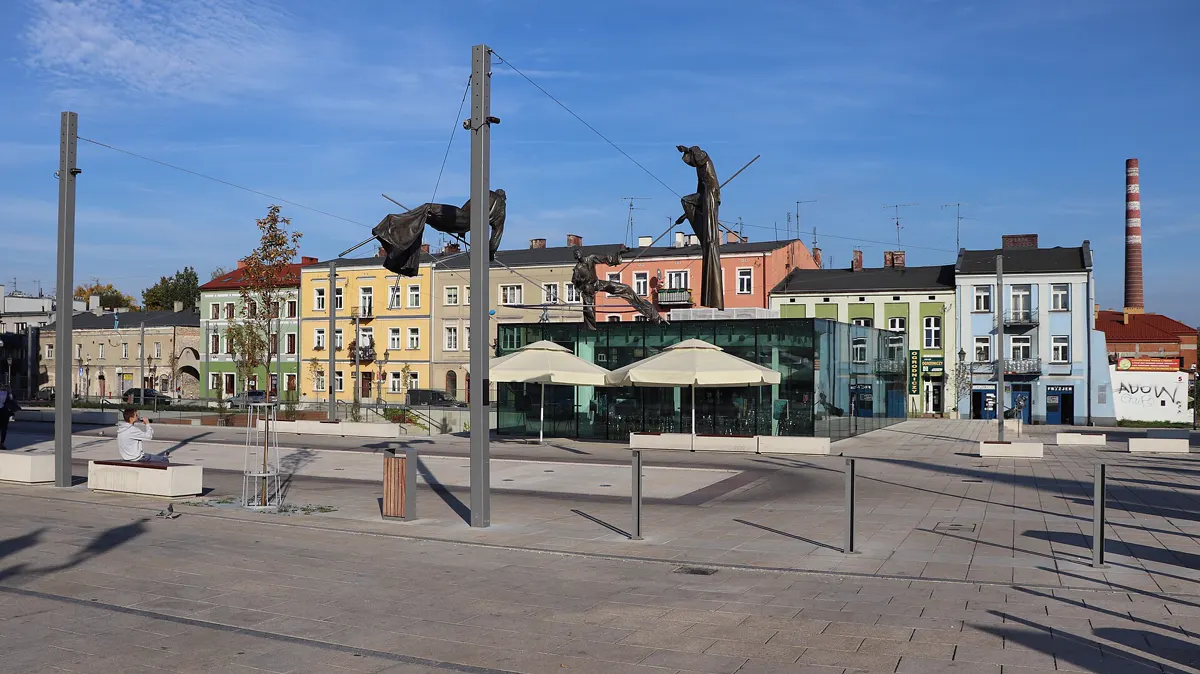
Old Market Square (Stary Rynek)
The revitalised Stary Rynek carries a permanent open-air gallery of Jerzy Kędziora's balancing sculptures, run by the Częstochowa Museum.
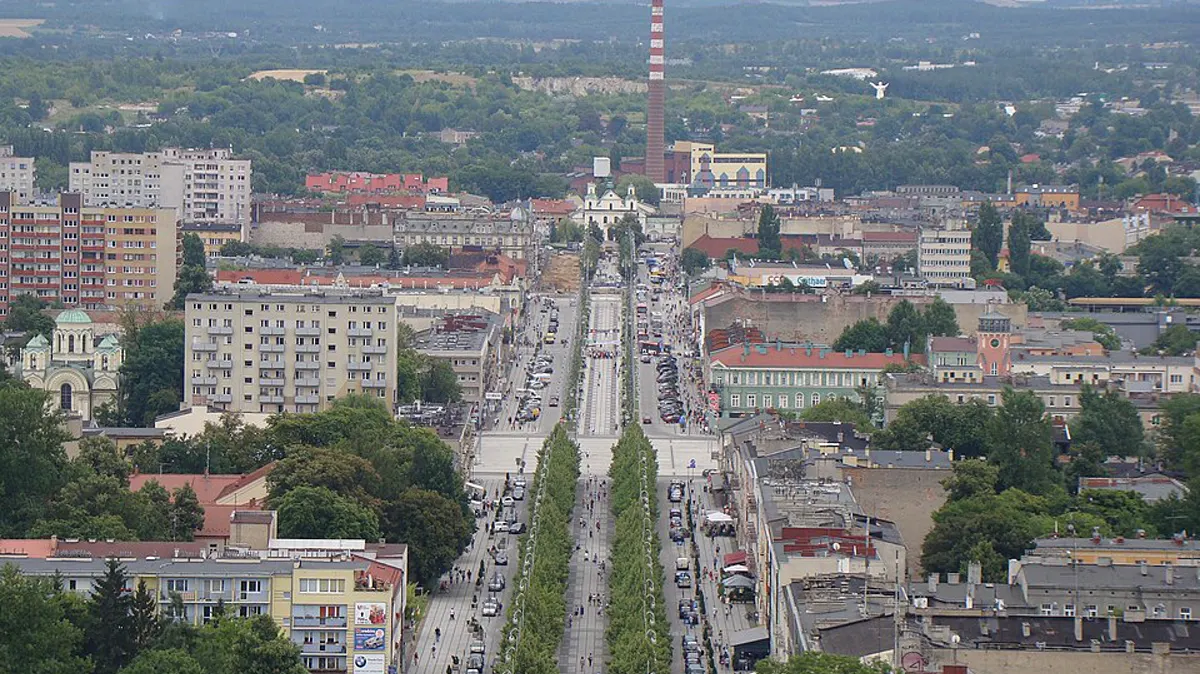
Aleja Najświętszej Maryi Panny (Avenue of the Blessed Virgin Mary)
The Avenue of the Blessed Virgin Mary is Częstochowa's main axis, running from the old town towards Jasna Góra and walked by generations of pilgrims.

Museum of Coins and Medals of John Paul II
A private museum in Częstochowa dedicated to Pope John Paul II, holding over 11,000 exhibits, including around 2,000 coins and many medals, displayed under a dramatic lighting scheme.
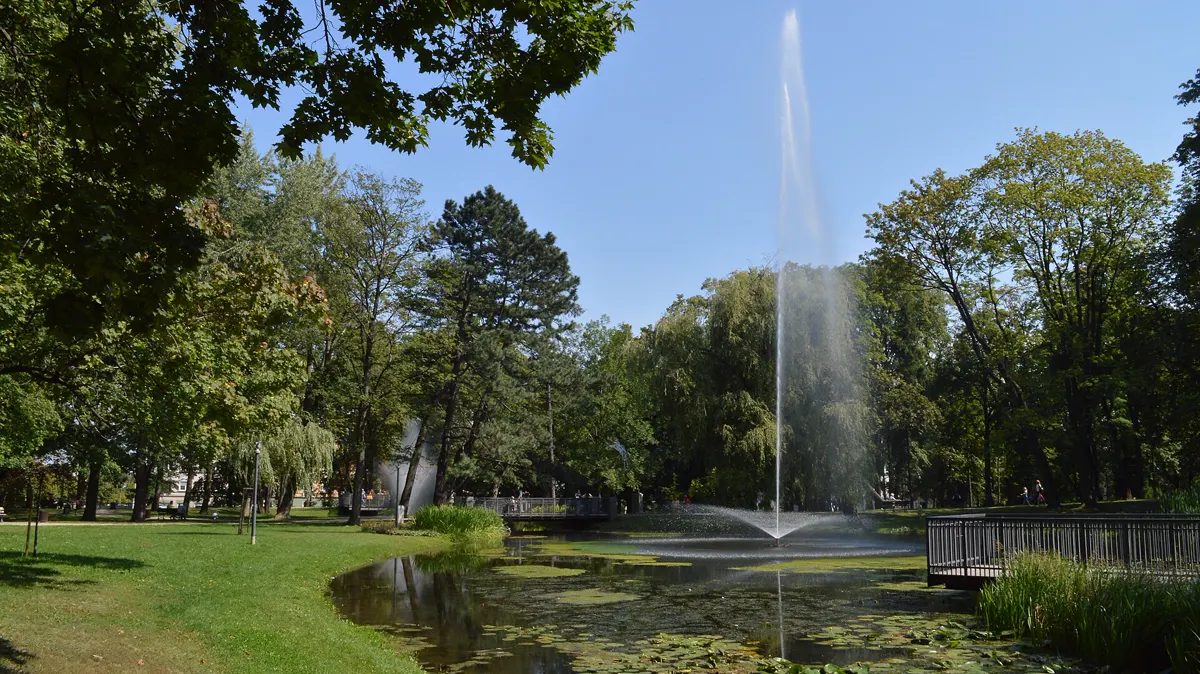
Staszic Park
Staszic Park is the oldest public park in Częstochowa, laid out in 1826 on the eastern approach to Jasna Góra. It links the Avenue of the Blessed Virgin Mary with the monastery hill and draws pilgrims and residents heading up to the sanctuary.
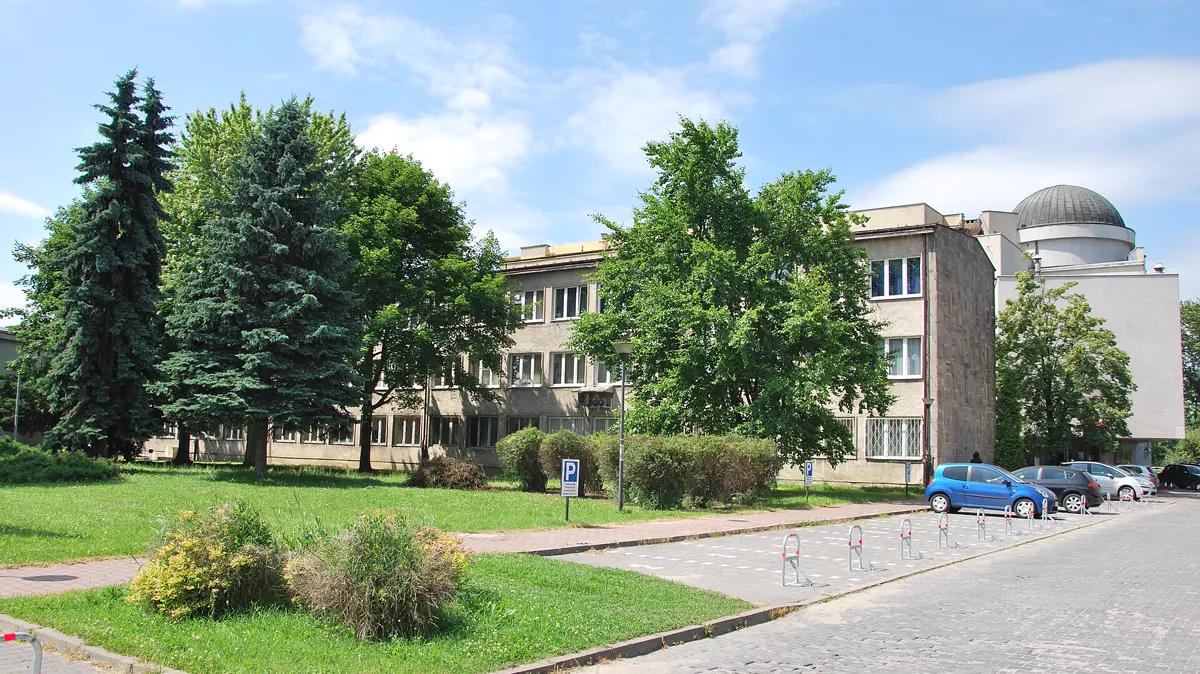
Częstochowa Planetarium
A university-run planetarium in Częstochowa where a domed spherical cinema projects simulated night skies and astronomical phenomena for public audiences.
More to explore in Częstochowa
Museum
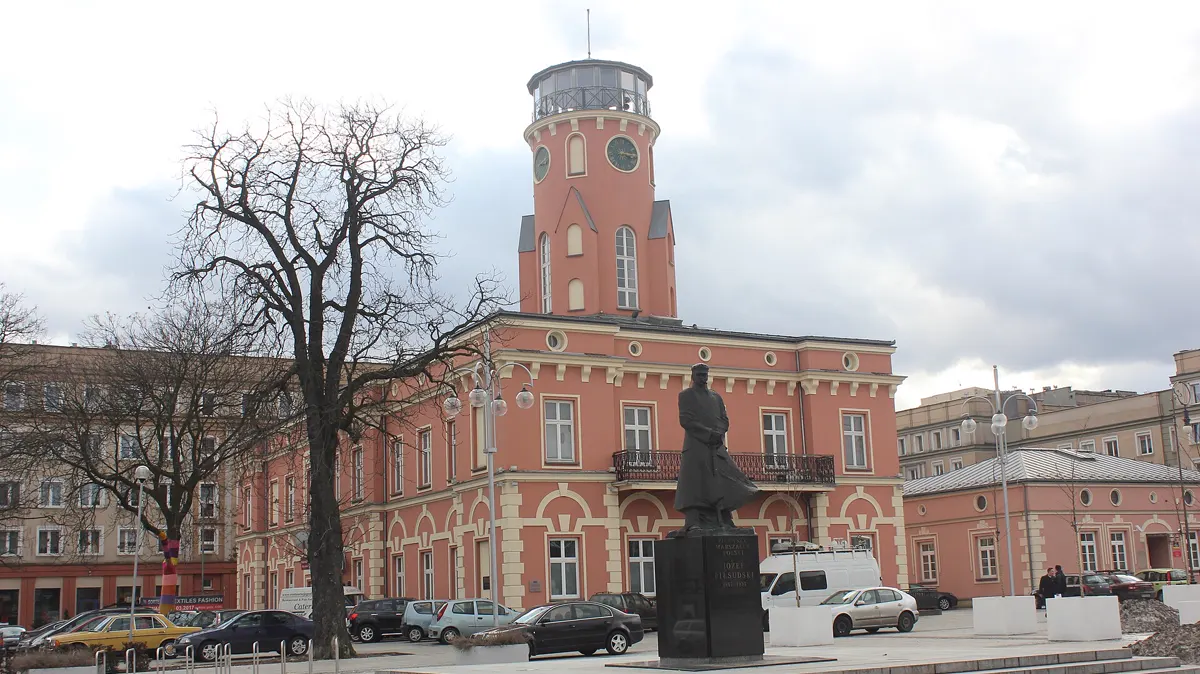
Częstochowa Museum (Muzeum Częstochowskie)
The Częstochowa Museum spreads across eight venues, from the Town Hall on plac Biegańskiego to branches covering history, art and archaeology.
Museum
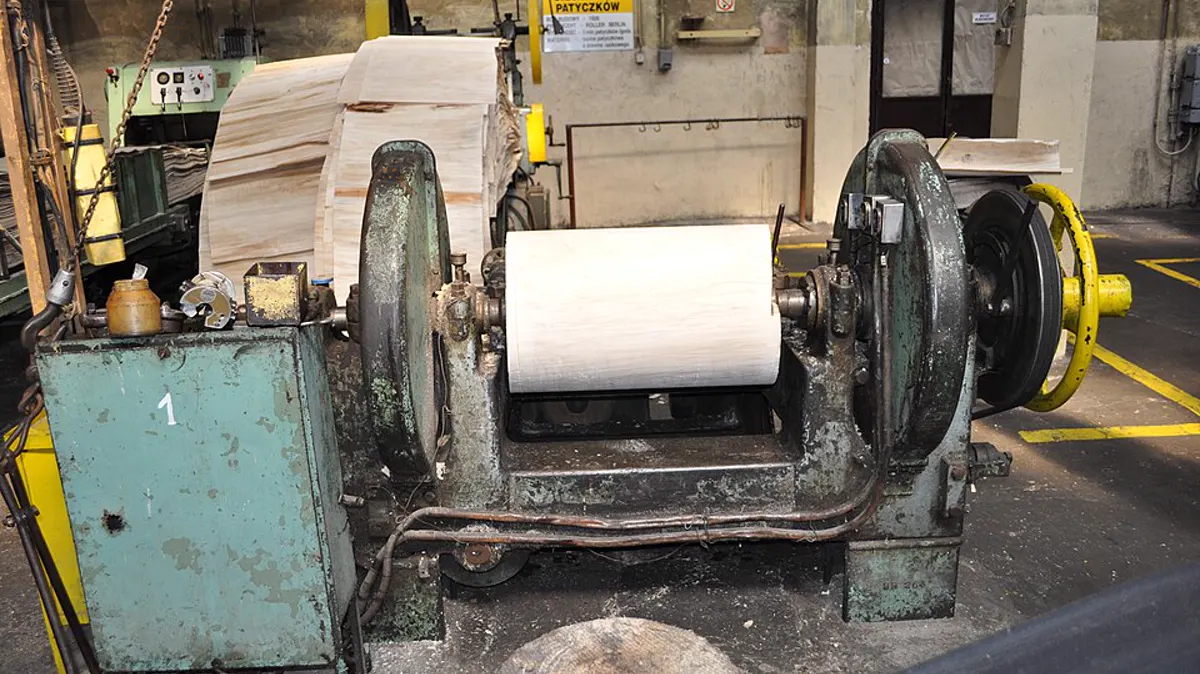
Museum of Match Production (Muzeum Produkcji Zapałek)
The Museum of Match Production keeps a 1930s factory line in a plant dating to 1882, described as the only working match museum in Europe.
Museum
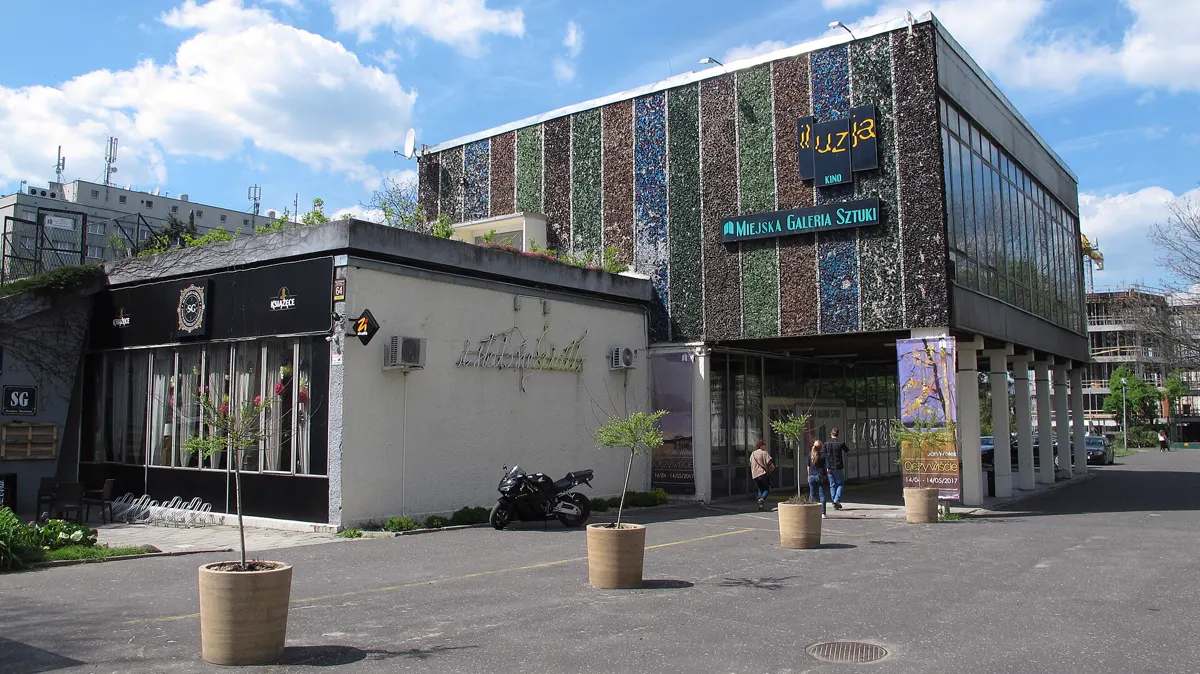
City Art Gallery (Miejska Galeria Sztuki) and Beksiński display
The City Art Gallery on Aleja NMP shows a permanent Beksiński collection of paintings and drawings given by collectors Anna and Piotr Dmochowski.
Museum
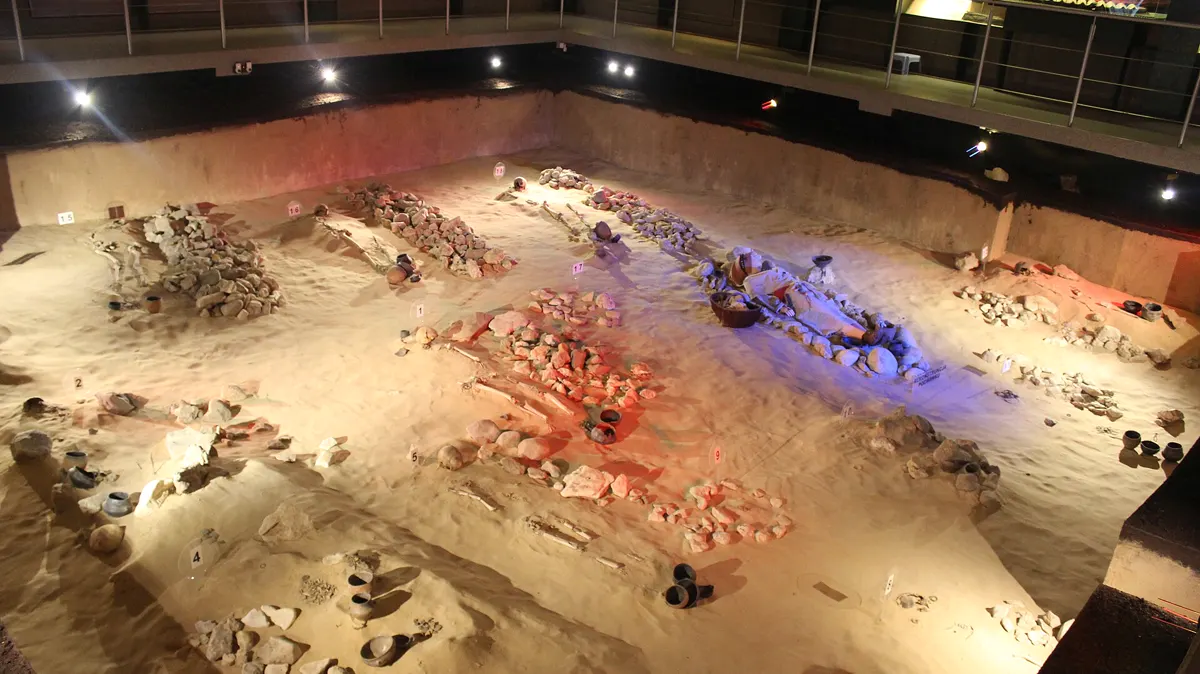
Archaeological Reserve (Rezerwat Archeologiczny)
The Archaeological Reserve protects an early Iron Age Lusatian cemetery, kept in the ground exactly where it was dug up.
Restaurant
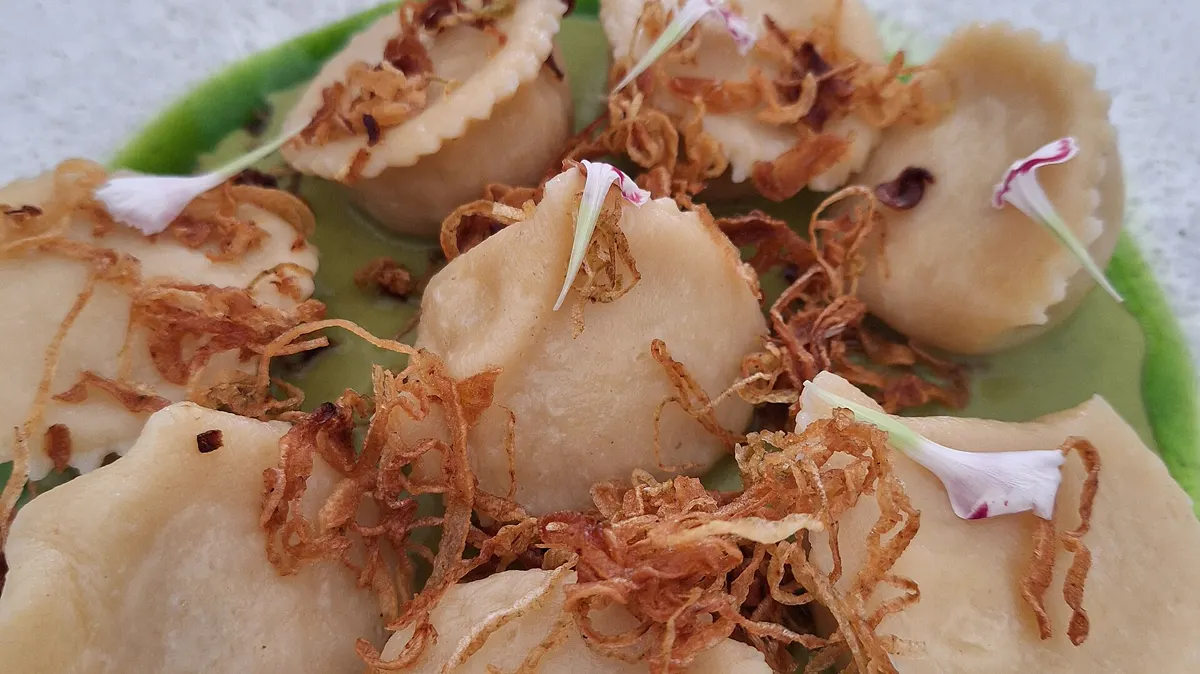
Cafe & Restaurant Dobry Rok
Cafe & Restaurant Dobry Rok sits on Aleja NMP, serving Polish and Italian dishes across a menu that works for lunch, dinner or coffee.
Restaurant
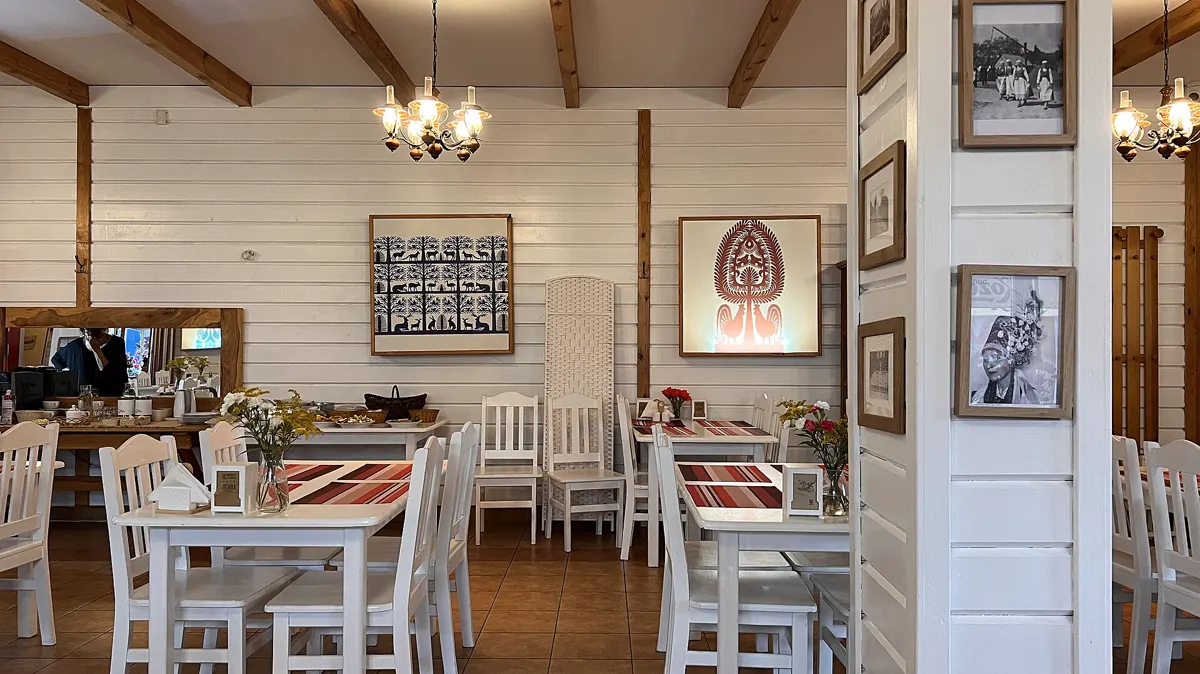
Restauracja U Braci
Restauracja U Braci serves Polish cooking alongside Italian and Mediterranean plates at 7 Kamienic in Częstochowa.