Attraction in Gdańsk
Amber Museum (Great Mill)
The Amber Museum in Gdańsk tells the story of Baltic amber, from raw fossilised resin to jewellery and art, inside the Great Mill, a 14th-century Teutonic watermill.
Reviewed and updated July 2026
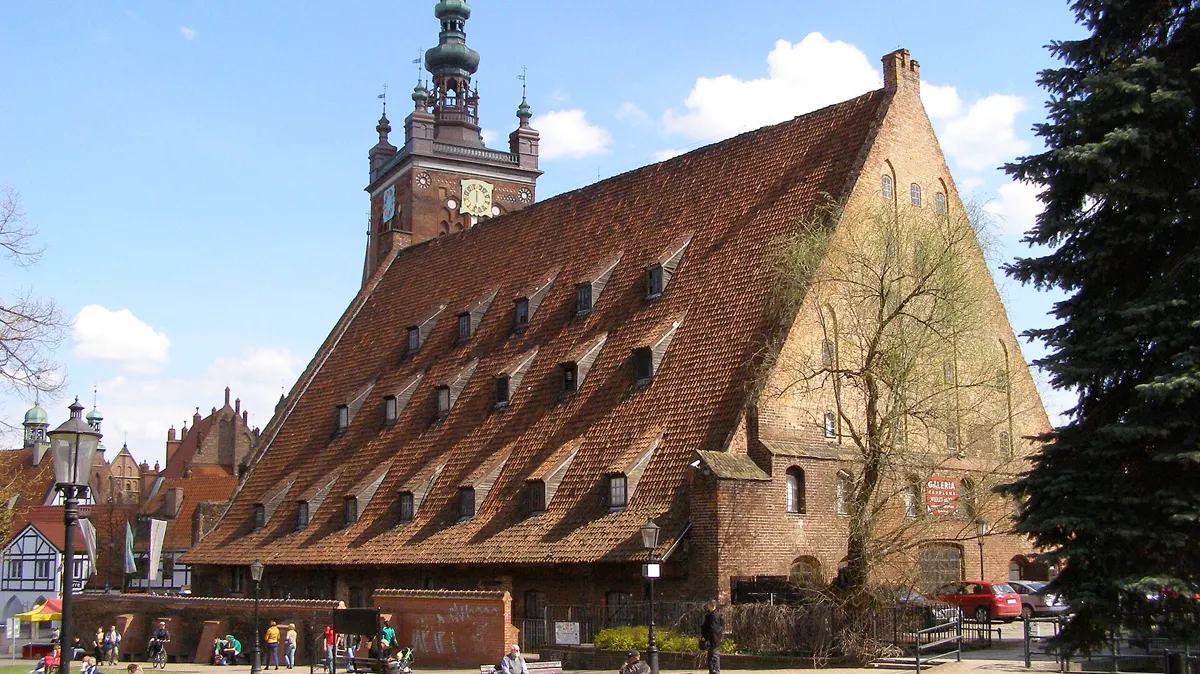
The Amber Museum in Gdańsk is a museum devoted to Baltic amber, the fossilised tree resin long called the 'Gold of the Baltic', shown as raw pieces with natural inclusions, jewellery and works of amber art. People visit for two reasons at once: the collection is regarded as one of the most important amber holdings in the world, and it sits inside the Great Mill (Wielki Mlyn), a 14th-century Teutonic watermill that was once among the largest industrial buildings in Europe.
What you see inside
The displays trace amber from its origins as sticky resin to the polished objects it becomes. Some of the most compelling pieces are the inclusions, insects, plant fragments and air bubbles trapped in the resin millions of years ago and still visible today. Alongside these natural specimens you will find worked amber: jewellery, decorative art and craft objects that show why the material has been prized around the Baltic for centuries. Together the rooms move from geology to human artistry without a hard line between the two.
The Great Mill as a setting
The building is part of the experience. The Great Mill dates from the 14th century and was built by the Teutonic Order, drawing its power from the Radunia Canal that once turned as many as 18 water wheels. In its day it ranked among the largest industrial structures in Europe, grinding grain on a scale that fed the growing city. Housing an amber collection inside this medieval mill links two things Gdansk is known for, its trading history and the resin that made it wealthy.
Who it suits and how to plan
The museum works well for anyone curious about natural history, jewellery or the city's long amber trade, and the mix of science and craft keeps it accessible for families as well as specialists. It is a compact, indoor visit, which makes it a reliable choice on a wet Baltic afternoon. Opening hours, ticket prices and any temporary closures change over time, so check the museum's official channels before you go rather than relying on a fixed figure here.
Fitting it into a Gdańsk visit
The Great Mill stands in the Old Town (Stare Miasto), within walking distance of the main sights along the Motlawa and the long shopping streets of the historic core. That location makes the Amber Museum easy to pair with a wider day of sightseeing rather than a special trip. For ideas on what else to see nearby and how to structure your time, see our Gdańsk guide.
Good to know
The museum sits in the Old Town within walking distance of the Motlawa waterfront, so it slots easily into a wider day of sightseeing; check opening hours and ticket prices on the official channels before visiting.
Frequently asked questions
More attractions in Gdańsk
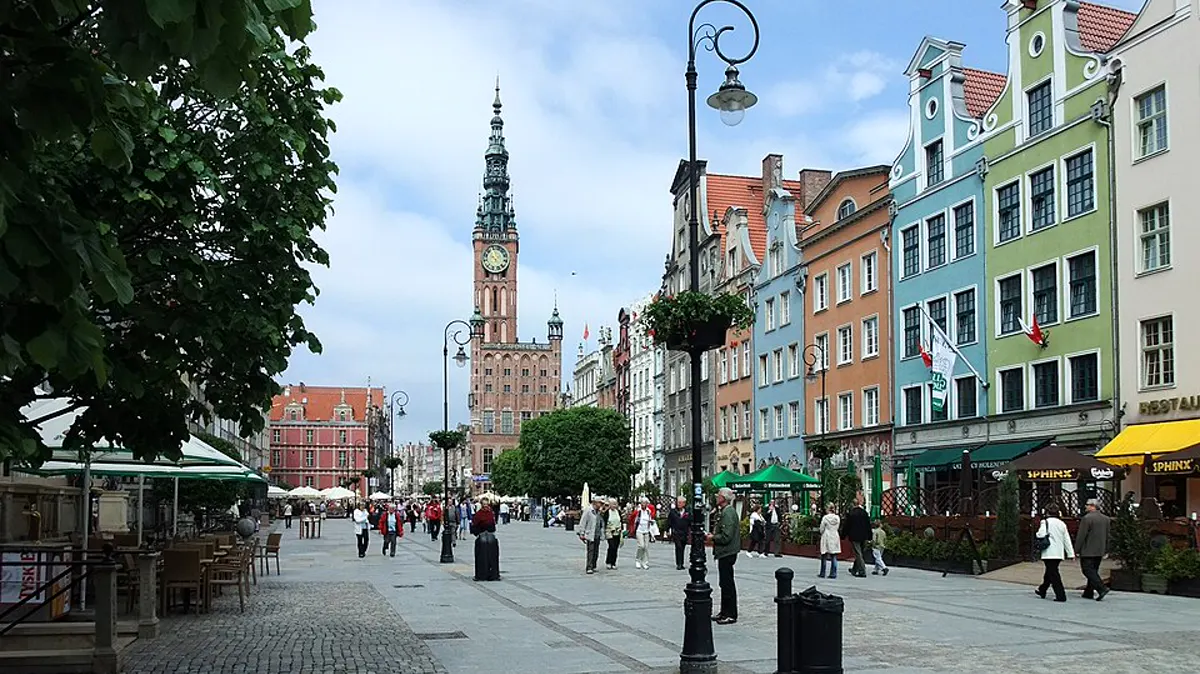
Long Market
The grand main thoroughfare of Gdansk, a wide promenade of merchant facades running from the Golden Gate to the river.
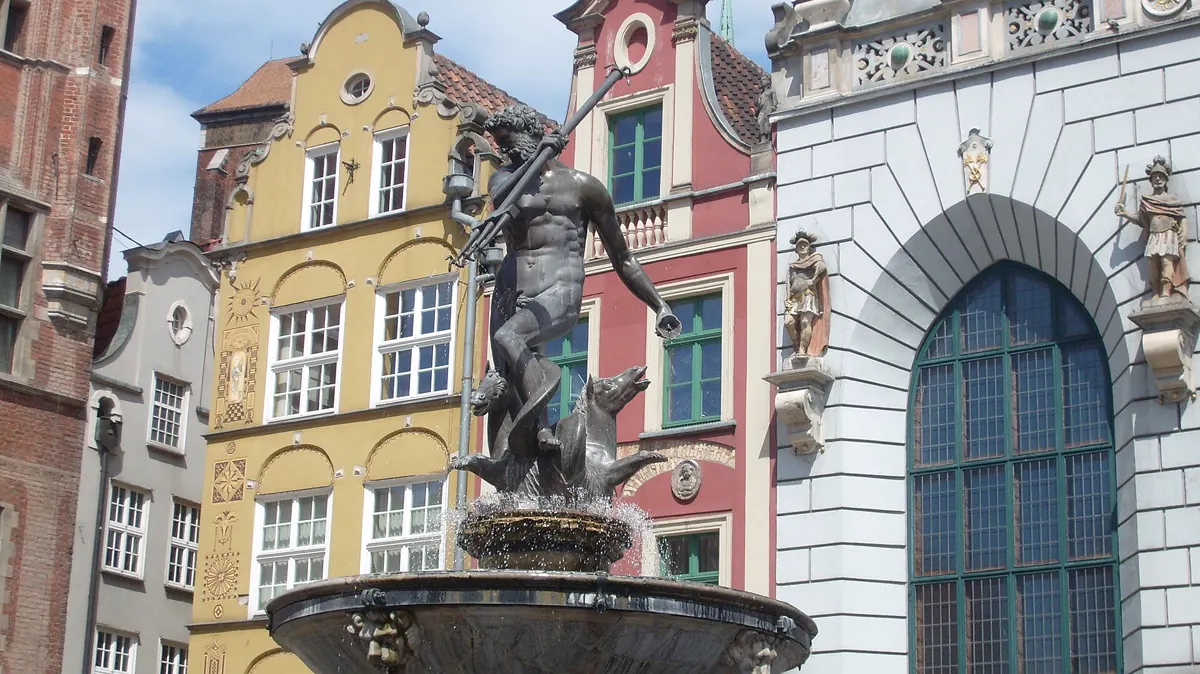
Fontanna Neptuna
The bronze Neptune Fountain, cast in the early 17th century, has stood in front of the Artus Court since 1633 and became the symbol of Gdansk. Local legend claims the god's trident scattered gold flakes into the water, inspiring the herbal liqueur Goldwasser.
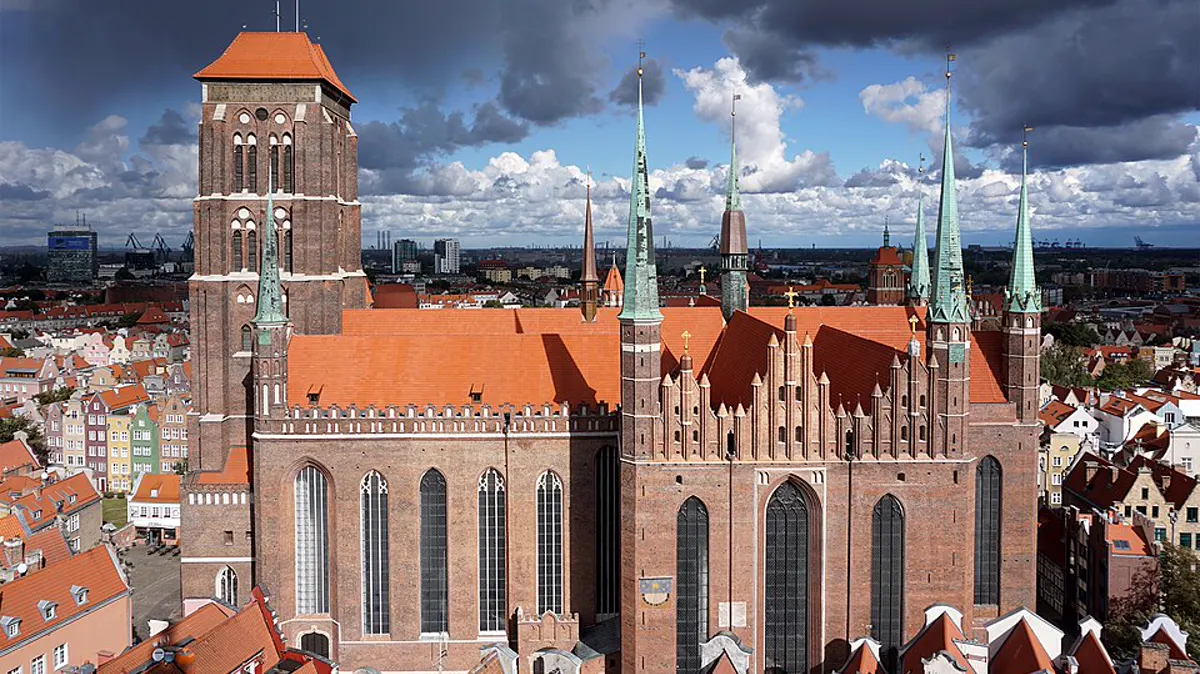
Bazylika Mariacka
One of the largest brick churches in the world, this vast Gothic basilica can hold up to 25,000 people. Climb its 405 steps to a viewing terrace for a sweeping panorama over the red rooftops of the old town.
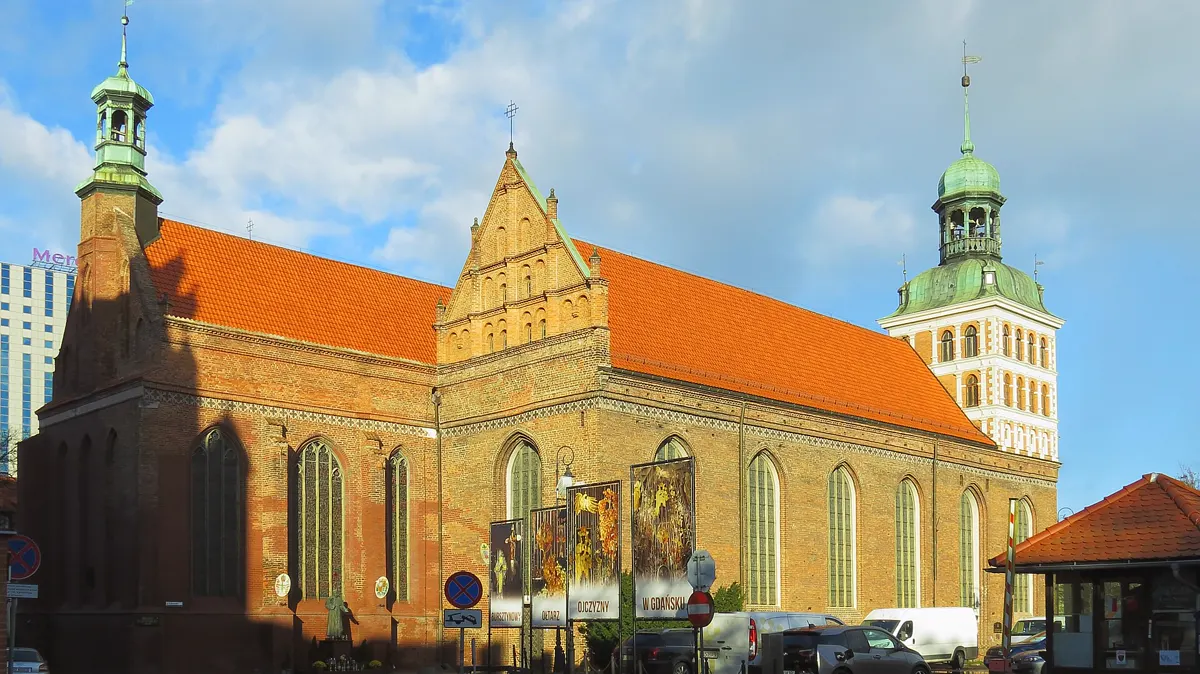
St. Bridget's Church
A rebuilt medieval church in Gdańsk's Old Town that holds the world's largest amber altar and carries deep ties to the Solidarity movement.
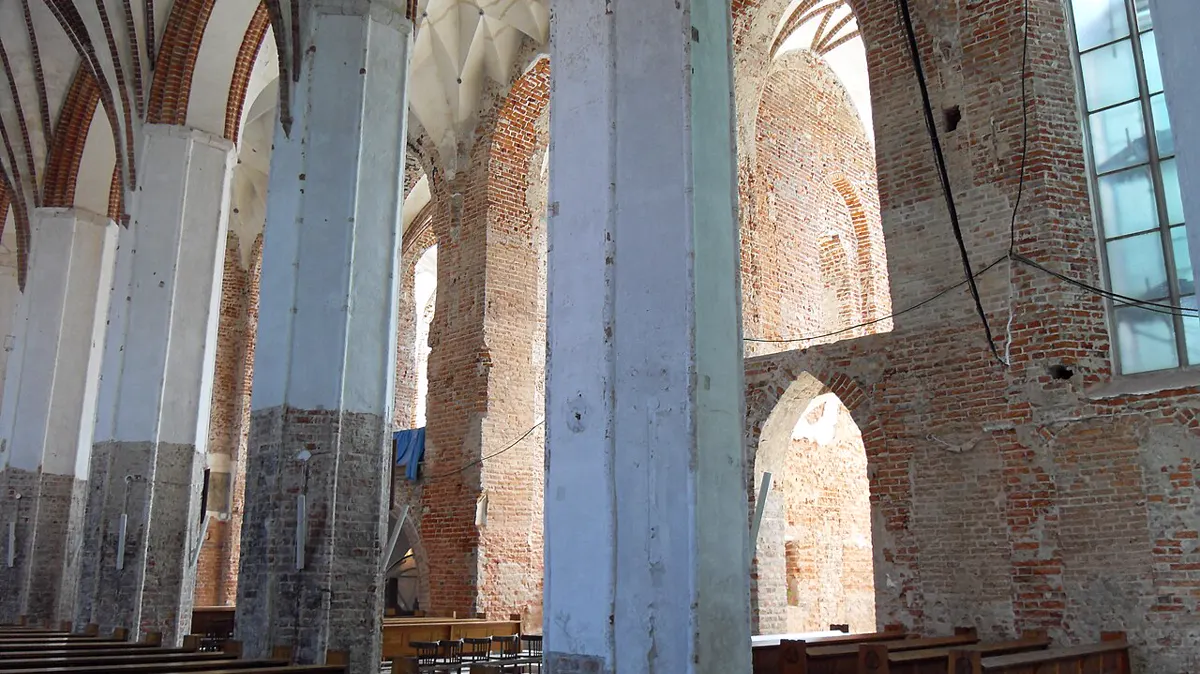
St. Catherine's Church
St. Catherine's Church is the oldest church in Gdańsk and the burial place of astronomer Johannes Hevelius. Its bell tower holds the Museum of Tower Clocks, home to the world's first pulsar clock.
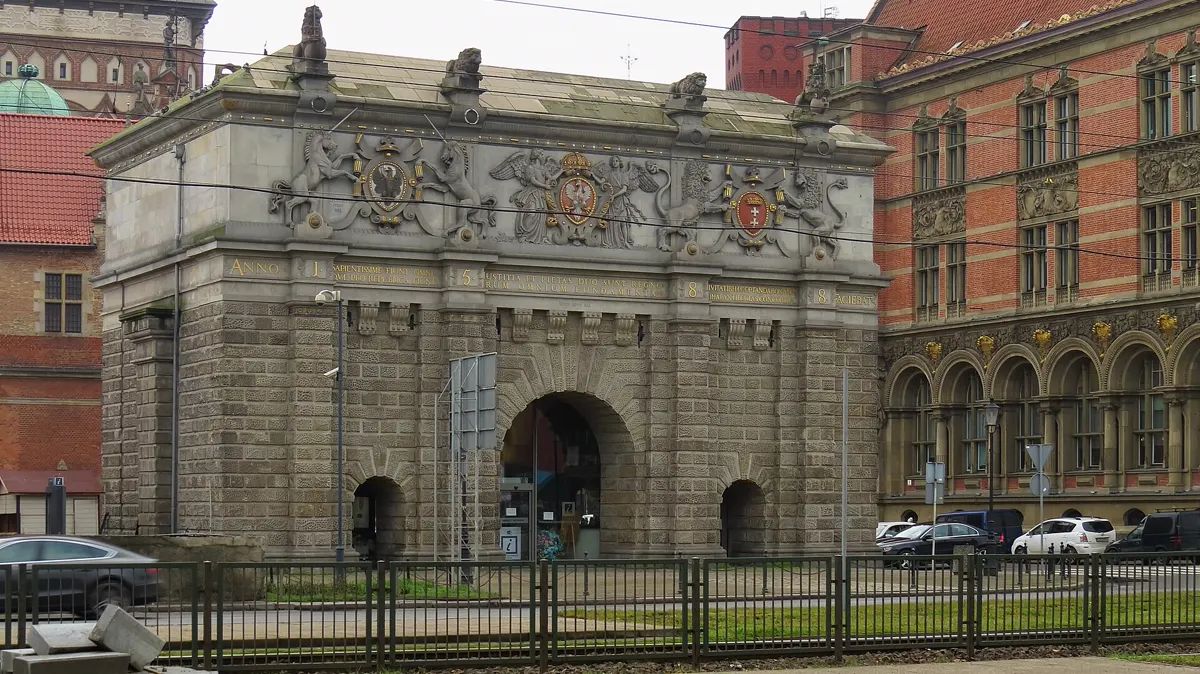
Upland Gate (Brama Wyzynna)
A Renaissance gate from the late 16th century that marks the ceremonial start of Gdansk's Royal Route into the Main Town, carrying the carved coats of arms of Poland, Prussia and Gdansk.
More to explore in Gdańsk

Restaurant
Eliksir
A refined tasting-menu restaurant in the Garnizon district of Wrzeszcz, making the most of Baltic ingredients.
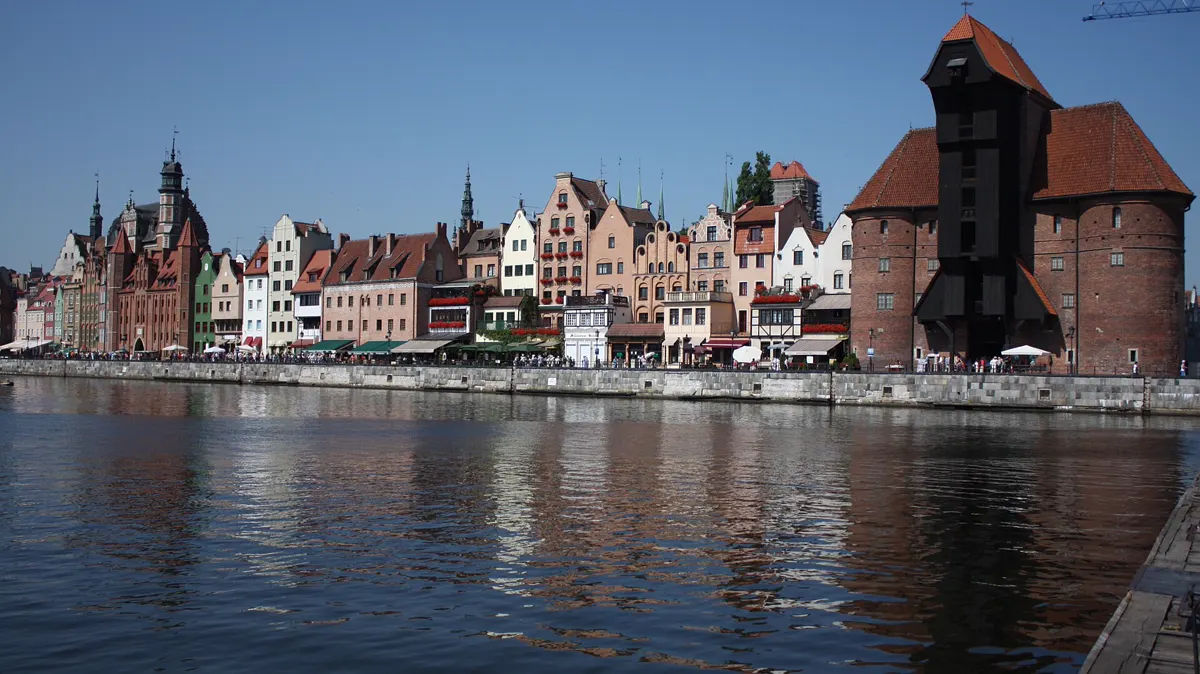
Hotel
Hotel Podewils
A baroque townhouse hotel right on the marina, facing the old crane across the water.
Nature
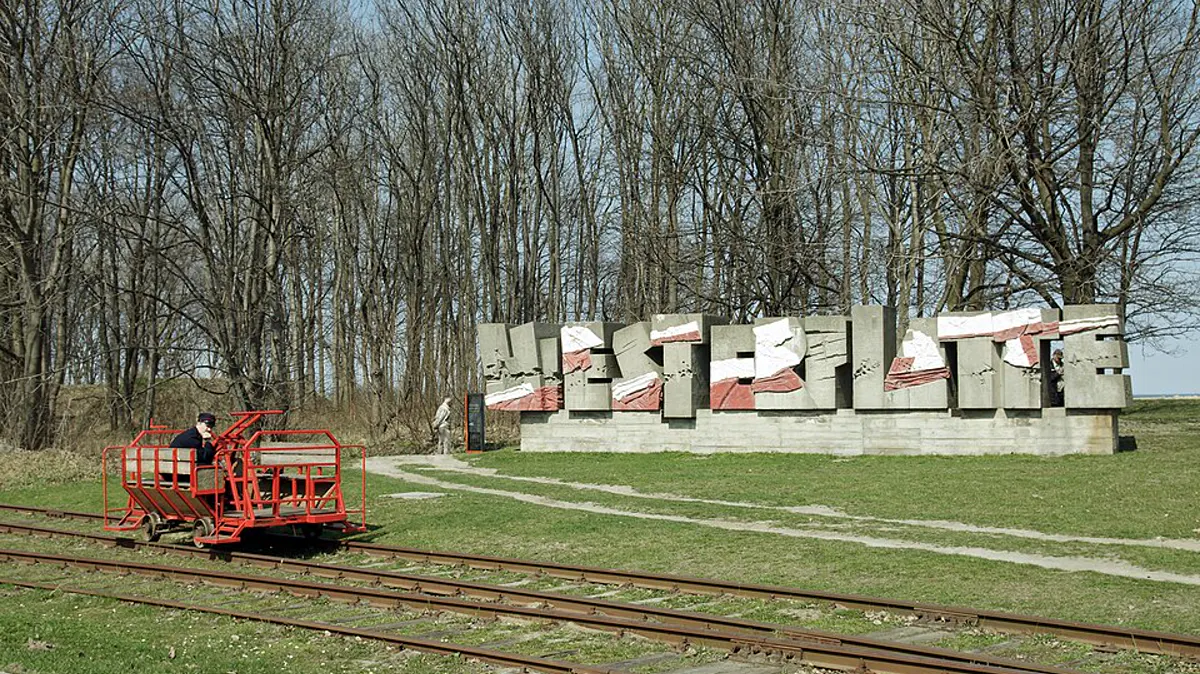
Westerplatte
The seaside peninsula where WWII began, now a memorial park reached by a summer river boat.
Castle
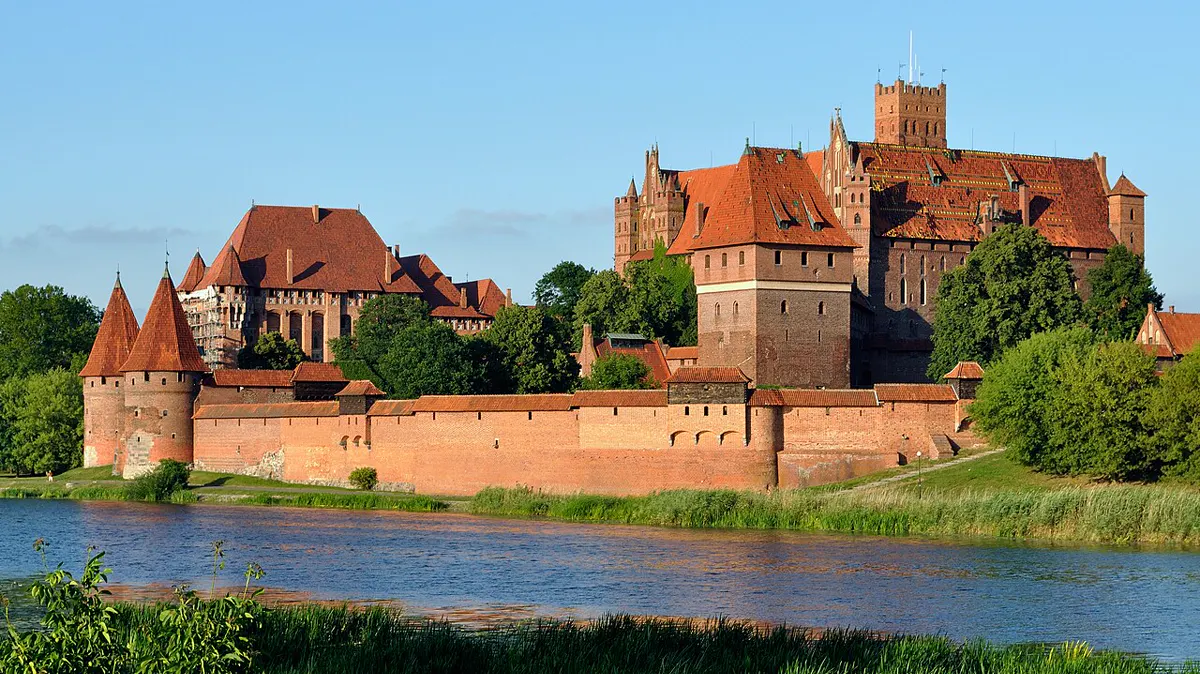
Malbork Castle
The largest castle in the world by land area, a vast red-brick fortress built by the Teutonic Knights on the Nogat river.
Museum
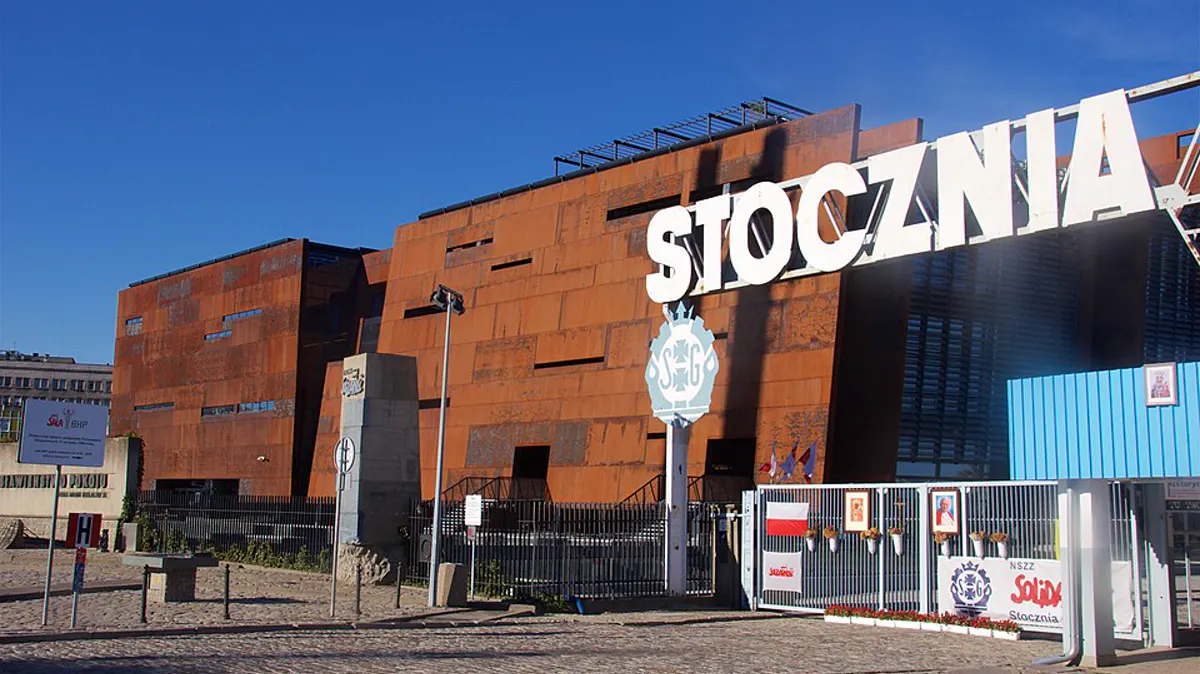
European Solidarity Centre
A museum beside the Gdansk shipyard charting the rise of the Solidarity movement and the fall of communism in Europe.

Restaurant
Kubicki
A Gdansk institution on the Motlawa since 1918, serving classic Polish and Baltic dishes including duck and fresh fish. Old-school dining rooms with river views.