Attractions
Attractions in Poland
The sights worth building a day around.
Poland's attractions run from the medieval market squares of Krakow and Wroclaw to the Wieliczka Salt Mine, the memorial at Auschwitz-Birkenau and the Teutonic castle at Malbork. Each page below covers what the place is, how long to spend and how to get there, grouped by city.
All Attractions in Poland
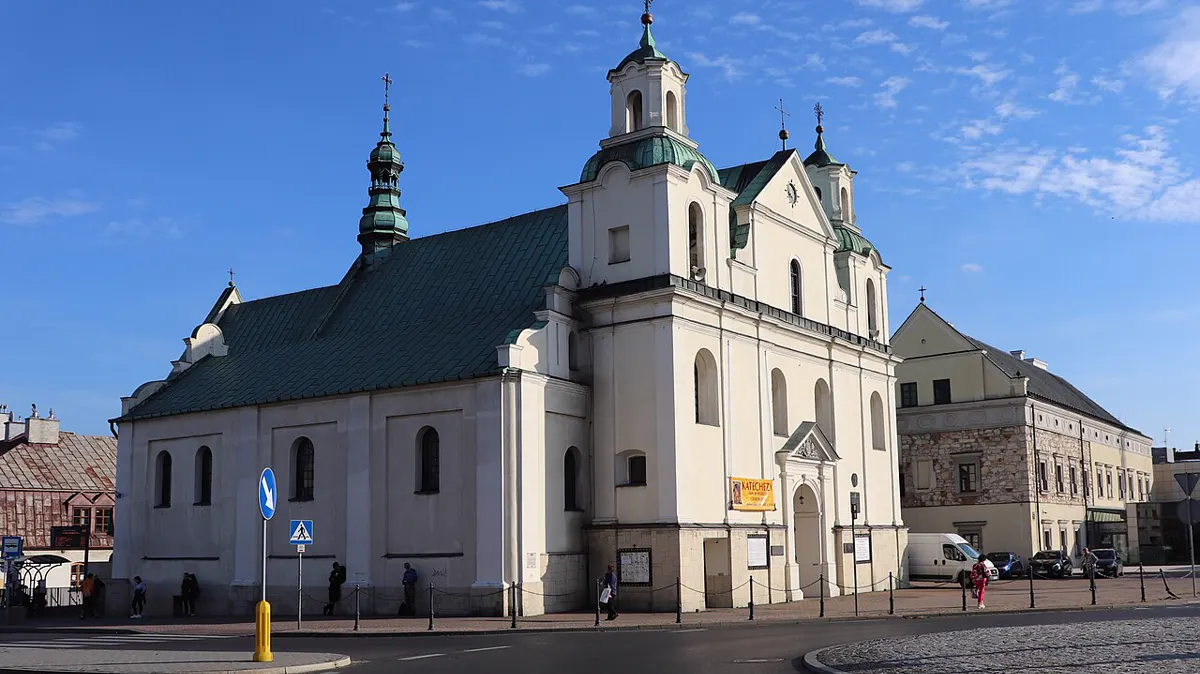
Częstochowa
Church of St. Sigismund
A brick Gothic church on plac Daszyńskiego in Częstochowa's Old Town, raised in the early 15th century and considered the oldest church in the city.
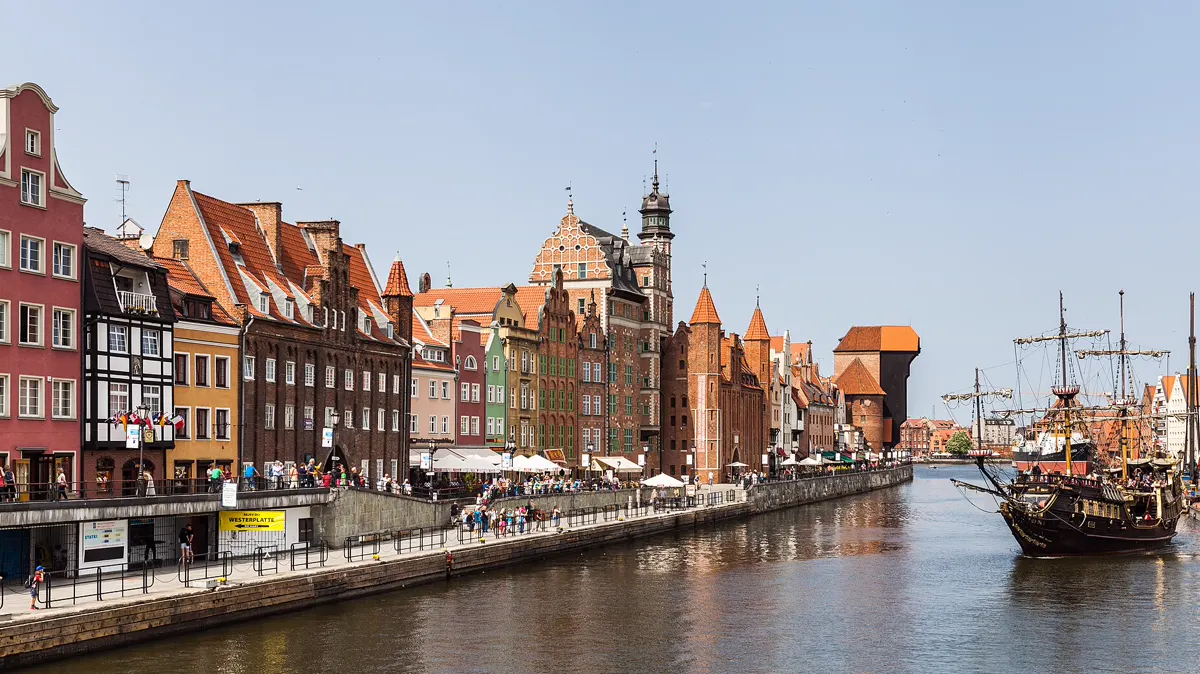
Gdańsk
Long Embankment (Motlawa Waterfront)
The historic quay along the Motlawa River in Gdansk, once the working heart of the Hanseatic port and now the city's main waterfront promenade for strolls, cafes and river cruises.
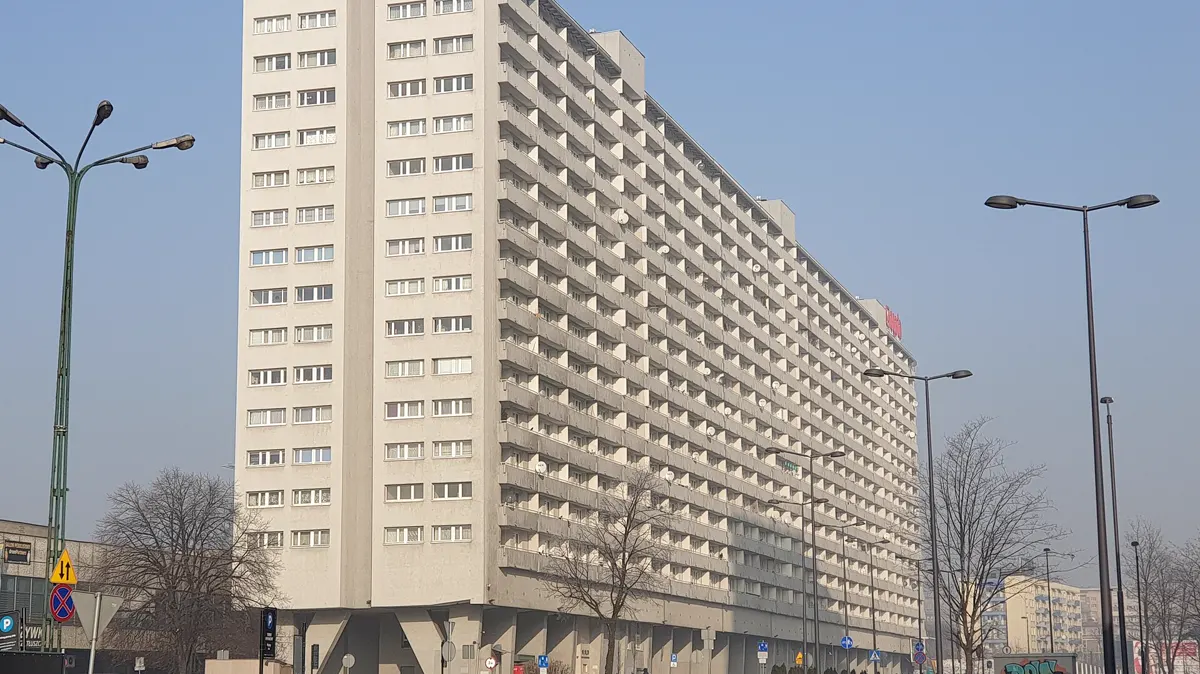
Katowice
Superjednostka
Superjednostka is one of Poland's largest residential blocks, an 18-storey concrete slab in central Katowice completed in 1972 and celebrated as a landmark of Polish Brutalism.
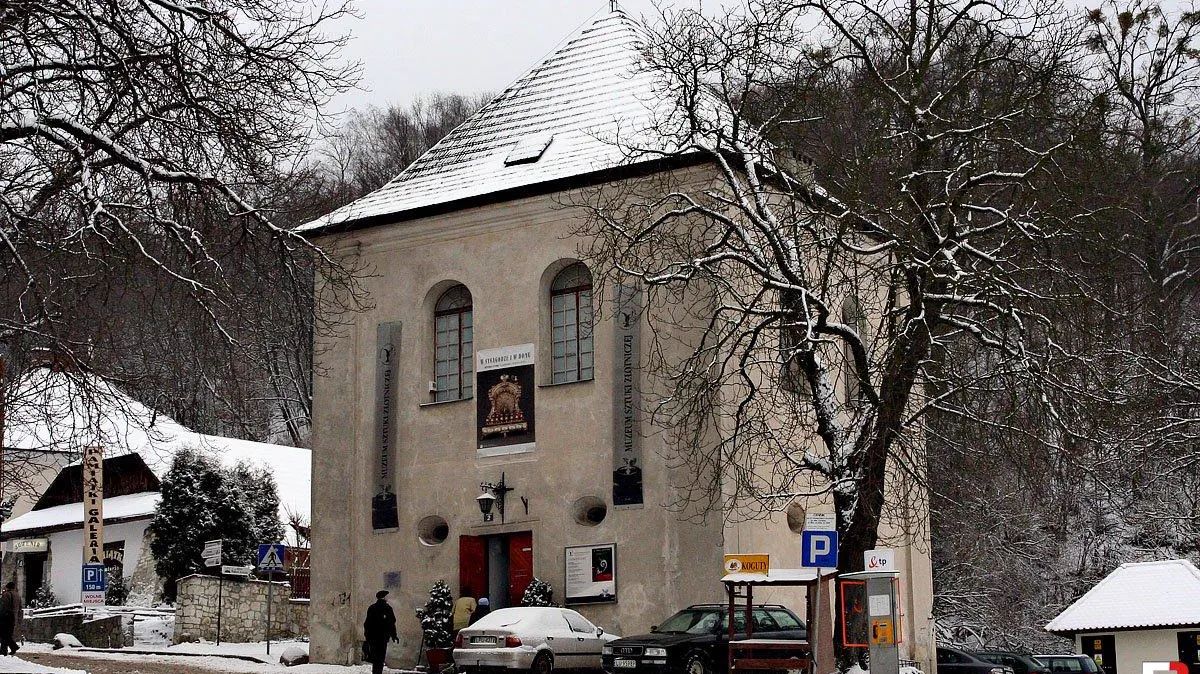
Kazimierz Dolny
Goldsmith Art Museum (Muzeum Sztuki Zlotniczej)
The Goldsmith Art Museum in Kazimierz Dolny is the only museum in Poland devoted specifically to the art of goldsmithing, with a collection spanning Gothic-period Polish silver to modern forms.
Kraków
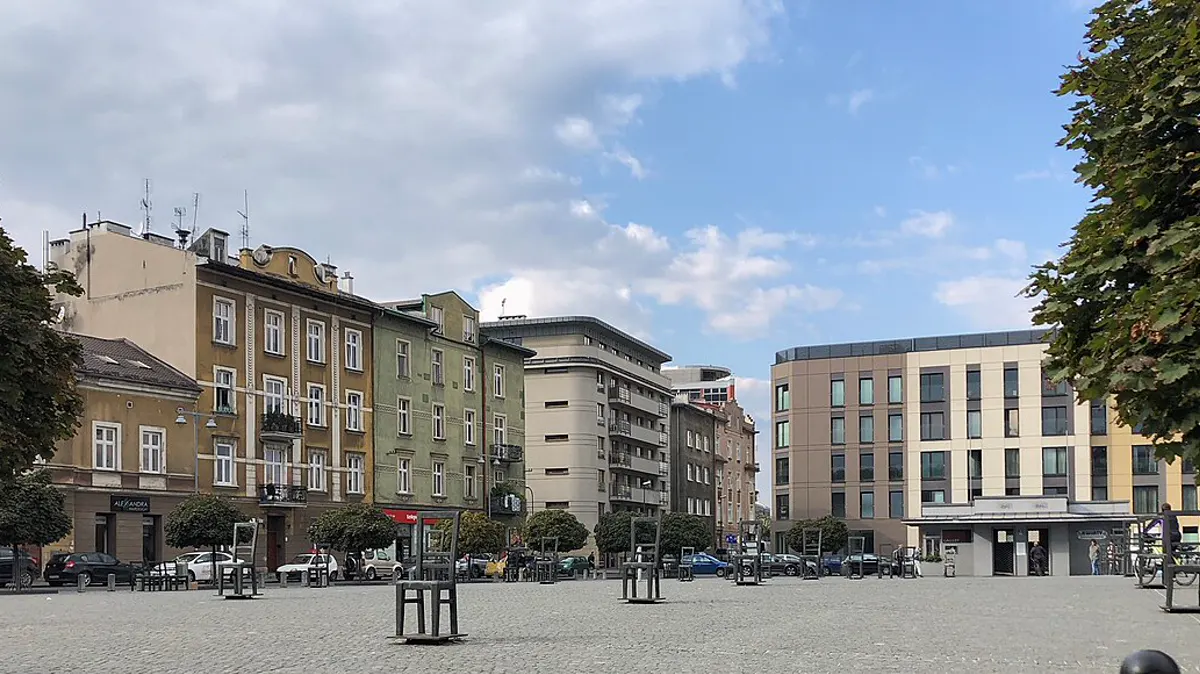
Ghetto Heroes Square
An open public square in Podgórze that was the centre of the Kraków Ghetto, now marked by a memorial of 70 empty iron chairs standing where residents were assembled for deportation.
Łódź
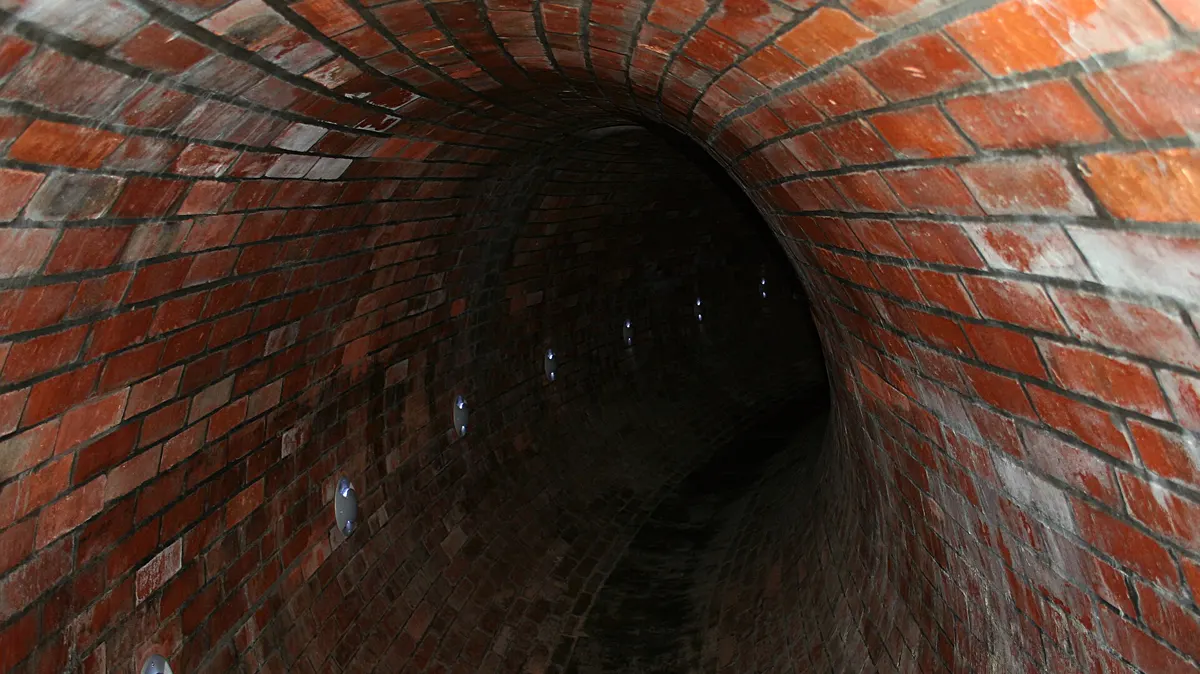
Dętka Canal Museum
A short museum inside a 1926 brick sewer tank beneath Freedom Square in Łódź, where a 142-metre corridor tells the story of the city's early waterworks.
Lublin
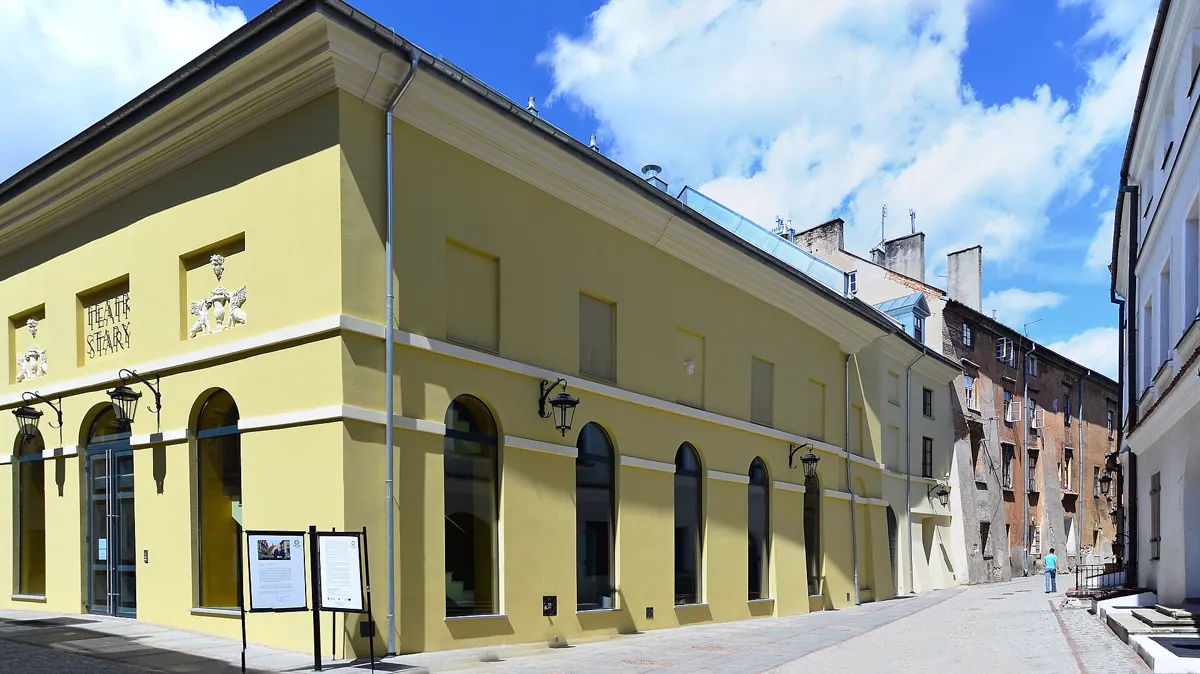
Old Theatre (Teatr Stary)
A working theatre on Jezuicka Street in Lublin's Old Town, built in 1822 and the second-oldest surviving purpose-built theatre building in Poland.
Olsztyn
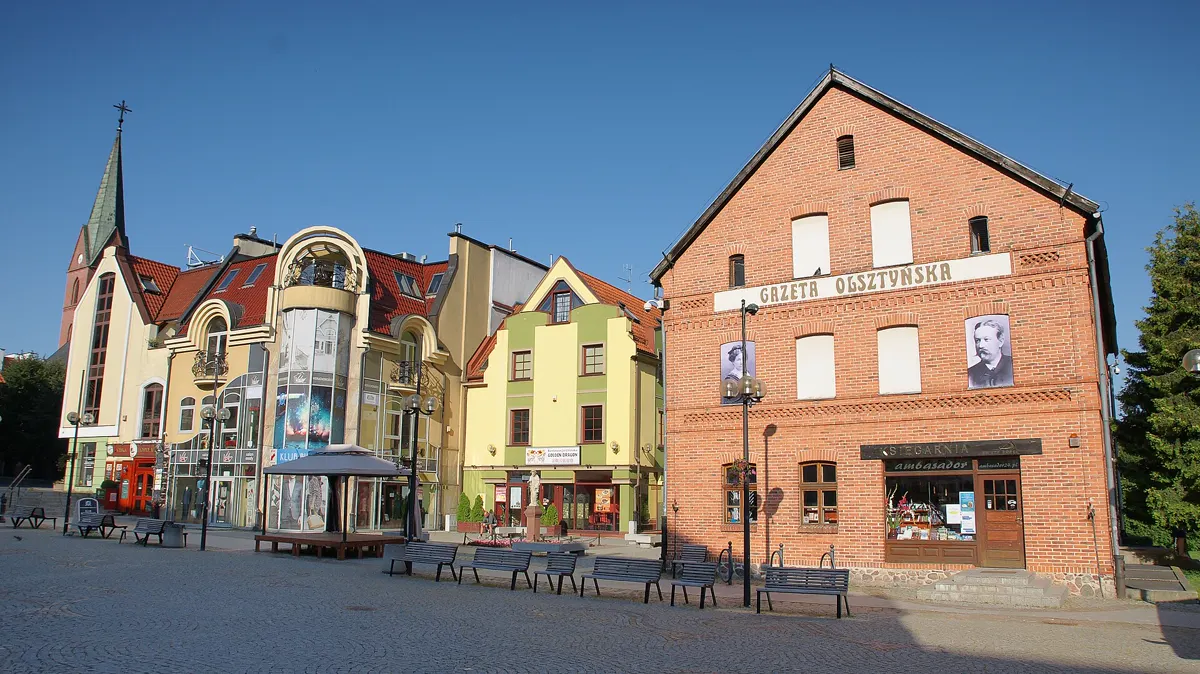
House of the Gazeta Olsztyńska
A branch of the Museum of Warmia and Mazury on the edge of the Old Town Fish Market, telling the story of Warmia's only Polish-language newspaper and the history of printing in Olsztyn.
Poznań
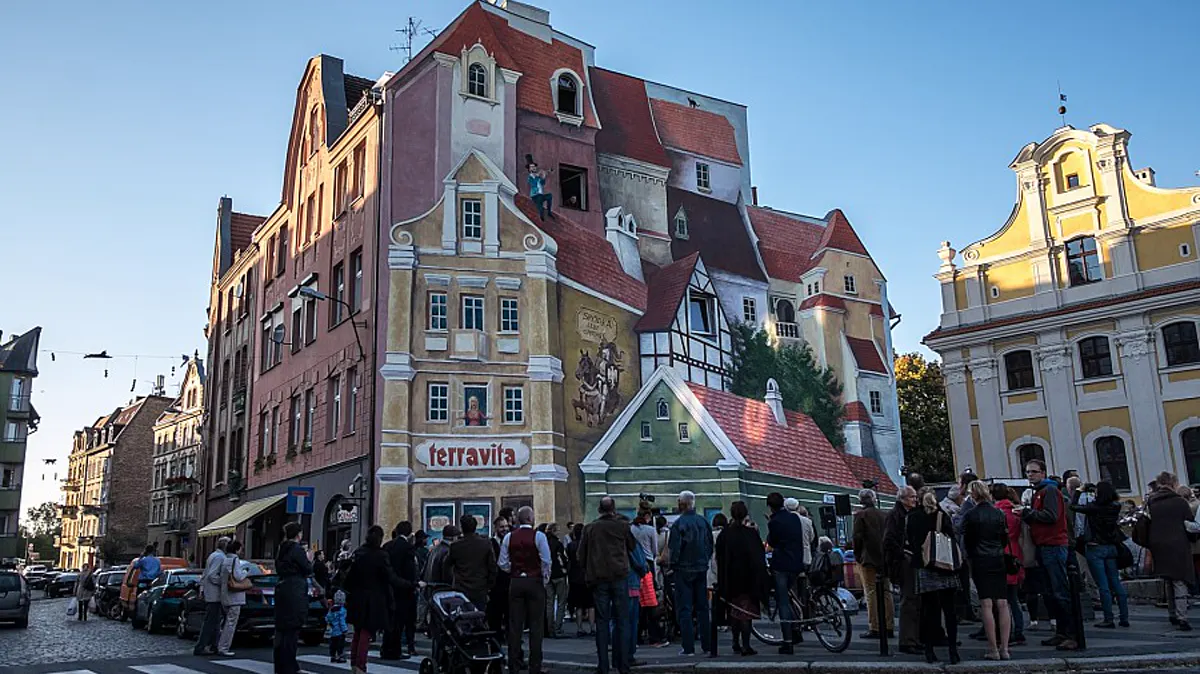
Śródka District and the 'Śródka Tale' 3D Mural
Śródka is a revived cobbled district on Poznań's right bank, known for a large trompe-l'oeil mural on Rynek Śródecki that recreates the streetscape of a century ago.
Sopot
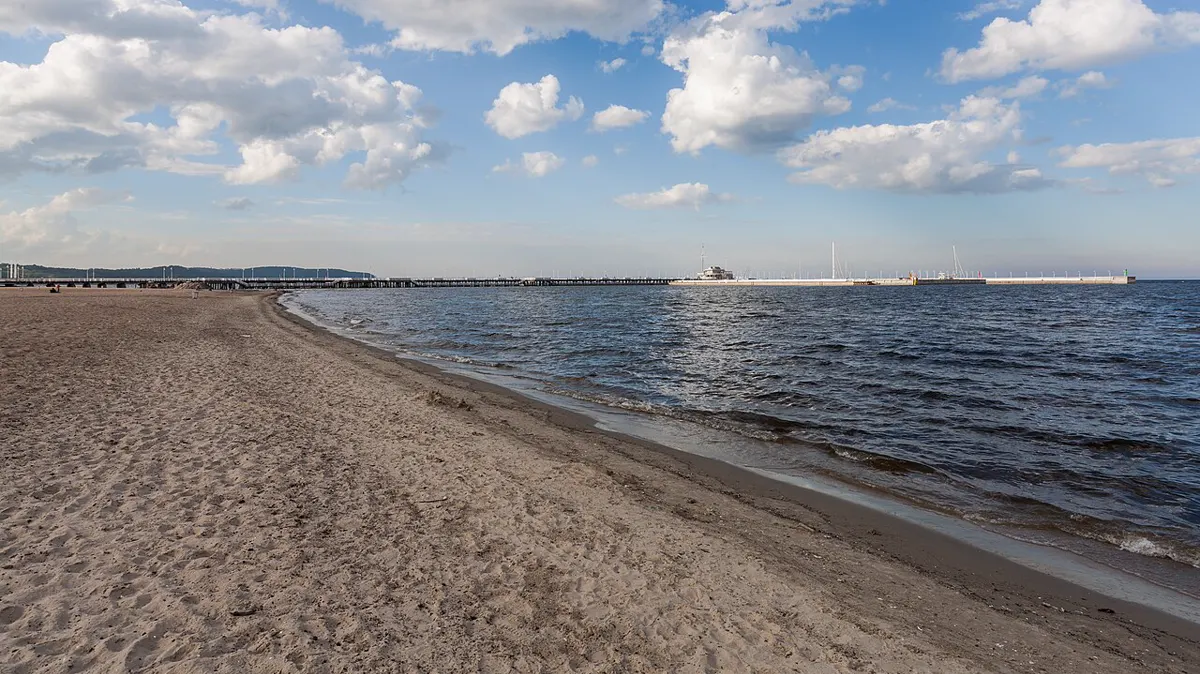
Sopot Beach
A wide sandy Blue Flag beach on the Baltic coast, running for several kilometres around the base of Sopot's famous pier. It is the centre of the town's life as Poland's leading seaside spa resort.
Toruń
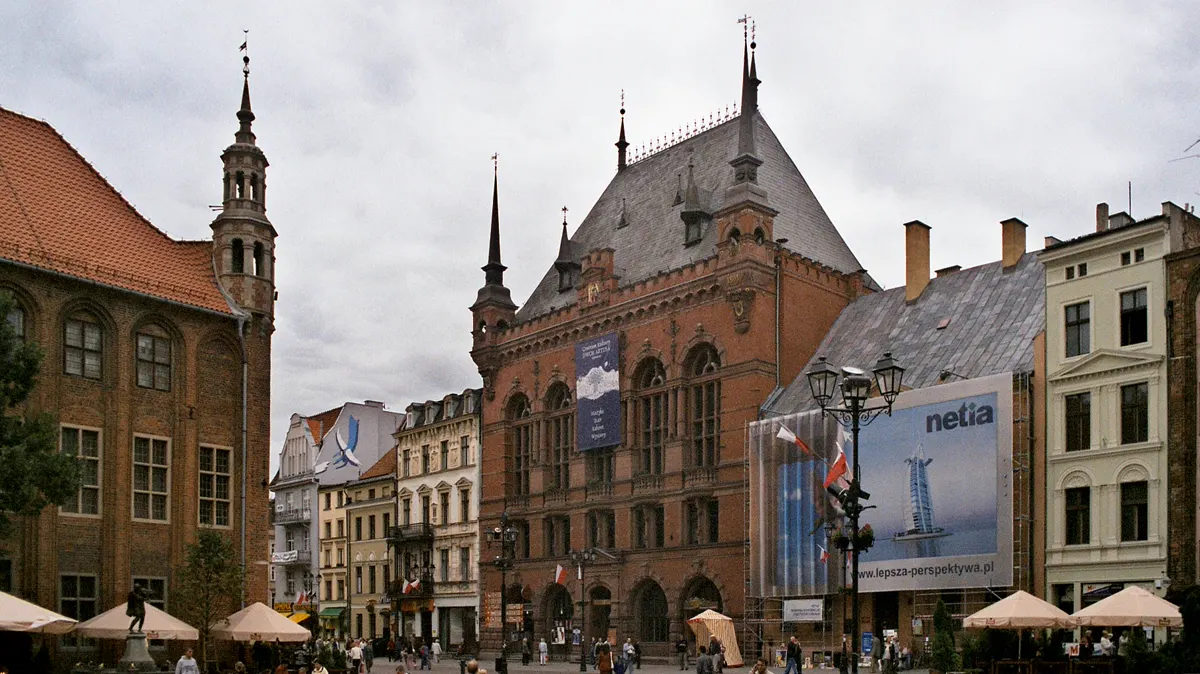
Artus Court (Dwór Artusa)
Artus Court is a Dutch Neo-Renaissance building on Toruń's Old Town Market Square, now a cultural centre for concerts and events. It stands on the site where the Second Peace of Thorn was signed in 1466.
Warsaw
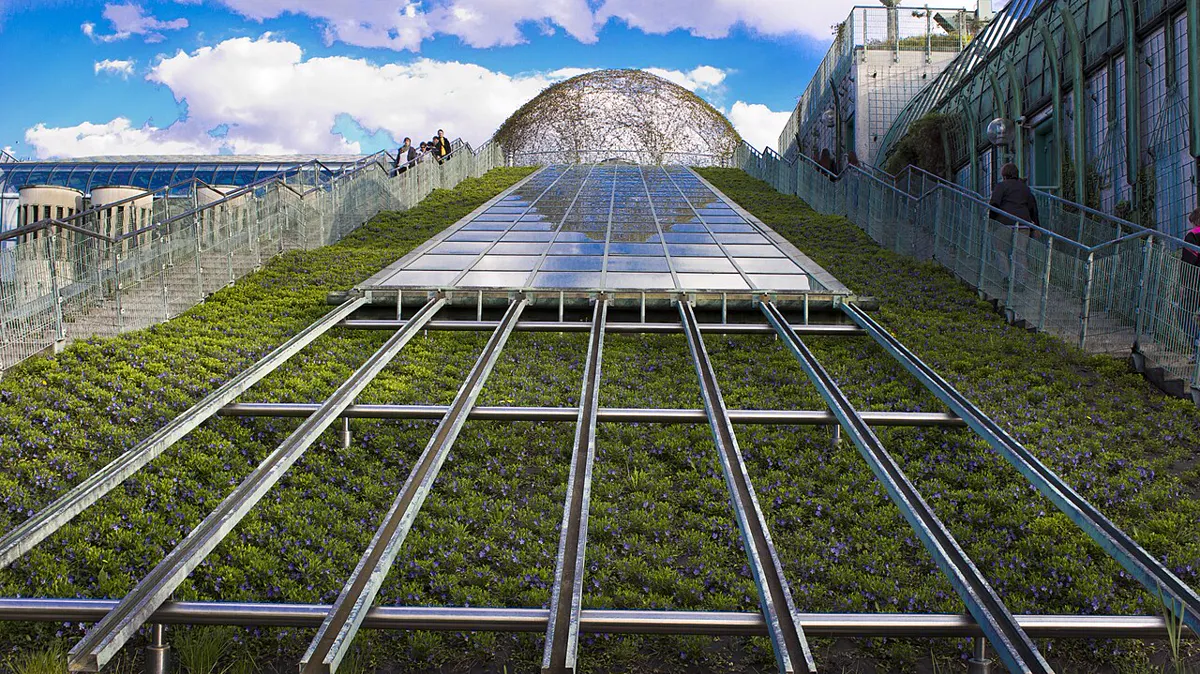
University of Warsaw Library Roof Garden
A free rooftop garden atop the University of Warsaw Library in Powisle, ranking among the largest of its kind in Europe, with open views over the Vistula and the city skyline.
Poland fits a lot into one country: medieval market squares, a salt mine carved into underground chapels, the memorial at Auschwitz-Birkenau, mountain trails and a long Baltic coast. Seventeen places hold UNESCO World Heritage status, and most of the headline attractions cluster around the cities you are likely to base yourself in, so a first trip rarely means long transfers.
Top attractions in Krakow, Warsaw and Gdansk
Krakow has the densest cluster: the Main Market Square, laid out in 1257 and among the largest medieval squares in Europe, the underground Wieliczka Salt Mine, and the Auschwitz-Birkenau Memorial within a day trip. Warsaw rebuilt its Old Town from wartime rubble, Gdansk lines the Motlawa with tall merchant houses, and Wroclaw and Torun keep intact Gothic centres. The mountains around Zakopane and the lakes of Masuria add the outdoor side.
Top places to visit on a first trip
Group attractions by the city you are staying in rather than chasing them across the map. Krakow, Warsaw and Gdansk each reward two or three days and put more sights within an easy day trip. For the classic sights that define the country, see the best viewpoints and our city guides.
Do you need to book tickets in advance
The busiest sites use timed entry, so book Wieliczka and the Auschwitz-Birkenau Memorial ahead, especially in summer. Many state museums have one free day a week. Tickets are good value by European standards; our note on costs in Poland has the typical prices.
Attractions by city
Travel guides
Krakow Golf Cart Tours: The Four Routes, Compared
Four electric cart routes cover the Old Town, Kazimierz, the ghetto in Podgorze and Schind...
Best Castles in Poland
From the Teutonic fortress at Malbork to the royal seats at Wawel and Warsaw, the Polish c...
3 Days in Krakow
A practical three-day plan for Krakow, pairing the Old Town and Wawel with Kazimierz and o...
Things to Do in Krakow
The sights, neighbourhoods and day trips that make Krakow worth several days, ranked by ho...