Attractions
Attractions in Poland
The sights worth building a day around.
Poland's attractions run from the medieval market squares of Krakow and Wroclaw to the Wieliczka Salt Mine, the memorial at Auschwitz-Birkenau and the Teutonic castle at Malbork. Each page below covers what the place is, how long to spend and how to get there, grouped by city.
All Attractions in Poland
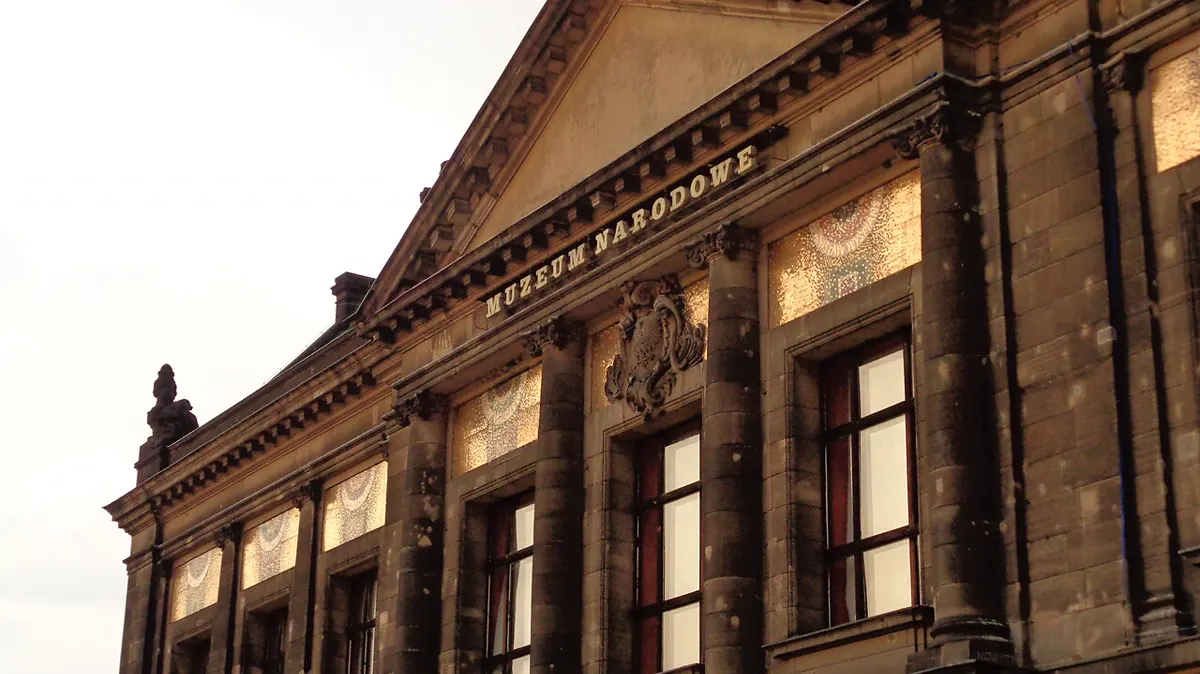
Poznań
National Museum in Poznań
One of Poland's largest and oldest museums, home to the only Claude Monet on public display in the country. Its Gallery of Painting and Sculpture spans Polish and European art from the Middle Ages to the 20th century.
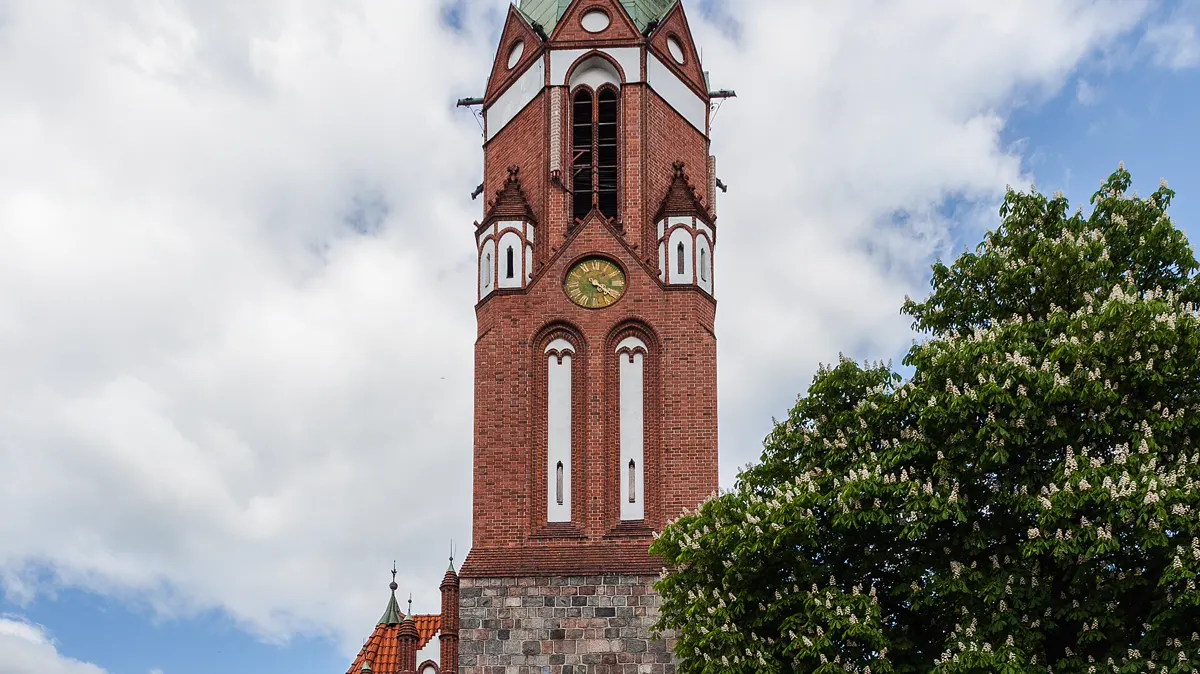
Sopot
Church of St. George
A neo-Gothic church at the top of Monte Cassino Street in Sopot, built between 1899 and 1901 with a tower designed to be seen from the sea. Entry is free.
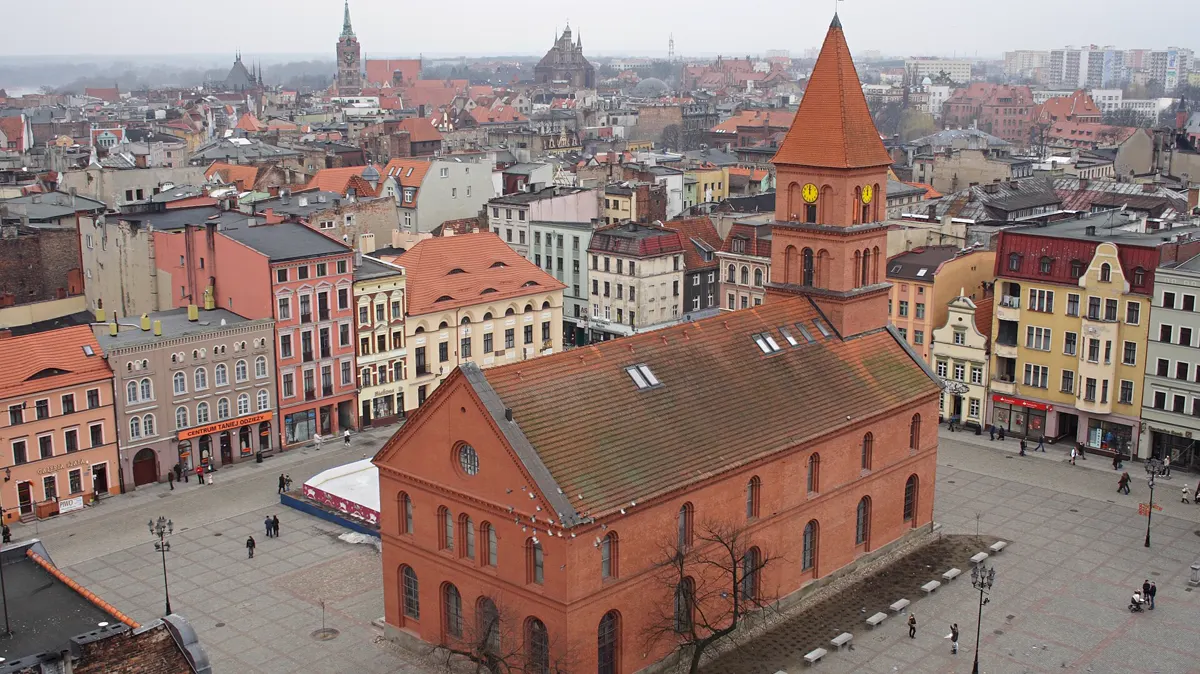
Toruń
New Town Market Square (Rynek Nowomiejski)
The central square of Toruń's medieval New Town, ringed by colourful Gothic, Baroque and Art Nouveau townhouses and much quieter than the famous Old Town square nearby.
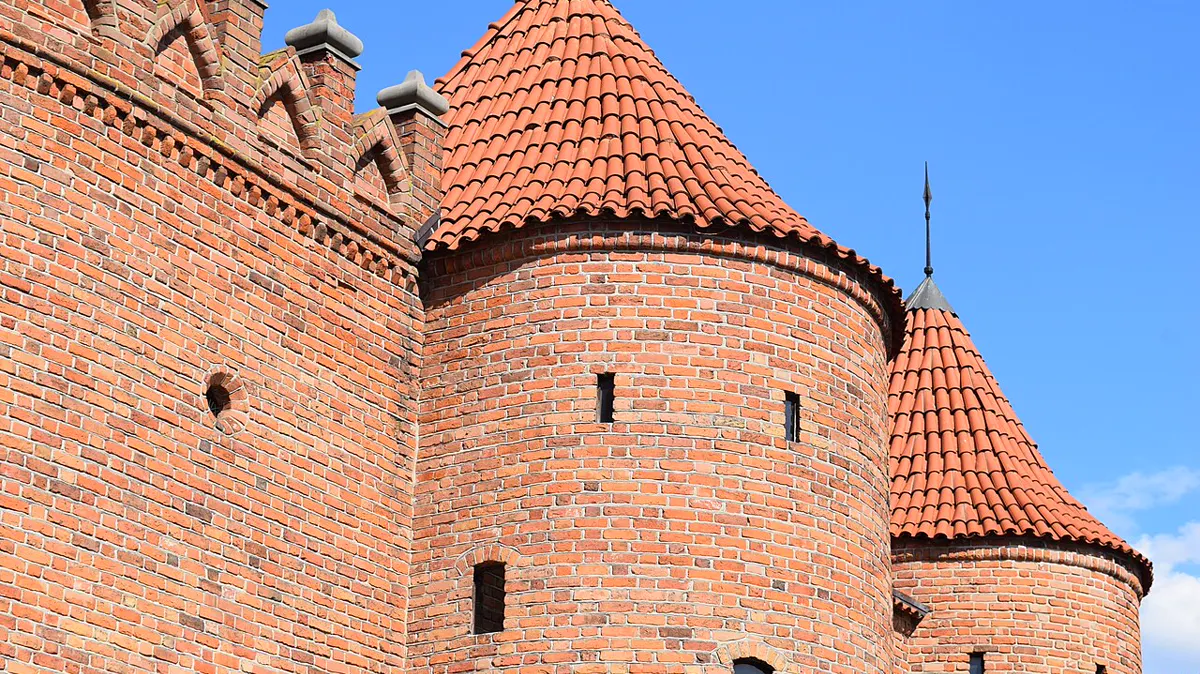
Warsaw
Warsaw Barbican (Barbakan)
The Warsaw Barbican is a semicircular brick fortress gate from around 1540 and one of the last surviving pieces of the city's medieval walls. It stands between the Old and New Towns, where street artists and vendors gather.
Wrocław
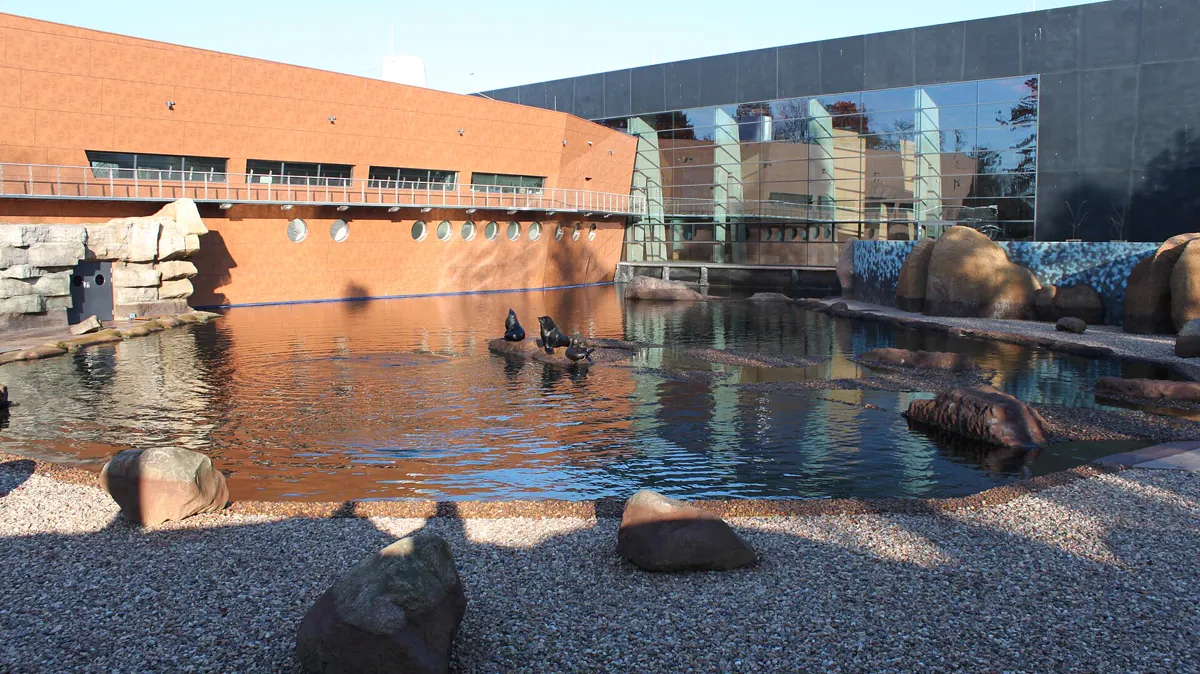
Wrocław Zoo and Afrykarium
Poland's oldest zoo, home to more than 10,000 animals, paired with the Afrykarium, the world's only oceanarium devoted entirely to Africa's aquatic life.
Zakopane
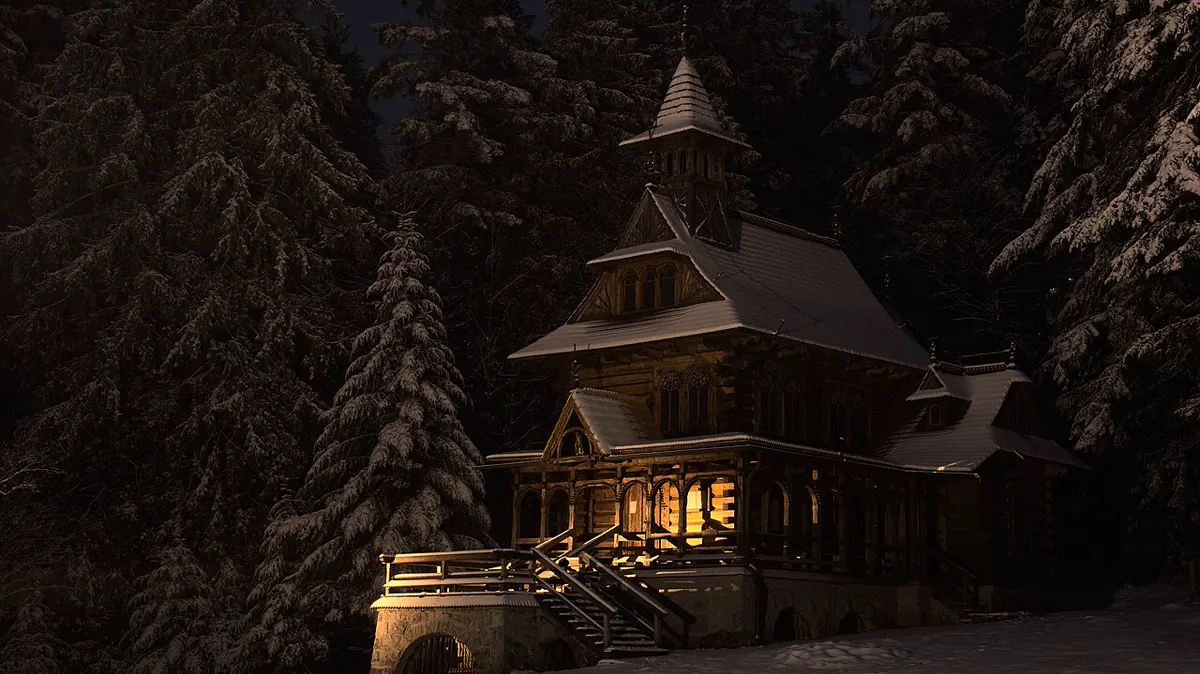
Chapel of the Sacred Heart of Jesus at Jaszczurowka
A wooden log chapel from 1907 designed by Stanislaw Witkiewicz, widely regarded as one of the finest examples of Zakopane Style architecture and the most beautiful wooden sacral building in the Tatra region.
Zamość
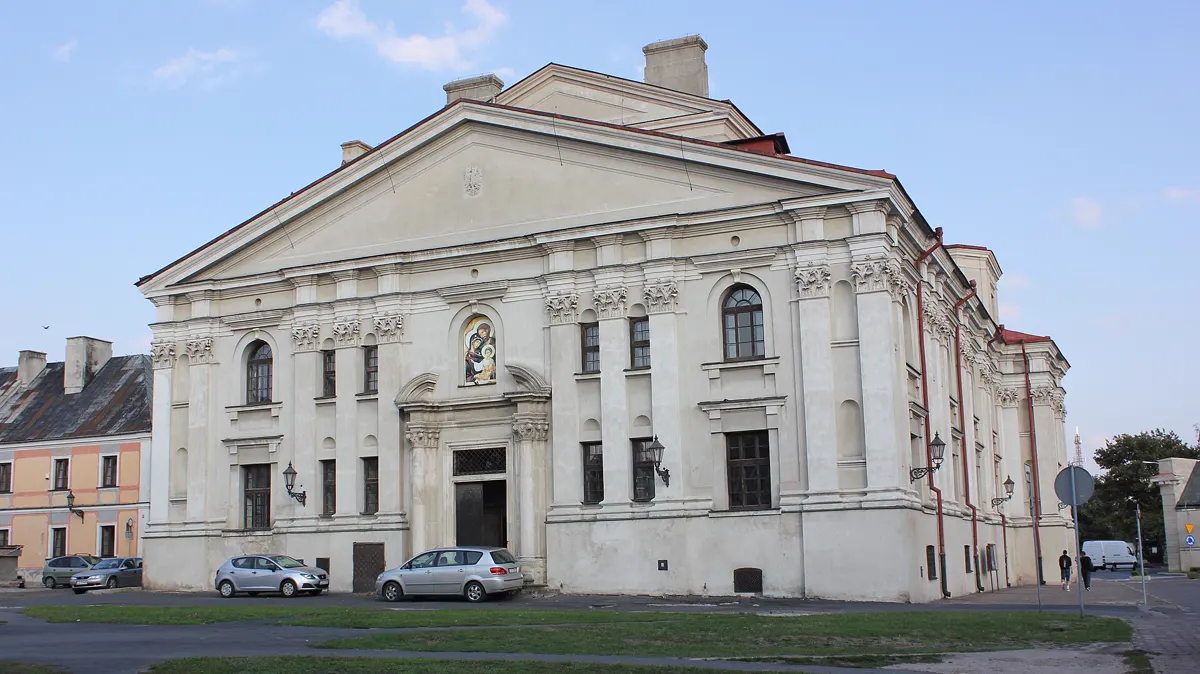
Franciscan Church (Church of the Annunciation)
The Franciscan Church of the Annunciation is the largest church in Zamość, a monumental Baroque building near Rynek Wielki whose white facade rises close to 40 metres.
Białowieża
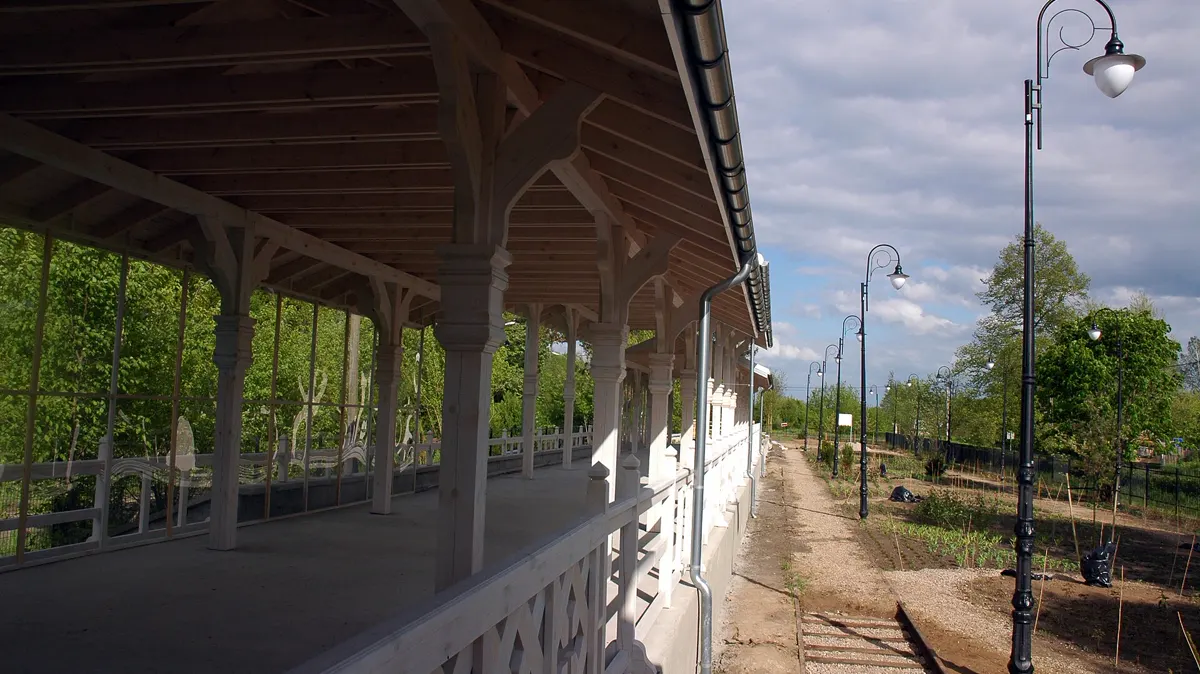
Białowieża Pałac Railway Station
A restored 19th-century railway station in Białowieża that once served the Russian tsar's hunting palace and now houses a family education-and-play complex.

Częstochowa
Museum of Coins and Medals of John Paul II
A private museum in Częstochowa dedicated to Pope John Paul II, holding over 11,000 exhibits, including around 2,000 coins and many medals, displayed under a dramatic lighting scheme.
Gdańsk
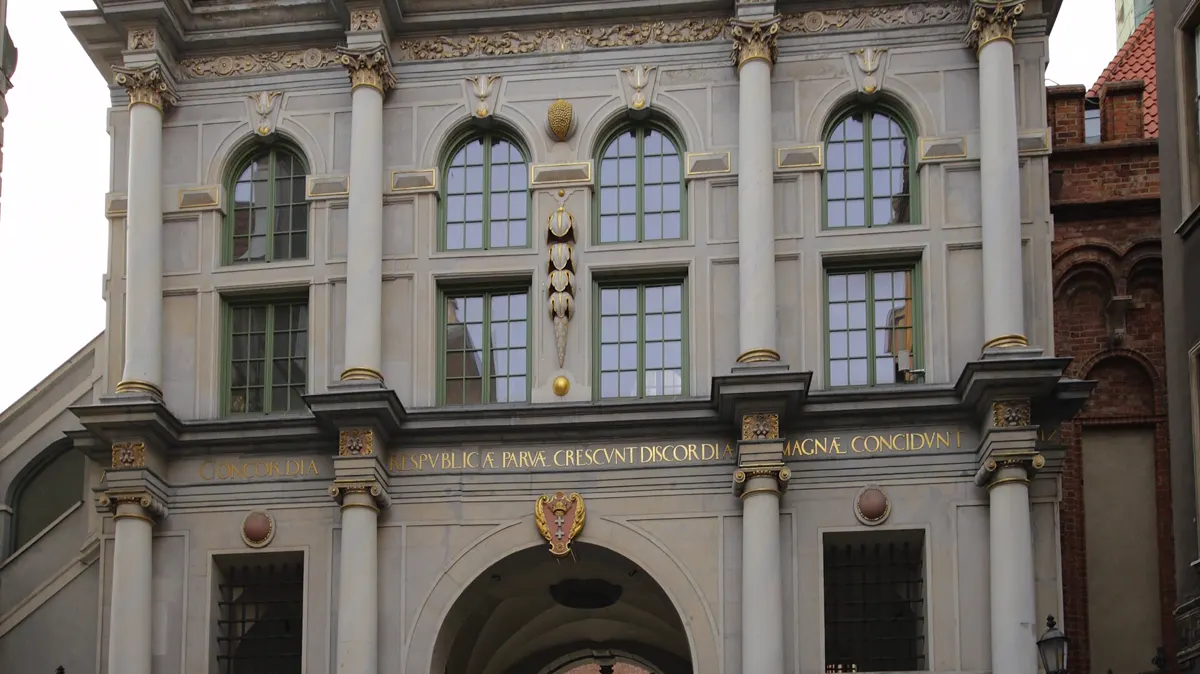
Golden Gate (Zlota Brama)
An ornate 17th-century city gate at the western end of Long Street in Gdansk, marking the start of the Royal Route through the Main Town.
Katowice
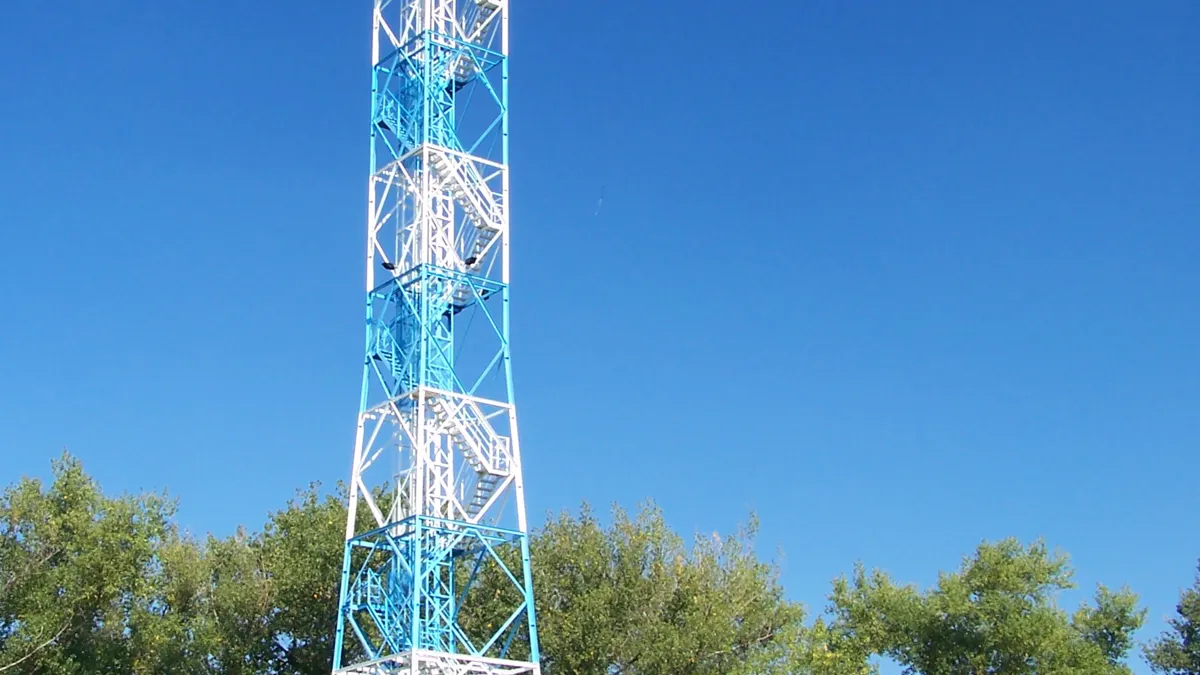
Parachute Tower (Wieża Spadochronowa)
The Parachute Tower in Kościuszko Park is the only surviving parachute training tower in Poland, a 1930s landmark tied to Katowice's defence in September 1939.
Kazimierz Dolny
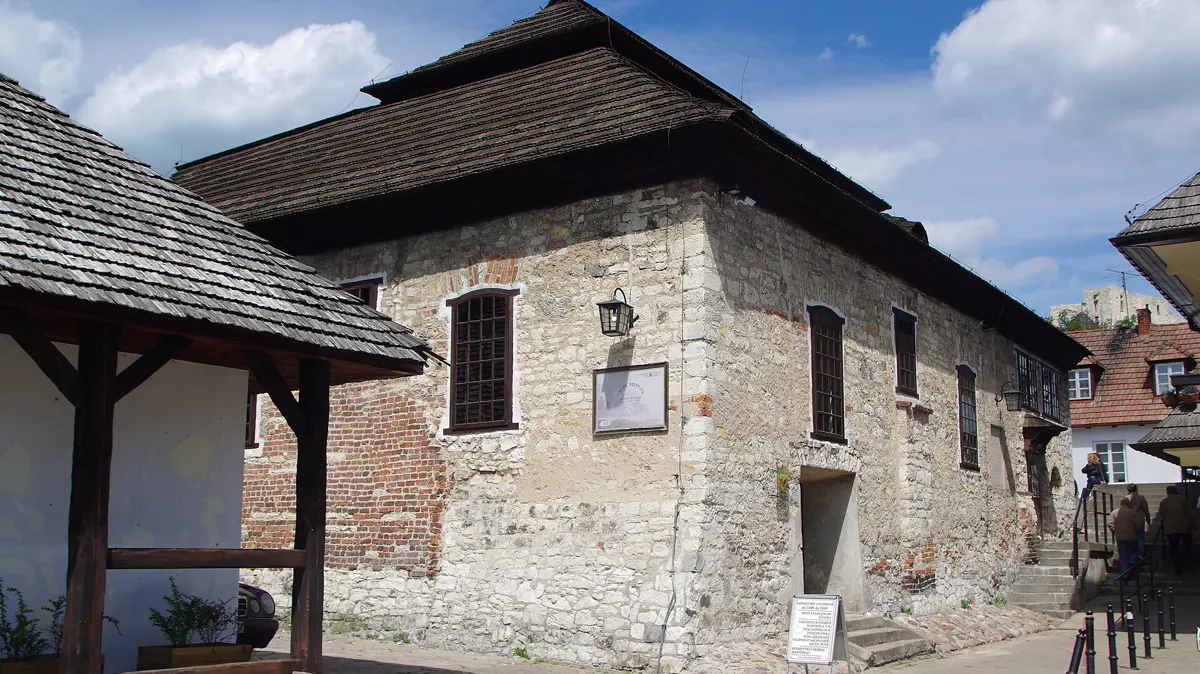
Former Synagogue (Synagoga), Kazimierz Dolny
An 18th-century limestone synagogue on Lubelska Street that was once the centre of Jewish life in Kazimierz Dolny and now houses a small exhibition on the town's Jewish past.
Poland fits a lot into one country: medieval market squares, a salt mine carved into underground chapels, the memorial at Auschwitz-Birkenau, mountain trails and a long Baltic coast. Seventeen places hold UNESCO World Heritage status, and most of the headline attractions cluster around the cities you are likely to base yourself in, so a first trip rarely means long transfers.
Top attractions in Krakow, Warsaw and Gdansk
Krakow has the densest cluster: the Main Market Square, laid out in 1257 and among the largest medieval squares in Europe, the underground Wieliczka Salt Mine, and the Auschwitz-Birkenau Memorial within a day trip. Warsaw rebuilt its Old Town from wartime rubble, Gdansk lines the Motlawa with tall merchant houses, and Wroclaw and Torun keep intact Gothic centres. The mountains around Zakopane and the lakes of Masuria add the outdoor side.
Top places to visit on a first trip
Group attractions by the city you are staying in rather than chasing them across the map. Krakow, Warsaw and Gdansk each reward two or three days and put more sights within an easy day trip. For the classic sights that define the country, see the best viewpoints and our city guides.
Do you need to book tickets in advance
The busiest sites use timed entry, so book Wieliczka and the Auschwitz-Birkenau Memorial ahead, especially in summer. Many state museums have one free day a week. Tickets are good value by European standards; our note on costs in Poland has the typical prices.
Attractions by city
Travel guides
Krakow Golf Cart Tours: The Four Routes, Compared
Four electric cart routes cover the Old Town, Kazimierz, the ghetto in Podgorze and Schind...
Best Castles in Poland
From the Teutonic fortress at Malbork to the royal seats at Wawel and Warsaw, the Polish c...
3 Days in Krakow
A practical three-day plan for Krakow, pairing the Old Town and Wawel with Kazimierz and o...
Things to Do in Krakow
The sights, neighbourhoods and day trips that make Krakow worth several days, ranked by ho...