Attraction in Zamość
Franciscan Church (Church of the Annunciation)
The Franciscan Church of the Annunciation is the largest church in Zamość, a monumental Baroque building near Rynek Wielki whose white facade rises close to 40 metres.
Reviewed and updated July 2026
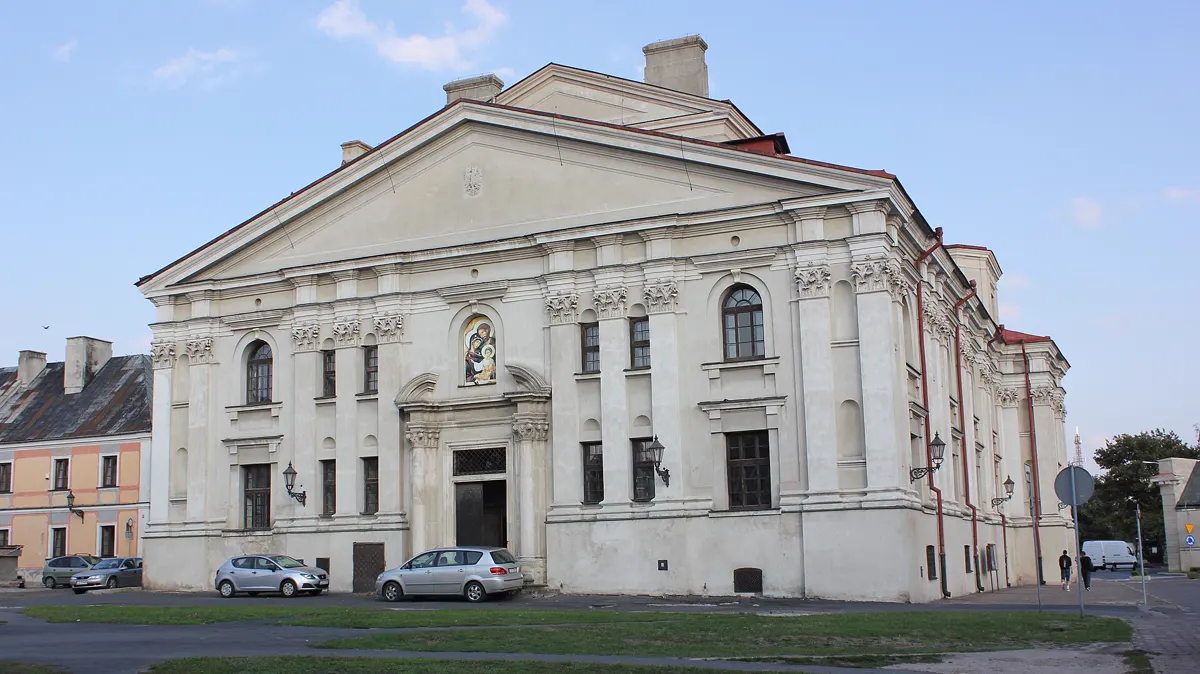
The Franciscan Church of the Annunciation is the largest church in Zamość and one of the most prominent Baroque churches built in 17th-century Poland, standing in the Old Town a short walk from Rynek Wielki. People visit for its sheer scale, roughly 56 metres long and 29 metres wide, and for a white facade that climbs close to 40 metres above the surrounding streets. Its long, turbulent history, from friary to hospital to reconstructed church, adds another layer of interest.
A monumental Baroque facade
The most immediate thing to take in is the front of the church, a towering white facade that rises close to 40 metres and dominates its corner of the Old Town. The building's proportions are unusual for the city, measuring about 56 metres in length and 29 metres in width, which makes it the largest church in Zamość. Because it lost its towers during the centuries it spent in secular use, the silhouette you see today reflects a later reconstruction rather than the original 17th-century outline. It sits close enough to Rynek Wielki that you can reach it on foot in a few minutes.
Founded by Jan 'Sobiepan' Zamoyski
The church was built between 1637 and 1685, founded by Jan 'Sobiepan' Zamoyski after Franciscan friars arrived in the city in 1637. In its early decades it was regarded as one of the finest Baroque churches in Poland, a reflection of the ambition behind Zamość as a planned Renaissance town. The Franciscan community that gave the church its name shaped its purpose for well over a century before political change swept that role away.
From church to hospital and back
After the Franciscan order was abolished in 1784, the building spent generations serving very different functions, first as a hospital, then as an arms depot, and after the war even as an art college. During this period it lost its towers and much of its churchly character. It was returned to the Franciscans in 1993 and reconstructed, which is why a visit today lets you read both the original grandeur and the marks of its long detour through secular life. It fits naturally into a wider walk around the Old Town covered in our Zamość guide.
Who it suits and how to fit it in
This is a rewarding stop for anyone interested in Baroque architecture, Polish church history or the layered story of Zamość itself, and its central location makes it easy to combine with the main square. Because it is an active place of worship again, times when you can enter and look around may be shaped by services, so it works well as one point on a slow morning or afternoon in the Old Town rather than a rushed tick-box. Pair it with Rynek Wielki and the town's Renaissance streets for a fuller sense of the place.
Good to know
The church is an active Franciscan place of worship, so plan a quiet moment between services and check official parish channels for current visiting arrangements.
Frequently asked questions
More attractions in Zamość
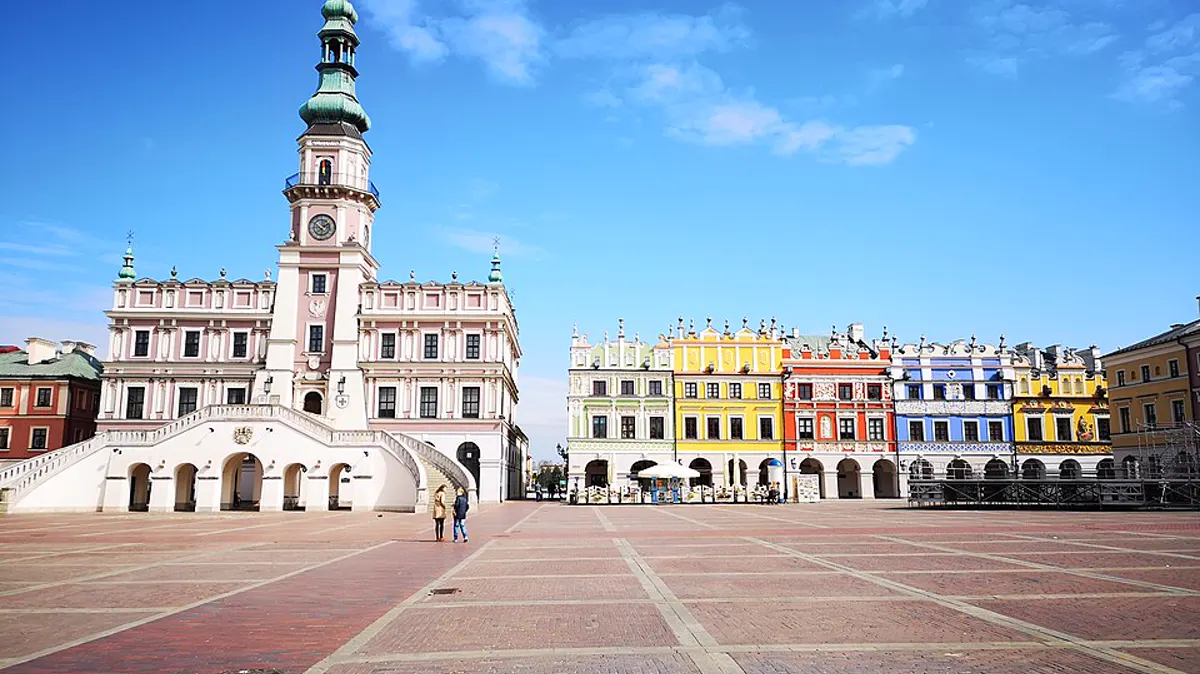
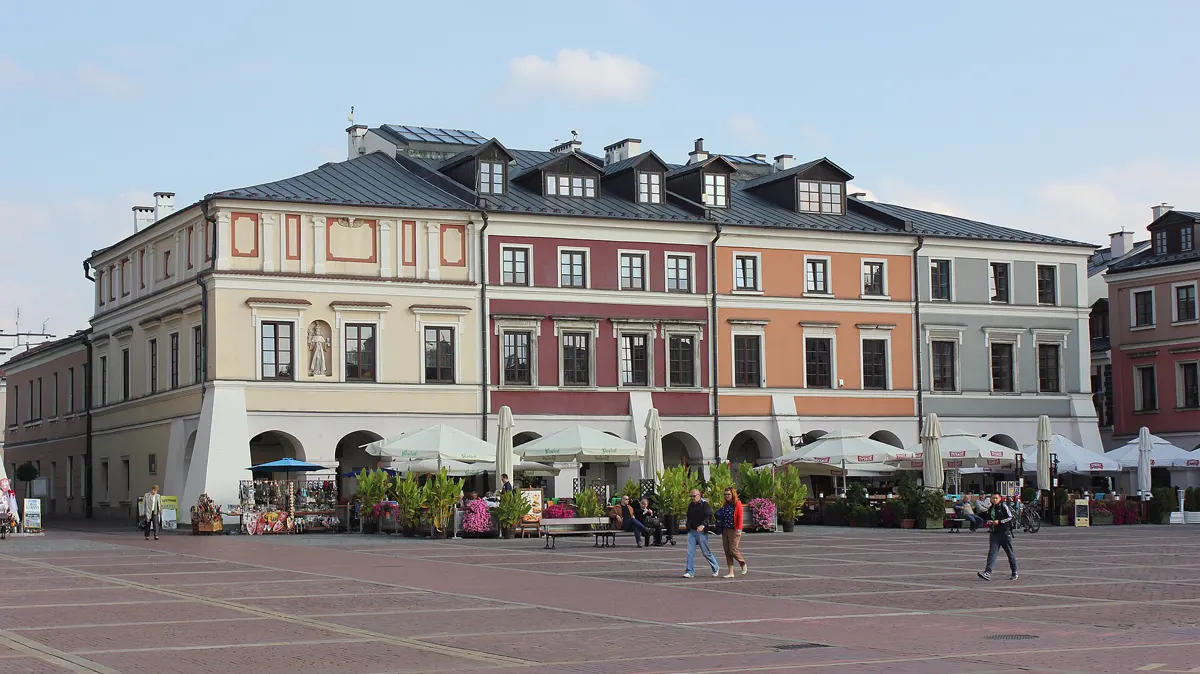
Great Market Square, Zamosc
A near-perfect Renaissance square of arcaded, pastel burgher houses, the centrepiece of a sixteenth-century ideal city.
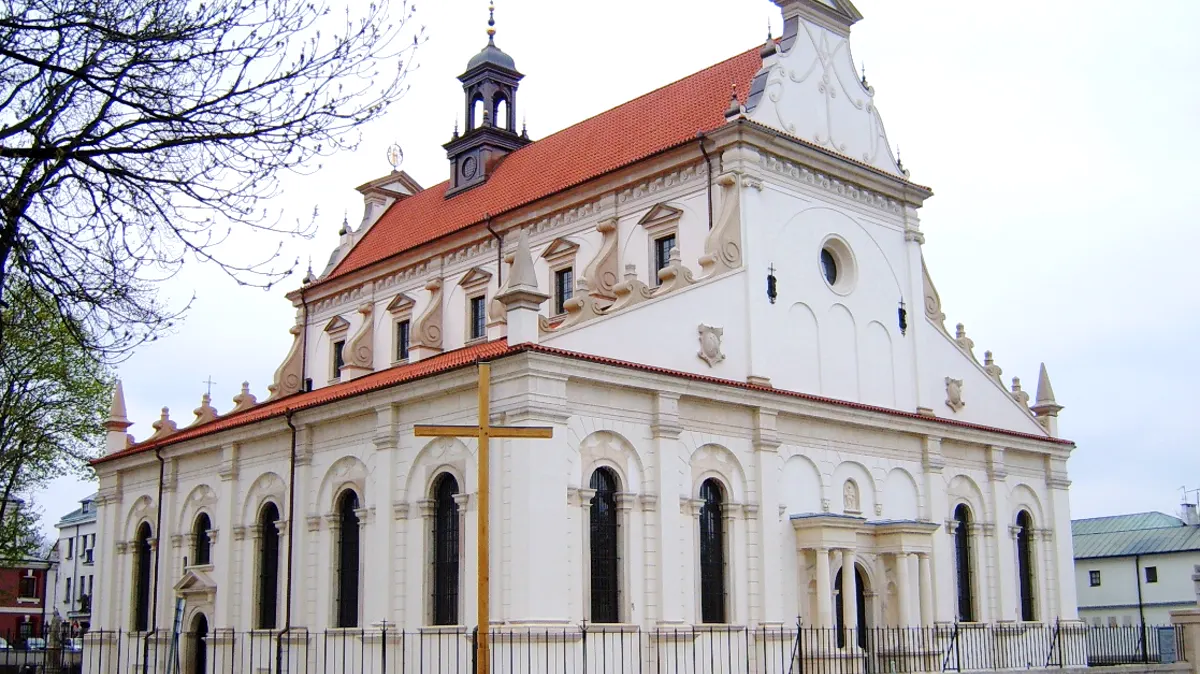
Zamość Cathedral (Cathedral of the Resurrection and St Thomas the Apostle)
One of Poland's finest Renaissance churches, designed by Bernardo Morando and paid for by Jan Zamoyski, raised to cathedral rank in 1992.
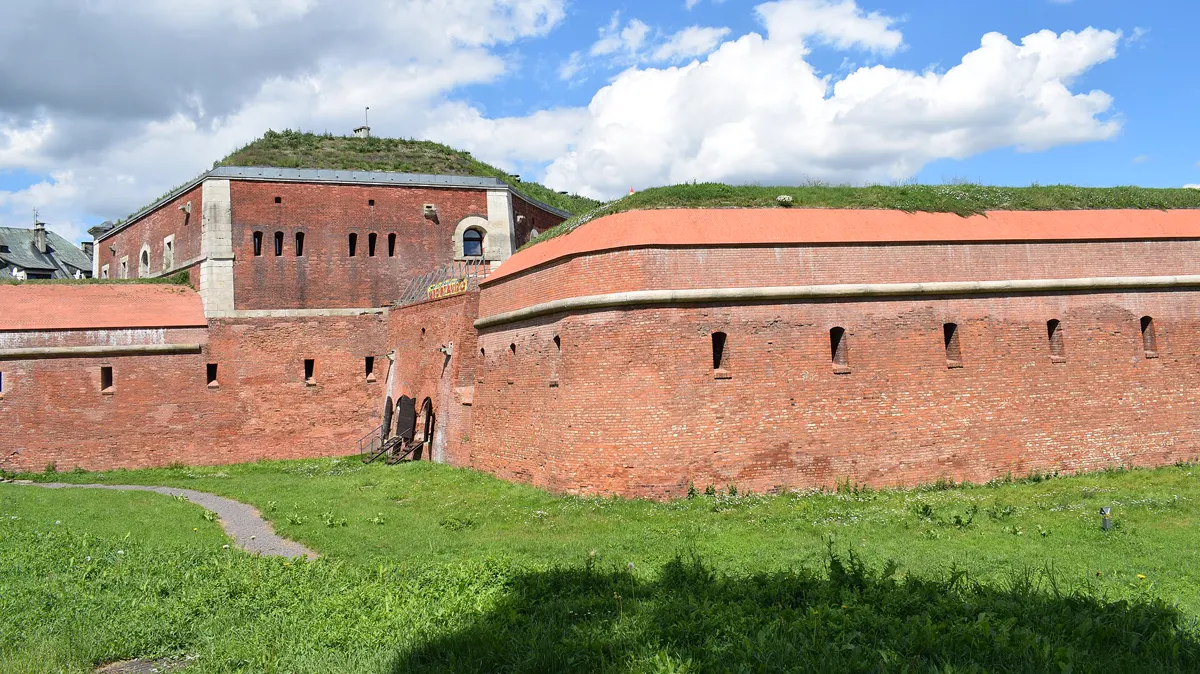
Bastion VII Underground Tourist Route (Nadszaniec)
A half-kilometre walk through the casemates and galleries of Bastion No 7, the biggest bastion of a fortress that was never taken by an enemy.
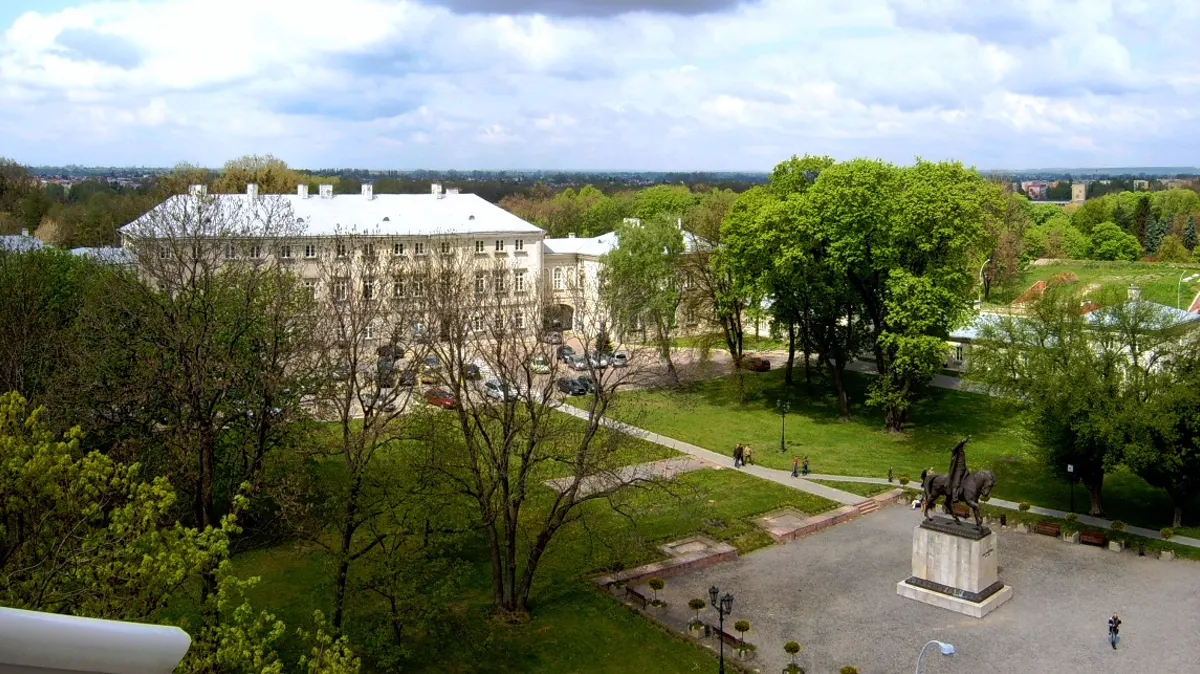
Zamoyski Palace (Pałac Zamoyskich)
The Zamoyski Palace was the first building raised in Zamość, designed by Bernardo Morando in 1579 to 1586 as the residence of the city's founder, Jan Zamoyski.
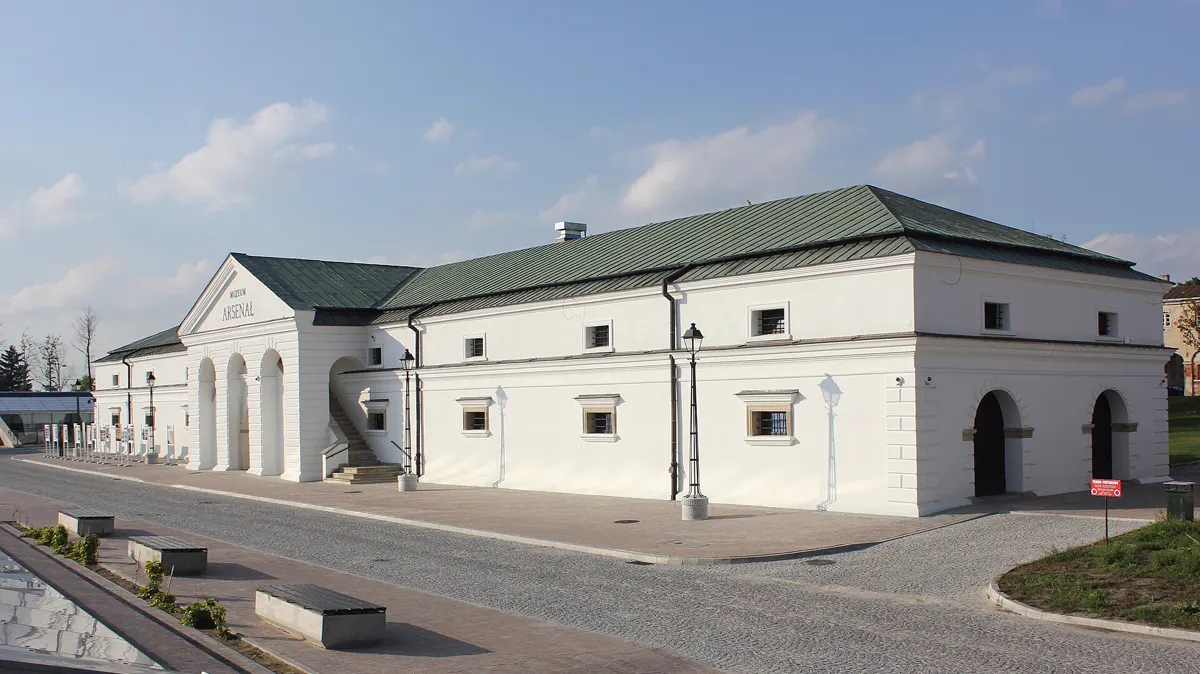
Arsenal - Museum of Fortifications and Weapons
A branch of the Museum of Zamość set in a 17th-century arsenal building, dedicated to the military history of Zamość and its fortress, with historic weaponry and twentieth-century military vehicles among its displays.
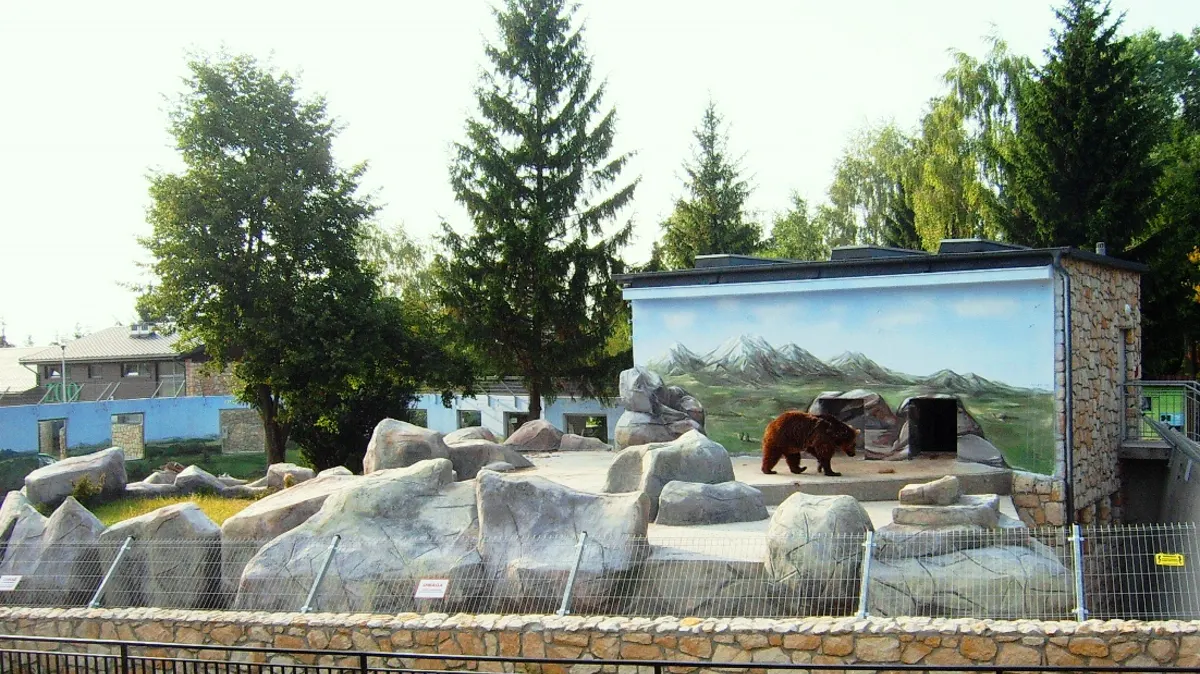
Zamość Zoo (Stefan Miler Zoological Garden)
One of Poland's oldest zoos, started in 1918 as a school project by teacher Stefan Miler and now spread over about 13 hectares.
More to explore in Zamość
Museum
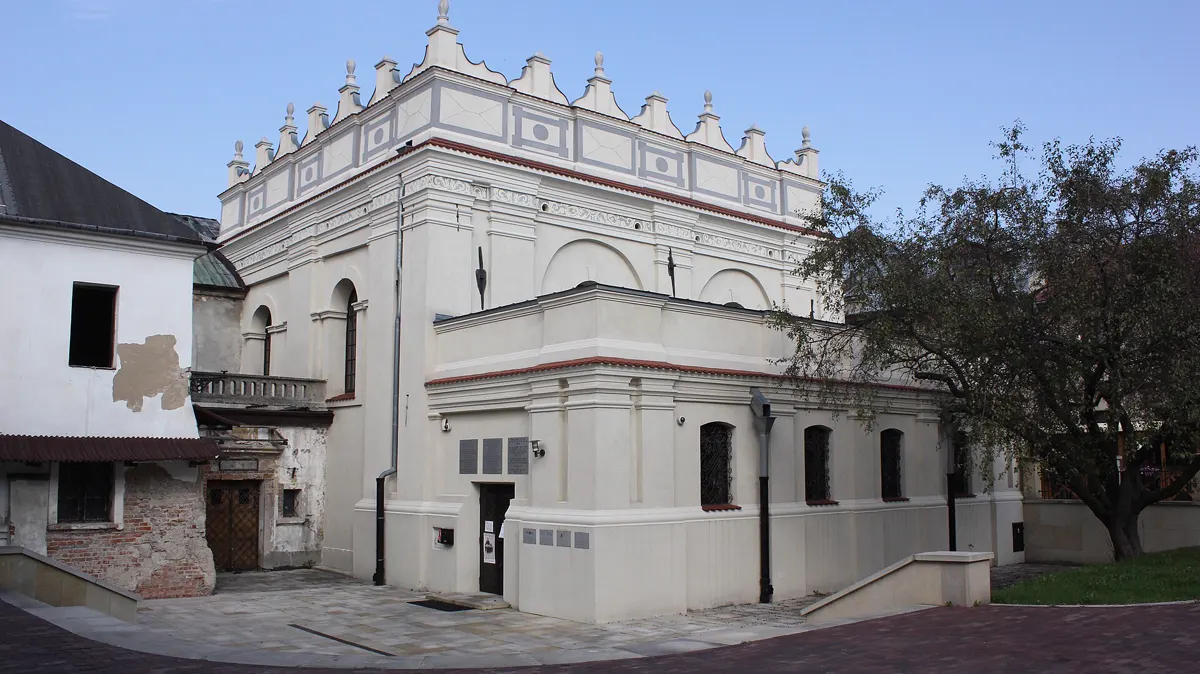
Zamość Synagogue (Synagogue Centre)
A rare surviving Renaissance synagogue of about 1618, restored by the Foundation for the Preservation of Jewish Heritage and reopened in 2011 as a cultural centre with a multimedia exhibition on the town’s Jewish heritage.
Museum
Zamość Rotunda (Museum of Martyrdom of the Zamość Region)
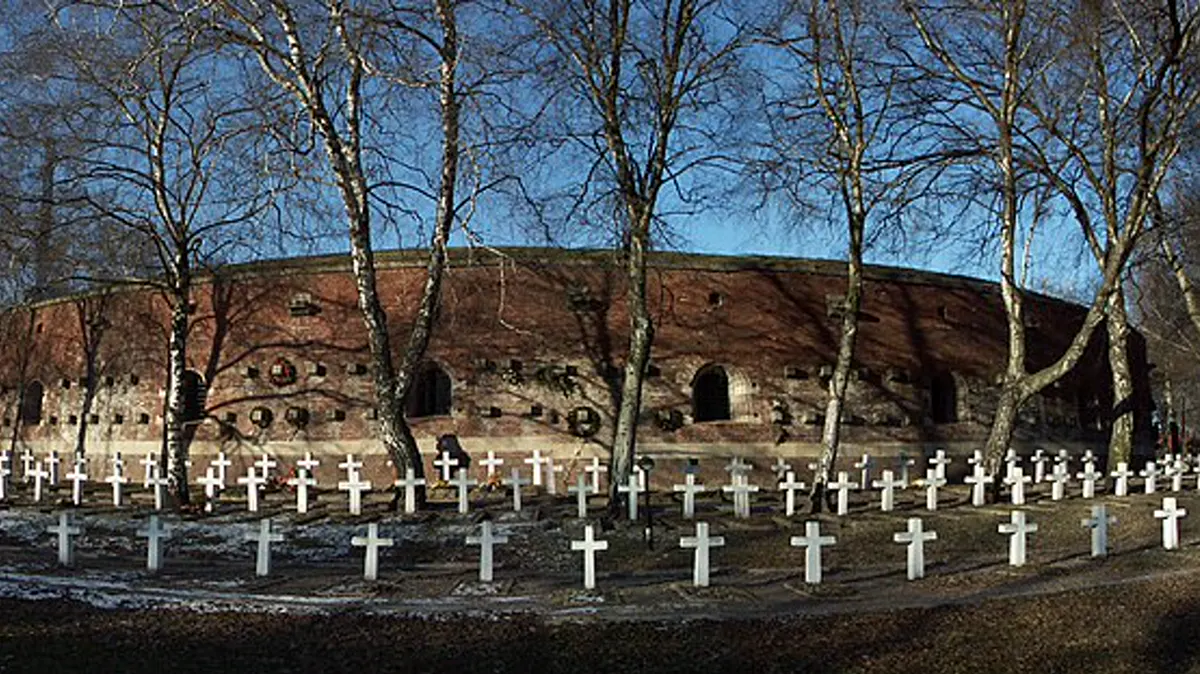
A 19th-century circular fort that the Gestapo turned into a place of execution during WWII, now a museum of martyrdom for the Zamość region.
Museum
Muzeum Zamojskie (Museum of Zamość, Armenian Houses)
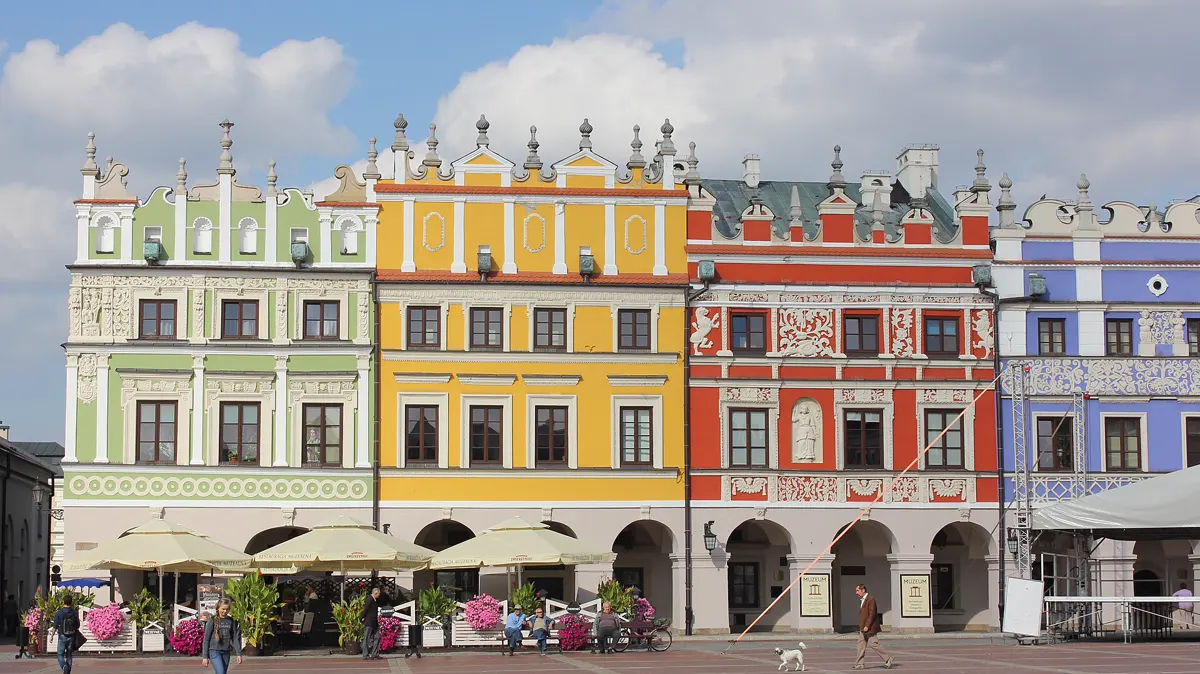
The town museum set inside the ornately decorated 17th-century Armenian houses on the Great Market Square.
Restaurant
Restauracja Muzealna Ormiańskie Piwnice
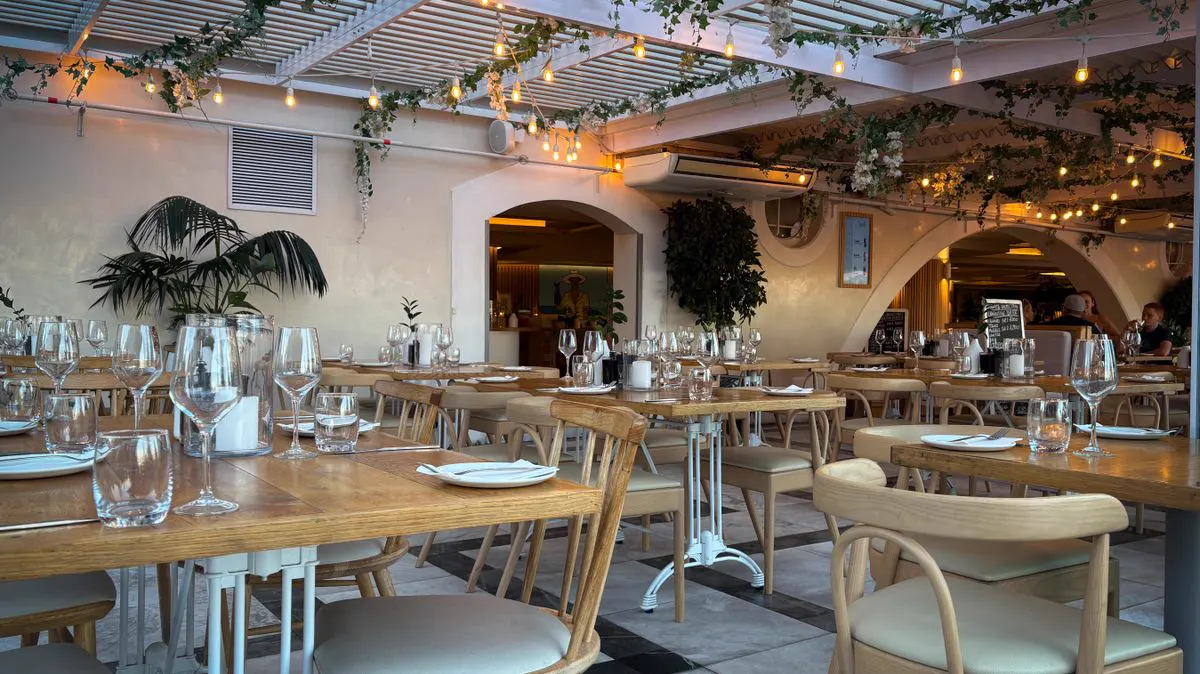
Armenian and regional cooking served in the vaulted cellars of a 17th-century Armenian house beside the Town Hall.
Restaurant
Restauracja Bohema
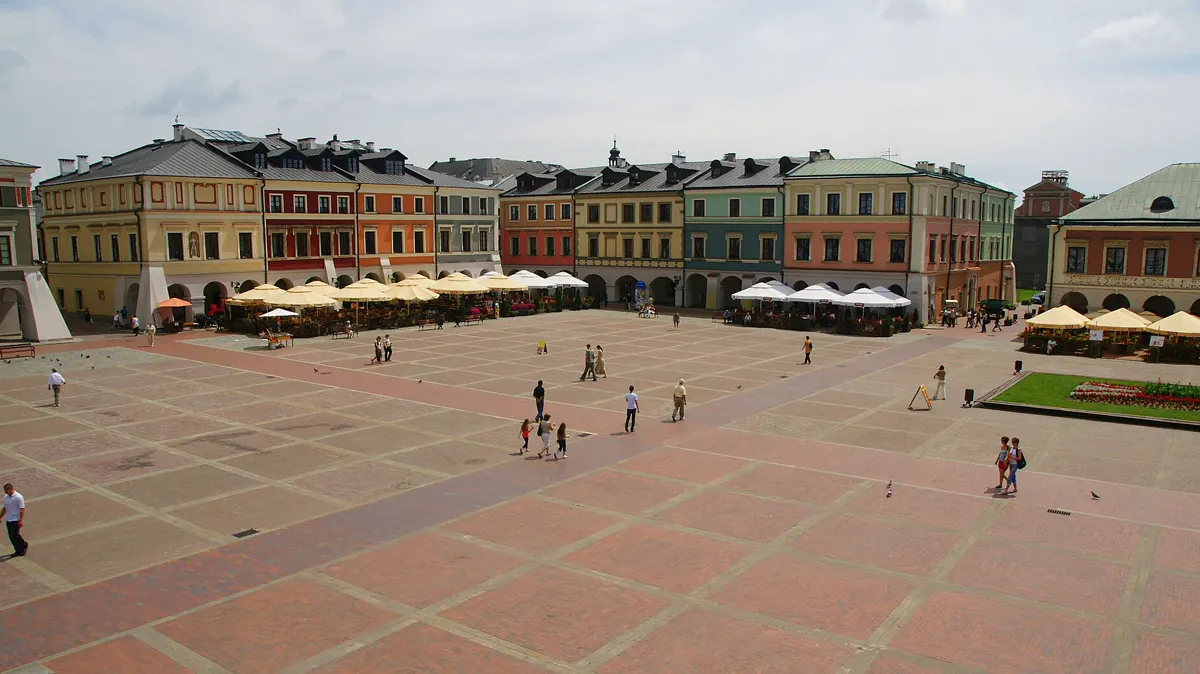
A long-running restaurant on a corner of the Great Market Square, with big outdoor tables looking onto the arcades.
Hotel
Hotel Renesans
A three-star hotel inside the Old Town, a few minutes' walk from the Great Market Square.