Attraction in Warsaw
Warsaw Barbican (Barbakan)
The Warsaw Barbican is a semicircular brick fortress gate from around 1540 and one of the last surviving pieces of the city's medieval walls. It stands between the Old and New Towns, where street artists and vendors gather.
Reviewed and updated July 2026
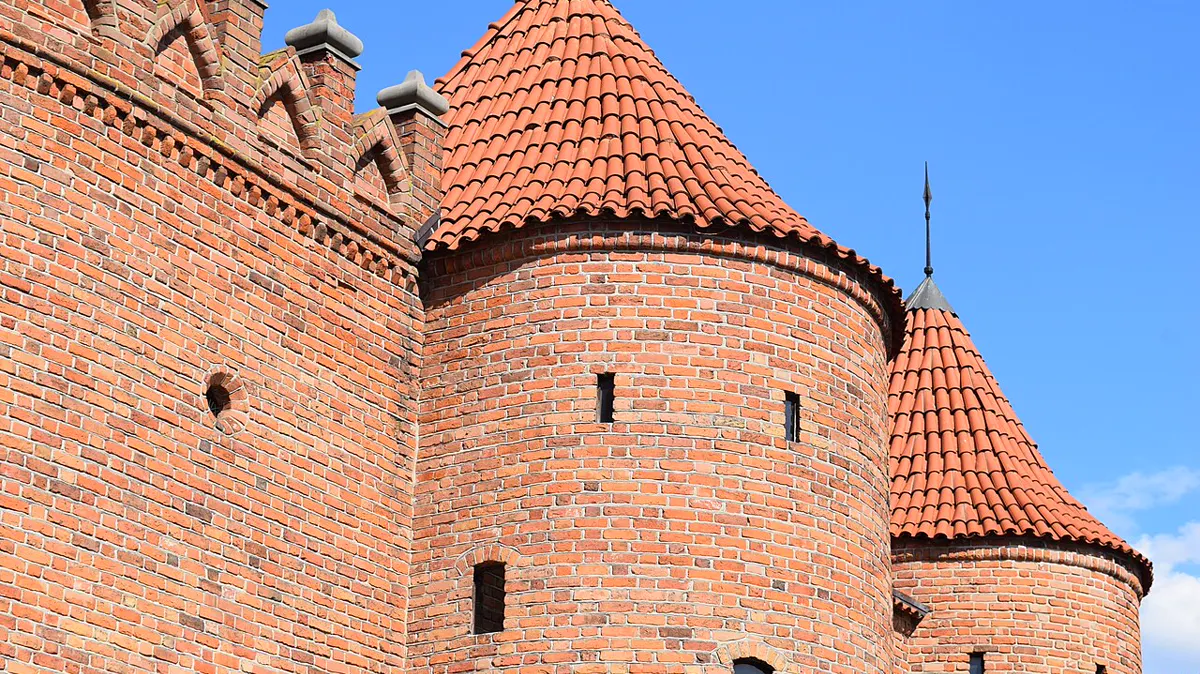
The Warsaw Barbican is a semicircular brick fortified outpost built around 1540 to guard the northern entrance to the medieval city, and people visit it as one of the few surviving remnants of the walls that once encircled Warsaw. It sits on Nowomiejska Street between the Old and New Towns, where its reddish curved walls and towers make a natural pause on any walk through the historic quarter. You can pass right through the gate, and the surrounding stretch of rampart is free to approach at any time.
What you see at the Barbican
The structure is a rounded brick bastion set into the line of the old defensive wall, with pointed towers and a broad archway where Nowomiejska Street once entered the city. Its warm red brick contrasts with the plastered townhouses of the Old Town just beyond, and the raised terraces let you look along the surviving section of rampart. On most days the arch and the walls draw street artists, buskers and vendors selling prints and souvenirs, which gives the spot a lively, informal feel rather than a hushed museum atmosphere.
History from Renaissance gate to reconstruction
The Barbican was designed around 1540 by Jan Baptist the Venetian, an Italian Renaissance architect, and it replaced an older gate that had protected Nowomiejska Street. Over the following centuries the city outgrew its walls, and much of the fortification was demolished as Warsaw expanded. The Barbican was heavily damaged during the Second World War, along with most of the Old Town, and it was rebuilt in the 1950s. The reconstruction was based on 17th-century engravings, part of the wider effort to restore the historic district that later earned it UNESCO recognition.
Who it suits and how to visit
The Barbican works best as a short stop rather than a lengthy attraction, and it suits history-minded walkers, photographers and anyone tracing the line of the old city walls. There is no ticketed interior in the usual sense, so you can walk up to it freely and pass through the gate on foot. If you want to go inside any exhibition space or climb sections that are managed by the city museum, check current access and any fees through official channels before you go, as arrangements can change by season.
Fitting it into a Warsaw walk
Because it stands on the boundary between the Old and New Towns, the Barbican is easy to reach on foot and makes a logical link between the two districts. Many visitors pass through it while walking north from the Old Town Market Square toward the New Town, so it slots neatly into a single afternoon of sightseeing. For ideas on what to pair it with nearby, see our Warsaw guide.
Good to know
The Barbican is an open-air structure you can walk through for free at any time, so build it into a walk between the Old Town Market Square and the New Town rather than as a separate ticketed visit.
Frequently asked questions
More attractions in Warsaw
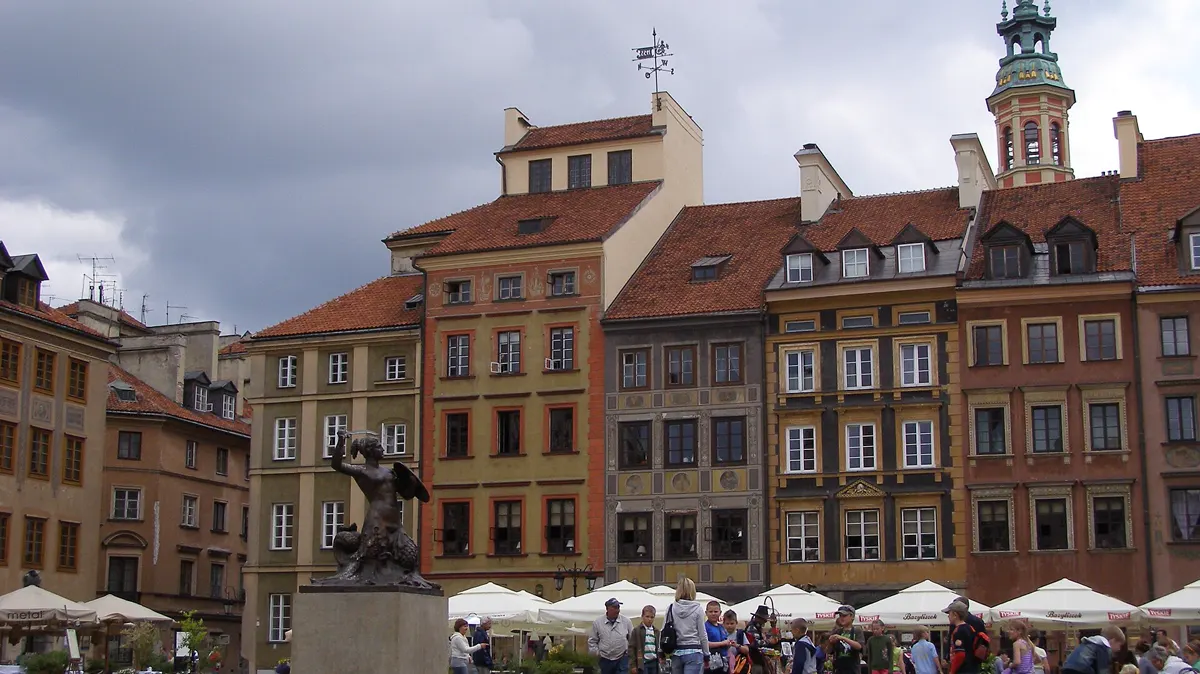
Old Town Market Square
The reconstructed heart of Warsaw Old Town, a UNESCO-listed feat of post-war rebuilding ringed by colourful townhouses.
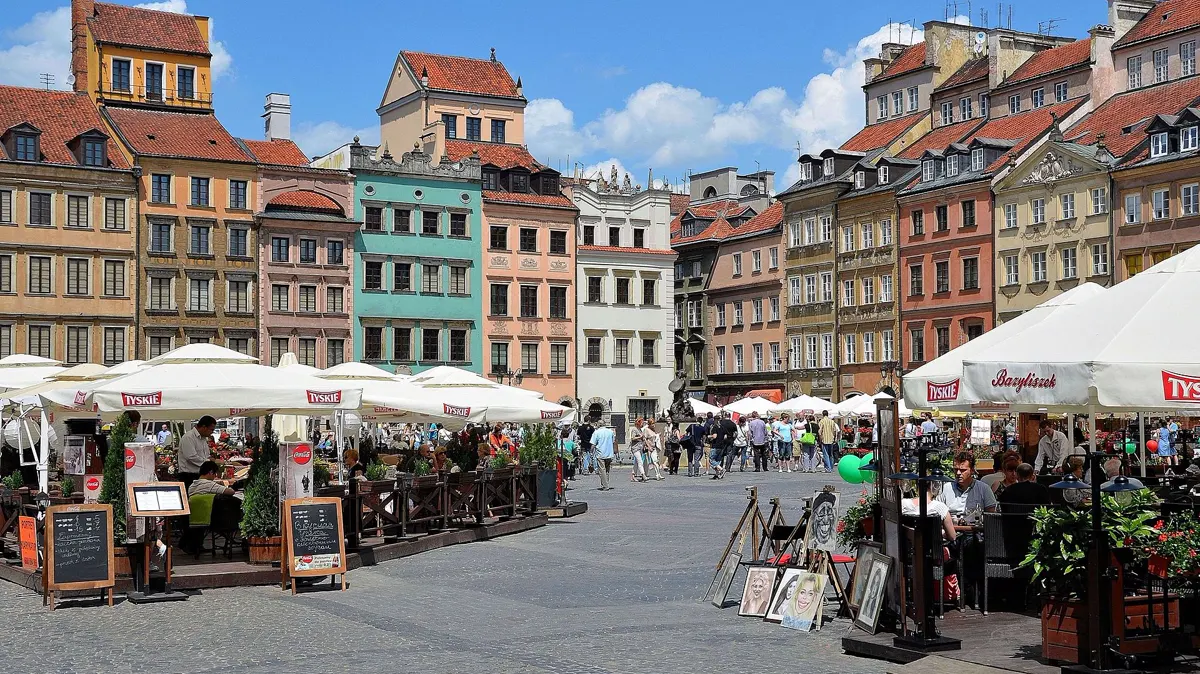
Stare Miasto (Warsaw)
Warsaw's Old Town was rebuilt from rubble after World War II so faithfully that UNESCO added it to the World Heritage list. Its Market Square is lined with pastel merchant houses and centred on the bronze Mermaid statue, the city's symbol.
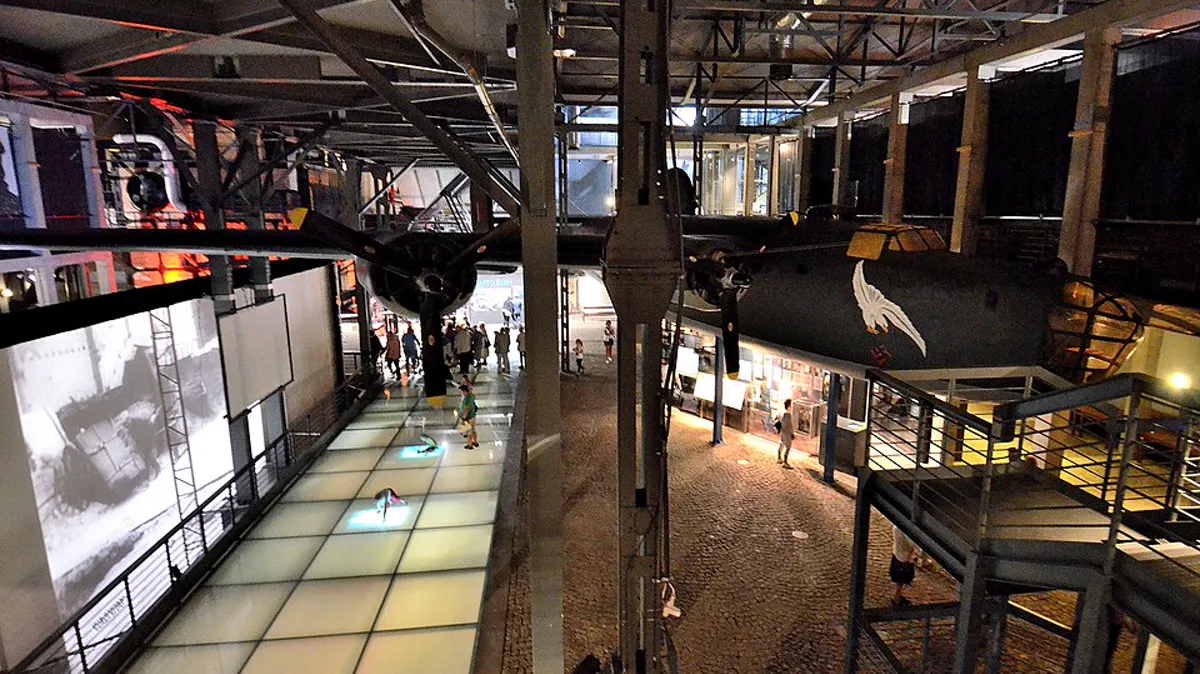
Muzeum Powstania Warszawskiego
The Warsaw Uprising Museum documents the 63-day insurrection of 1944 through survivor recordings, a replica Liberator bomber, and a beating-heart sound installation. It sits in a former tram power station in the Wola district.
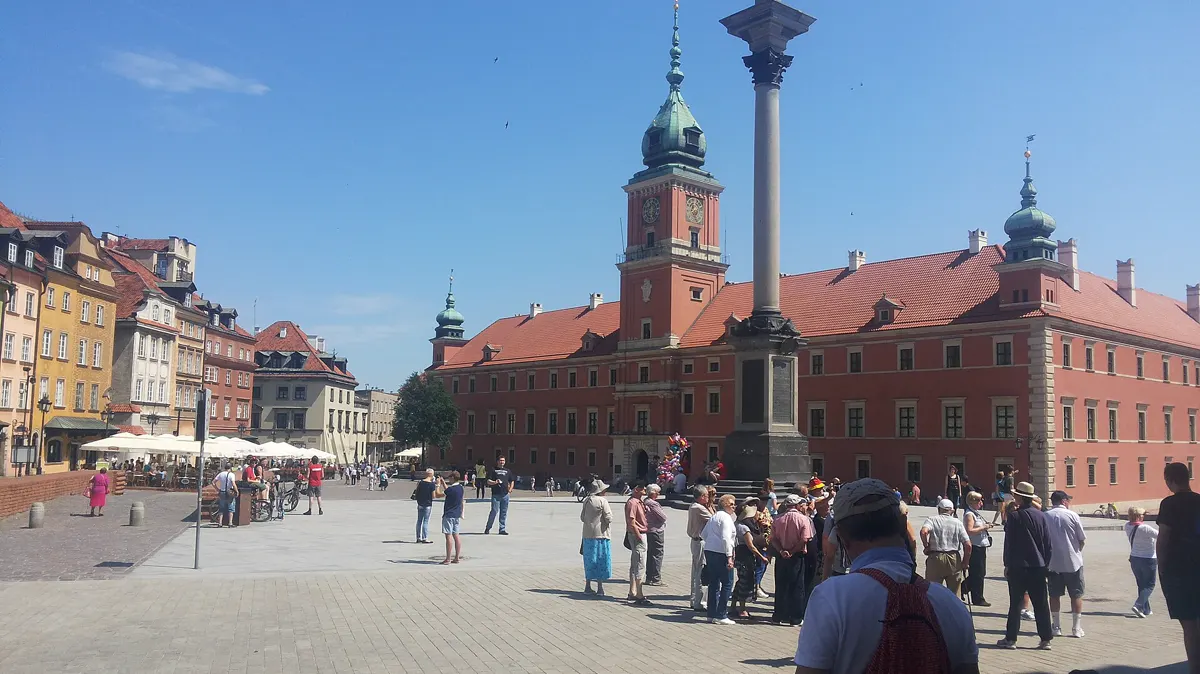
Castle Square and Sigismund's Column
Castle Square is the triangular plaza at the entrance to Warsaw's Old Town, centred on Sigismund's Column, the city's oldest secular monument and one of its most recognisable landmarks.
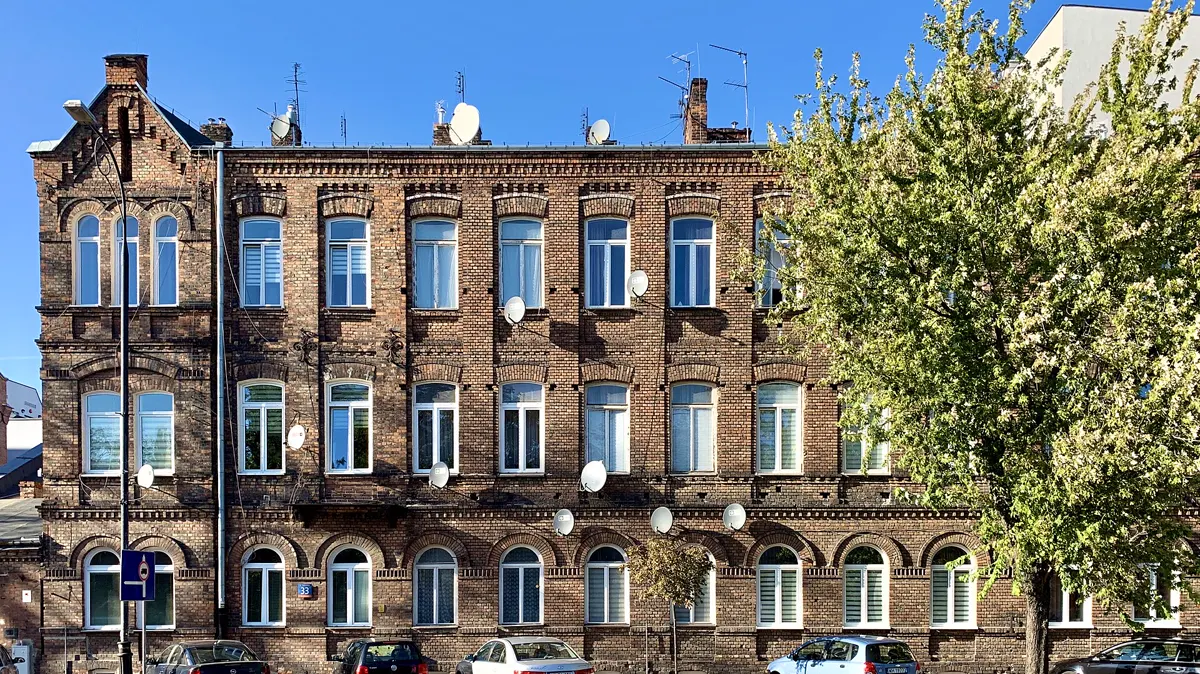
Praga District
Praga is Warsaw's district on the eastern bank of the Vistula, one of the few areas to survive the war intact, now a centre for artists, galleries and nightlife set among genuine pre-war tenements.
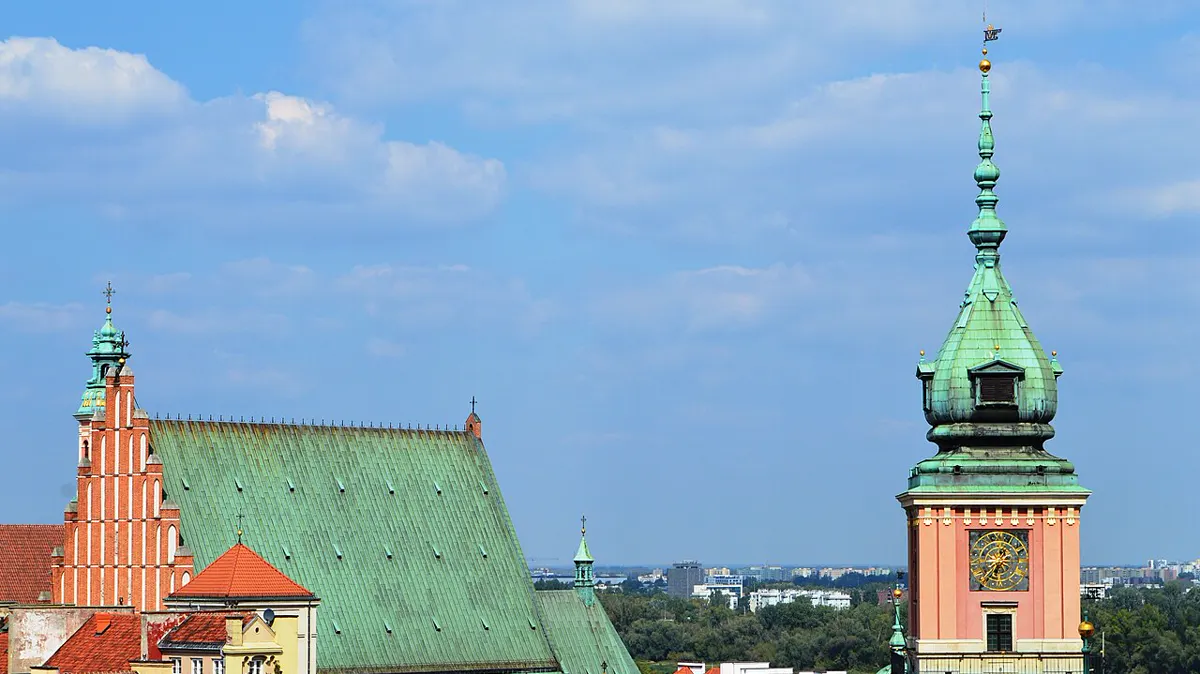
St. John's Archcathedral
St. John's Archcathedral is Warsaw's oldest church, a Masovian Gothic cathedral in the Old Town where Poland's 1791 constitution was sworn and Masovian dukes were crowned and buried.
More to explore in Warsaw

Restaurant
Nolita
A Michelin Guide-listed kitchen turning Polish produce into precise modern tasting menus.
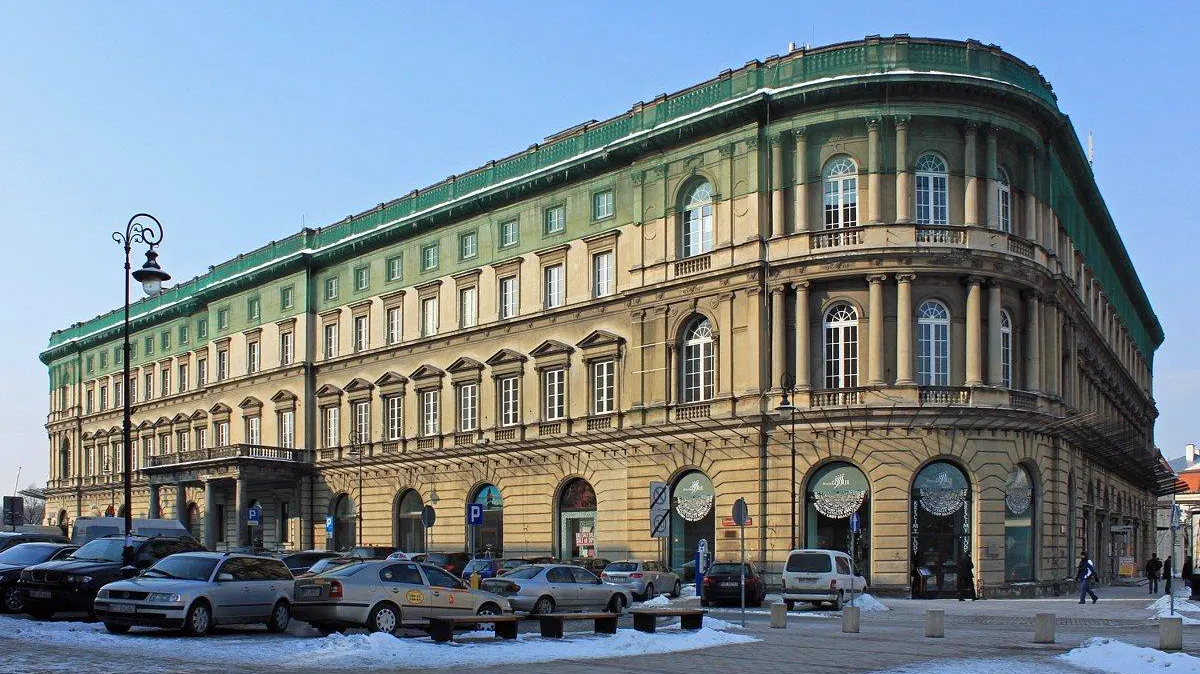
Hotel
Raffles Europejski Warsaw
A landmark 19th-century hotel on the Royal Route, reborn with a serious art collection.
Castle
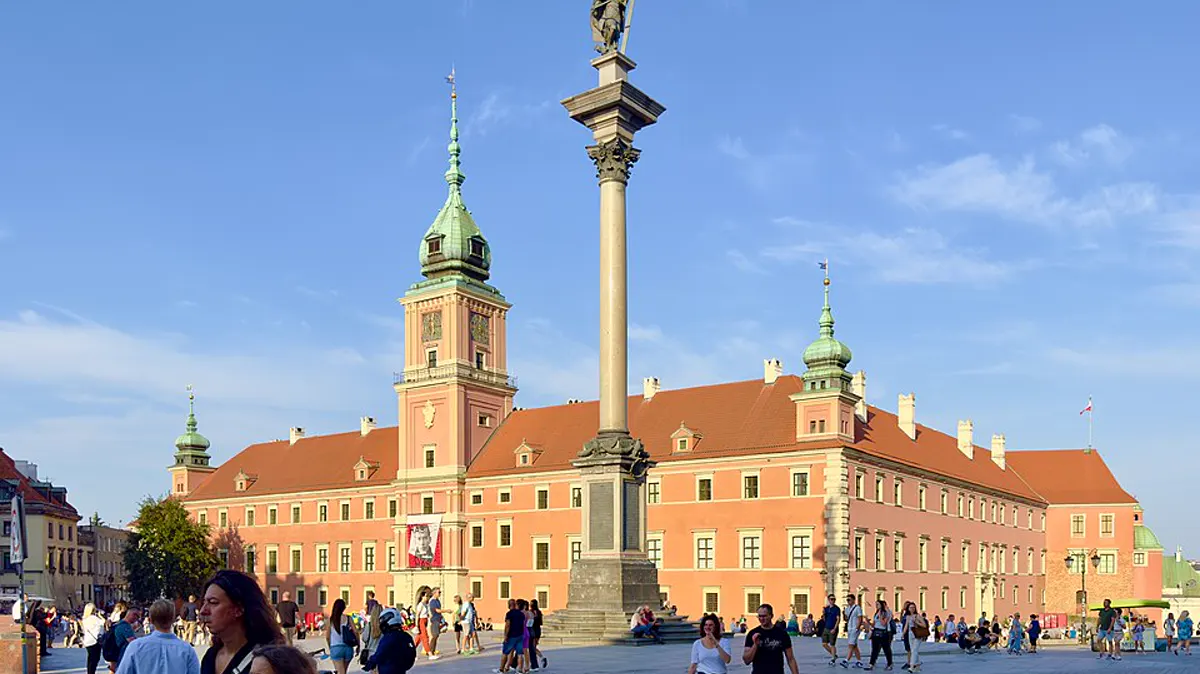
Royal Castle
The reconstructed seat of Polish kings and parliament on Castle Square, rebuilt from rubble after wartime destruction.
Museum
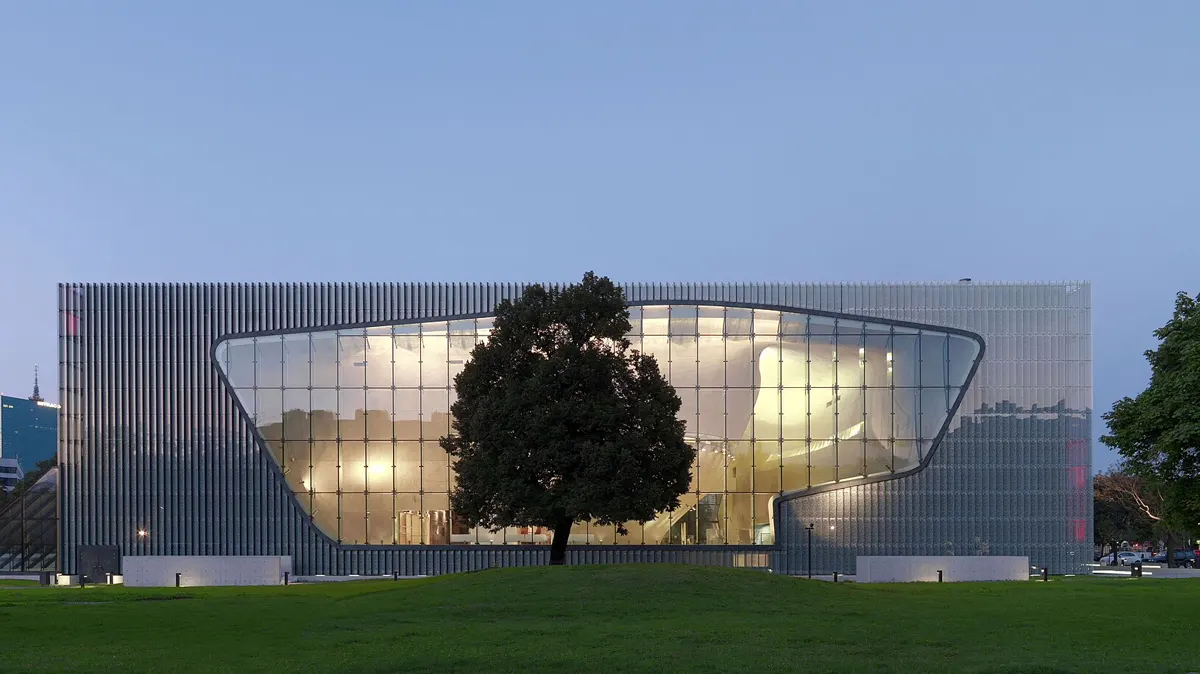
POLIN Museum of the History of Polish Jews
An award-winning museum tracing a thousand years of Jewish life in Poland, on the site of the former Warsaw Ghetto.

Restaurant
STOR
A speciality-coffee bar with several outposts, a favourite of the city's coffee crowd.

Restaurant
Restauracja Podwale 25
A beer hall and grill just outside the Old Town walls, known for giant pork knuckle (golonka) and Masovian dishes. Big portions, garden seating, and a good beer selection.