Attraction in Zakopane
Chapel of the Sacred Heart of Jesus at Jaszczurowka
A wooden log chapel from 1907 designed by Stanislaw Witkiewicz, widely regarded as one of the finest examples of Zakopane Style architecture and the most beautiful wooden sacral building in the Tatra region.
Reviewed and updated July 2026
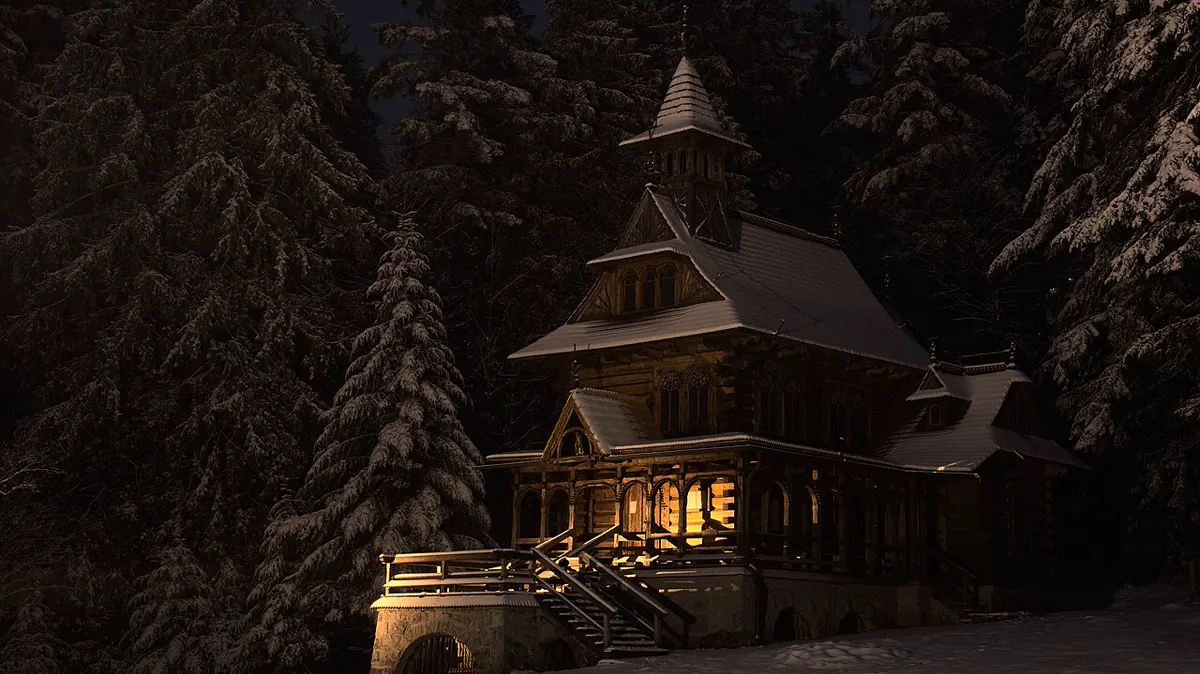
The Chapel of the Sacred Heart of Jesus at Jaszczurowka is a wooden log church built in 1907 to a design by Stanislaw Witkiewicz, the architect who created the Zakopane Style, and it draws visitors as one of the most influential buildings in that tradition. It sits on a stone foundation on the eastern edge of Zakopane, and it is widely regarded as the most beautiful wooden sacral building in the Tatra region. People come to see how Witkiewicz translated highlander building craft into a complete architectural language, from the timber structure down to the carved and glazed interior.
What to see inside and out
The chapel is built entirely of horizontal logs raised on a stone foundation, a pairing that shows the Zakopane Style principle of using local materials in a considered way. Step inside and the detail carries the visit: rich highlander wood carving runs through the interior, and the stained glass combines folk motifs with patriotic ones, a reminder that the style was tied to Polish national identity as much as to mountain craft. Because the building is compact, you can read almost every element at close range, which is not always possible in larger churches. Take time over the joinery and the coloured glass rather than treating it as a quick photo stop.
Why Witkiewicz and 1907 matter
Stanislaw Witkiewicz set out to raise the vernacular timber architecture of the Podhale highlanders into a formal style, and this chapel from 1907 is one of the clearest statements of that idea. It is counted among the most influential examples of Zakopane Style architecture, which is why architects and design-minded travellers still make a point of seeing it. The chapel shows the style applied to a sacred building rather than a villa, so the same carving and construction ideas take on a devotional purpose. Seeing it helps explain the look of Zakopane's older wooden houses and the wider revival Witkiewicz began.
Who it suits and how to visit
The chapel remains an active filial church, so it is a working place of worship rather than a museum, and quiet respectful behaviour is expected during any service. It suits travellers interested in architecture, wooden church heritage or Polish design history, and it rewards a slower look more than a rushed one. It is also a key stop on the trail of Witkiewicz's Zakopane Style buildings, so it pairs naturally with other sites in the town linked to the same designer. Access to the interior can depend on service and opening times, so check locally or through the parish before you plan a specific visit.
Fitting it into a Zakopane trip
Jaszczurowka lies on the eastern edge of Zakopane, on the road running toward Toporowa Cyrhla, which puts the chapel a little apart from the main town centre and its crowds. That position makes it easy to combine with a walk or a drive out toward the Tatra foothills rather than treating it as a standalone errand. If you are mapping out several days, our Zakopane guide covers how to link it with other Witkiewicz buildings and mountain outings. Allow a short, unhurried stop so you can take in the setting as well as the building.
Good to know
As a working filial church, interior access can depend on service times, so confirm hours with the parish before planning a visit and keep noise down if a service is under way.
Frequently asked questions
More attractions in Zakopane
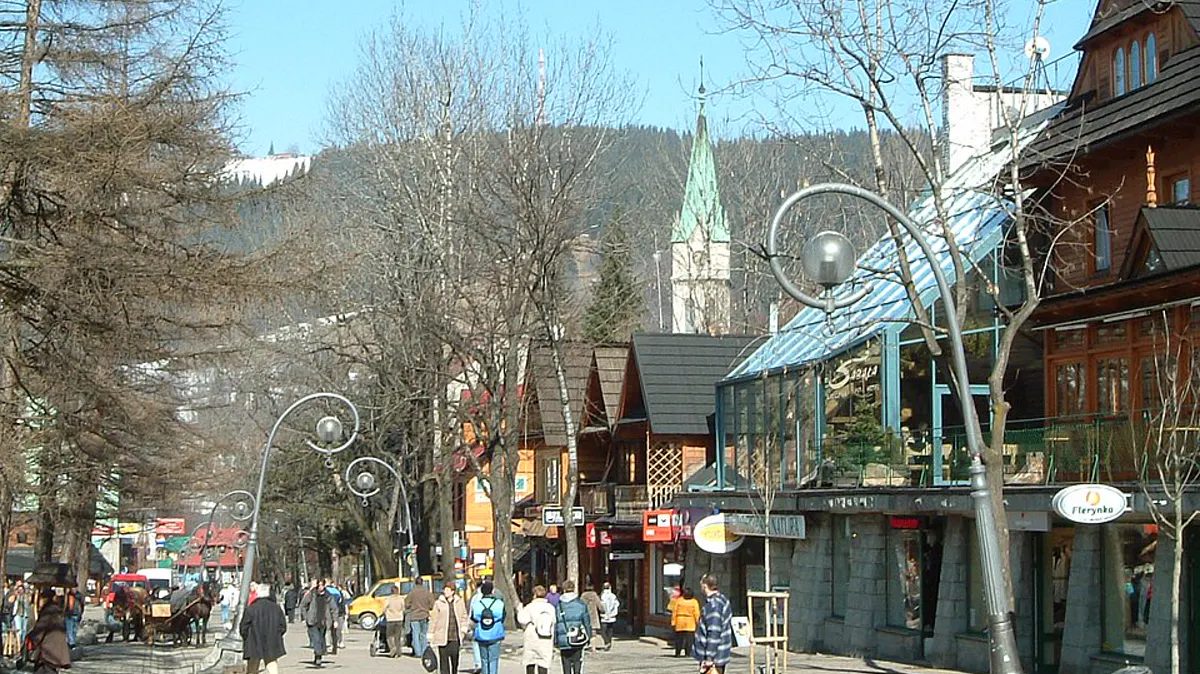
Krupowki
The main pedestrian street of Zakopane, lined with restaurants, highland-cheese stalls, shops and the buzz of the mountain resort.
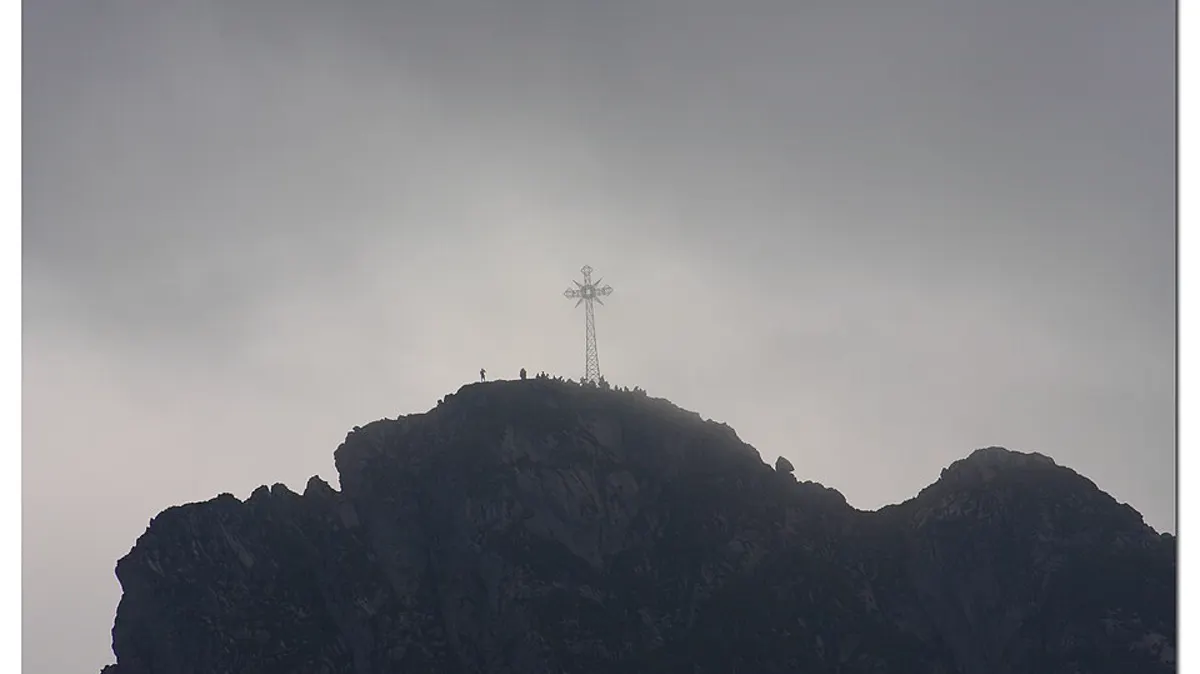
Giewont
The 1,894 metre mountain overlooking Zakopane, crowned by a 15 metre iron cross erected in 1901. Its silhouette is said to resemble a sleeping knight and is the symbol of the town.
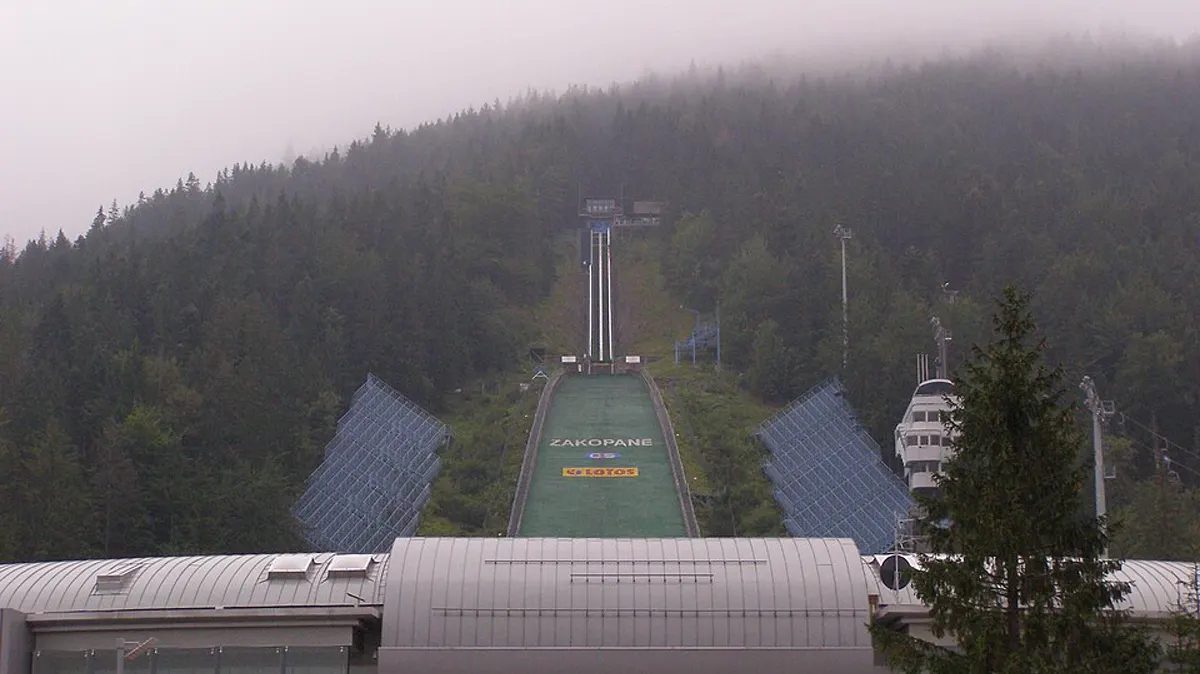
Wielka Krokiew
Zakopane's large ski jump on the slopes of Krokiew, with an in-run tower rising above the town. It regularly hosts FIS Ski Jumping World Cup competitions in winter.
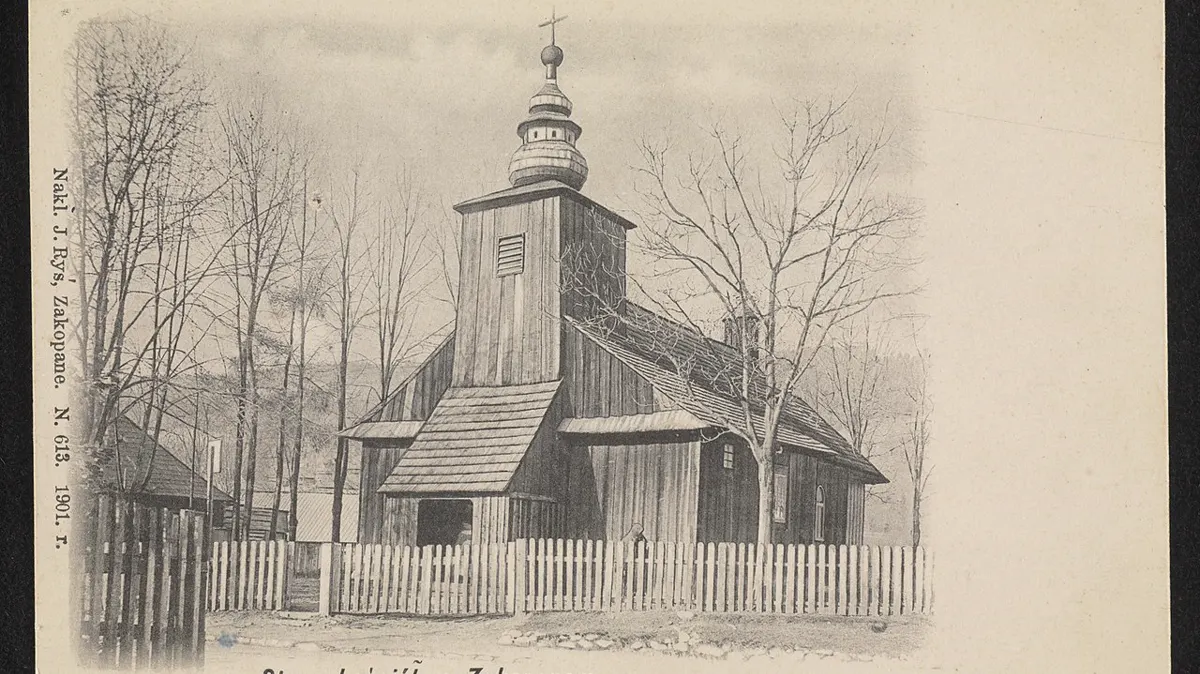
Old Church of Our Lady of Częstochowa
The oldest church in Zakopane, a wooden log building begun in 1847 on Kościeliska Street, standing beside the historic Pęksowy Brzyzek cemetery.
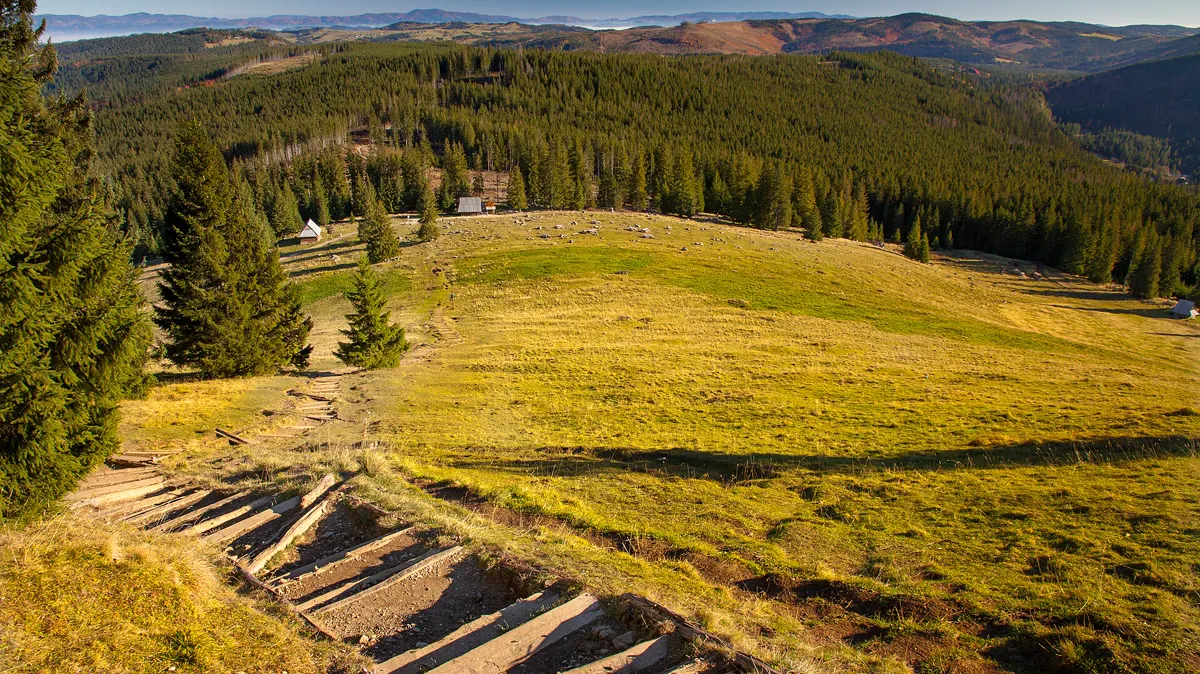
Rusinowa Polana
Rusinowa Polana is a broad grazing meadow in the Polish High Tatras, widely rated one of the finest panoramic viewpoints in the range, with a sweep across the Slovak High Tatras and the Belianske Tatras.
Sarnia Skała
Sarnia Skała is a 1,377-metre rocky summit in the Regle foothills directly above Zakopane, valued for its wide view toward Giewont and across the town to the Tatra ridges.
More to explore in Zakopane
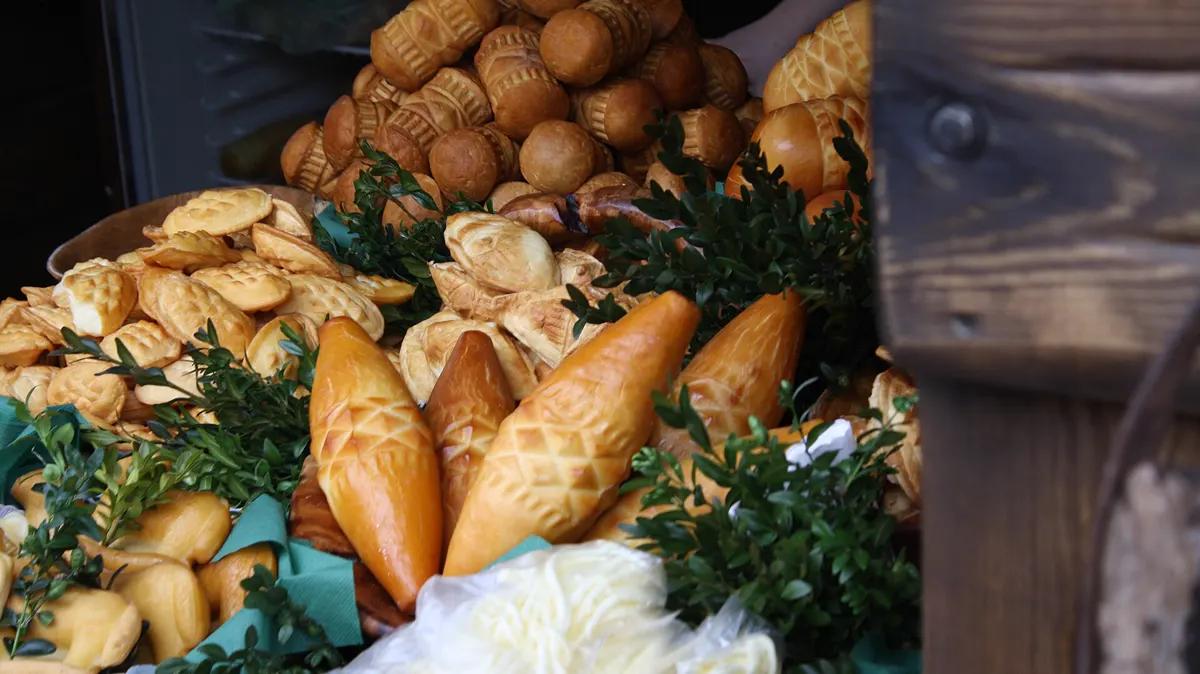
Restaurant
Bakowo Zohylina
A proper highlander karczma with open-fire grilling, live folk music and oscypek cheese.
Hotel
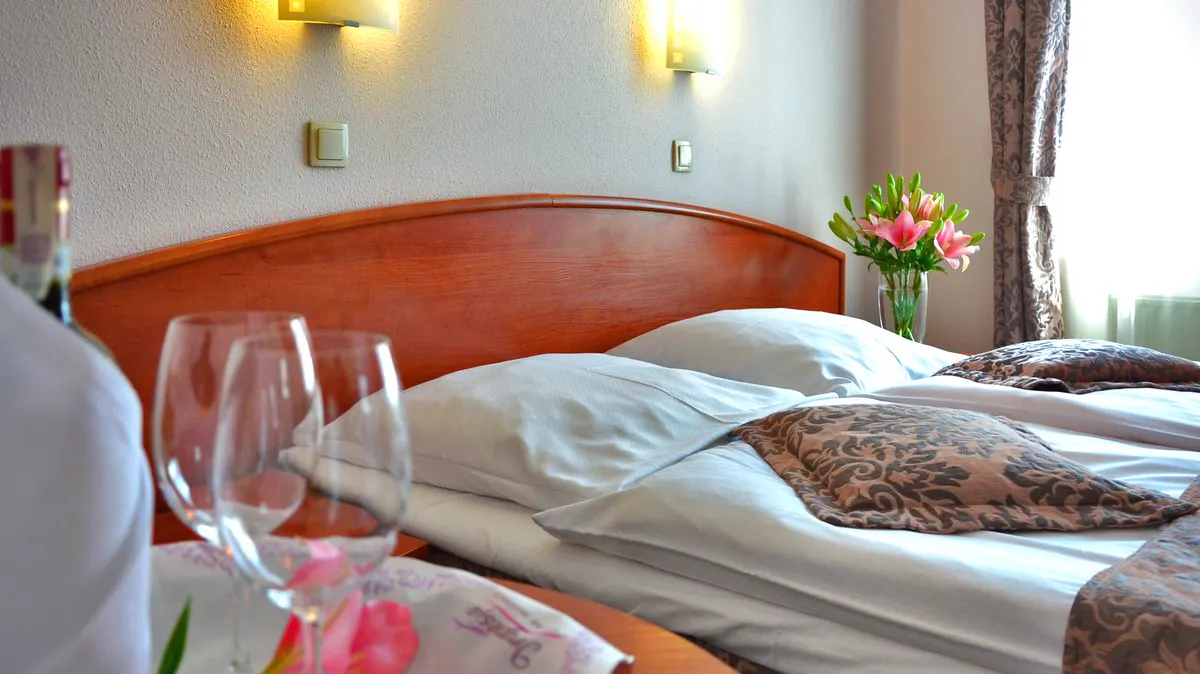
Aries Hotel & Spa
A large alpine-luxe hotel with an extensive spa, near the bottom of the Krupowki.
National Park
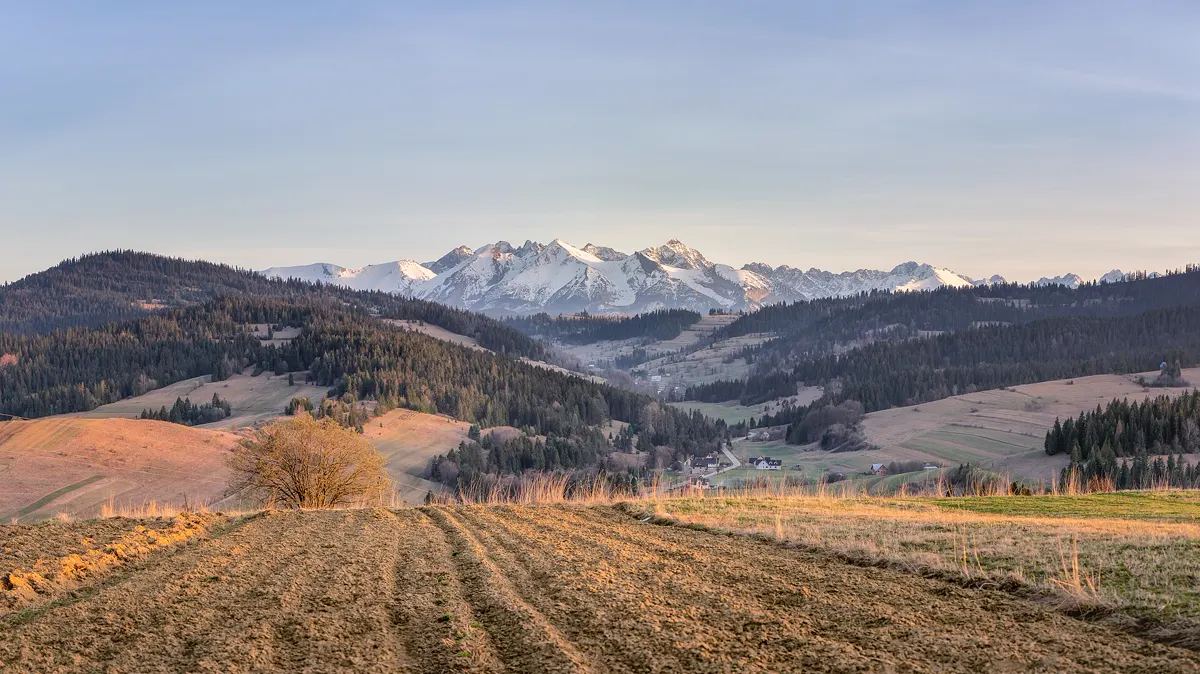
Tatra National Park
Poland's highest mountains, protected as a national park, with alpine peaks, glacial lakes and the country's most demanding trails.

Restaurant
Karczma Zapiecek
A cosy timber inn on Krupowki serving mountain classics after a day on the trails.

Restaurant
Cafe Antrakt
A relaxed bar and cafe off Krupowki serving regional beers, mulled wine in winter and light bites. A good spot to unwind after a day on the ridge.
Nature
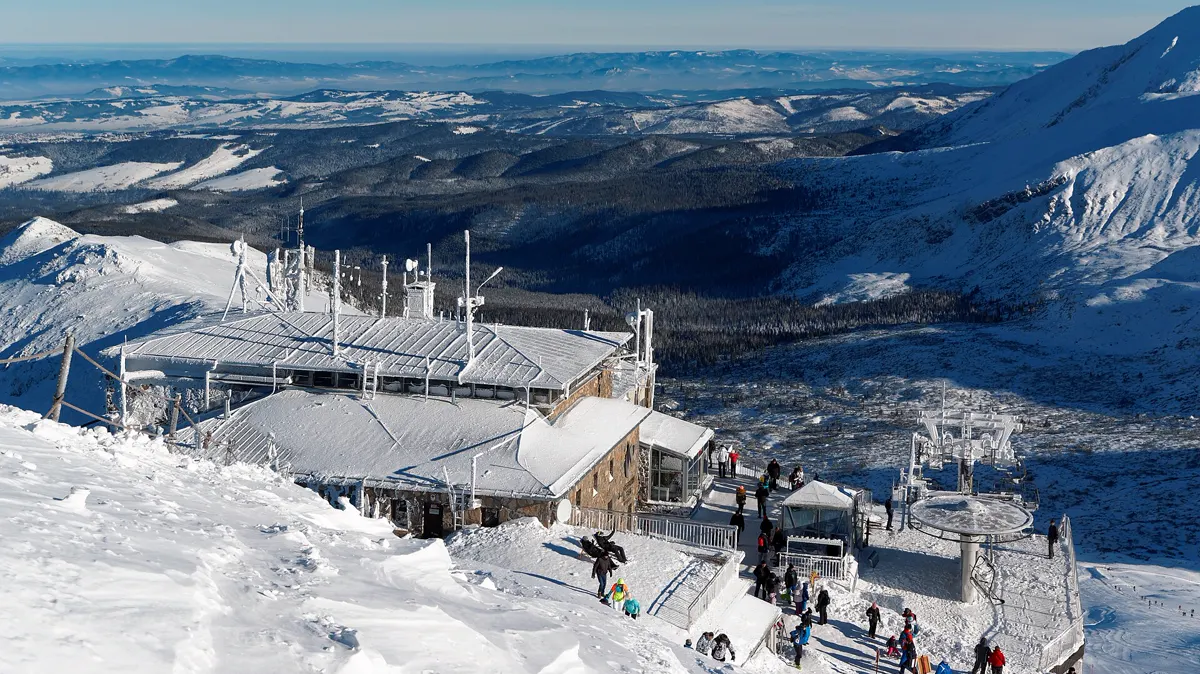
Kasprowy Wierch
A 1,987 m summit on the Slovak border, reached by the cable car from Kuznice for a ridge-top panorama.