Attraction in Gdańsk
Golden Gate (Zlota Brama)
An ornate 17th-century city gate at the western end of Long Street in Gdansk, marking the start of the Royal Route through the Main Town.
Reviewed and updated July 2026
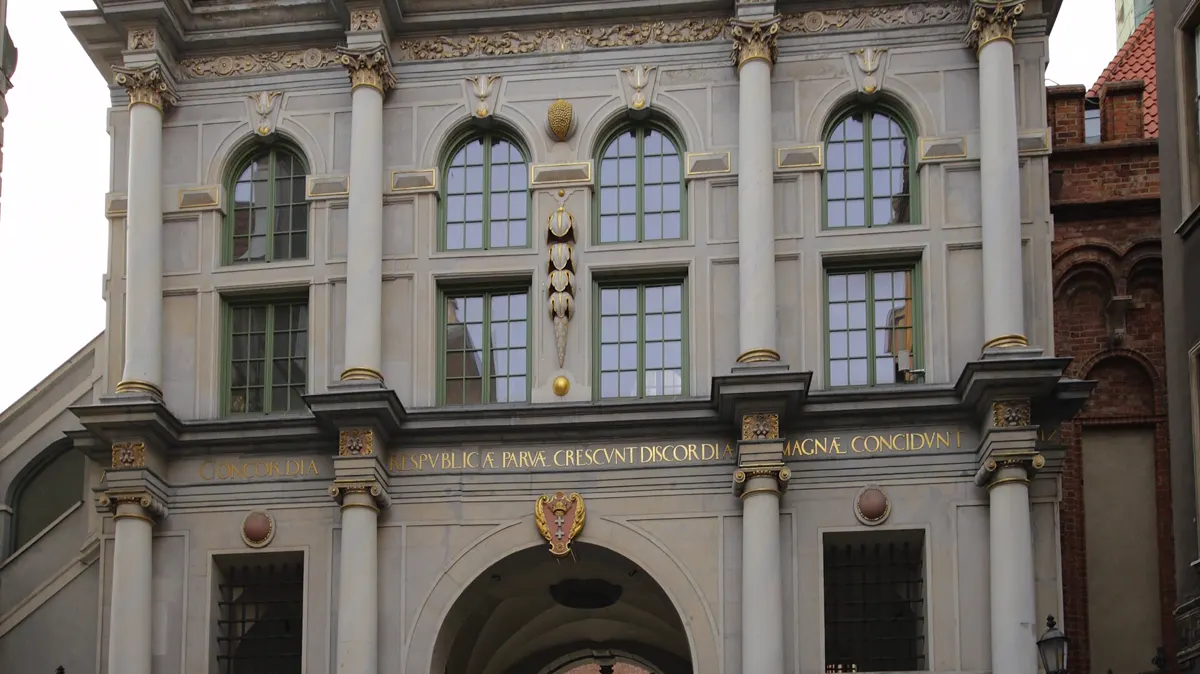
The Golden Gate (Zlota Brama) is an ornate ceremonial gate at the western end of Long Street in Gdansk, and it marks the formal entrance to the Royal Route that runs through the Main Town. People stop here because it is one of the city's most decorated gateways, built in the Dutch Mannerist style and crowned with allegorical statues, making it a natural starting point for a walk down one of Gdansk's grandest streets.
What you see at the gate
The gate is a wide, richly worked stone arch that frames the view straight down Long Street towards the town hall and beyond. Its upper level carries allegorical statues representing virtues, set above columns and detailed ornamentation typical of the Dutch Mannerist manner. Walk through the central passage and you step directly onto the Royal Route, the ceremonial road once used by visiting kings. Take a moment on the western side to look back at the facade, which faces the open space near the old prison tower and Amber Museum.
A gate rebuilt from its history
The current Golden Gate was built between 1612 and 1614 to replace a 13th-century Gothic gate that stood on the same spot. It was designed by the architect Abraham van den Blocke and constructed by Jan Strakowski, giving Gdansk a fashionable Renaissance-era entrance in place of the older medieval structure. Like much of the Main Town, the gate was destroyed during the Second World War. It was rebuilt in 1957, and the reconstruction restored both the architecture and its statues to their earlier form.
Where it fits on a Gdansk visit
The Golden Gate is the logical place to begin exploring the Main Town on foot, since passing through it leads you along Long Street and Long Market towards Neptune's Fountain and the waterfront. It suits anyone interested in architecture, history or simply an unhurried stroll through the old quarter. Because it sits at a busy pedestrian junction, it works well as a meeting point and a reference for finding your way. See our Gdansk guide for what to combine it with nearby.
Seeing the gate and its details
The gate stands in the open air and can be viewed from either side at any time, so it fits easily into a self-guided walk rather than a dedicated visit. Look up to pick out the individual statues, which stand for civic virtues and add meaning to what might otherwise read as decoration. Photographers often prefer the western facade with the neighbouring prison tower behind them, or the eastern side that opens onto Long Street. For any details on adjacent museums or interiors in the same building, check official channels before you go.
Good to know
The gate is a free outdoor landmark you can walk through at any hour, so treat it as the western starting point for a stroll down Long Street.
Frequently asked questions
More attractions in Gdańsk
Long Market
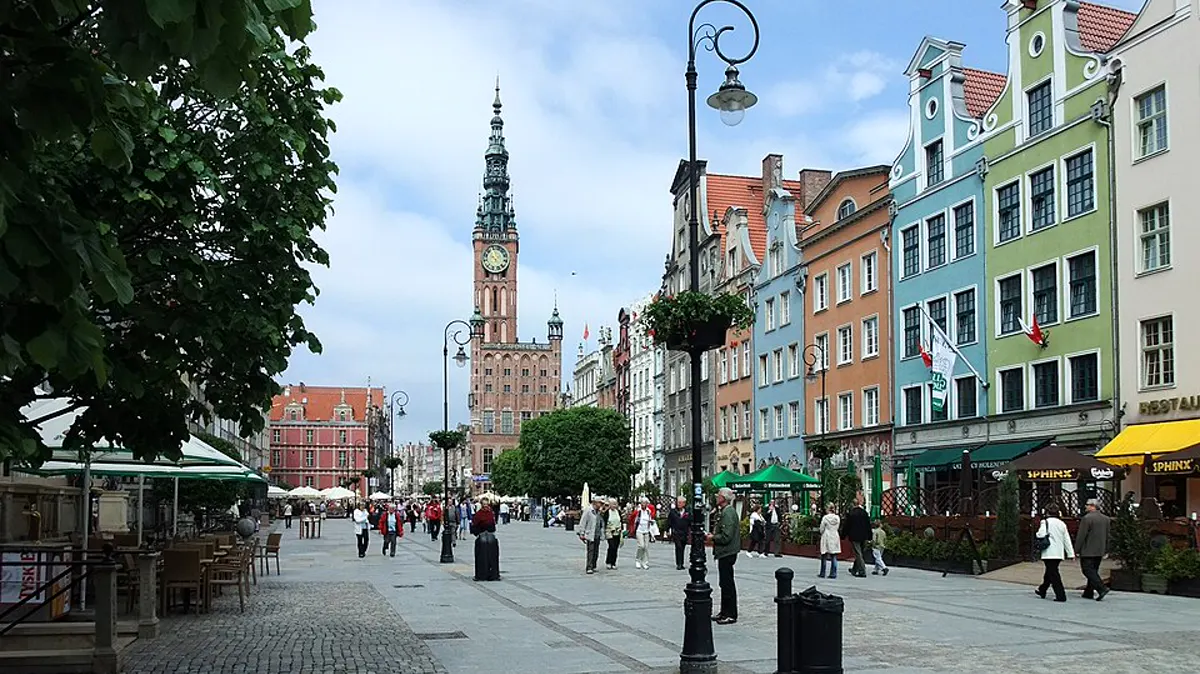
The grand main thoroughfare of Gdansk, a wide promenade of merchant facades running from the Golden Gate to the river.
Fontanna Neptuna
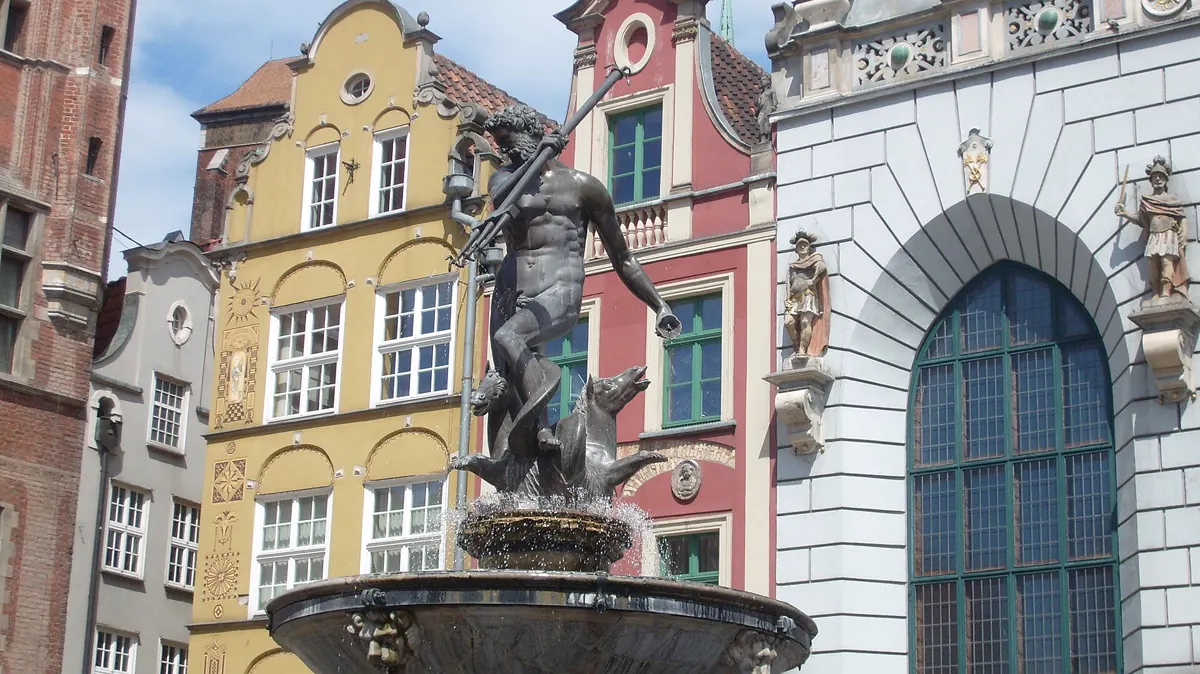
The bronze Neptune Fountain, cast in the early 17th century, has stood in front of the Artus Court since 1633 and became the symbol of Gdansk. Local legend claims the god's trident scattered gold flakes into the water, inspiring the herbal liqueur Goldwasser.
Bazylika Mariacka
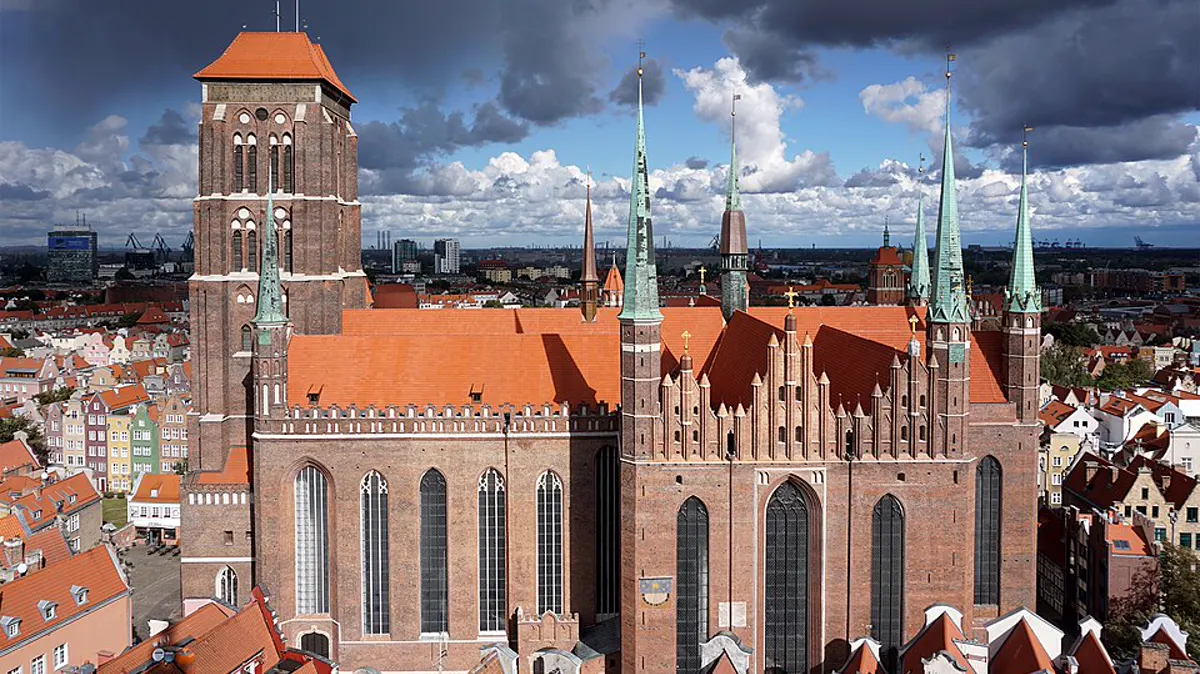
One of the largest brick churches in the world, this vast Gothic basilica can hold up to 25,000 people. Climb its 405 steps to a viewing terrace for a sweeping panorama over the red rooftops of the old town.
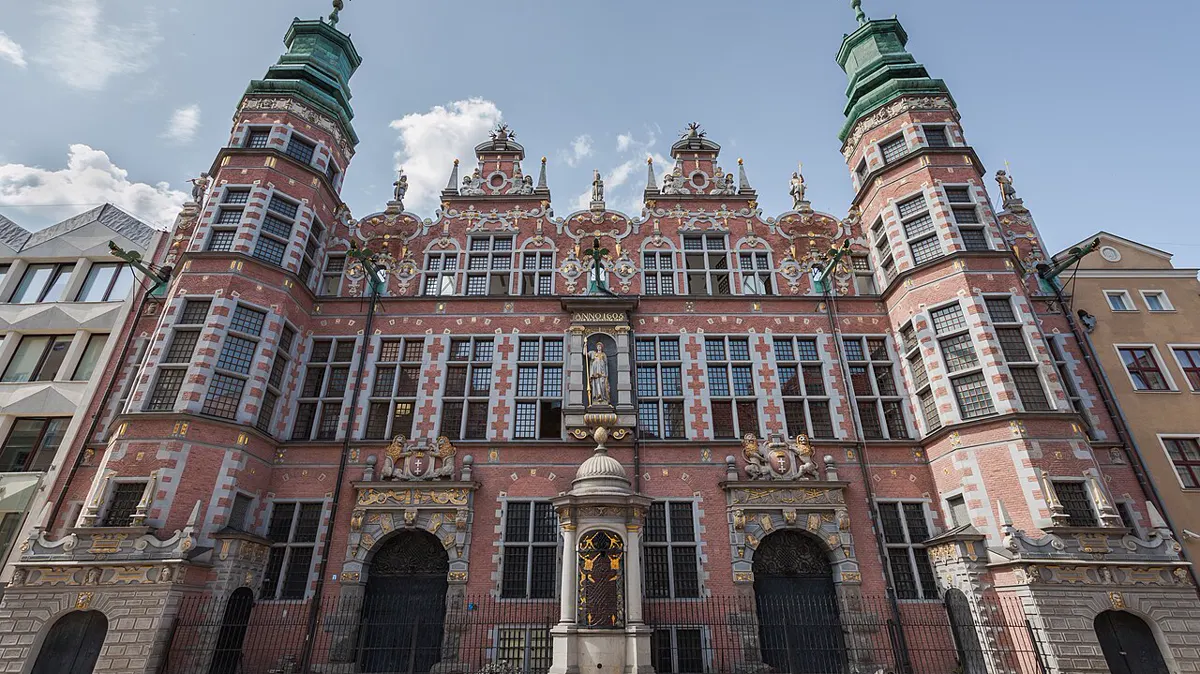
Great Armoury (Wielka Zbrojownia)
The Great Armoury is an ornate former arsenal in Gdansk's Main Town, widely regarded as one of the finest examples of Dutch Mannerist architecture in the city. Its richly decorated facades now front the Academy of Fine Arts and a shopping arcade.
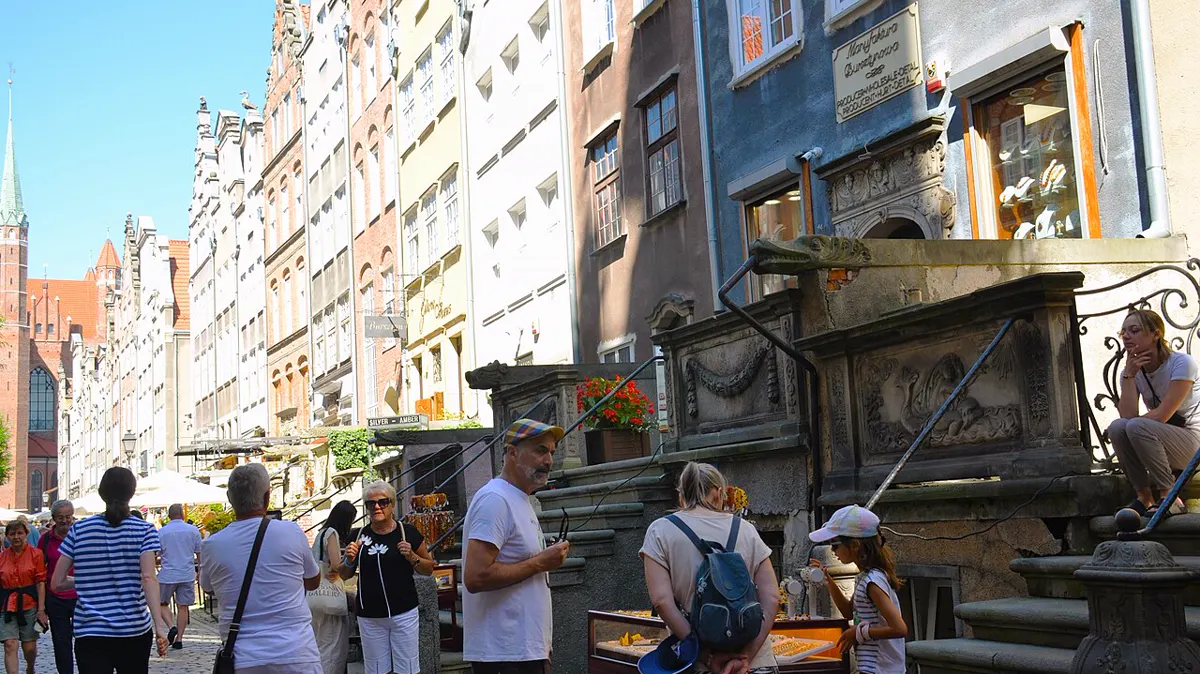
Mariacka Street (ulica Mariacka)
A short cobbled lane in Gdansk running between St. Mary's Basilica and the Motlawa waterfront, lined with reconstructed patrician houses and amber shops. It is widely called the most photogenic street in the city.
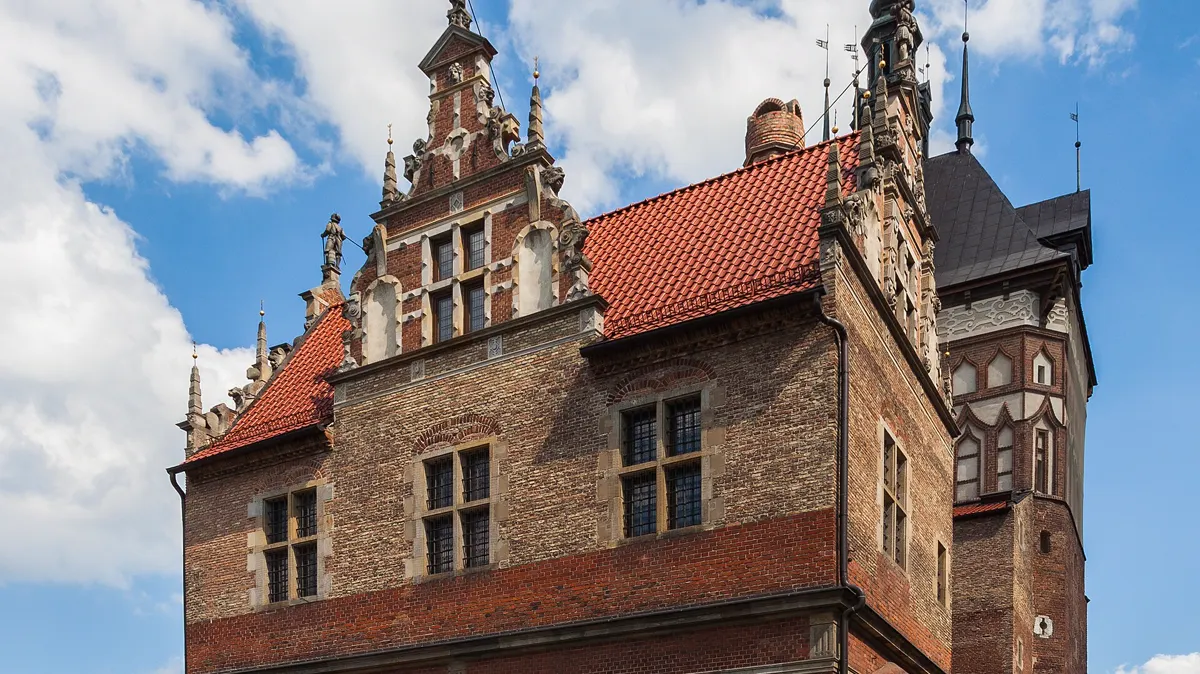
Prison Tower and Torture Chamber
A 16th-century fortified complex in Gdansk's Main Town that once held prisoners and carried out interrogations, now marking the start of the Royal Route.
More to explore in Gdańsk

Restaurant
Eliksir
A refined tasting-menu restaurant in the Garnizon district of Wrzeszcz, making the most of Baltic ingredients.
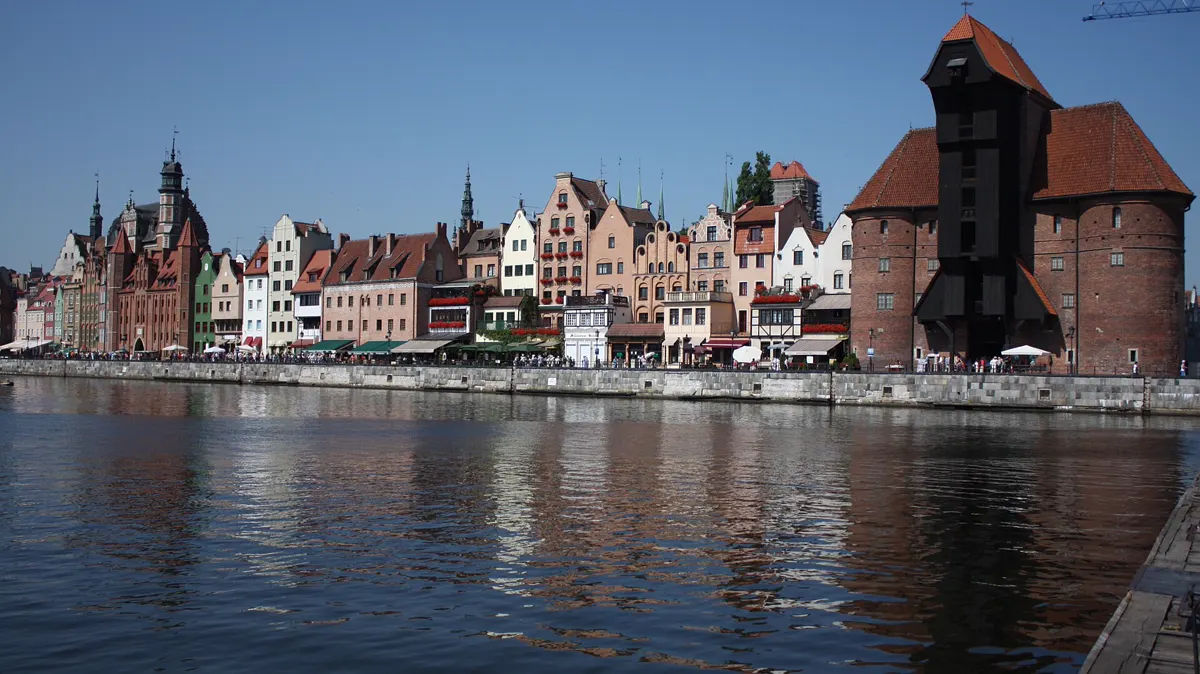
Hotel
Hotel Podewils
A baroque townhouse hotel right on the marina, facing the old crane across the water.
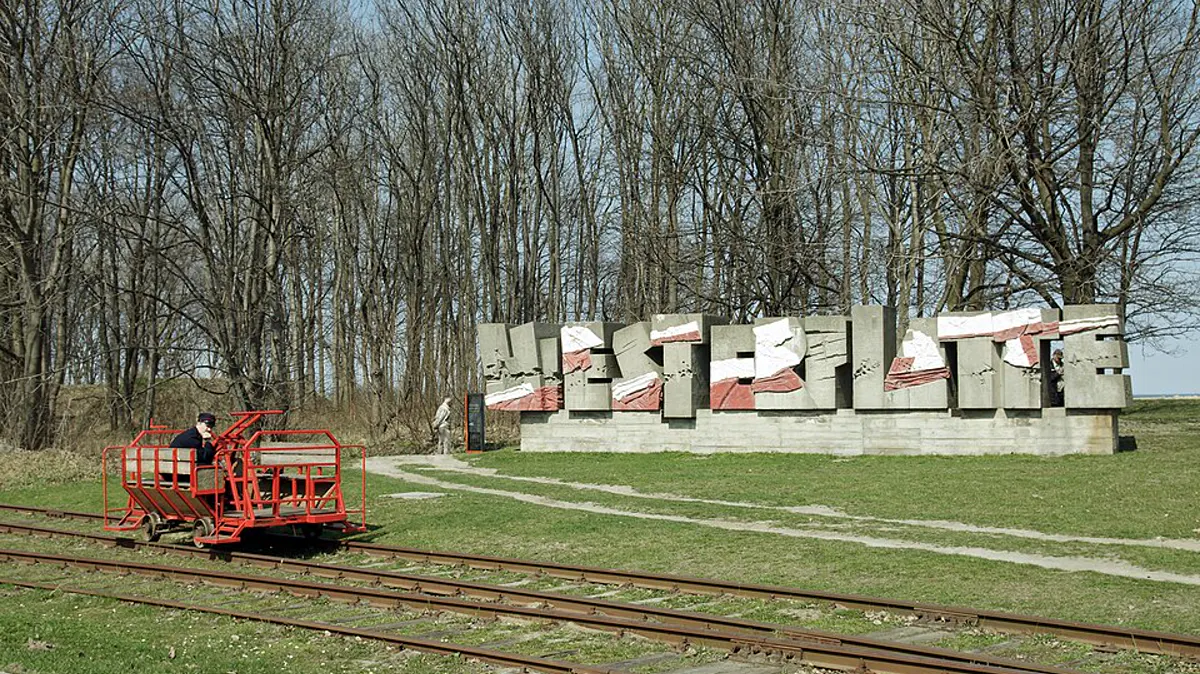
Nature
Westerplatte
The seaside peninsula where WWII began, now a memorial park reached by a summer river boat.
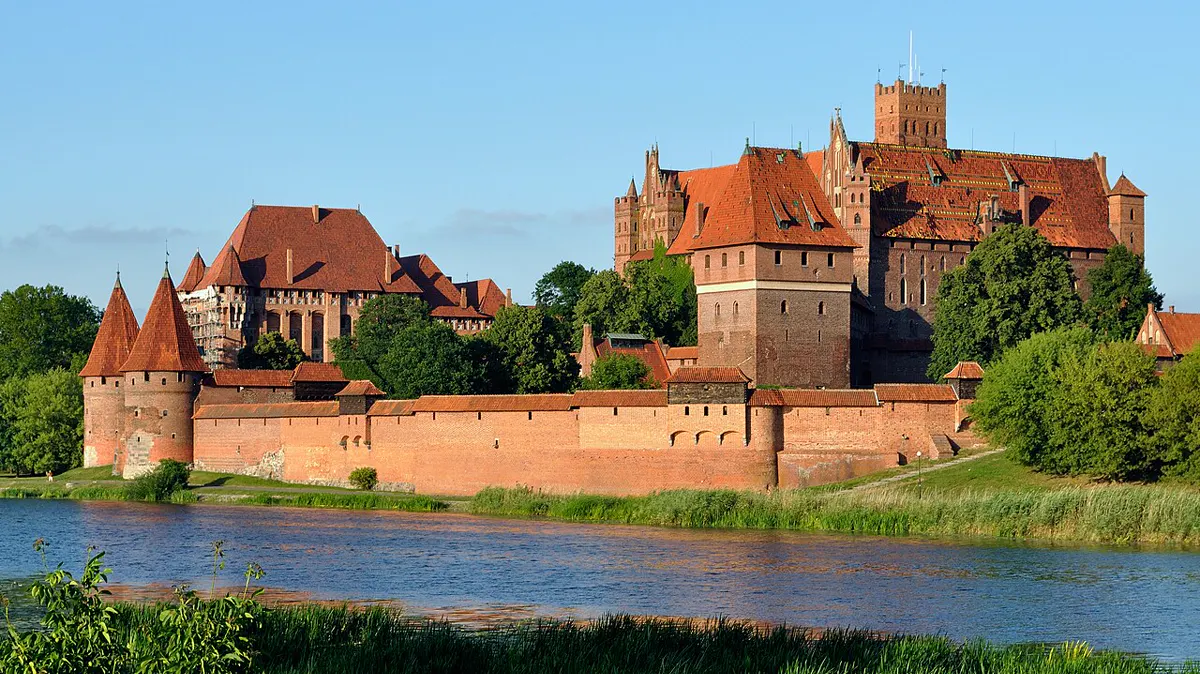
Castle
Malbork Castle
The largest castle in the world by land area, a vast red-brick fortress built by the Teutonic Knights on the Nogat river.

Restaurant
Targ Rybny area stalls and fish spots
The old fish market quarter by the Motlawa has casual fried-fish and seafood counters near the water. Baltic cod and herring served fast and simple.
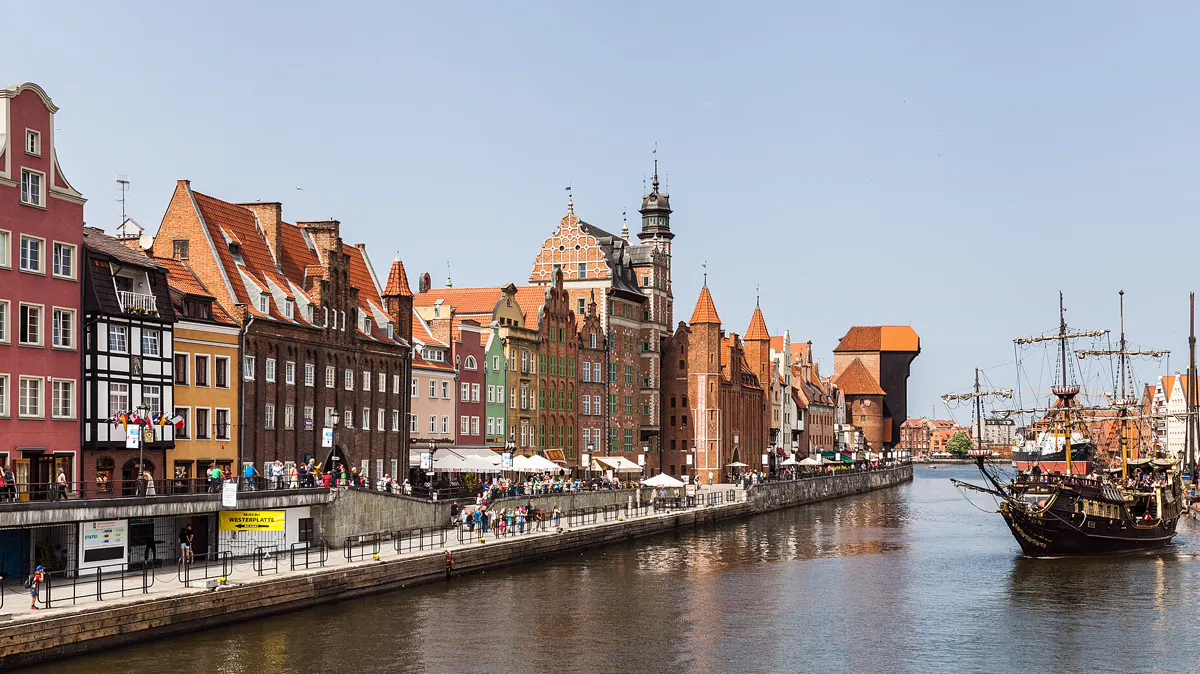
Restaurant
Gdanski Bowke
A riverside tavern on the Motlawa serving Pomeranian classics and its own beer.