Attractions
Attractions in Poland
The sights worth building a day around.
Poland's attractions run from the medieval market squares of Krakow and Wroclaw to the Wieliczka Salt Mine, the memorial at Auschwitz-Birkenau and the Teutonic castle at Malbork. Each page below covers what the place is, how long to spend and how to get there, grouped by city.
All Attractions in Poland
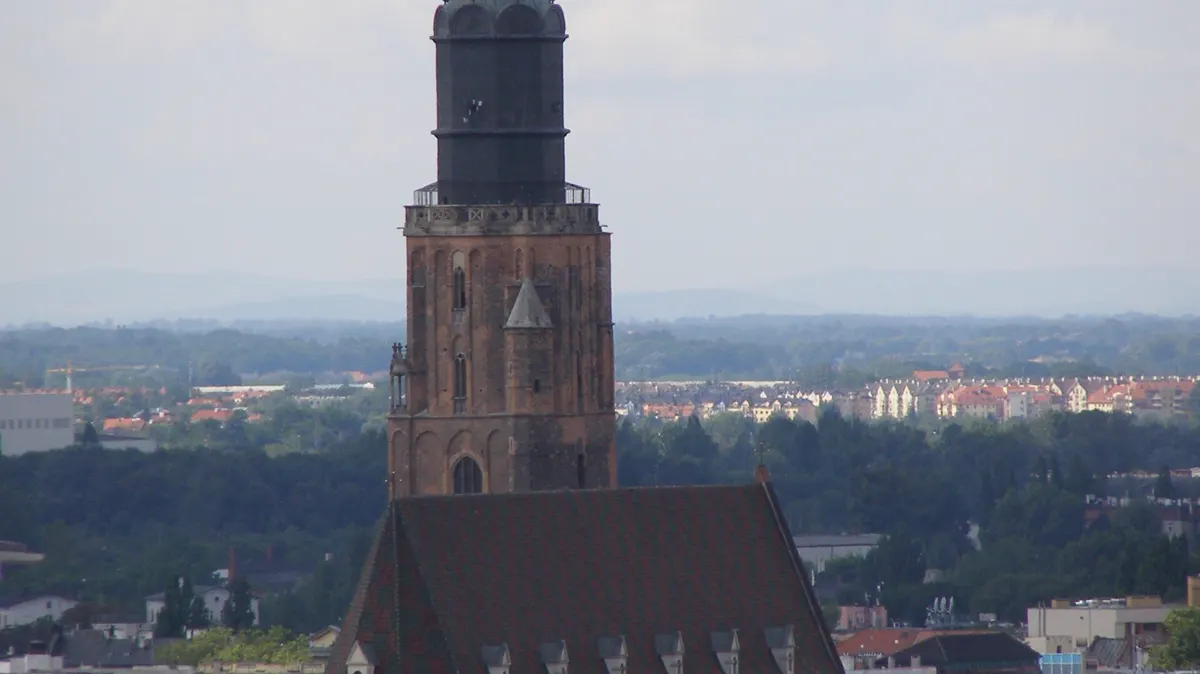
Wrocław
St. Elizabeth's Church (Garrison Church)
A Gothic red-brick church at the northwest corner of Wrocław's Market Square, with a tower of about 91.5 metres and a viewing gallery reached by climbing over 300 steps.

Zakopane
Chochołowskie Termy (Chochołów Thermal Baths)
Chochołowskie Termy is Poland's largest thermal pool complex, sitting about a 20-minute drive from Zakopane in the village of Chochołów. Around 50 pools and barrels of warm geothermal mineral water make it a year-round favourite with families and skiers.
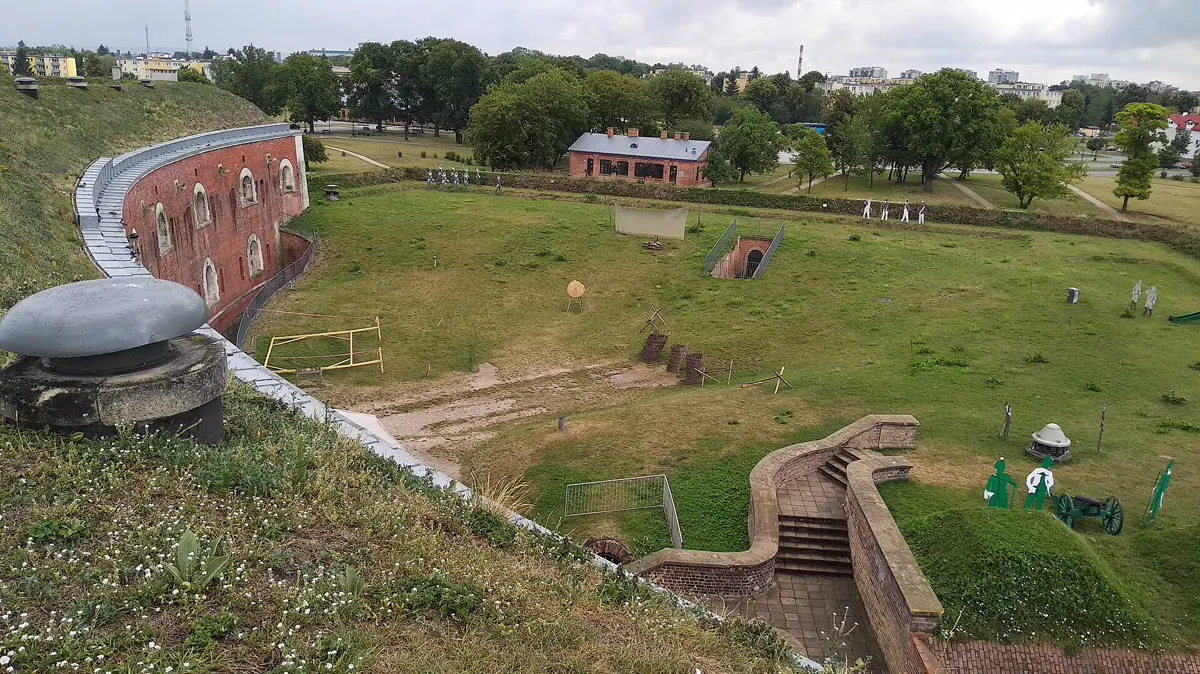
Zamość
Zamość Fortress
Zamość Fortress is one of Poland's best-preserved star fortresses, with restored bastions and curtain walls that now form a walking route around the historic centre.
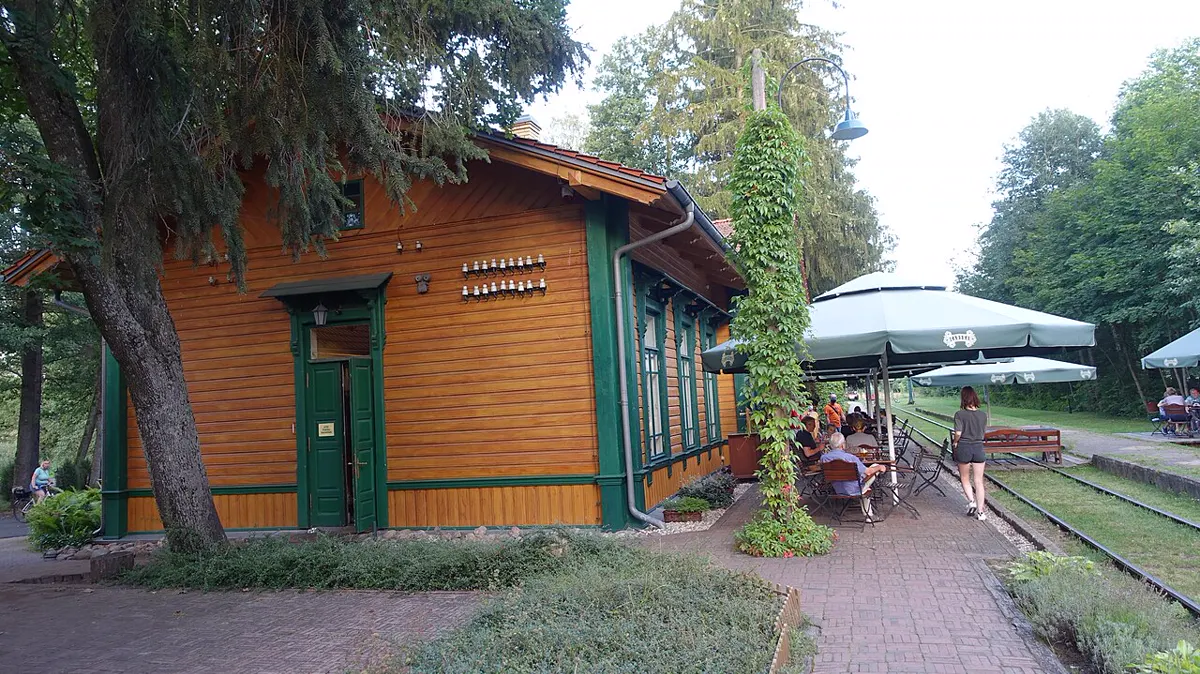
Białowieża
Białowieża Towarowa Railway Station
A restored 1903 freight railway station on the edge of Białowieża village, now home to a Tsarist-themed venue and accommodation set inside its old depot, water tower and vintage carriages.
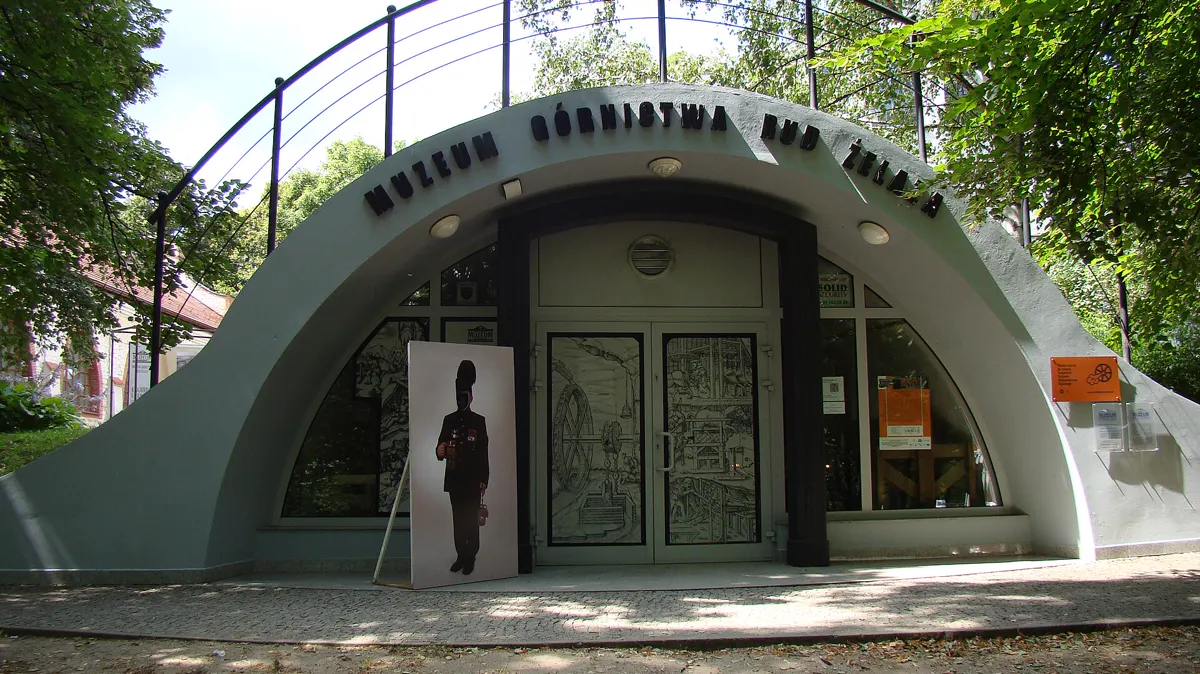
Częstochowa
Museum of Iron Ore Mining
A museum in Częstochowa's Staszic Park that recreates underground iron-ore mine workings as walk-through corridors, commemorating the mining industry that shaped the region.
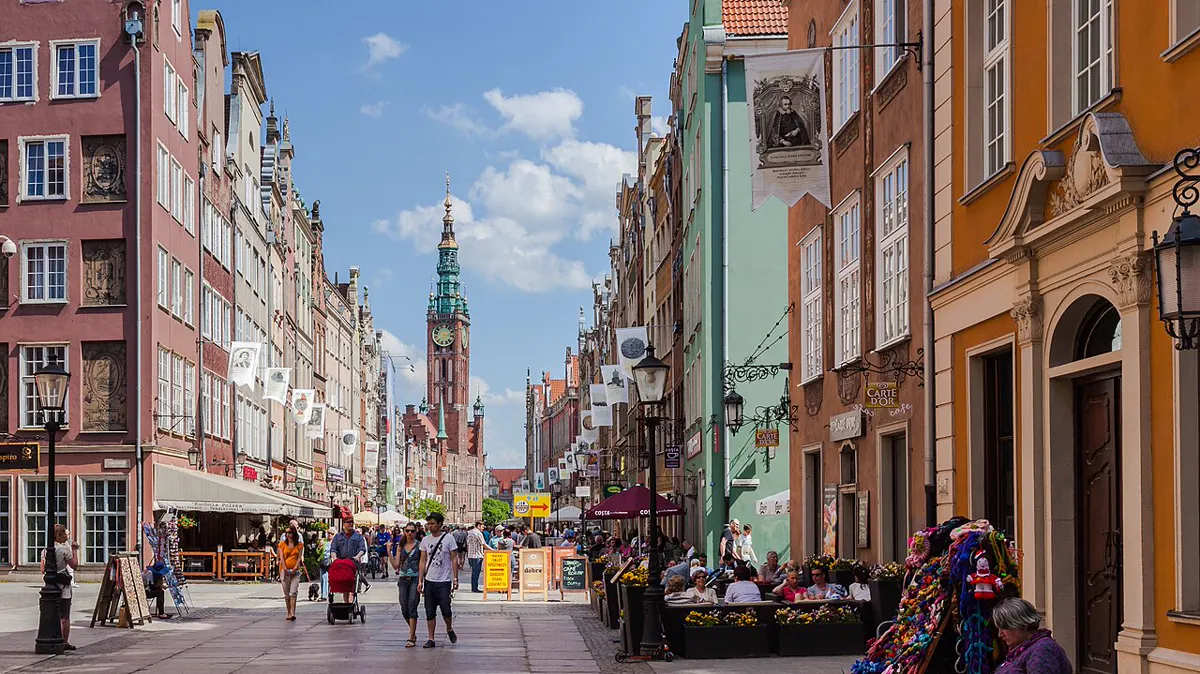
Gdańsk
Main Town Hall (Museum of Gdansk)
The Main Town Hall in Gdansk is a Gothic and Renaissance civic building at the corner of Dluga Street and the Long Market, now the main branch of the Museum of Gdansk.
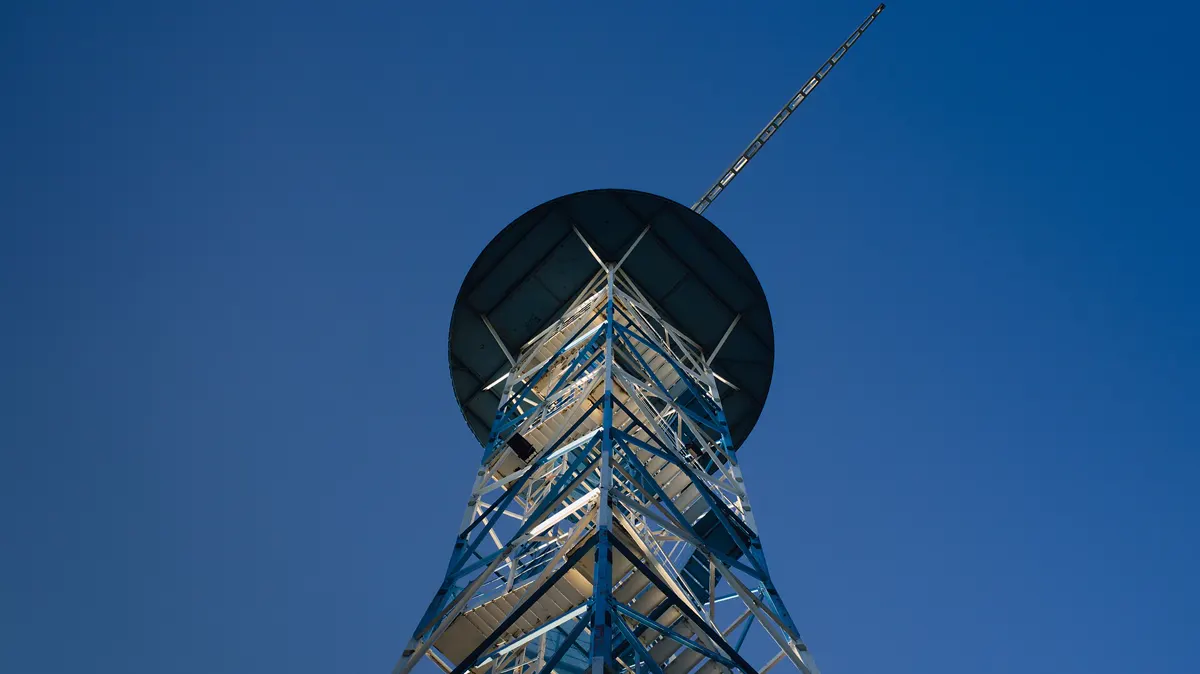
Katowice
Kościuszko Park
Kościuszko Park is one of Katowice's oldest and largest green spaces, home to a 1510 wooden church and Poland's only parachute tower.
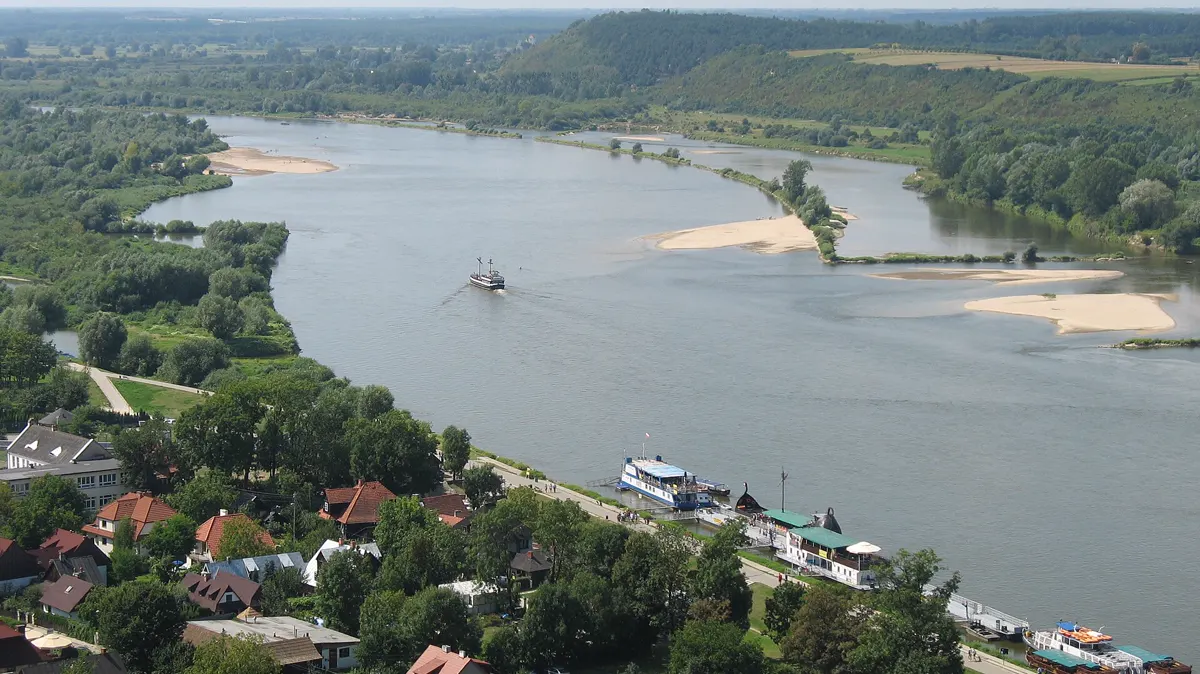
Kazimierz Dolny
Vistula Boulevard (Riverside Promenade)
A riverside promenade along the Vistula in Kazimierz Dolny, popular for a walk with views across to the ruins of Janowiec Castle and a place to catch cruises or the car ferry.
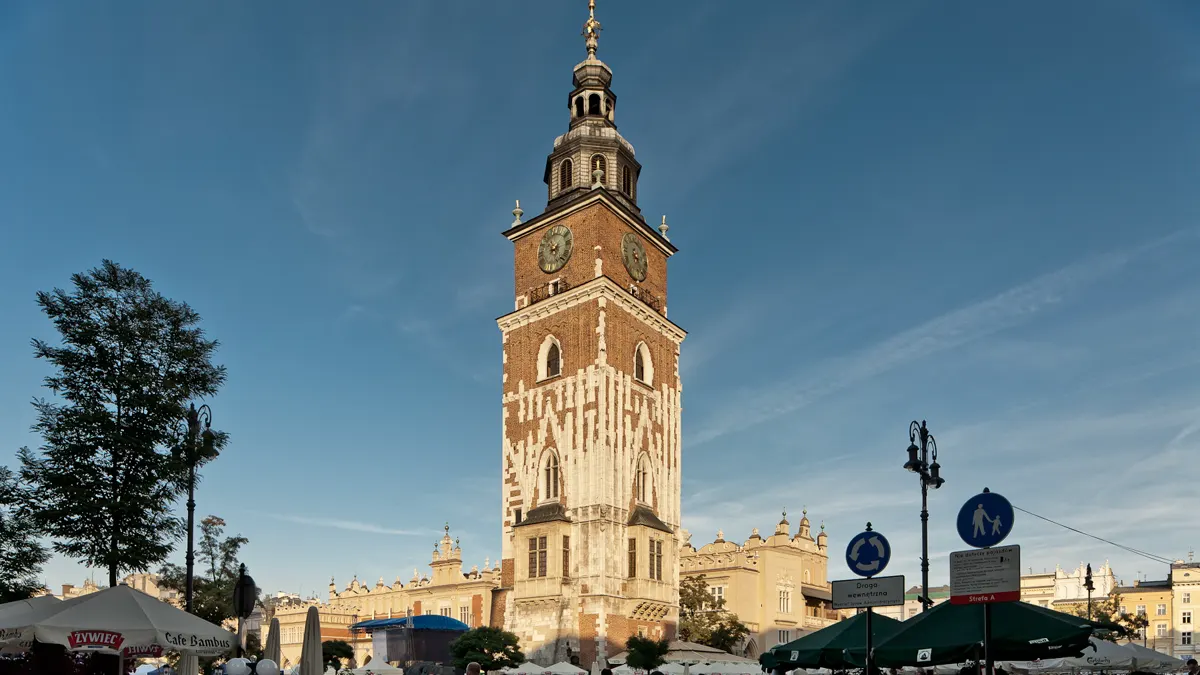
Kraków
Town Hall Tower (Wieża Ratuszowa)
A 70-metre Gothic tower on Kraków's Main Market Square, the last surviving piece of the medieval town hall, with a climb to an observation deck above the Old Town.
Łódź
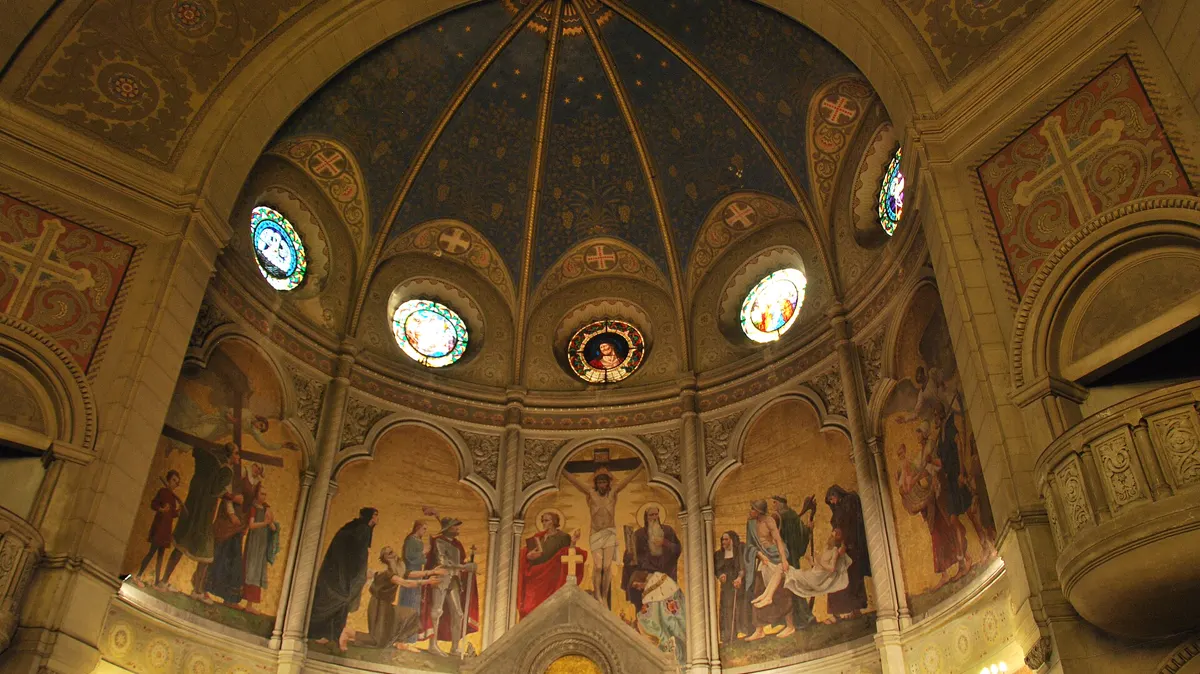
St. Matthew's Evangelical Lutheran Church
A large Lutheran church on Łódź's Piotrkowska Street, known for its domed architecture, marble altar and the organ concerts held here since 1996.
Lublin
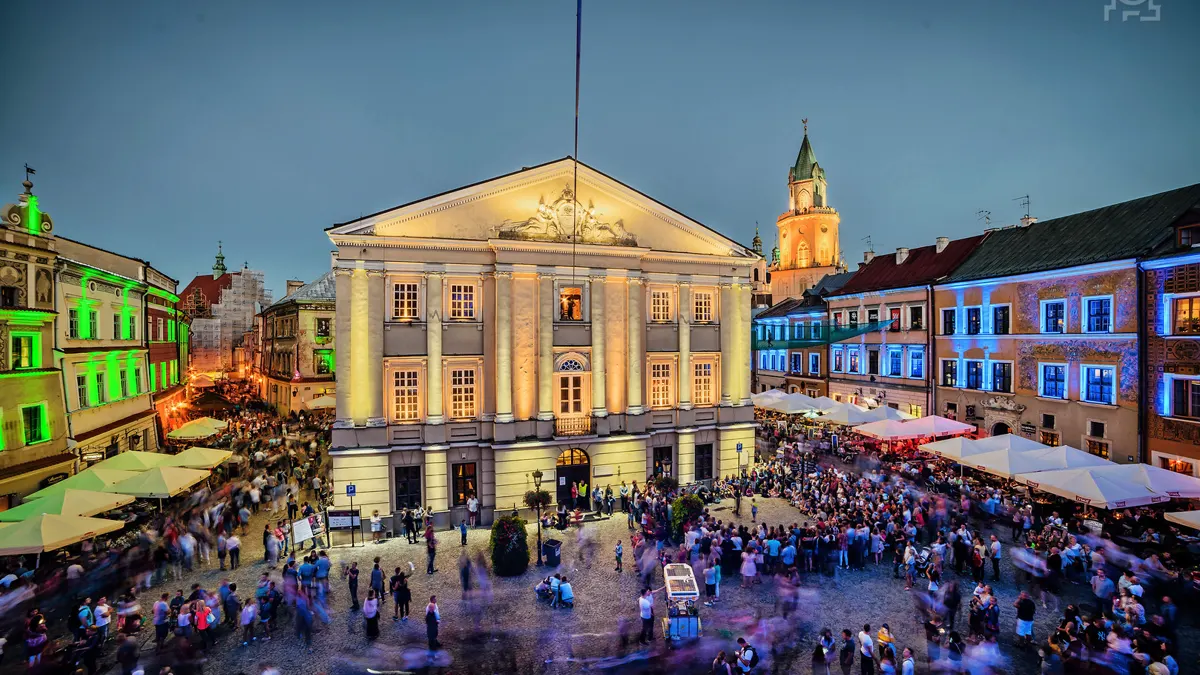
Crown Tribunal (Old Town Hall)
The freestanding building at the centre of Lublin's Old Town Market Square once housed the Crown Tribunal, the highest court of appeal for the Lesser Poland province, and now serves as a wedding palace and the entrance to the Lublin Underground Route.

Olsztyn
Central Park (Park Centralny), Olsztyn
Central Park is a 13-hectare English-style riverside park along the Łyna in central Olsztyn, best known for its elliptical fountain whose submerged hemispheres represent the solar system.
Poland fits a lot into one country: medieval market squares, a salt mine carved into underground chapels, the memorial at Auschwitz-Birkenau, mountain trails and a long Baltic coast. Seventeen places hold UNESCO World Heritage status, and most of the headline attractions cluster around the cities you are likely to base yourself in, so a first trip rarely means long transfers.
Top attractions in Krakow, Warsaw and Gdansk
Krakow has the densest cluster: the Main Market Square, laid out in 1257 and among the largest medieval squares in Europe, the underground Wieliczka Salt Mine, and the Auschwitz-Birkenau Memorial within a day trip. Warsaw rebuilt its Old Town from wartime rubble, Gdansk lines the Motlawa with tall merchant houses, and Wroclaw and Torun keep intact Gothic centres. The mountains around Zakopane and the lakes of Masuria add the outdoor side.
Top places to visit on a first trip
Group attractions by the city you are staying in rather than chasing them across the map. Krakow, Warsaw and Gdansk each reward two or three days and put more sights within an easy day trip. For the classic sights that define the country, see the best viewpoints and our city guides.
Do you need to book tickets in advance
The busiest sites use timed entry, so book Wieliczka and the Auschwitz-Birkenau Memorial ahead, especially in summer. Many state museums have one free day a week. Tickets are good value by European standards; our note on costs in Poland has the typical prices.
Attractions by city
Travel guides
Krakow Golf Cart Tours: The Four Routes, Compared
Four electric cart routes cover the Old Town, Kazimierz, the ghetto in Podgorze and Schind...
Best Castles in Poland
From the Teutonic fortress at Malbork to the royal seats at Wawel and Warsaw, the Polish c...
3 Days in Krakow
A practical three-day plan for Krakow, pairing the Old Town and Wawel with Kazimierz and o...
Things to Do in Krakow
The sights, neighbourhoods and day trips that make Krakow worth several days, ranked by ho...