Attractions
Attractions in Poland
The sights worth building a day around.
Poland's attractions run from the medieval market squares of Krakow and Wroclaw to the Wieliczka Salt Mine, the memorial at Auschwitz-Birkenau and the Teutonic castle at Malbork. Each page below covers what the place is, how long to spend and how to get there, grouped by city.
All Attractions in Poland

Zakopane
Chochołowskie Termy (Chochołów Thermal Baths)
Chochołowskie Termy is Poland's largest thermal pool complex, sitting about a 20-minute drive from Zakopane in the village of Chochołów. Around 50 pools and barrels of warm geothermal mineral water make it a year-round favourite with families and skiers.
Częstochowa
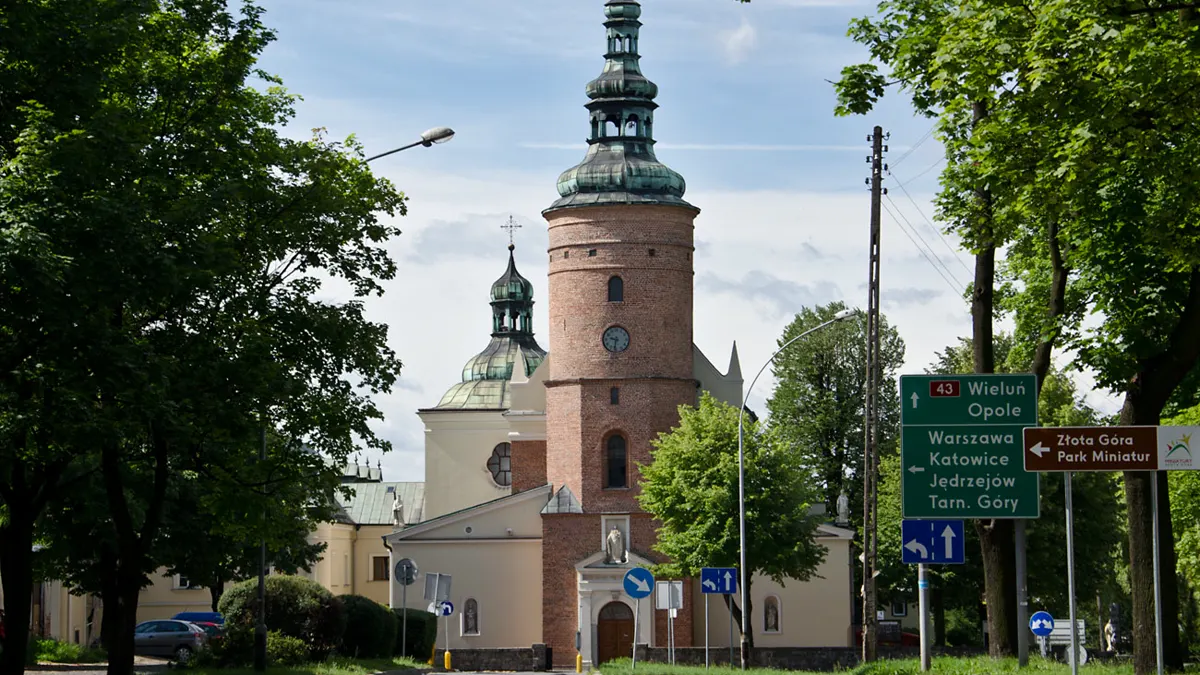
Church of St. Barbara and St. Andrew
A Pauline monastery church in Częstochowa built over the spring where, by tradition, the miraculous icon of Our Lady was cleansed in 1430. It is a common second stop for pilgrims visiting nearby Jasna Góra.
Sopot
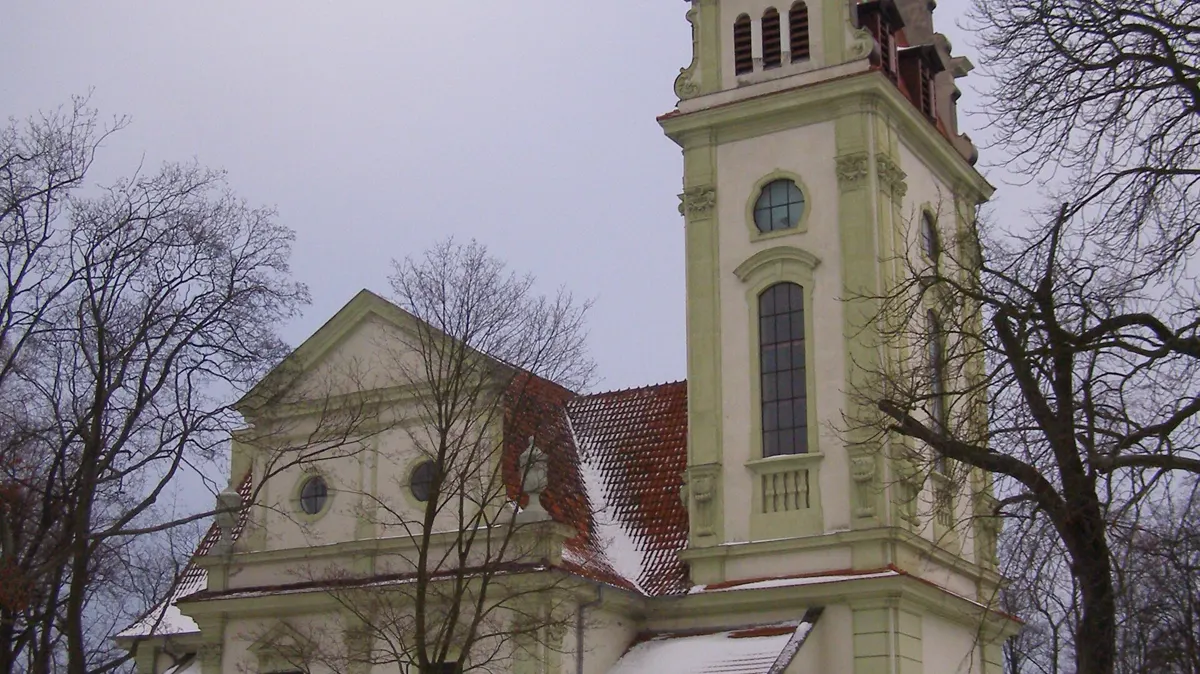
Church of the Redeemer
A Lutheran church near Sopot's pier, built between 1913 and 1919, that now serves as the cathedral of the Pomeranian-Greater Poland Diocese of the Evangelical Augsburg Church.
Lublin
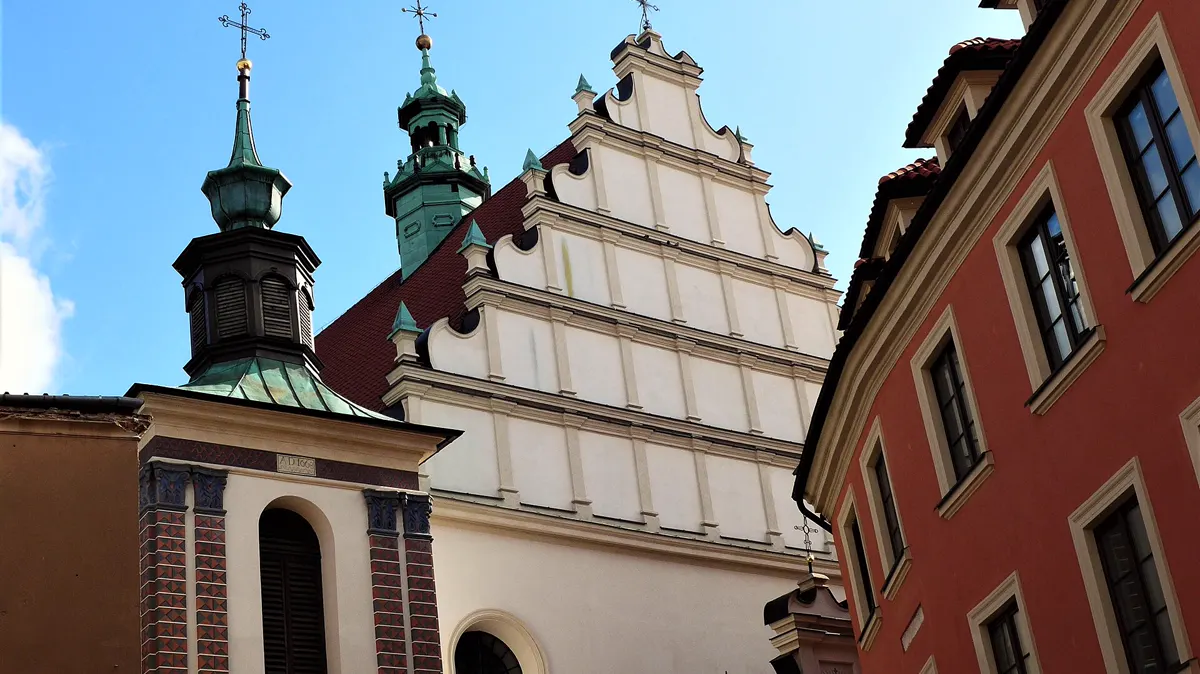
Dominican Basilica (Basilica of St. Stanislaus)
A Renaissance church and former Dominican monastery in Lublin's Old Town, founded in 1342 and tied to the 1569 Union of Lublin. Its decorated family chapels and European Heritage Label draw visitors interested in Polish history and religious art.
Gdańsk
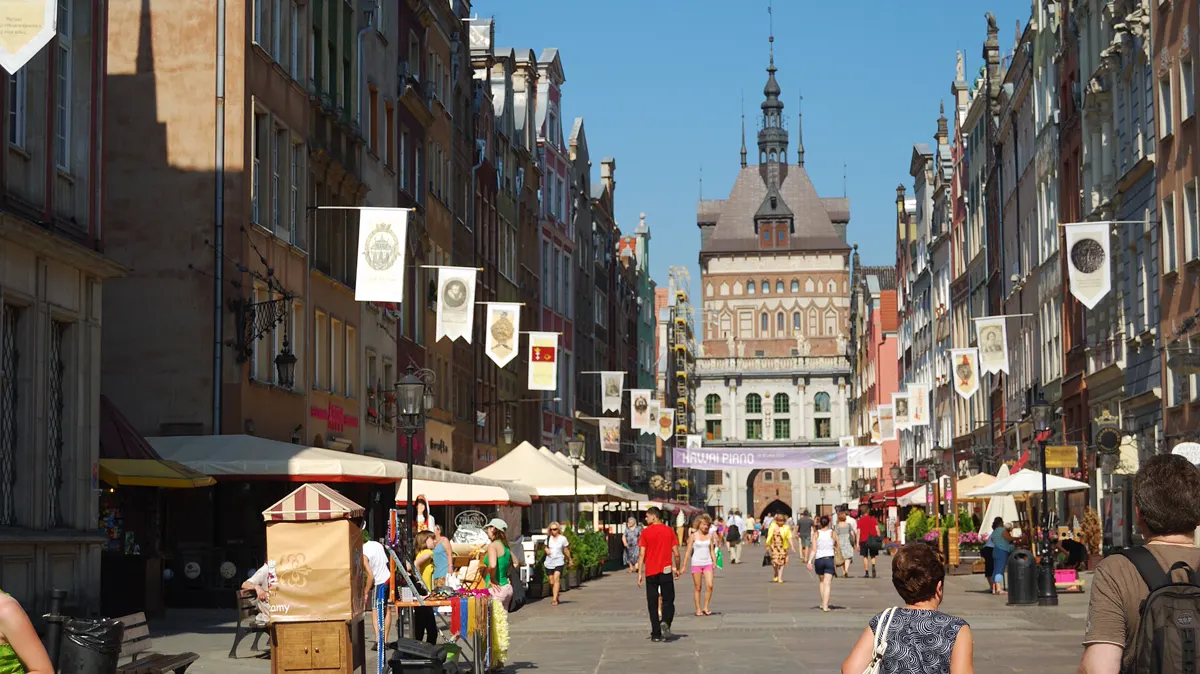
Long Street and the Royal Route (ulica Długa)
Długa (Long Street) is the main pedestrian street of Gdańsk's Main Town and the western stretch of the historic Royal Route, lined with tall reconstructed burgher houses and the city's landmark buildings.
Katowice
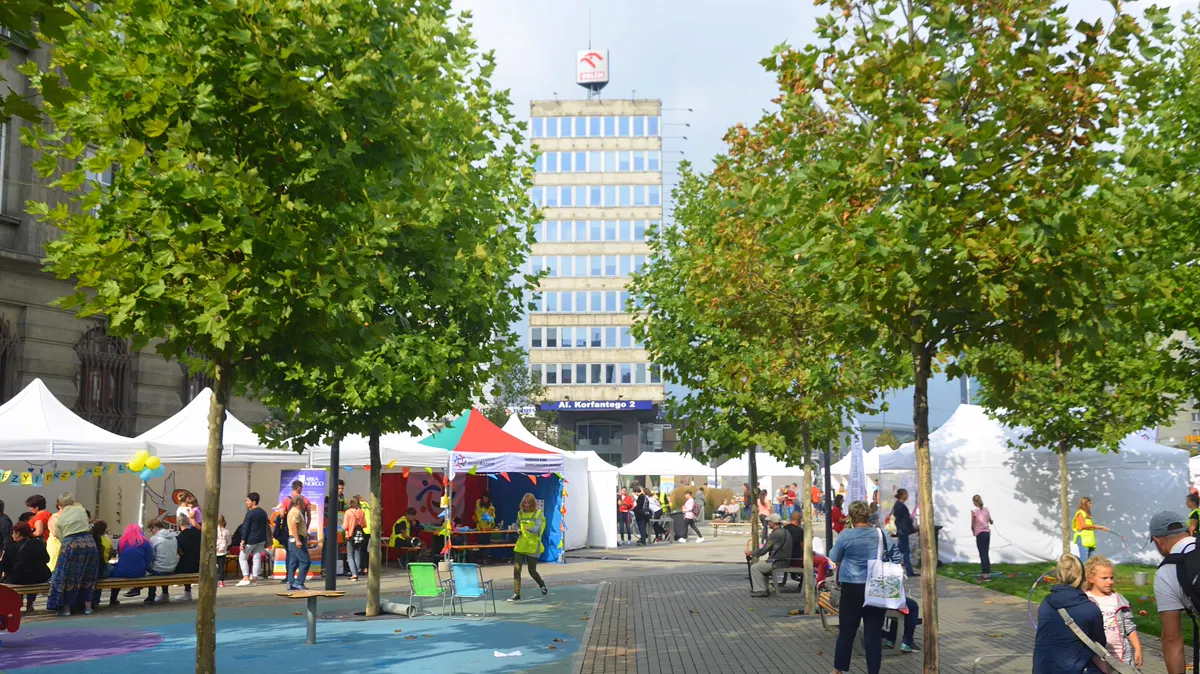
Market Square (Rynek w Katowicach)
Katowice's central square, rebuilt in a modern form between 2015 and 2016, is the main pedestrian gathering point downtown, combining three linked public spaces with greenery, fountains and open room to sit.
Toruń
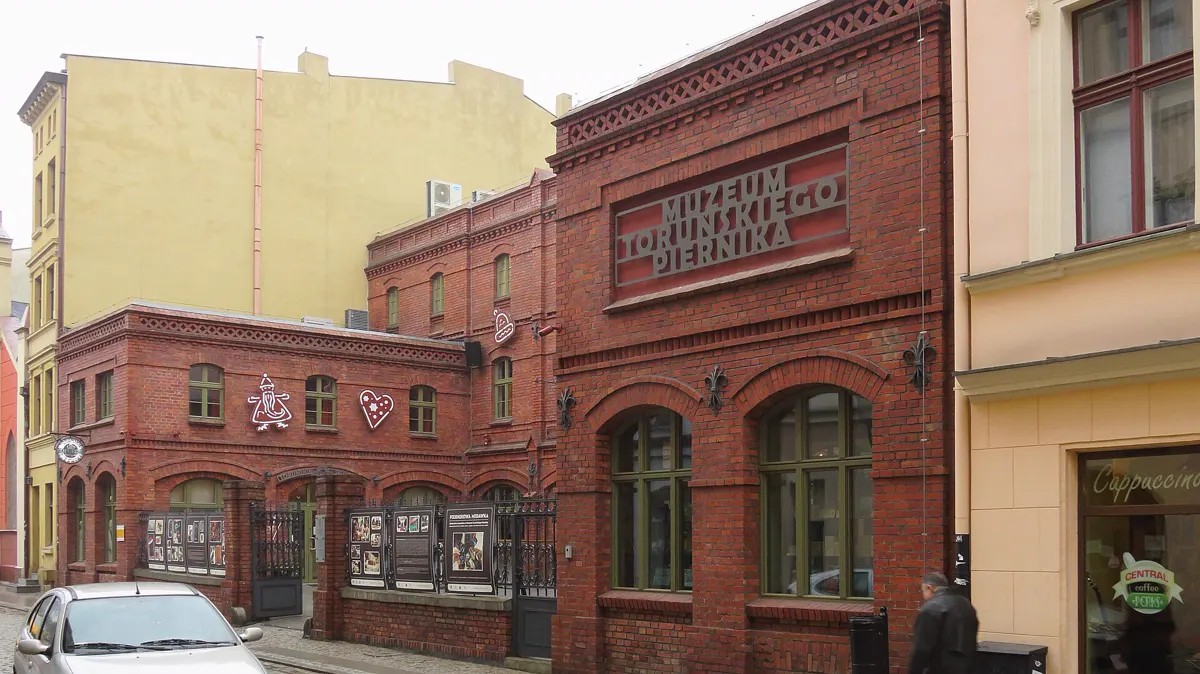
Museum of Toruń Gingerbread
A museum in Toruń's Old Town set inside the former Weese factory, home to the largest gingerbread collection in Europe and Central Europe's biggest set of historic wooden baking moulds.
Olsztyn
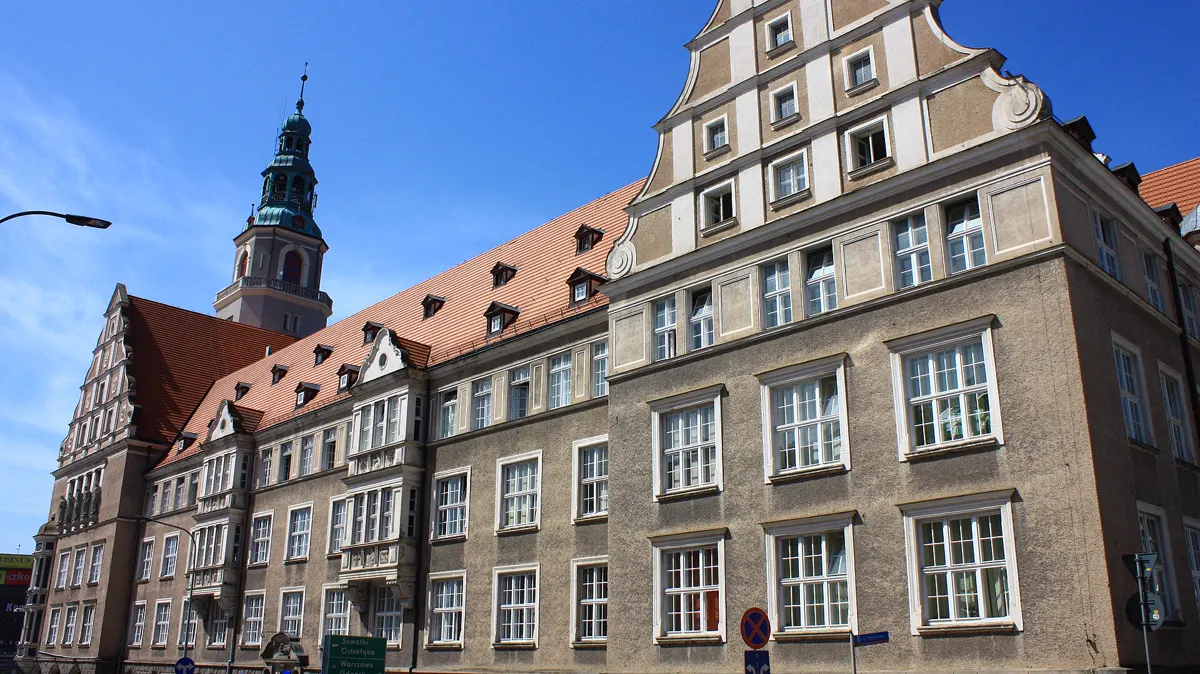
New Town Hall (Nowy Ratusz), Olsztyn
Olsztyn's Neo-Renaissance New Town Hall, opened in 1916, is the seat of the city's municipal authorities and one of its most recognisable public buildings, known for a trumpet hejnał that plays the city anthem at noon.
Poznań
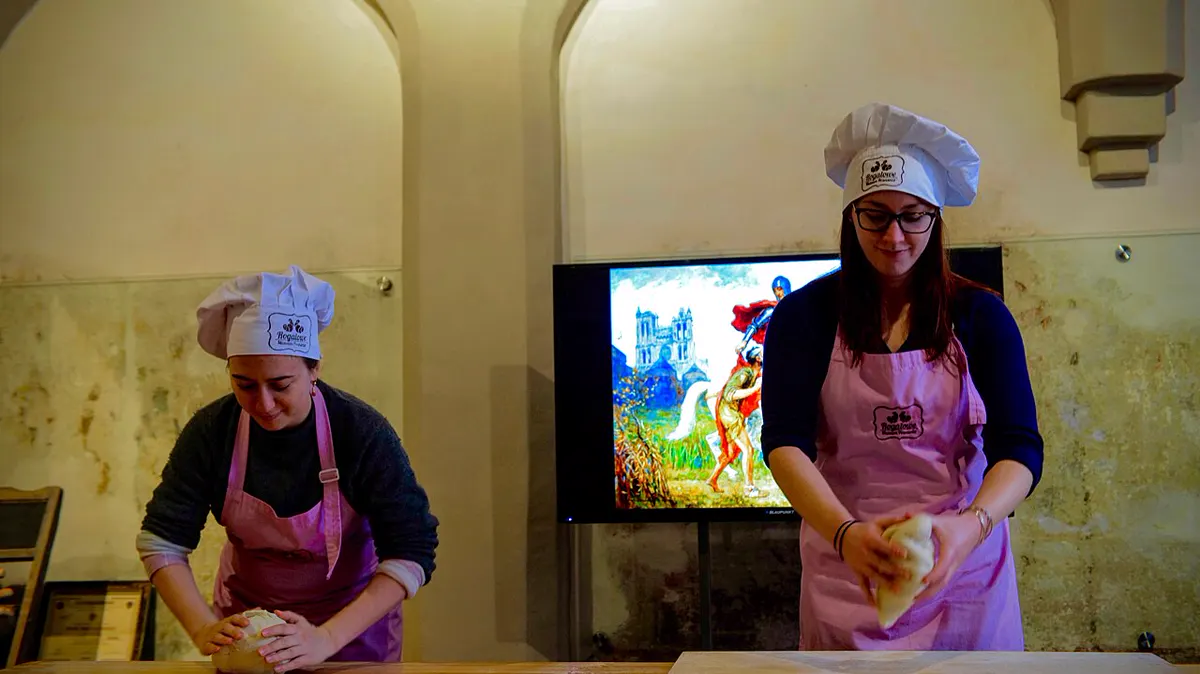
Poznań Croissant Museum
A small interactive museum on Poznań's Old Market Square devoted to the St. Martin's Croissant, where an hour-long bilingual show teaches the recipe and lets you help shape one.
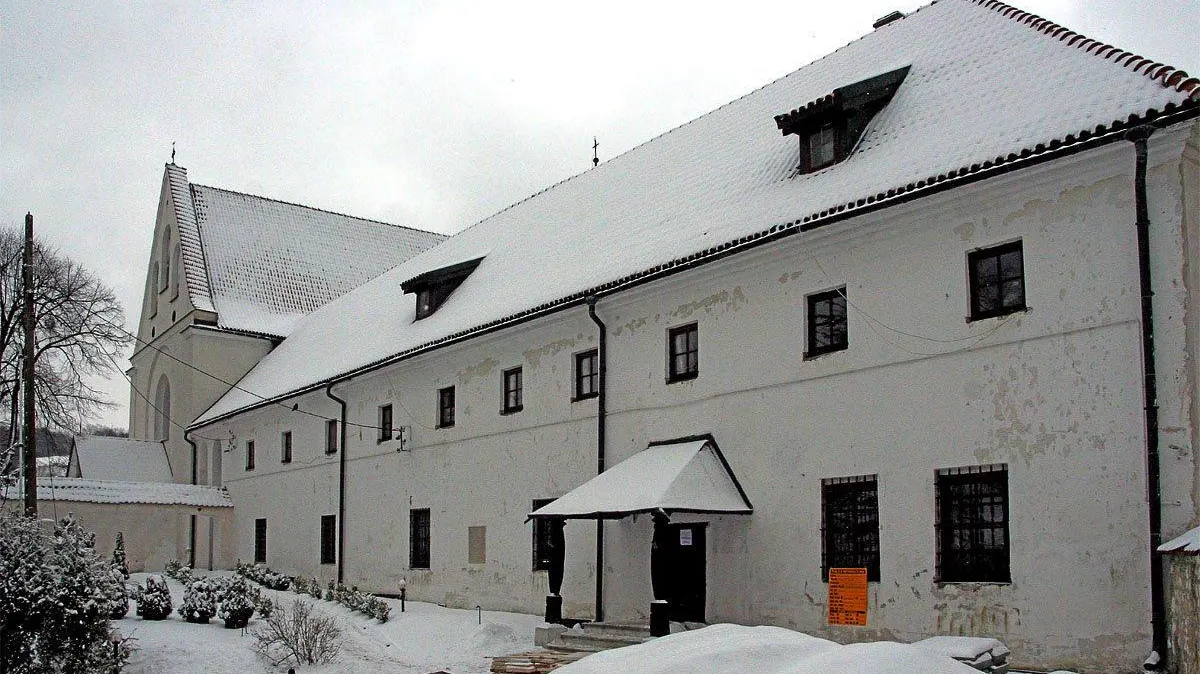
Kazimierz Dolny
Reformed Franciscan Church and Monastery
A Baroque church and working Franciscan monastery set on a hill above Kazimierz Dolny, reached by a terraced path with a wide view over the town and the Vistula valley.
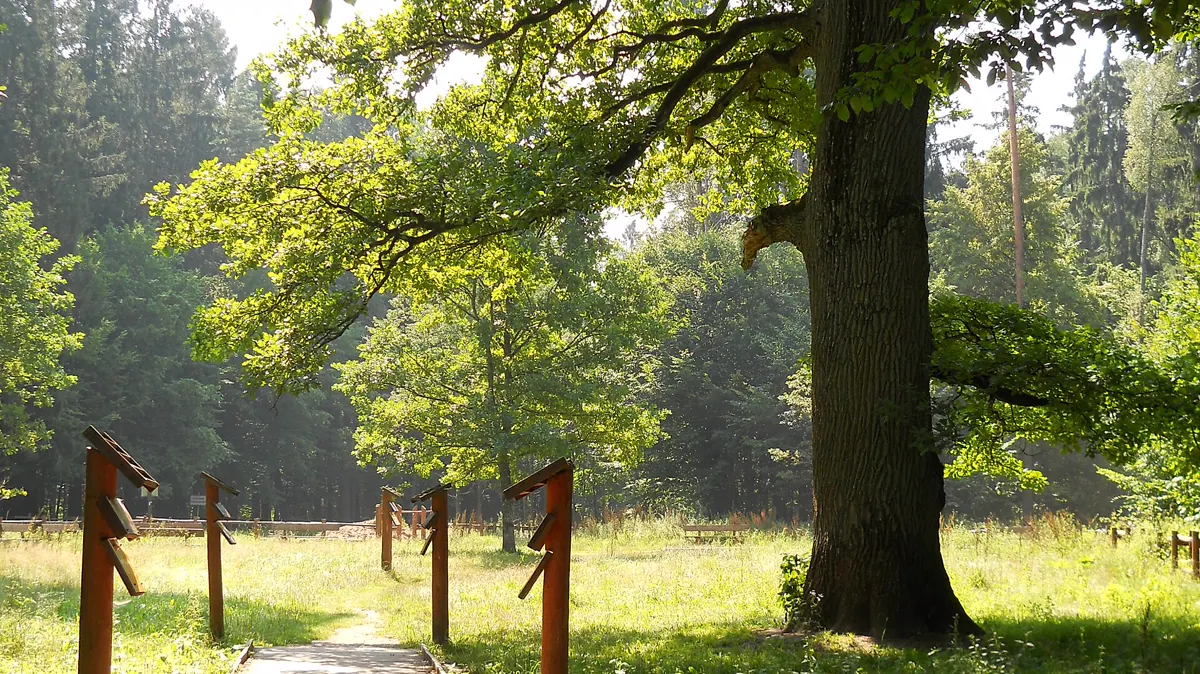
Białowieża
Royal Oaks Trail (Szlak Dębów Królewskich)
A short boardwalk loop in the Stara Białowieża tract that winds past monumental oaks, each named after a Polish king or Lithuanian duke who once hunted in the forest.
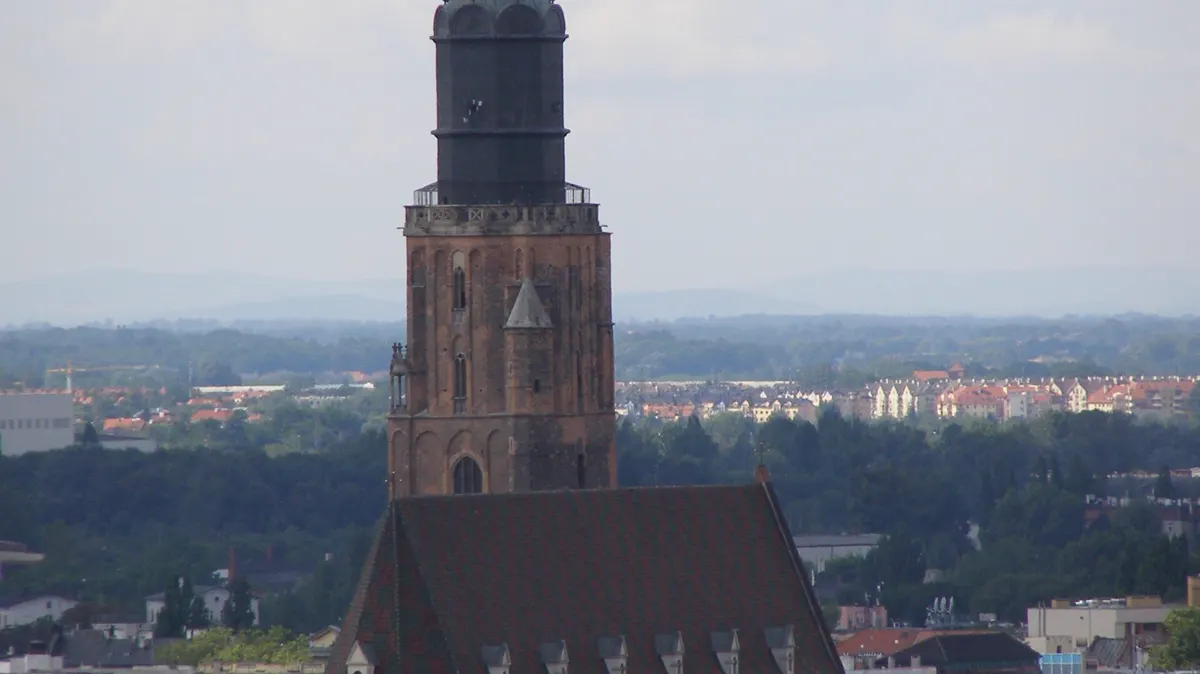
Wrocław
St. Elizabeth's Church (Garrison Church)
A Gothic red-brick church at the northwest corner of Wrocław's Market Square, with a tower of about 91.5 metres and a viewing gallery reached by climbing over 300 steps.
Poland fits a lot into one country: medieval market squares, a salt mine carved into underground chapels, the memorial at Auschwitz-Birkenau, mountain trails and a long Baltic coast. Seventeen places hold UNESCO World Heritage status, and most of the headline attractions cluster around the cities you are likely to base yourself in, so a first trip rarely means long transfers.
Top attractions in Krakow, Warsaw and Gdansk
Krakow has the densest cluster: the Main Market Square, laid out in 1257 and among the largest medieval squares in Europe, the underground Wieliczka Salt Mine, and the Auschwitz-Birkenau Memorial within a day trip. Warsaw rebuilt its Old Town from wartime rubble, Gdansk lines the Motlawa with tall merchant houses, and Wroclaw and Torun keep intact Gothic centres. The mountains around Zakopane and the lakes of Masuria add the outdoor side.
Top places to visit on a first trip
Group attractions by the city you are staying in rather than chasing them across the map. Krakow, Warsaw and Gdansk each reward two or three days and put more sights within an easy day trip. For the classic sights that define the country, see the best viewpoints and our city guides.
Do you need to book tickets in advance
The busiest sites use timed entry, so book Wieliczka and the Auschwitz-Birkenau Memorial ahead, especially in summer. Many state museums have one free day a week. Tickets are good value by European standards; our note on costs in Poland has the typical prices.
Attractions by city
Travel guides
Krakow Golf Cart Tours: The Four Routes, Compared
Four electric cart routes cover the Old Town, Kazimierz, the ghetto in Podgorze and Schind...
Best Castles in Poland
From the Teutonic fortress at Malbork to the royal seats at Wawel and Warsaw, the Polish c...
3 Days in Krakow
A practical three-day plan for Krakow, pairing the Old Town and Wawel with Kazimierz and o...
Things to Do in Krakow
The sights, neighbourhoods and day trips that make Krakow worth several days, ranked by ho...