Attraction in Lublin
Lublin Open-Air Village Museum (Skansen)
An open-air ethnographic museum on the northwest edge of Lublin, where dozens of relocated historic buildings recreate the rural life of the Lublin region in the 18th and 19th centuries.
Reviewed and updated July 2026
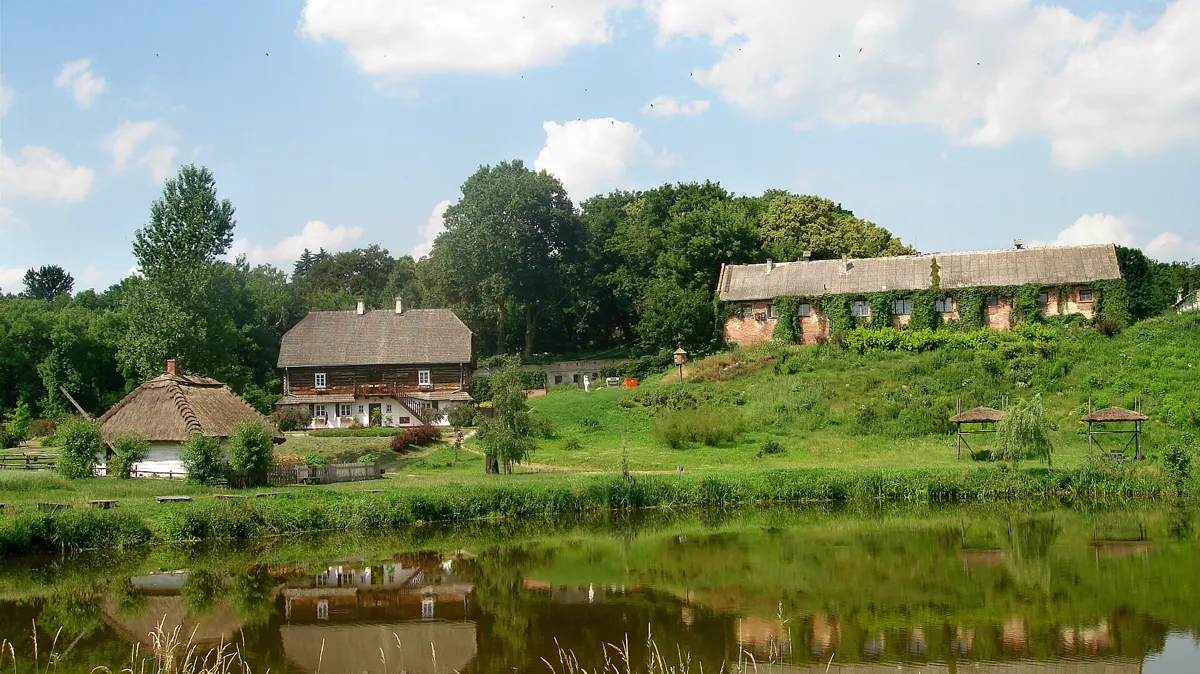
The Lublin Open-Air Village Museum (Skansen) is one of the largest open-air ethnographic museums in Poland, gathering dozens of relocated historic buildings across a large area of hilly parkland in the Slawin district. People come to walk through reconstructed village streets and a small-town market square, seeing how the Lublin region lived and worked in the 18th and 19th centuries rather than reading about it behind glass.
What you will see on site
The collection is built mainly from wooden cottages with thatched roofs, moved here from villages across the region and reassembled with their original layouts. Alongside the peasant houses stand manor houses, working windmills, a church and craft workshops, so the site covers several social layers of rural life at once. A reconstructed market square gives a sense of a small country town, complete with the buildings that would have framed everyday trade. Because everything sits in open, rolling parkland, moving between the exhibits is part of the experience.
A museum built by relocation
The museum was established in 1970 and grew by rescuing structures that would otherwise have been lost as old villages changed or disappeared. Each building was dismantled at its original location and rebuilt on the grounds, which is why the site reads as a real settlement rather than a set of models. That approach makes it one of the more complete records of the Lublin countryside as it stood in the 18th and 19th centuries. The scale of the collection is what places it among the largest skansens in the country.
Seasonal festivals and craft demonstrations
Beyond the buildings themselves, the museum runs seasonal folk festivals and craft demonstrations that bring the site to life at certain times of year. These events show traditional skills in the settings where they belonged, which suits families and anyone who prefers a museum they can watch and take part in. Programmes change with the calendar, so check the museum's official channels before you go if a particular festival is your reason for visiting. Outside event days, the reconstructed streets and workshops still carry the atmosphere on their own.
Fitting it into a Lublin trip
The skansen sits in Slawin, on the northwest edge of the city, so it works best as a half-day trip separate from the Old Town rather than a quick stop between sights. Pair it with a walk through central Lublin for a contrast between the region's rural past and its urban core, and see the Lublin guide for the rest of the city. The grounds are large and hilly, which rewards a relaxed pace and comfortable shoes. It is an easy addition for anyone already spending more than a day in Lublin.
Good to know
The grounds are extensive and hilly, so allow a couple of hours, wear comfortable shoes and check the museum's official channels for current opening times, prices and the seasonal festival calendar.
Frequently asked questions
More attractions in Lublin
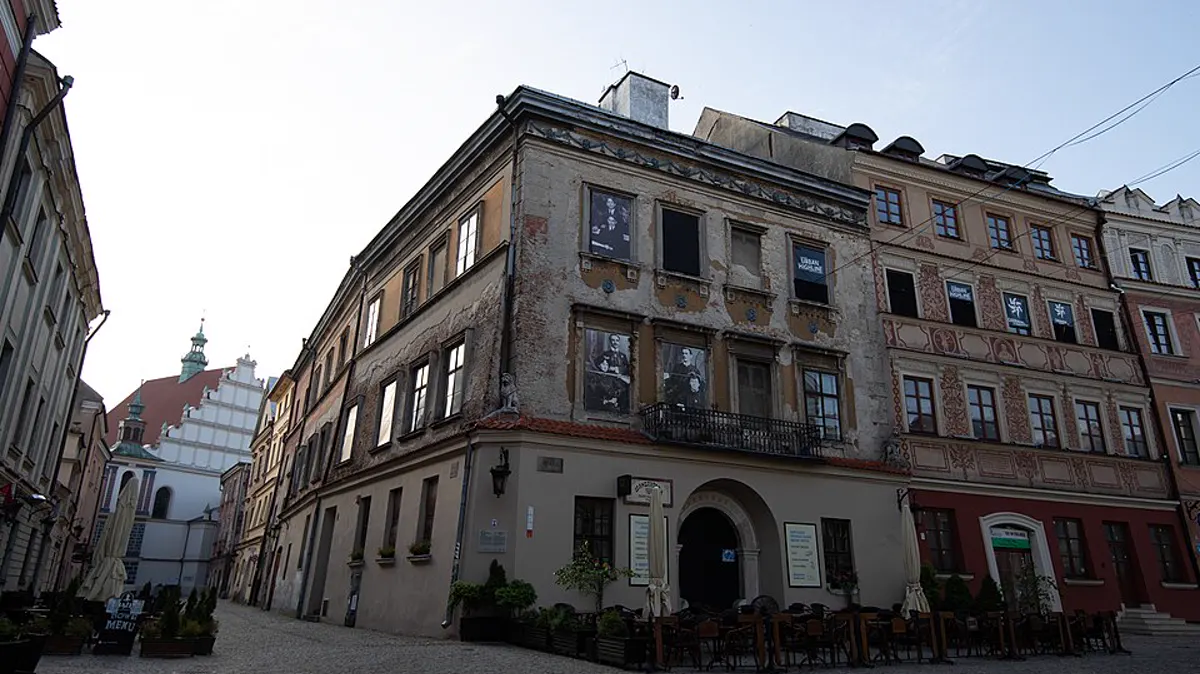
Stare Miasto (Lublin)
Lublin's medieval Old Town winds through narrow lanes and hidden courtyards, with painted Renaissance facades and Rynek square framing the old Trybunal (Crown Tribunal) at its centre.
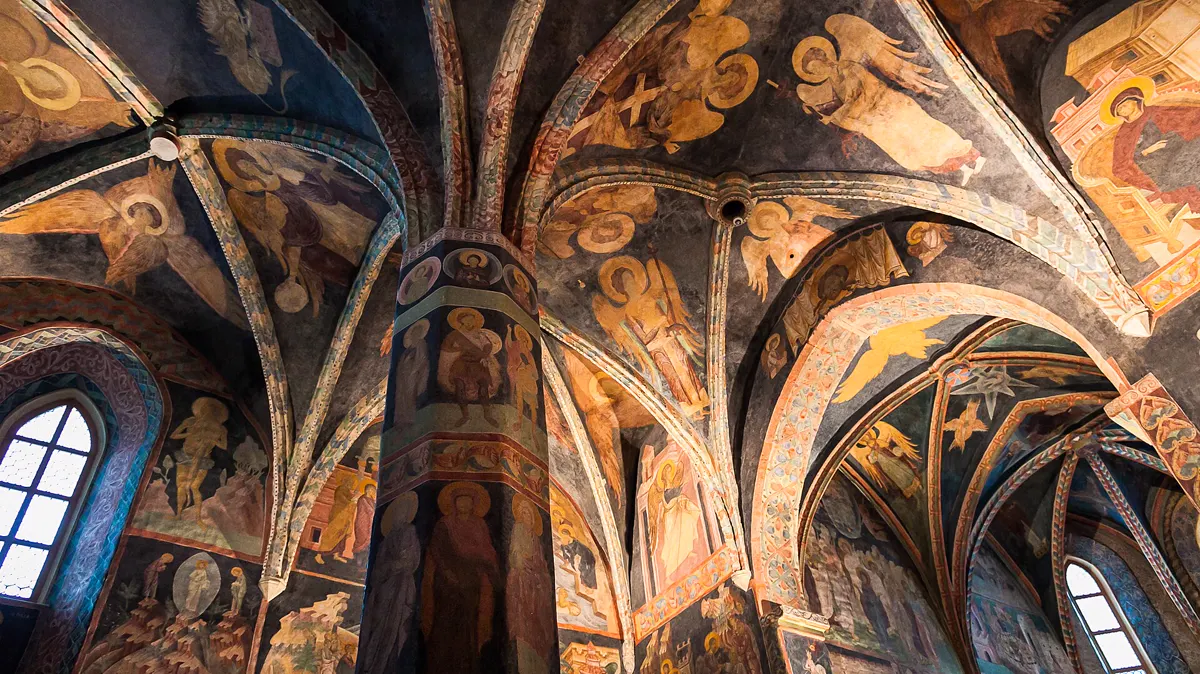
Kaplica Trojcy Swietej
Inside the castle, the Holy Trinity Chapel is covered floor to ceiling with rare Ruthenian-Byzantine frescoes from 1418: Eastern painting under a Western Gothic vault.
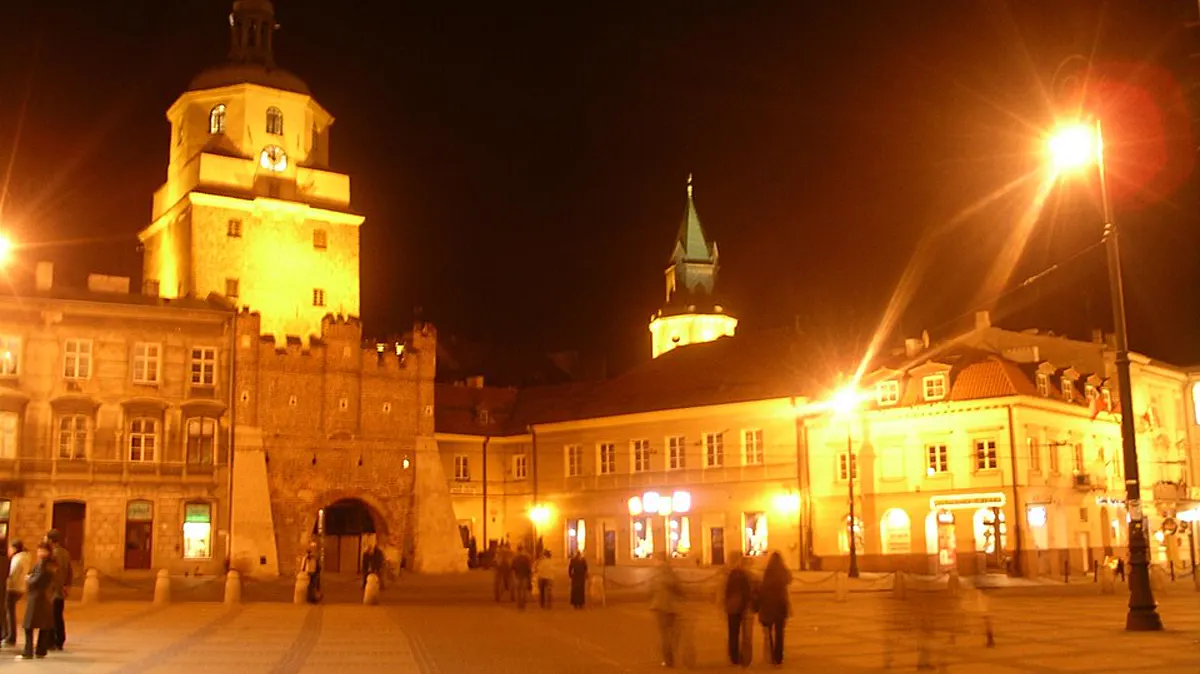
Brama Krakowska
The 14th-century Krakow Gate is Lublin's best-known landmark, a brick tower that guarded the road to Krakow and now houses a small history museum.
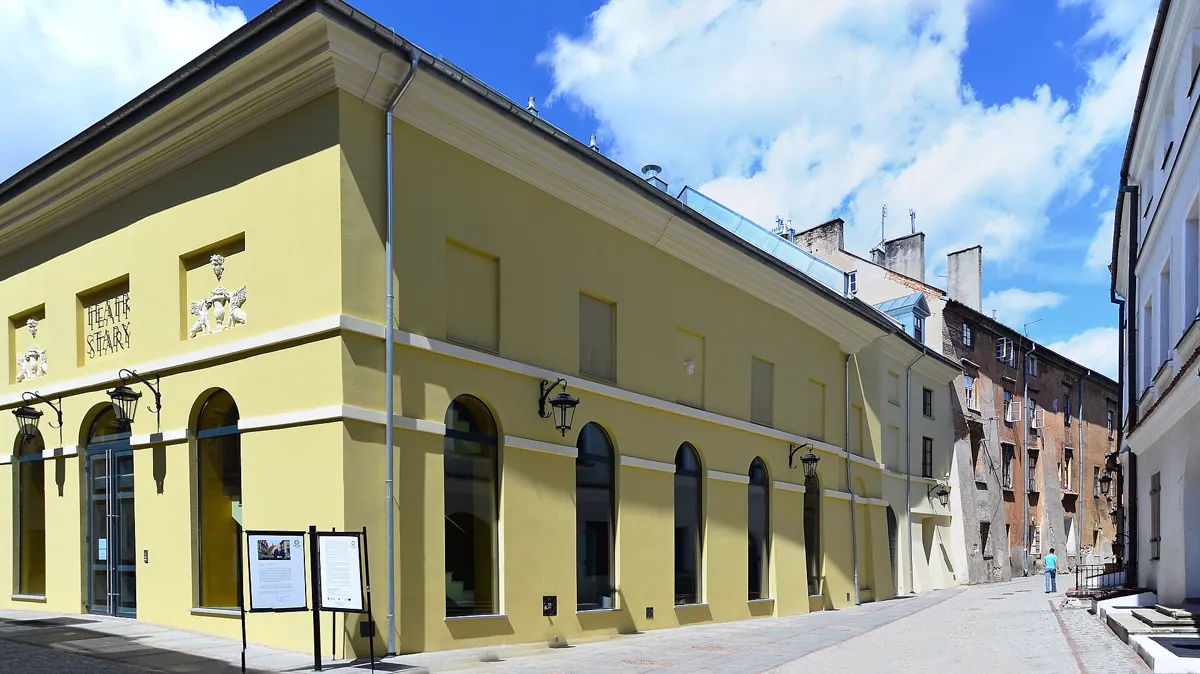
Old Theatre (Teatr Stary)
A working theatre on Jezuicka Street in Lublin's Old Town, built in 1822 and the second-oldest surviving purpose-built theatre building in Poland.
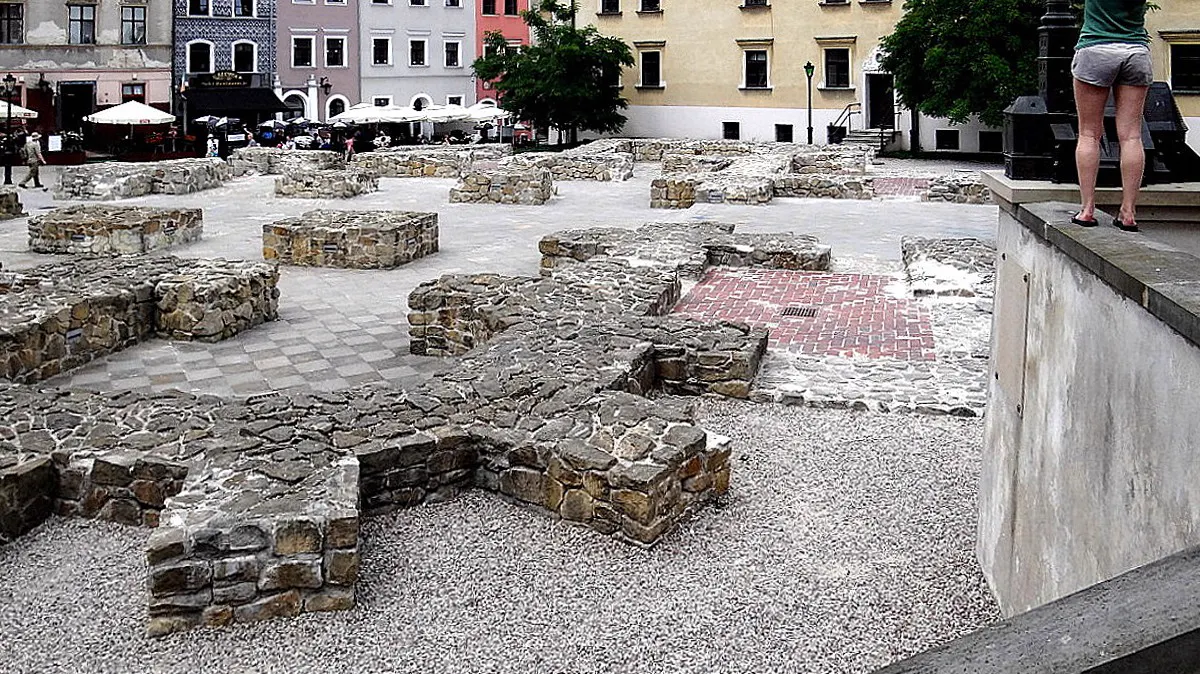
Po Farze Square (Plac Po Farze)
An open square in Lublin's Old Town that marks the site of the demolished parish church of St. Michael the Archangel, with the lost building's outline traced in the paving and an elevated terrace over the rooftops.
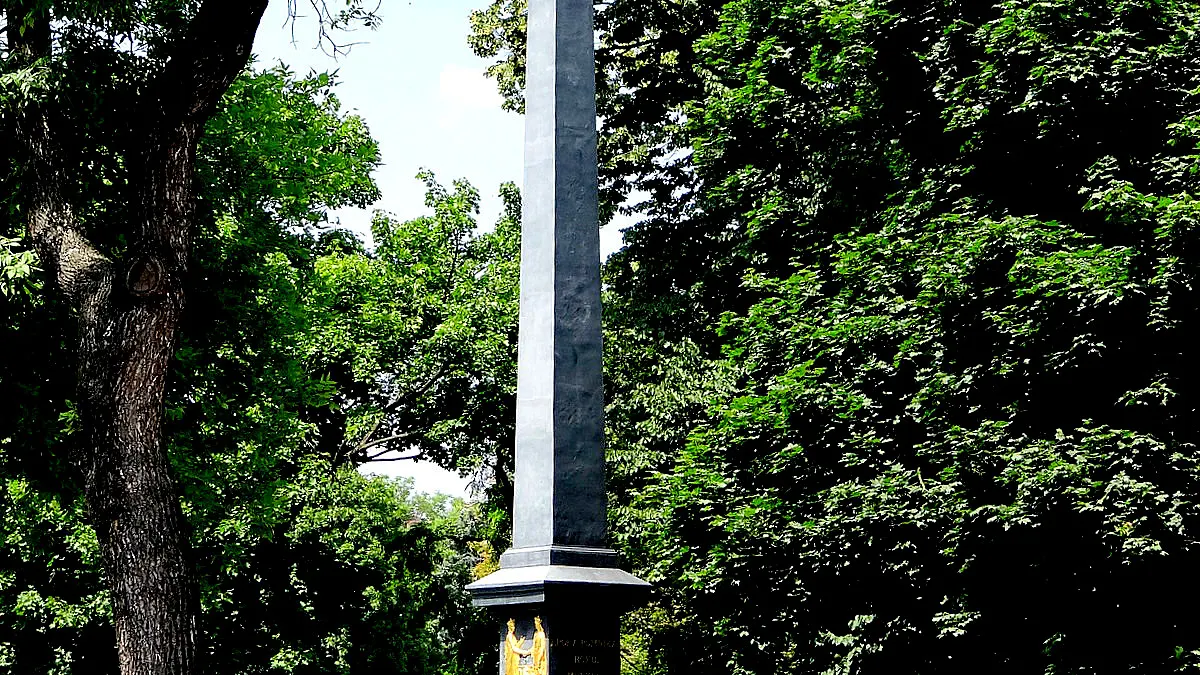
Union of Lublin Monument
A cast-iron obelisk on Litewski Square marking the 1569 Union of Lublin, the treaty that joined Poland and Lithuania into a single commonwealth.
More to explore in Lublin
Restaurant
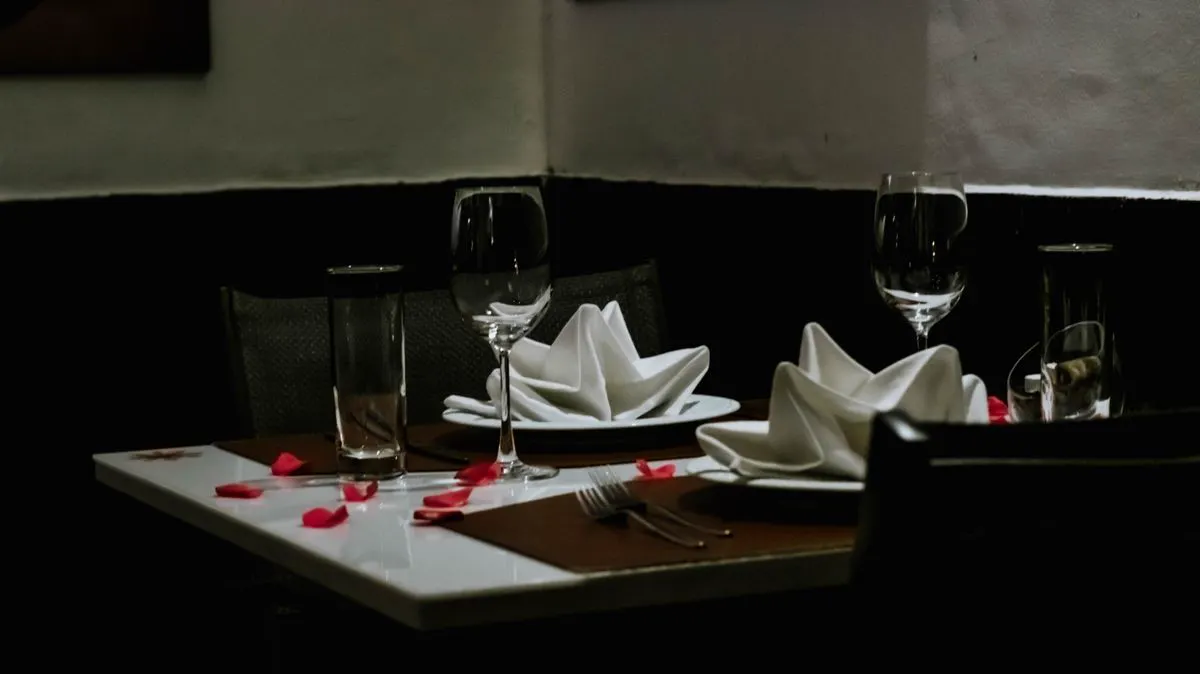
Mandragora
A candlelit restaurant on the Old Town market recreating Lublin's pre-war Jewish and Polish cooking.
Hotel
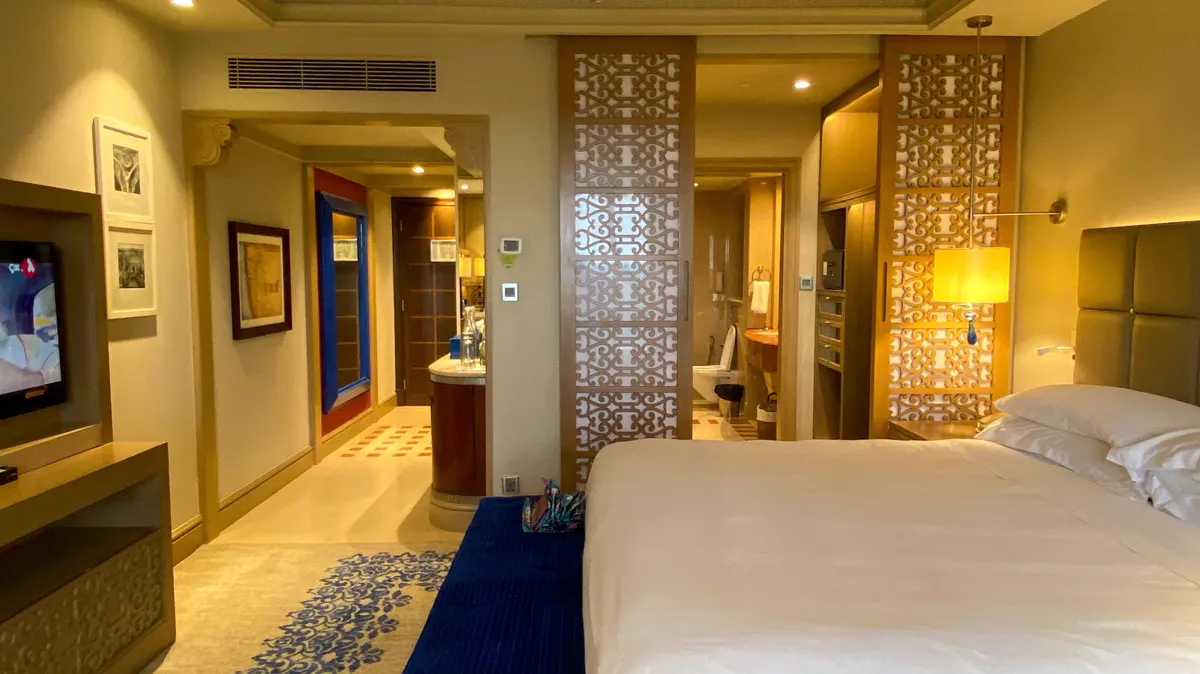
Grand Hotel Lublinianka
A restored early-20th-century hotel on the main promenade with a spa in its cellars.
Castle
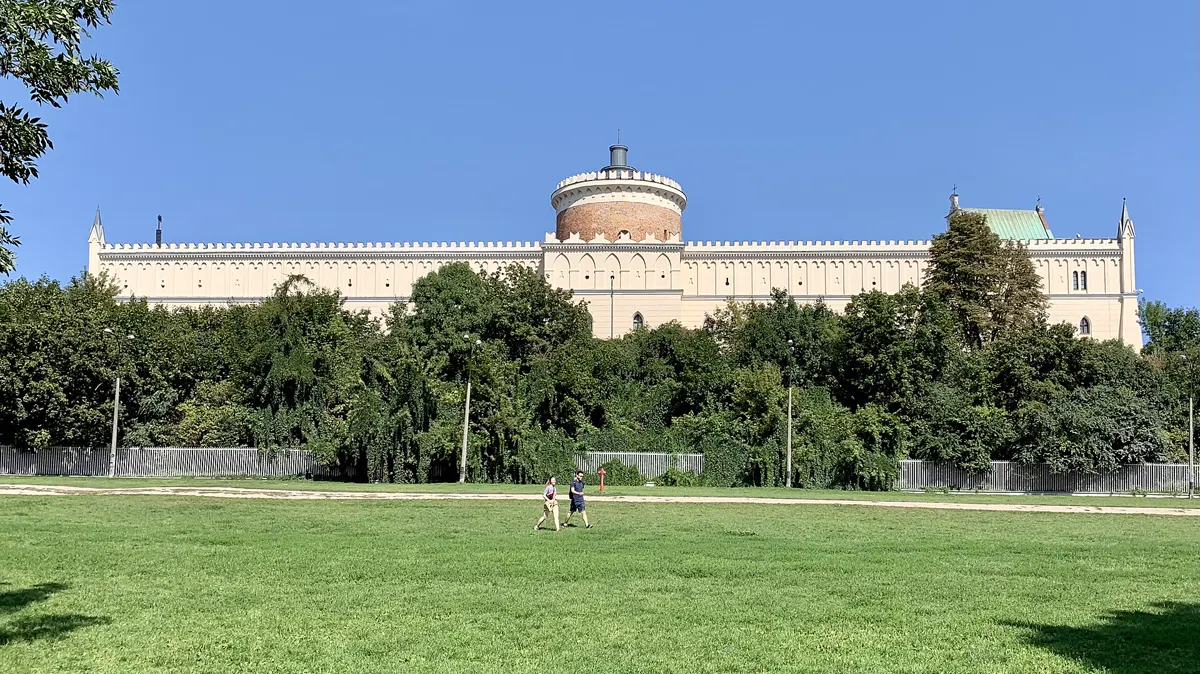
Lublin Castle
A hilltop castle whose Gothic chapel holds a rare cycle of Byzantine-style frescoes from 1418, the finest sight in the city.
Restaurant
Hades Szeroka
A friendly, good-value spot for Polish plates near the castle.
Hotel
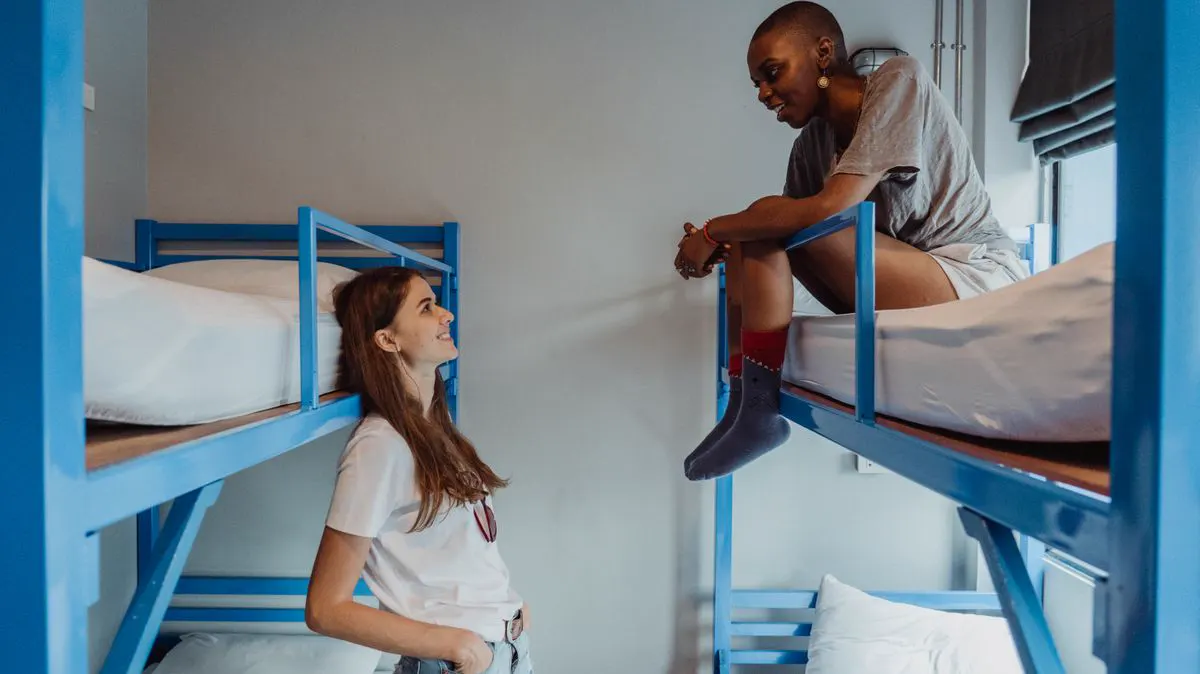
Hostel Lublin
A simple, central hostel with dorms and private rooms close to the Old Town and station, aimed at backpackers and students. Cheap beds and a shared kitchen.
Restaurant
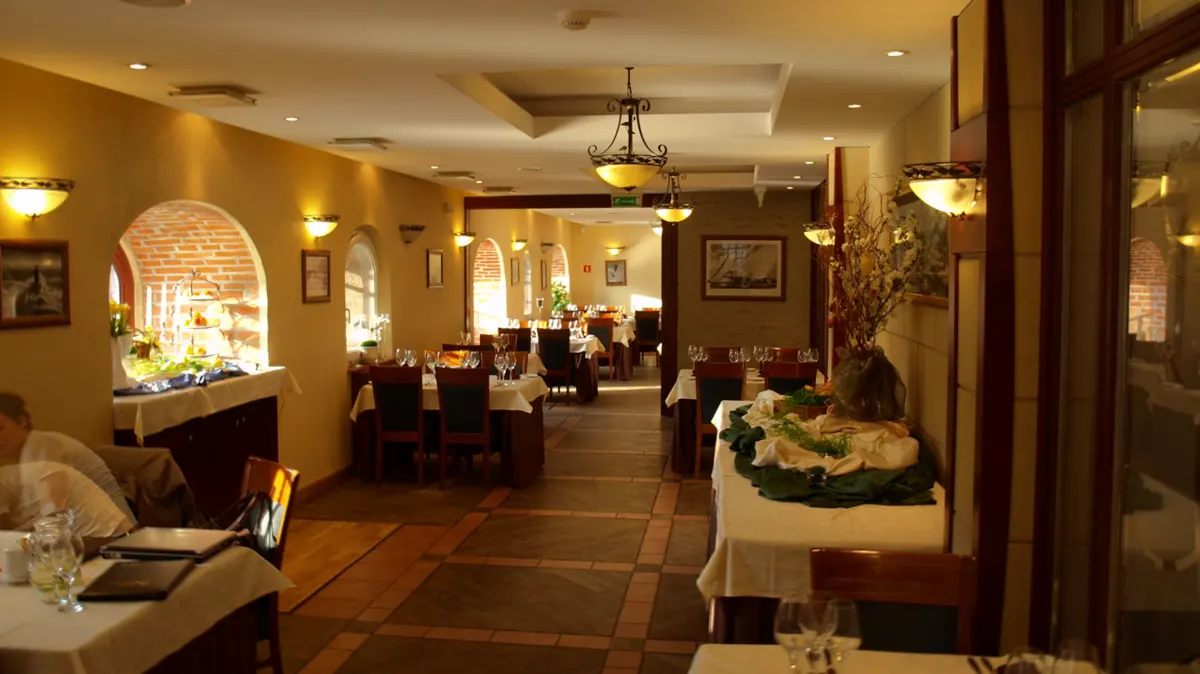
Kardamon
One of the city's more ambitious kitchens, plating modern Polish and international dishes with a strong wine list off Krakowskie Przedmiescie. Book ahead at weekends.