Attraction in Częstochowa
Częstochowa Cathedral (Cathedral Basilica of the Holy Family)
A monumental red-brick neo-Gothic basilica in central Częstochowa, and one of the largest churches in Poland, known for its twin 80-metre towers and vast three-nave interior.
Reviewed and updated July 2026
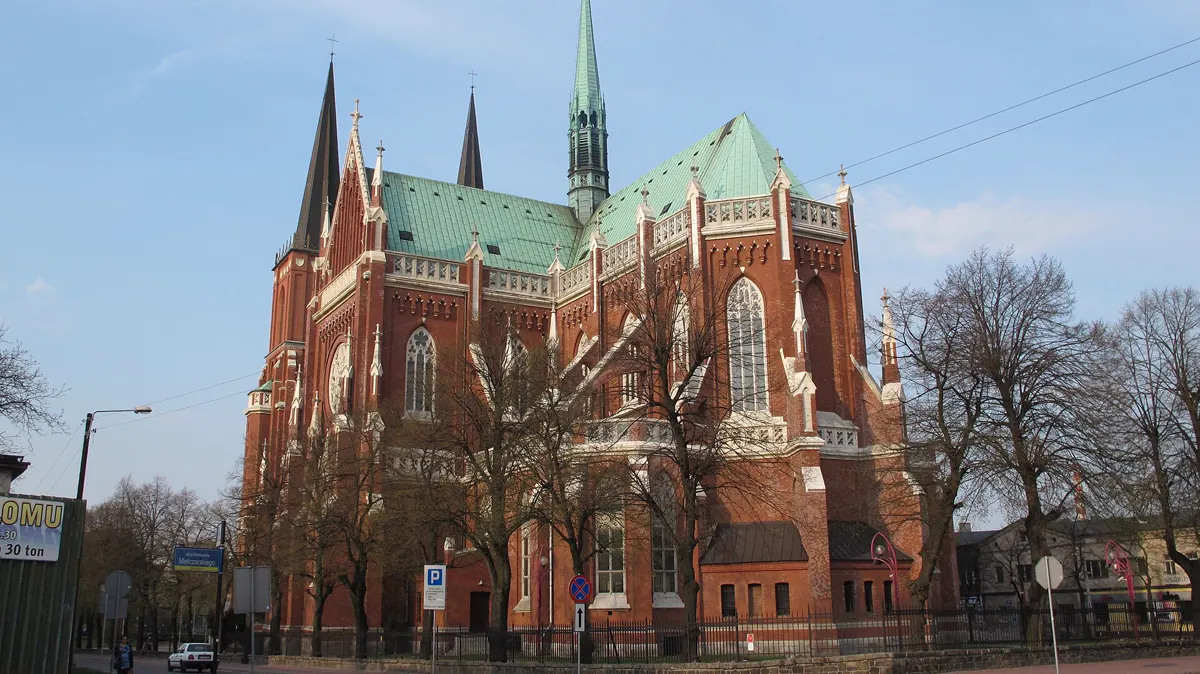
Częstochowa Cathedral, formally the Cathedral Basilica of the Holy Family, is a red-brick neo-Gothic church in the city centre and one of the largest churches in Poland, drawing visitors for its scale, its stained glass and its towering facade. Built between 1901 and 1927 to a design by Konstanty Wojciechowski, it became the seat of the Częstochowa diocese in 1925 and has been the metropolitan archcathedral since 1992. Its twin towers, completed only in the 1990s, rise to more than 80 metres and give the building a silhouette often likened to Notre-Dame.
What you'll see inside
The cathedral opens into a vast three-nave interior built on a scale that few Polish churches match. Light filters through the stained glass, and a large organ anchors the musical life of the building. The height of the naves and the length of the space are the first things most visitors notice, so allow time to walk the full length rather than pausing only near the entrance.
A basilica built over three decades
Construction ran from 1901 to 1927 under the architect Konstanty Wojciechowski, who worked in a red-brick neo-Gothic style that was popular for large Polish churches of the period. The towers were the last major element to be finished, completed only in the 1990s, which is why the building took its full form nearly a century after work began. That long timeline is part of the story, and it explains the mix of early foundations and much later spires reaching past 80 metres.
Cathedral and archcathedral status
The church was raised to cathedral rank in 1925 when the Częstochowa diocese was established, making it the diocese's principal seat. In 1992 the diocese became an archdiocese, and the building has been the metropolitan archcathedral since then. This gives it a formal role in the religious life of the region that sits alongside its architectural interest, so it functions as a working place of worship as well as a landmark.
Fitting it into a visit to Częstochowa
Most travellers come to Częstochowa for the Jasna Góra monastery and its icon, and the cathedral makes a natural second stop given its central location on ul. Krakowska in the Śródmieście district. The two sites are different in character, one a pilgrimage shrine and the other a monumental parish and archcathedral, so seeing both gives a fuller picture of the city. For planning the rest of your trip, see our Częstochowa guide.
Good to know
It is an active place of worship, so plan visits around Mass times and check the parish's official channels for current opening hours before you go.
Frequently asked questions
More attractions in Częstochowa
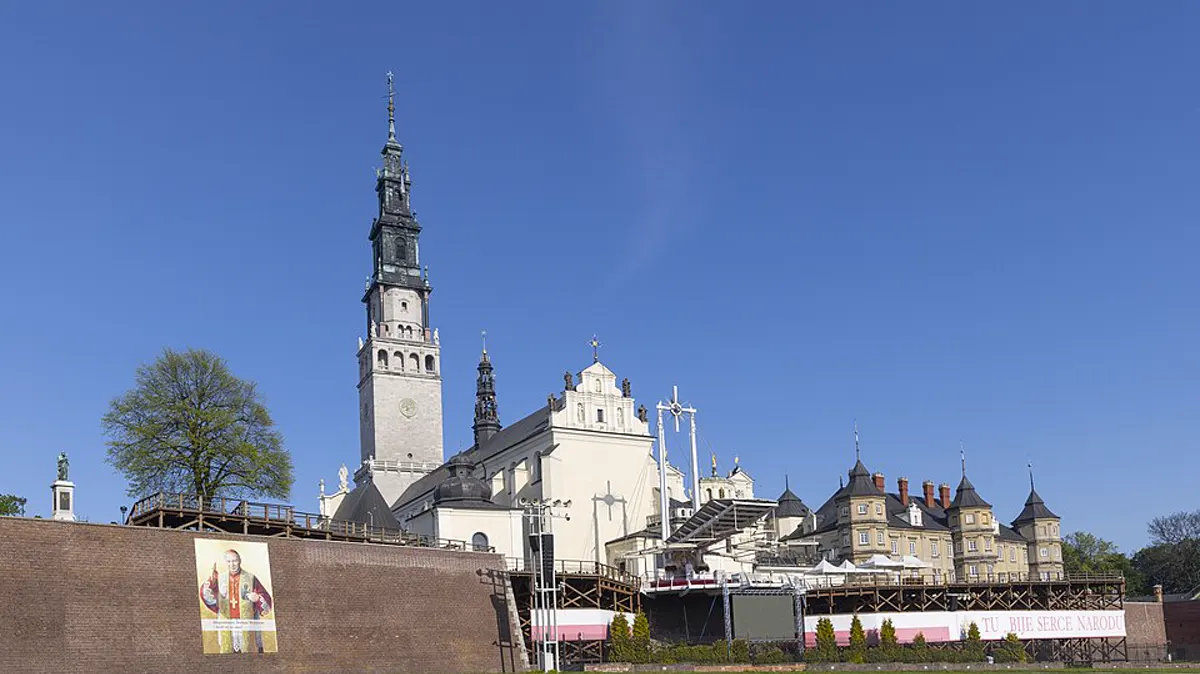
Jasna Gora Monastery
The fortified hilltop monastery that guards the Black Madonna icon, the most important Catholic pilgrimage site in Poland.
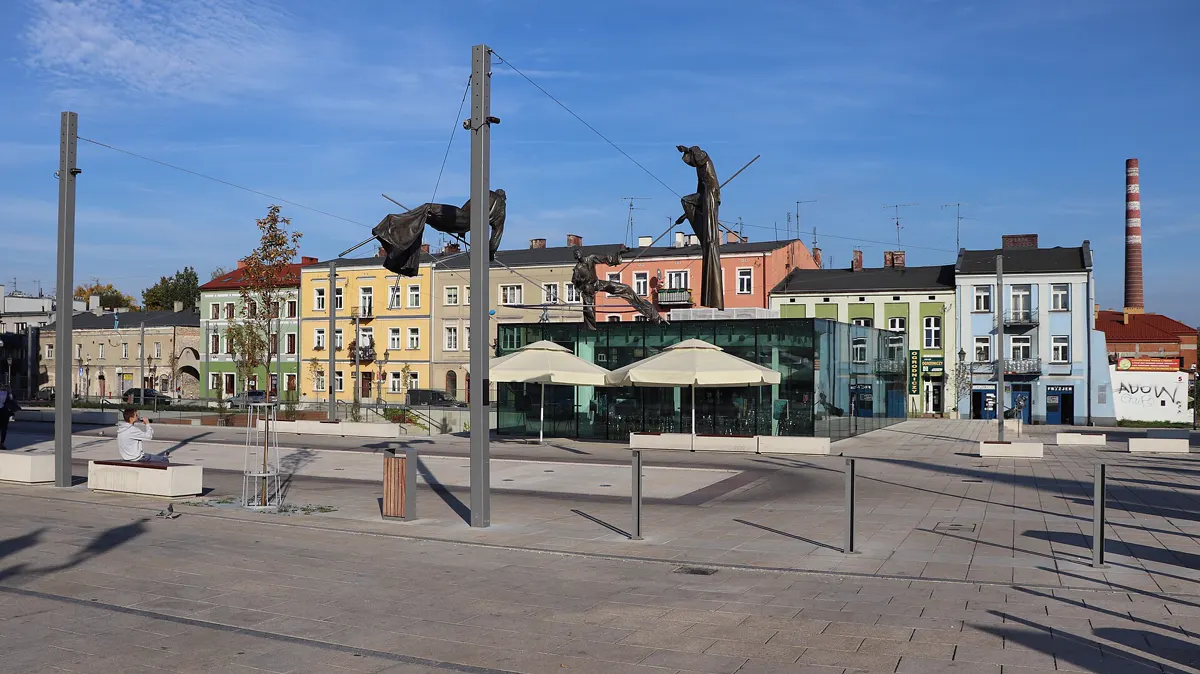
Old Market Square (Stary Rynek)
The revitalised Stary Rynek carries a permanent open-air gallery of Jerzy Kędziora's balancing sculptures, run by the Częstochowa Museum.
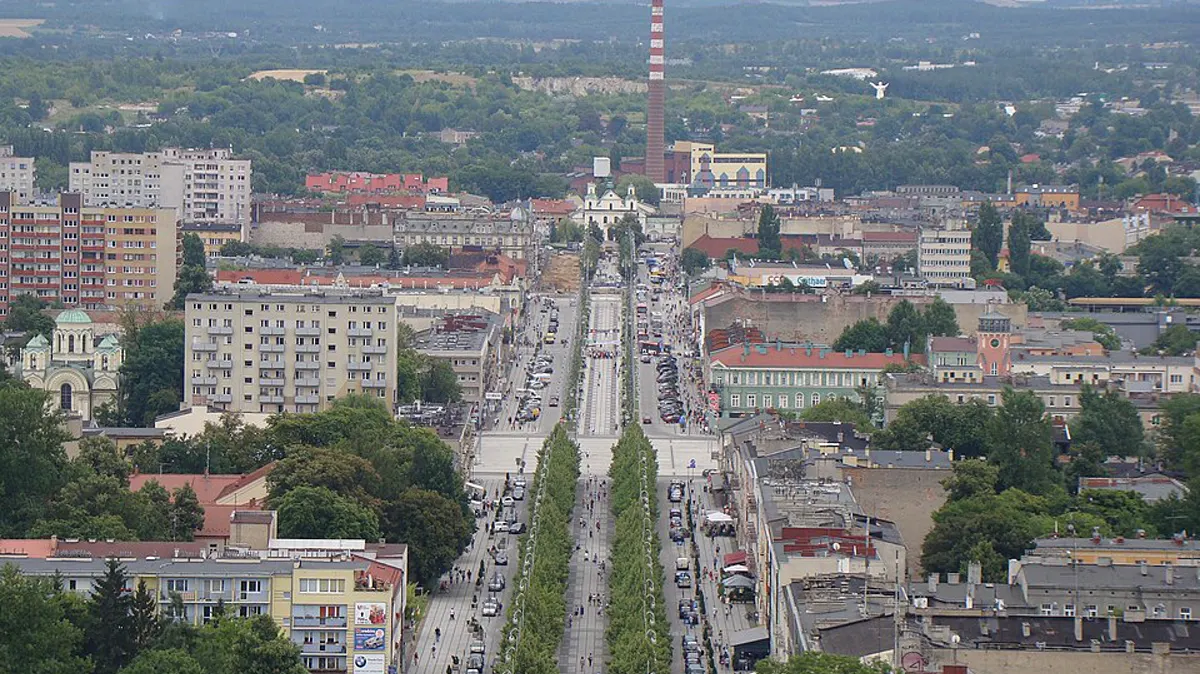
Aleja Najświętszej Maryi Panny (Avenue of the Blessed Virgin Mary)
The Avenue of the Blessed Virgin Mary is Częstochowa's main axis, running from the old town towards Jasna Góra and walked by generations of pilgrims.
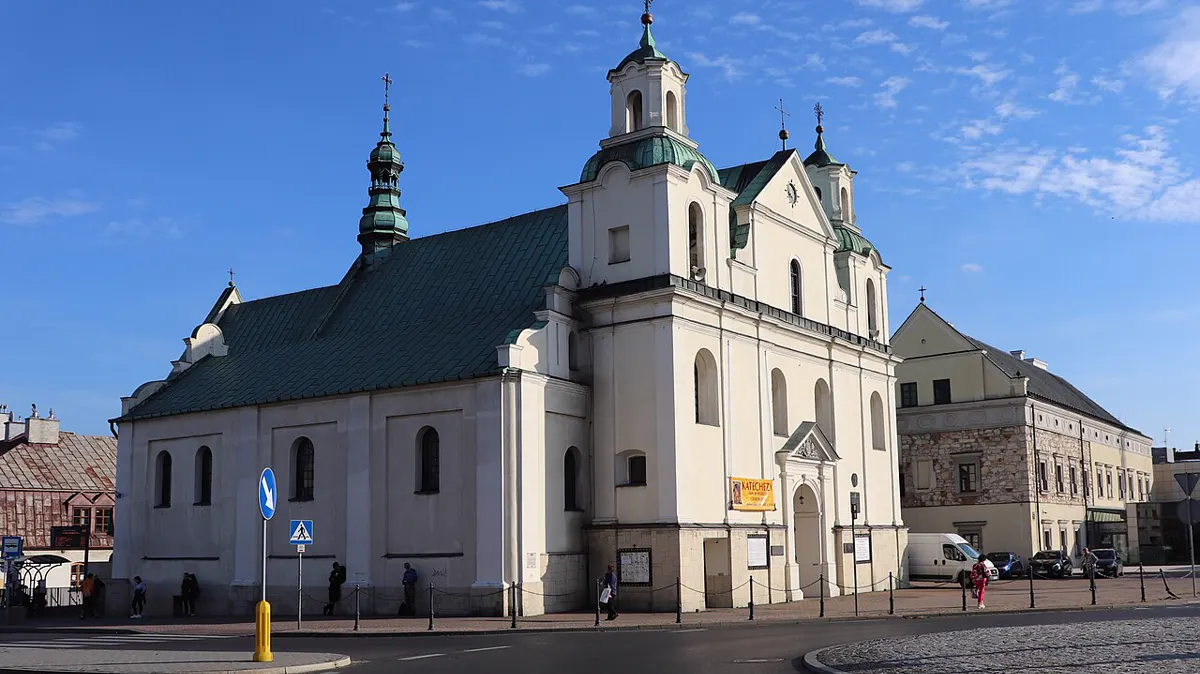
Church of St. Sigismund
A brick Gothic church on plac Daszyńskiego in Częstochowa's Old Town, raised in the early 15th century and considered the oldest church in the city.
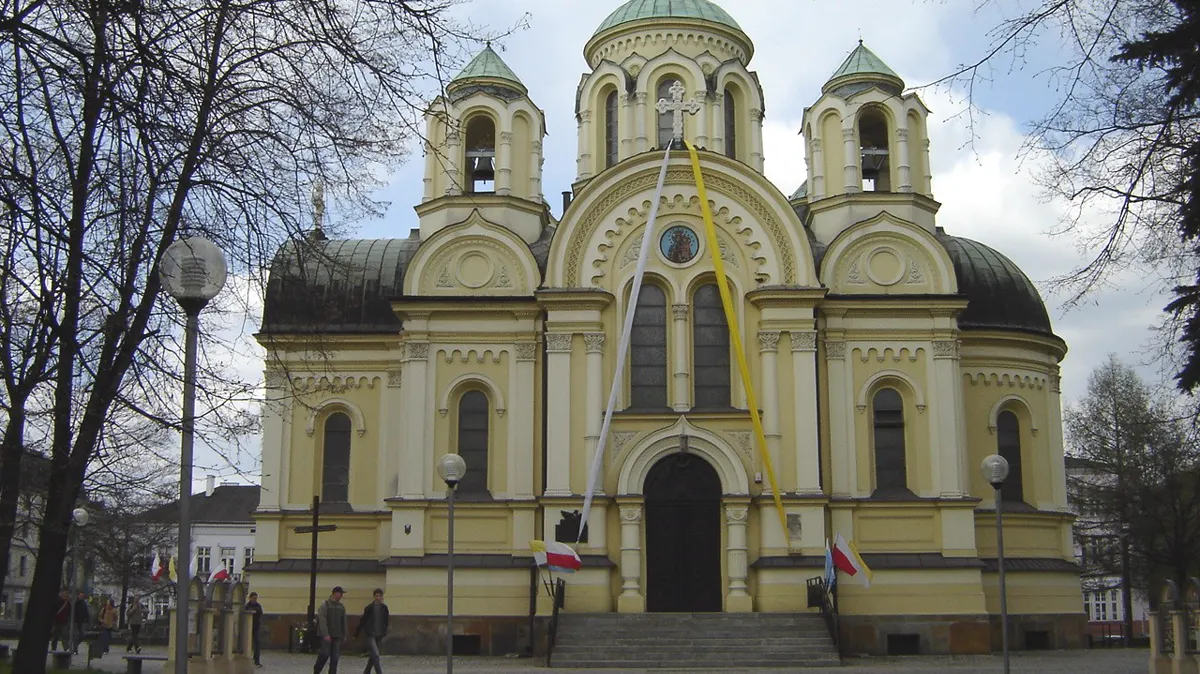
Church of St. James the Apostle
A domed garrison church on plac Biegańskiego in Częstochowa, built in 1869-1872 as an Orthodox church and given to the Roman Catholic Church in 1918.
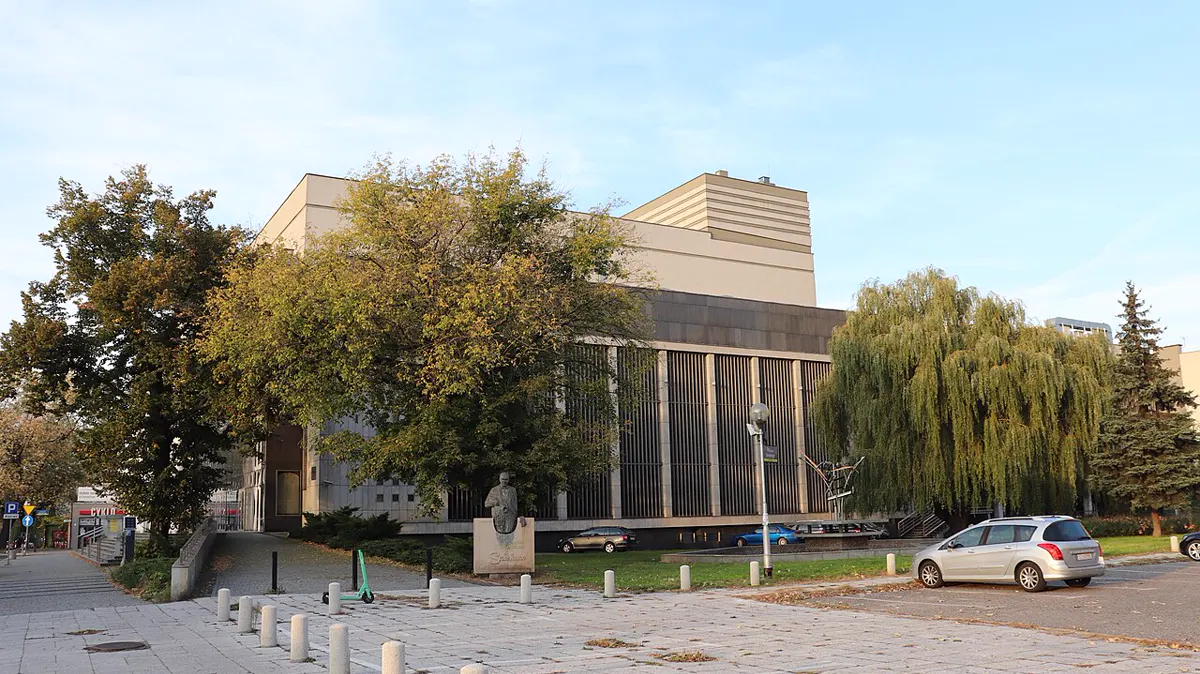
Częstochowa Philharmonic (Bronisław Huberman Philharmonic)
Częstochowa's main concert hall, built on the foundations of the city's New Synagogue and named after the locally born violinist Bronisław Huberman.
More to explore in Częstochowa
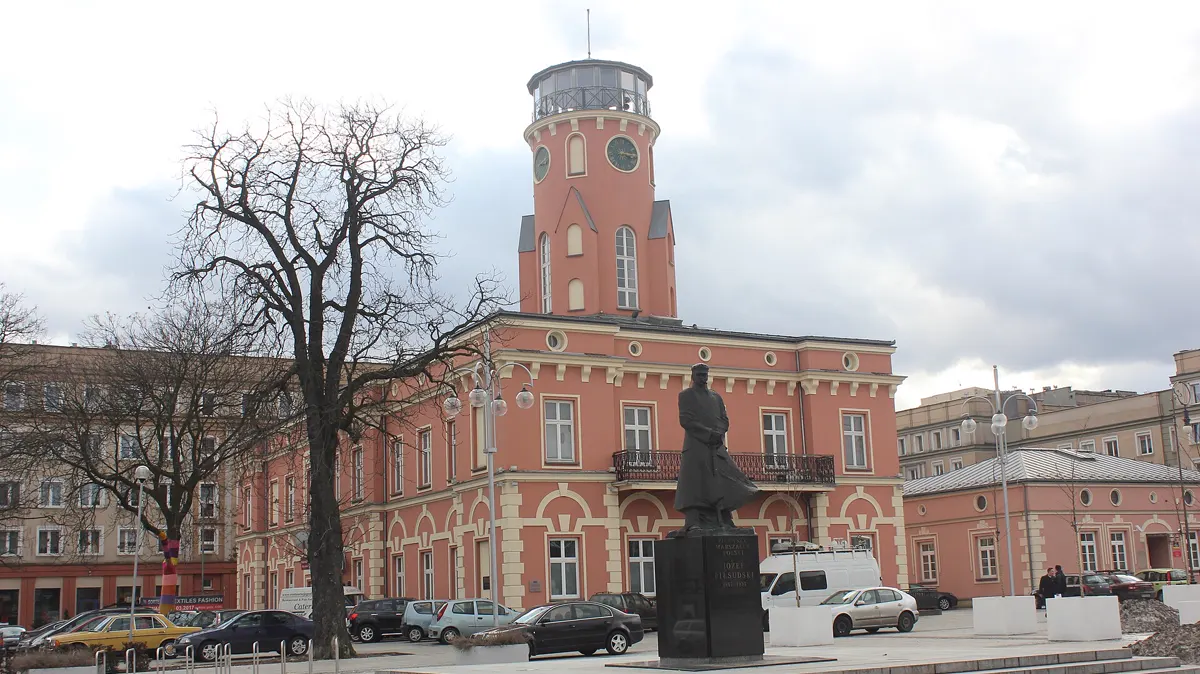
Museum
Częstochowa Museum (Muzeum Częstochowskie)
The Częstochowa Museum spreads across eight venues, from the Town Hall on plac Biegańskiego to branches covering history, art and archaeology.
Museum
Museum of Match Production (Muzeum Produkcji Zapałek)
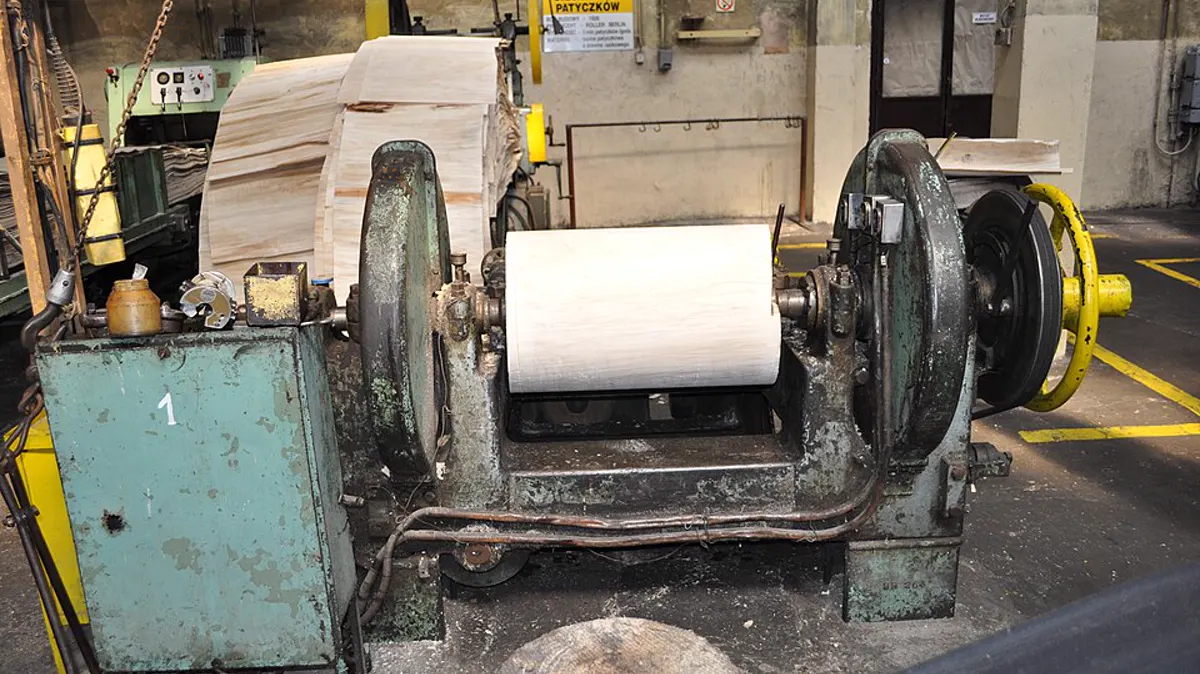
The Museum of Match Production keeps a 1930s factory line in a plant dating to 1882, described as the only working match museum in Europe.
Museum
City Art Gallery (Miejska Galeria Sztuki) and Beksiński display
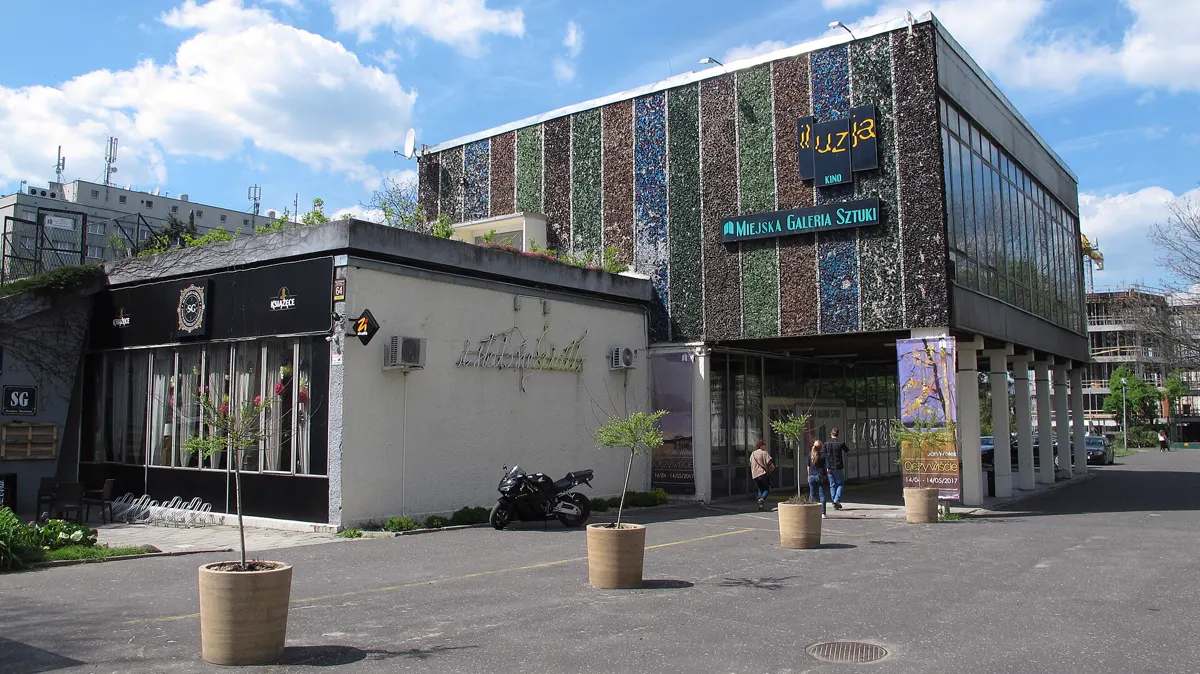
The City Art Gallery on Aleja NMP shows a permanent Beksiński collection of paintings and drawings given by collectors Anna and Piotr Dmochowski.
Museum
Archaeological Reserve (Rezerwat Archeologiczny)
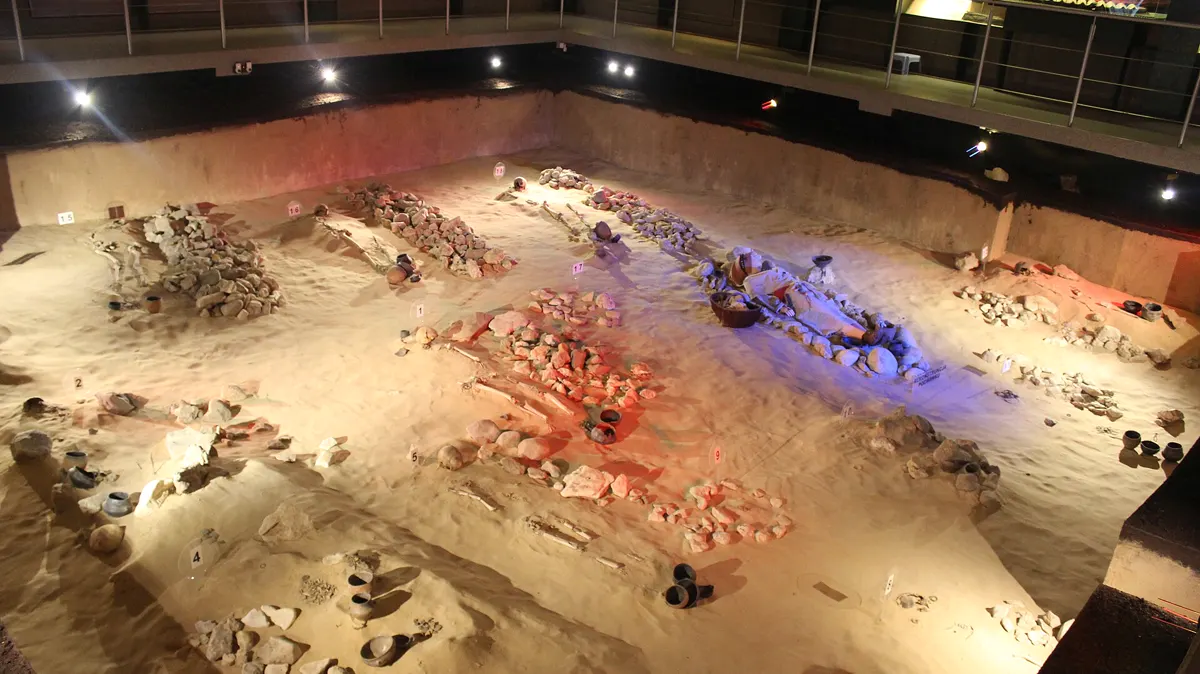
The Archaeological Reserve protects an early Iron Age Lusatian cemetery, kept in the ground exactly where it was dug up.
Castle
Olsztyn Castle (Zamek w Olsztynie)
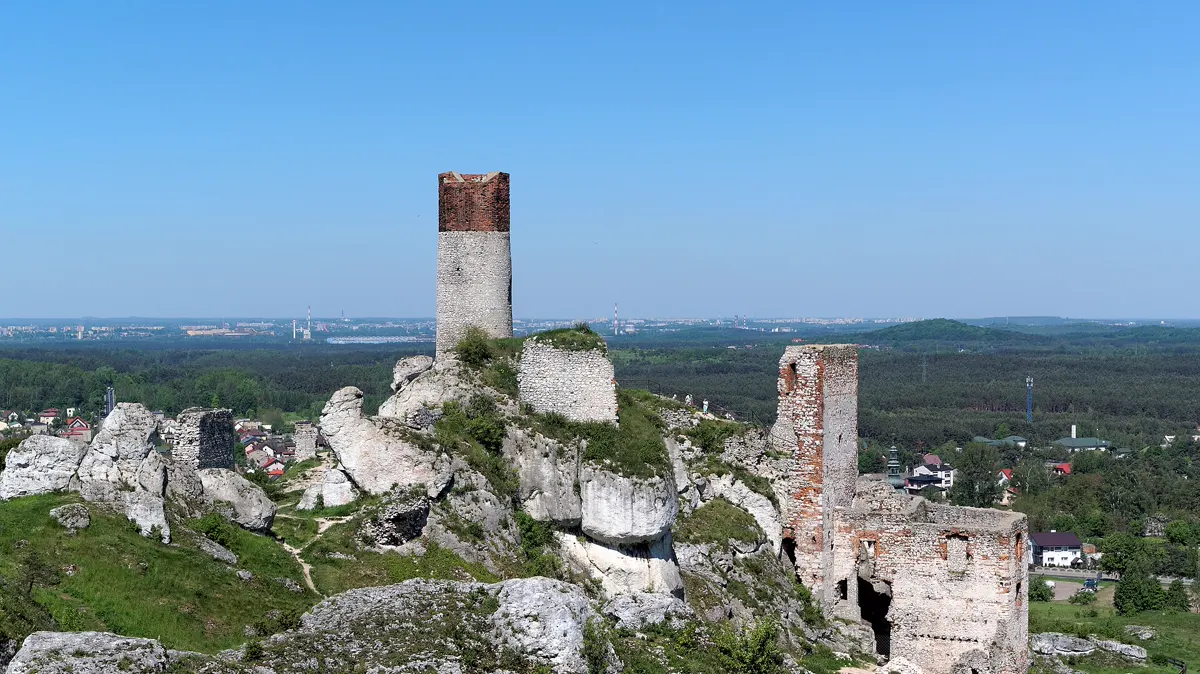
The white-limestone ruins of Olsztyn Castle, about 15 km from Częstochowa, are a landmark of the Eagles' Nests Trail on the Jura.
Restaurant
Cafe & Restaurant Dobry Rok
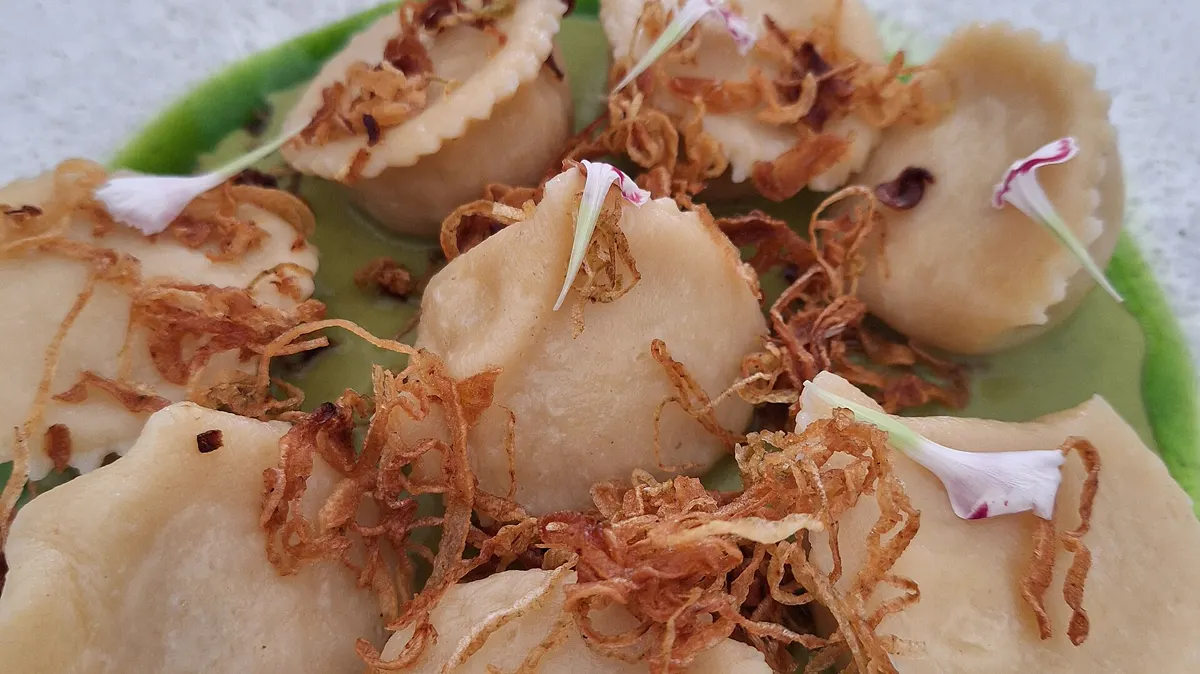
Cafe & Restaurant Dobry Rok sits on Aleja NMP, serving Polish and Italian dishes across a menu that works for lunch, dinner or coffee.