Attraction in Olsztyn
Evangelical Church of Christ the Saviour
A Neo-Gothic Protestant church in central Olsztyn, built in the 1870s to serve the city's Lutheran community and still an active parish today.
Reviewed and updated July 2026
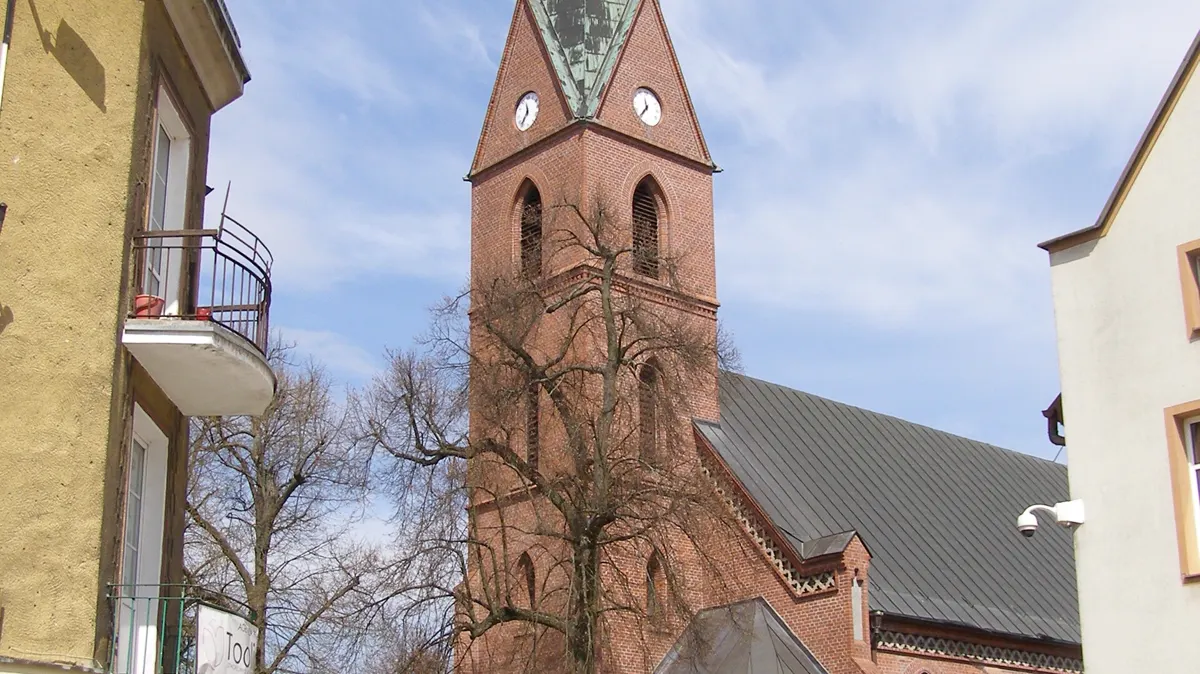
The Evangelical Church of Christ the Saviour is a Neo-Gothic Protestant church in central Olsztyn, built in 1876 to 1877 for the city's then large Evangelical (Lutheran) population. It is worth a look for its brick Neo-Gothic form and for the contrast it strikes with the Catholic churches of the Old Town: the interior follows Protestant custom and is plain rather than ornate. It remains a working parish, so you see it as a living place of worship rather than a museum.
What to see inside and out
The building is a compact Neo-Gothic design in brick, with the pointed arches and vertical lines typical of the style as it was applied to Protestant churches in the region. Step inside and the difference from Olsztyn's Catholic churches is immediate: the space is spare and restrained, without the heavy ornamentation, side altars and gilding you find nearby. This simplicity is deliberate and reflects Lutheran tradition, which puts the focus on the pulpit and congregation rather than on decoration. Take a few minutes to notice how the plain walls and clear lines shape the mood.
History and its Evangelical community
The church was raised in 1876 to 1877, at a time when Olsztyn (then Allenstein under Prussian rule) had a substantial Evangelical community that needed its own place of worship. Its construction records the religious and demographic mix of the region in the nineteenth century, when Lutheran and Catholic populations lived side by side in Warmia. The parish has continued through the changes of the twentieth century and is still active today, which makes the building a piece of continuous local history rather than a preserved relic.
How it fits a visit to Olsztyn
The church sits in the city centre beside the old market square and the castle, so it is an easy stop while walking between the Old Town and the castle. Pairing it with a nearby Catholic church makes the point clearly: within a short walk you can compare the ornate Catholic tradition of Warmia with the plainer Protestant one, which is a small but telling window on the region's mixed heritage. For where it fits among the city's other sights, see our Olsztyn guide. It suits travellers interested in architecture, church history or the religious make-up of old East Prussia.
Who it suits
This is a short, quiet stop rather than a headline attraction, best for people who enjoy architecture and the stories behind a city's churches. If you are drawn to Neo-Gothic design or curious about how Protestant and Catholic building traditions differ, it rewards the detour. Anyone expecting an elaborate interior should know in advance that the appeal here is restraint and context, not spectacle. Because it is an active parish, treat any visit with the courtesy you would give a place still used for services.
Good to know
As an active parish church its interior may only be open around service times, so check the parish's official channels before you go if you want to see inside.
Frequently asked questions
More attractions in Olsztyn
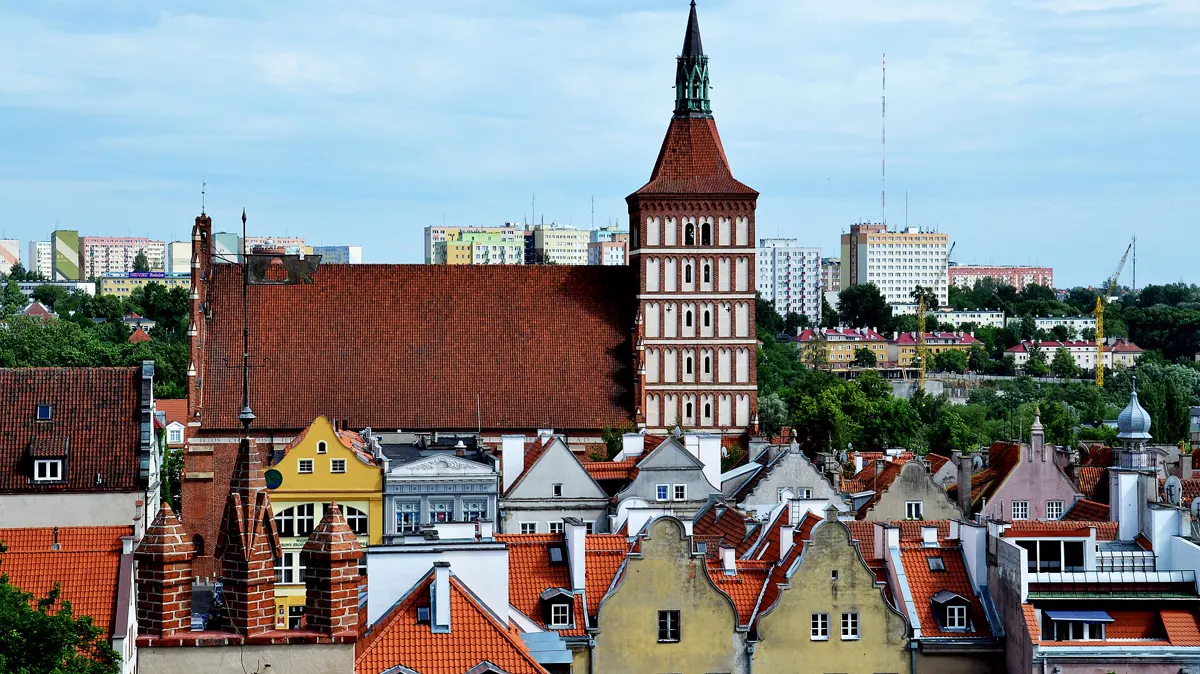
Co-Cathedral Basilica of St James in Olsztyn
A red-brick Gothic hall church at the centre of Olsztyn's Old Town, raised for a Latin greeting.
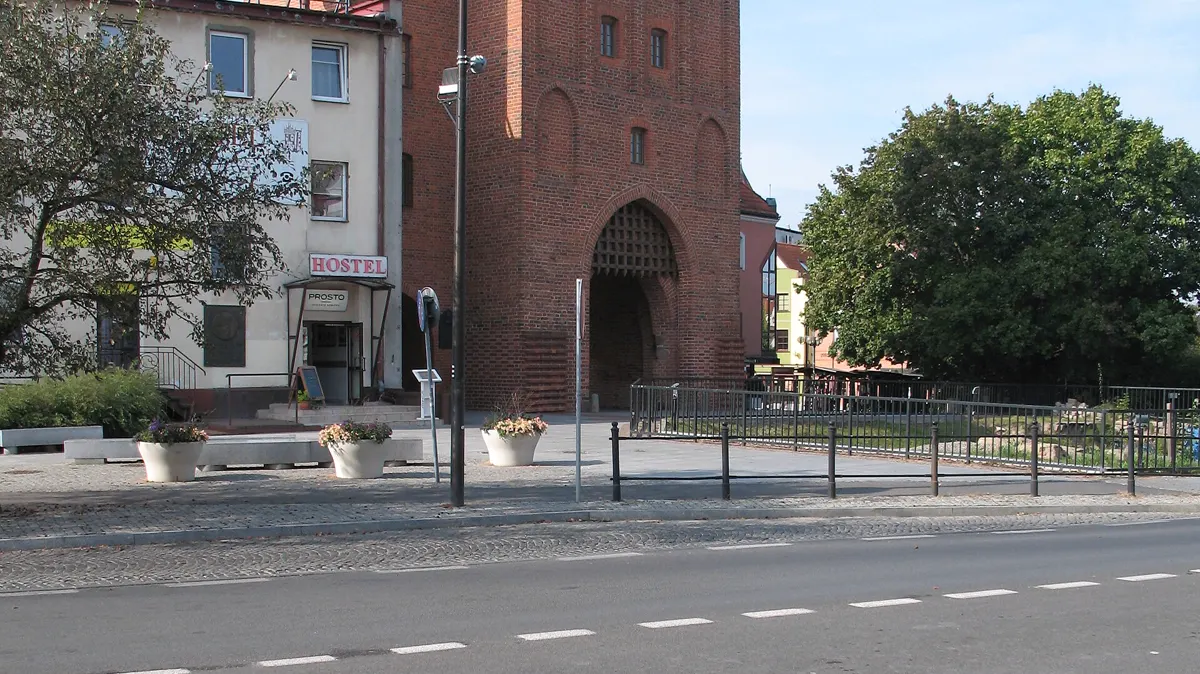
High Gate (Wysoka Brama)
The last of Olsztyn's three medieval gates and the most striking surviving piece of the old city walls.
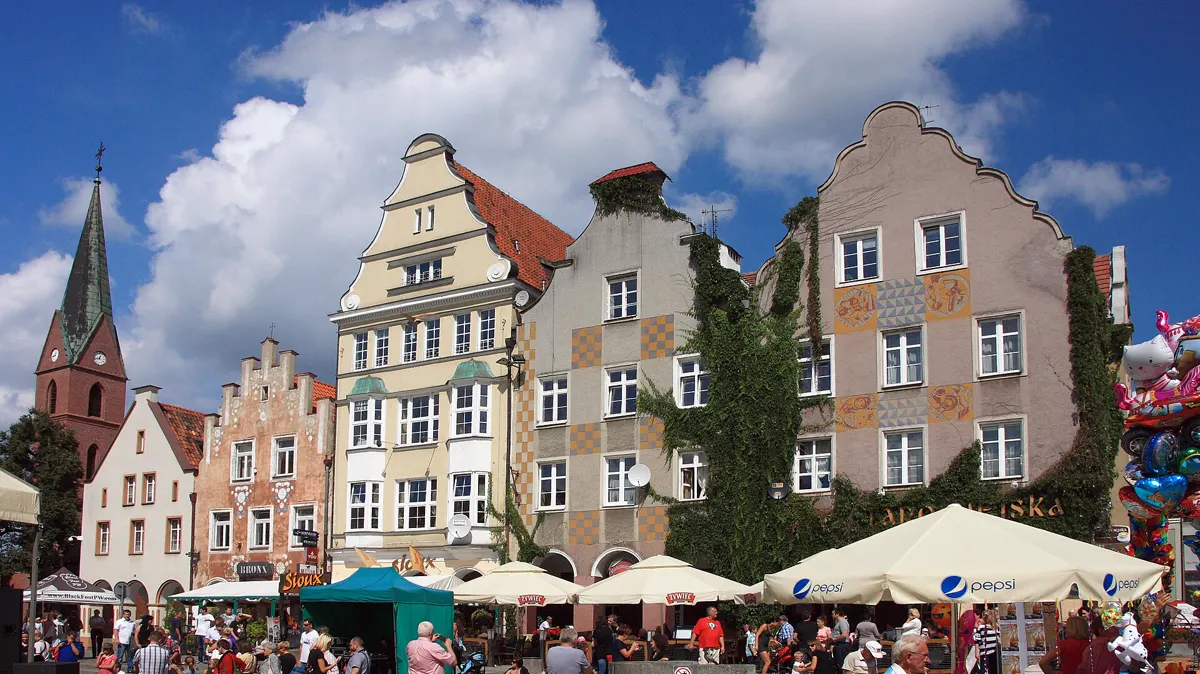
Olsztyn Old Town
A compact market square of gabled burgher houses, ringed by fragments of the medieval walls.
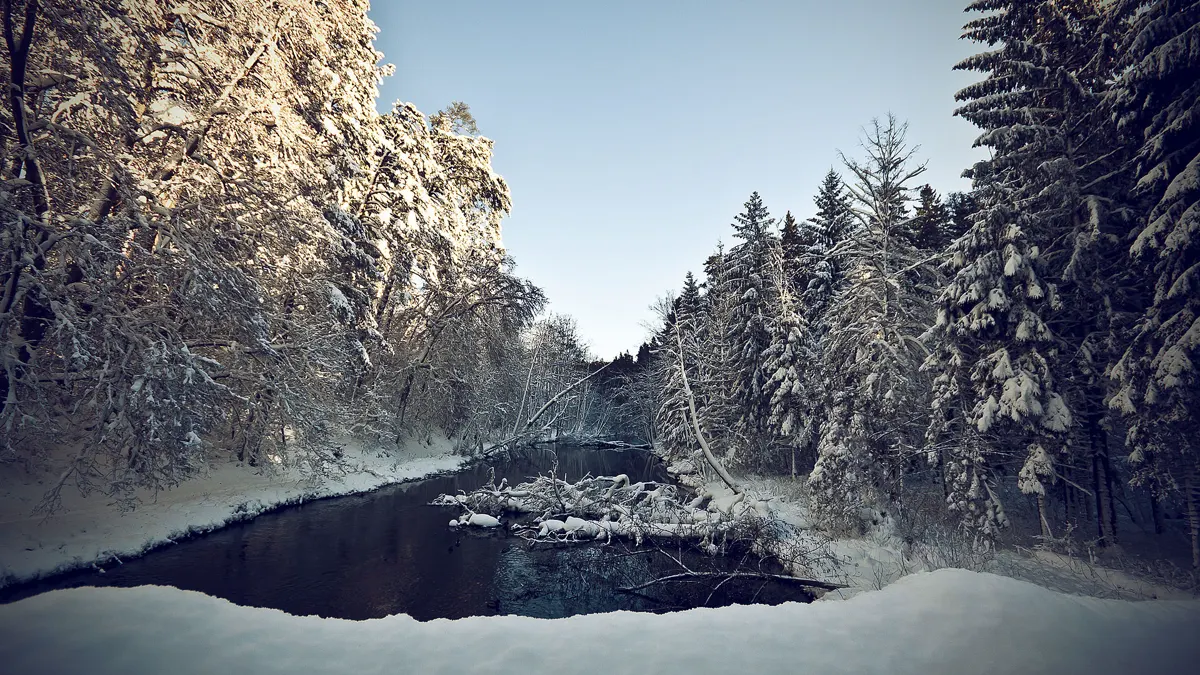
Municipal Forest (Las Miejski)
A large working forest inside Olsztyn's city limits, often cited as the biggest urban forest complex in Europe, laced with marked trails and crossed by two rivers.
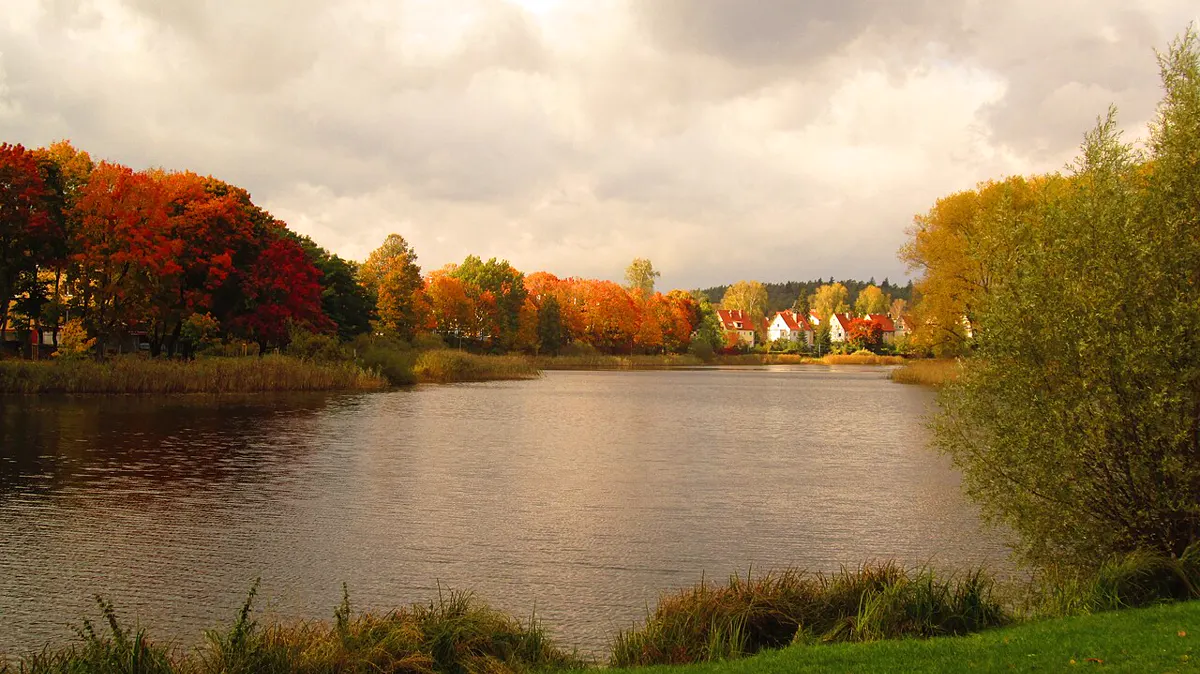
Lake Dlugie (Jezioro Długie)
Lake Dlugie is a narrow lake in western Olsztyn where motorboats are banned, valued for its clean water and quiet lakeside recreation.
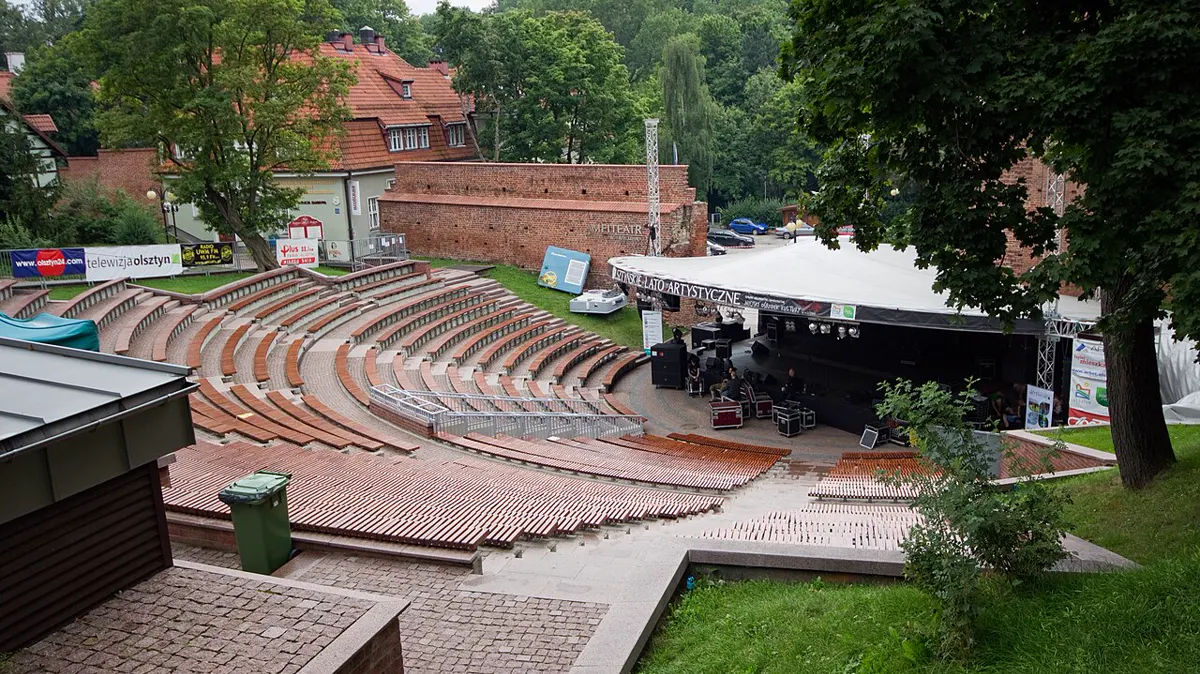
Czesław Niemen Amphitheatre
An open-air amphitheatre in Olsztyn named after Polish rock legend Czesław Niemen, seating over 1,200 people for summer concerts and cultural events.
More to explore in Olsztyn
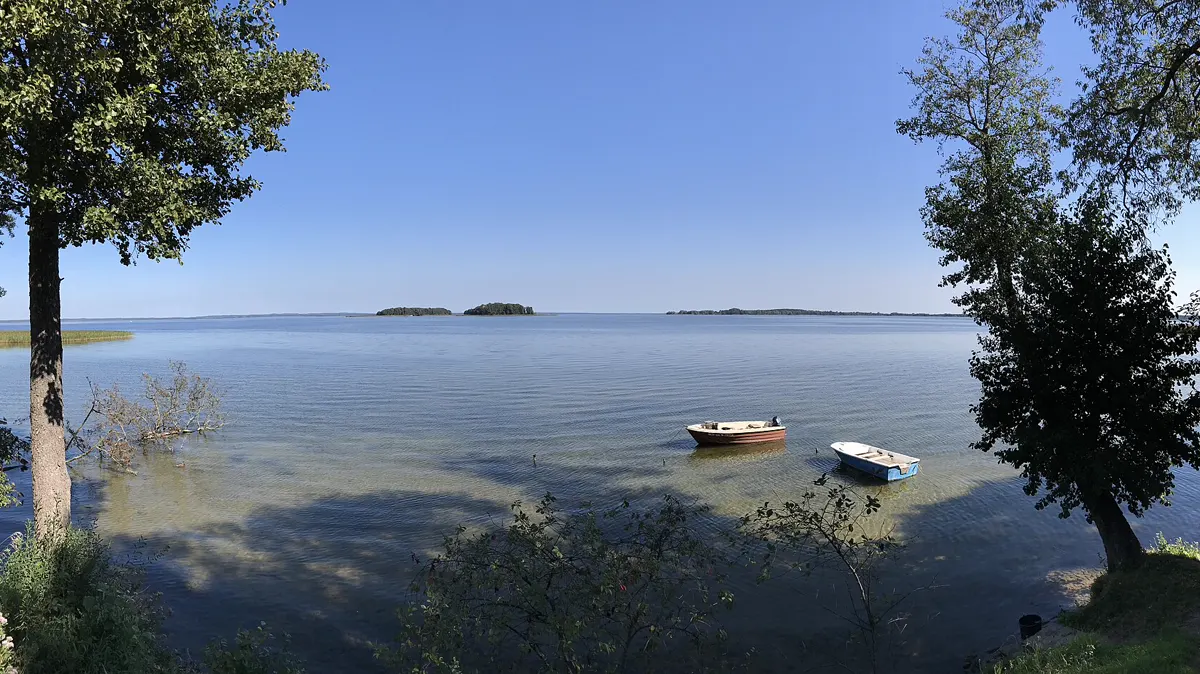
Nature
Masurian Lakes
A glacial maze of interconnected lakes and forest in the northeast, Poland's prime region for sailing, kayaking and slow summers on the water.
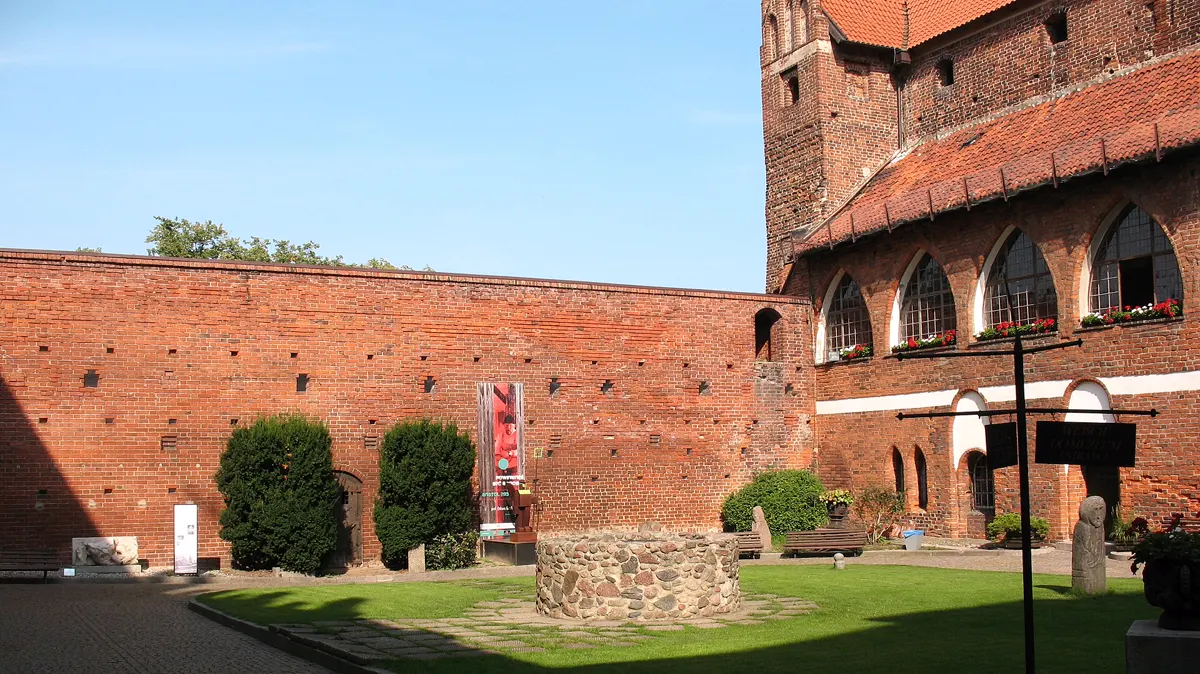
Castle
Olsztyn Castle (Castle of the Warmian Cathedral Chapter)
The 14th-century Gothic castle where Nicolaus Copernicus lived, worked and left behind the only astronomical instrument of his that survives.
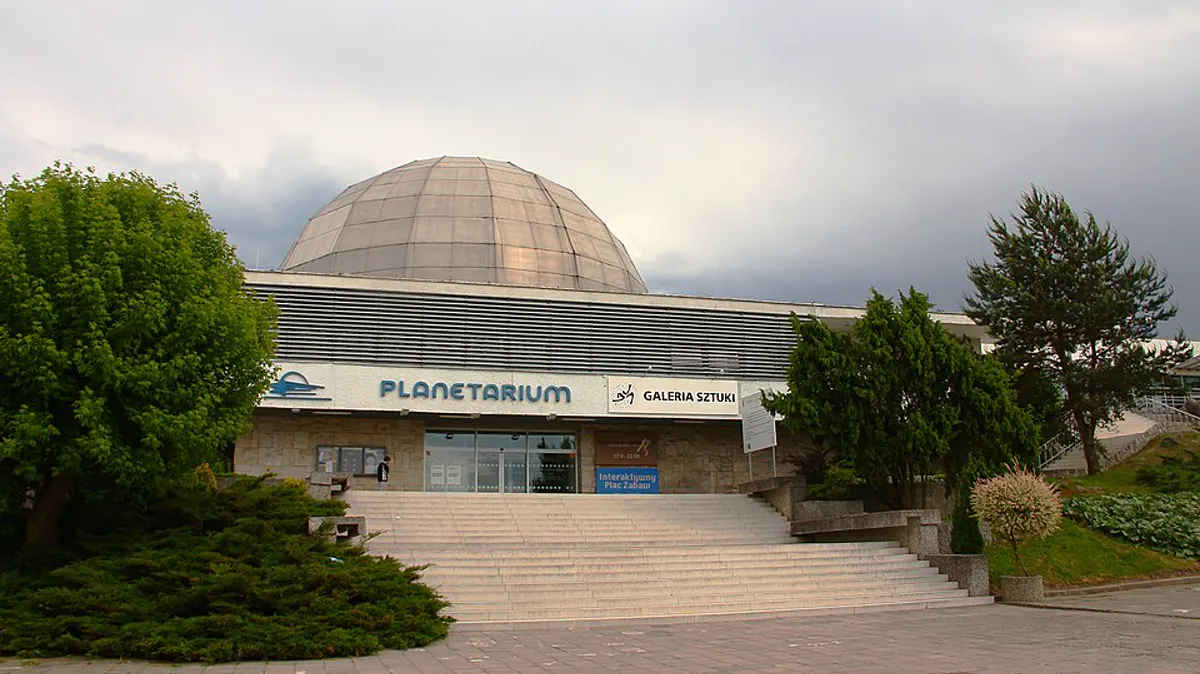
Museum
Olsztyn Planetarium and Astronomical Observatory
A Copernicus-themed planetarium under a 15-metre dome, paired with an observatory set inside a 19th-century water tower.
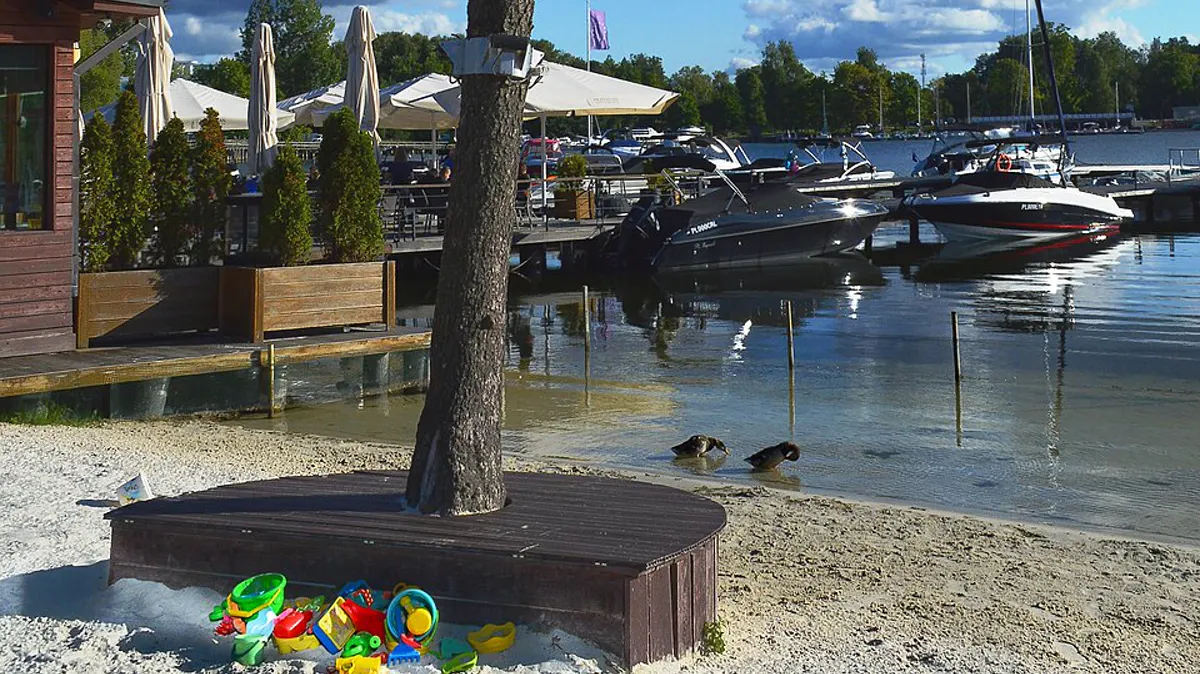
Nature
Lake Ukiel (Jezioro Krzywe)
The biggest lake inside the city itself, with a 22 km shoreline of beaches, marinas and water sports.
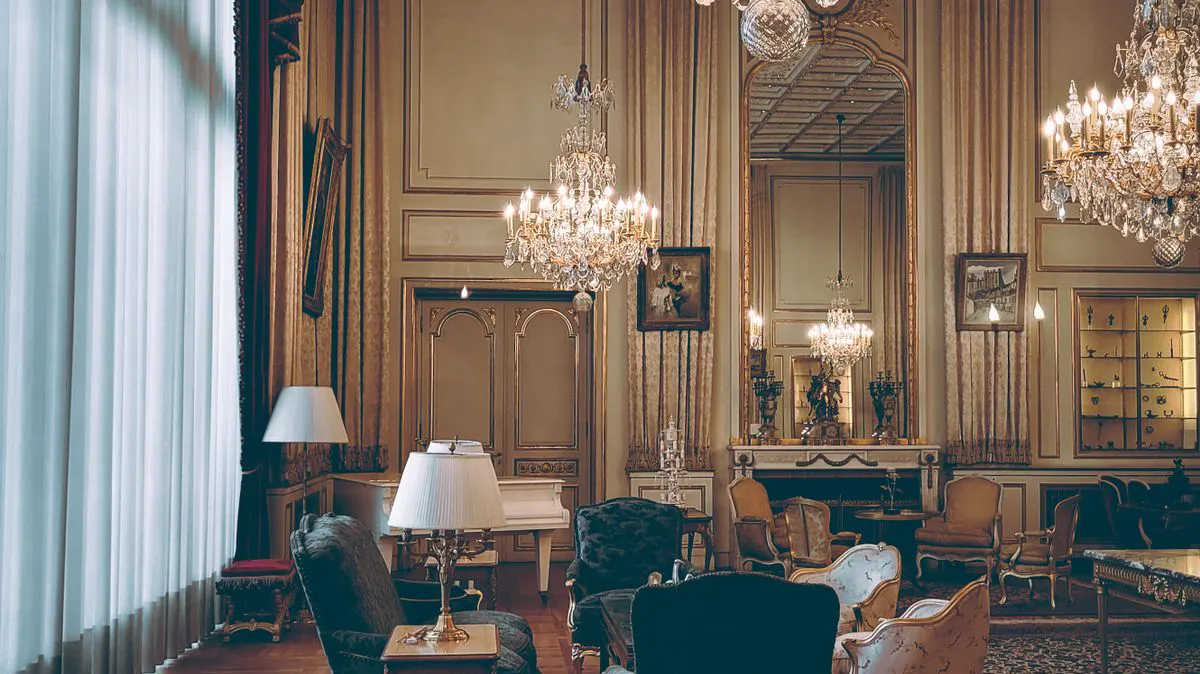
Hotel
Przystan Hotel & Restaurants
A 4-star lakeside spa hotel on Lake Ukiel, with a wellness centre and lake views from most rooms.
Hotel
Manor Hotel
A pool-equipped hotel in the Gutkowo district, a short drive out from the centre of Olsztyn.