Attraction in Kraków
Corpus Christi Basilica
A towering Gothic basilica in Kraków's Kazimierz district, founded by King Casimir III the Great in 1335 and known for its 70-metre tower, five historic bells and a rare boat-shaped Baroque pulpit.
Reviewed and updated July 2026
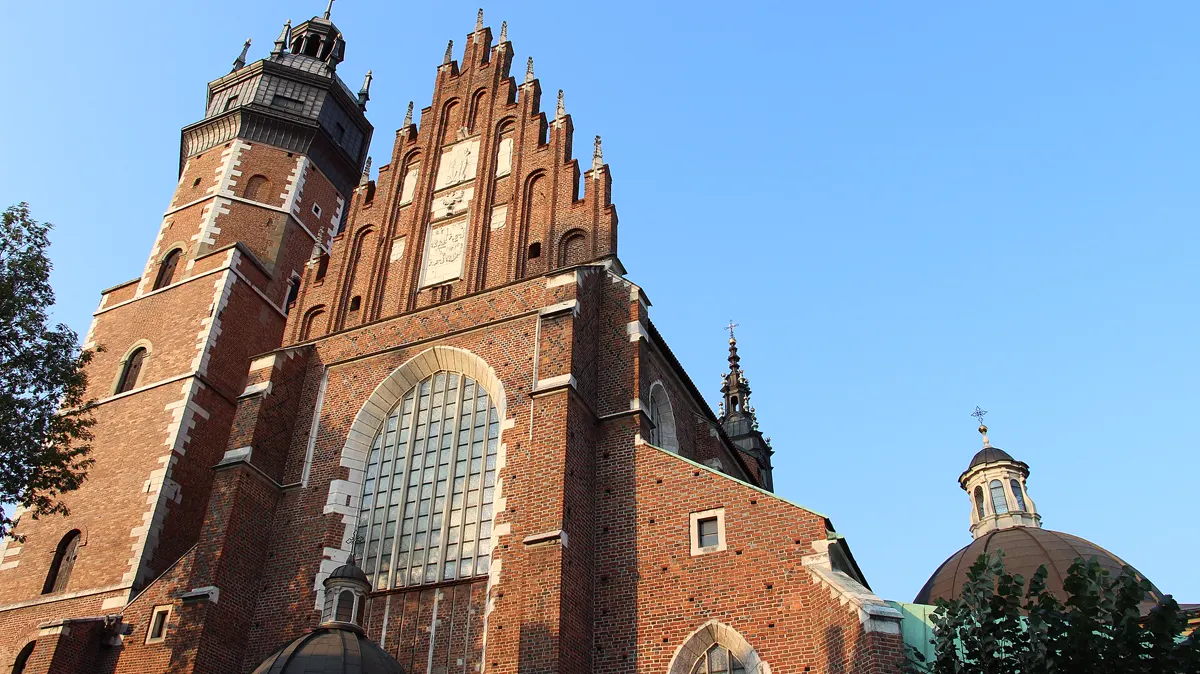
Corpus Christi Basilica (Bazylika Bożego Ciała) is one of the grandest churches in Kraków's Kazimierz district, a towering Gothic building founded by King Casimir III the Great in 1335. People visit for its scale and its mix of periods: Polish Gothic bones under later Baroque decoration, a 70-metre tower with five historic bells, and an interior centred on a large gilded high altar. It sits on Bożego Ciała Street, an easy stop while exploring Kazimierz on foot.
What to see inside
The interior pairs the tall Gothic framework of the original church with rich Baroque additions made over later centuries. The focal point is a large gilded high altar, while the most talked-about detail is an unusual boat-shaped pulpit dating from 1750, carved so that the preacher appears to stand in a vessel. Above it all rises the 70-metre tower, which holds five historic bells. Take your time walking the nave rather than heading straight for the altar, as much of the character lives in the smaller Baroque flourishes.
History and royal foundation
King Casimir III the Great founded the church in 1335, and it was built in stages that continued into the mid-15th century, which is why Gothic and later styles sit side by side. In 1404 it was gifted to the Canons Regular of the Lateran, a religious community that has long been connected with the church. Its standing was recognised again in modern times when Pope John Paul II elevated it to the rank of minor basilica in 2005.
Who it suits and how to visit
The basilica works well for anyone interested in Gothic architecture, church interiors or the layered history of Kazimierz. It is an active place of worship, so services can affect access, and opening times for visitors are best confirmed through the parish or official channels before you go. Dress modestly, keep noise down inside, and be mindful that photography rules can vary. A quiet weekday visit tends to give the calmest look at the interior.
Fitting it into a Kraków trip
Kazimierz is compact and walkable, so Corpus Christi Basilica pairs naturally with the district's other churches, squares and cafes in a single afternoon. From here it is a short walk to the main sights of the Old Town, making it an easy addition to a wider tour of the city. For orientation and nearby attractions, see our Kraków guide.
Good to know
As an active parish church, visitor access can be limited during Mass, so check the parish schedule and plan around service times.
Frequently asked questions
More attractions in Kraków
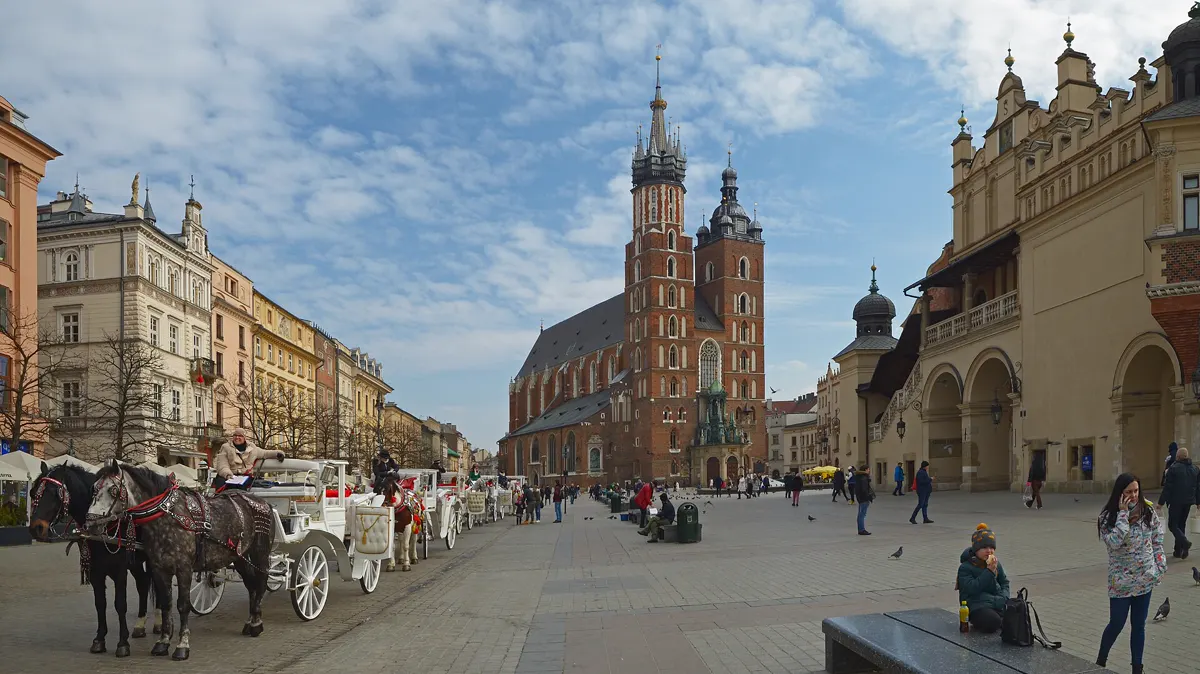
Main Market Square
Europe's largest medieval market square, the social centre of Krakow, with the Cloth Hall running down its middle.
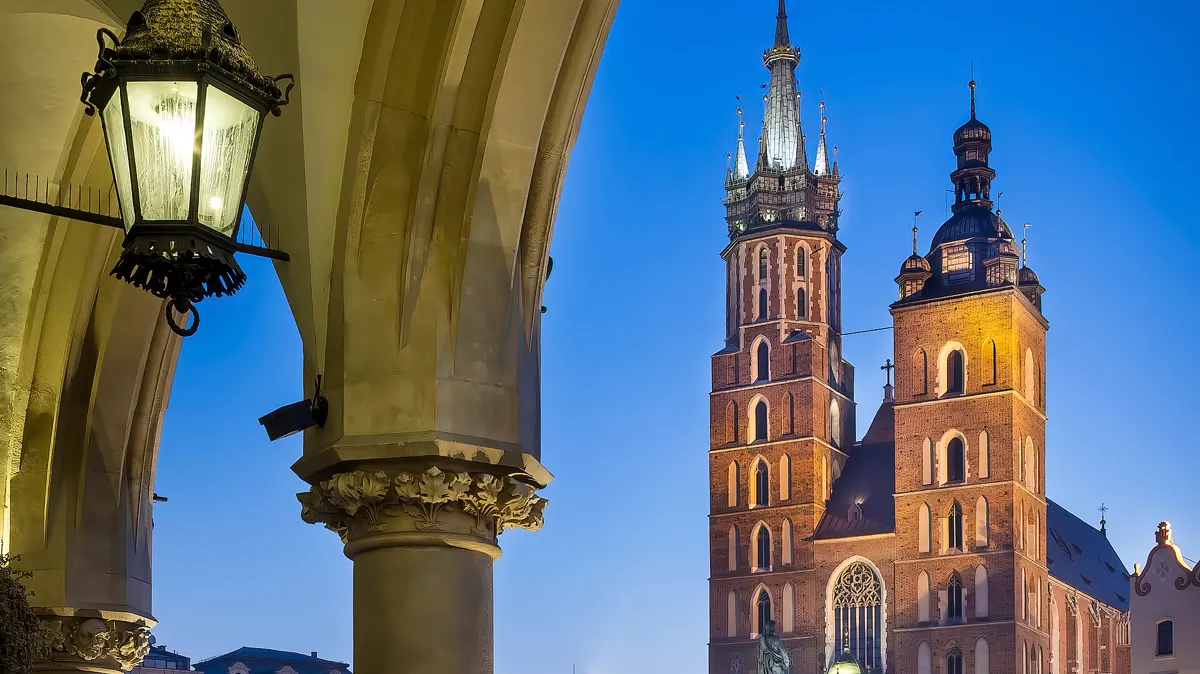
St Mary's Basilica
The brick Gothic church on the main square, famous for its mismatched towers and a carved wooden altarpiece by Veit Stoss.
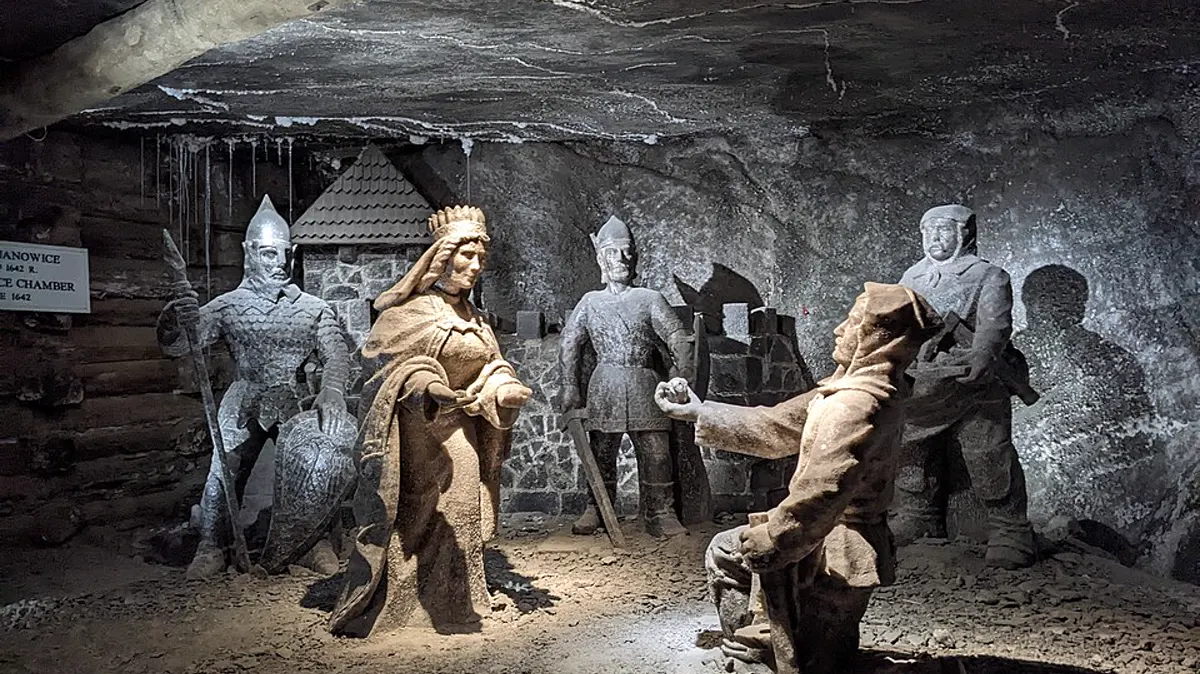
Wieliczka Salt Mine
A UNESCO-listed salt mine worked for seven centuries, with underground chapels, lakes and chambers carved entirely from rock salt.
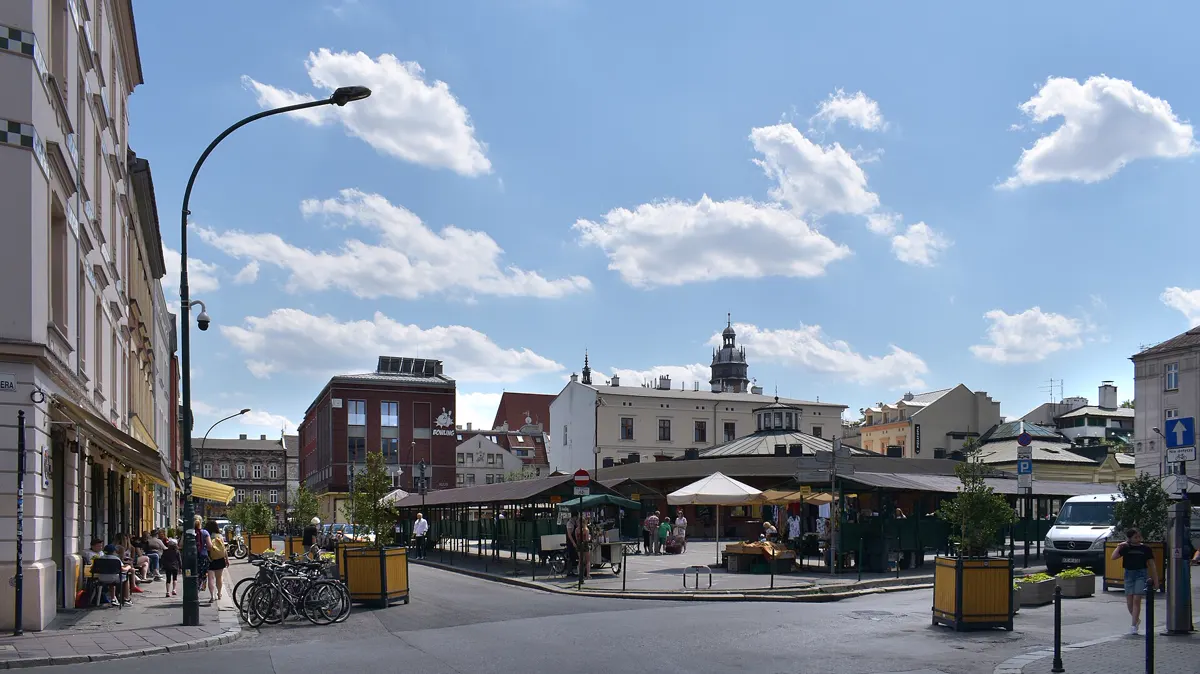
Plac Nowy (New Square)
Plac Nowy is the social centre of Kraków's Kazimierz district, a trapezoidal 19th-century square built around a round market hall whose windows now sell the city's famous zapiekanki.
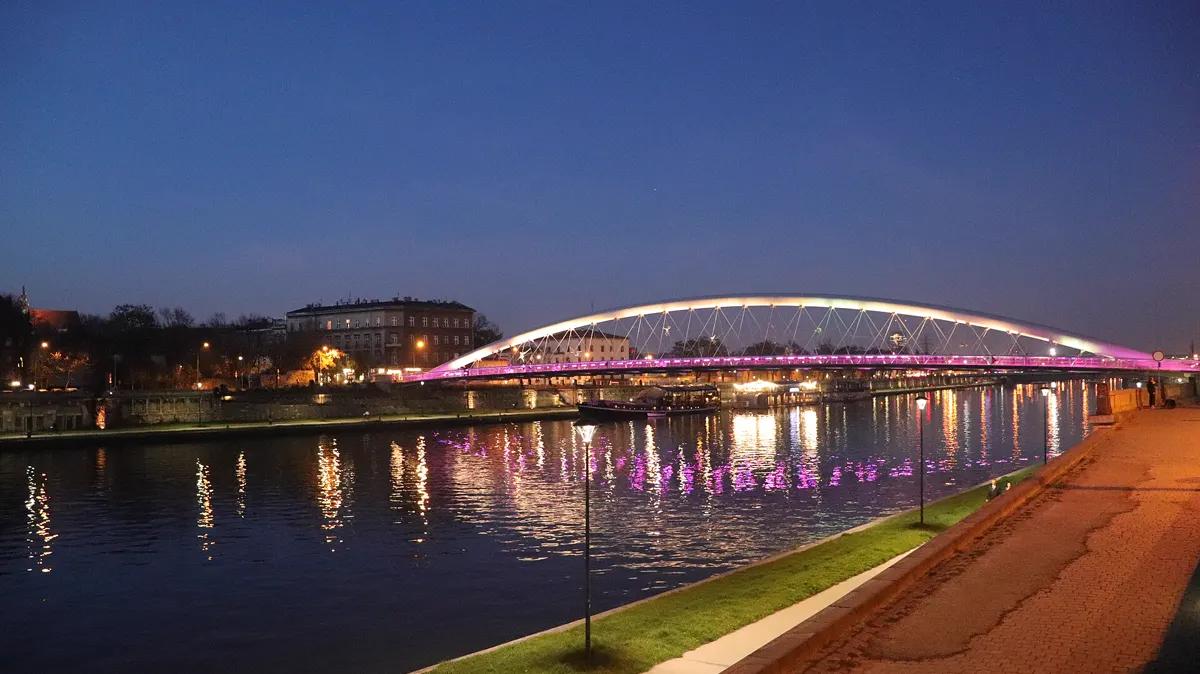
Father Bernatek Footbridge
A pedestrian and cycle bridge over the Vistula that connects Kazimierz with Podgorze, known for nine acrobat sculptures suspended above the water and its collection of love padlocks.
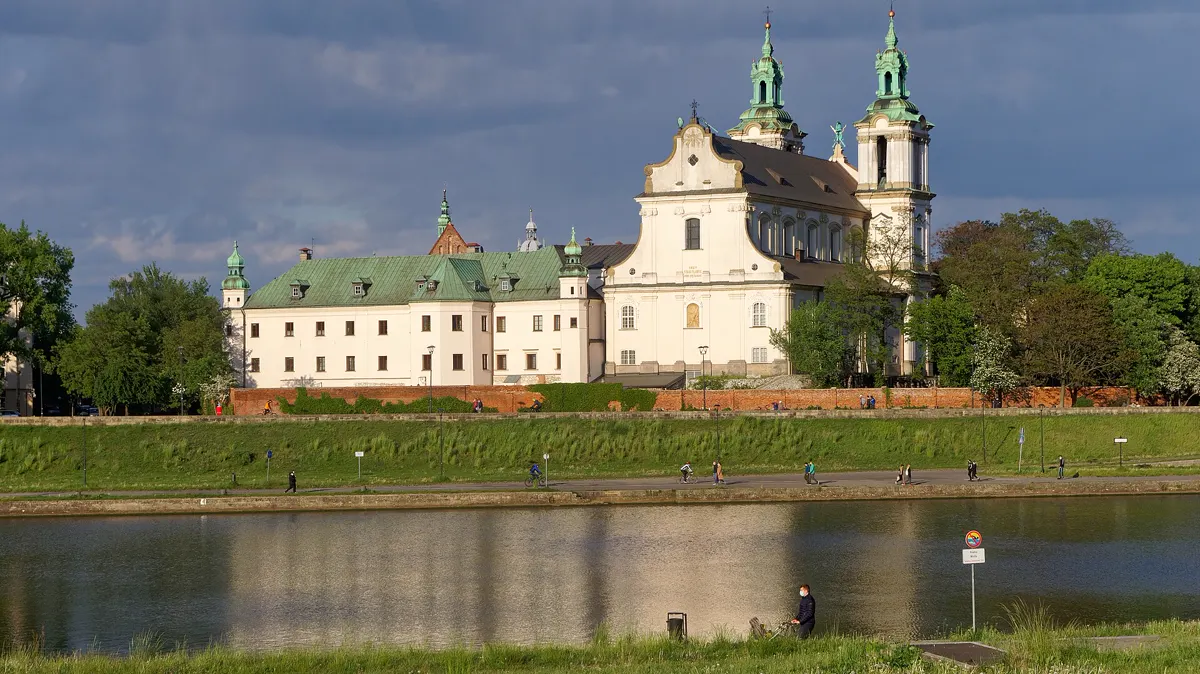
Skałka (Church on the Rock)
A Baroque Pauline church on Skałeczna Street in Kazimierz, built on the spot linked to the killing of Bishop Stanislaus in 1079, with a crypt that serves as a national pantheon for eminent Poles.
More to explore in Kraków
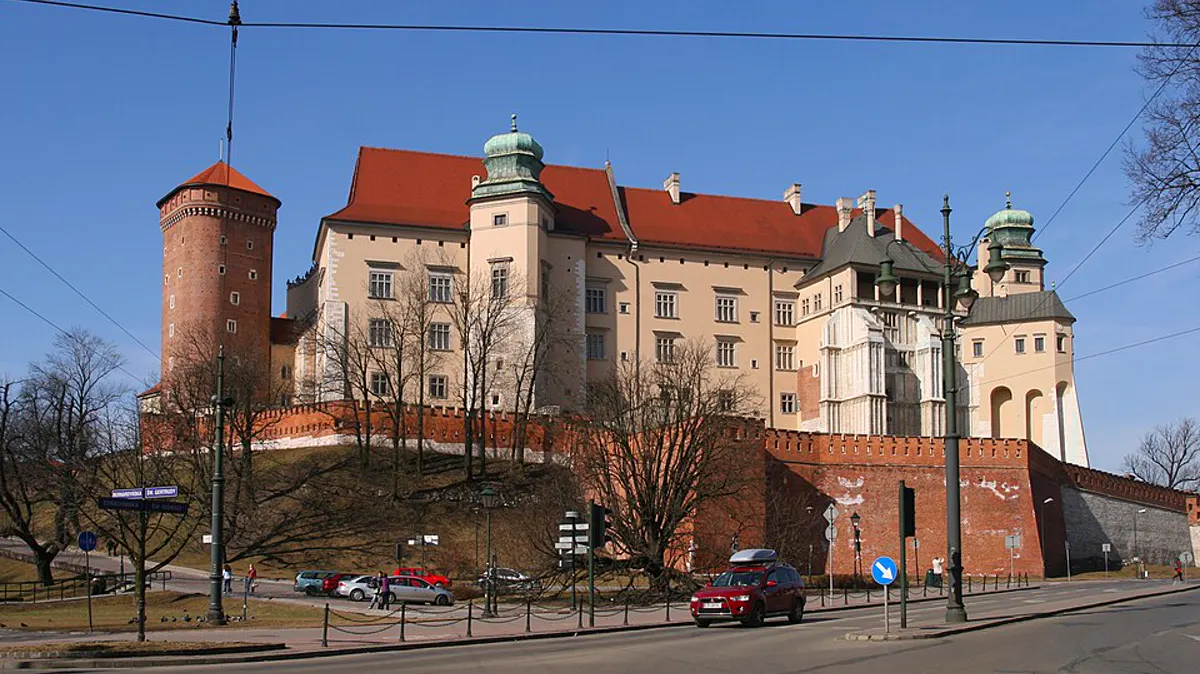
Castle
Wawel Castle
The royal castle and cathedral on the hill above the Vistula, the symbolic heart of the Polish nation for a thousand years.
Restaurant
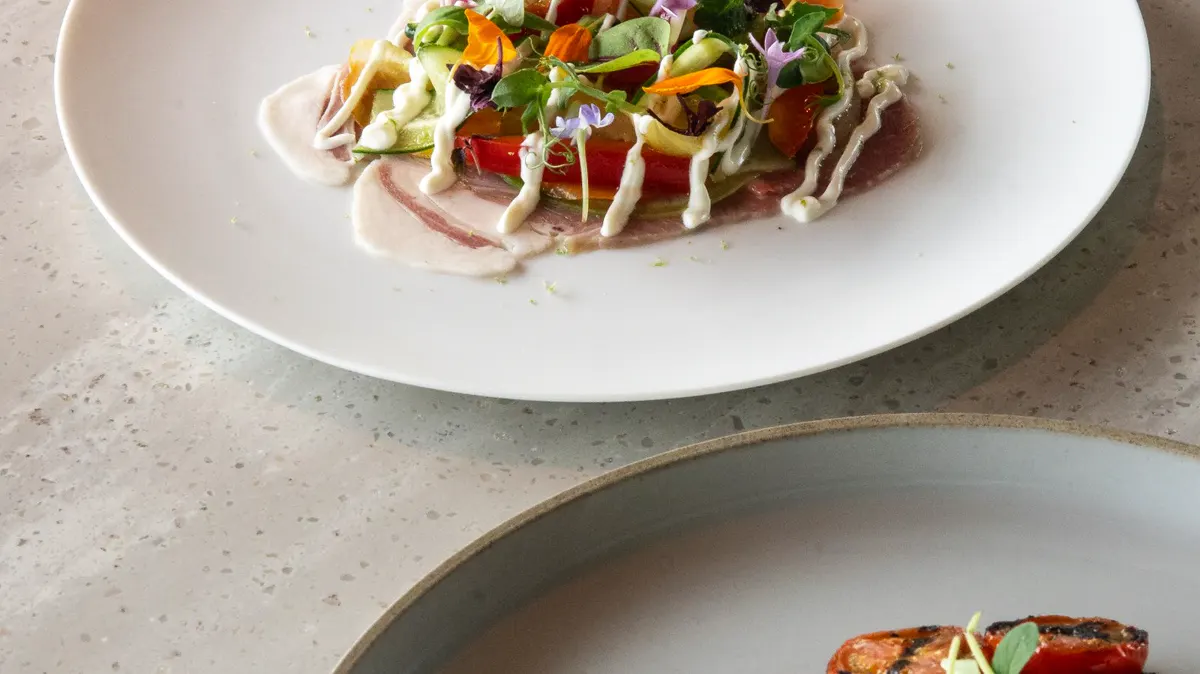
Bottiglieria 1881
Krakow's Michelin-starred tasting-menu room, a modern Polish kitchen paired with a deep wine cellar.
Hotel
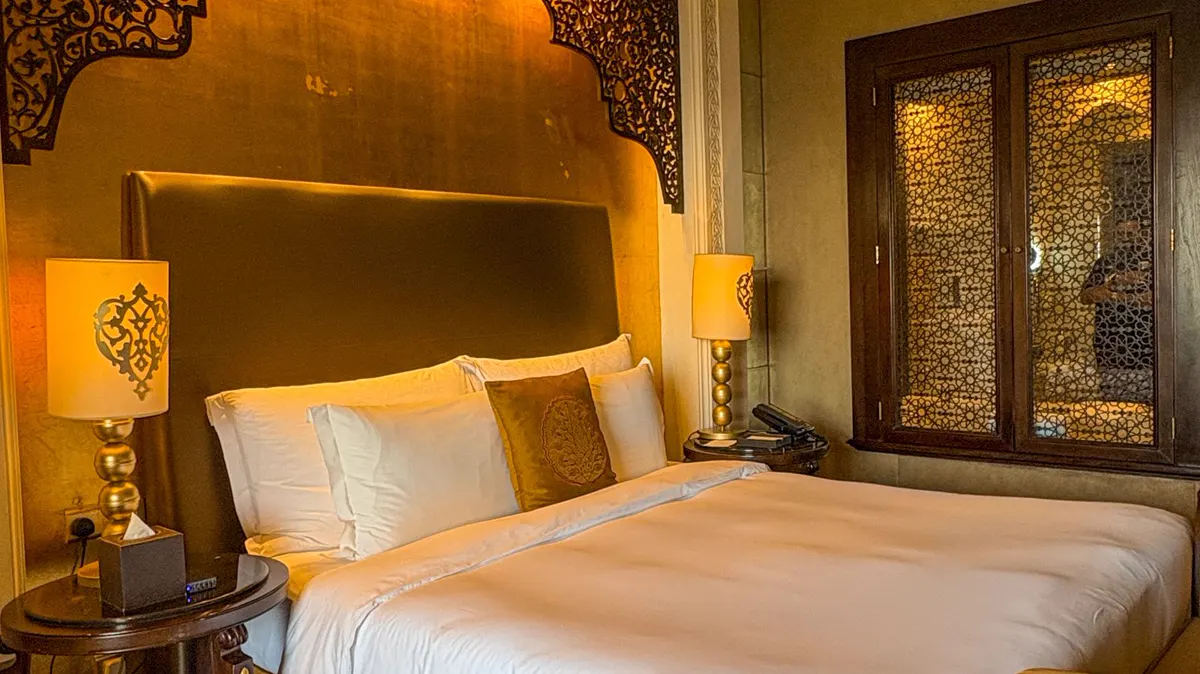
Hotel Copernicus
A Relais & Châteaux townhouse on the oldest street in the city, with a rooftop terrace facing Wawel.
Museum
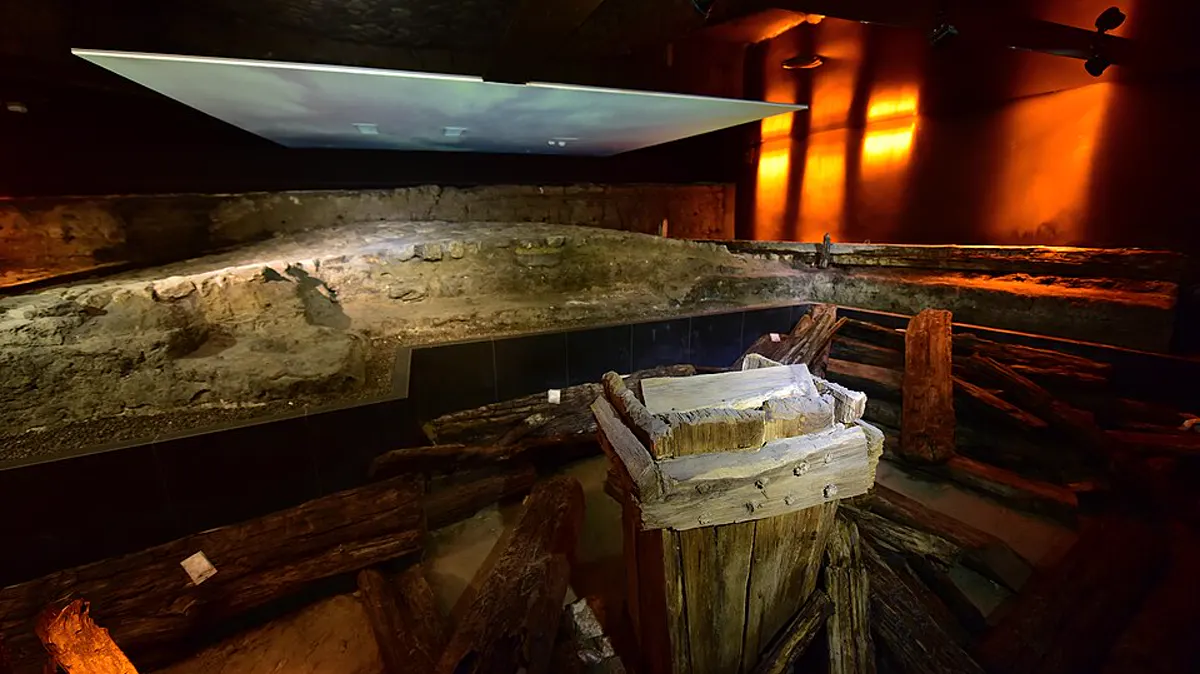
Rynek Underground
An atmospheric archaeology museum beneath the Main Square, walking you through the medieval market on its original cobbles.
Restaurant
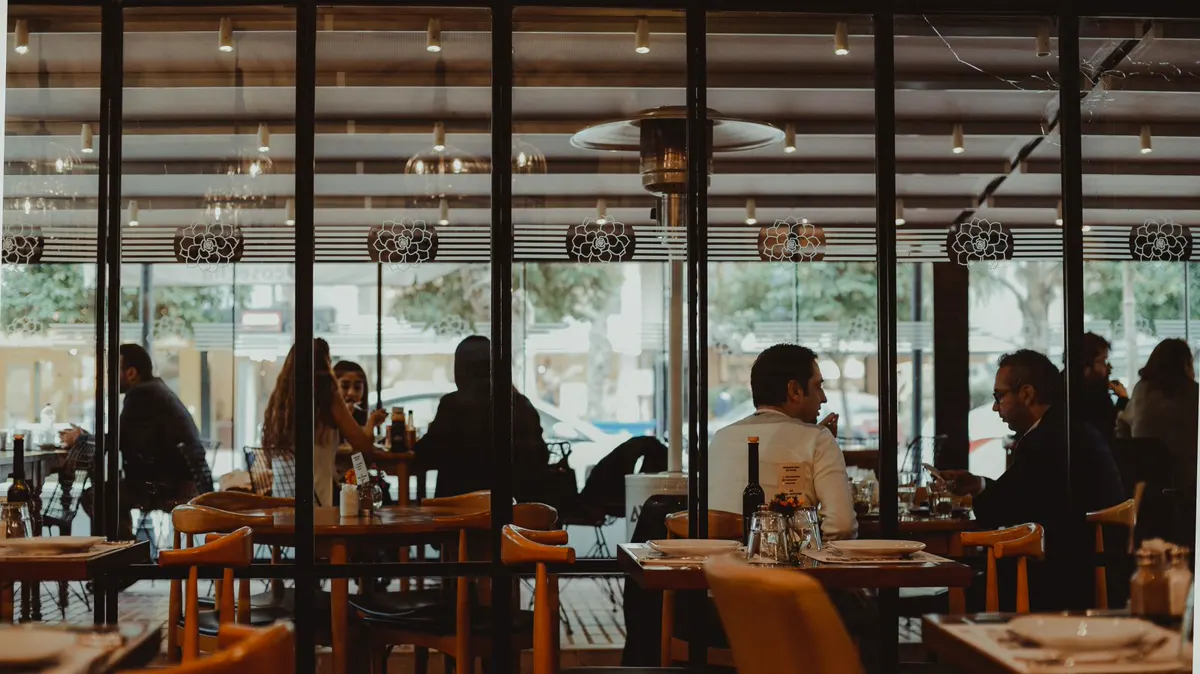
Charlotte
A French bakery-café on Plac Szczepanski with morning croissants, fresh bread and coffee under the trees.
Restaurant
Bar Mleczny Tomasza
A modern milk bar off the Rynek plating pierogi, pancakes and soups at canteen prices. The go-to for a filling Polish lunch without the tourist markup.