Attraction in Warsaw
Tomb of the Unknown Soldier and Saxon Garden
A national war memorial with an eternal flame and round-the-clock honour guard on Pilsudski Square, backed by one of Warsaw's oldest public parks.
Reviewed and updated July 2026
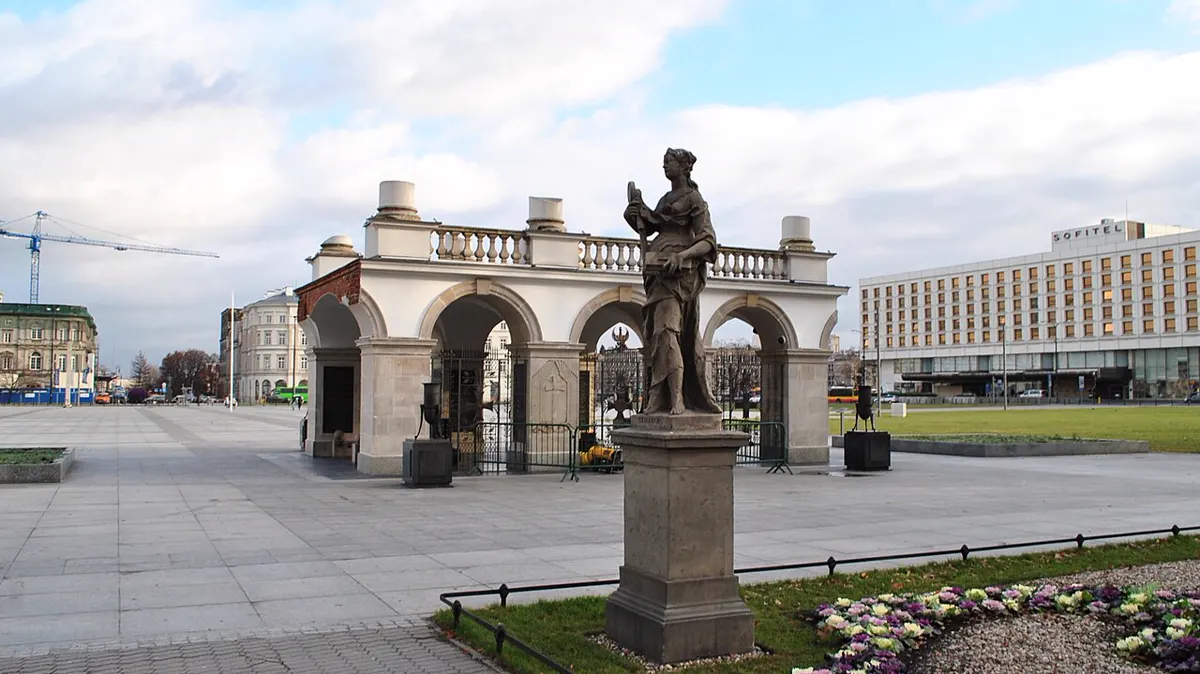
The Tomb of the Unknown Soldier is Poland's central war memorial, set under a surviving fragment of colonnade on Pilsudski Square in Warsaw, and people come to see the eternal flame and the honour guard that changes every hour, every day of the year. The colonnade is the only part of the Saxon Palace left standing after the destruction of 1944, which gives the monument its weight. Directly behind it opens the Saxon Garden, a Baroque public park from the 18th century, so a short visit takes you from solemn ceremony to open green space in a few steps.
The flame, the guard and the colonnade
The memorial sits within a stone fragment of colonnade, all that remains of the Saxon Palace that once stood here before it was demolished in 1944. An eternal flame burns at the tomb, and a military honour guard keeps watch and changes every hour, throughout the day and night, on every day of the year. The changing of the guard is the moment most visitors wait for, a short drilled ceremony worth timing your arrival around. Stone tablets set into the structure record battles and places tied to Poland's fallen.
Why one grave stands for a nation
Since 1925 the tomb has held the remains of an unidentified soldier who died in the defence of Lwow, chosen to honour all of Poland's fallen rather than any single name. That idea, one anonymous soldier standing for every soldier lost, is why the site has become the focus for state commemorations and official wreath-laying. Placing it under the ruined palace colonnade also ties the memorial directly to the wartime destruction of Warsaw itself.
Stepping into the Saxon Garden
Behind the tomb the Saxon Garden (Ogrod Saski) opens out, a Baroque park laid out in the 18th century and among the oldest in the city. It was created as the grounds of the Saxon Palace and later opened to the public, with tree-lined avenues, a fountain and Baroque statues along the paths. After the formality of the memorial it is an easy place to slow down, sit for a while and let children run about.
Fitting it into a Warsaw visit
Pilsudski Square sits in Srodmiescie, within walking distance of the Old Town, Krakowskie Przedmiescie and the Royal Route, so the tomb and garden slot naturally into a central walking day. Many visitors pass through on the way between the Old Town and the wider city centre, pausing for the guard change before continuing on. For ideas on linking it with other sights nearby, see our Warsaw guide.
Good to know
The honour guard changes every hour on the hour, day and night, all year, so plan to arrive a few minutes before to catch the full ceremony.
Frequently asked questions
More attractions in Warsaw
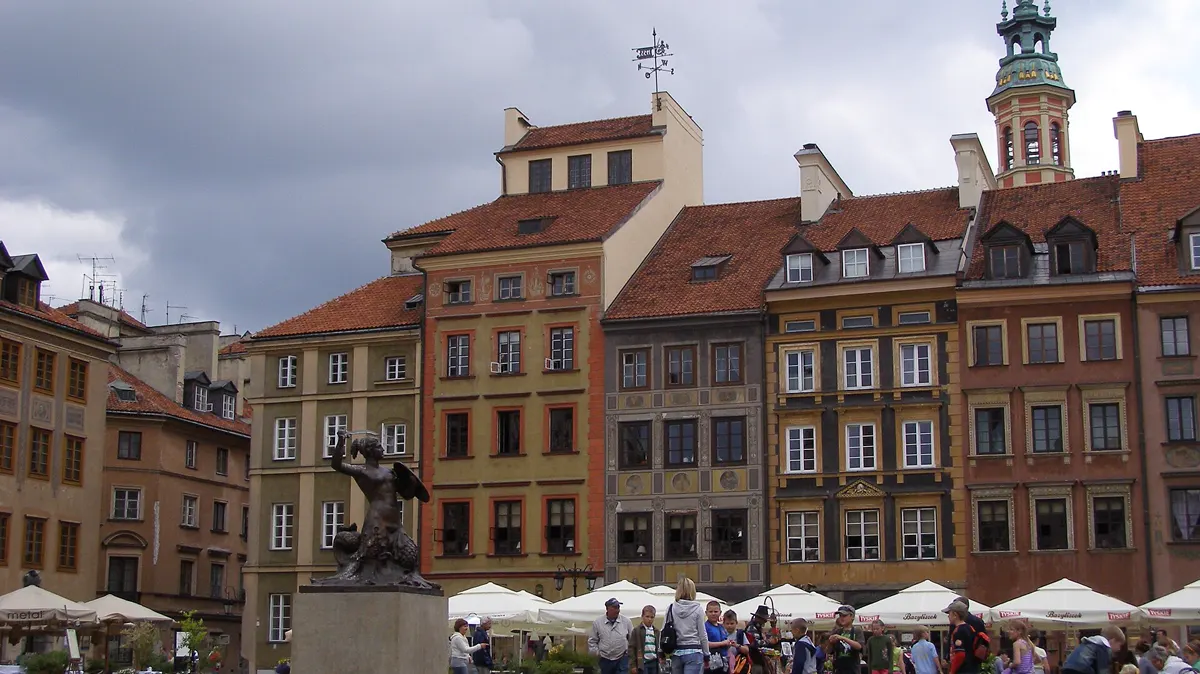
Old Town Market Square
The reconstructed heart of Warsaw Old Town, a UNESCO-listed feat of post-war rebuilding ringed by colourful townhouses.
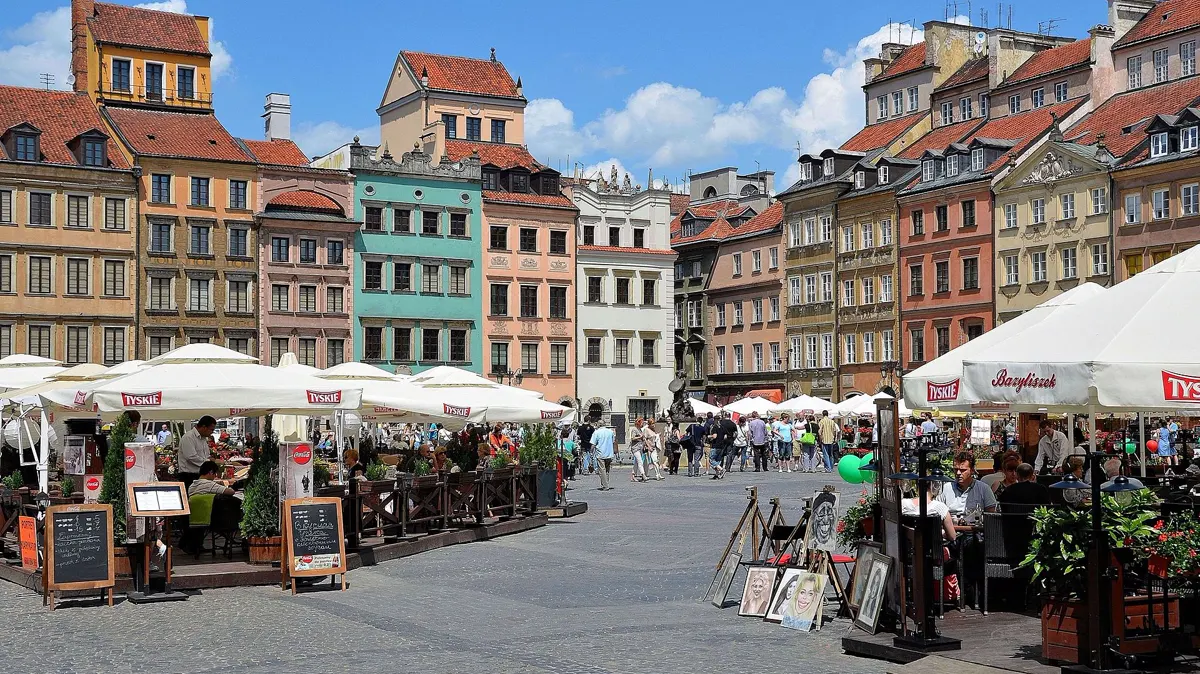
Stare Miasto (Warsaw)
Warsaw's Old Town was rebuilt from rubble after World War II so faithfully that UNESCO added it to the World Heritage list. Its Market Square is lined with pastel merchant houses and centred on the bronze Mermaid statue, the city's symbol.
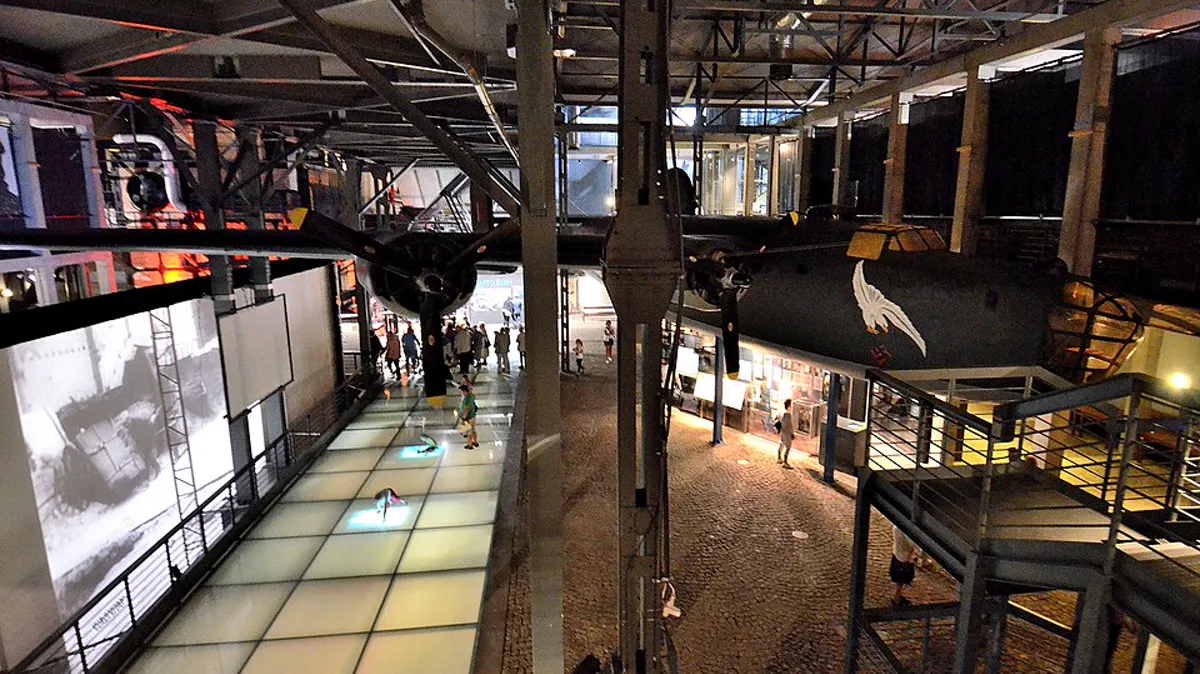
Muzeum Powstania Warszawskiego
The Warsaw Uprising Museum documents the 63-day insurrection of 1944 through survivor recordings, a replica Liberator bomber, and a beating-heart sound installation. It sits in a former tram power station in the Wola district.
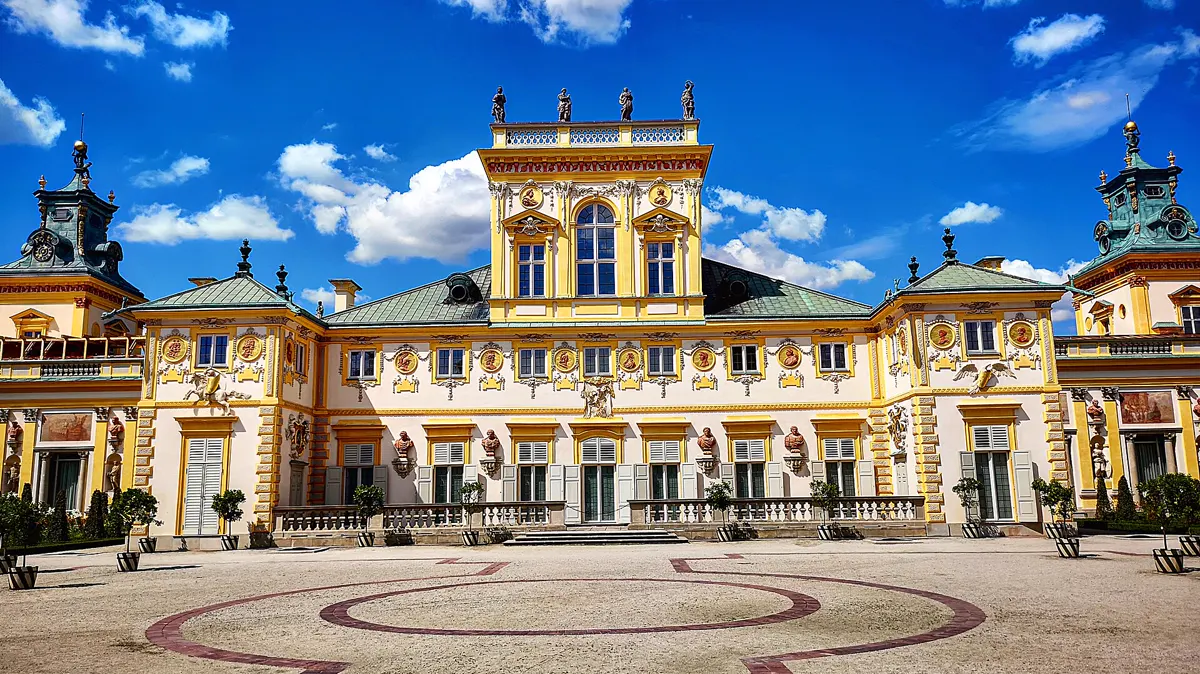
Palac w Wilanowie
Wilanow Palace was the baroque summer residence of King Jan III Sobieski and survived the war intact, earning it the nickname the Polish Versailles. Its formal gardens and gilded interiors draw crowds year round.
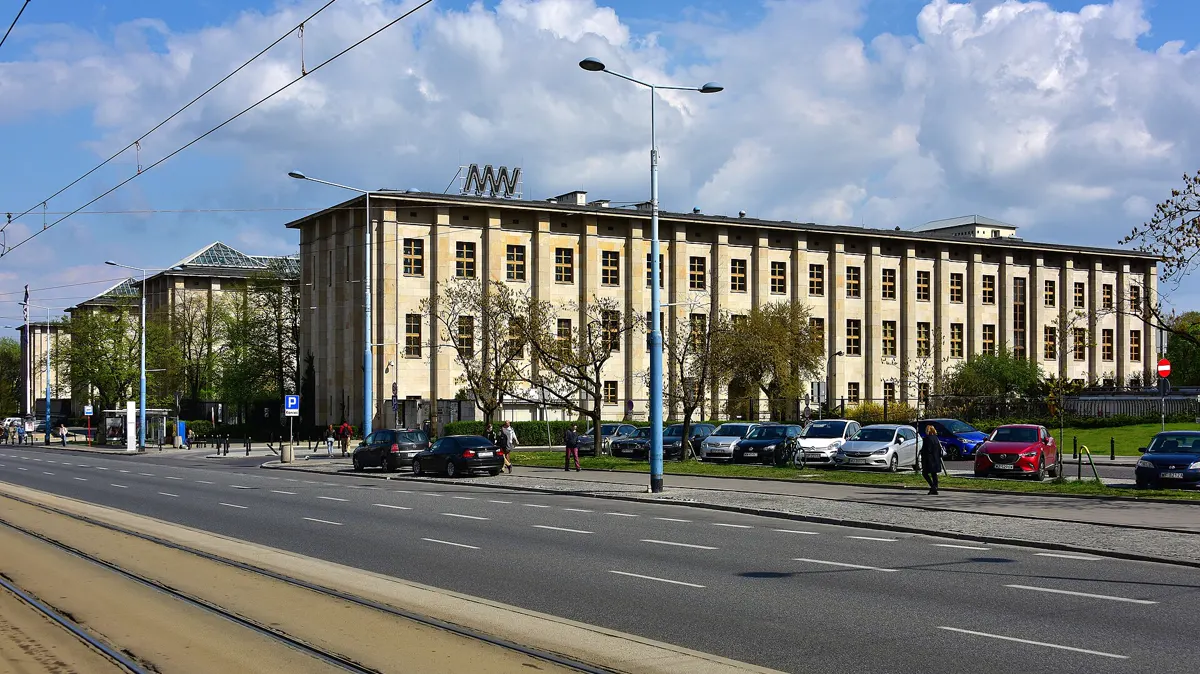
National Museum in Warsaw
One of Poland's largest art museums, founded in 1862 and home to Polish painting, European old masters and the Faras Gallery of early Christian frescoes from Sudan.
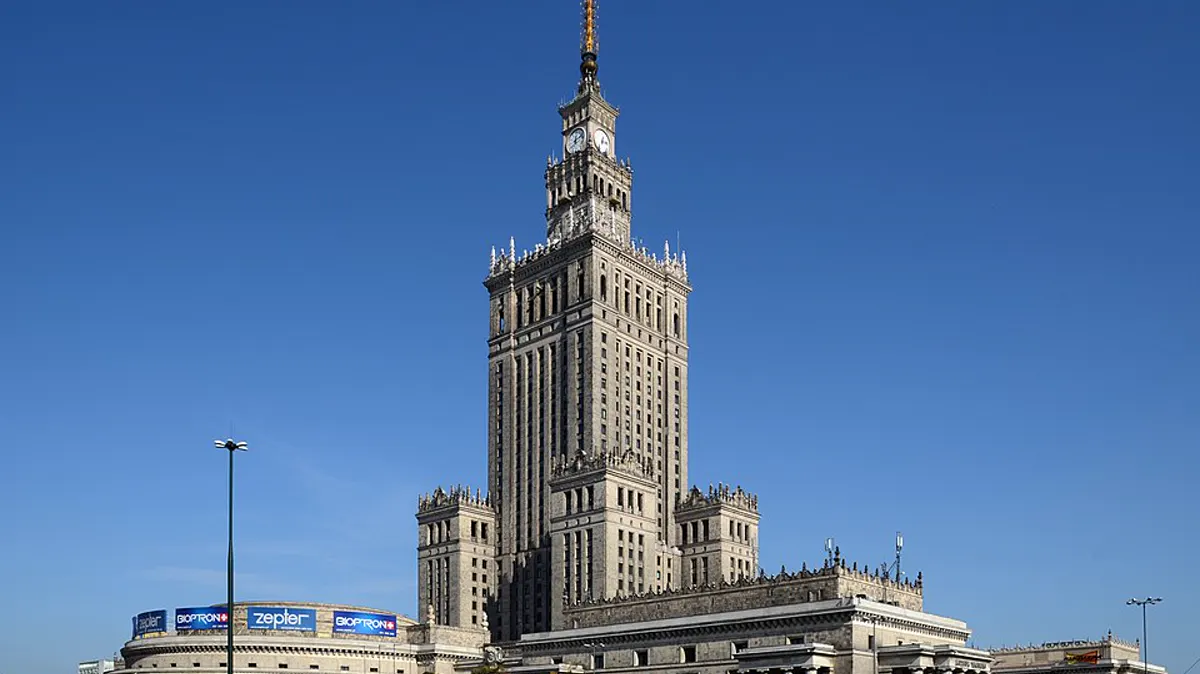
Palac Kultury i Nauki
The Palace of Culture and Science is Poland's tallest building at 237 metres, a Stalinist gift from the Soviet Union completed in 1955. Its 30th-floor terrace offers the best panorama of the modern skyline.
More to explore in Warsaw

Restaurant
Nolita
A Michelin Guide-listed kitchen turning Polish produce into precise modern tasting menus.
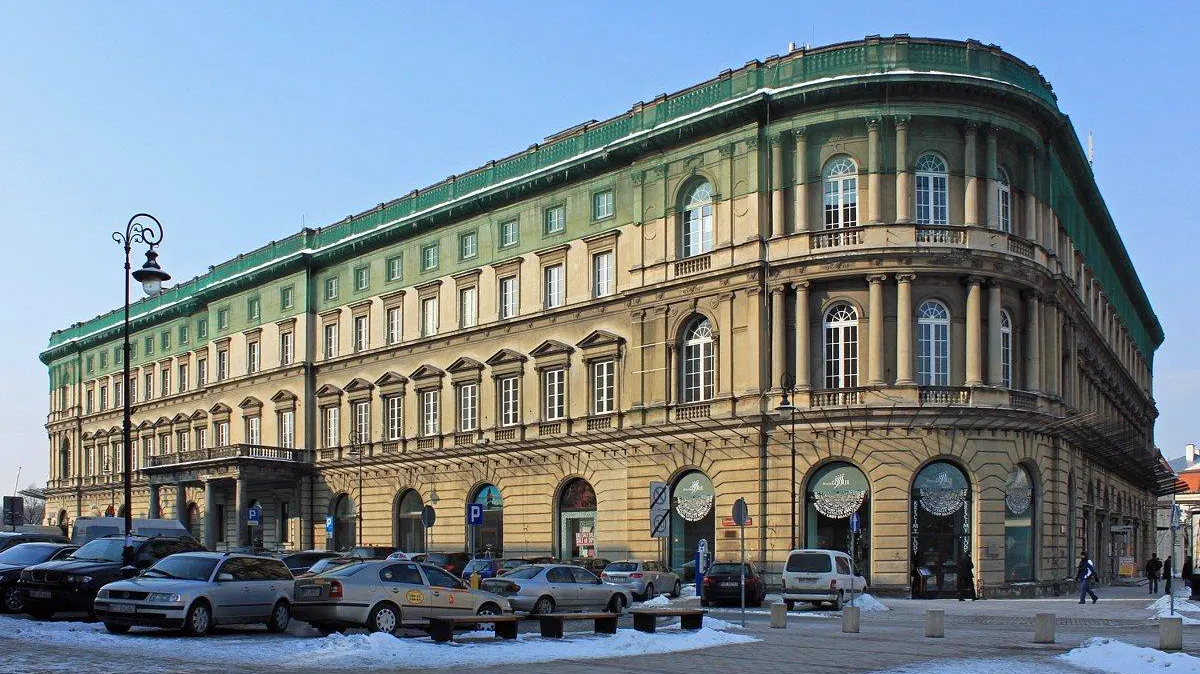
Hotel
Raffles Europejski Warsaw
A landmark 19th-century hotel on the Royal Route, reborn with a serious art collection.
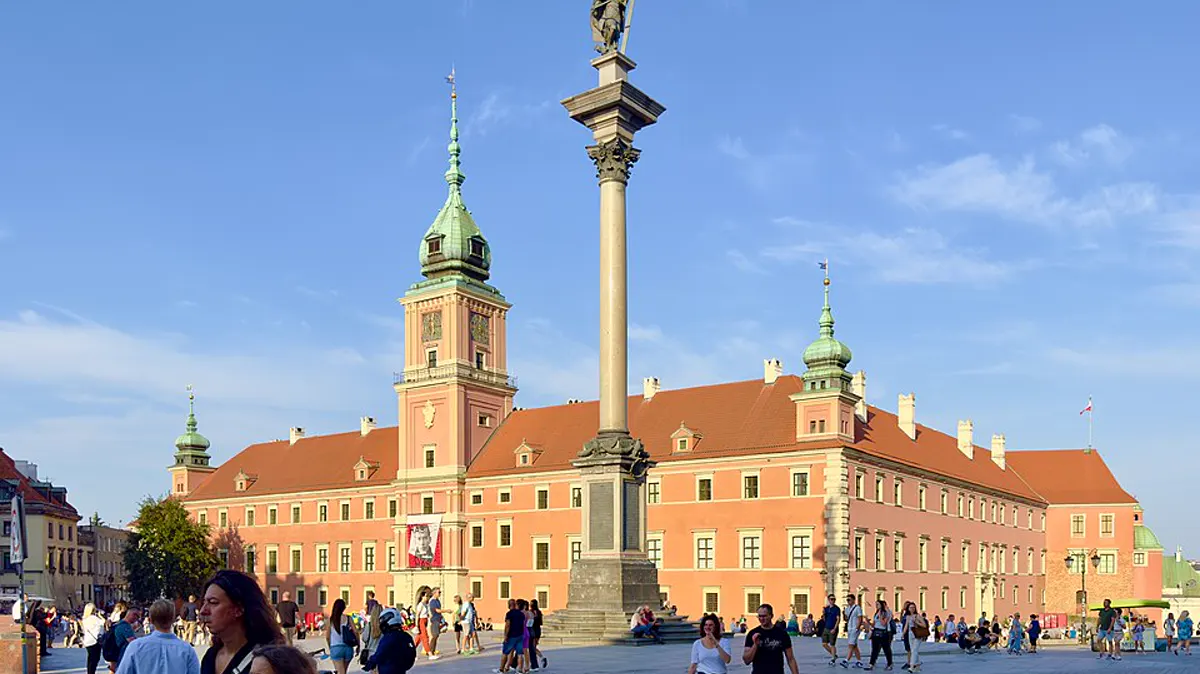
Castle
Royal Castle
The reconstructed seat of Polish kings and parliament on Castle Square, rebuilt from rubble after wartime destruction.

Museum
POLIN Museum of the History of Polish Jews
An award-winning museum tracing a thousand years of Jewish life in Poland, on the site of the former Warsaw Ghetto.
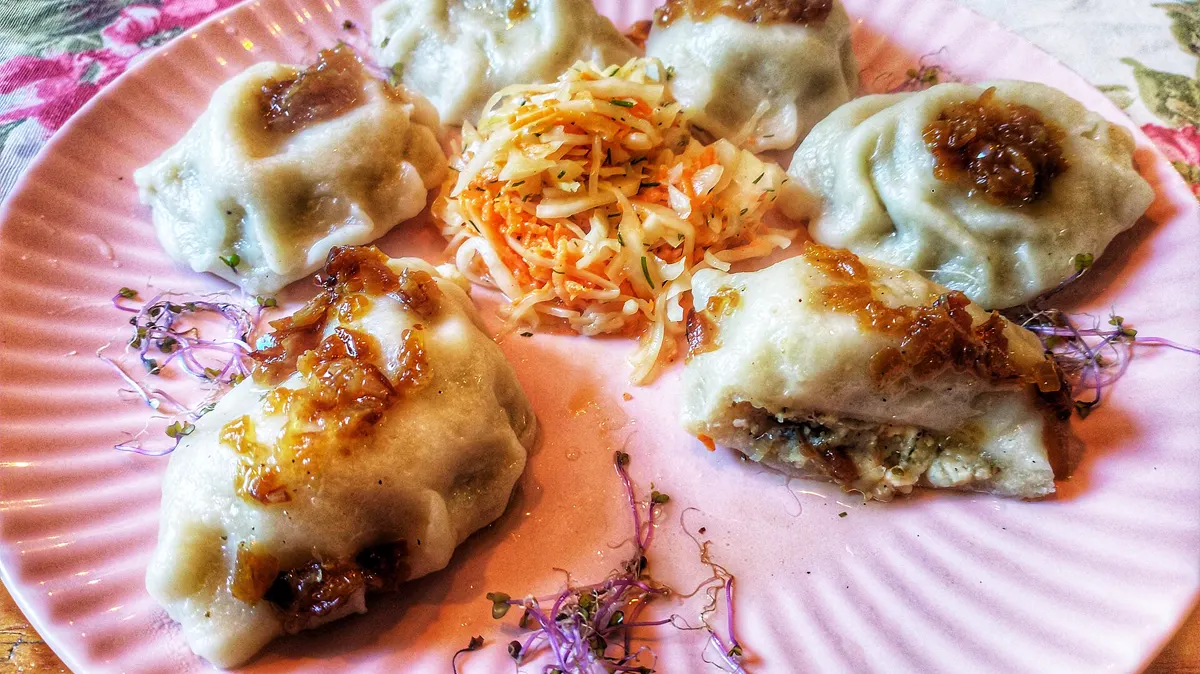
Restaurant
Zapiecek
A dependable chain of folk-styled pierogi houses along the Royal Route, good for a first taste of Polish dumplings.
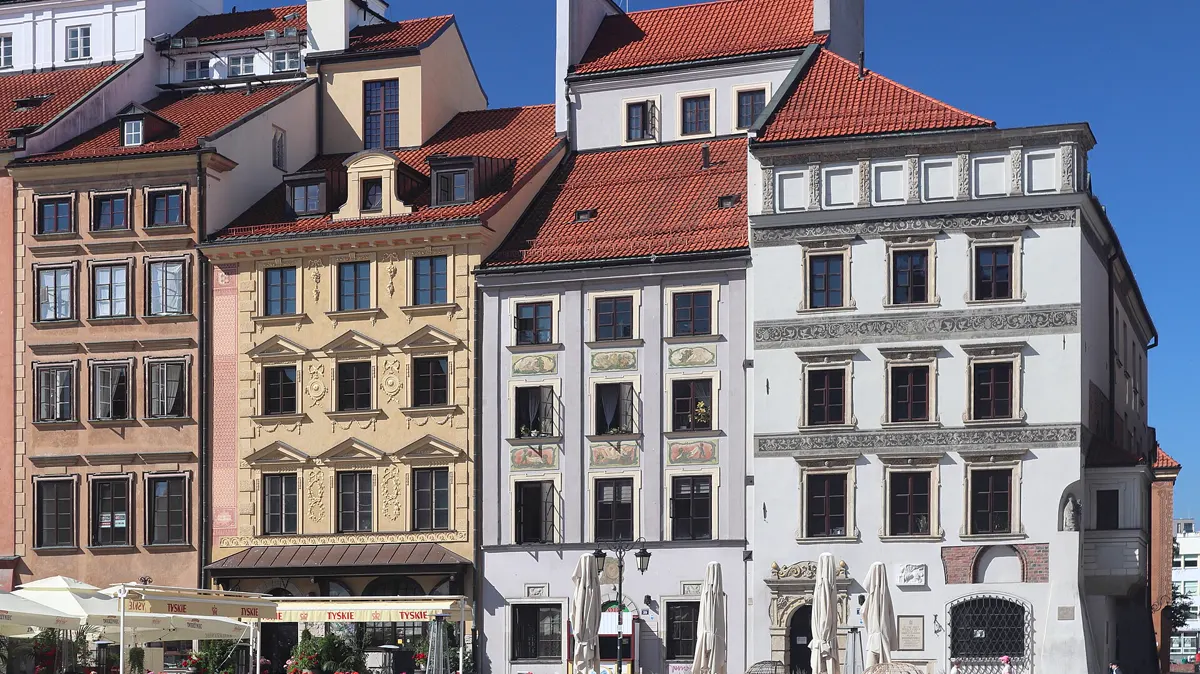
Hotel
Hotel Verte, Autograph Collection
A design-led boutique hotel inside restored Old Town tenements on Plac Zamkowy, blending exposed brick with contemporary interiors. About as close as you can sleep to the Royal Castle.