Attraction in Zamość
Old Lublin Gate (Stara Brama Lubelska)
The oldest of Zamość's fortress gates, built in the 1580s and later sealed shut, standing on the northern line of the Old Town defences.
Reviewed and updated July 2026
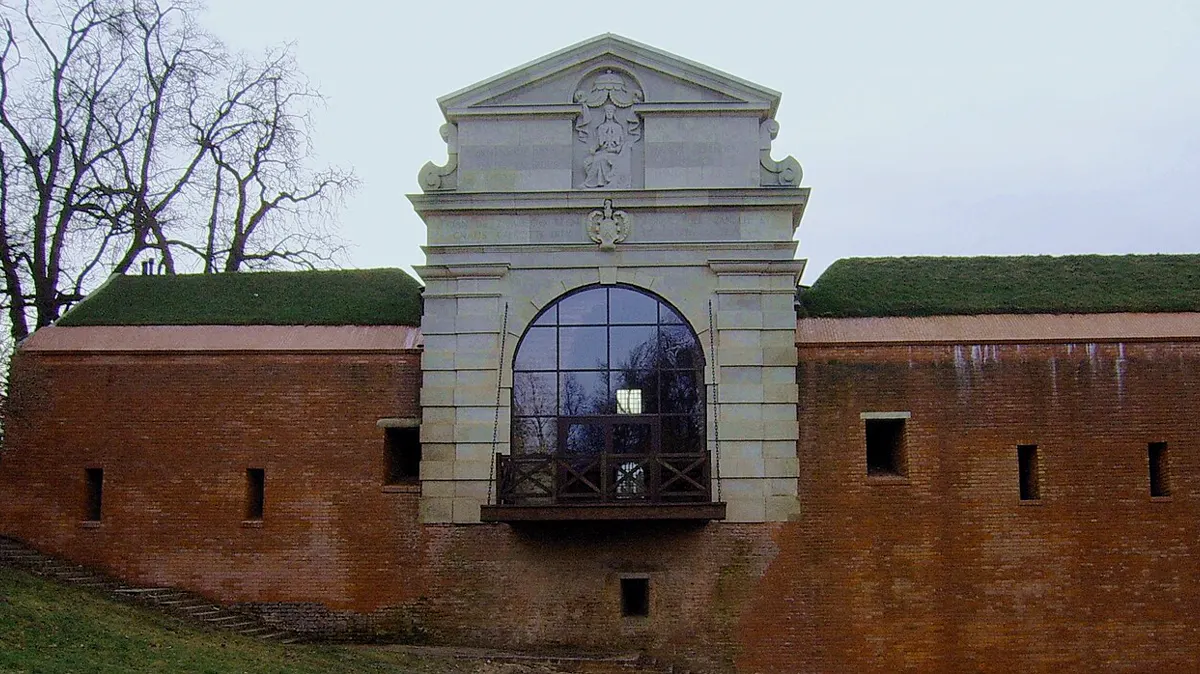
The Old Lublin Gate (Stara Brama Lubelska) is the oldest of Zamość's fortress gates, built between 1582 and 1585 and later bricked up and closed off, which is exactly why people come to see it. Rather than a working entrance, it survives as a sealed stone arch on the northern edge of the Old Town, tied to one of the more dramatic episodes in the city's early history.
What you see at the gate today
What stands here is a walled-up gateway rather than an open passage, its arch closed with brickwork so that the structure reads as part of the fortress wall itself. It sits on the northern fortress line of the Old Town, so a visit is really about reading the defences up close: the masonry, the sealed opening and the way the old gate relates to the newer one built beside it. Because it is an exterior monument, you can look at it freely at any time.
The story behind the walling-up
Tradition connects the sealing of the gate to the capture of the Habsburg pretender Archduke Maximilian, who was brought into Zamość through this entrance in 1588. According to that account, the gate was bricked up afterwards to mark the event, which is how the oldest of the city's gates came to be permanently closed. Whether taken as fact or as local legend, the tale is the reason this otherwise plain arch carries such weight in Zamość's history.
The Old and New Lublin Gates together
Because the old gate was sealed, the New Lublin Gate (Nowa Brama Lubelska) was built nearby in 1821 to 1822 to carry the traffic the original could no longer handle. Seeing the two side by side is the point: one gate from the 1580s, closed and silent, and its early nineteenth-century replacement a short distance away. The pairing shows how Zamość's fortifications were adapted over more than two centuries rather than simply abandoned.
Fitting it into a Zamość visit
This is a short stop rather than a main event, and it works best folded into a walk around the northern walls of the Old Town. The Children of Zamość Region memorial stands close by, so many visitors take in both together, giving the walk a reflective note alongside the fortress history. For where these sit in relation to the Great Market Square and the rest of the fortifications, see the Zamość guide.
Good to know
The gate is an outdoor monument on the northern walls with no interior to enter, so allow only a few minutes and combine it with the nearby New Lublin Gate and the Children of Zamość Region memorial.
Frequently asked questions
More attractions in Zamość
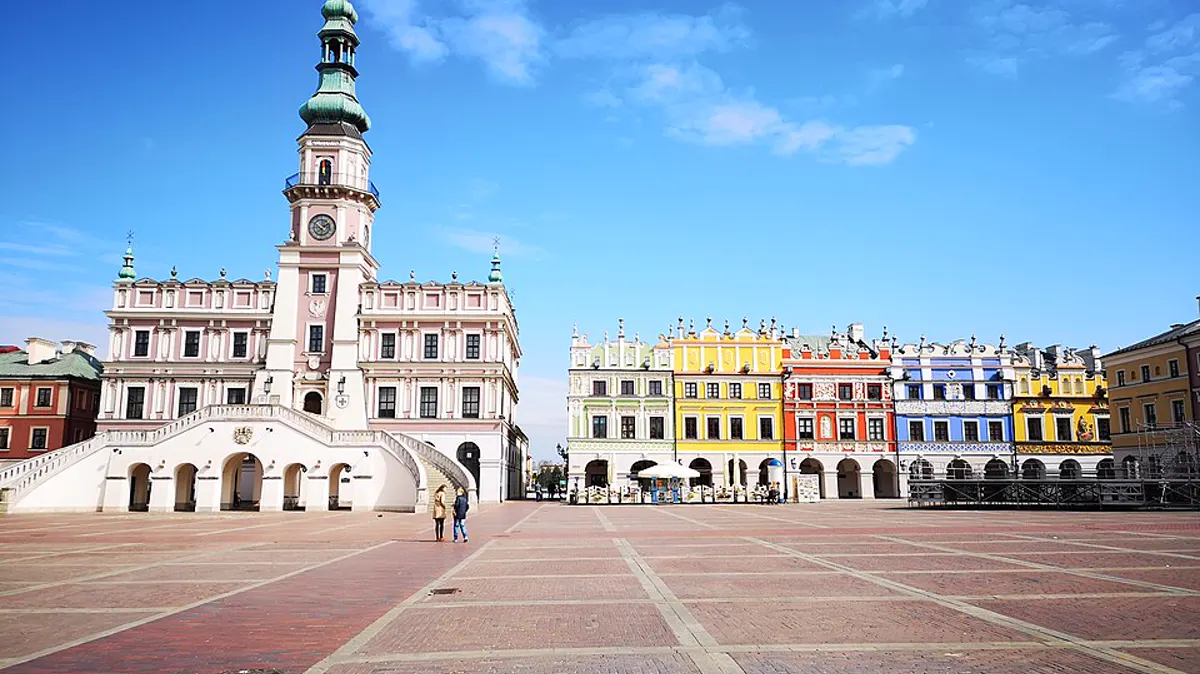
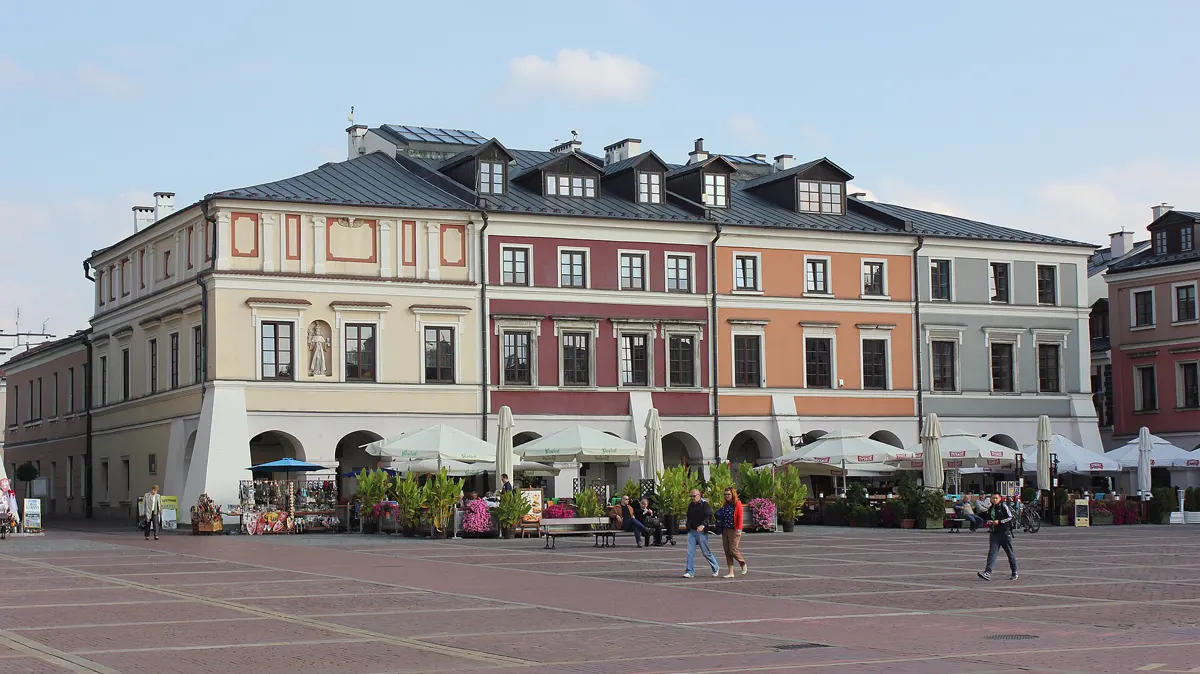
Great Market Square, Zamosc
A near-perfect Renaissance square of arcaded, pastel burgher houses, the centrepiece of a sixteenth-century ideal city.
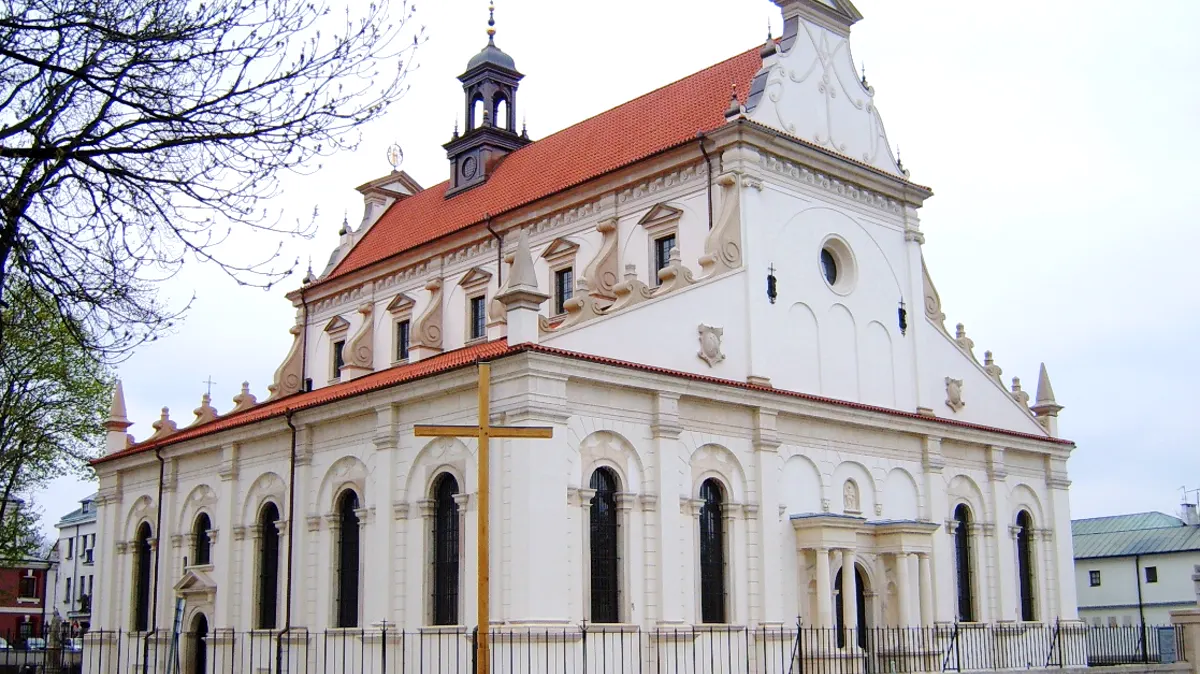
Zamość Cathedral (Cathedral of the Resurrection and St Thomas the Apostle)
One of Poland's finest Renaissance churches, designed by Bernardo Morando and paid for by Jan Zamoyski, raised to cathedral rank in 1992.
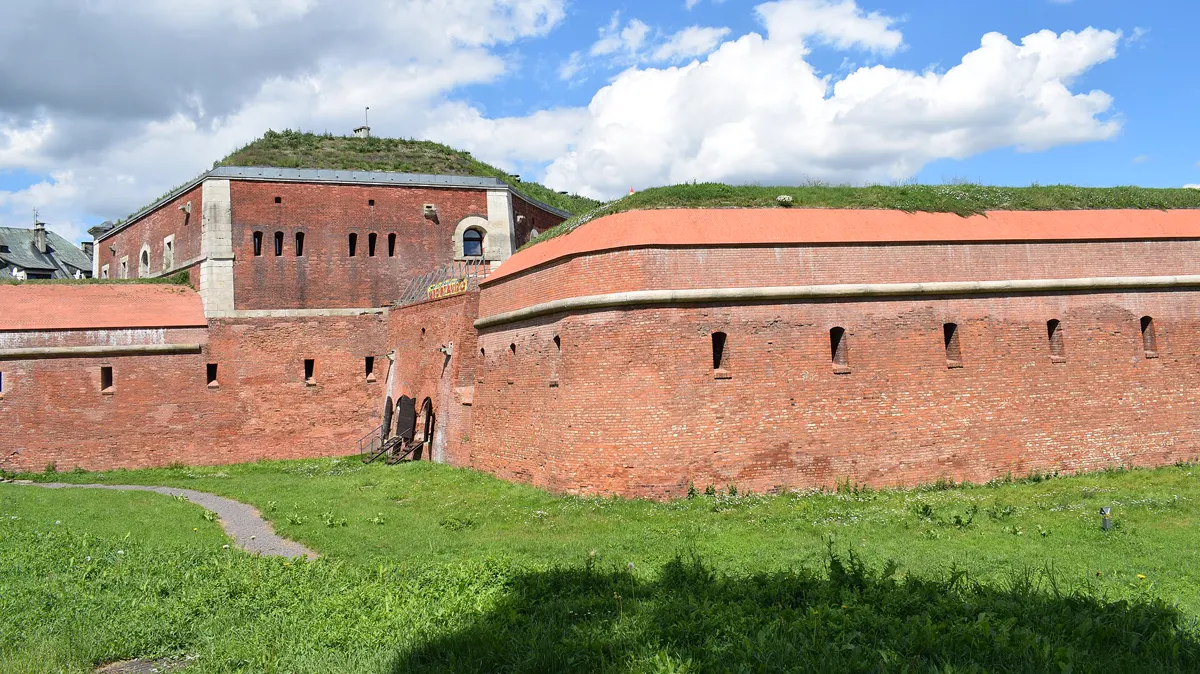
Bastion VII Underground Tourist Route (Nadszaniec)
A half-kilometre walk through the casemates and galleries of Bastion No 7, the biggest bastion of a fortress that was never taken by an enemy.
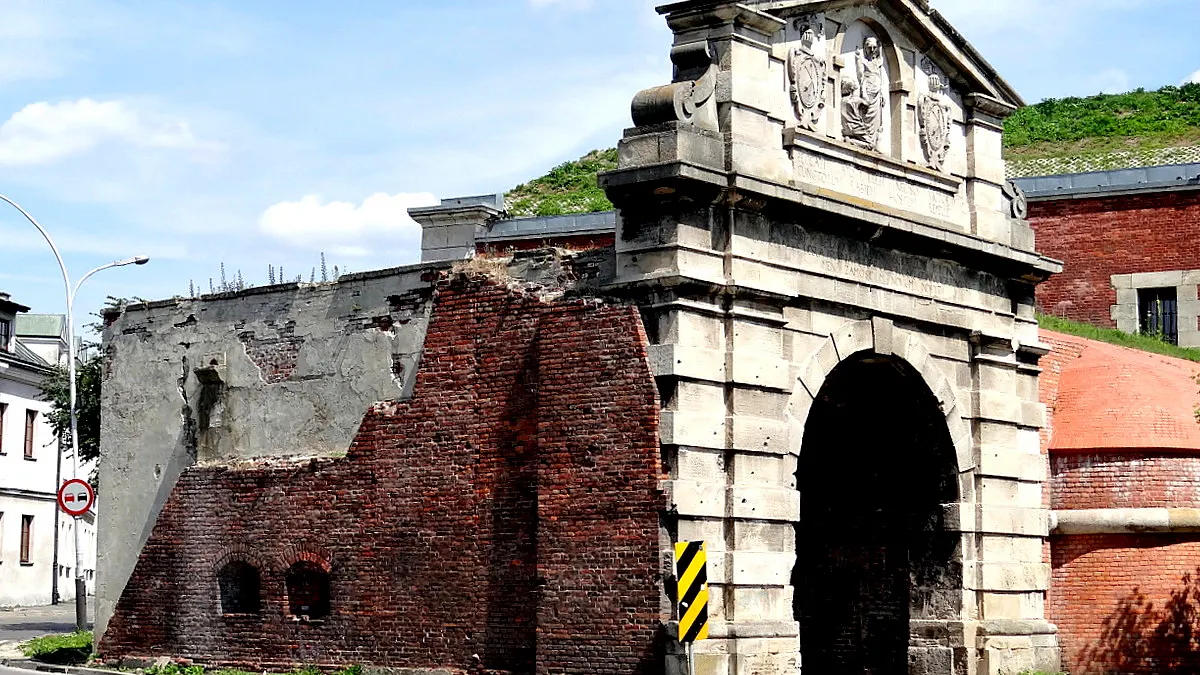
Lwów Gate (Lviv Gate)
A Mannerist gateway built around 1597 to 1599 on the southeastern edge of Zamość's fortified Old Town, once fitted with a drawbridge on the road toward Tomaszów and Lviv.
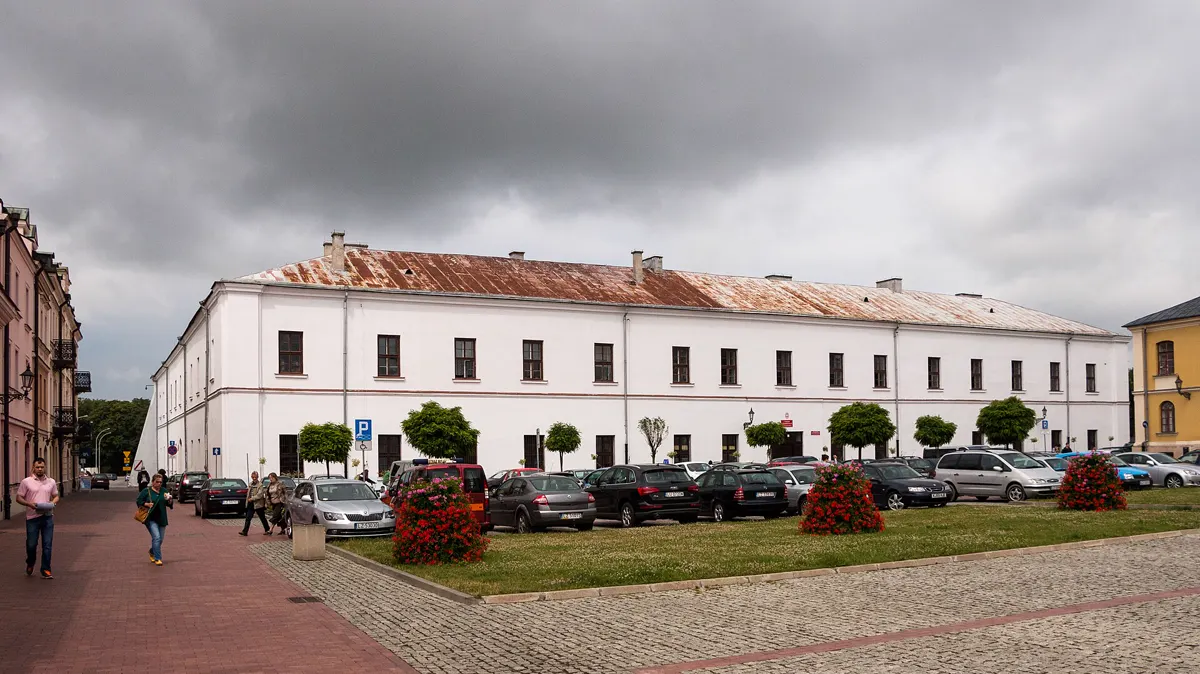
Zamoyski Academy
The Zamoyski Academy was Poland's first private university, founded in 1594 by Crown Chancellor Jan Zamoyski. Its restored late-Baroque building stands in Zamość Old Town and now houses a high school.
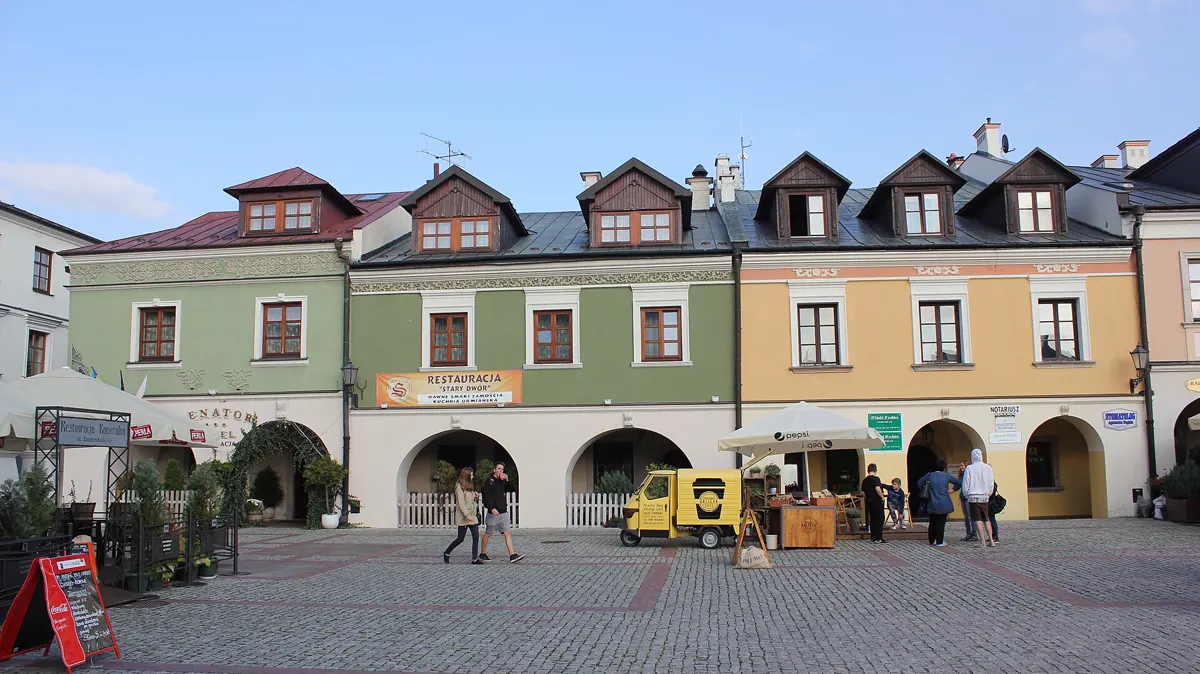
Salt Market (Rynek Solny)
Rynek Solny is one of Zamość's two smaller market squares, named for the salt trade that once passed through it and marked today by a large ship's anchor.
More to explore in Zamość
Museum
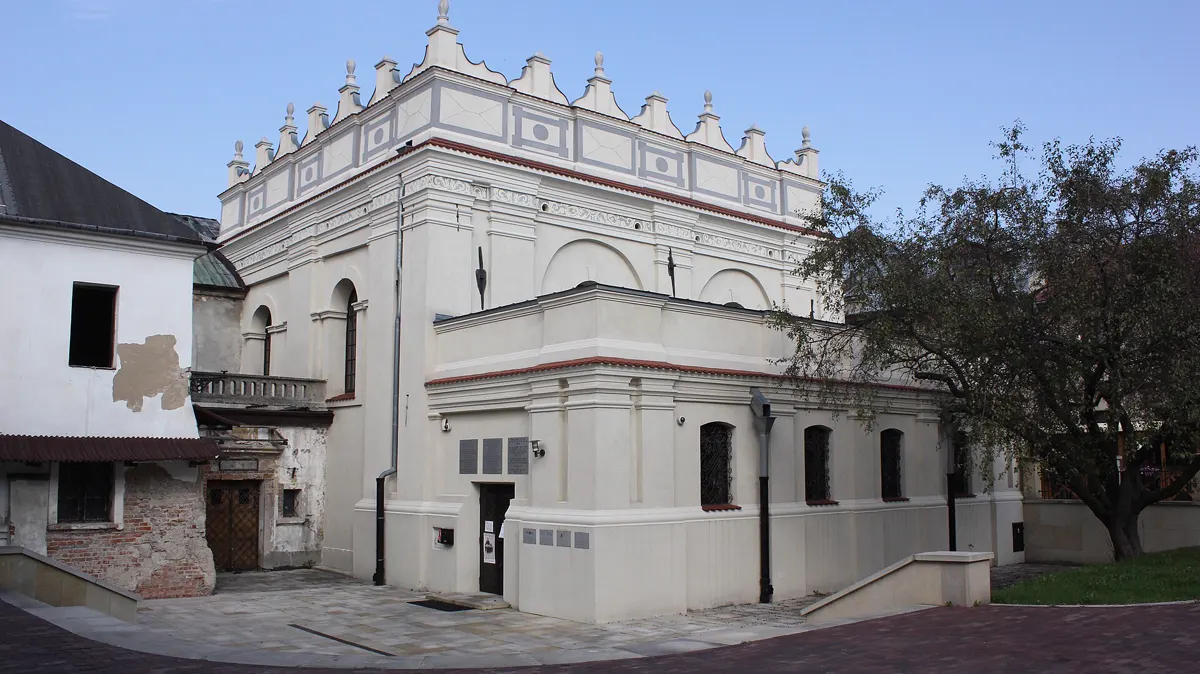
Zamość Synagogue (Synagogue Centre)
A rare surviving Renaissance synagogue of about 1618, restored by the Foundation for the Preservation of Jewish Heritage and reopened in 2011 as a cultural centre with a multimedia exhibition on the town’s Jewish heritage.
Museum
Zamość Rotunda (Museum of Martyrdom of the Zamość Region)
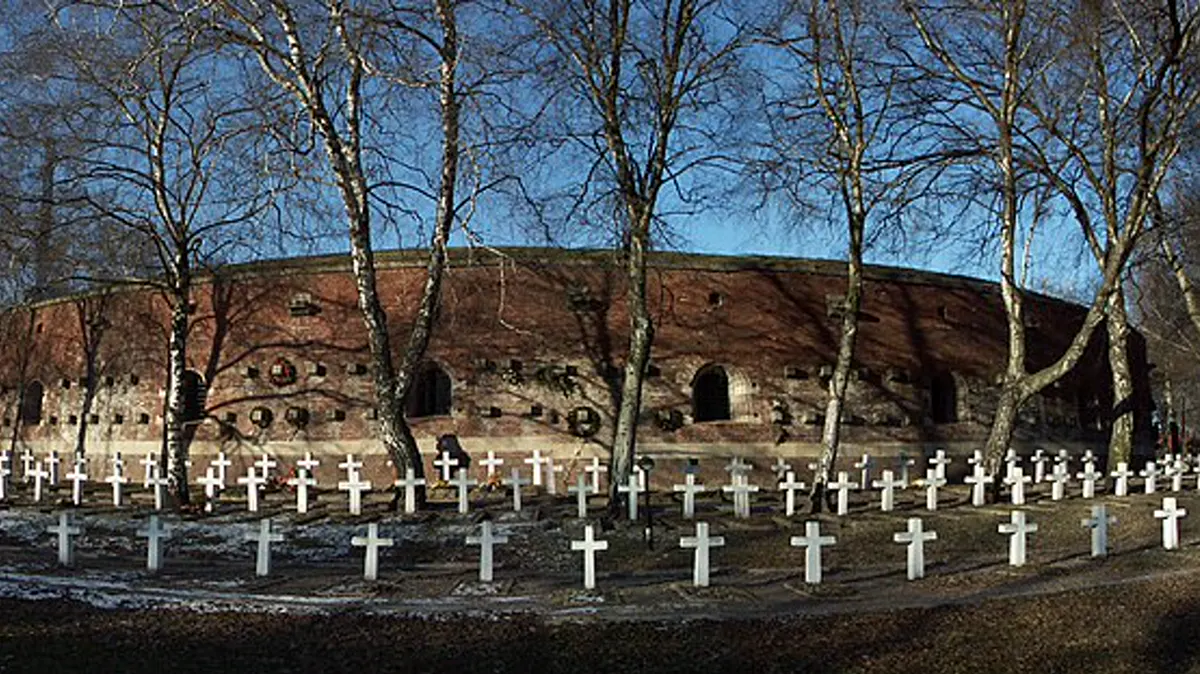
A 19th-century circular fort that the Gestapo turned into a place of execution during WWII, now a museum of martyrdom for the Zamość region.
Museum
Muzeum Zamojskie (Museum of Zamość, Armenian Houses)
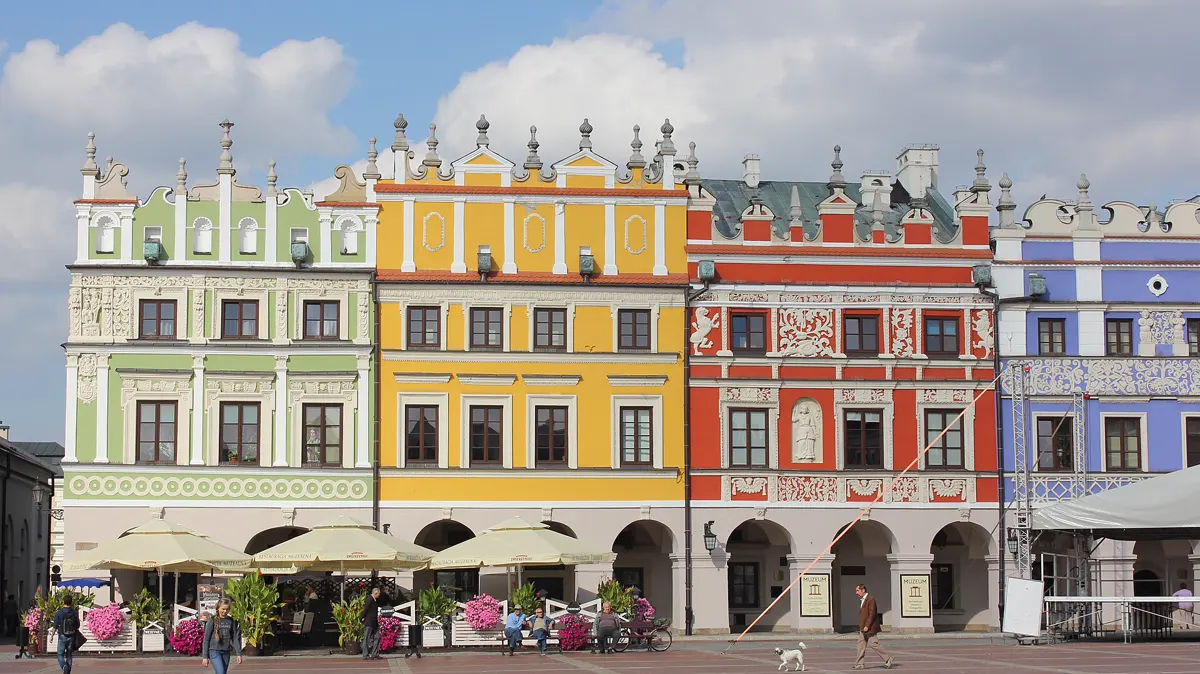
The town museum set inside the ornately decorated 17th-century Armenian houses on the Great Market Square.
Restaurant
Restauracja Muzealna Ormiańskie Piwnice
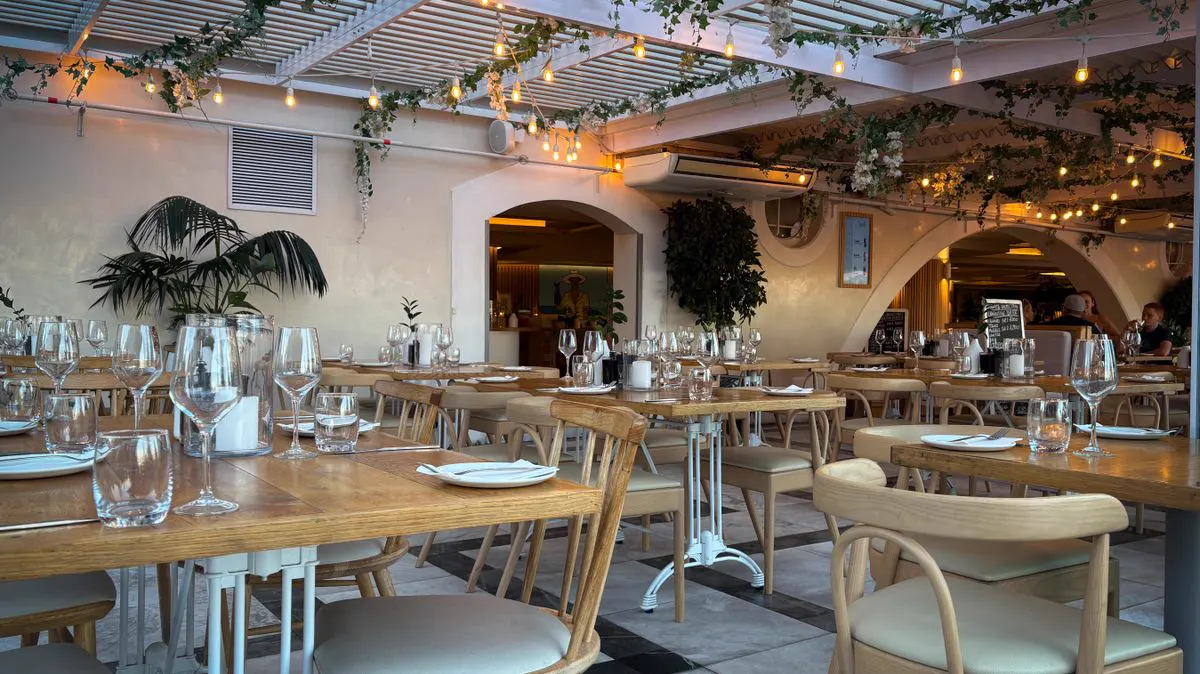
Armenian and regional cooking served in the vaulted cellars of a 17th-century Armenian house beside the Town Hall.
Restaurant
Restauracja Bohema
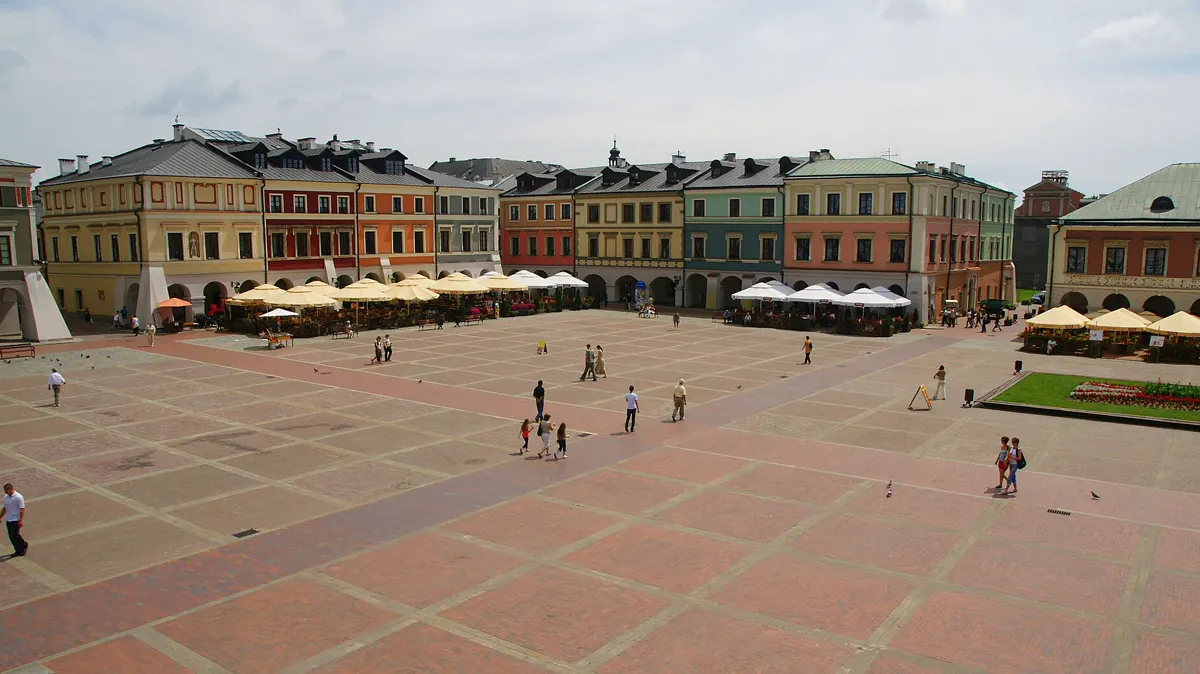
A long-running restaurant on a corner of the Great Market Square, with big outdoor tables looking onto the arcades.
Hotel
Hotel Renesans
A three-star hotel inside the Old Town, a few minutes' walk from the Great Market Square.