Attraction in Wrocław
National Museum in Wrocław
One of Poland's principal art museums, set in a monumental 1880s brick building near the Oder, with collections ranging from medieval Silesian art to Polish painting of the 17th to 20th centuries.
Reviewed and updated July 2026
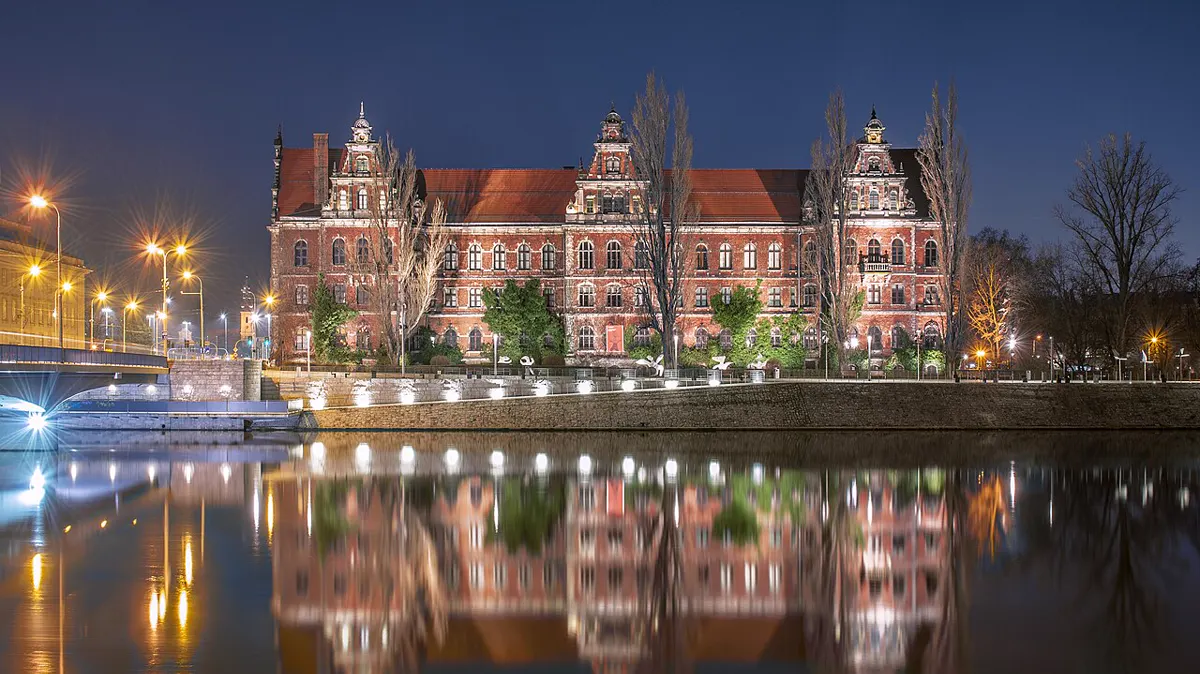
The National Museum in Wrocław is one of Poland's principal art museums, housed in a monumental brick building from the 1880s near the Oder, just east of the Old Town. People come for a collection that reaches across centuries, from medieval Silesian art and Gothic and Baroque sculpture to Polish painting of the 17th to 20th centuries, making it one of the most important places in the country to see art under a single roof.
What the collections cover
The museum's strength is its span. Medieval Silesian art sits alongside Gothic and Baroque sculpture, while the picture galleries follow Polish painting across the 17th to 20th centuries. Because the works are grouped by period and medium, you can trace how art in this region changed over time rather than seeing a single theme, and the range is what earns the museum its standing among the most important in Poland.
The building and its history
The collection is set inside a monumental brick building dating from the 1880s, a substantial piece of architecture in its own right. The scale of the interior suits the size of the holdings, giving the sculpture and painting galleries room to breathe. The museum's reputation as one of Poland's leading art institutions rests on both the depth of what it owns and the setting that displays it.
Combining it with the Panorama Racławicka
The nearby Panorama Racławicka rotunda, which houses a large circular painting, is administered as a branch of the museum, and combined tickets covering both are common. If you are planning a day of art, it makes sense to see the two together, since the rotunda is a short walk away. Check the museum's official channels for current ticket options and timed entry to the Panorama.
Fitting it into a Wrocław visit
The museum sits near the Oder, east of the Old Town, so it pairs easily with a walk along the river or a wider day exploring the city (see our Wrocław guide). Allow a couple of hours if you want to move through the main galleries without rushing, and more if you add the Panorama. It suits anyone drawn to painting, sculpture and the art history of Silesia.
Good to know
The Panorama Racławicka is run as a branch of the museum, so look for a combined ticket if you want to see both, and confirm opening days and any timed entry on the museum's official channels before you go.
Frequently asked questions
More attractions in Wrocław
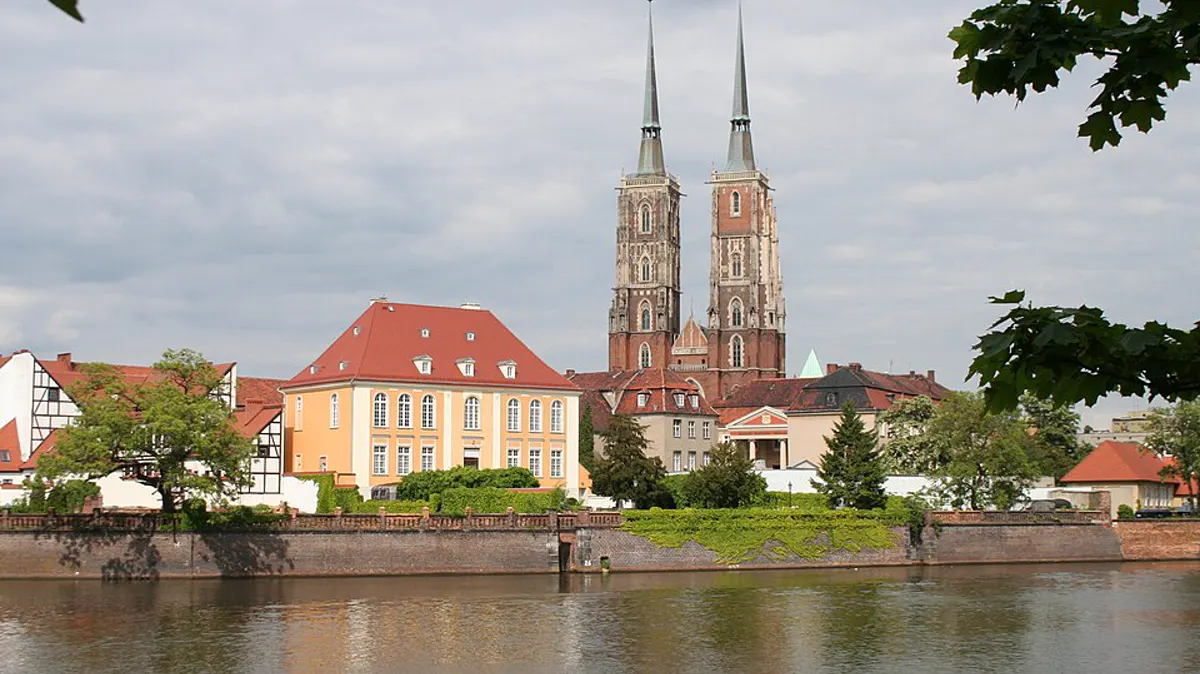
Cathedral Island, Wroclaw
The oldest part of Wroclaw, a cluster of churches on an island in the Oder reached across a romantic iron bridge.
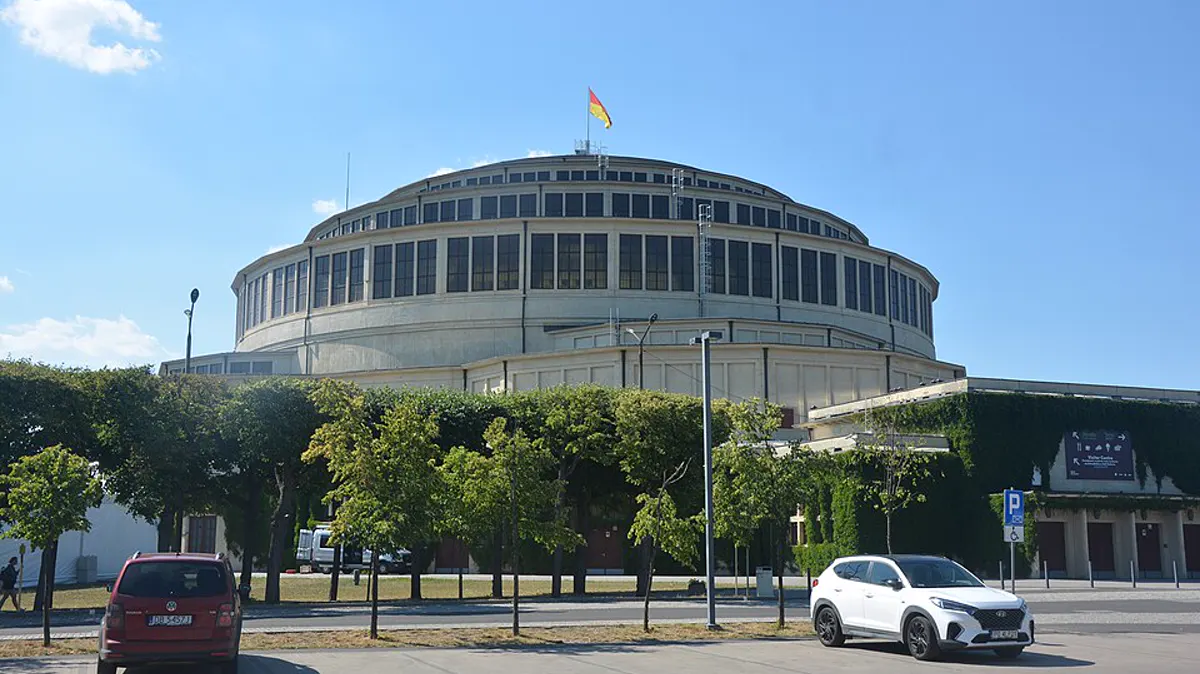
Centennial Hall
A pioneering reinforced-concrete dome from 1913, listed by UNESCO, set in a park with a large multimedia fountain.
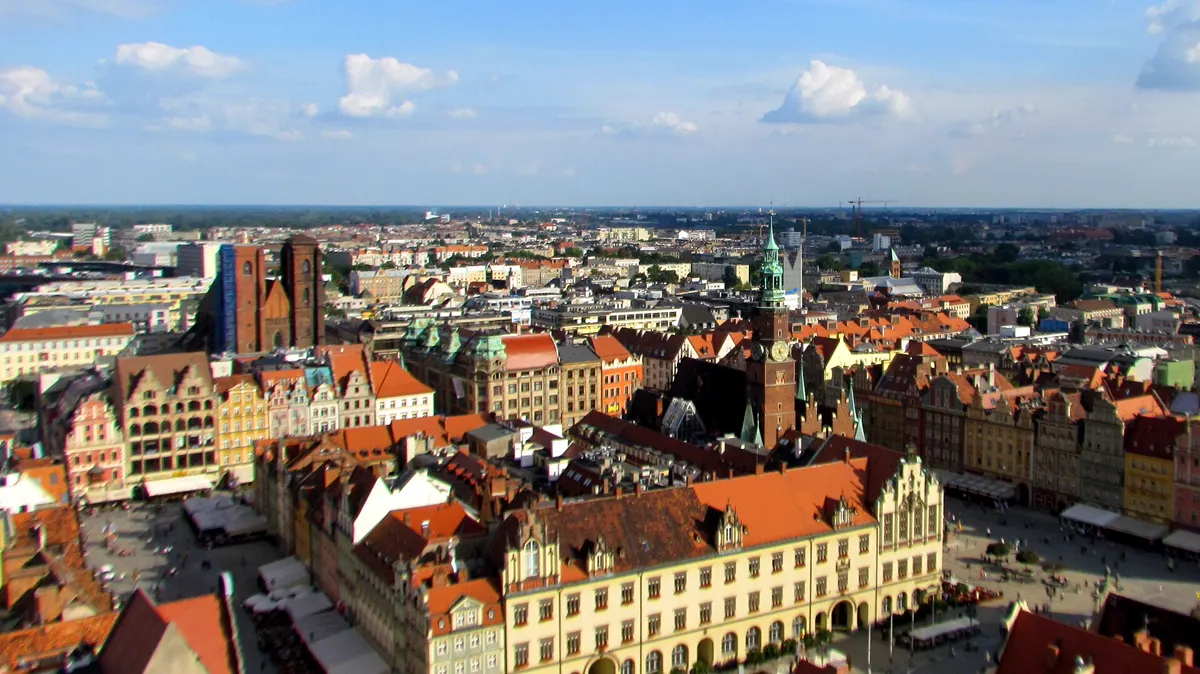
Market Square
One of the largest medieval squares in Poland, ringed by colourful townhouses and centred on an ornate Gothic town hall.
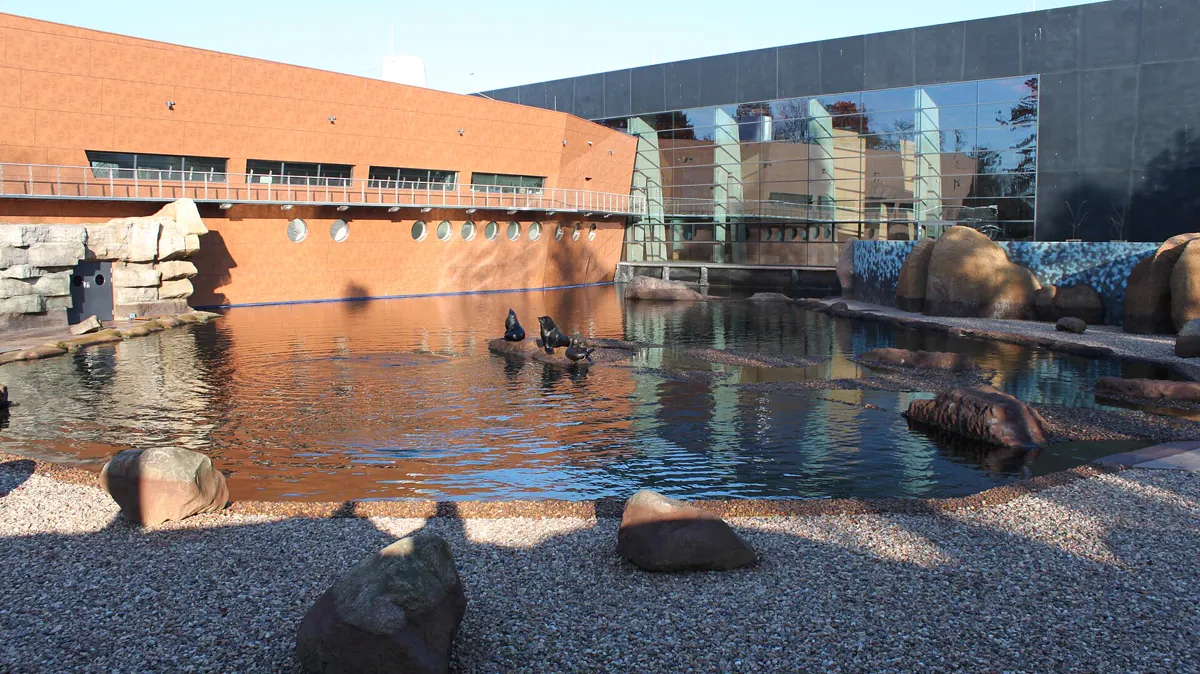
Wrocław Zoo and Afrykarium
Poland's oldest zoo, home to more than 10,000 animals, paired with the Afrykarium, the world's only oceanarium devoted entirely to Africa's aquatic life.
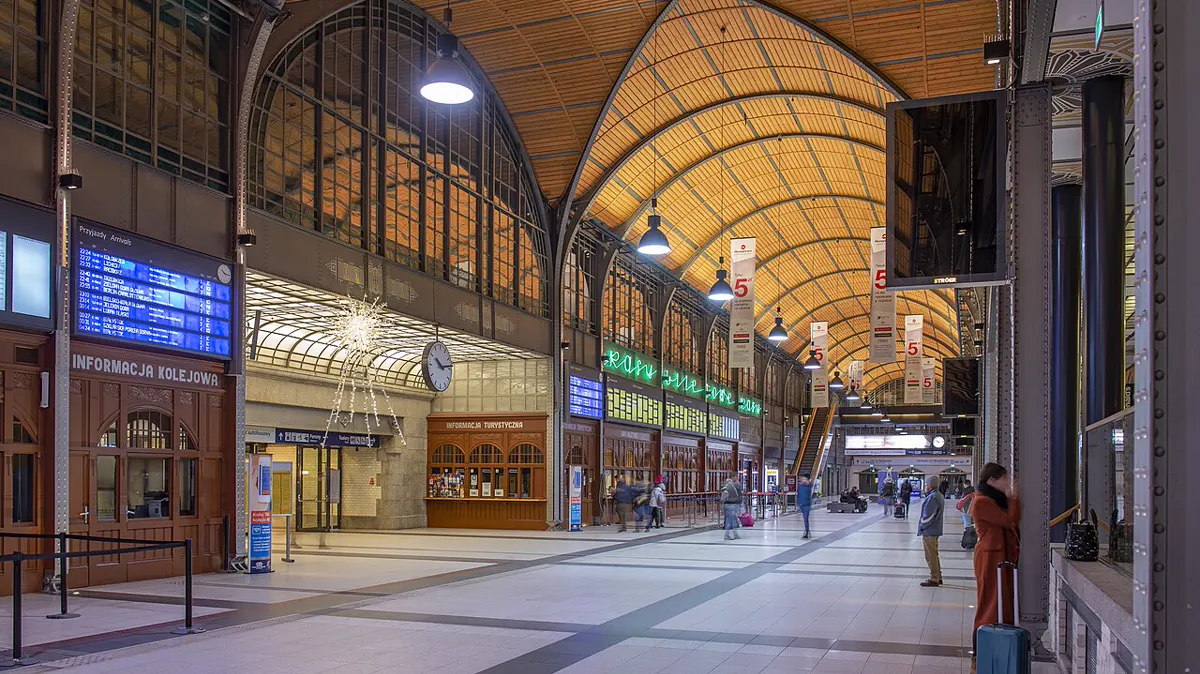
Wrocław Main Railway Station (Wrocław Główny)
Wrocław's main railway station is a castle-like Tudor neo-Gothic terminus from 1857, and for many arriving travellers it is the first thing they see of the city.
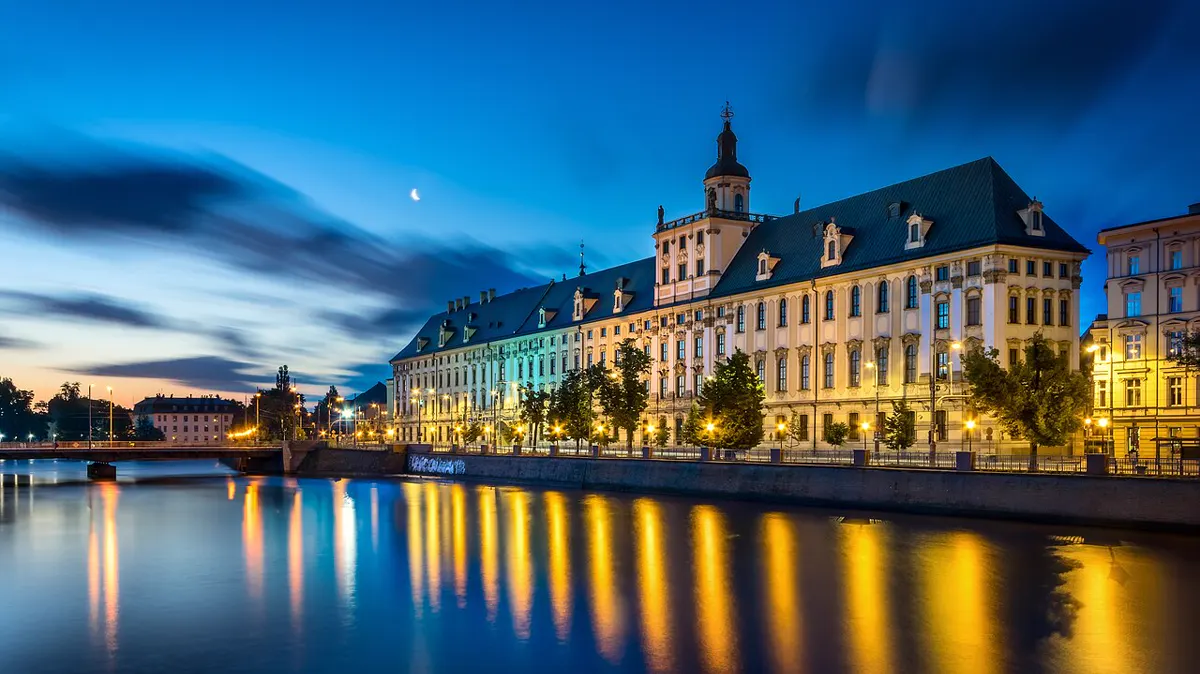
University of Wrocław Main Building (Aula Leopoldina and Mathematical Tower)
The main building of the University of Wrocław holds the Aula Leopoldina, a lavish Baroque ceremonial hall, along with the Oratorium Marianum concert room and a climbable observatory tower overlooking the Old Town.
More to explore in Wrocław

Restaurant
Jadka
An elegant fine-dining room under gothic vaults just off the Rynek, a special-occasion staple.
Hotel
Hotel Monopol
A grand Art Nouveau hotel by the opera with a rooftop terrace over the old town and a spa pool.
Restaurant
Konspira
A themed restaurant on Solny Square recalling the Solidarity underground, with solid Polish home cooking.
Restaurant
Kurna Chata
A rustic timber room near the Market Square doing filling regional dishes.
Nature
Szczytnicki Park & Japanese Garden
A large landscape park beside the Centennial Hall, home to a jewel-like Japanese garden.

Restaurant
Hala Targowa
The 1908 covered market near Ostrow Tumski, packed with stalls selling fresh produce, cheeses, baked goods, and quick bites. The best spot to graze and shop like a local.