Attractions
Attractions in Poland
The sights worth building a day around.
Poland's attractions run from the medieval market squares of Krakow and Wroclaw to the Wieliczka Salt Mine, the memorial at Auschwitz-Birkenau and the Teutonic castle at Malbork. Each page below covers what the place is, how long to spend and how to get there, grouped by city.
All Attractions in Poland
Kraków
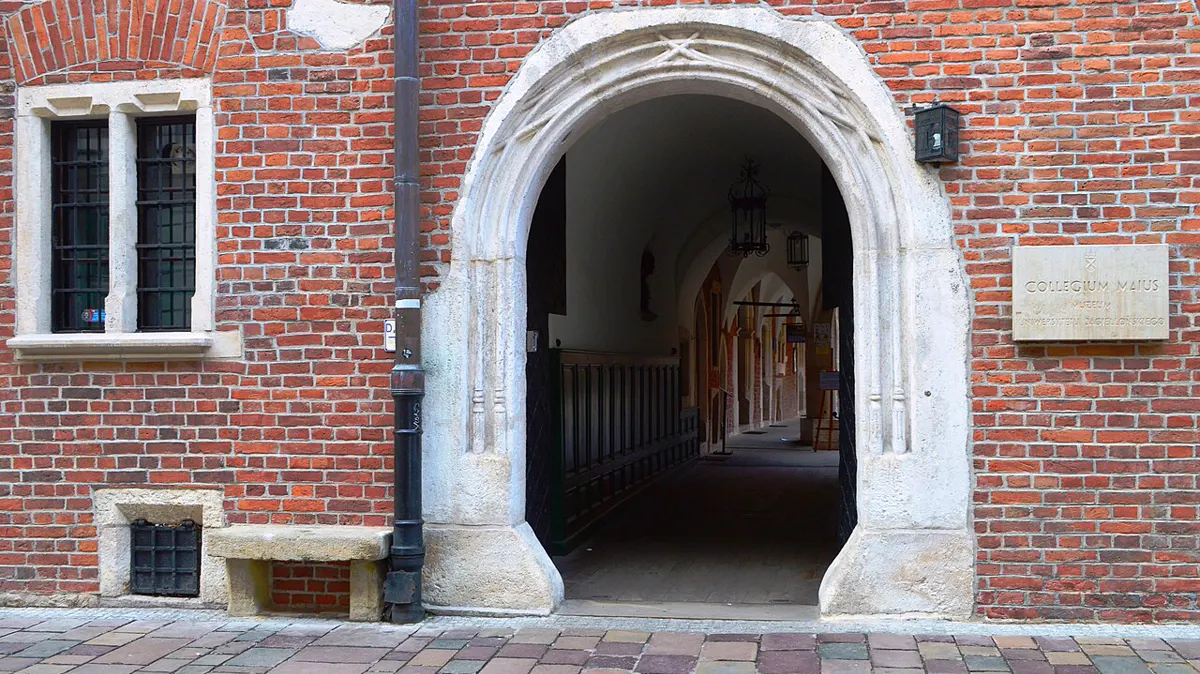
Collegium Maius
Collegium Maius is the oldest building of the Jagiellonian University and now home to the University Museum, known for its arcaded Gothic courtyard and scientific instruments tied to Nicolaus Copernicus.
Łódź
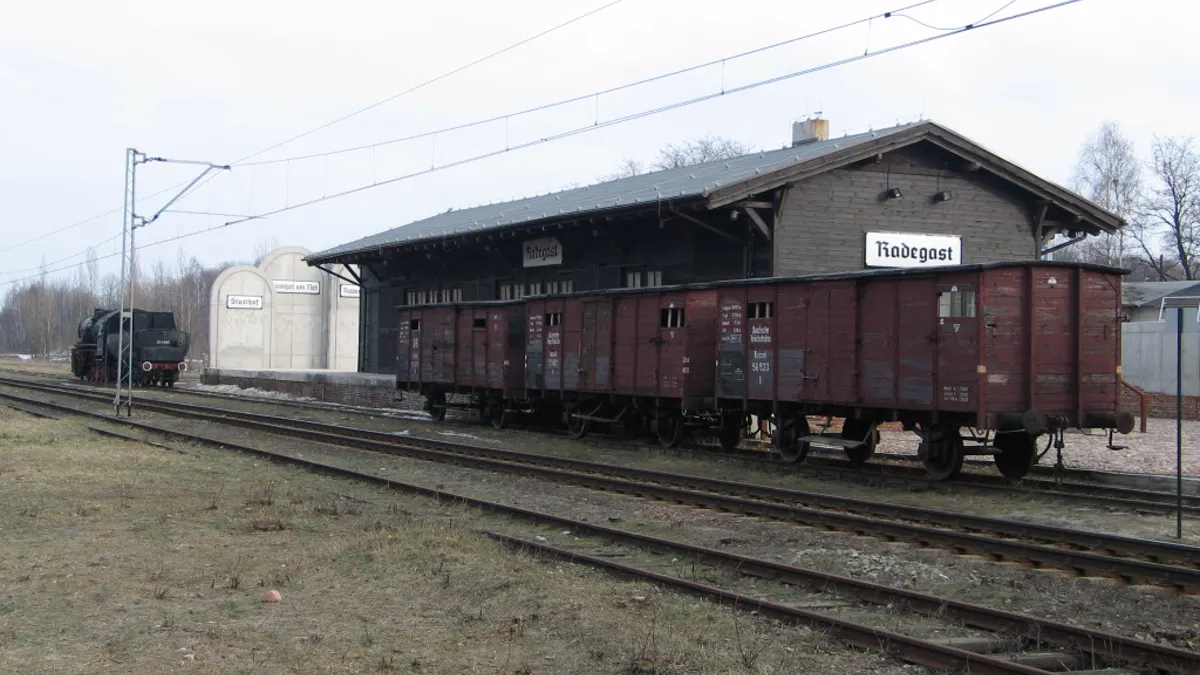
Radegast Station Memorial
A preserved railway station in northern Łódź that served as the main deportation point from the Litzmannstadt Ghetto, now a museum and memorial to the tens of thousands sent from here to Nazi extermination camps.
Lublin
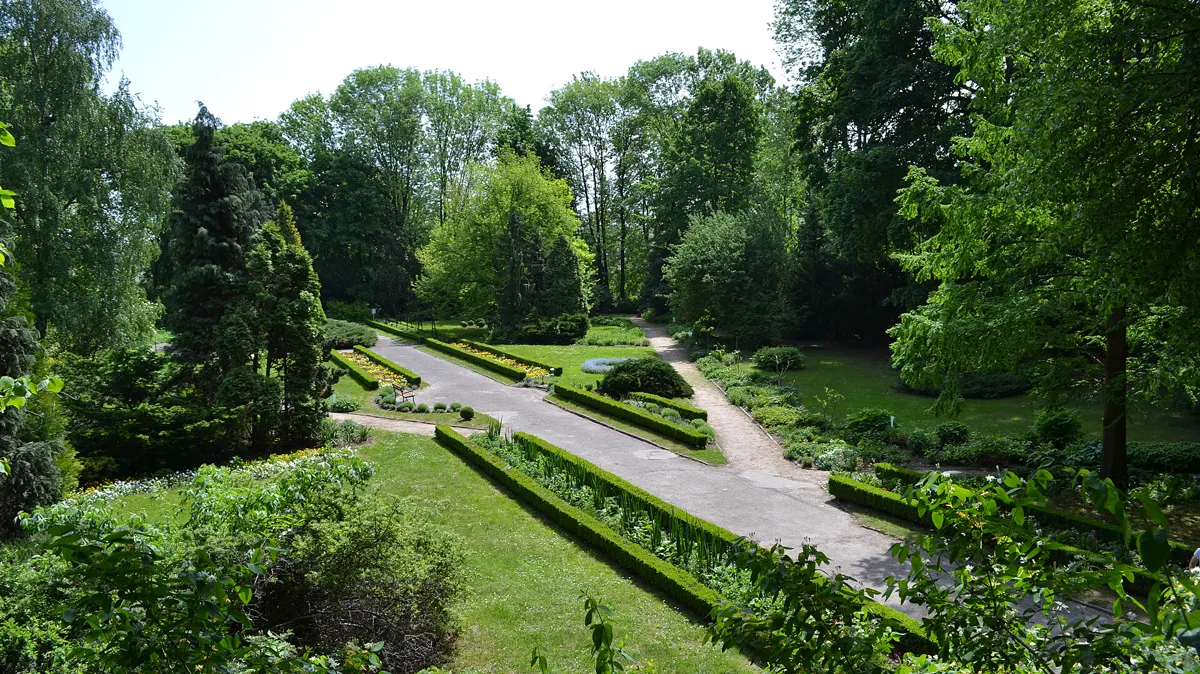
UMCS Botanical Garden
A 21-hectare university botanical garden in Lublin's Slawinek valley, holding around 6,700 plant taxa across themed collections and glasshouses, open from April to the end of October.
Olsztyn
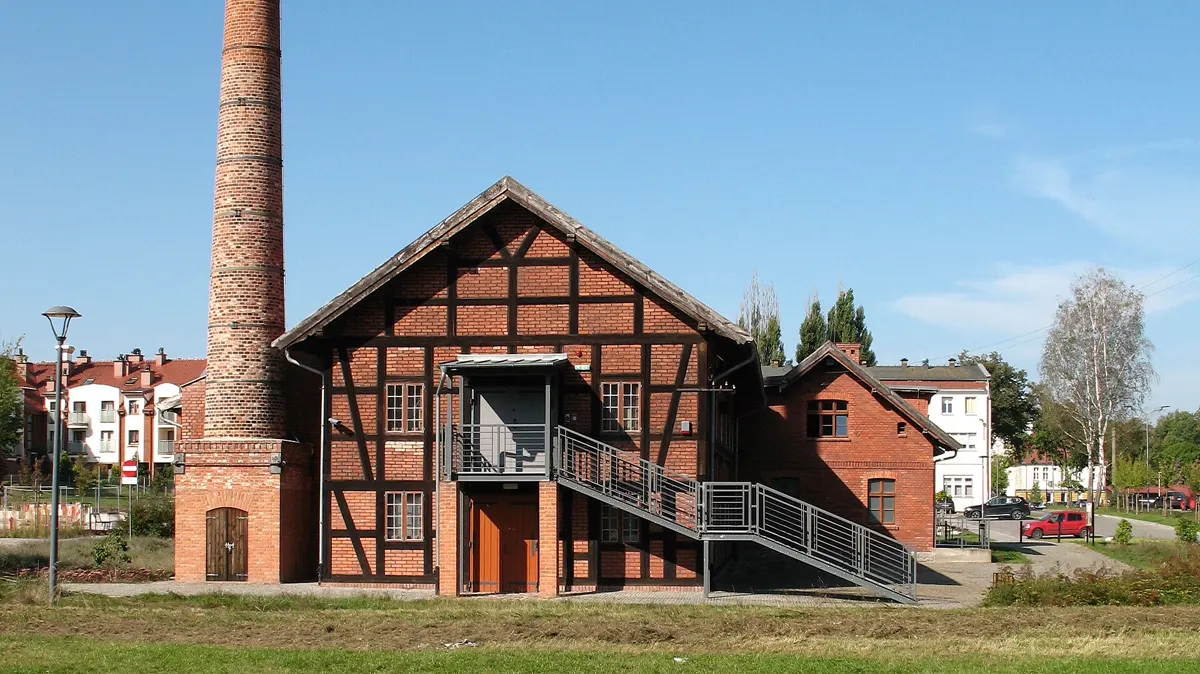
Museum of Modernity (Muzeum Nowoczesności)
A museum in a restored 1884 timber mill by the Łyna river, tracing how Olsztyn and the Warmia-Mazury region industrialised across the 19th and 20th centuries.
Poznań
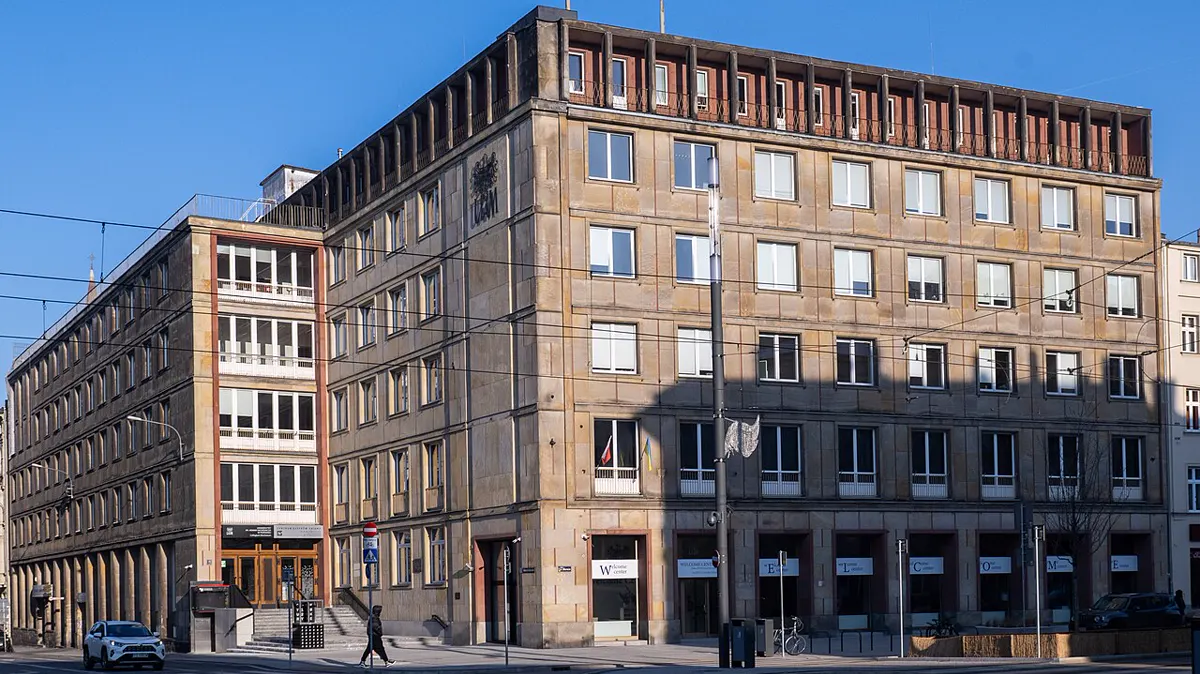
Enigma Cipher Centre
An interactive museum in central Poznań telling the story of the three Polish mathematicians who first broke the German Enigma cipher, shown alongside a genuine Enigma machine and hands-on cryptography displays.
Sopot
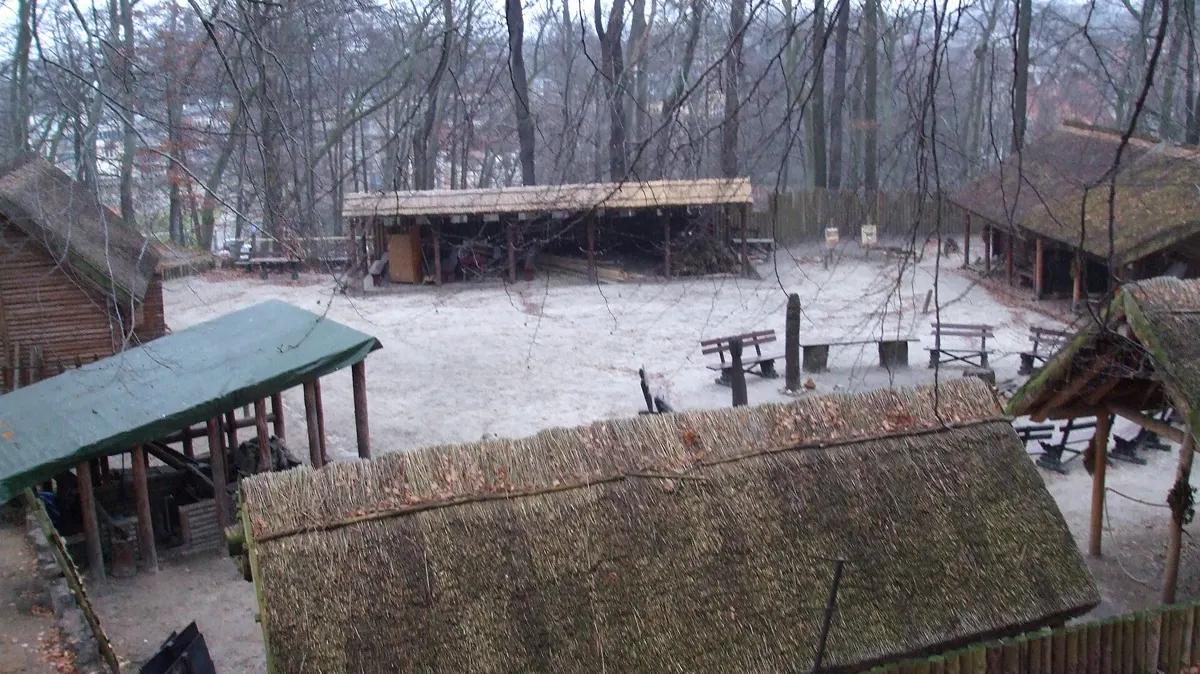
Grodzisko Archaeological Open-Air Museum
An early-medieval fortified settlement on a wooded moraine hill above Sopot, now an open-air branch of the Archaeological Museum in Gdansk with reconstructed wooden huts and an exhibition of the area's oldest finds.
Toruń
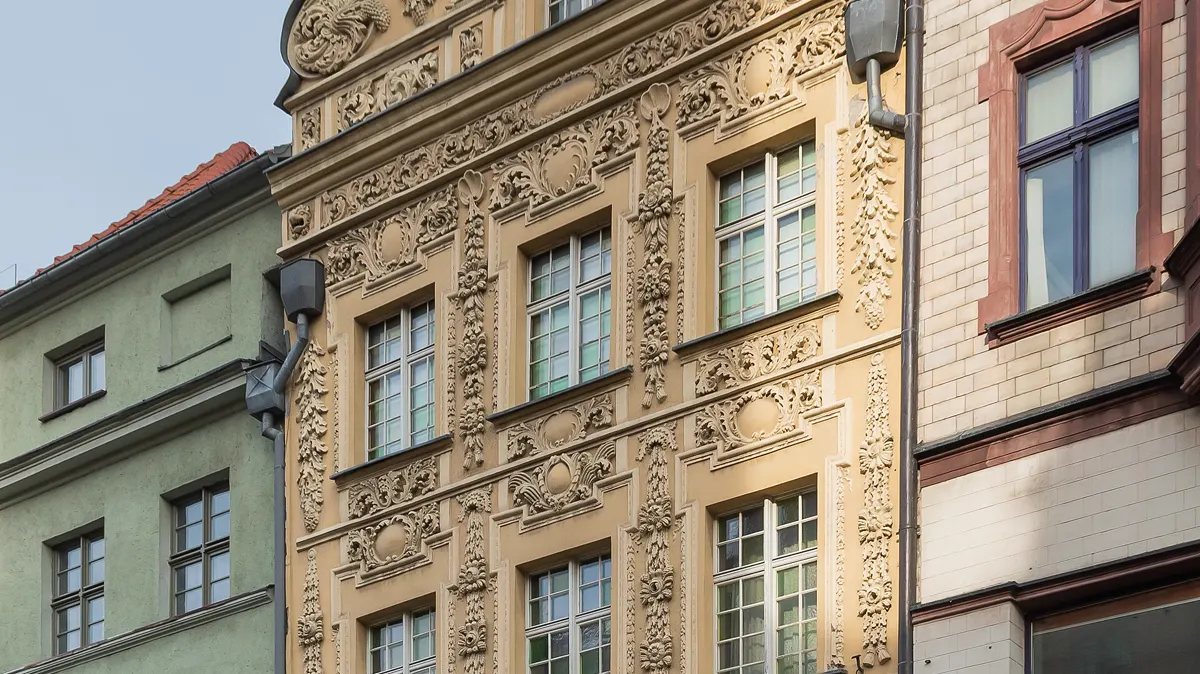
Star House (Museum of Far Eastern Art)
A Baroque townhouse on Toruń's Old Town Market Square, crowned with a gilded star, that has housed Poland's first permanent collection of Asian art since 1970.
Warsaw
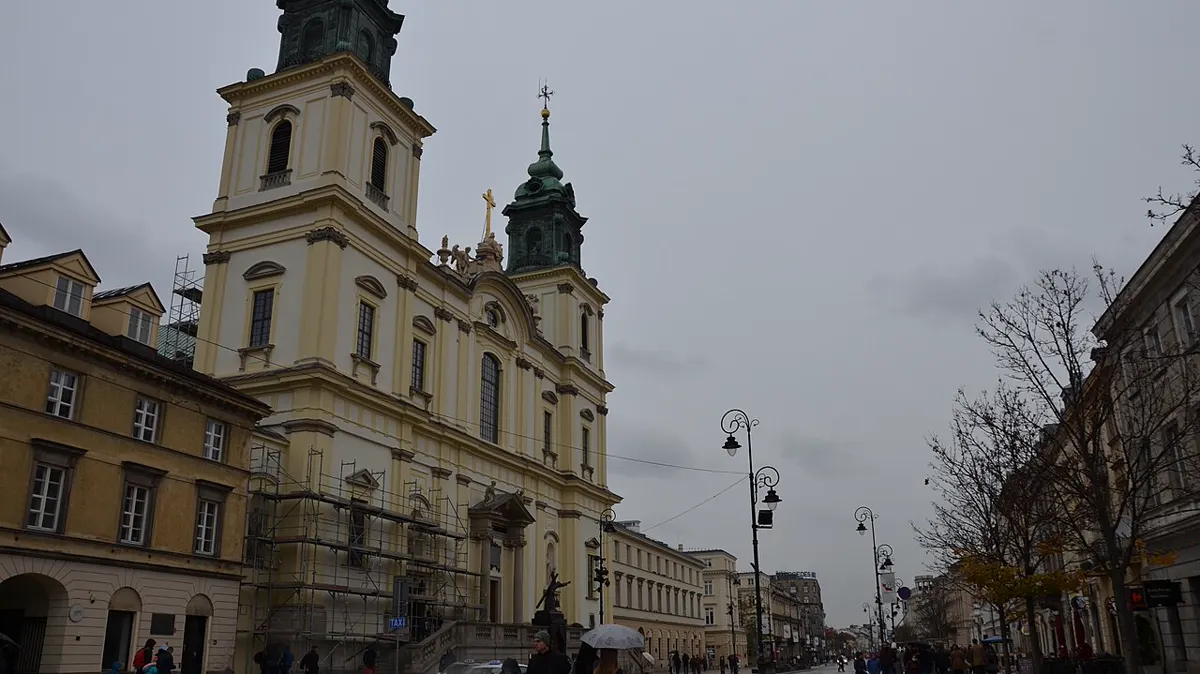
Holy Cross Church (Kosciol sw. Krzyza)
A major Baroque church on Warsaw's Royal Route, best known as the resting place of Frederic Chopin's embalmed heart, sealed inside a pillar of the nave.
Wrocław
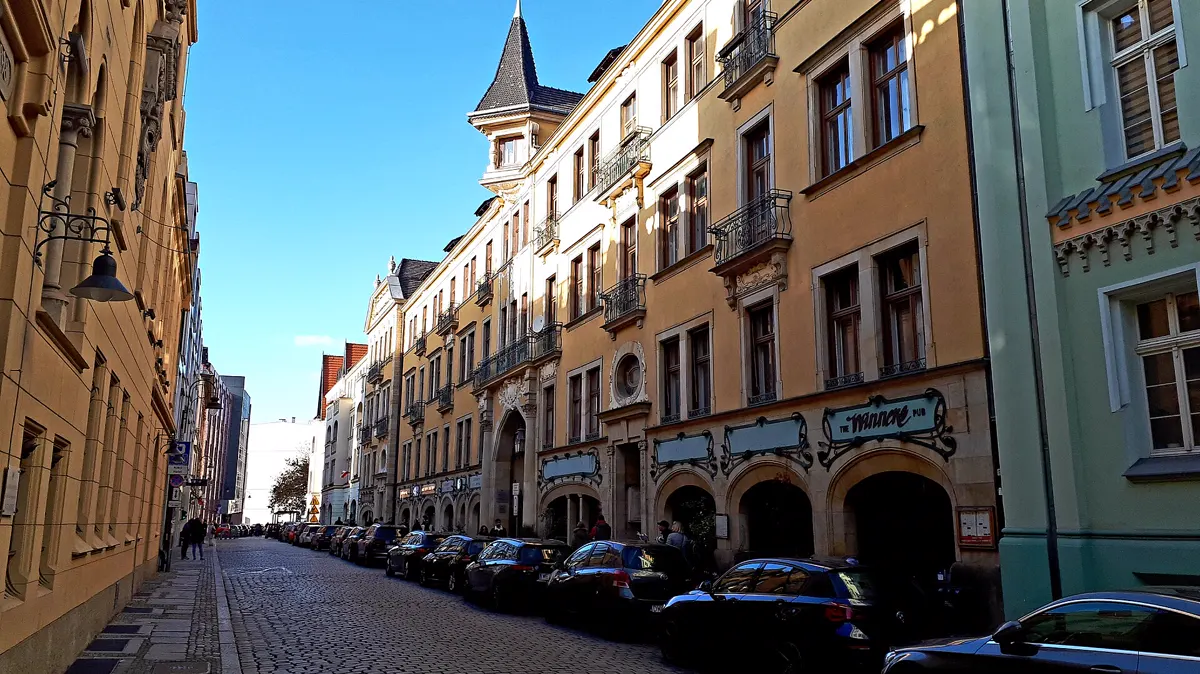
District of Four Denominations
A compact quarter of Wrocław's Old Town where a Catholic church, a Lutheran church, an Orthodox cathedral and a synagogue stand within a few minutes' walk of each other, alongside bars, cafes and courtyards.
Zakopane
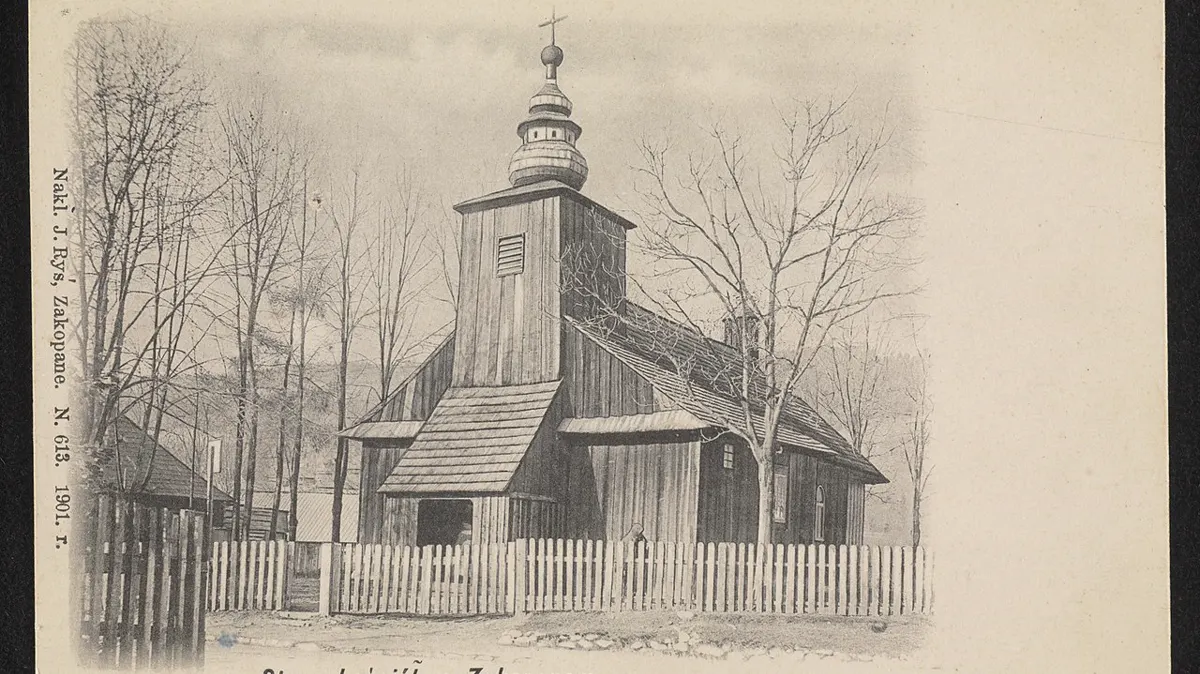
Old Church of Our Lady of Częstochowa
The oldest church in Zakopane, a wooden log building begun in 1847 on Kościeliska Street, standing beside the historic Pęksowy Brzyzek cemetery.
Zamość
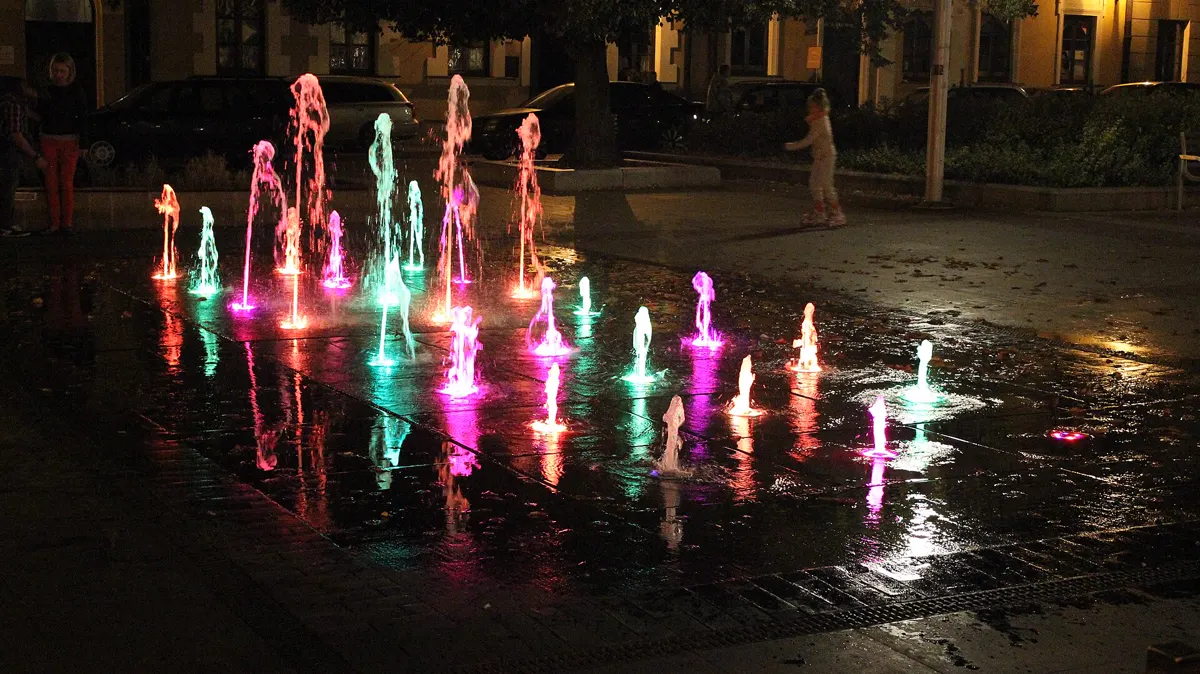
Water Market (Rynek Wodny)
The Water Market is the smallest of Zamosc's three Renaissance Old Town squares, a quiet pedestrian plaza in the southern quarter with an illuminated fountain and the former Poor Clares church.
Białowieża
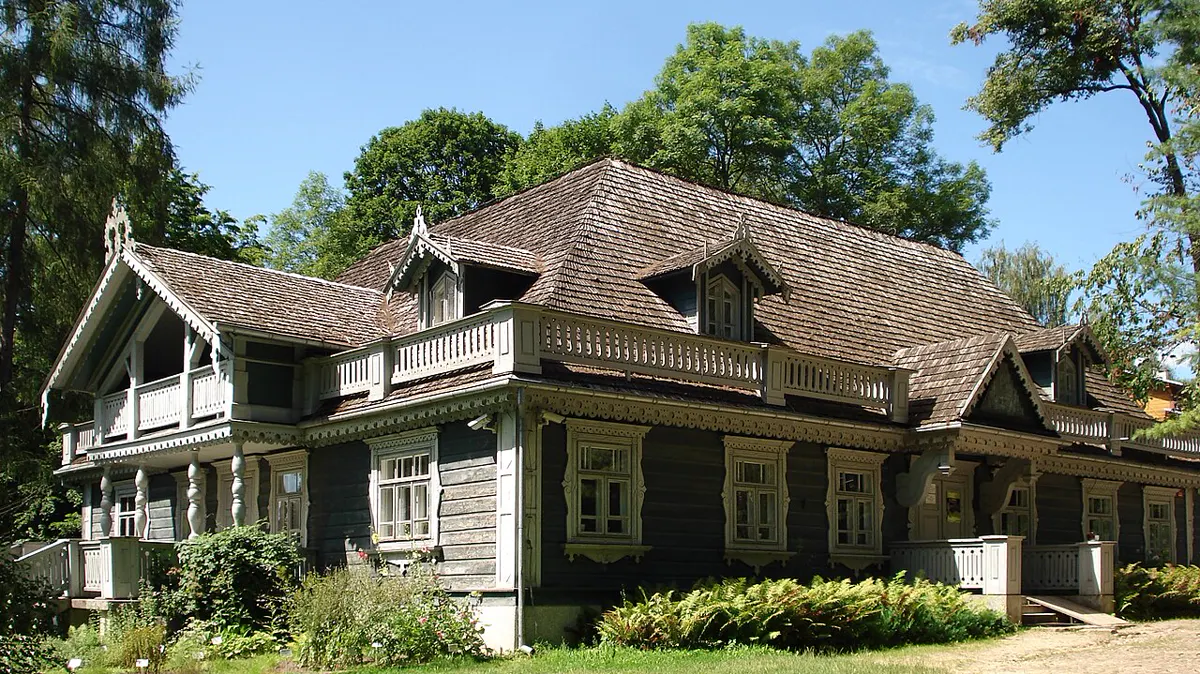
Governor's Manor (Dworek Gubernatora)
A light mint wooden manor from 1845, considered the oldest preserved building in Białowieża, now home to the Nature Education Centre of Białowieża National Park.
Poland fits a lot into one country: medieval market squares, a salt mine carved into underground chapels, the memorial at Auschwitz-Birkenau, mountain trails and a long Baltic coast. Seventeen places hold UNESCO World Heritage status, and most of the headline attractions cluster around the cities you are likely to base yourself in, so a first trip rarely means long transfers.
Top attractions in Krakow, Warsaw and Gdansk
Krakow has the densest cluster: the Main Market Square, laid out in 1257 and among the largest medieval squares in Europe, the underground Wieliczka Salt Mine, and the Auschwitz-Birkenau Memorial within a day trip. Warsaw rebuilt its Old Town from wartime rubble, Gdansk lines the Motlawa with tall merchant houses, and Wroclaw and Torun keep intact Gothic centres. The mountains around Zakopane and the lakes of Masuria add the outdoor side.
Top places to visit on a first trip
Group attractions by the city you are staying in rather than chasing them across the map. Krakow, Warsaw and Gdansk each reward two or three days and put more sights within an easy day trip. For the classic sights that define the country, see the best viewpoints and our city guides.
Do you need to book tickets in advance
The busiest sites use timed entry, so book Wieliczka and the Auschwitz-Birkenau Memorial ahead, especially in summer. Many state museums have one free day a week. Tickets are good value by European standards; our note on costs in Poland has the typical prices.
Attractions by city
Travel guides
Krakow Golf Cart Tours: The Four Routes, Compared
Four electric cart routes cover the Old Town, Kazimierz, the ghetto in Podgorze and Schind...
Best Castles in Poland
From the Teutonic fortress at Malbork to the royal seats at Wawel and Warsaw, the Polish c...
3 Days in Krakow
A practical three-day plan for Krakow, pairing the Old Town and Wawel with Kazimierz and o...
Things to Do in Krakow
The sights, neighbourhoods and day trips that make Krakow worth several days, ranked by ho...