Attraction in Zamość
Water Market (Rynek Wodny)
The Water Market is the smallest of Zamosc's three Renaissance Old Town squares, a quiet pedestrian plaza in the southern quarter with an illuminated fountain and the former Poor Clares church.
Reviewed and updated July 2026
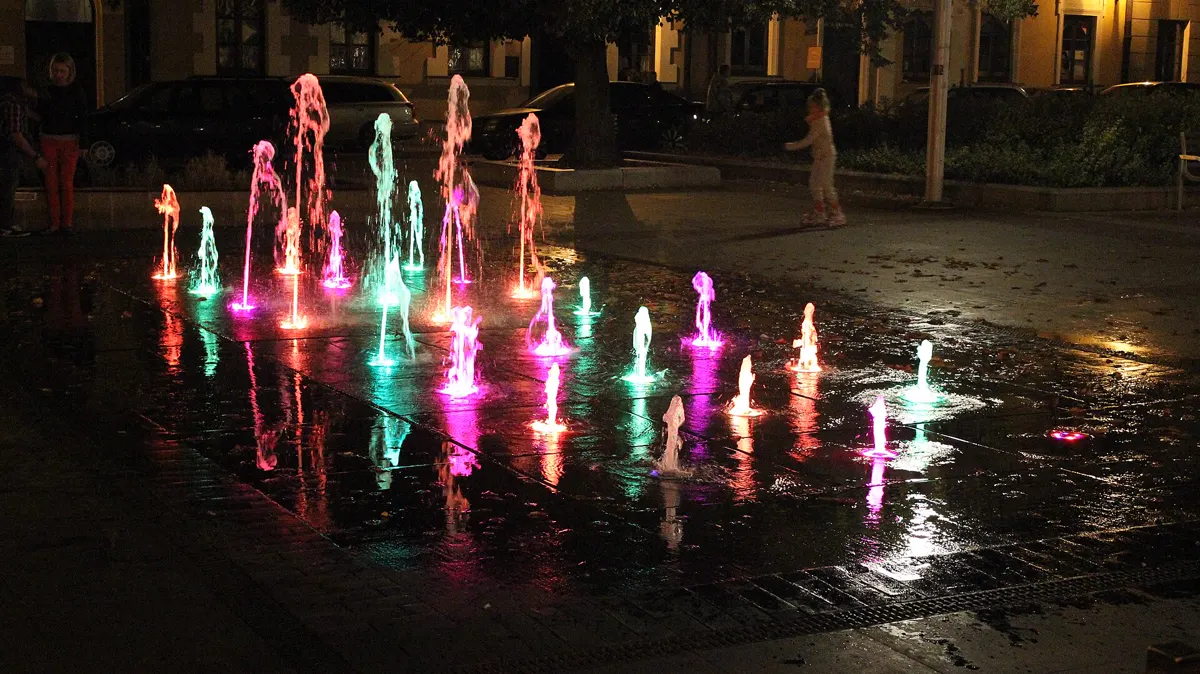
The Water Market (Rynek Wodny) is the third and southernmost of the three squares that structure Zamosc's Renaissance Old Town, and people visit it for a calmer counterpoint to the Great Market: a pedestrian plaza with the Old Town's only illuminated fountain, set beneath the former Poor Clares church. Its name most likely comes from its position close to the southern fortress walls, beyond which the ground opened onto flood plains. Unlike the nearby Salt Market, it never served as a trading space, so it has always felt more residential than commercial.
What you see on the square today
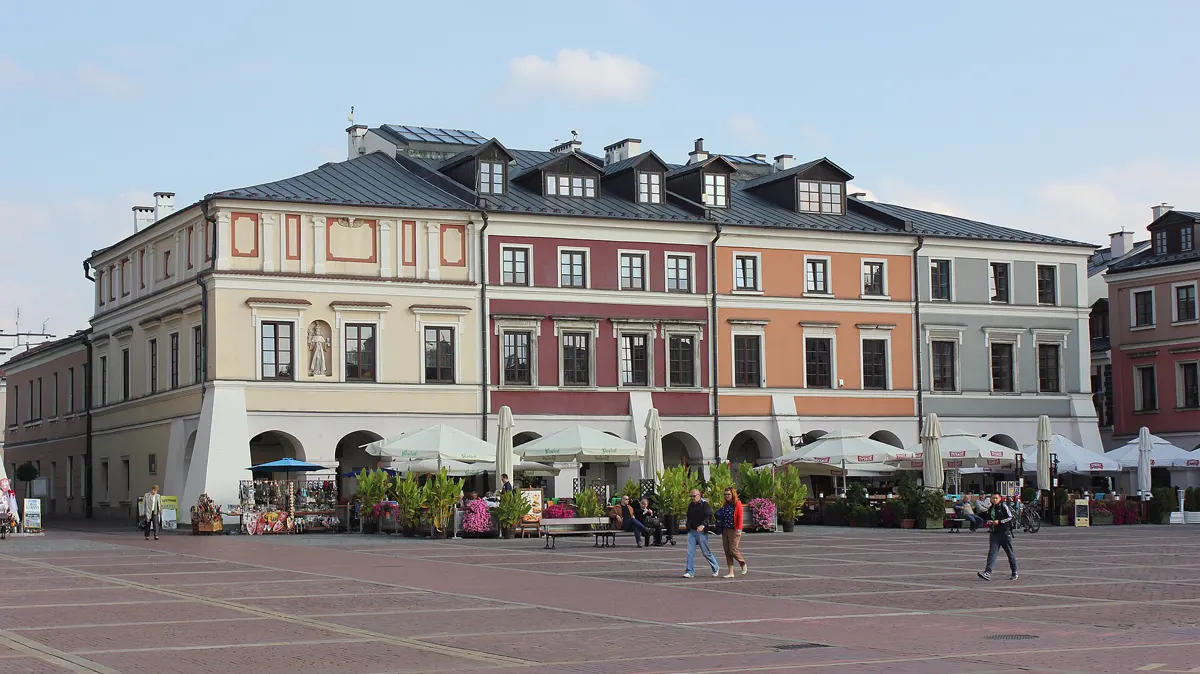
A comprehensive renovation in 2010 turned the Water Market into a paved pedestrian plaza, clearing it of through traffic and giving it a single strong focal point: the fountain, which is the only illuminated one in the Old Town and comes into its own after dark. The square is dominated by the former Poor Clares church, whose bulk anchors one side and gives the space its architectural weight. Around the edges stand the townhouses that once belonged to leading citizens, so the frontages here read as dignified rather than mercantile.
Why it never became a market
Despite the name, the Water Market never had a commercial function, which sets it apart from the Salt Market that also sits in the Old Town's grid. Instead of stalls and trade, this was where some of Zamosc's most prominent residents chose to live, making it the quietest and arguably most exclusive of the three squares. The 'water' in the name points not to any waterworks on the square itself but to its location: it lay near the southern line of the town's fortress defences, and beyond those walls stretched low, flood-prone ground.
How it fits a visit to Zamosc
The three squares of the Old Town were laid out as a connected sequence, so the Water Market works best as one stop on a short circuit that also takes in the Great Market and the Salt Market. Because it sits in the southern part of the walled town, it pairs naturally with a walk along the surviving fortifications on that side. Allow only a short pause here; it is a place to slow down between the busier sights rather than a destination that needs a long visit. For the wider context and other stops, see the Zamosc guide.
Who it suits
This square rewards travellers who want to read Zamosc as a designed Renaissance town rather than tick off single monuments, since its residential character shows how the founders separated living space from trade. It suits photographers who prefer evening light, when the illuminated fountain is at its best, and anyone happy to explore on foot at an unhurried pace. Families with young children often find it an easier stop than the larger square, as it is compact and free of traffic.
Good to know
The fountain is the only illuminated one in the Old Town, so an evening visit shows the square at its most atmospheric; for any event or lighting details, check the town's official channels.
Frequently asked questions
More attractions in Zamość
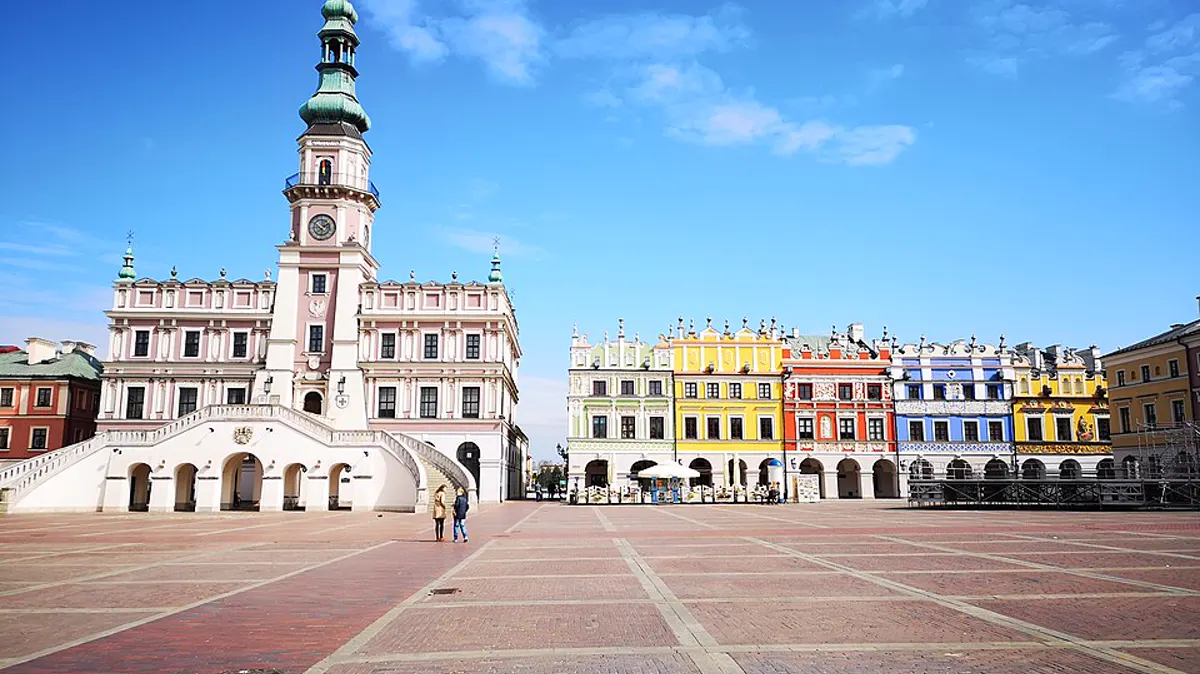
Great Market Square, Zamosc
A near-perfect Renaissance square of arcaded, pastel burgher houses, the centrepiece of a sixteenth-century ideal city.
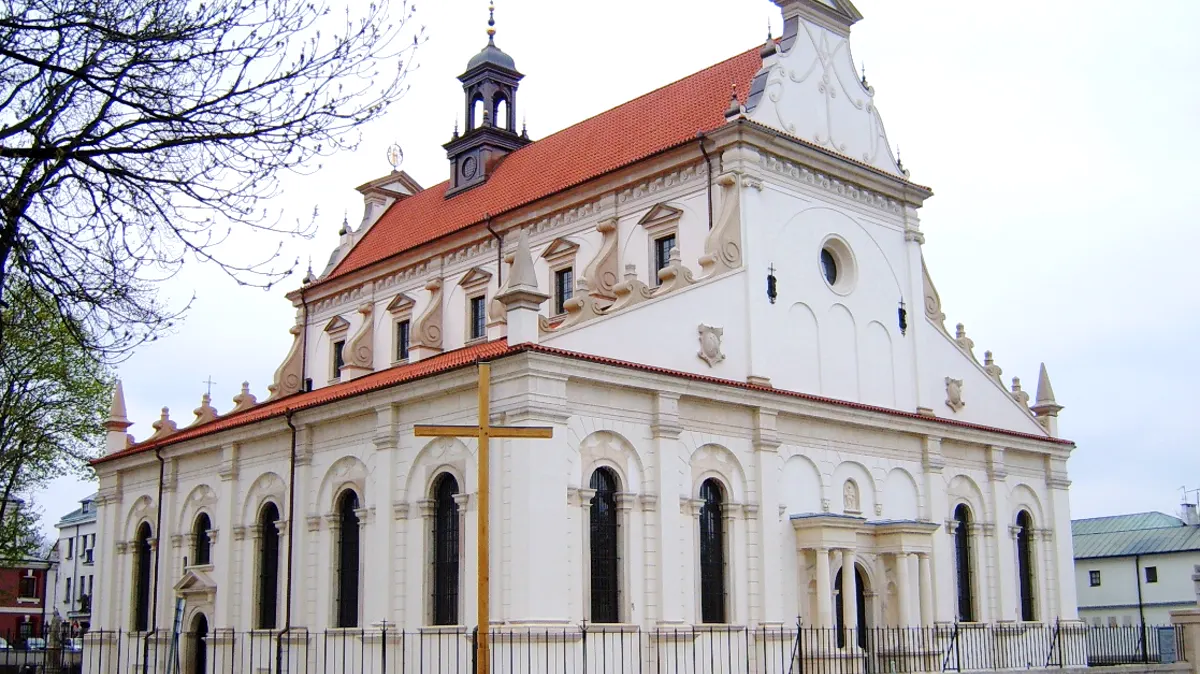
Zamość Cathedral (Cathedral of the Resurrection and St Thomas the Apostle)
One of Poland's finest Renaissance churches, designed by Bernardo Morando and paid for by Jan Zamoyski, raised to cathedral rank in 1992.
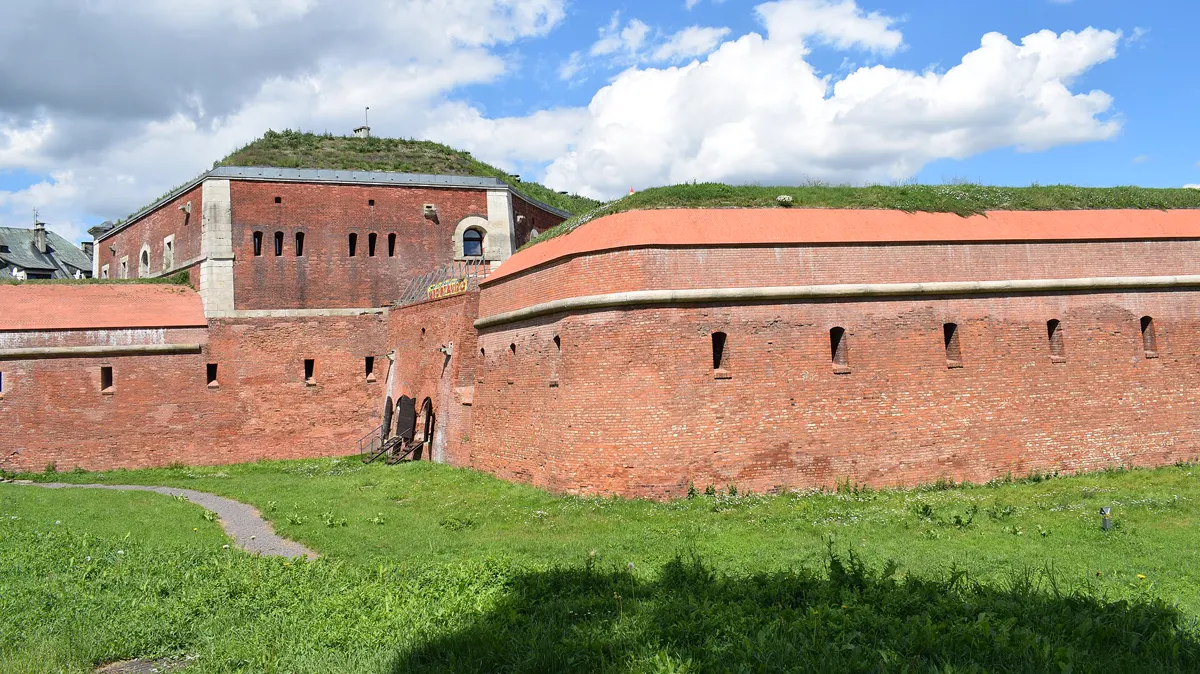
Bastion VII Underground Tourist Route (Nadszaniec)
A half-kilometre walk through the casemates and galleries of Bastion No 7, the biggest bastion of a fortress that was never taken by an enemy.
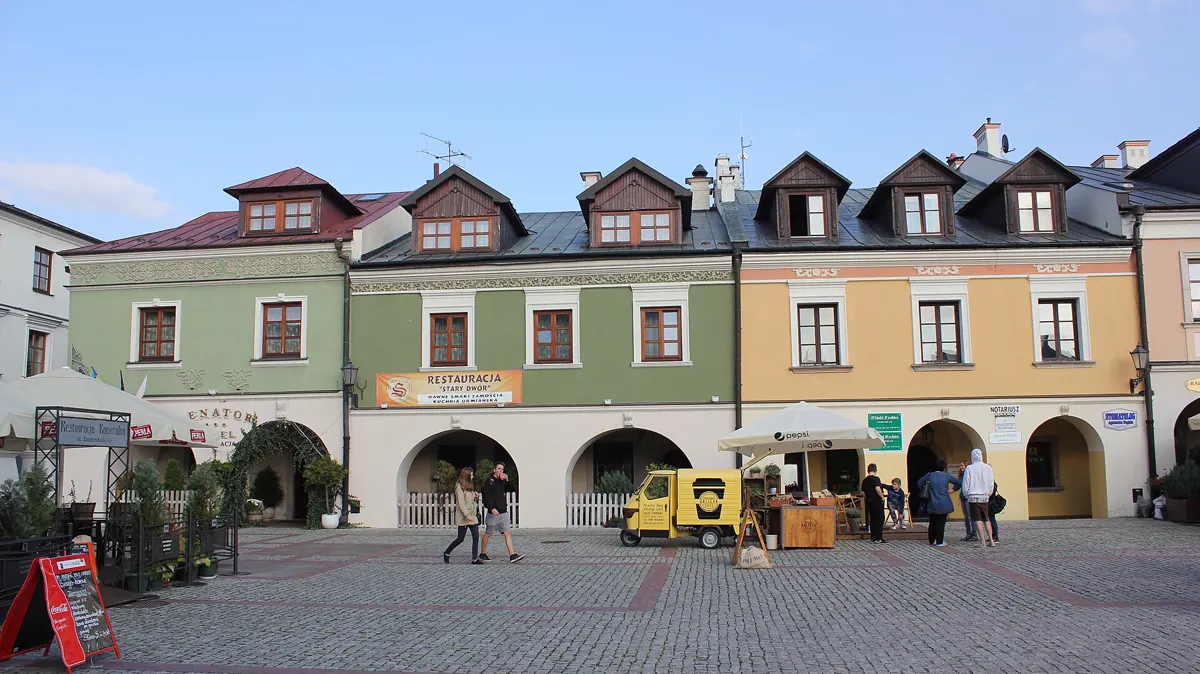
Salt Market (Rynek Solny)
Rynek Solny is one of Zamość's two smaller market squares, named for the salt trade that once passed through it and marked today by a large ship's anchor.
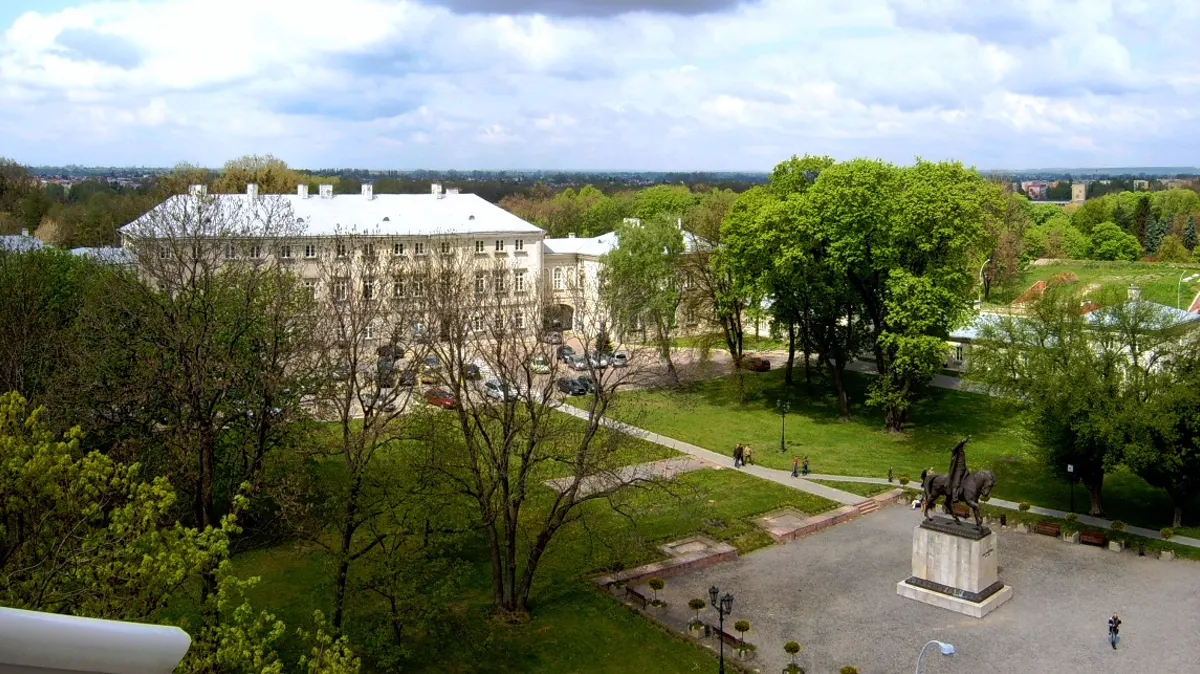
Zamoyski Palace (Pałac Zamoyskich)
The Zamoyski Palace was the first building raised in Zamość, designed by Bernardo Morando in 1579 to 1586 as the residence of the city's founder, Jan Zamoyski.
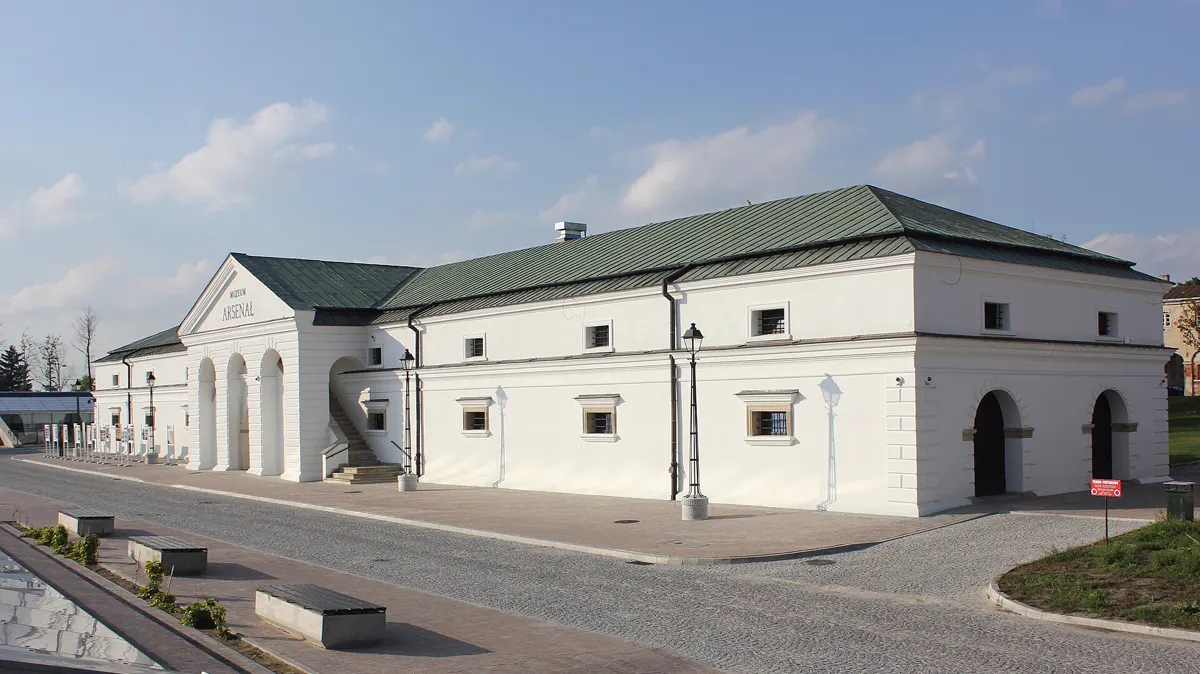
Arsenal - Museum of Fortifications and Weapons
A branch of the Museum of Zamość set in a 17th-century arsenal building, dedicated to the military history of Zamość and its fortress, with historic weaponry and twentieth-century military vehicles among its displays.
More to explore in Zamość
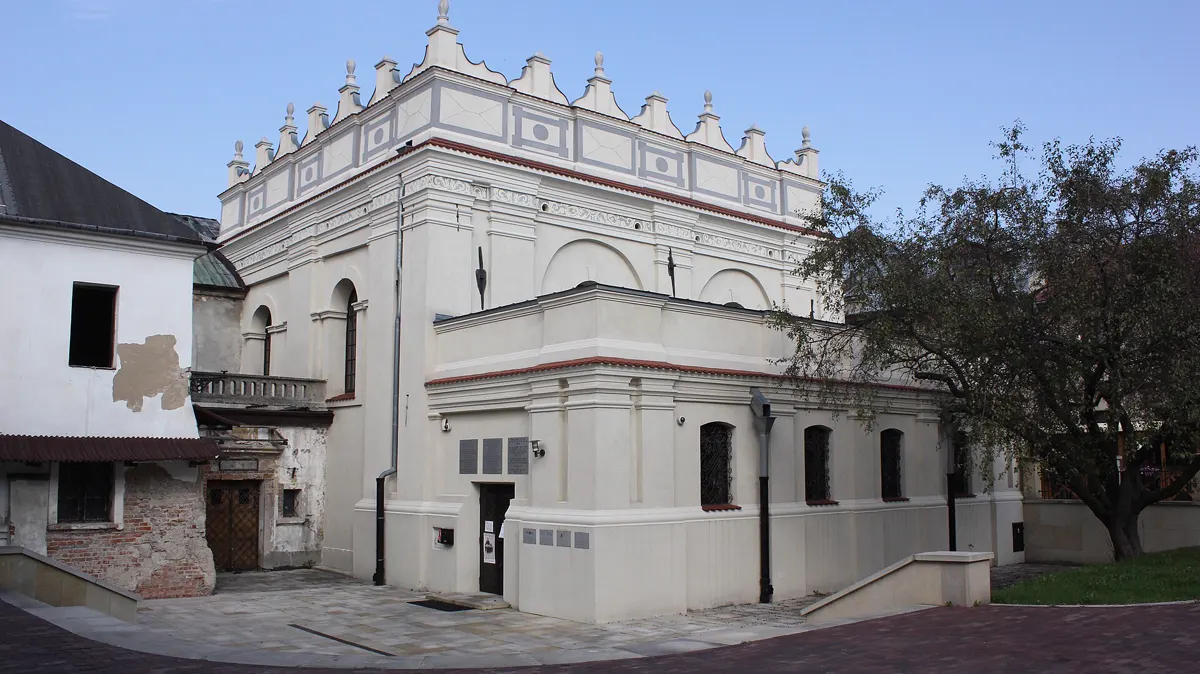
Museum
Zamość Synagogue (Synagogue Centre)
A rare surviving Renaissance synagogue of about 1618, restored by the Foundation for the Preservation of Jewish Heritage and reopened in 2011 as a cultural centre with a multimedia exhibition on the town’s Jewish heritage.
Museum
Zamość Rotunda (Museum of Martyrdom of the Zamość Region)
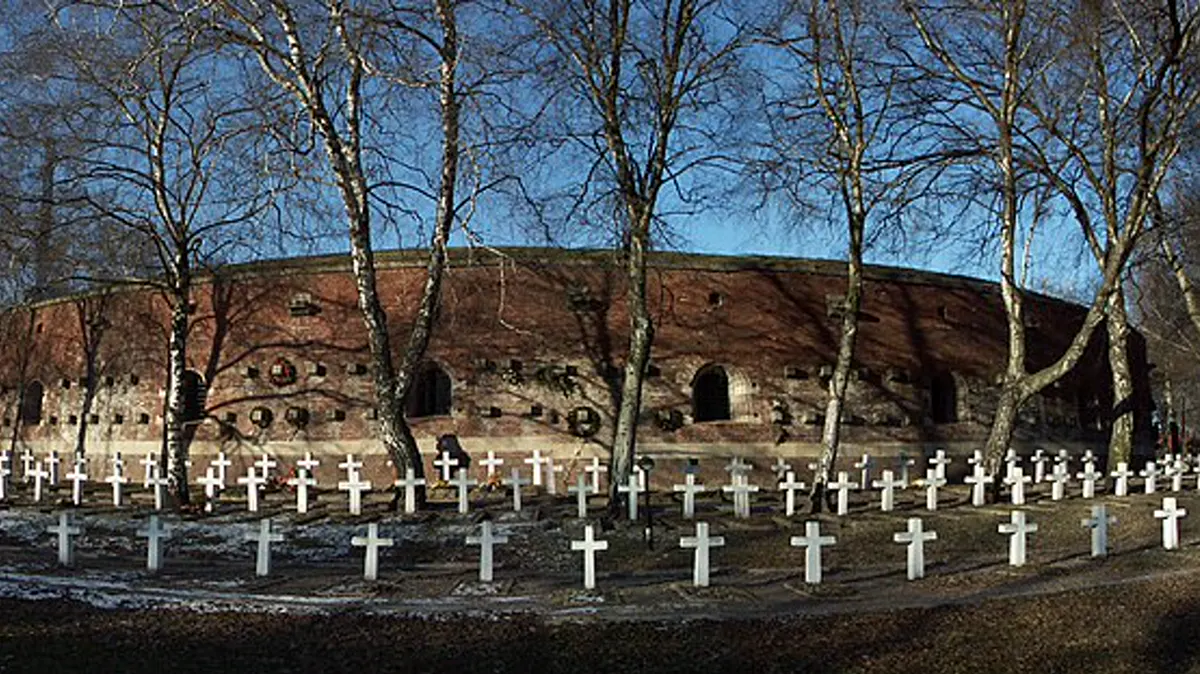
A 19th-century circular fort that the Gestapo turned into a place of execution during WWII, now a museum of martyrdom for the Zamość region.
Museum
Muzeum Zamojskie (Museum of Zamość, Armenian Houses)
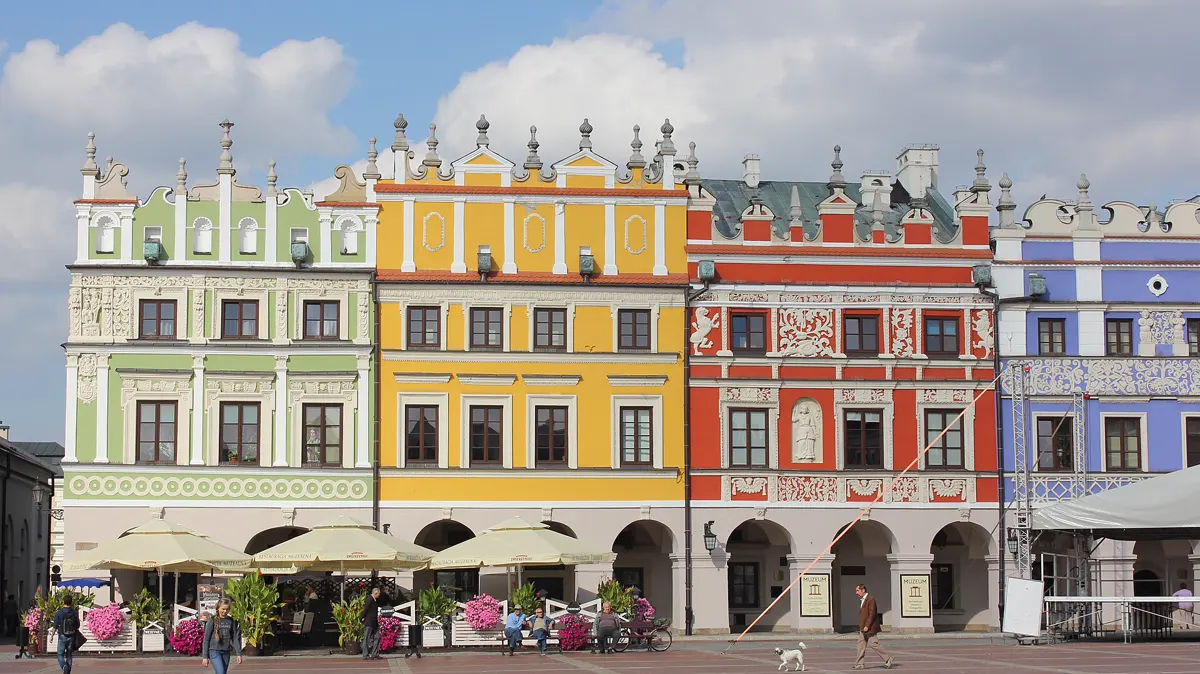
The town museum set inside the ornately decorated 17th-century Armenian houses on the Great Market Square.
Restaurant
Restauracja Muzealna Ormiańskie Piwnice
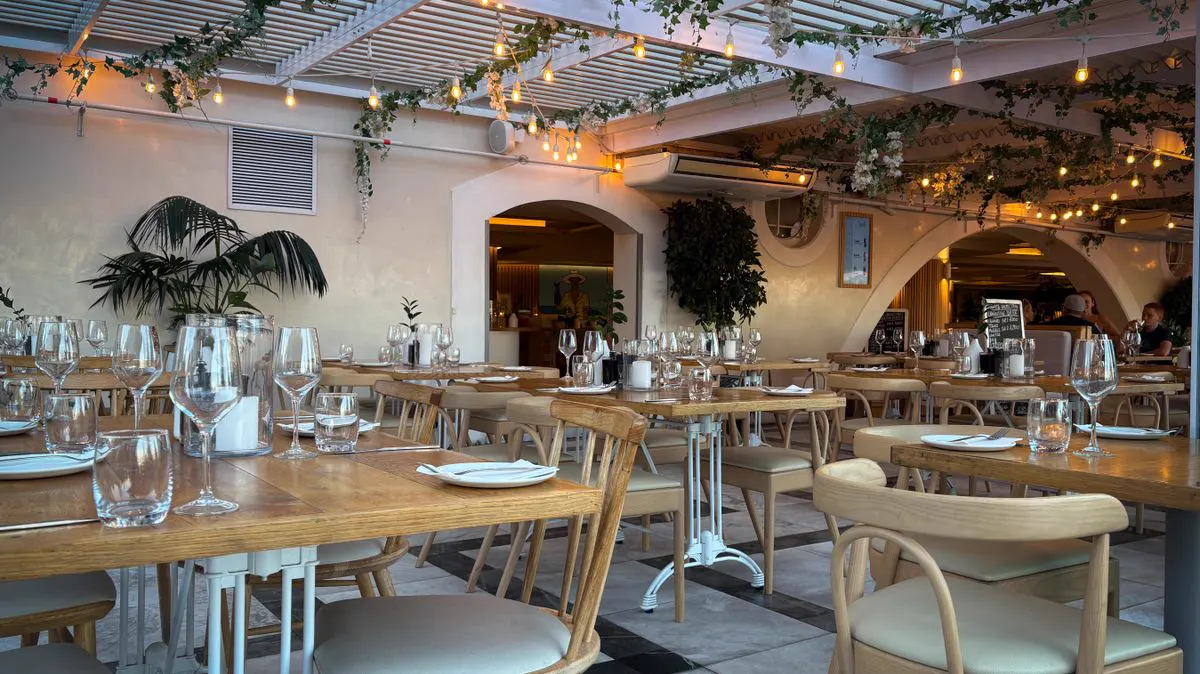
Armenian and regional cooking served in the vaulted cellars of a 17th-century Armenian house beside the Town Hall.
Restaurant
Restauracja Bohema
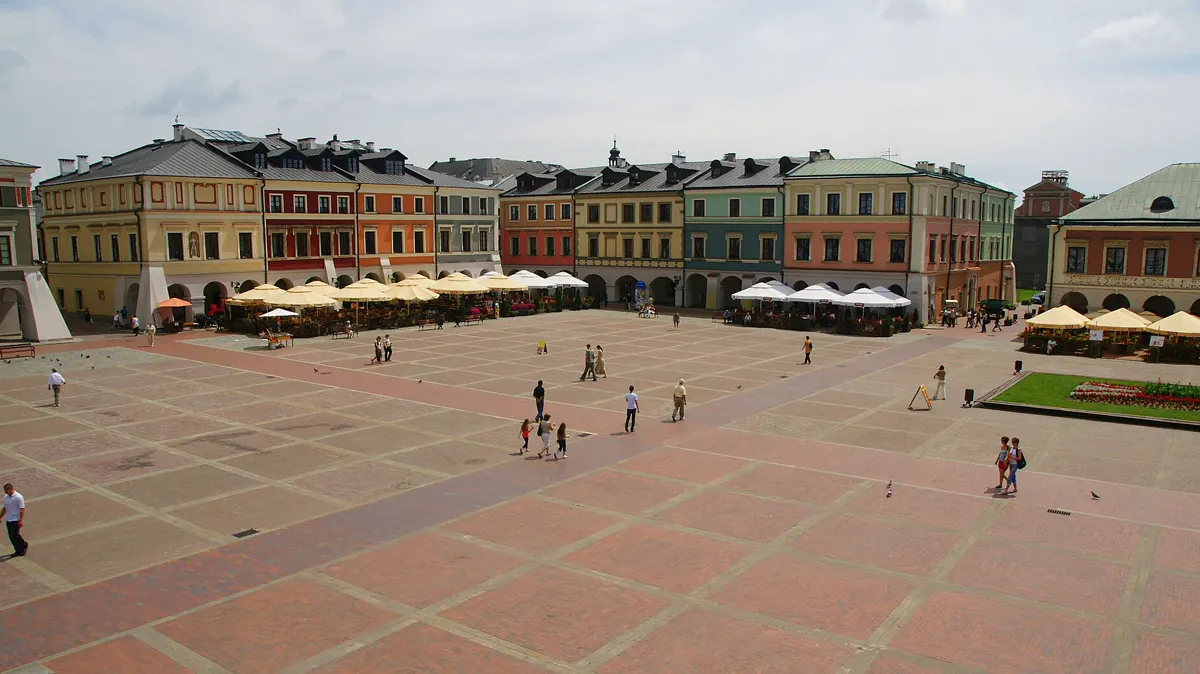
A long-running restaurant on a corner of the Great Market Square, with big outdoor tables looking onto the arcades.
Hotel
Hotel Renesans
A three-star hotel inside the Old Town, a few minutes' walk from the Great Market Square.