Attraction in Łódź
Radegast Station Memorial
A preserved railway station in northern Łódź that served as the main deportation point from the Litzmannstadt Ghetto, now a museum and memorial to the tens of thousands sent from here to Nazi extermination camps.
Reviewed and updated July 2026
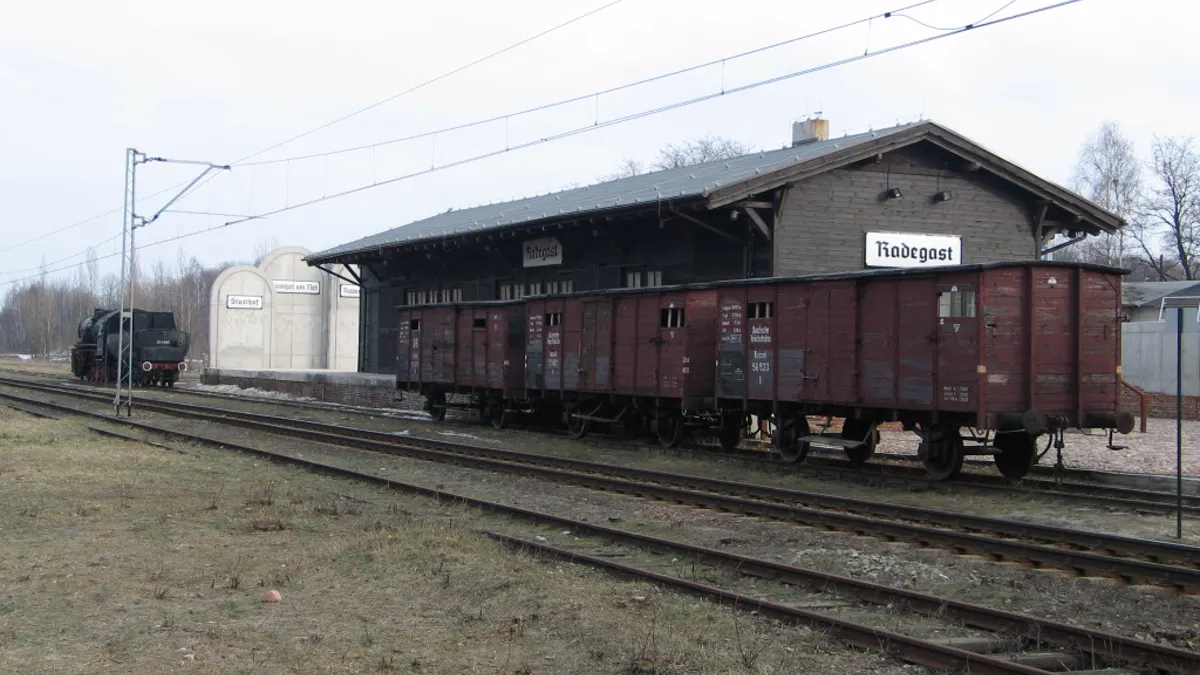
Radegast Station Memorial is a preserved railway station in northern Łódź that from 1942 to 1944 was the main point of deportation from the Litzmannstadt (Łódź) Ghetto, and people visit to grasp the fate of the ghetto's inhabitants. Tens of thousands of Jews and Roma were loaded onto trains here and sent to the Chełmno and Auschwitz extermination camps. Today the site is a branch of the Museum of Independence Traditions, combining the original station building with a long memorial tunnel, freight wagons and a commemorative monument.
What you see at the site
The memorial keeps the original station structure alongside historic freight wagons of the kind used in the deportations, so the scale of what happened is set out in physical form rather than description alone. A long commemorative tunnel runs through the site, and a monument marks the spot where the transports left. The combination of authentic wagons, the preserved platform and the memorial architecture makes this one of the most direct Holocaust sites in the city.
Why Radegast matters
Between 1942 and 1944 Radegast (in Polish, Radogoszcz) functioned as the departure station for the Litzmannstadt Ghetto, the sealed district into which the German occupiers forced the Jewish population of Łódź and deportees from elsewhere. From these platforms tens of thousands of people, Jews and Roma, were sent to the Chełmno and Auschwitz extermination camps, most never to return. The station is therefore central to understanding how the ghetto was emptied and why so few of its inhabitants survived.
Who it suits and how to visit
This is a place for anyone who wants to understand the history of the Litzmannstadt Ghetto rather than a casual sightseeing stop, and it rewards a quiet, unhurried visit. Every August the city holds a memorial service and a march that links the Jewish Cemetery to Radegast Station, which is a significant time to come if you want to see the site remembered collectively. For opening hours, current exhibitions and event dates, check the Museum of Independence Traditions before you travel, as details can change.
Fitting it into a Łódź trip
Radegast sits in the Bałuty district in the north of the city, on ul. Stalowa, the area that once formed the ghetto, so it pairs naturally with a wider walk through that part of Łódź and the nearby Jewish Cemetery. Reaching it is straightforward as part of a day focused on the city's wartime history rather than its industrial or design attractions. See our Łódź guide for how the memorial connects with the rest of the city and how to plan your time.
Good to know
The site lies on aleja Pamięci Ofiar Litzmannstadt Getto 12 in the Bałuty district, well north of the city centre, so allow time for the journey and confirm opening hours with the Museum of Independence Traditions before setting out.
Frequently asked questions
More attractions in Łódź
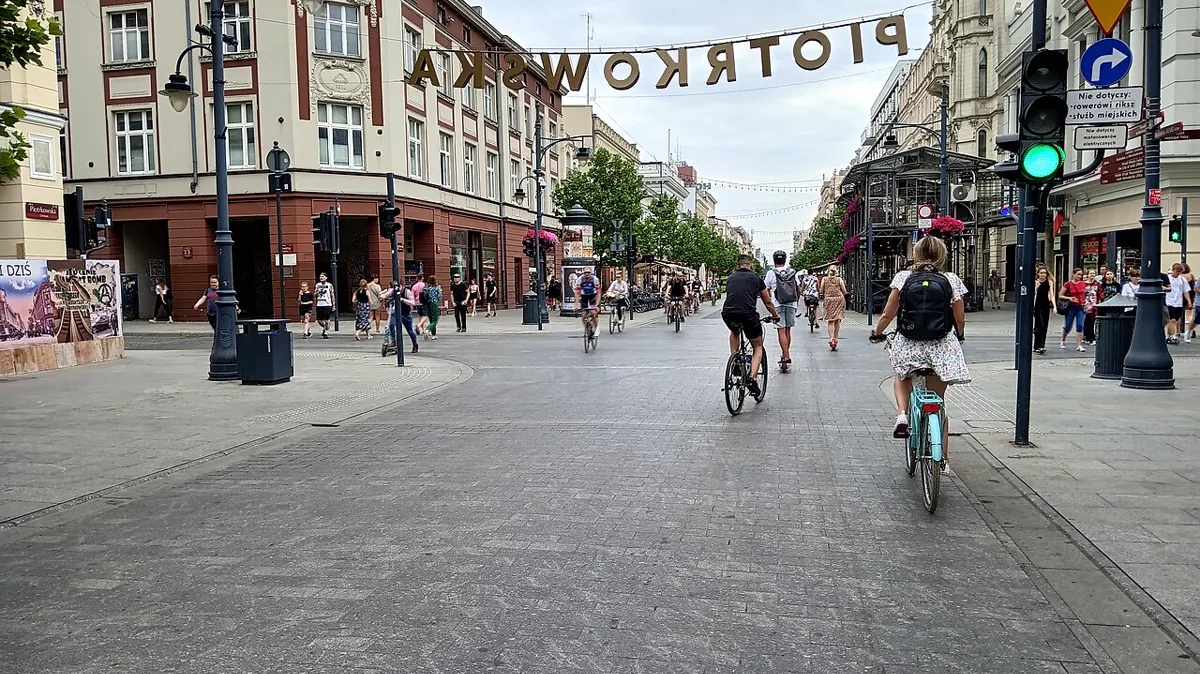
Piotrkowska Street
One of the longest commercial streets in Europe, the four-kilometre spine of Łódź, lined with the facades of its textile-era barons.
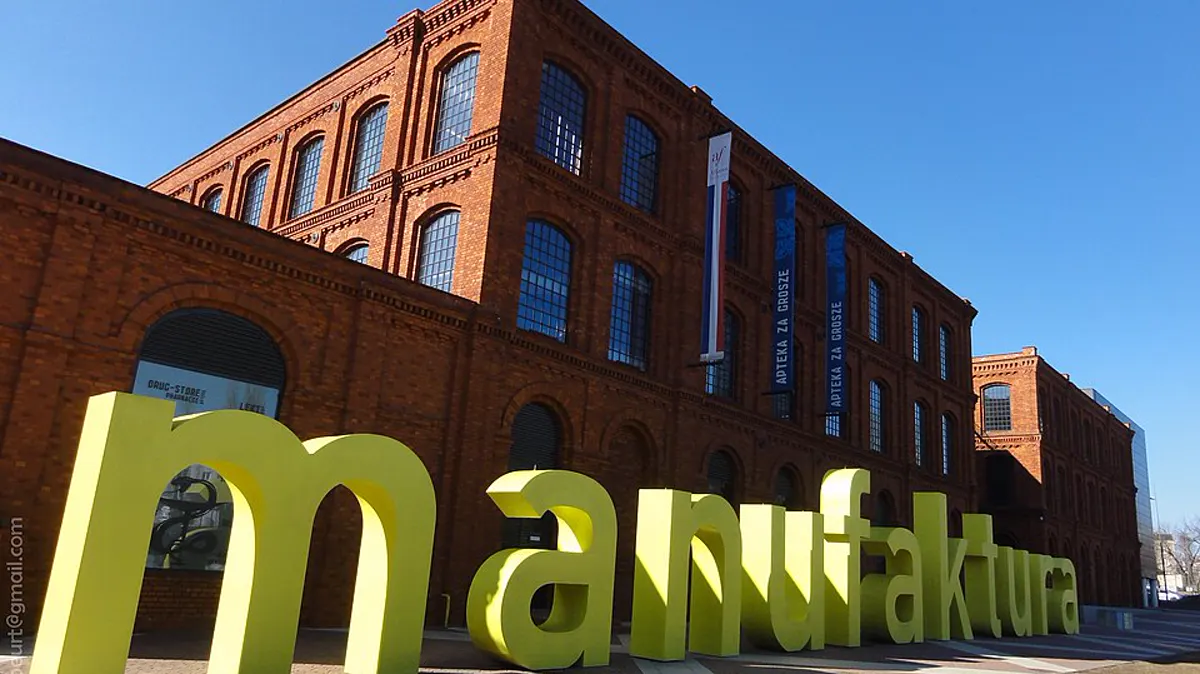
Manufaktura
A vast nineteenth-century textile mill converted into a cultural, dining and shopping quarter around a huge public square.
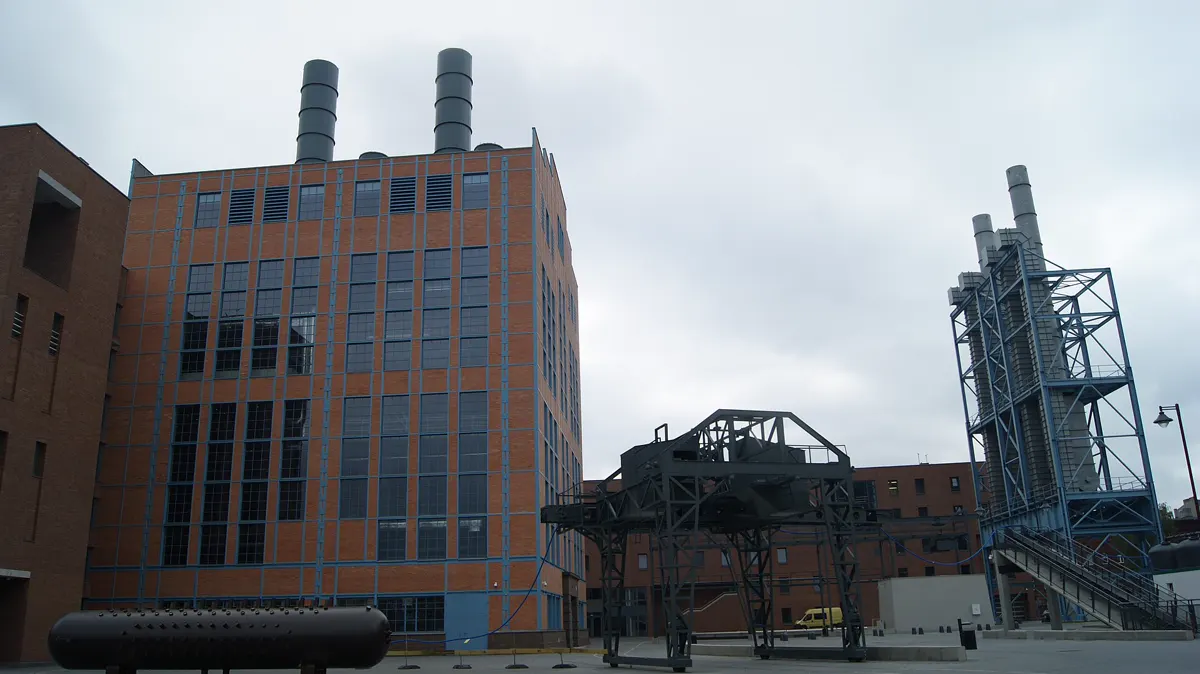
EC1 Łódź
The city's first power station, converted into a hands-on science centre and one of Central Europe's most advanced planetariums.
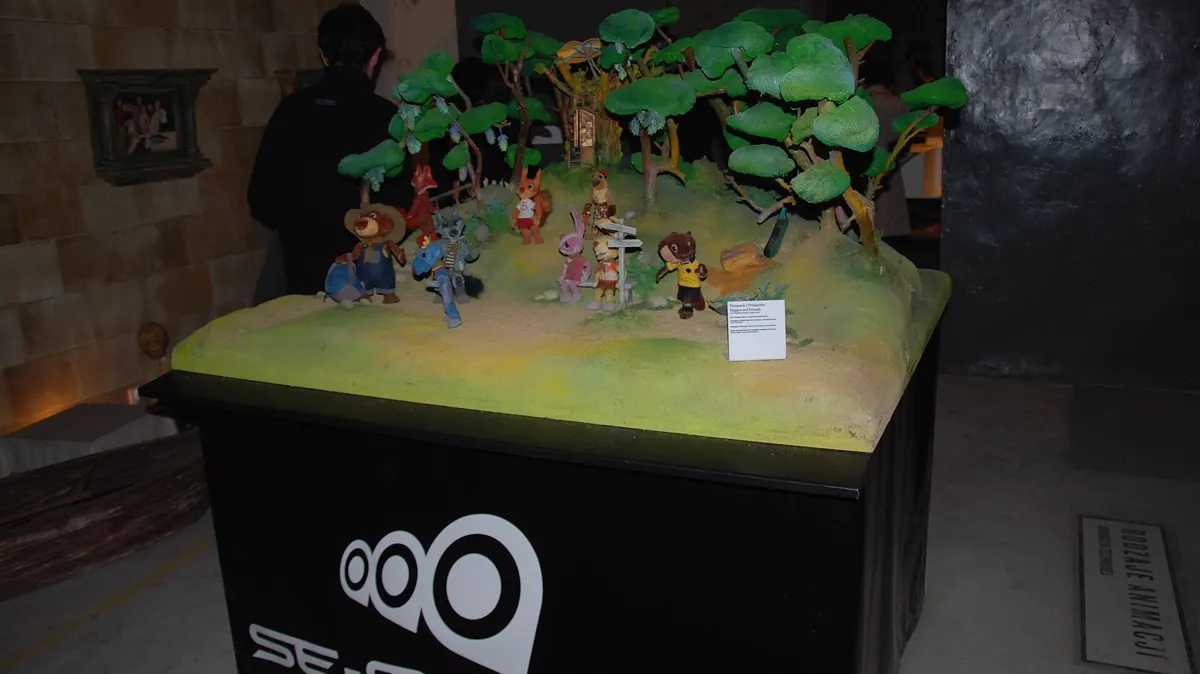
Se-ma-for Animation Museum
A museum in central Łódź devoted to the Se-ma-for studio, home to original puppets, sets and props from classic Polish stop-motion films and the Oscar-winning Peter and the Wolf.
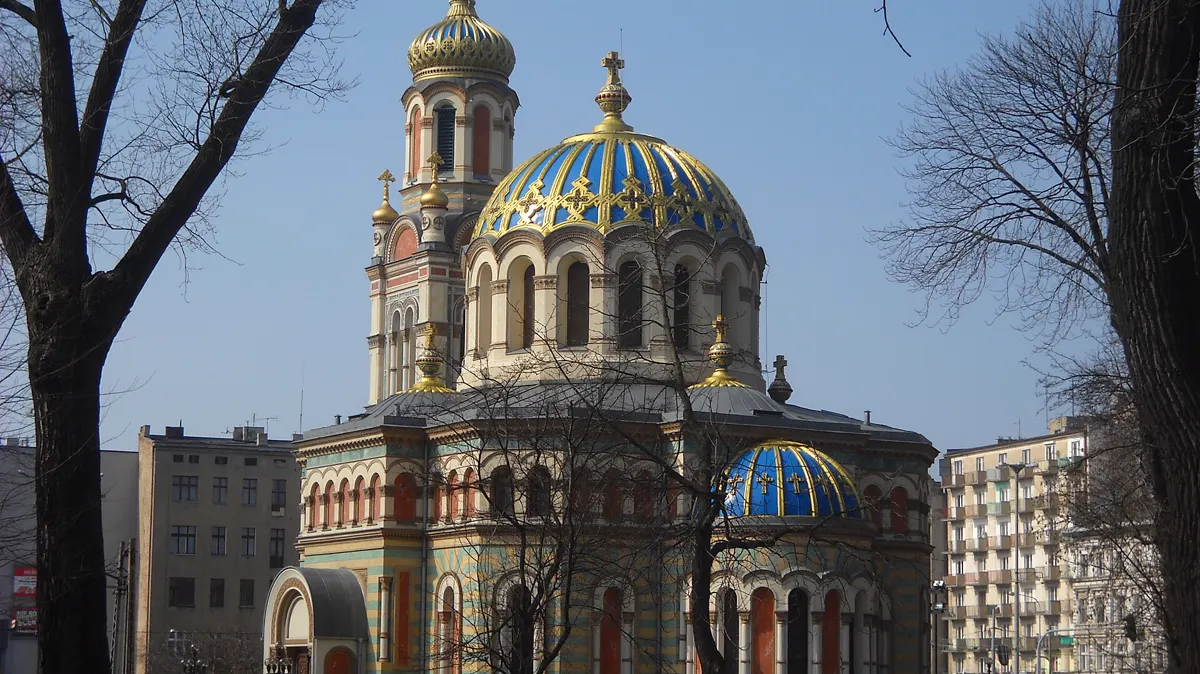
Alexander Nevsky Cathedral
A Polish Orthodox cathedral in central Łódź, built in the 1880s in a Neo-Byzantine style and known for its colourful onion domes and a richly decorated iconostasis made in St. Petersburg.
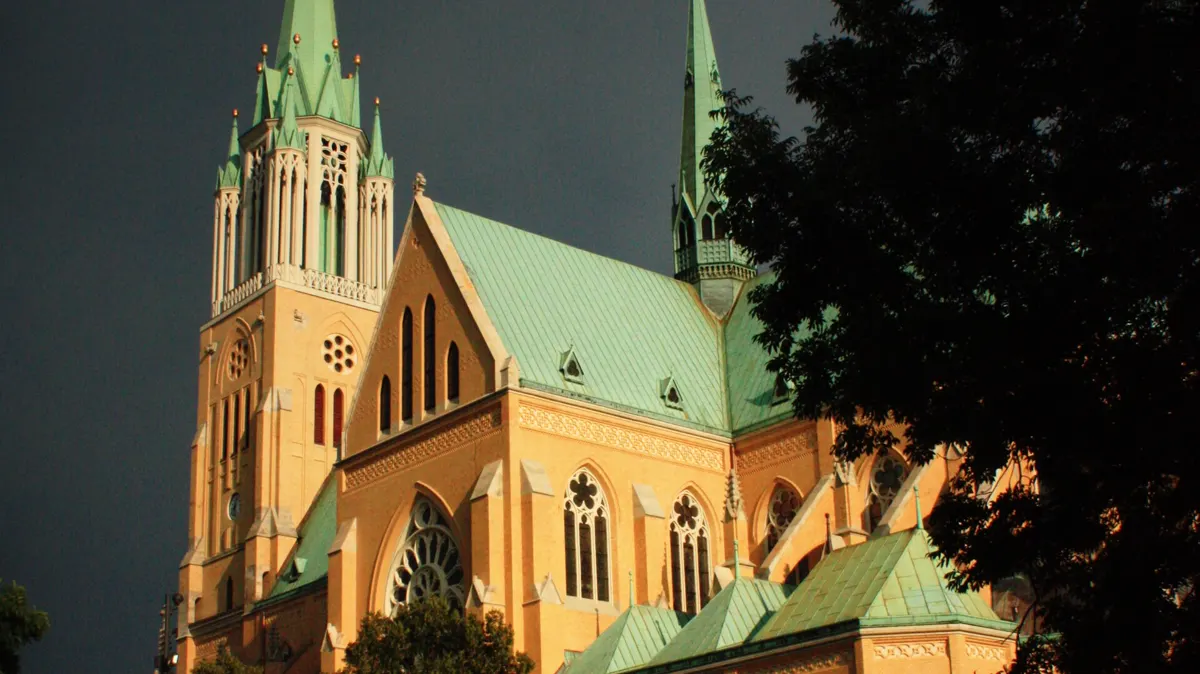
Archcathedral Basilica of St. Stanislaus Kostka
A neo-Gothic cathedral at the southern end of ul. Piotrkowska, and at 104.5 metres the tallest building in Łódź.
More to explore in Łódź
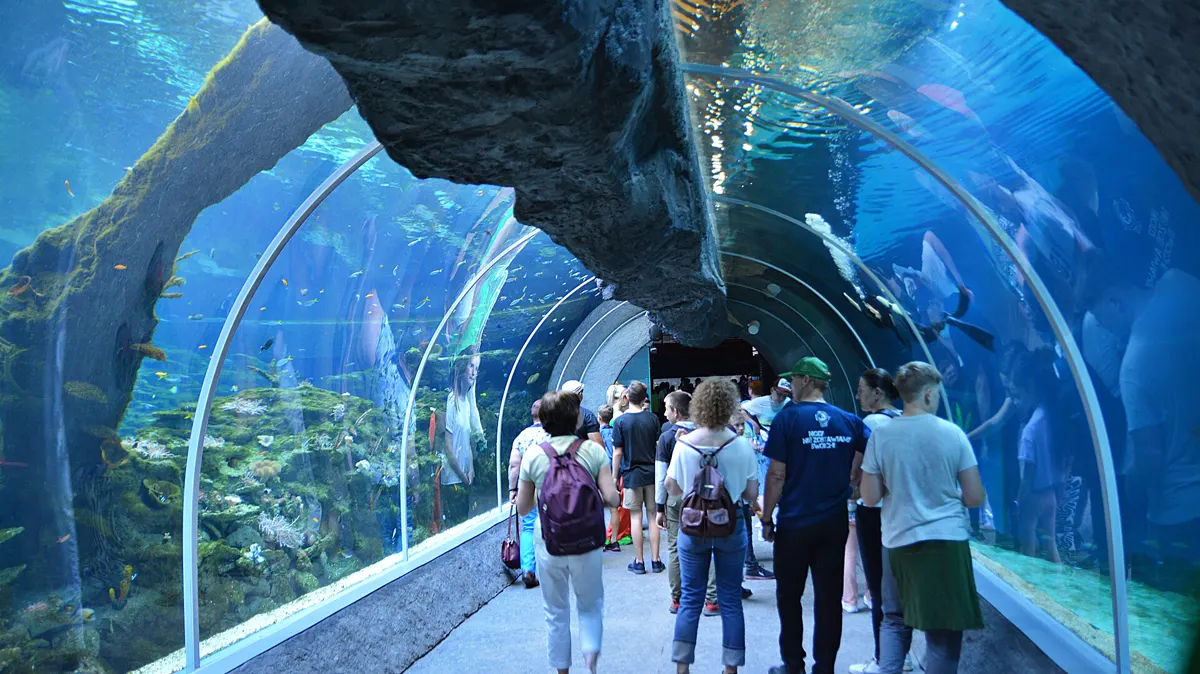
Nature
Orientarium Zoo Łódź
A modern zoo pavilion built around a South-East Asian theme, with an underwater tunnel running beneath a shark and ray tank.
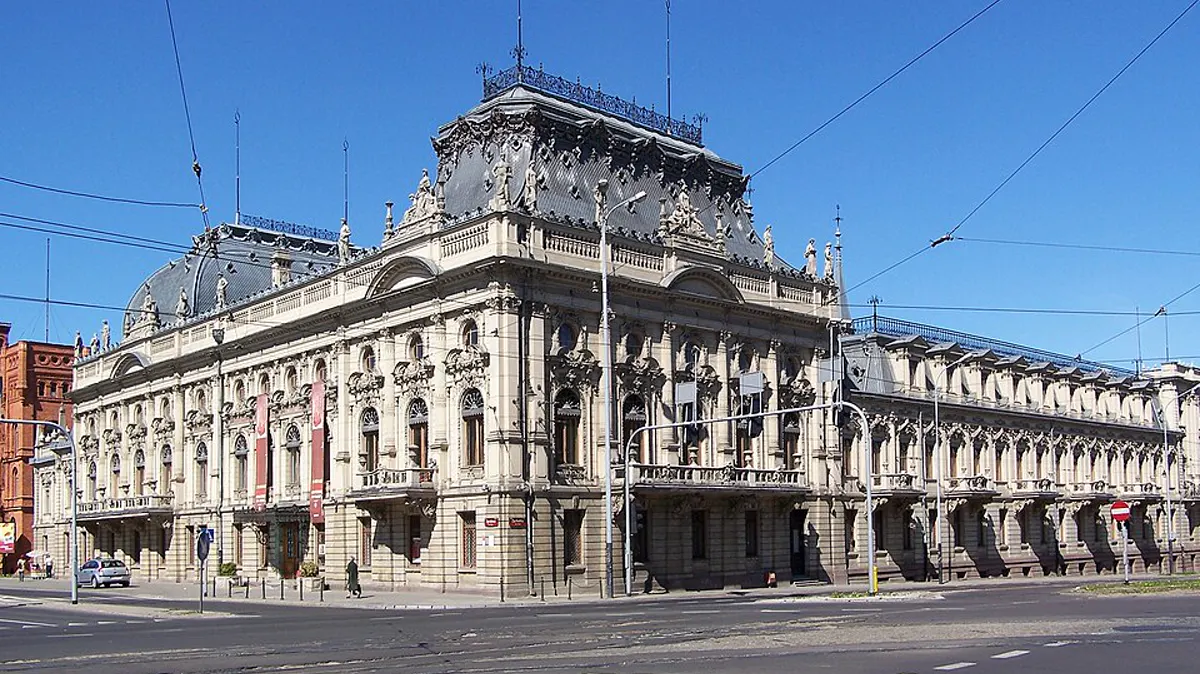
Museum
Izrael Poznański Palace (Museum of the City of Łódź)
The largest industrialist's residence in Poland, built for the Poznański cotton dynasty and now the city museum.
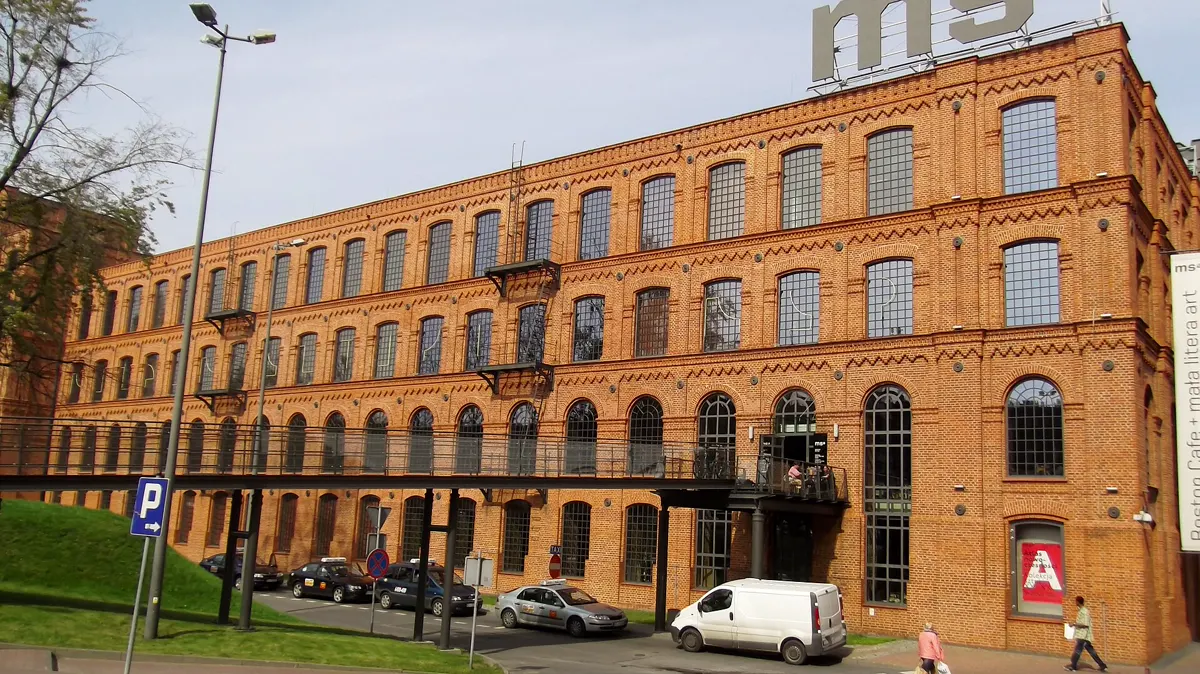
Museum
Muzeum Sztuki (ms²)
One of the world's earliest modern-art museums, whose ms² branch shows its avant-garde collection inside a converted Manufaktura mill.
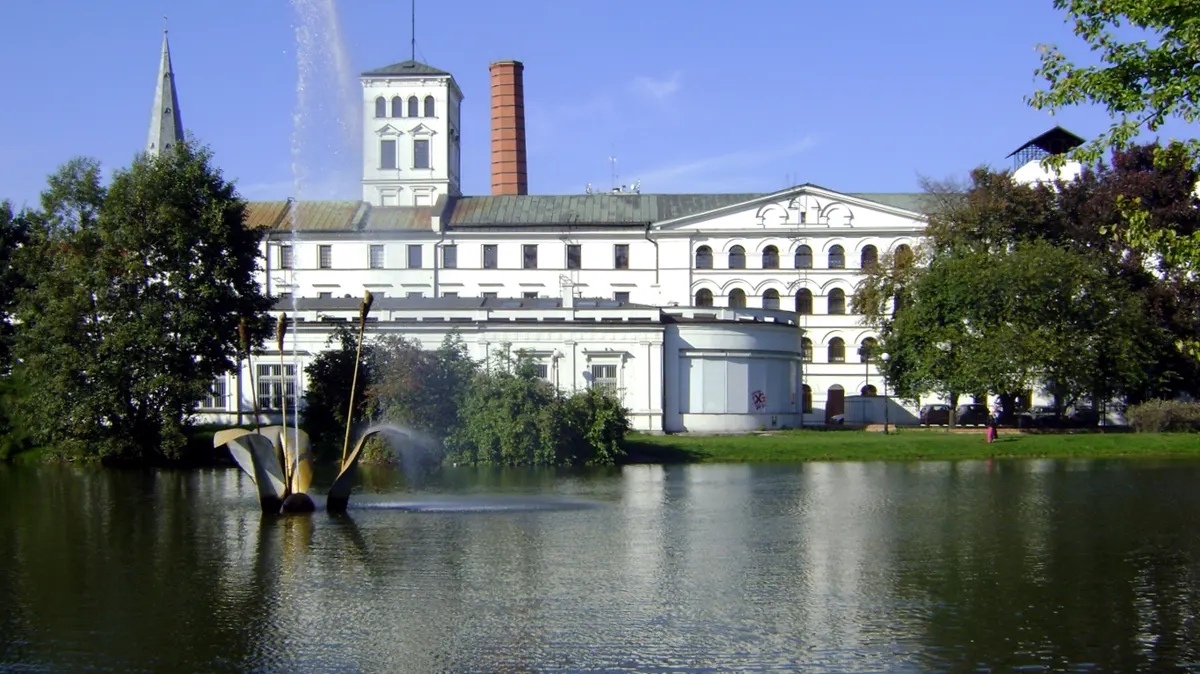
Museum
Central Museum of Textiles (White Factory)
A textile museum inside Łódź's landmark White Factory, telling the city's story through the fabric that built it.
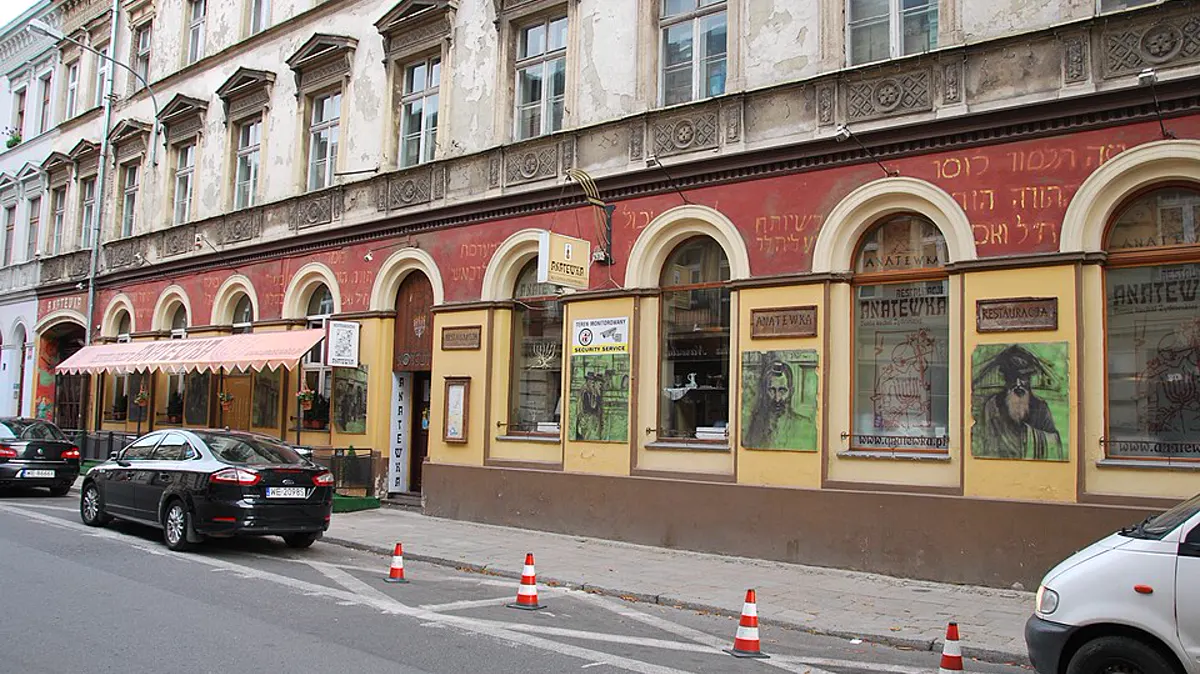
Restaurant
Anatewka
A long-standing Jewish restaurant off Piotrkowska Street, drawing on family recipes and Łódź's pre-war heritage.
Restaurant
Galicja Restaurant
A Manufaktura restaurant serving Polish and Central European classics across a period upstairs room and a brick cellar.