Attraction in Lublin
UMCS Botanical Garden
A 21-hectare university botanical garden in Lublin's Slawinek valley, holding around 6,700 plant taxa across themed collections and glasshouses, open from April to the end of October.
Reviewed and updated July 2026
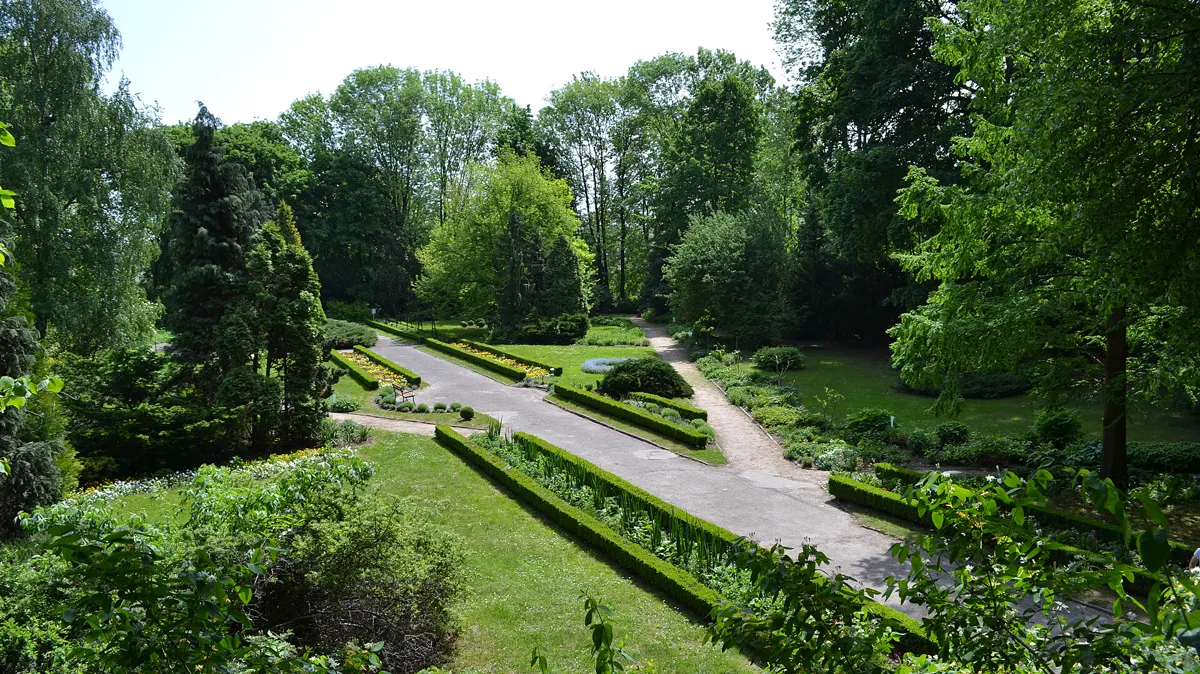
The UMCS Botanical Garden is a 21-hectare research and teaching garden in the Slawinek valley on the north-western edge of Lublin, run by Maria Curie-Sklodowska University and open to the public from April to the end of October. People come to walk among its themed plant collections and glasshouses, which together hold around 6,700 taxa, and to enjoy a green valley setting that feels a world away from the city centre.
What grows here
The living collection runs to roughly 6,700 taxa, split across several distinct groupings. There are over 1,600 species of trees and shrubs, more than 3,300 herbaceous plants and about 1,600 species kept under glass in the greenhouses. The plants are arranged by theme rather than scattered at random, so a walk takes you between different habitats and plant families as the paths wind through the valley.
A university garden since 1965
The garden was established in 1965 and belongs to Maria Curie-Sklodowska University (UMCS), the large public university that gives it its name. That academic role shapes what you see, because the collections serve teaching and research as well as visitors. Its position in the Slawinek valley gives the site natural slopes and water features that many flat city gardens lack.
Who it suits and how to visit
This is a good choice for anyone who likes gardens, plants and quiet outdoor walks, and the mix of open collections and greenhouses means there is something to see whatever your interest. Because the garden opens only from April to the end of October, it works best as a spring, summer or early-autumn outing. Check the university's official channels for current opening times, ticket details and any seasonal notes before you set off.
Fitting it into a Lublin trip
The garden sits in Slawinek, away from the Old Town, so it pairs well with a slower half-day rather than a rushed sightseeing sprint. Combine it with the wider sights in our Lublin guide if you want to balance the city's historic core with a stretch of green space. It rewards visitors who are happy to spend an hour or two walking rather than ticking off a quick photo stop.
Good to know
The garden is open only from April to the end of October, so plan a visit in the warmer half of the year and check the university's official channels for current times and tickets.
Frequently asked questions
More attractions in Lublin
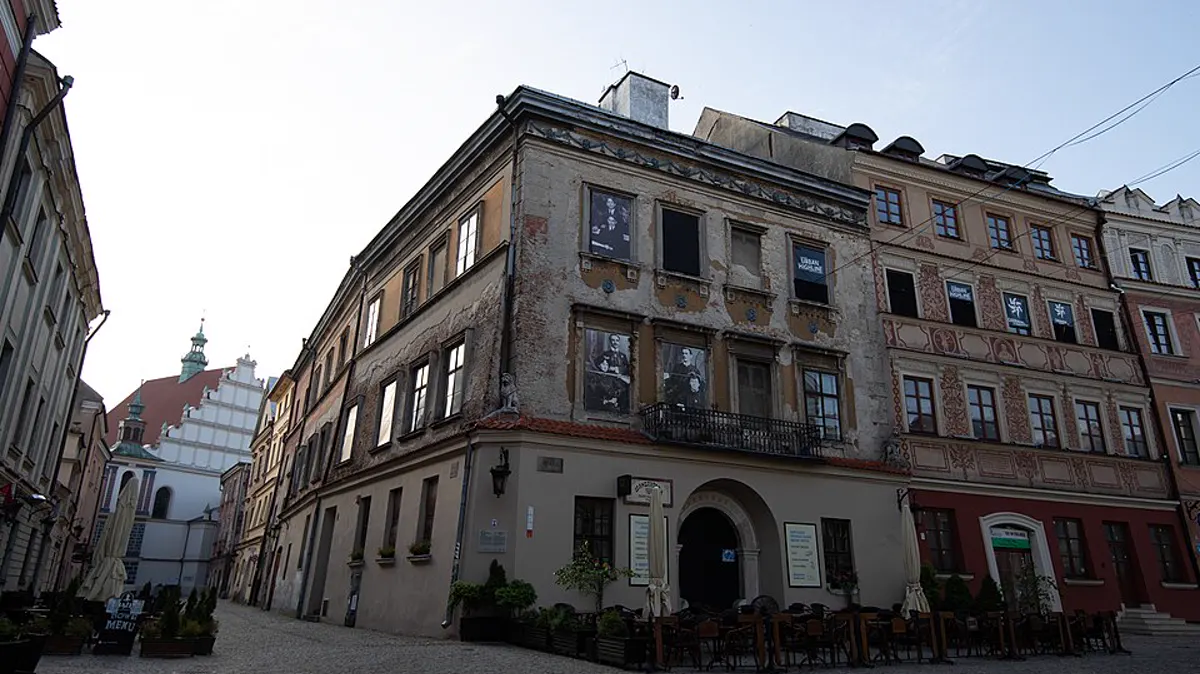
Stare Miasto (Lublin)
Lublin's medieval Old Town winds through narrow lanes and hidden courtyards, with painted Renaissance facades and Rynek square framing the old Trybunal (Crown Tribunal) at its centre.
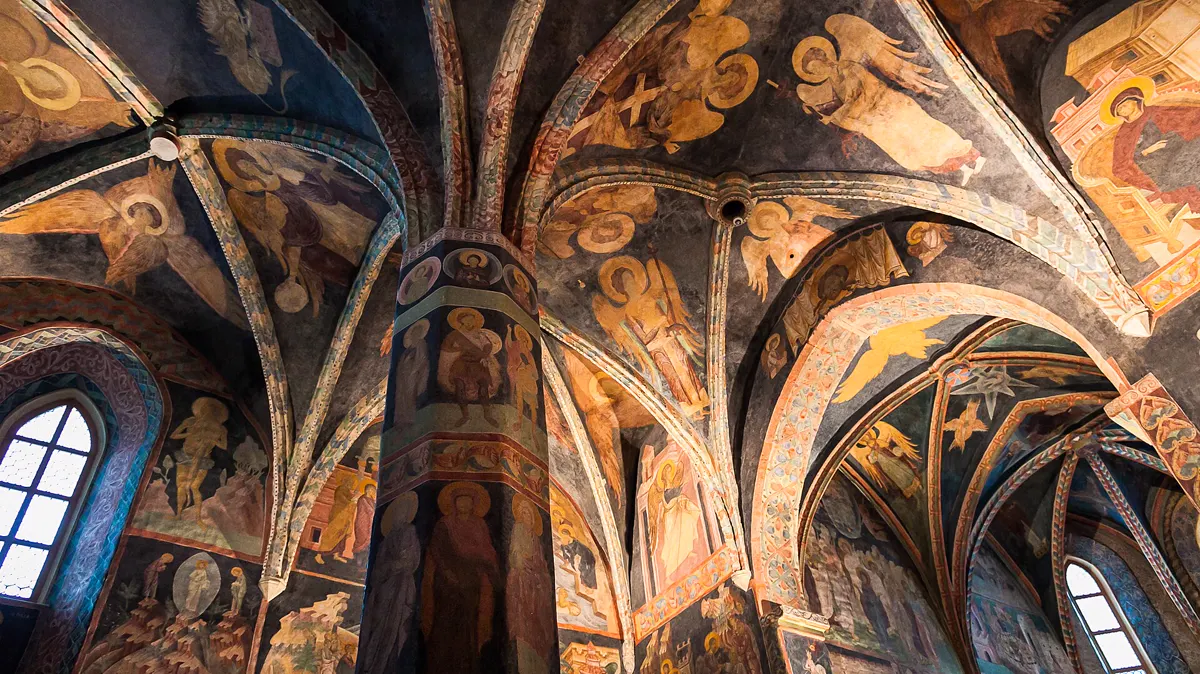
Kaplica Trojcy Swietej
Inside the castle, the Holy Trinity Chapel is covered floor to ceiling with rare Ruthenian-Byzantine frescoes from 1418: Eastern painting under a Western Gothic vault.
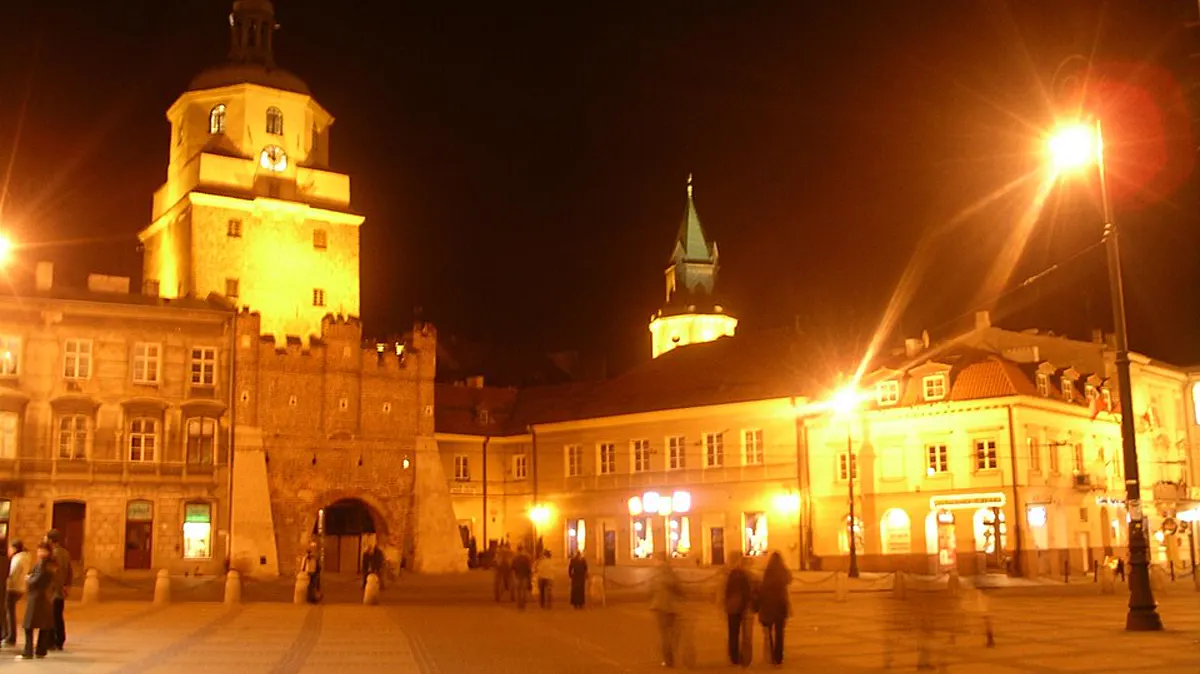
Brama Krakowska
The 14th-century Krakow Gate is Lublin's best-known landmark, a brick tower that guarded the road to Krakow and now houses a small history museum.
Wieza Trynitarska
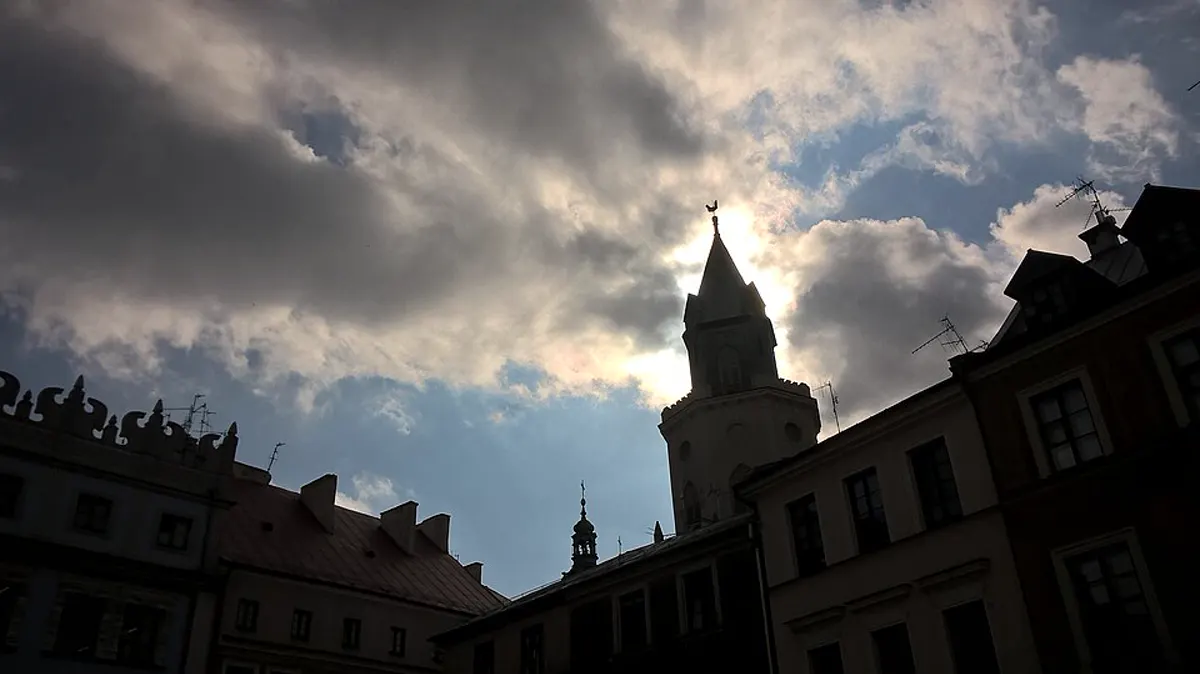
The tallest tower in the Old Town, the neo-Gothic Trinitarian Tower offers a viewing gallery with panoramas over the rooftops and houses the Archdiocesan Museum.
Centre for the Meeting of Cultures
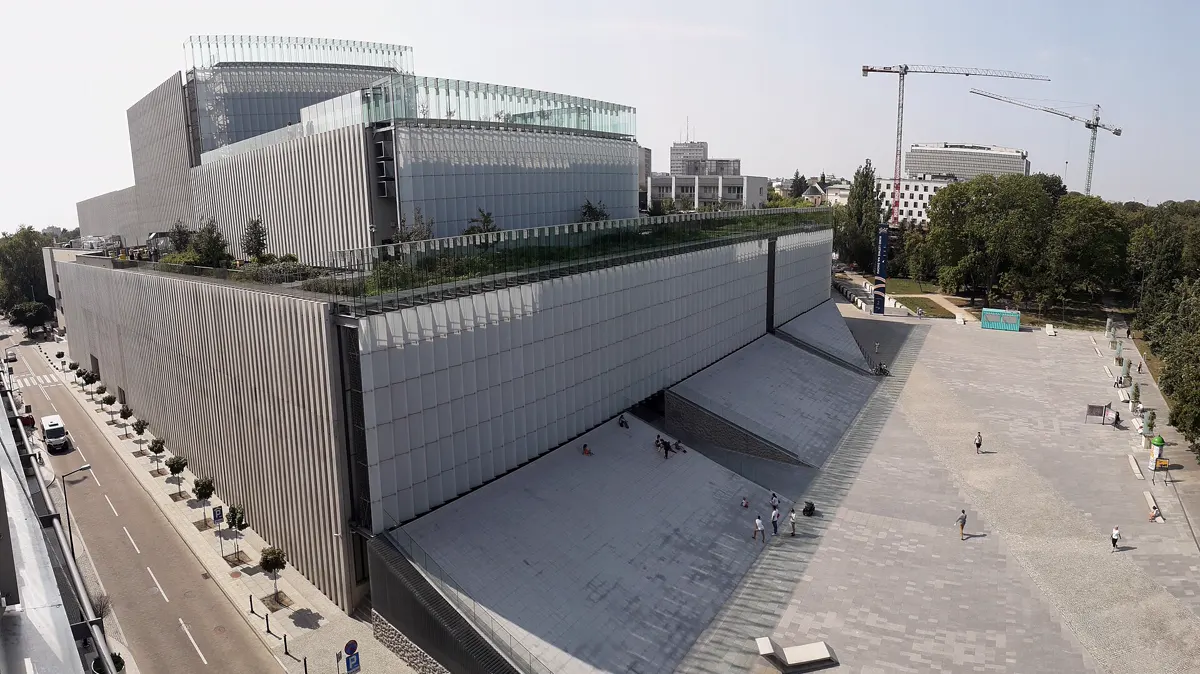
A large modern cultural complex on Theatre Square in Lublin, home to the Musical Theatre, the Lublin Philharmonic and the Hans Christian Andersen Theatre, with a free terraced rooftop garden open to the public.
Katedra sw. Jana Chrzciciela
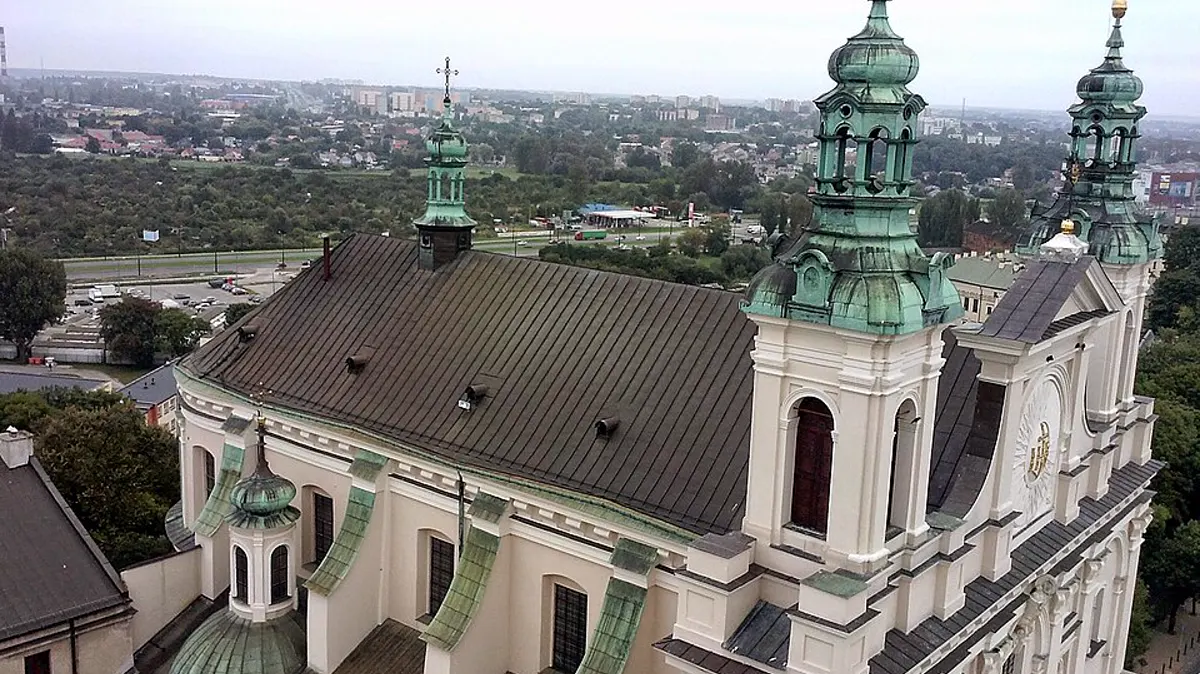
The former Jesuit church is Lublin's cathedral, famous for its Baroque trompe-l'oeil frescoes by Josef Mayer and an acoustic Whispering Sacristy.
More to explore in Lublin

Restaurant
Mandragora
A candlelit restaurant on the Old Town market recreating Lublin's pre-war Jewish and Polish cooking.
Hotel
Grand Hotel Lublinianka
A restored early-20th-century hotel on the main promenade with a spa in its cellars.
Castle
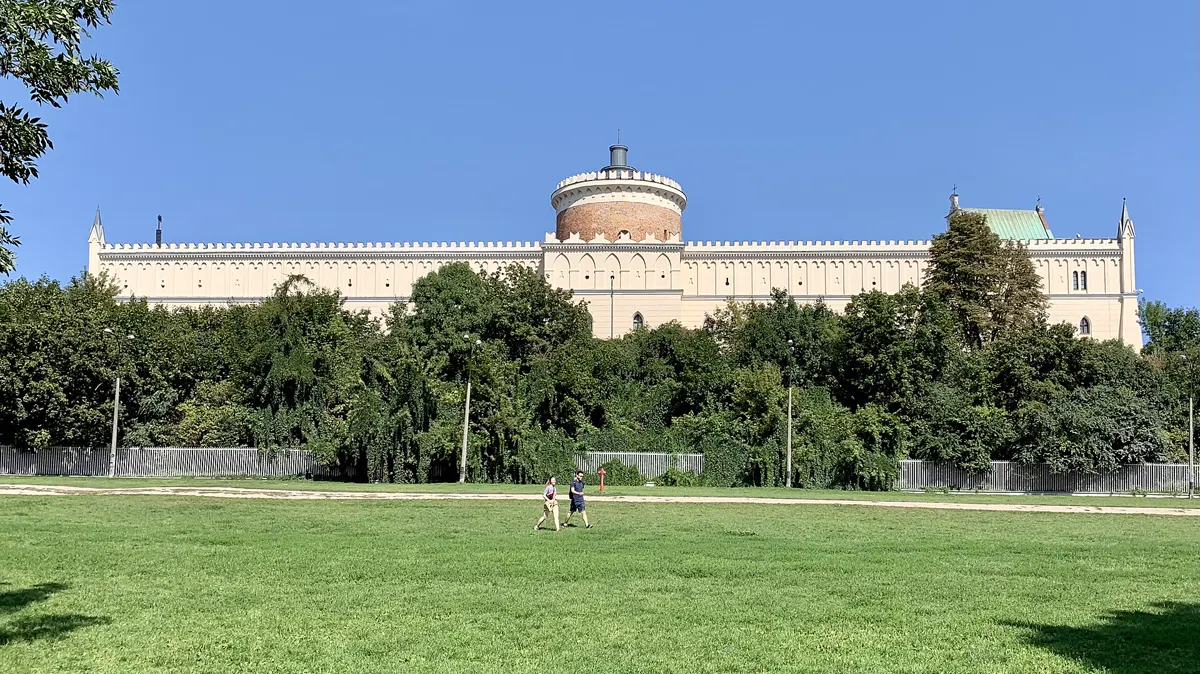
Lublin Castle
A hilltop castle whose Gothic chapel holds a rare cycle of Byzantine-style frescoes from 1418, the finest sight in the city.
Restaurant
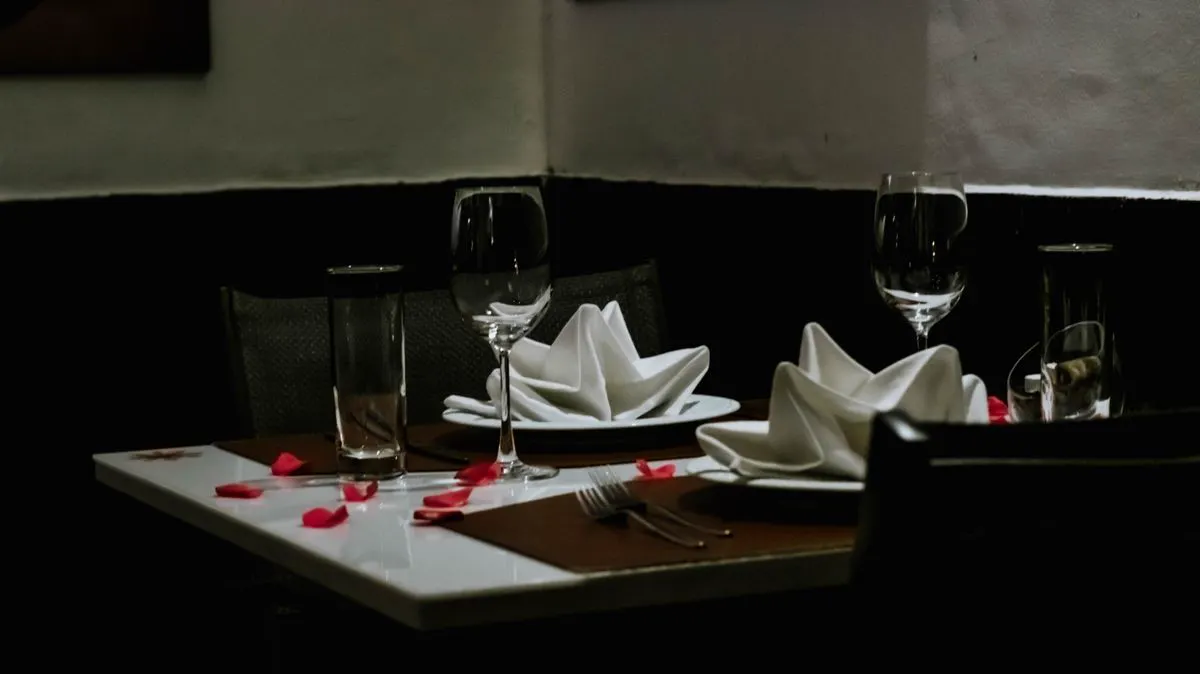
Hades Szeroka
A friendly, good-value spot for Polish plates near the castle.
Hotel
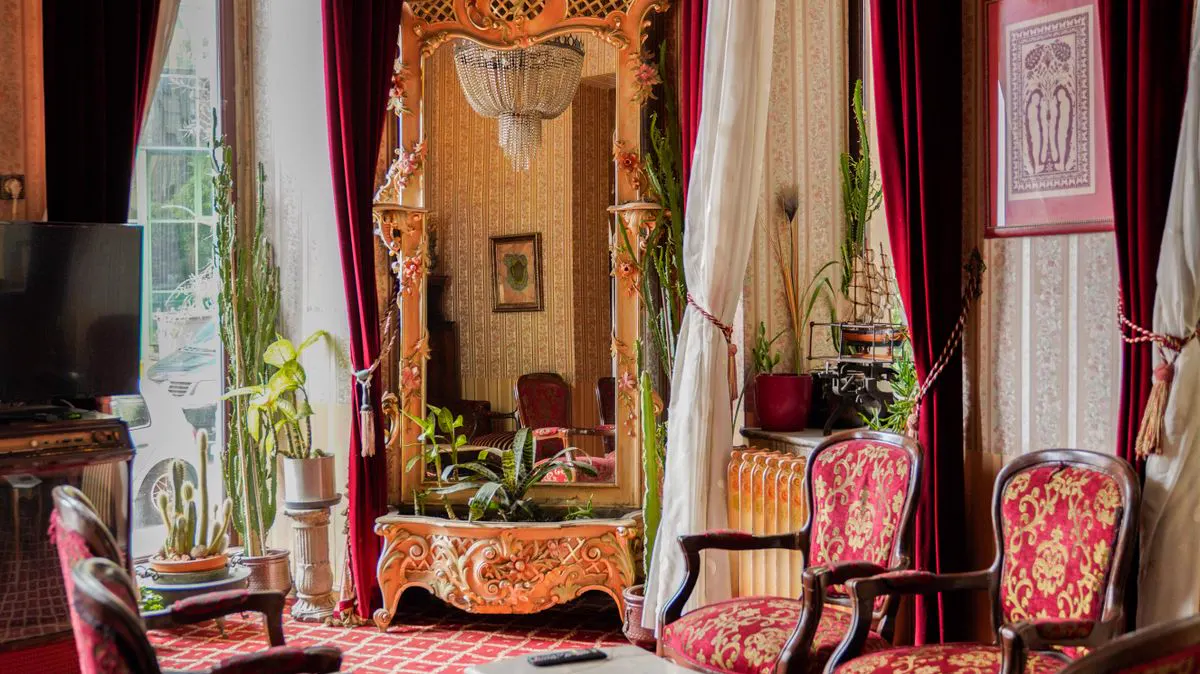
Hotel Alter
A design-led five-star in a converted 16th-century tenement on the edge of the Old Town, with exposed brick, a rooftop and a well-regarded restaurant. The most stylish stay in the centre.
Hotel
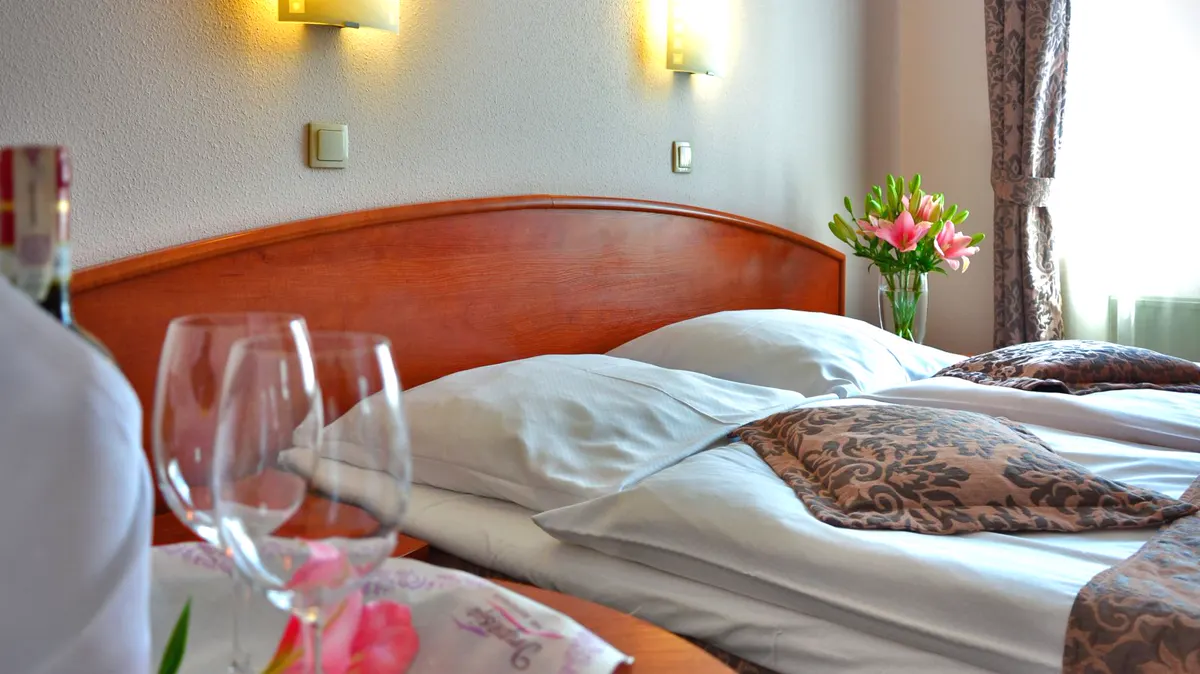
Hotel Vanilla
A colourful boutique hotel a step off the Old Town with a well-liked restaurant.