Attraction in Białowieża
Palace Gate (Tsar's Palace Gate)
A red-brick gatehouse from the 1890s that marked the entrance to Tsar Alexander III's hunting estate in Białowieża, and one of the few structures left from that imperial complex.
Reviewed and updated July 2026
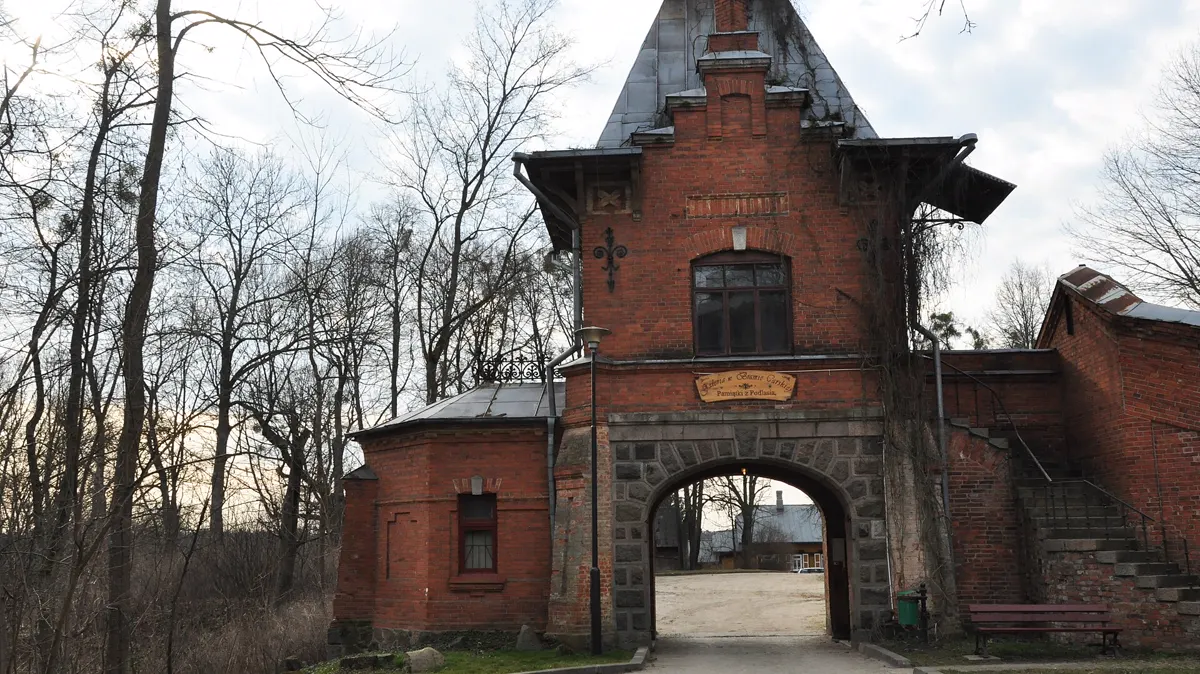
The Palace Gate is a red-brick gatehouse built in the 1890s that once marked the entrance to the hunting estate of Tsar Alexander III in Białowieża, and people visit it as one of the few structures that outlasted the imperial complex. The tsar's grand residence stood in the surrounding park until it burned in 1944, so the gate now reads as a direct link to the Russian rulers who came here to hunt in the ancient forest. It stands at the historic entrance to the grounds, where a short pause tells you more about the estate than the empty lawns nearby.
What you see at the gate
The structure is a compact brick gatehouse, its walls left in exposed red brick rather than plastered over, marking the point where visitors once passed into the tsar's grounds. Because the main palace no longer exists, the gate carries the weight of the whole estate on its own, framing the approach into the Palace Park. Stand at the threshold and you are looking along the line people took to reach a residence that is now gone.
A relic of the tsars' Białowieża
Tsar Alexander III had a hunting palace raised in the park, turning this corner of the forest into an imperial retreat during the years Poland was partitioned and this land sat within the Russian Empire. The palace burned in 1944, near the end of the Second World War, and most of the complex vanished with it. The gate survived, which is why it matters more than its modest size suggests: it is one of the last physical traces of the Russian tsars' presence in the Białowieża Forest.
Who it suits and how long to spend
This is a stop for anyone curious about the human history layered over the forest, especially the imperial and interwar past that shaped the Palace Park. It rewards a short visit rather than a long one, so it fits well as part of a walk through the park rather than a destination on its own. History-minded travellers, photographers drawn to old brickwork, and families breaking up a longer forest day will all find enough here to justify the detour.
Fitting it into a Białowieża visit
The gate sits within the Palace Park, the same green space that holds the museum and the main paths through the village, so it slots naturally into a day spent around the settlement. Many people see it before or after the strictly protected part of the forest, which requires a guide, using the park as the gentler, freely walkable counterpart. For where it sits in the wider area and what else to pair it with, see our Białowieża guide.
Good to know
The gate stands within the Palace Park, which you can walk freely, unlike the strictly protected core of the forest that requires a licensed guide, so check current park access and guide arrangements through official channels before you go.
Frequently asked questions
More attractions in Białowieża
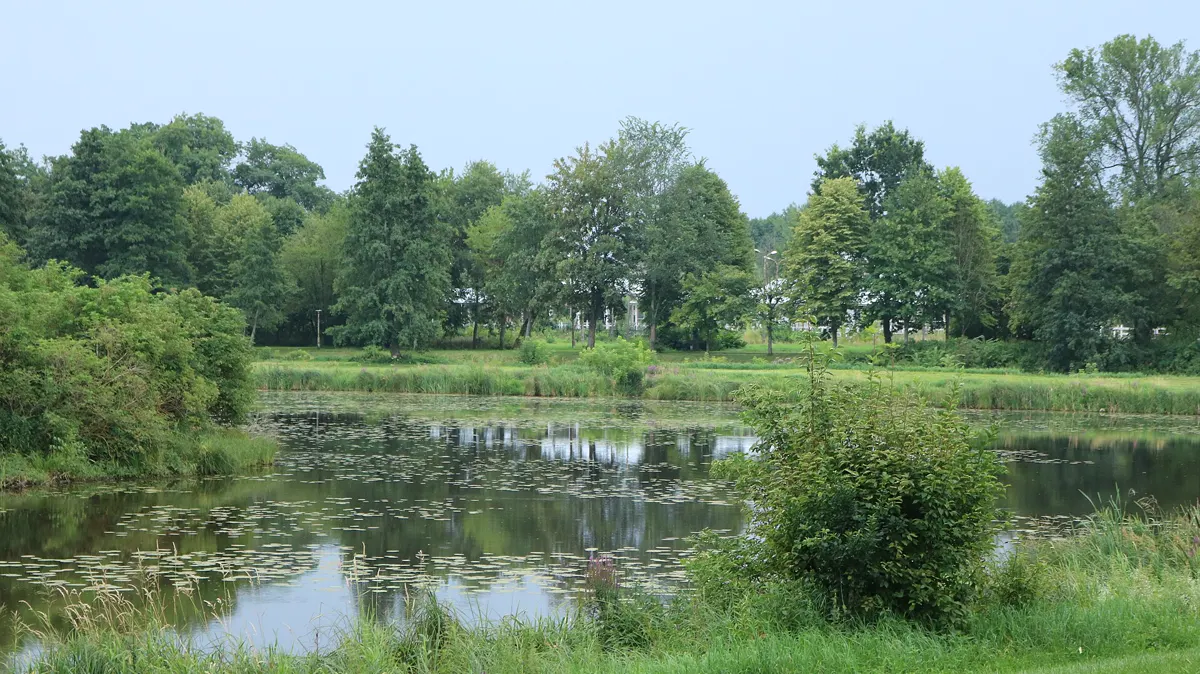
Palace Park (Park Pałacowy)
Landscaped grounds around the site of the tsars' burned hunting palace, now the setting for the national park museum.
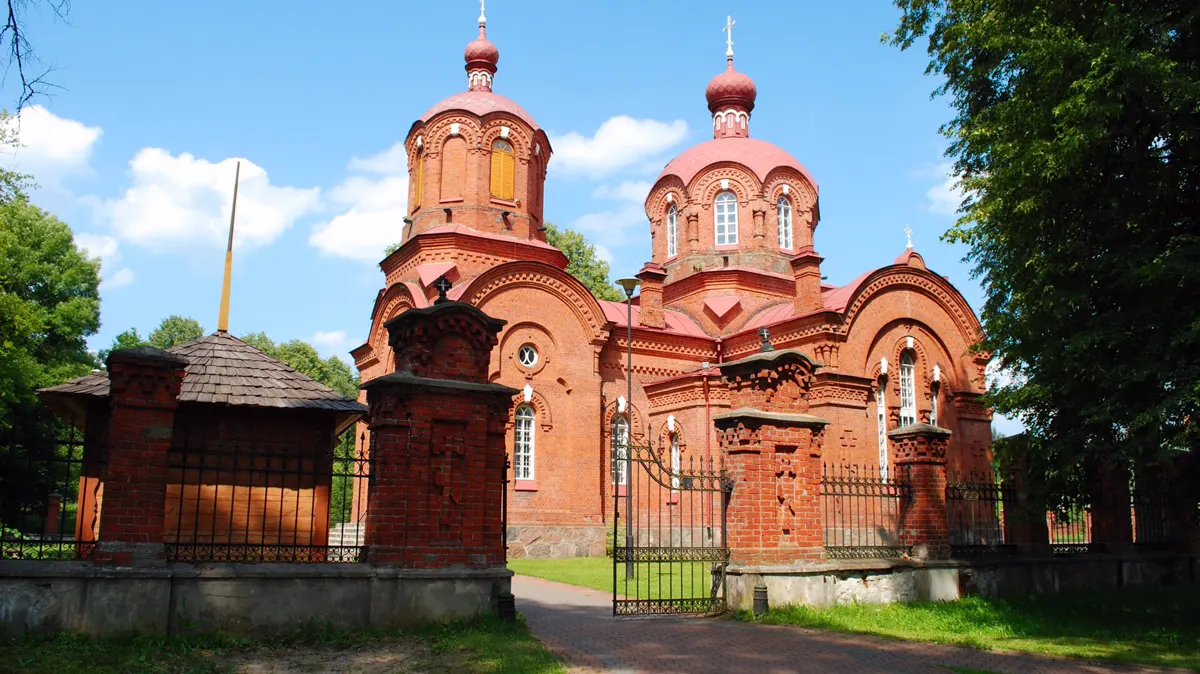
Orthodox Church of St Nicholas
A tsarist-era Orthodox church holding a rare glazed-ceramic iconostasis, unusual in Poland.
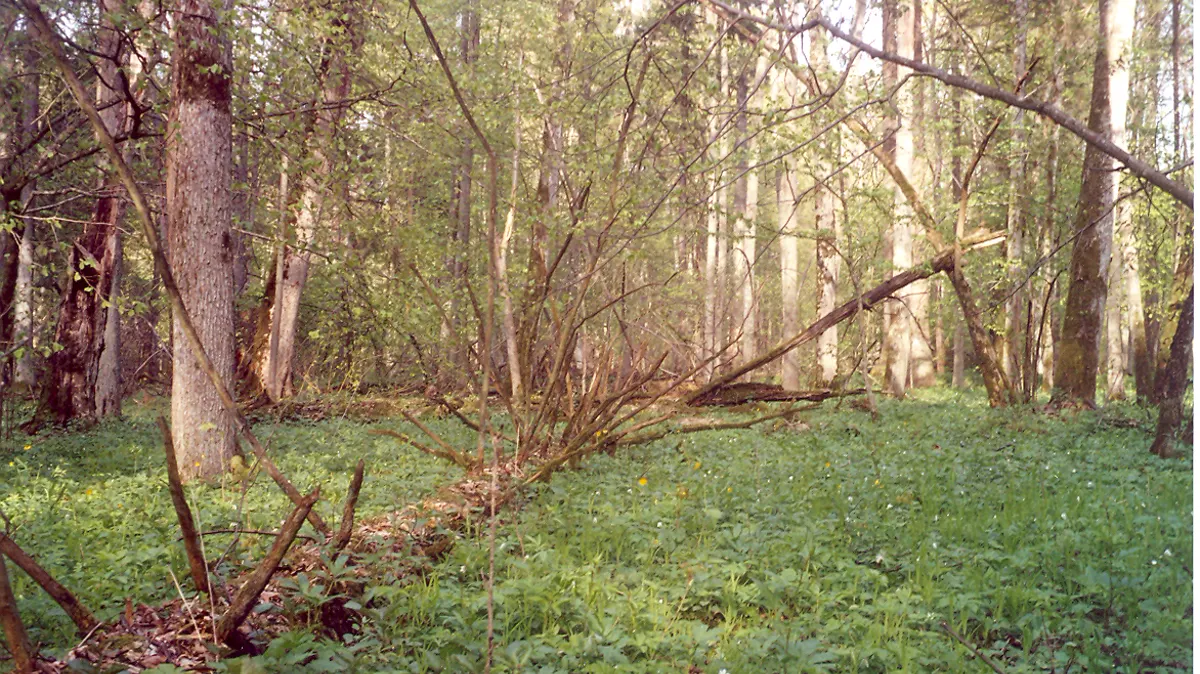
Strict Nature Reserve, Białowieża (Guided Primeval Forest Walk)
The strictly protected core of the Białowieża primeval forest, a UNESCO World Heritage site entered only on foot with a licensed park guide. Visitors walk through old-growth woodland that has never been cleared.
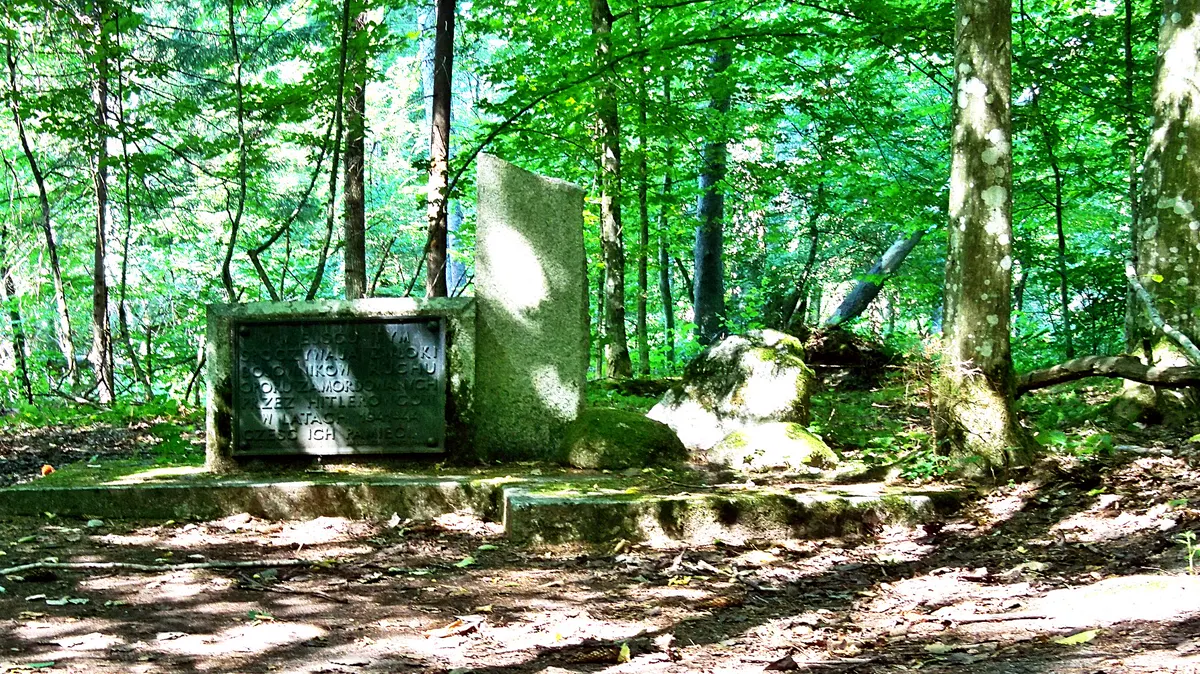
Execution Site Memorial (Miejsce Straceń)
A memorial at a former gravel pit near Białowieża marking the wartime execution of around 500 local people by Nazi German forces. It is one of the village's most important places of remembrance.
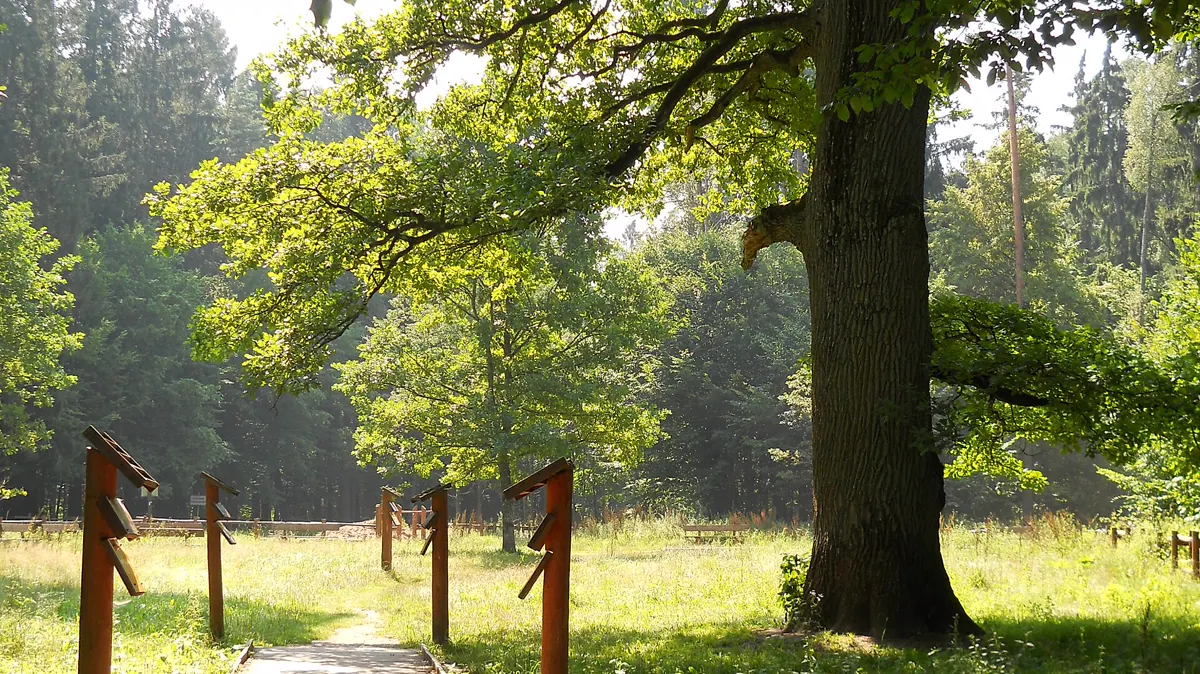
Royal Oaks Trail (Szlak Dębów Królewskich)
A short boardwalk loop in the Stara Białowieża tract that winds past monumental oaks, each named after a Polish king or Lithuanian duke who once hunted in the forest.
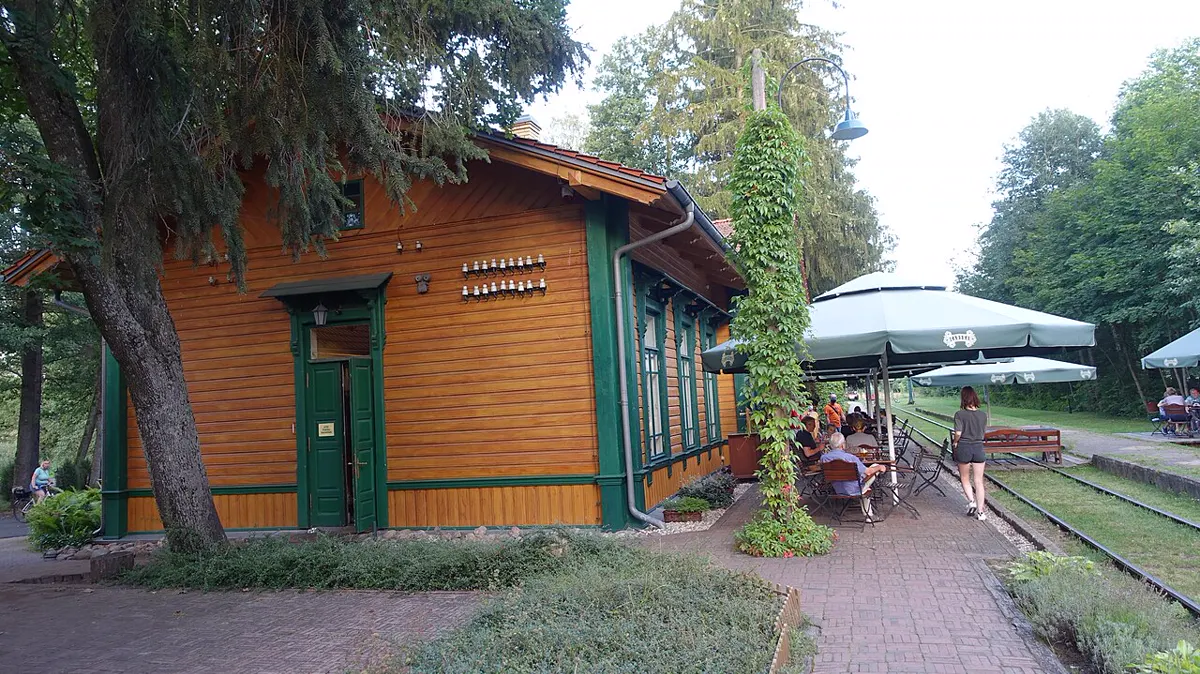
Białowieża Towarowa Railway Station
A restored 1903 freight railway station on the edge of Białowieża village, now home to a Tsarist-themed venue and accommodation set inside its old depot, water tower and vintage carriages.
More to explore in Białowieża
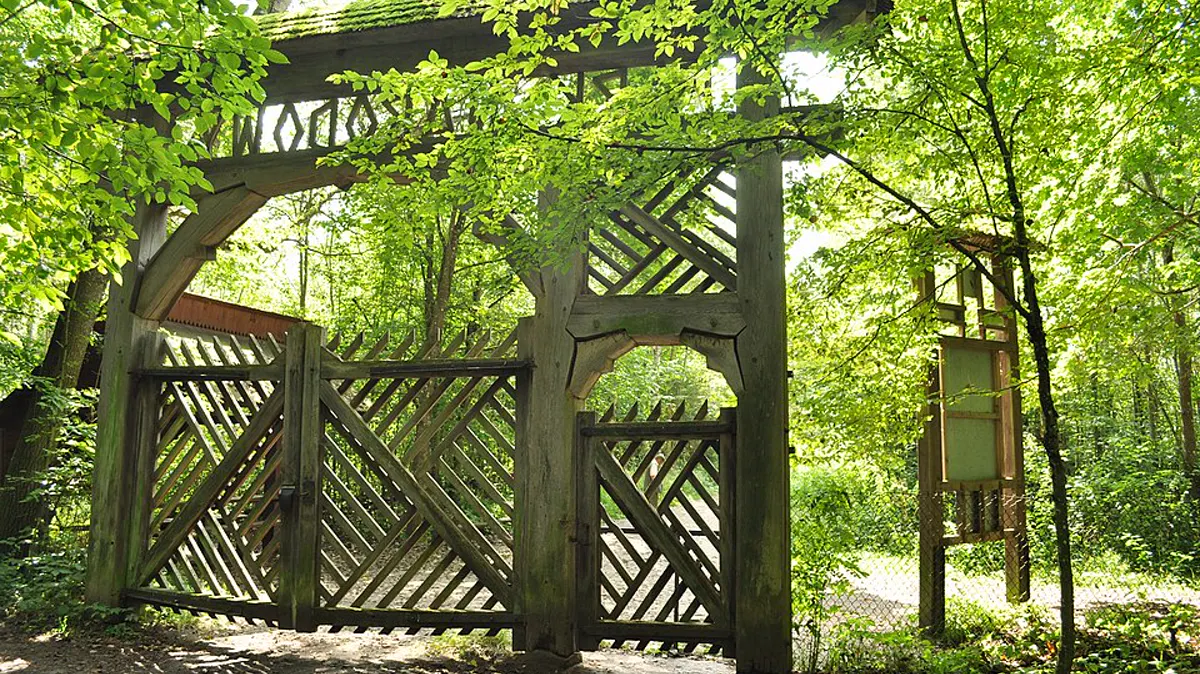
National Park
Bialowieza National Park
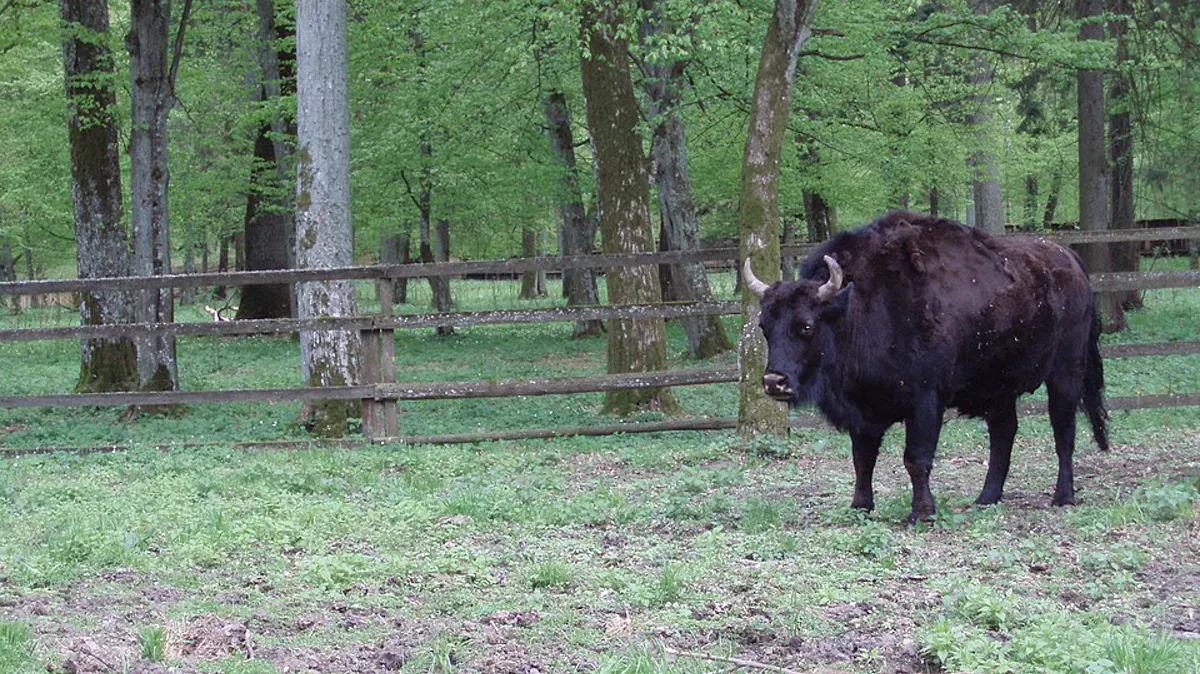
A fragment of primeval lowland forest, never logged in its core, protecting Europe's largest wild population of bison.
Nature
European Bison Show Reserve
A managed enclosure west of the village where you can reliably see European bison along with wolves, lynx and elk.
Museum
Nature and Forest Museum (Muzeum Przyrodniczo-Leśne)
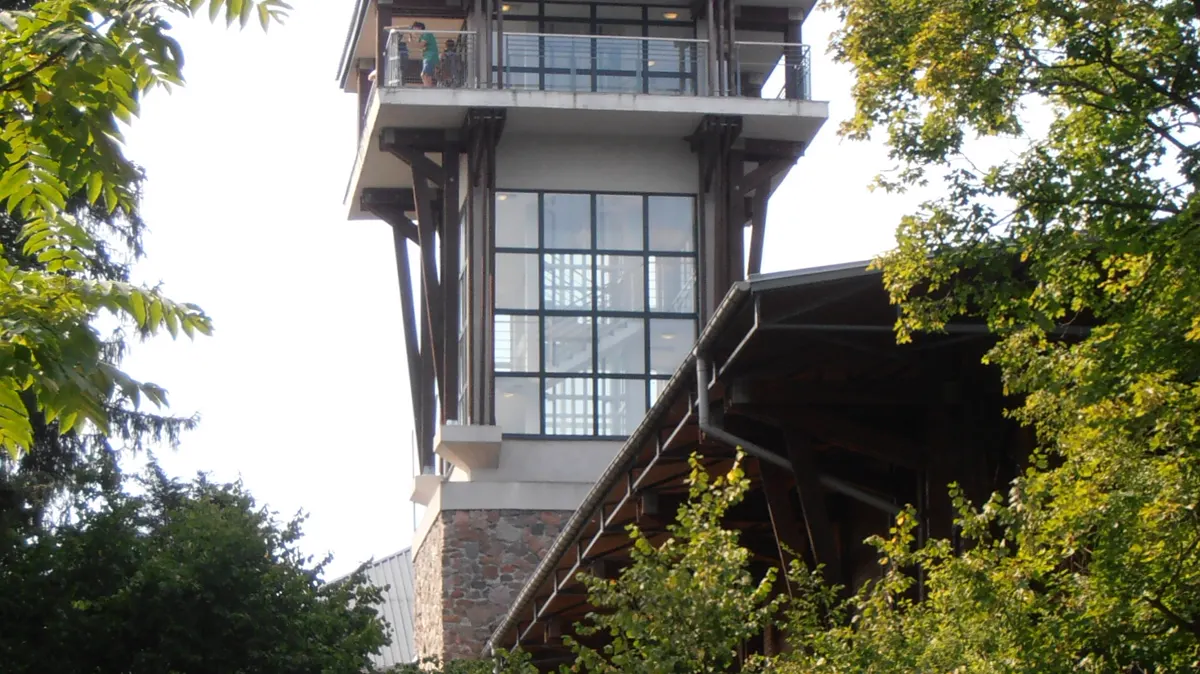
The national park's natural-history museum in Palace Park, with forest dioramas and a viewing tower.
Restaurant
Restauracja Pokusa
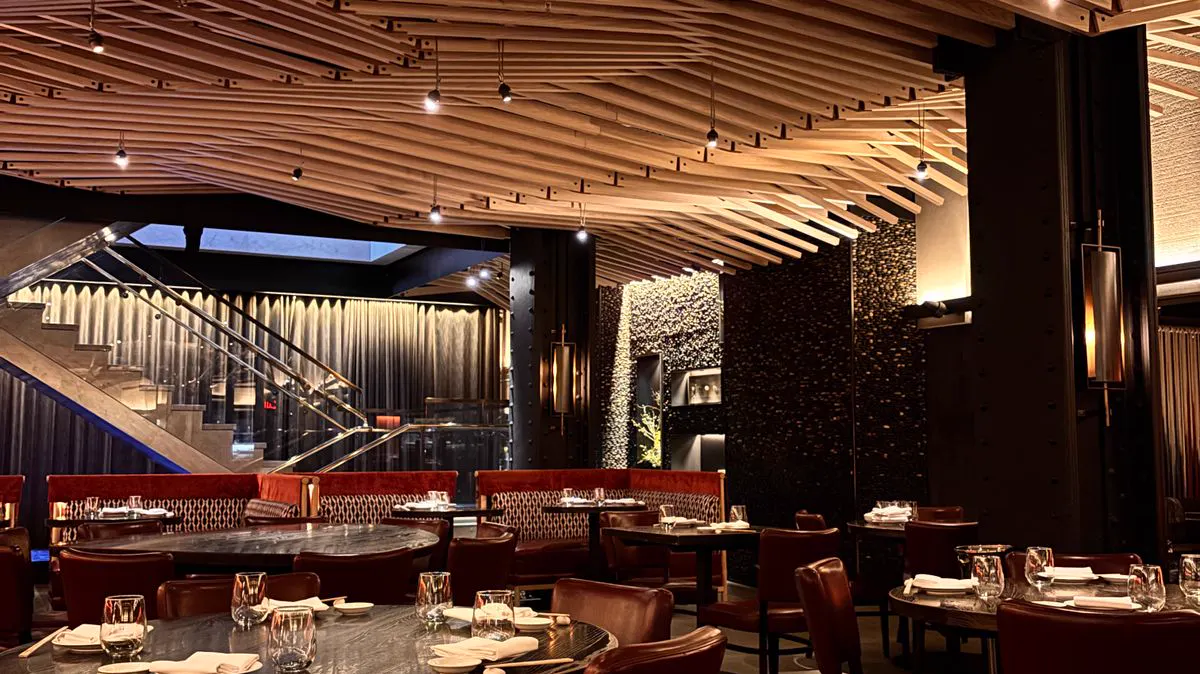
A broad-menu Białowieża restaurant strong on game, fish and regional dishes with craft beer.
Hotel
Hotel Białowieski Conference, Wellness & SPA
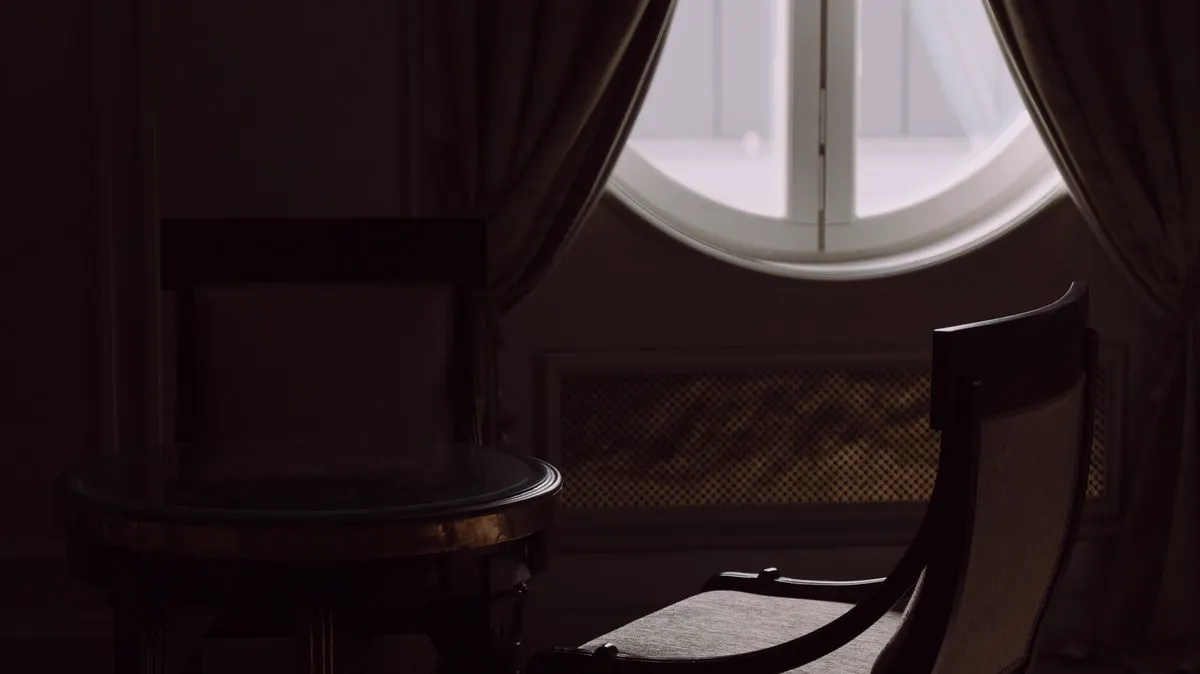
A three-star forest-edge hotel with an indoor pool, spa and its own on-site brewery.

Restaurant
Restauracja Stoczek 1929
A traditional Eastern European restaurant on Stoczek known for pierogi and a fireplace-warmed room.