Attraction in Kazimierz Dolny
Natural History Museum (Muzeum Przyrodnicze)
A branch of the Vistula River Museum set in a late 16th-century granary on Pulawska Street, presenting the geology, plants and animals of the Vistula gorge and Kazimierz Landscape Park.
Reviewed and updated July 2026
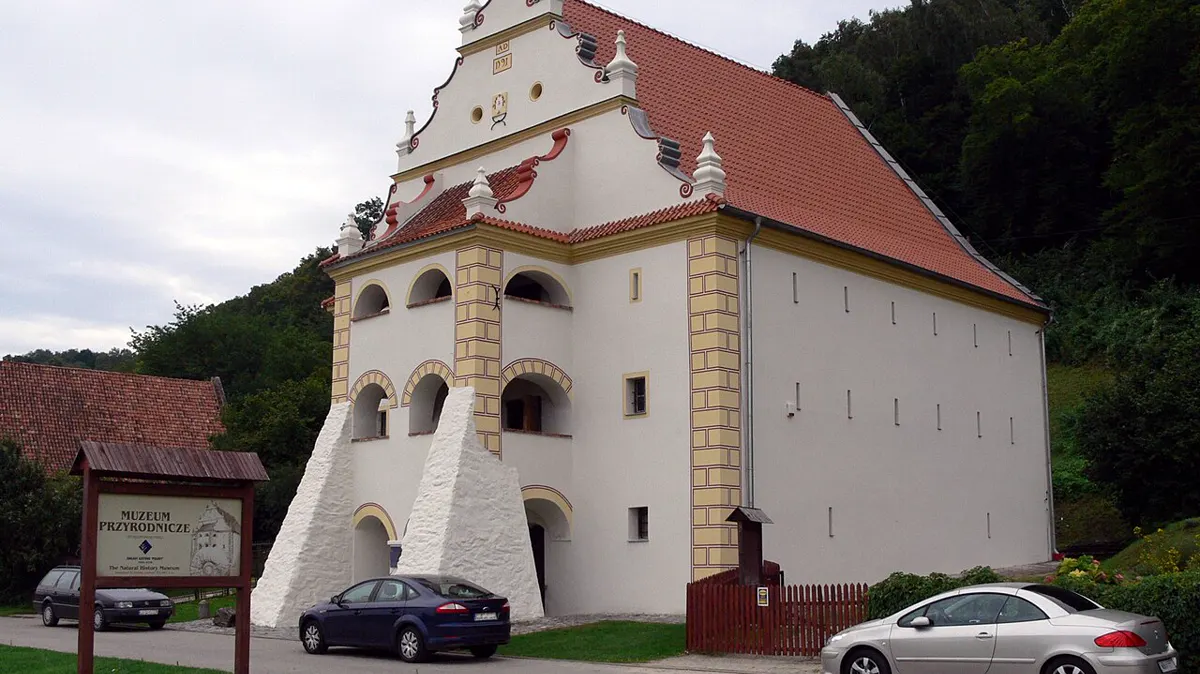
The Natural History Museum (Muzeum Przyrodnicze) is a branch of the Vistula River Museum in Kazimierz Dolny, occupying a granary on Pulawska Street that was built around 1591. It explains the geology, flora and fauna of the Vistula gorge and the surrounding Kazimierz Landscape Park, so a short visit tells you what you are actually looking at when you walk the loess ravines and riverbank outside.
What you will see inside
The displays cover three connected subjects: the geology of the region, its plant life, and its animals. Fossils show what the area looked like in deep time, while other sections deal with the loess ravines that cut through the landscape around the town and the wildlife that lives along the Vistula. Because the material is concrete and visual, with specimens rather than long panels of text, it works well for families and younger visitors.
A granary from around 1591
The museum's home is as much a part of the visit as its collection. This granary, raised around 1591, is one of the oldest still standing in Kazimierz Dolny, a reminder of the grain trade that once made the town wealthy. Its ornamental gable was added in the early 17th century in the Northern Mannerist style, modelled on the decoration of the town's parish church, so the exterior ties the building into the wider architecture you will notice across the old centre.
Reading the Vistula landscape
What sets this branch apart is its focus on the setting rather than the town alone. The Vistula gorge and Kazimierz Landscape Park surround the settlement, and the museum frames their formation, their loess soils and the species they support. See it near the start of your trip and the walks, viewpoints and river scenery afterwards make more sense. For orientation on the rest of the town, our Kazimierz Dolny guide covers what else to fit in.
Who it suits and how it fits a day
This is a compact, focused stop rather than a large museum, which makes it easy to pair with the market square, the ruined castle and a riverbank stroll in a single day. It suits anyone curious about the natural side of Kazimierz Dolny, and the fossils and wildlife displays give children something to look at. As a Vistula River Museum branch, it complements the network's other sites in and around the town.
Good to know
Opening hours and ticket prices are best confirmed on the Vistula River Museum's official channels before you go, as they can vary by season.
Frequently asked questions
More attractions in Kazimierz Dolny
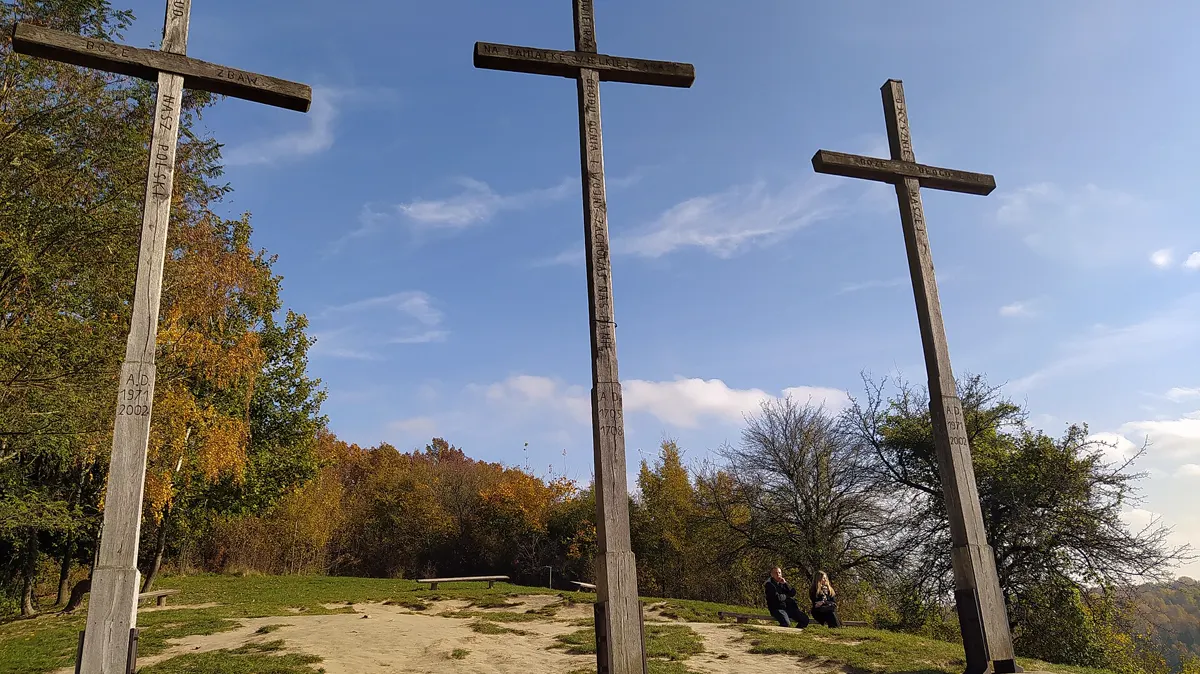
Three Crosses Mountain (Gora Trzech Krzyzy)
A short climb to three hilltop crosses raised after a 1708 plague, with the best wide view over the town and the Vistula bend.
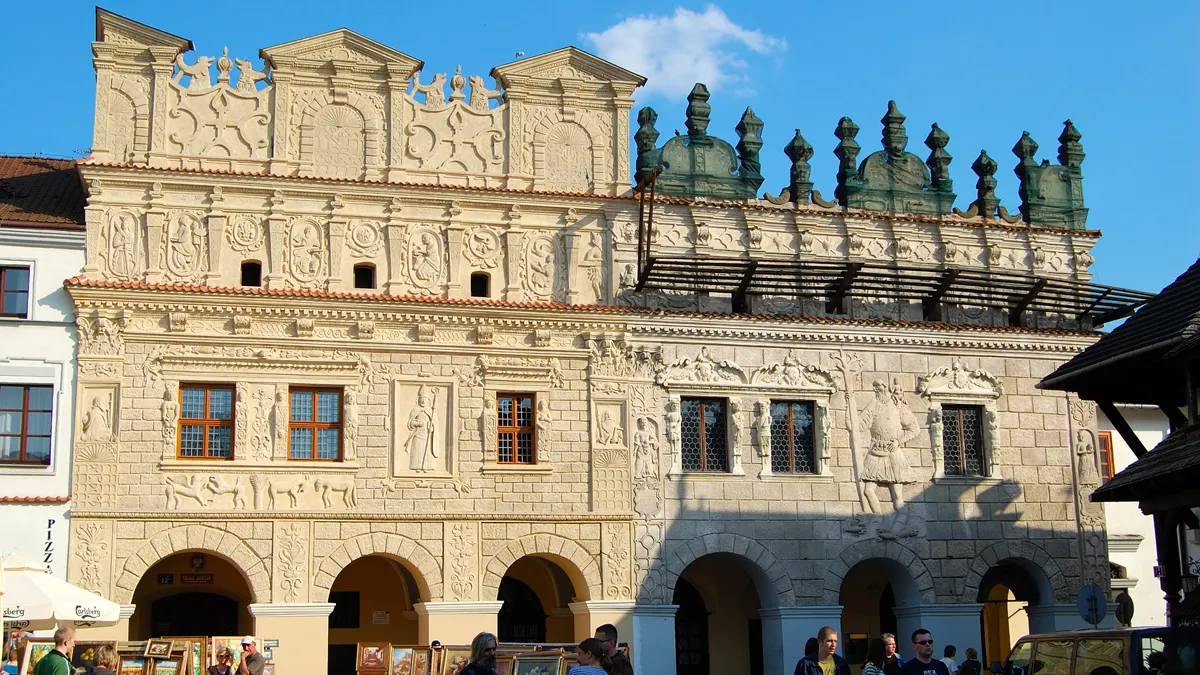
Przybyla Houses on the Market Square
Two richly carved Renaissance merchant houses of about 1615, whose facades of saints dominate the market square.
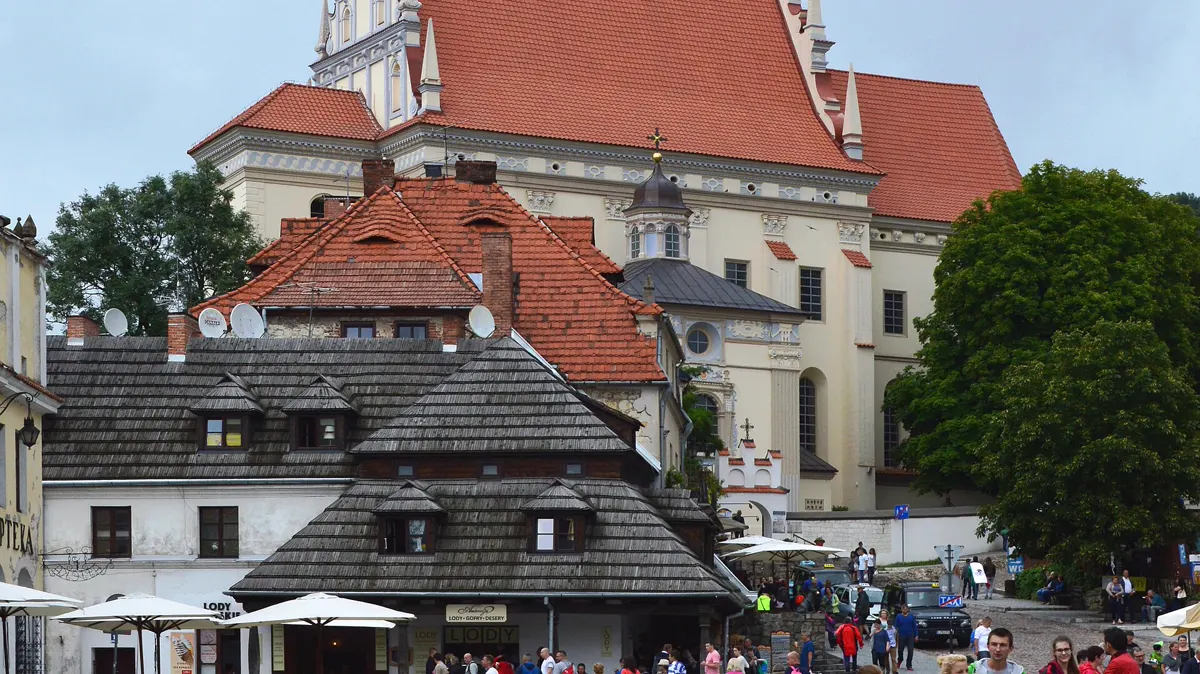
Parish Church of St John the Baptist and St Bartholomew (Fara)
The town's white-fronted parish church, rebuilt in the 1610s, home to one of Poland's oldest preserved organs.
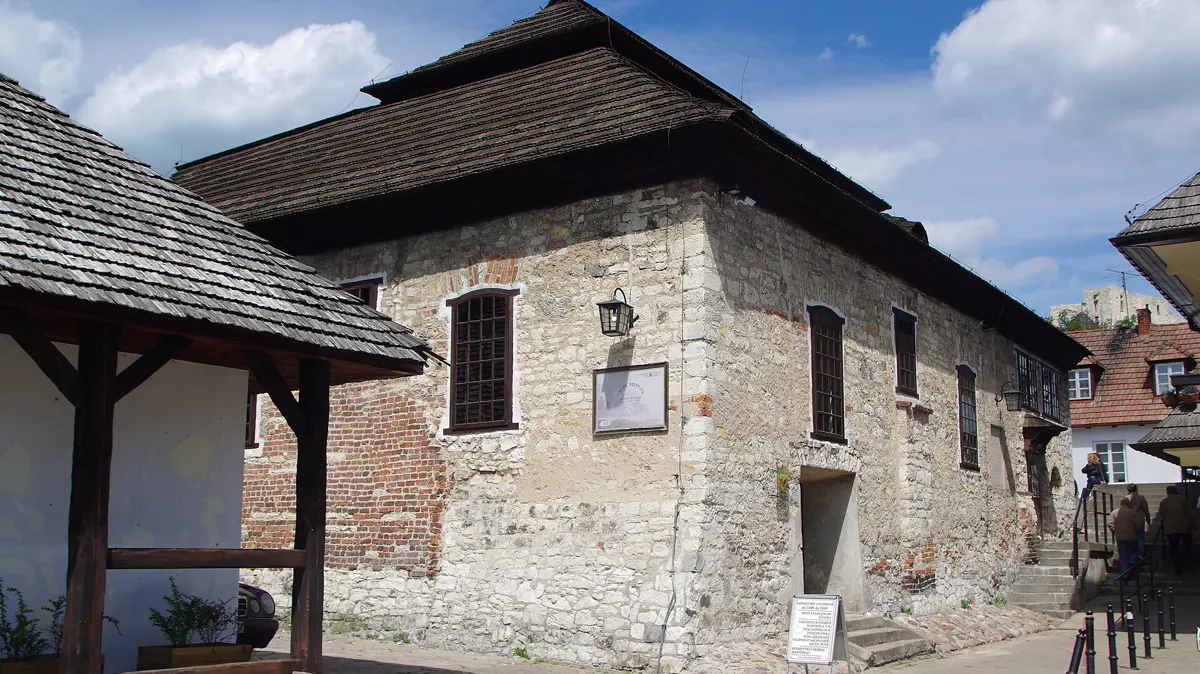
Former Synagogue (Synagoga), Kazimierz Dolny
An 18th-century limestone synagogue on Lubelska Street that was once the centre of Jewish life in Kazimierz Dolny and now houses a small exhibition on the town's Jewish past.
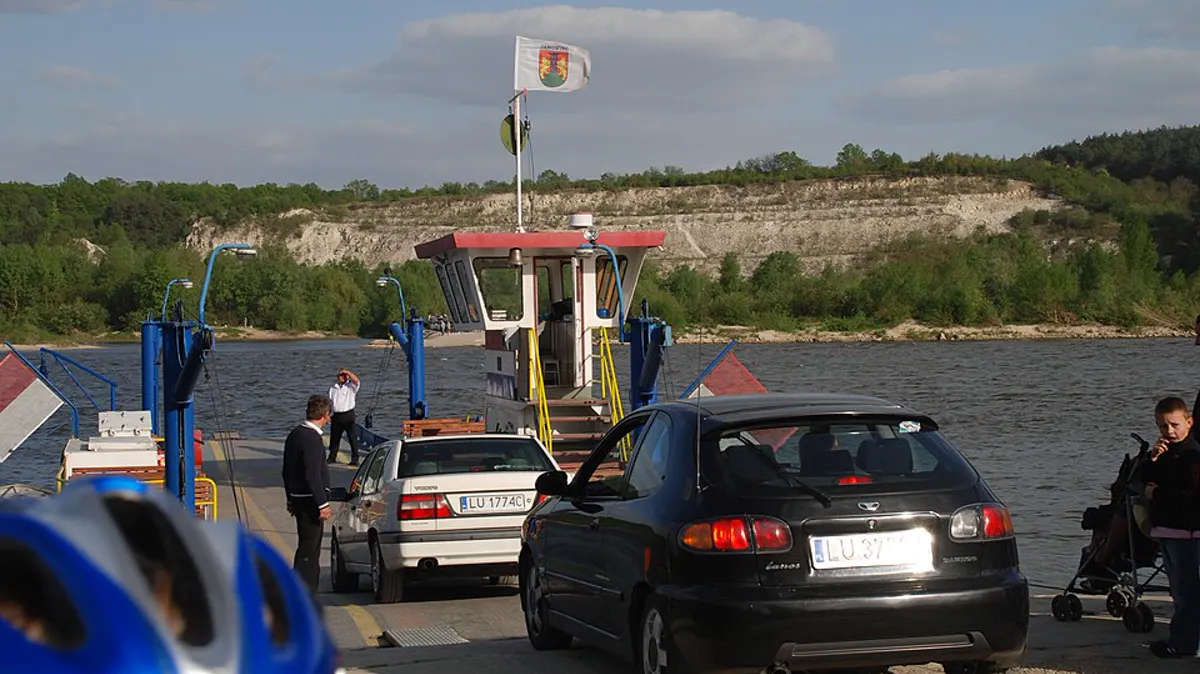
Kazimierz Dolny to Janowiec Ferry
A short Vistula ferry crossing to Janowiec and its Renaissance castle ruins, running on a route used for centuries.
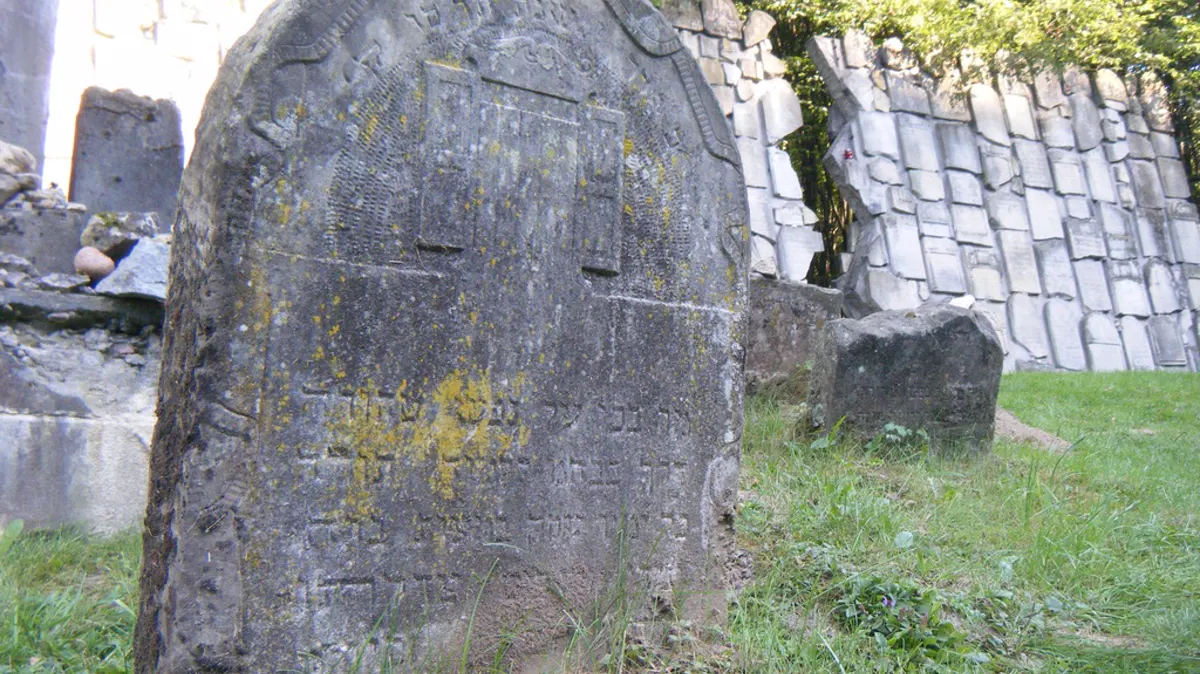
Jewish Cemetery and Wailing Wall Memorial
A memorial wall in Kazimierz Dolny built from around 600 surviving Jewish tombstones, split by a vertical crack that stands for the fate of Poland's Jews.
More to explore in Kazimierz Dolny
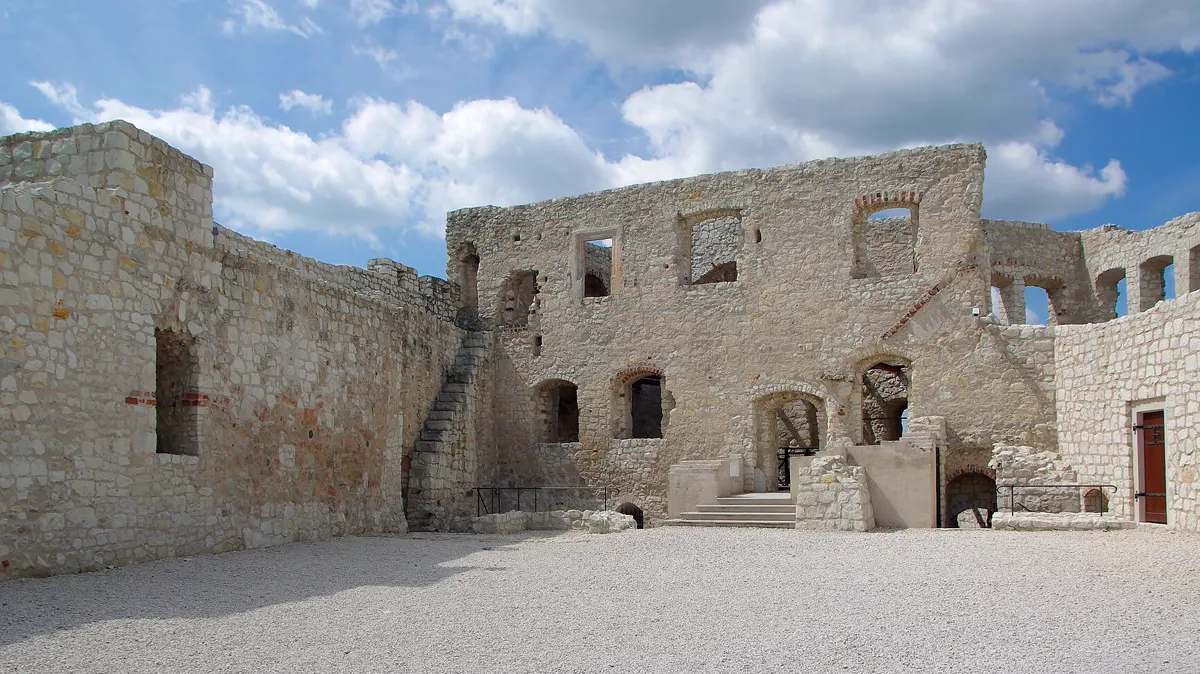
Castle
Kazimierz Dolny Castle and Tower
The limestone ruins of a 14th-century royal castle and an older hilltop tower that once watched over the Vistula ferry crossing.
Nature
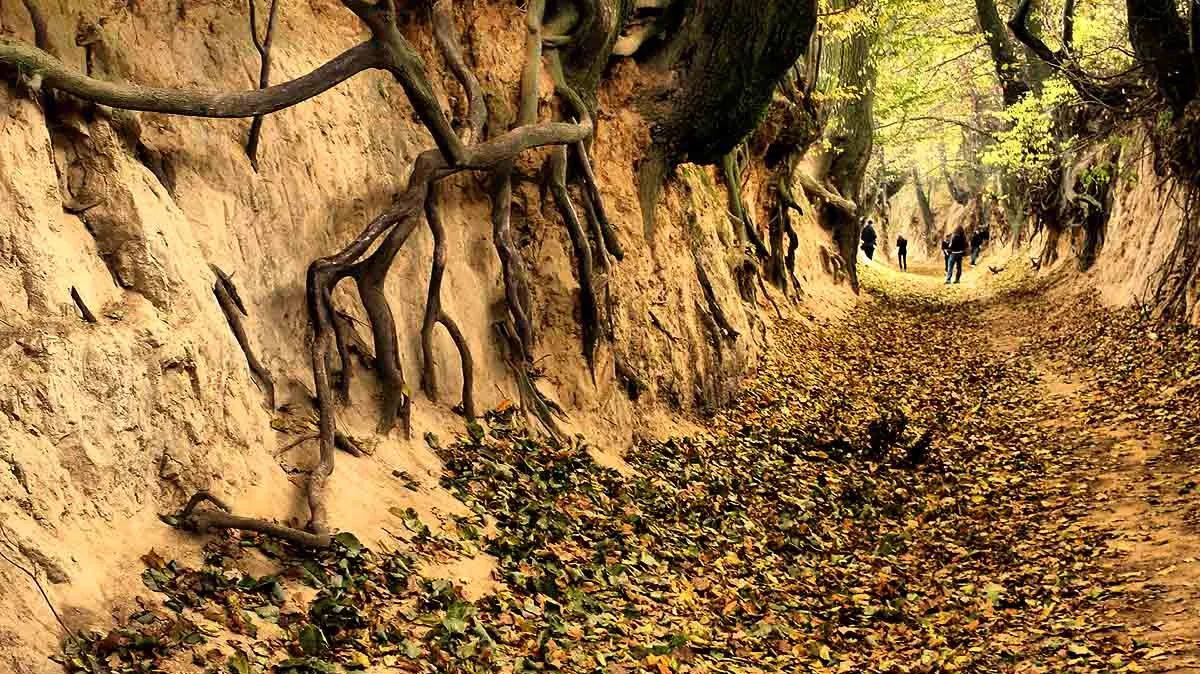
Korzeniowy Dol Gorge
A steep-walled loess ravine near the town where ancient tree roots twist out of the earthen banks along an easy path.
Museum
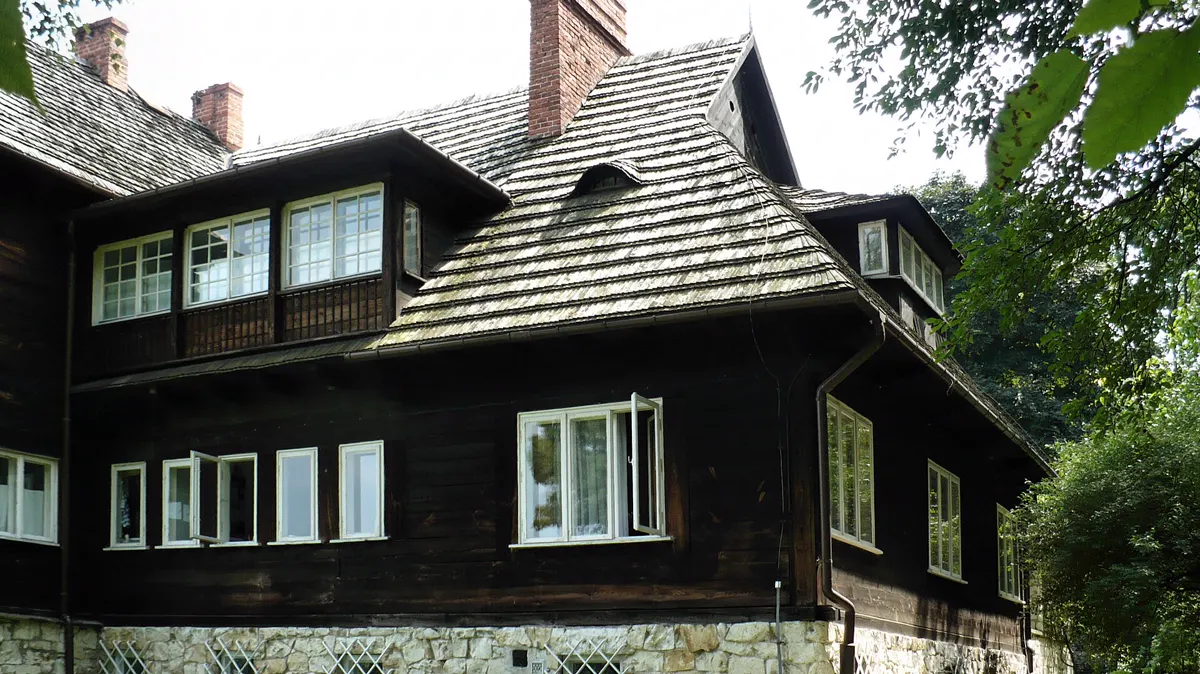
Kuncewicz House (Dom Kuncewiczow)
The preserved 1930s villa of writer Maria Kuncewiczowa, kept with its original furnishings as a literary house museum.
Restaurant
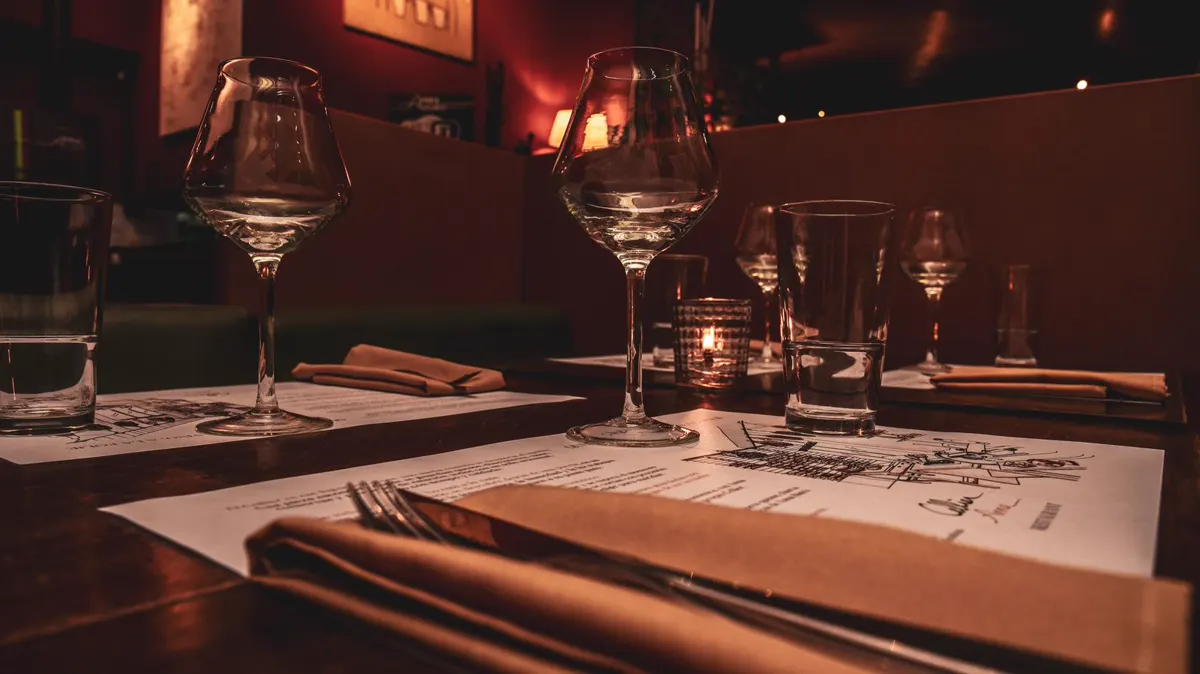
Piekarnia Sarzynski
The bakery that made the Kazimierz rooster its symbol, hand-shaping and baking the sweet yeast pastry daily.
Hotel
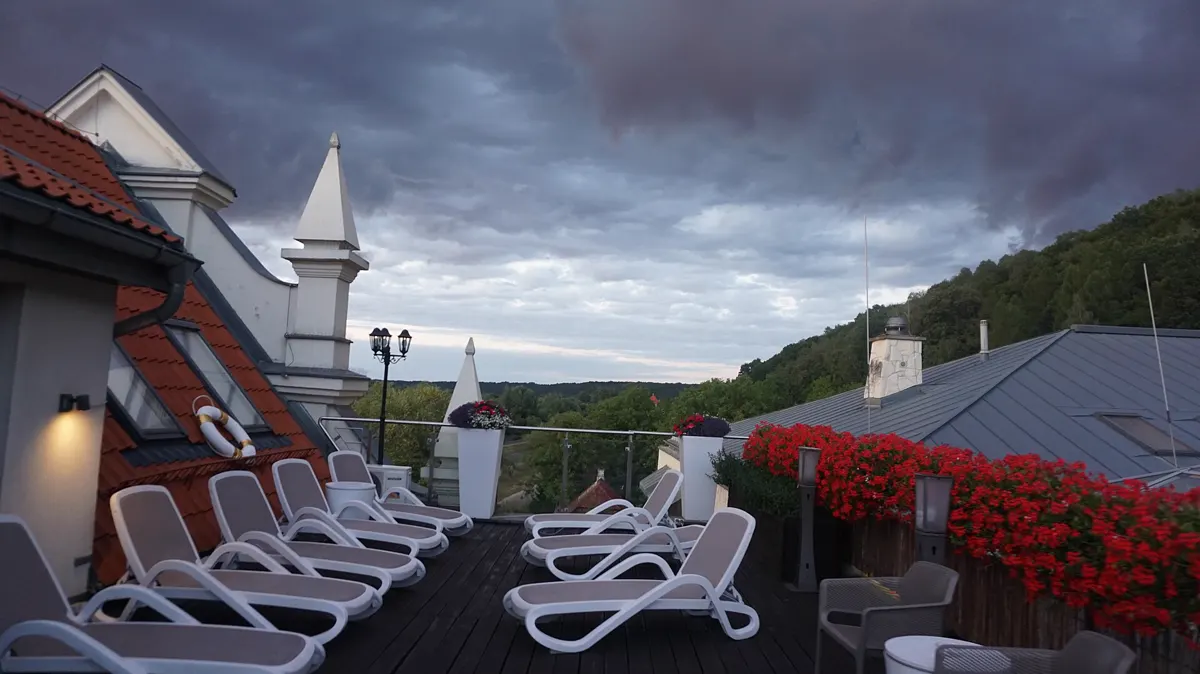
Villa Bohema
A small central hotel a short walk from the market square, with an indoor pool and a sauna.
Restaurant
Herbaciarnia u Dziwisza
An antique-filled tea room and gallery pouring a long list of teas alongside homemade cakes.