Attraction in Olsztyn
Stefan Jaracz Theatre
Olsztyn's main drama theatre, housed in a 1920s municipal building and named after the actor Stefan Jaracz. Its grey symmetrical facade is a recognisable city centre landmark.
Reviewed and updated July 2026
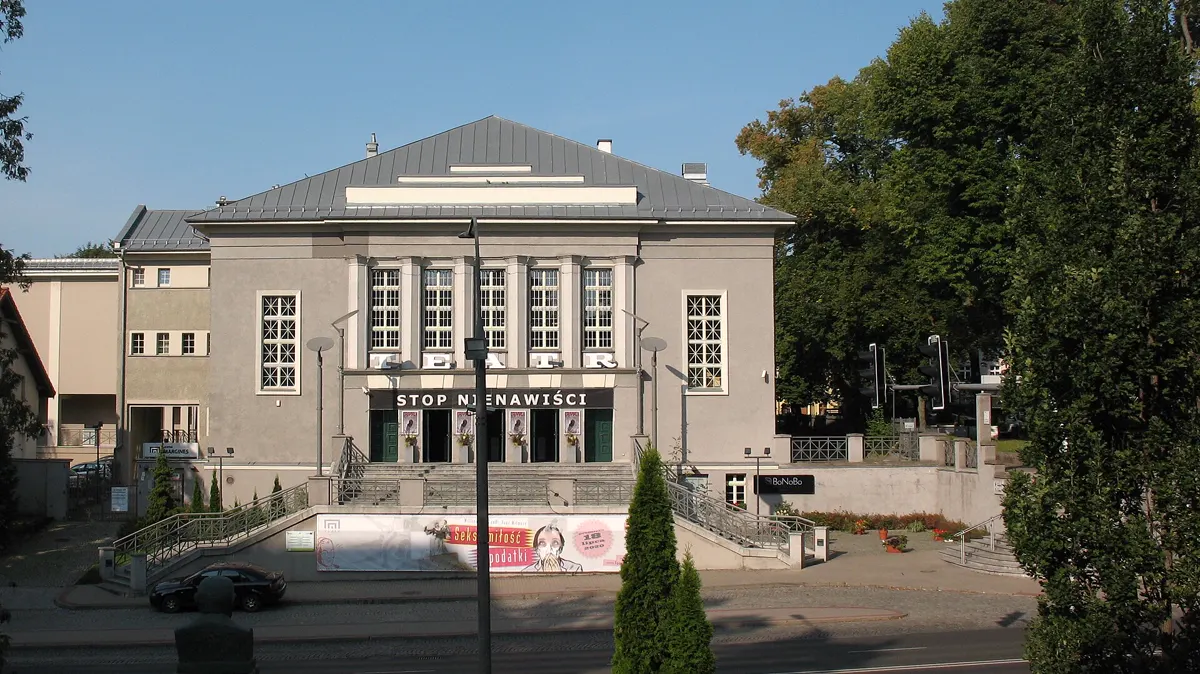
The Stefan Jaracz Theatre (Teatr im. Stefana Jaracza) is the main drama theatre of Olsztyn, occupying a municipal theatre building in the city centre and regarded as one of the finest regional theatres in Poland. People visit for its productions and for the building itself, whose grey symmetrical facade has become a landmark of the city.
The building and its facade
The theatre was erected in 1924-1925 to a design by the architect August Feddersen, and its grey symmetrical front is one of the more recognisable pieces of architecture in central Olsztyn. The scale and formal composition mark it out as a purpose-built theatre rather than a converted hall. Even if you are not attending a performance, the exterior is worth a look while walking through the centre.
A history written into the walls
The building was originally opened by the German authorities as the 'Treudanktheater', commemorating the 1920 East Prussian plebiscite, and it staged its first performance, Goethe's Faust, in September 1925. After the Second World War the theatre was renamed in 1946 after the Polish actor Stefan Jaracz, the name it carries today. That shift, from a German plebiscite monument to a Polish drama house, mirrors the wider change in the region's history across the twentieth century.
Who it suits and what to expect
This is a working drama theatre, so it suits visitors who want an evening of live Polish-language performance rather than a museum stop. Its reputation as one of the country's strongest regional stages means the programme is a genuine draw for theatregoers. Performances are generally in Polish, so check the current repertoire and any surtitle information before booking through official channels.
Fitting it into a visit to Olsztyn
Because the theatre sits in the city centre, it pairs easily with a day spent exploring Olsztyn's Old Town, castle and market square, then returning for an evening show. The building works both as a daytime architectural landmark and as an evening destination. For ideas on what else to see nearby, our Olsztyn guide covers the surrounding sights.
Good to know
Performances are usually in Polish, so check the current repertoire, showtimes and ticket availability on the theatre's official channels before your visit.
Frequently asked questions
More attractions in Olsztyn
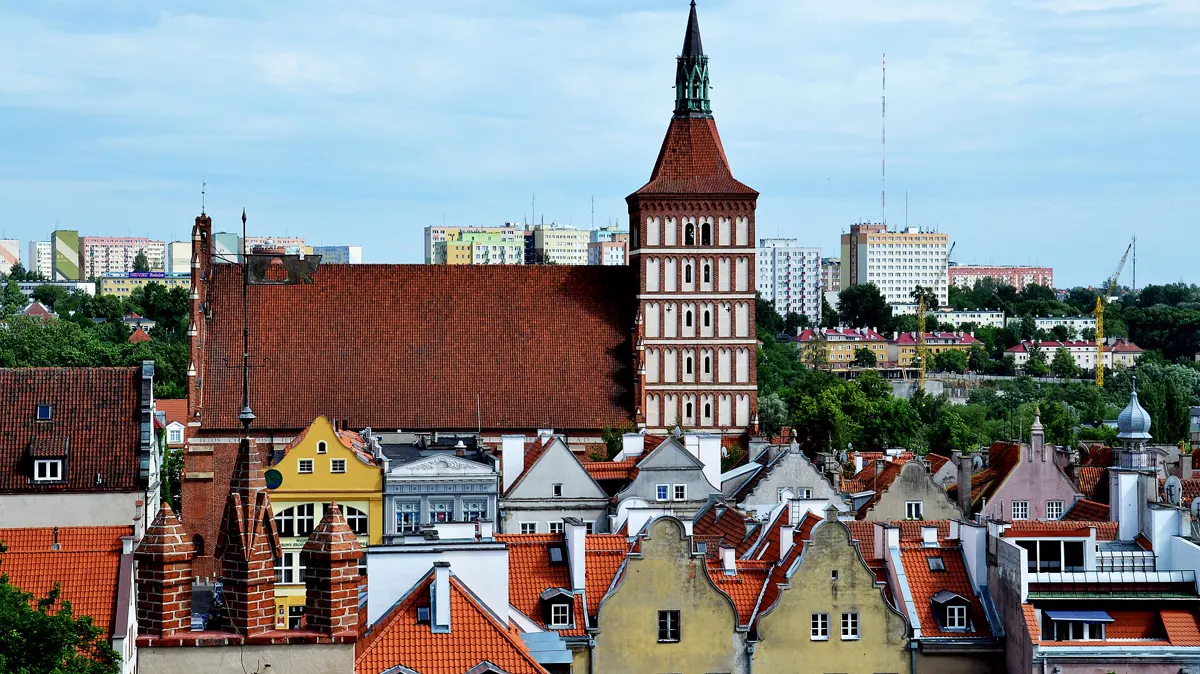
Co-Cathedral Basilica of St James in Olsztyn
A red-brick Gothic hall church at the centre of Olsztyn's Old Town, raised for a Latin greeting.
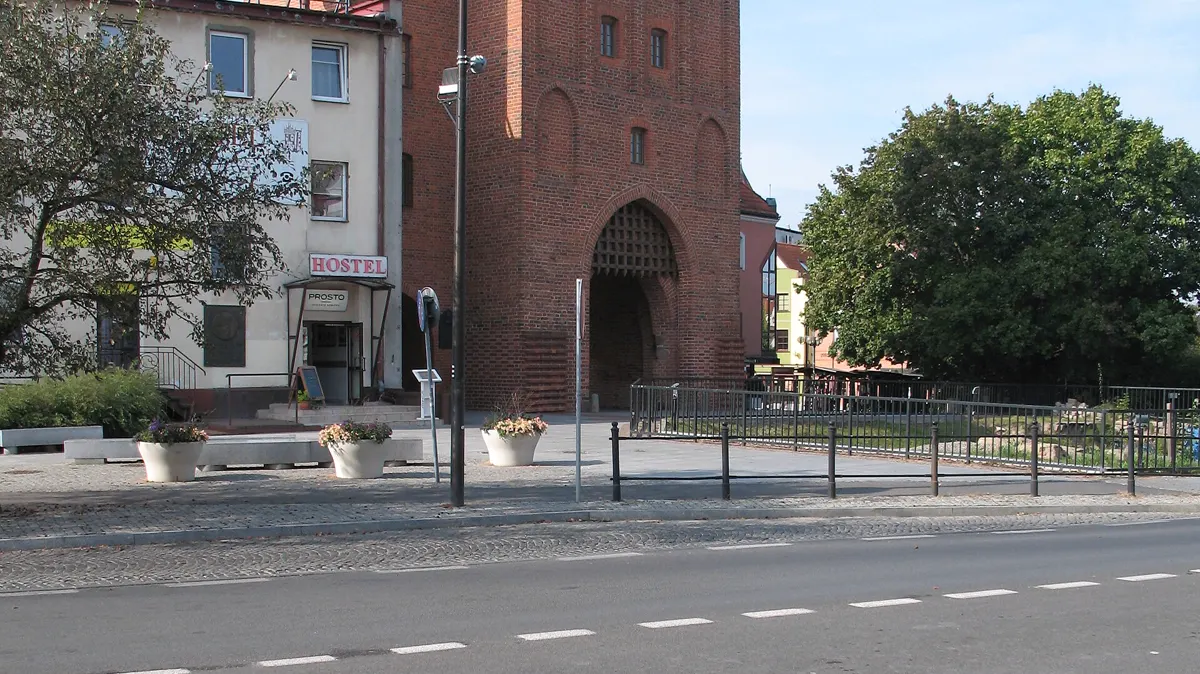
High Gate (Wysoka Brama)
The last of Olsztyn's three medieval gates and the most striking surviving piece of the old city walls.
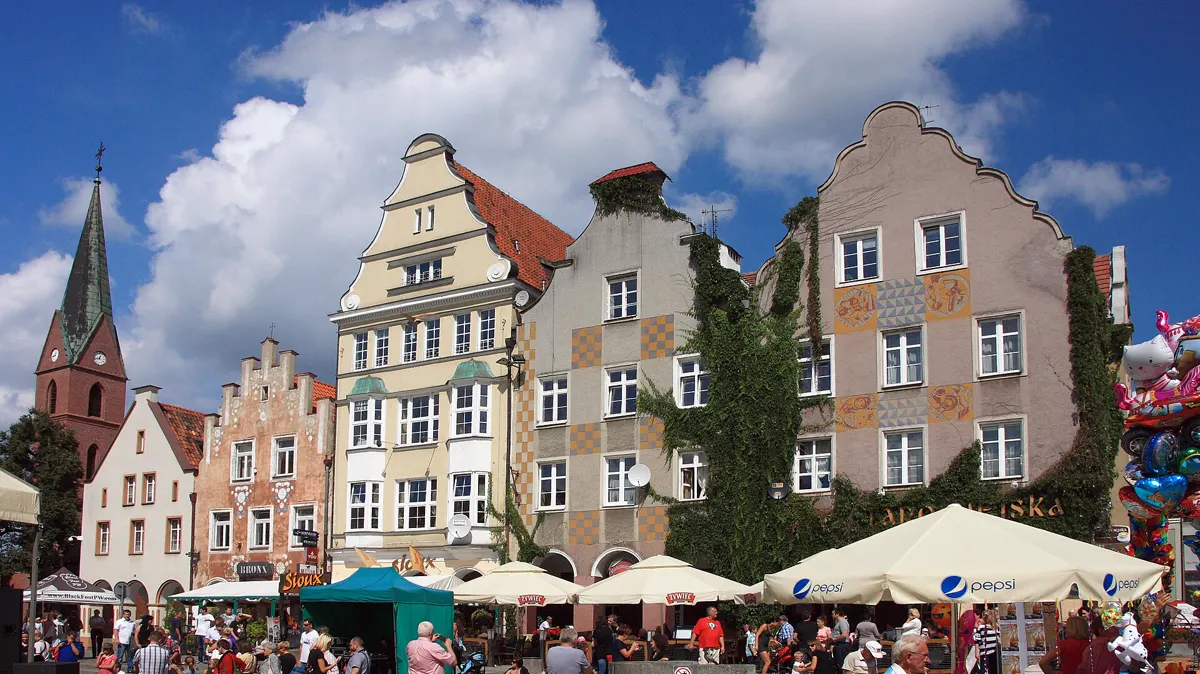
Olsztyn Old Town
A compact market square of gabled burgher houses, ringed by fragments of the medieval walls.
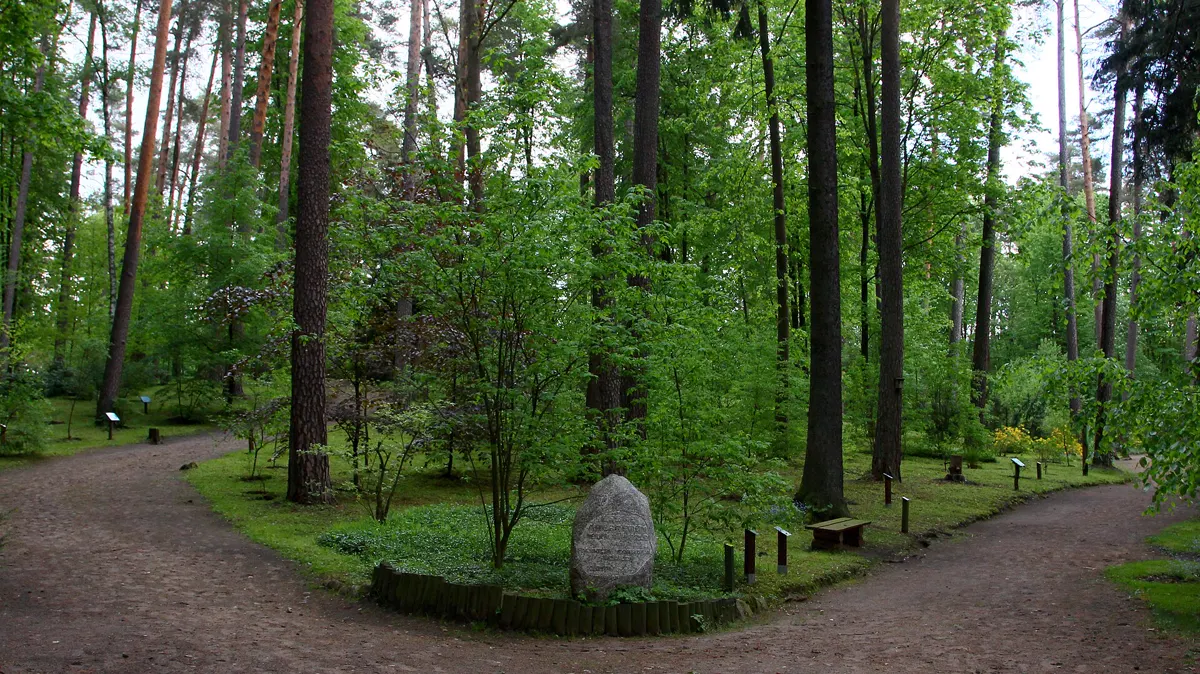
Forest Arboretum of Warmia and Mazury
A 16 hectare forest arboretum in the Kudypy area on the western edge of Olsztyn, home to over 900 plant species along marked educational trails.
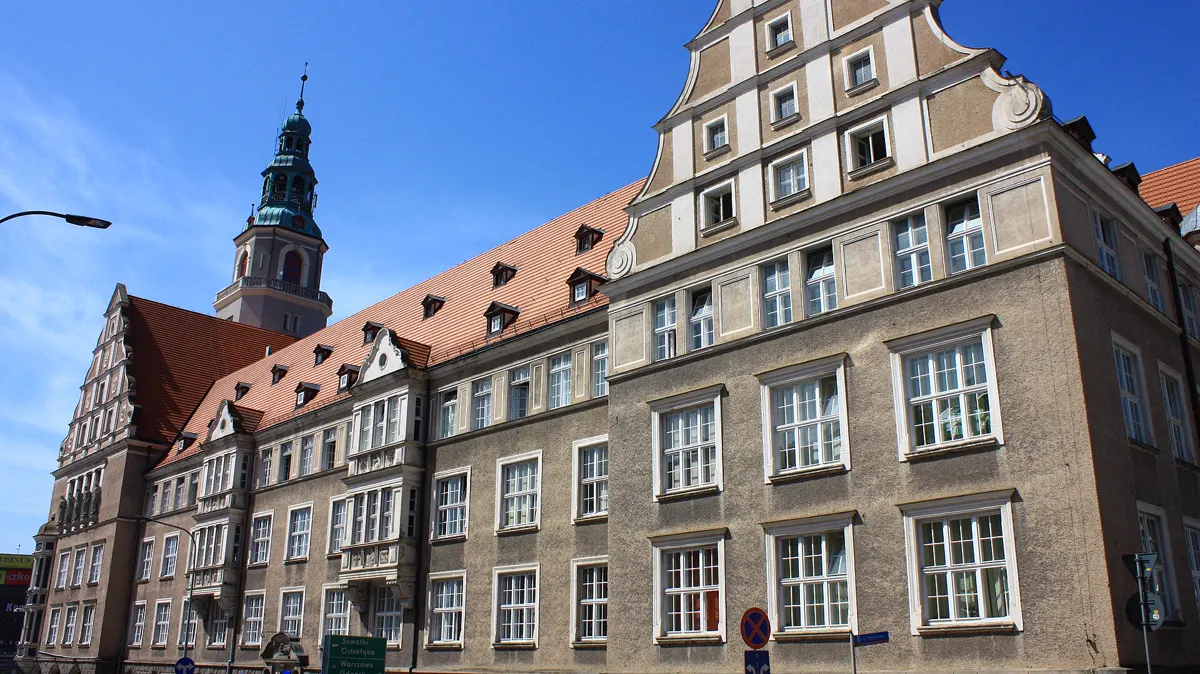
New Town Hall (Nowy Ratusz), Olsztyn
Olsztyn's Neo-Renaissance New Town Hall, opened in 1916, is the seat of the city's municipal authorities and one of its most recognisable public buildings, known for a trumpet hejnał that plays the city anthem at noon.

Central Park (Park Centralny), Olsztyn
Central Park is a 13-hectare English-style riverside park along the Łyna in central Olsztyn, best known for its elliptical fountain whose submerged hemispheres represent the solar system.
More to explore in Olsztyn
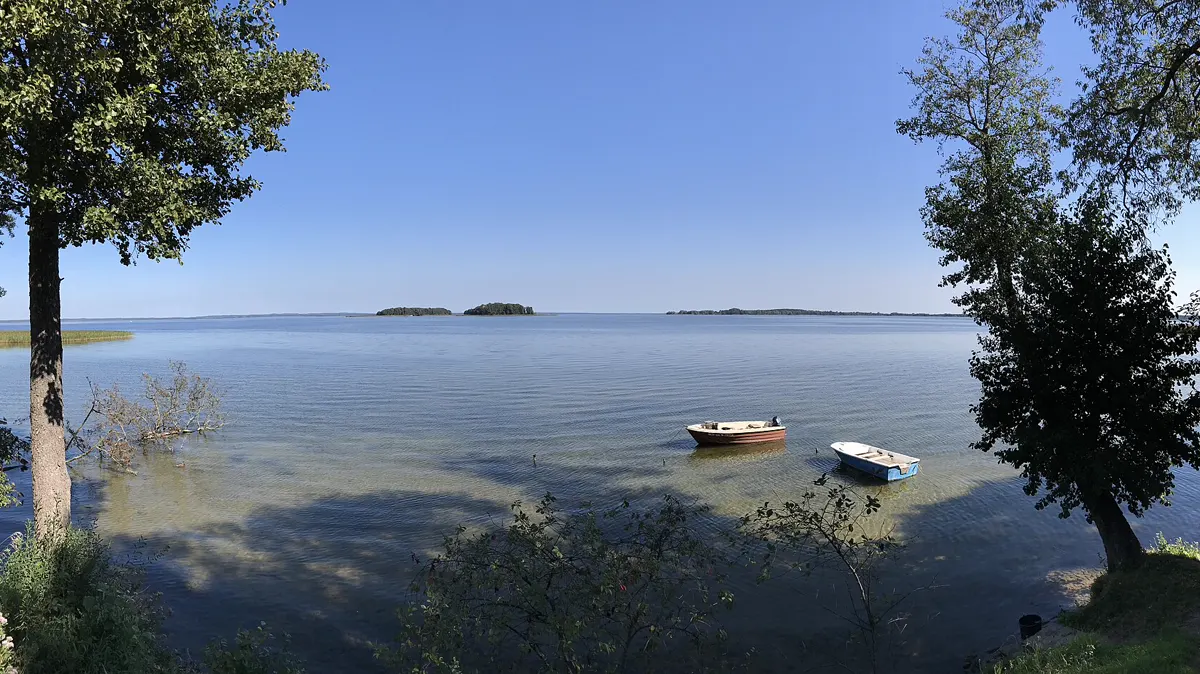
Nature
Masurian Lakes
A glacial maze of interconnected lakes and forest in the northeast, Poland's prime region for sailing, kayaking and slow summers on the water.
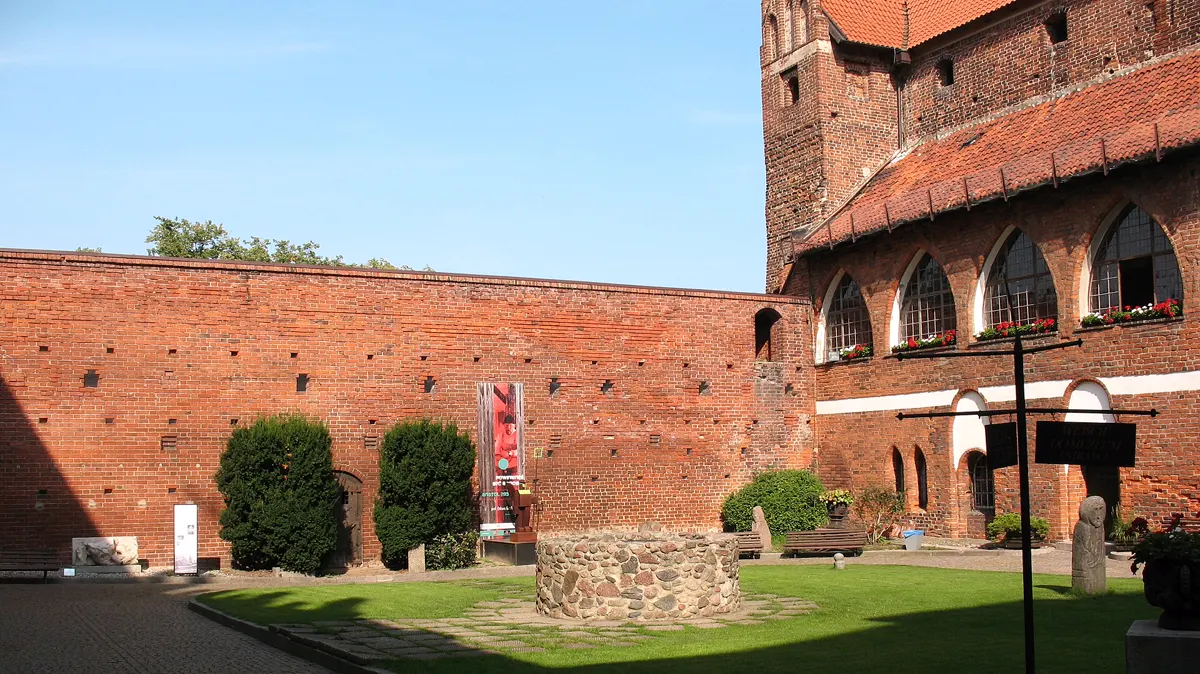
Castle
Olsztyn Castle (Castle of the Warmian Cathedral Chapter)
The 14th-century Gothic castle where Nicolaus Copernicus lived, worked and left behind the only astronomical instrument of his that survives.
Museum
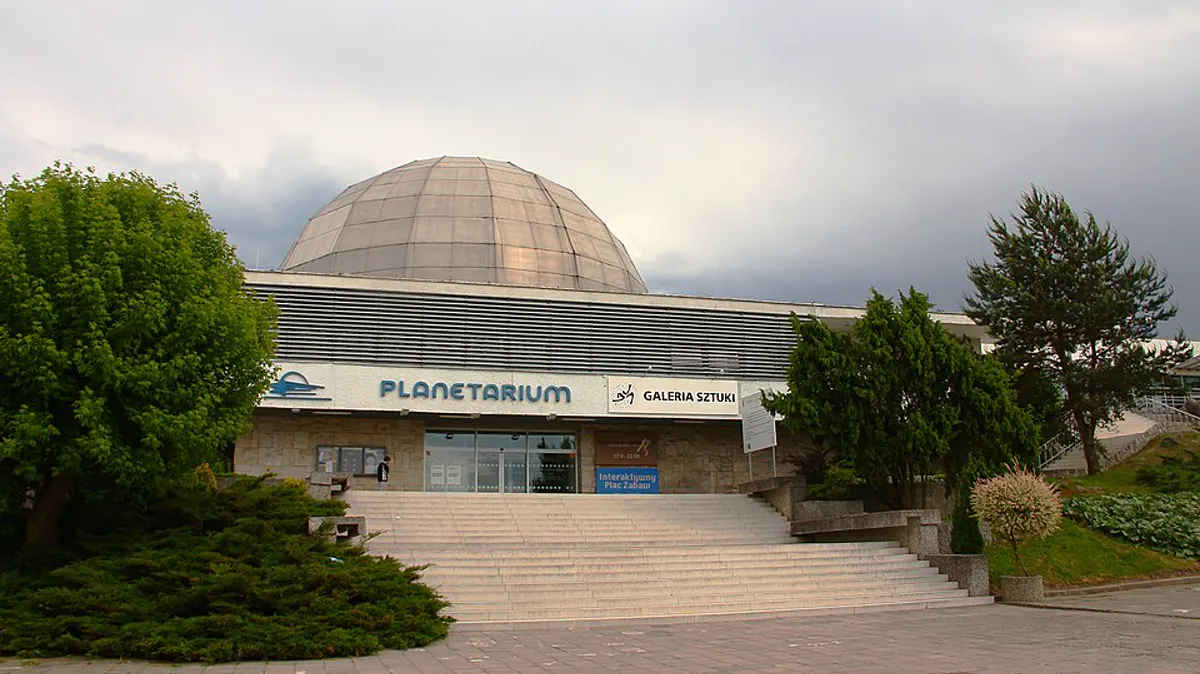
Olsztyn Planetarium and Astronomical Observatory
A Copernicus-themed planetarium under a 15-metre dome, paired with an observatory set inside a 19th-century water tower.
Nature
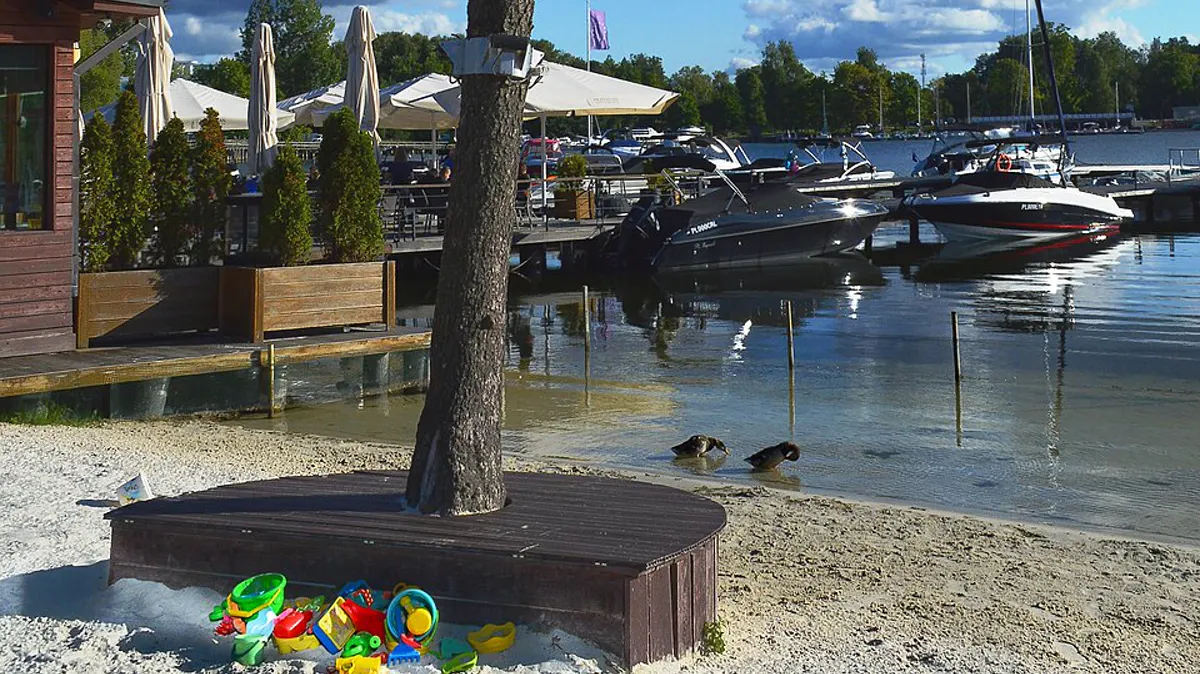
Lake Ukiel (Jezioro Krzywe)
The biggest lake inside the city itself, with a 22 km shoreline of beaches, marinas and water sports.
Restaurant
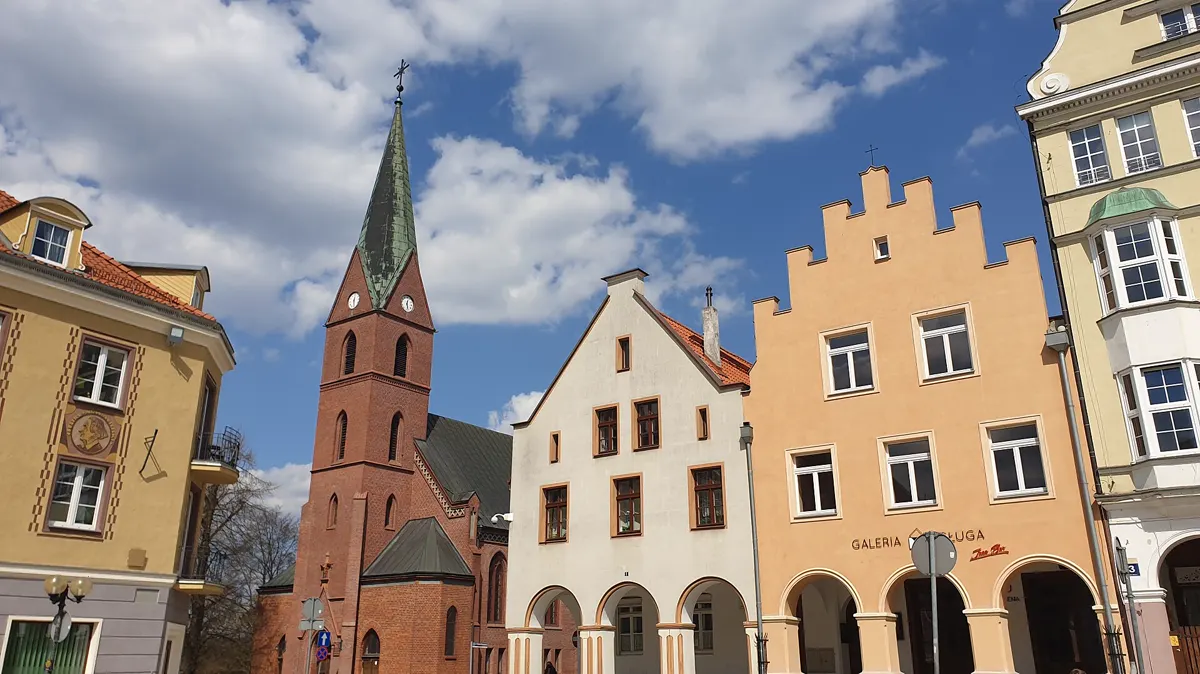
Cudne Manowce
A Warmian and Masurian kitchen set on the Old Town walls, with a terrace above the Lyna river.
Restaurant
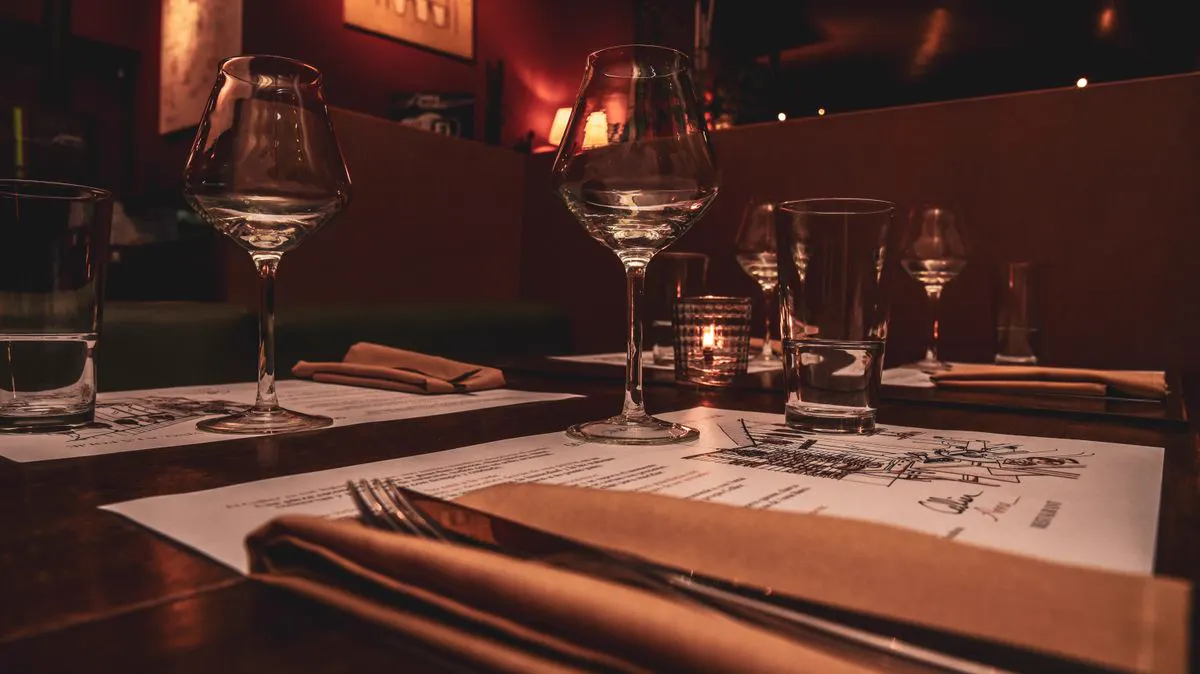
Restauracja Przystan
A large two-level restaurant built out over the docks of Lake Ukiel, leaning on regional and freshwater dishes.