Attraction in Zamość
Lwów Gate (Lviv Gate)
A Mannerist gateway built around 1597 to 1599 on the southeastern edge of Zamość's fortified Old Town, once fitted with a drawbridge on the road toward Tomaszów and Lviv.
Reviewed and updated July 2026
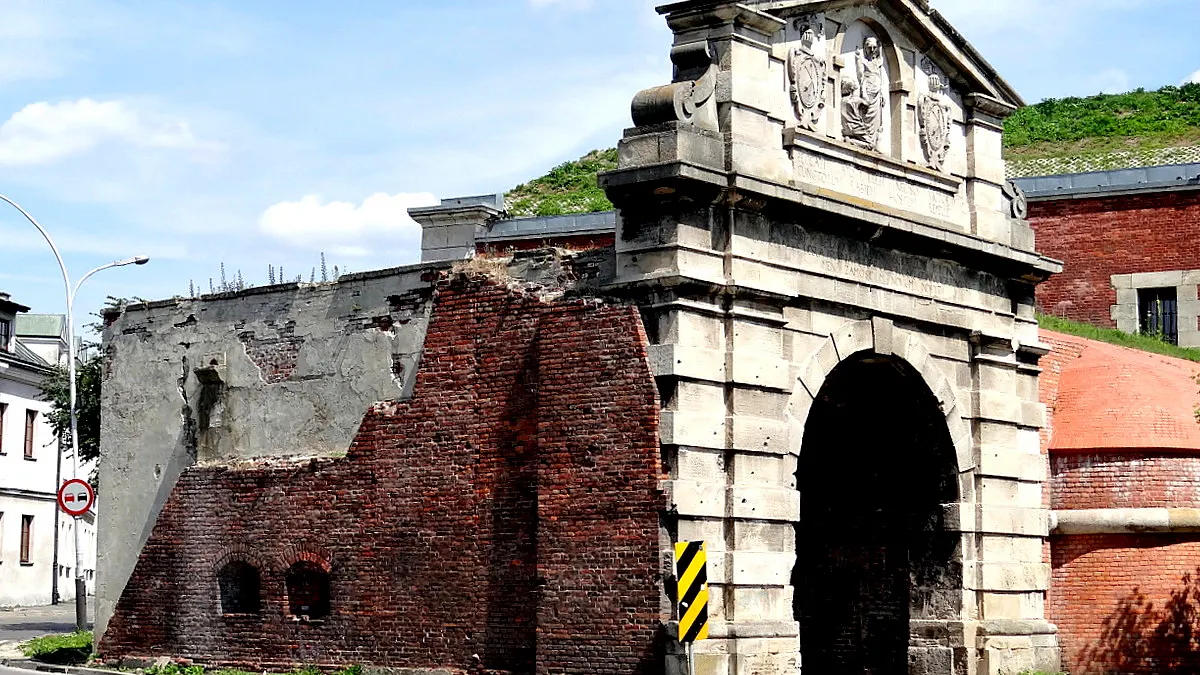
The Lwów Gate (Brama Lwowska) is one of the three original decorated entrances into fortified Zamość, built in Mannerist style around 1597 to 1599 and once fitted with a drawbridge. People come to see a surviving piece of the town's Renaissance defences, set on the southeastern line of the former walls where the road ran out toward Tomaszów and Lviv. It is a compact but telling reminder that Zamość was designed as a complete fortress city, not just a market square with churches.
What you see at the gate
The gate marks the original arcaded passage into the city, recorded at roughly 4.8 metres high and 4.2 metres wide, framed in the Mannerist manner that gives Zamość its distinctive look. It sits on the southeastern stretch of the old defences, between bastions VII and I, so the surviving earthworks and wall lines nearby help you read how the fortress was laid out. A separate 'new' Lwów Gate was added later during the partition-era expansion, which is why the area shows more than one phase of building. Walking here, you are following the historic route that once led toward Tomaszów and Lviv.
History and significance
The Lwów Gate belongs to the founding decades of Zamość, the ideal city commissioned by Jan Zamoyski and shaped by the Italian architect Bernardo Morando. Built around 1597 to 1599 with a drawbridge, it was one of three ceremonial gateways that controlled who entered the walled town. The Mannerist decoration was not only defensive dressing; it announced the ambitions of a private fortress city that guarded trade and military routes to the east. The later 'new' gate reflects how the defences kept being adapted long after the town was first raised.
Who it suits and how to visit
This is a stop for anyone interested in military architecture, Renaissance town planning or the layers of Polish history along the old eastern roads. It works well as a short pause rather than a long visit, best paired with a walk along the surrounding bastions and ramparts. Because access and any interior arrangements can change, check official town or tourist-office channels before planning around specific opening times. Photographers tend to appreciate the low approach angles where the passage meets the wall line.
Fitting it into a Zamość trip
The Lwów Gate sits at the southeastern edge of the UNESCO-listed Old Town, so it slots naturally into a loop of the fortifications after you have seen the Great Market Square and the town hall. From here you can trace the wall line between the bastions and understand how the gates, ramparts and streets were planned as one design. For the wider context, opening hours of nearby sights and other fortress features, see our Zamość guide. Allowing time for the full circuit of walls rewards visitors more than seeing the gate alone.
Good to know
The gate stands on the southeastern fortress line between bastions VII and I, so pair it with a walk along the surrounding ramparts rather than treating it as a standalone stop.
Frequently asked questions
More attractions in Zamość
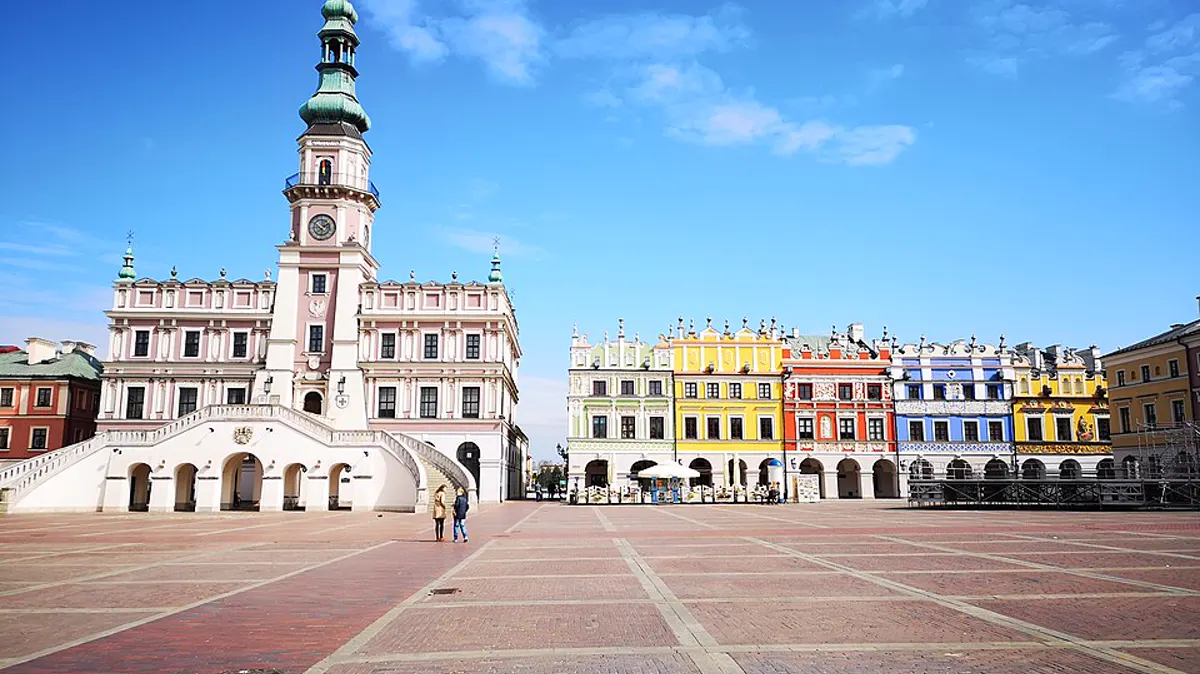
Great Market Square, Zamosc
A near-perfect Renaissance square of arcaded, pastel burgher houses, the centrepiece of a sixteenth-century ideal city.
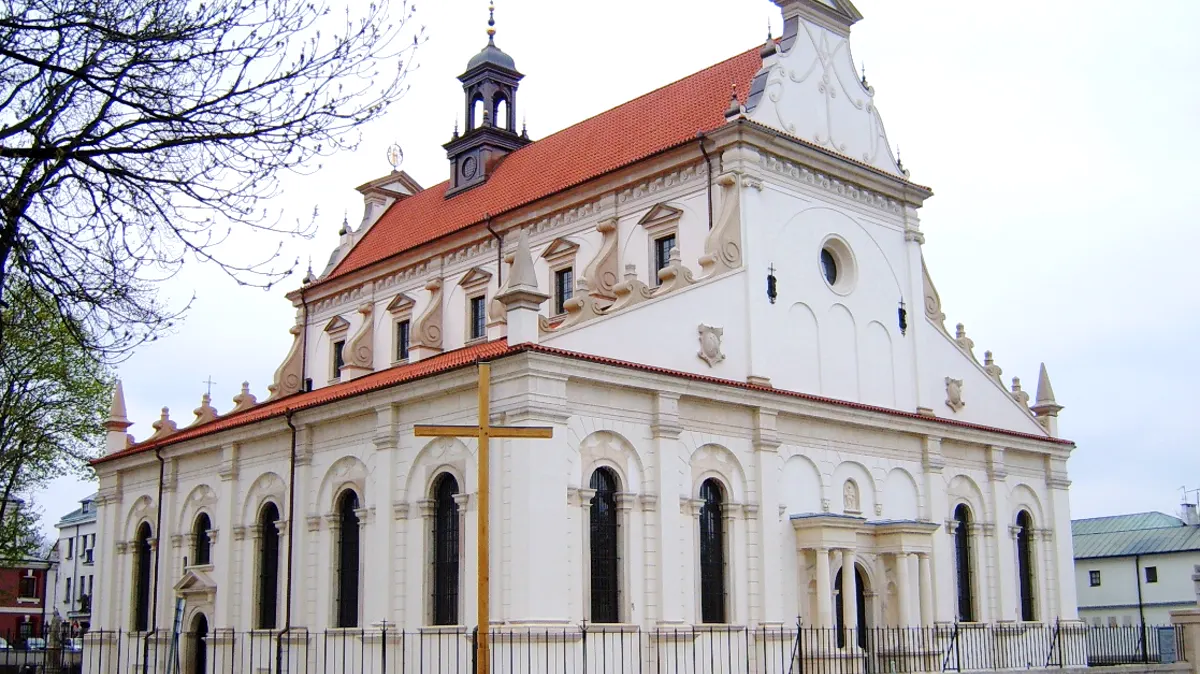
Zamość Cathedral (Cathedral of the Resurrection and St Thomas the Apostle)
One of Poland's finest Renaissance churches, designed by Bernardo Morando and paid for by Jan Zamoyski, raised to cathedral rank in 1992.
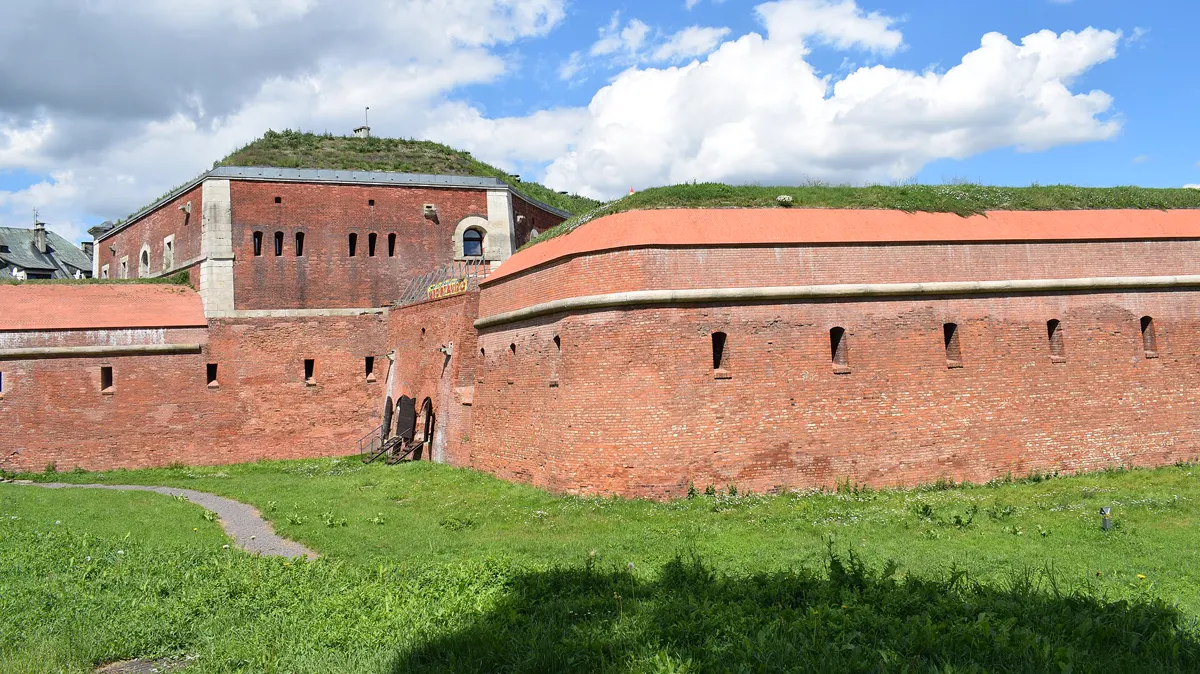
Bastion VII Underground Tourist Route (Nadszaniec)
A half-kilometre walk through the casemates and galleries of Bastion No 7, the biggest bastion of a fortress that was never taken by an enemy.
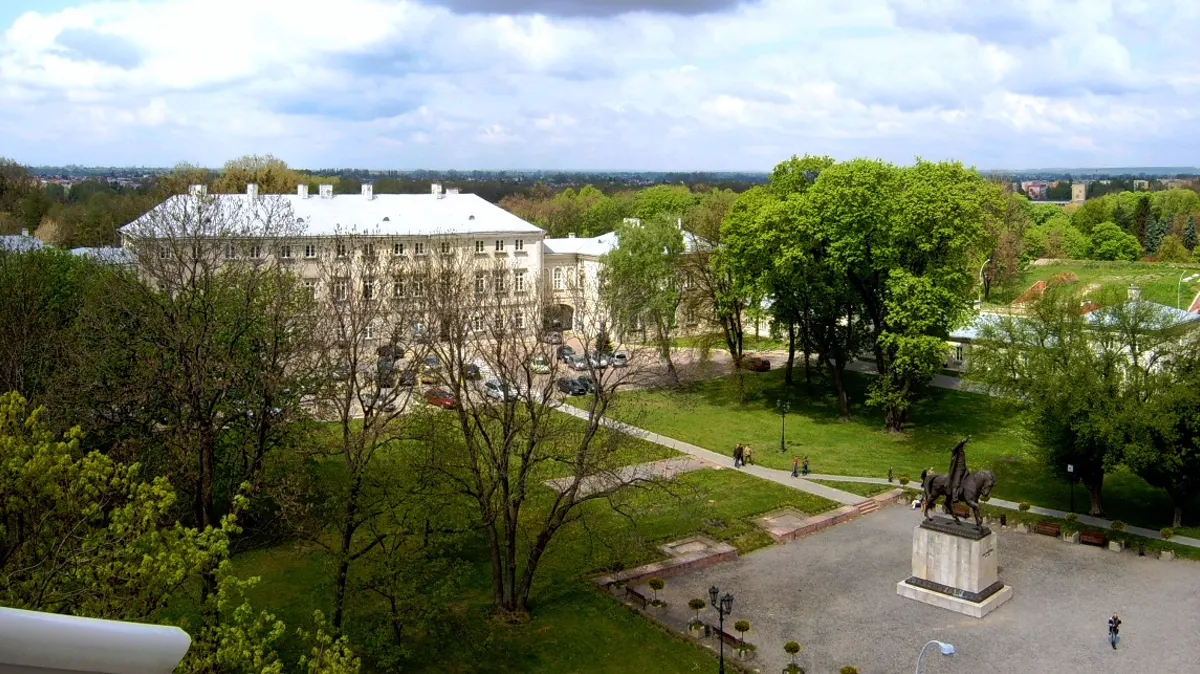
Zamoyski Palace (Pałac Zamoyskich)
The Zamoyski Palace was the first building raised in Zamość, designed by Bernardo Morando in 1579 to 1586 as the residence of the city's founder, Jan Zamoyski.
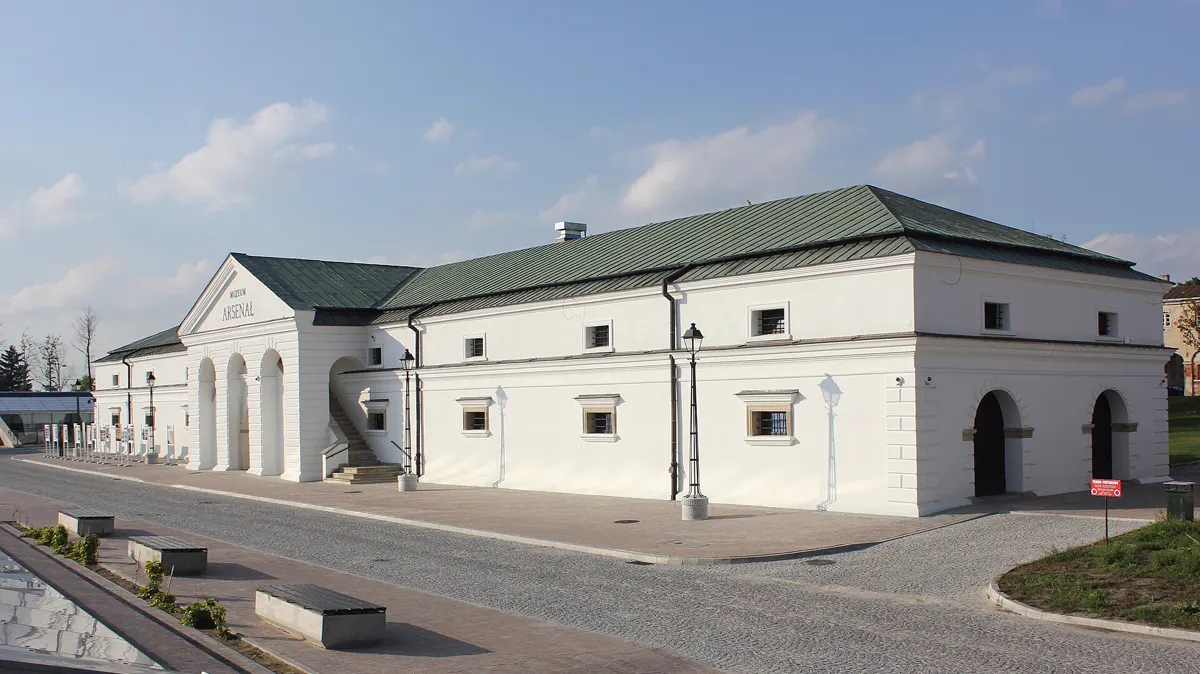
Arsenal - Museum of Fortifications and Weapons
A branch of the Museum of Zamość set in a 17th-century arsenal building, dedicated to the military history of Zamość and its fortress, with historic weaponry and twentieth-century military vehicles among its displays.
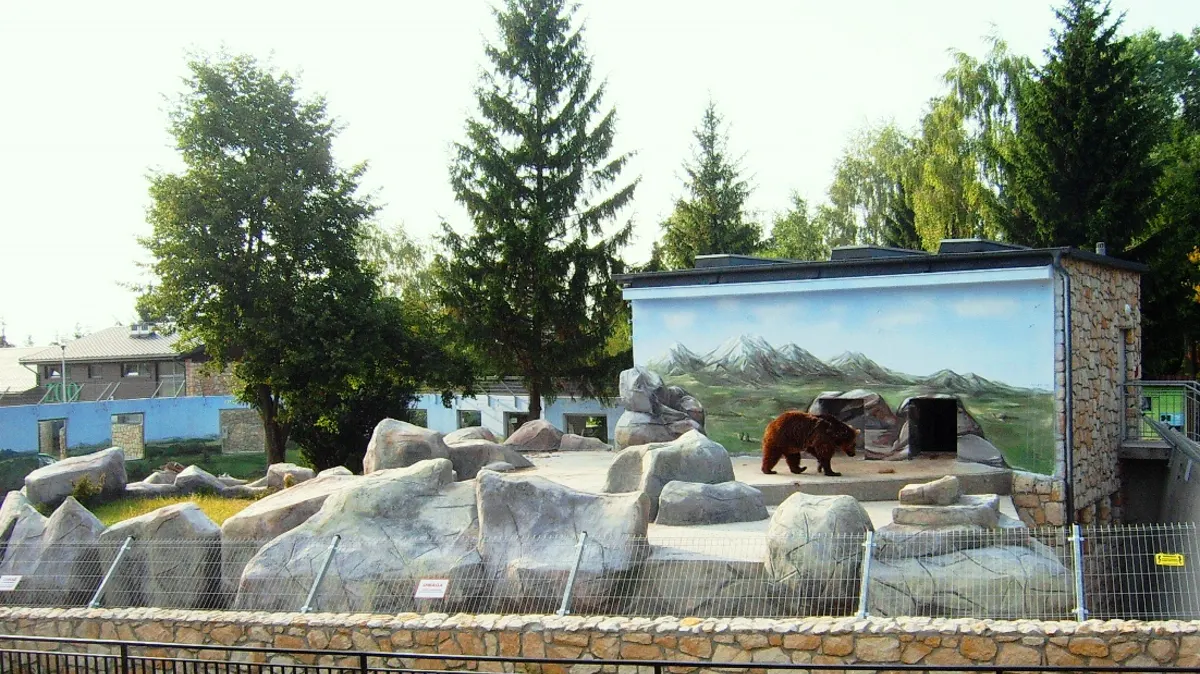
Zamość Zoo (Stefan Miler Zoological Garden)
One of Poland's oldest zoos, started in 1918 as a school project by teacher Stefan Miler and now spread over about 13 hectares.
More to explore in Zamość
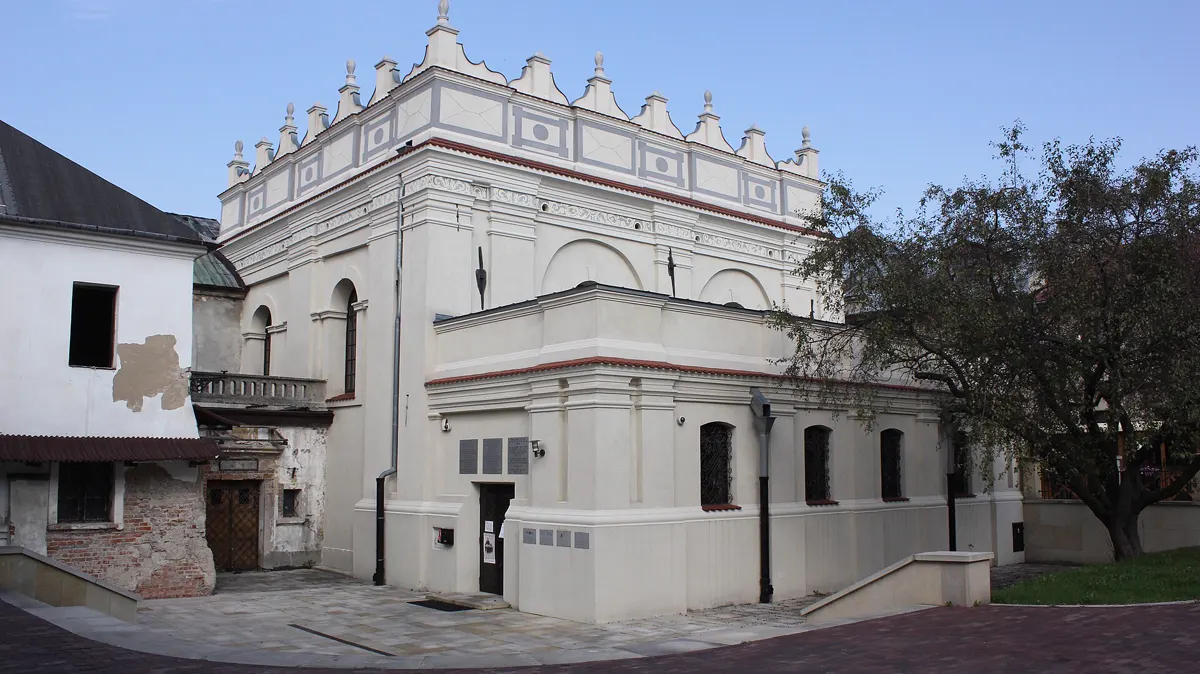
Museum
Zamość Synagogue (Synagogue Centre)
A rare surviving Renaissance synagogue of about 1618, restored by the Foundation for the Preservation of Jewish Heritage and reopened in 2011 as a cultural centre with a multimedia exhibition on the town’s Jewish heritage.
Museum
Zamość Rotunda (Museum of Martyrdom of the Zamość Region)
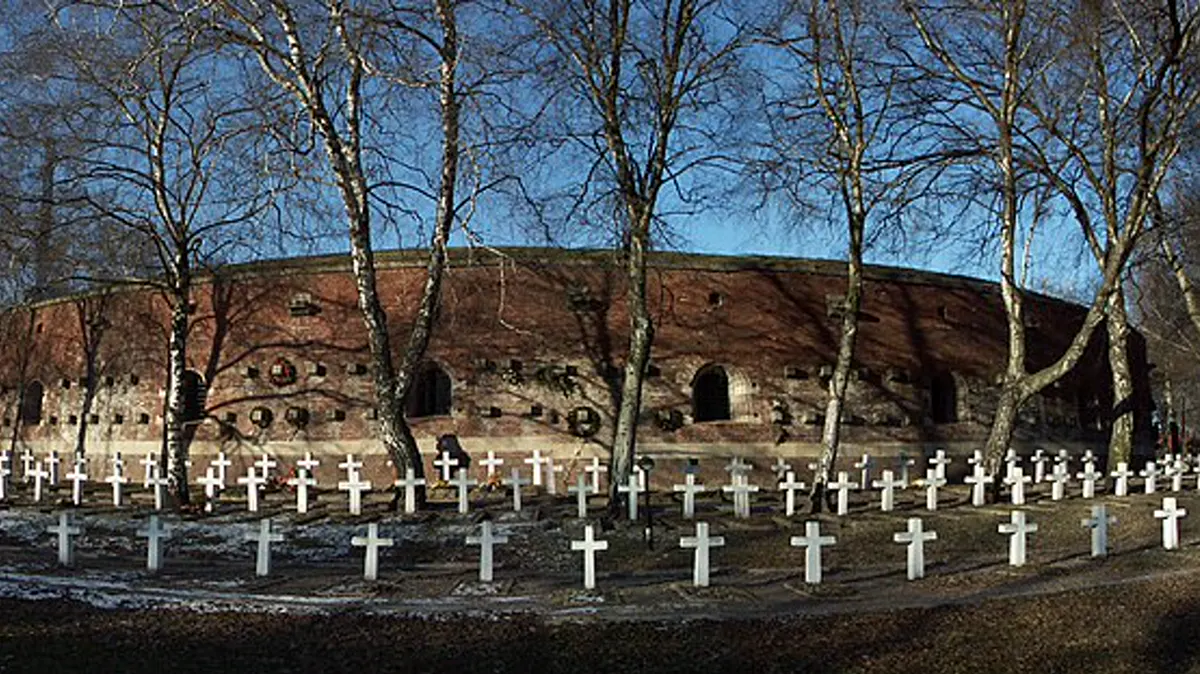
A 19th-century circular fort that the Gestapo turned into a place of execution during WWII, now a museum of martyrdom for the Zamość region.
Museum
Muzeum Zamojskie (Museum of Zamość, Armenian Houses)
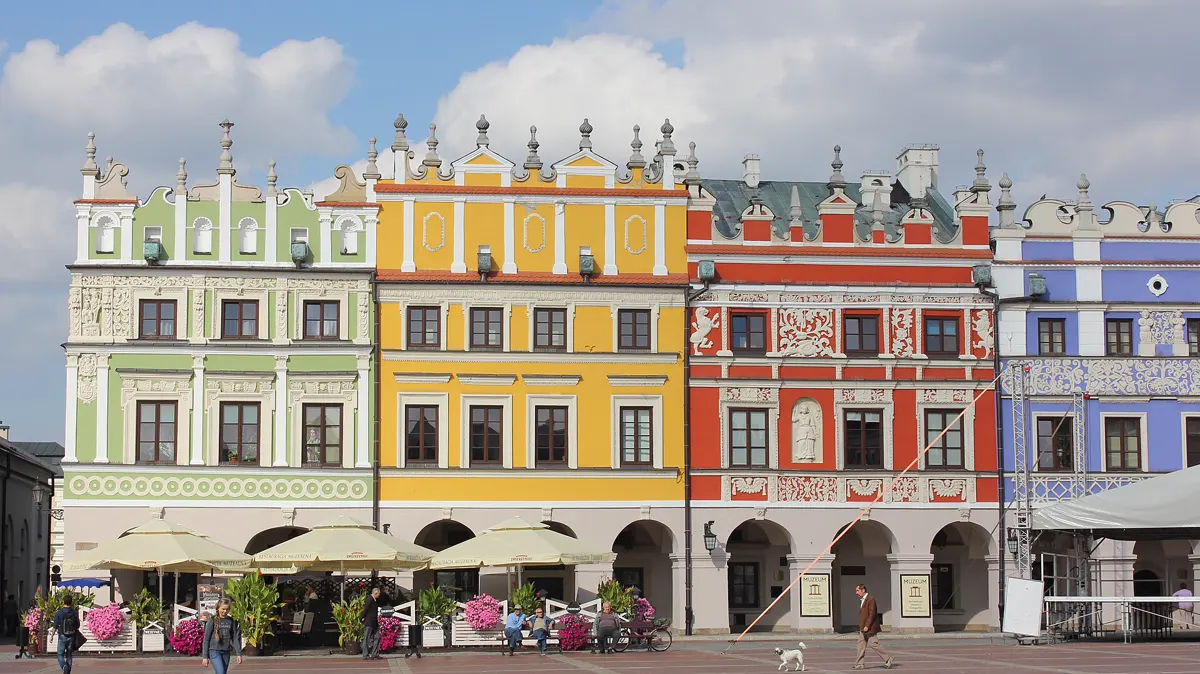
The town museum set inside the ornately decorated 17th-century Armenian houses on the Great Market Square.
Restaurant
Restauracja Muzealna Ormiańskie Piwnice
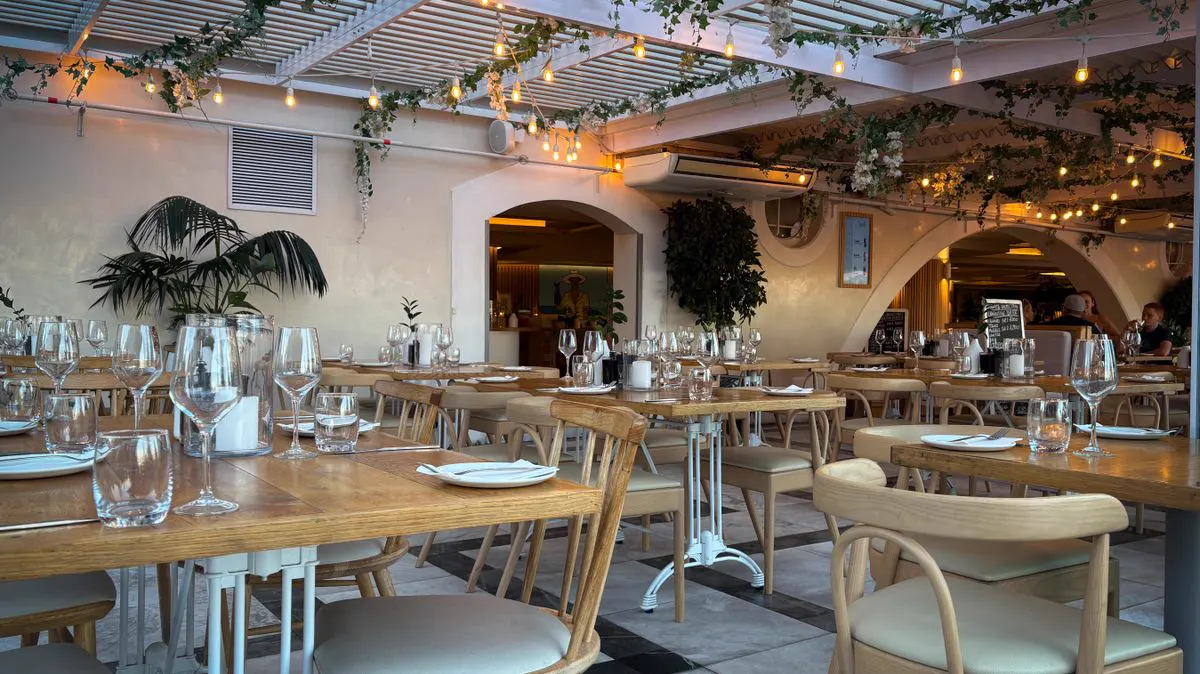
Armenian and regional cooking served in the vaulted cellars of a 17th-century Armenian house beside the Town Hall.
Restaurant
Restauracja Bohema
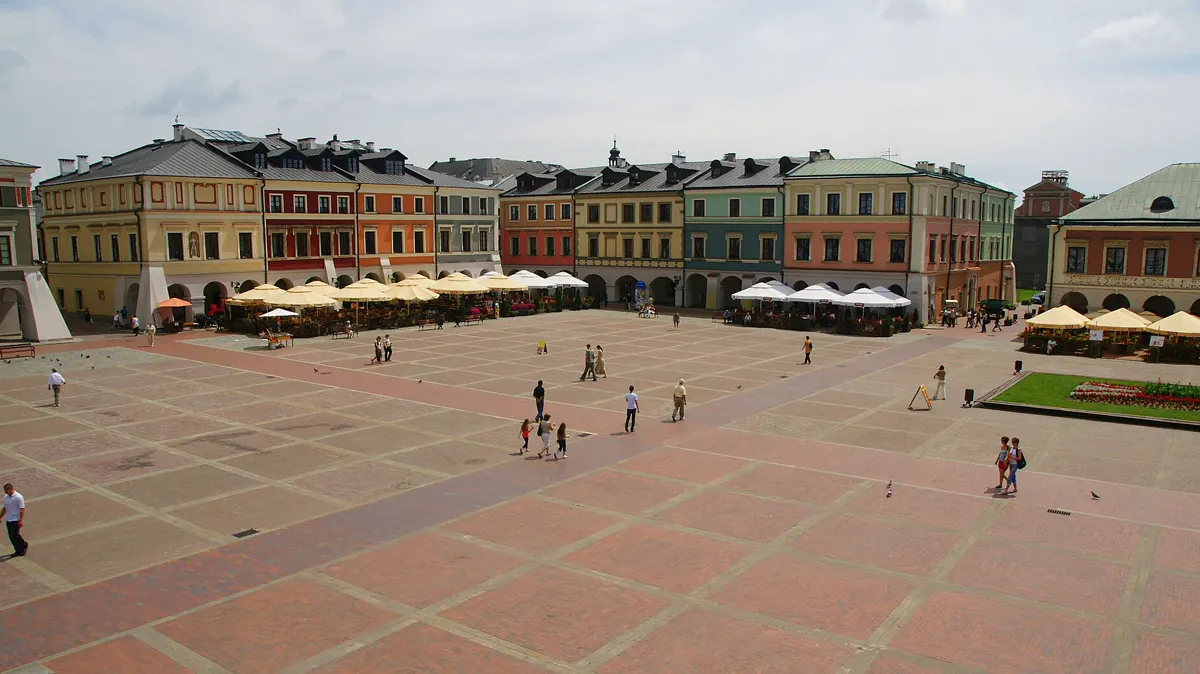
A long-running restaurant on a corner of the Great Market Square, with big outdoor tables looking onto the arcades.
Hotel
Hotel Renesans
A three-star hotel inside the Old Town, a few minutes' walk from the Great Market Square.