Attraction in Toruń
Church of the Assumption of the Blessed Virgin Mary
A large Gothic former Franciscan church in Toruń's Old Town, considered the finest Gothic church in the Chełmno region, with 14th-century frescoes and the mausoleum chapel of Anna Vasa.
Reviewed and updated July 2026
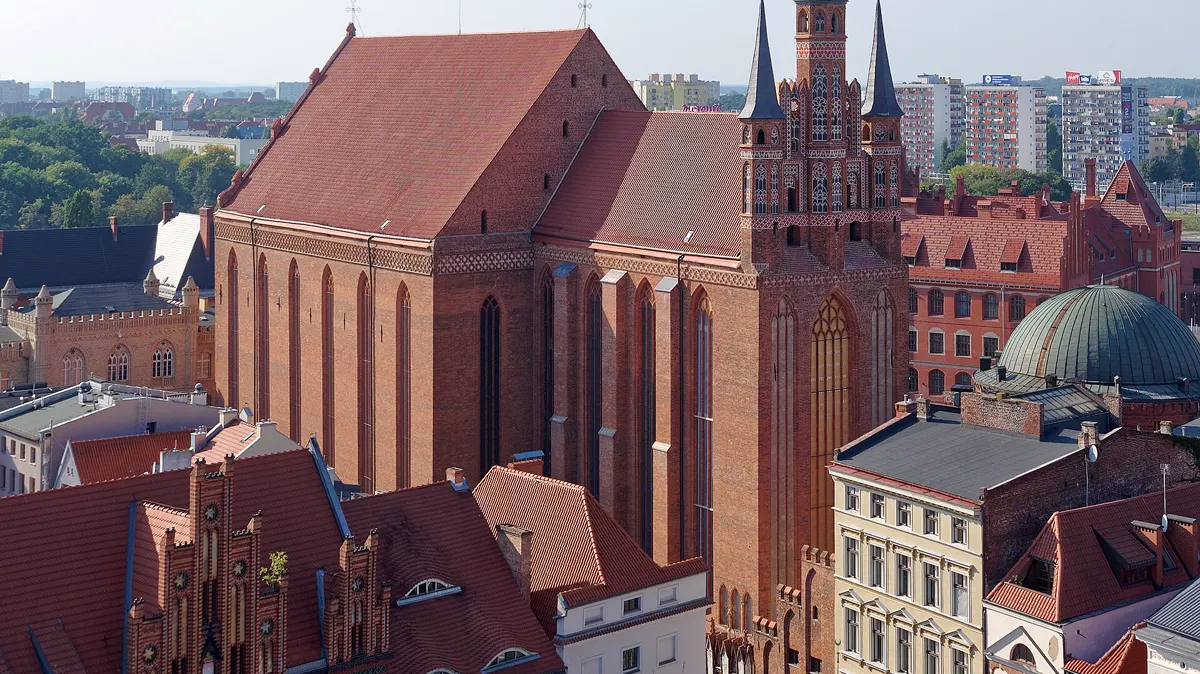
The Church of the Assumption of the Blessed Virgin Mary, known locally as the Marian Church, is a large Gothic former Franciscan church in Toruń's Old Town, regarded as the most impressive Gothic church of the Chełmno region. People visit for its rare mendicant architecture, its 14th-century monumental frescoes and the mausoleum chapel of Anna Vasa, sister of the Polish king Sigismund III.
What to see inside
The interior rewards a slow look upward and along the aisles. Fragments of 14th-century monumental frescoes survive on the walls, giving a sense of how richly painted the church once was. The early-15th-century carved choir stalls are among the oldest of their kind in this part of Poland, and the tall windows fill the hall with light through richly traceried openings. Look also for the mausoleum chapel of Anna Vasa, sister of King Sigismund III, a rare royal monument in a former friars' church.
A Franciscan hall church without a tower
The building follows the pattern of a mendicant-order church, which shapes almost everything you notice. It is a tall three-nave hall church, meaning the aisles rise to nearly the same height as the central nave, and it deliberately has no tower, since the Franciscans favoured plain, non-monumental exteriors. What the builders left out in height they made up for in width and window tracery, producing an interior that feels unusually open. The result is one of the clearest examples of mendicant Gothic you can walk into in northern Poland.
History and significance
Work on the church began in 1343, about a century after the Franciscans settled in the young town, and the building was completed in the late 14th century. That long span covers the era when Toruń grew into a wealthy Hanseatic trading centre, and the church stands as a record of that prosperity in brick and glass. Its standing as the finest Gothic church of the Chełmno region reflects both the ambition of the friars and the wealth of the medieval town around it.
Fitting it into a Toruń visit
The Marian Church sits on ul. Panny Marii in the Old Town, within a short walk of the market square and the other medieval landmarks covered in our Toruń guide. It pairs naturally with a wider circuit of the Gothic old town, and because it suits anyone interested in medieval architecture, painting or Polish royal history, it works as a focused stop rather than a whole afternoon. Check current opening times and any Mass schedule before you go, as access can be limited during services.
Good to know
The church is an active place of worship, so time your visit around Mass and keep noise down if a service is under way; check official parish channels for current opening hours.
Frequently asked questions
More attractions in Toruń
Torun Old Town
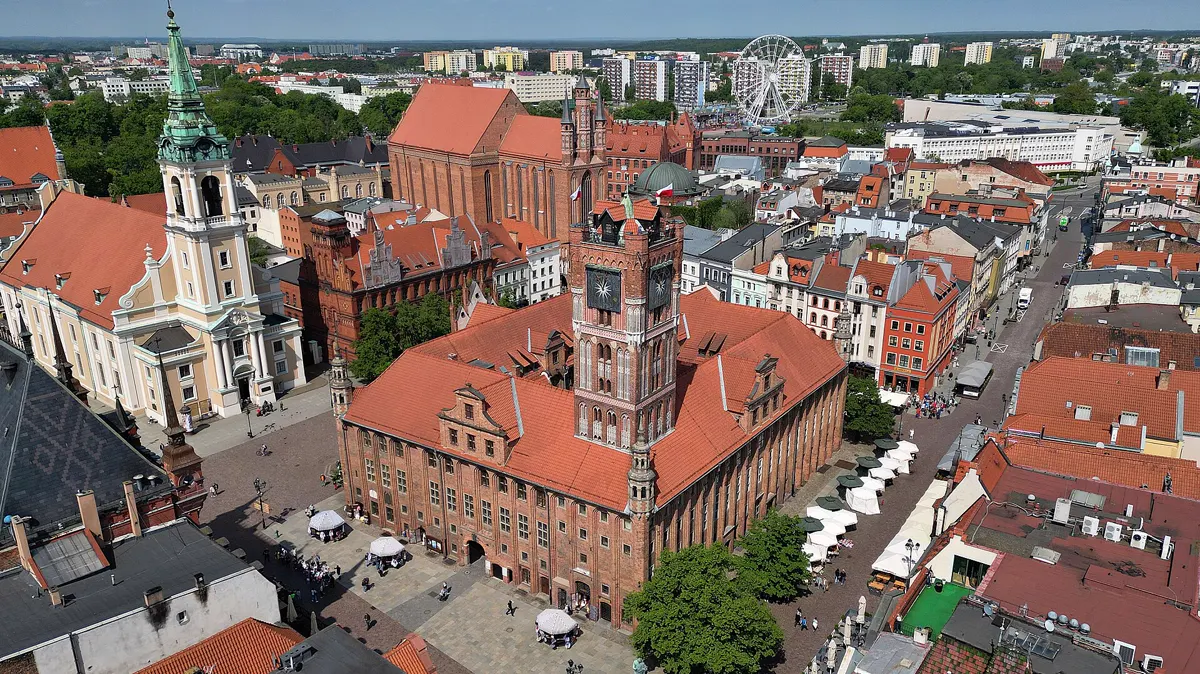
A genuine, war-survived medieval centre of brick Gothic churches, granaries and gabled houses around the Old Town Market Square.
Ratusz Staromiejski
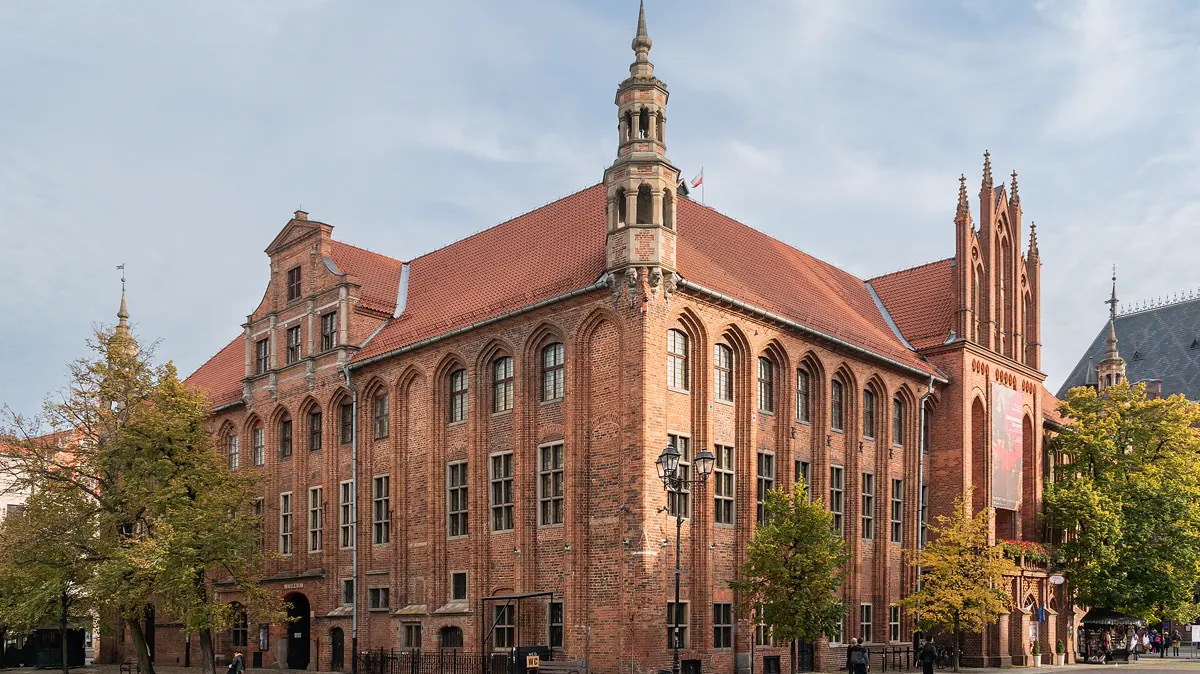
One of the finest municipal Gothic buildings in Central Europe, the Old Town Hall dates from the late 14th century and now houses the District Museum. Its tall tower offers sweeping views over the red-roofed old town and the Vistula.
Dom Kopernika
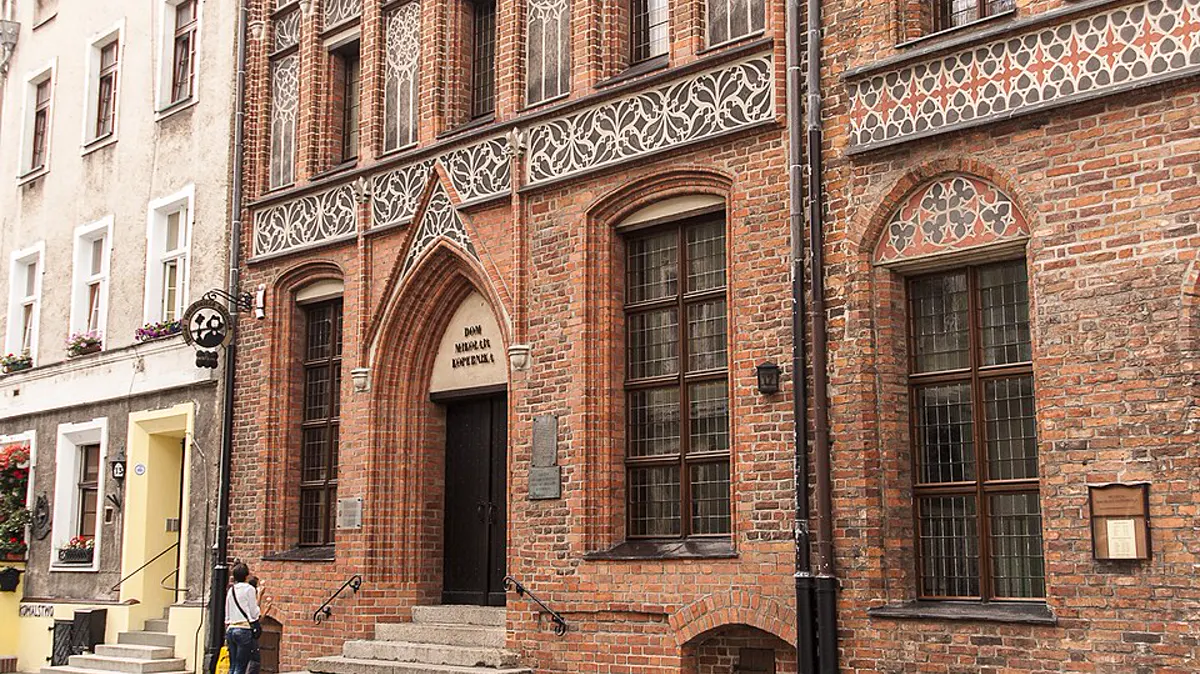
A pair of Gothic burgher houses believed to be the birthplace of Nicolaus Copernicus in 1473, now a museum devoted to the astronomer's life and era. Exhibits recreate a 15th-century merchant household and display period instruments.
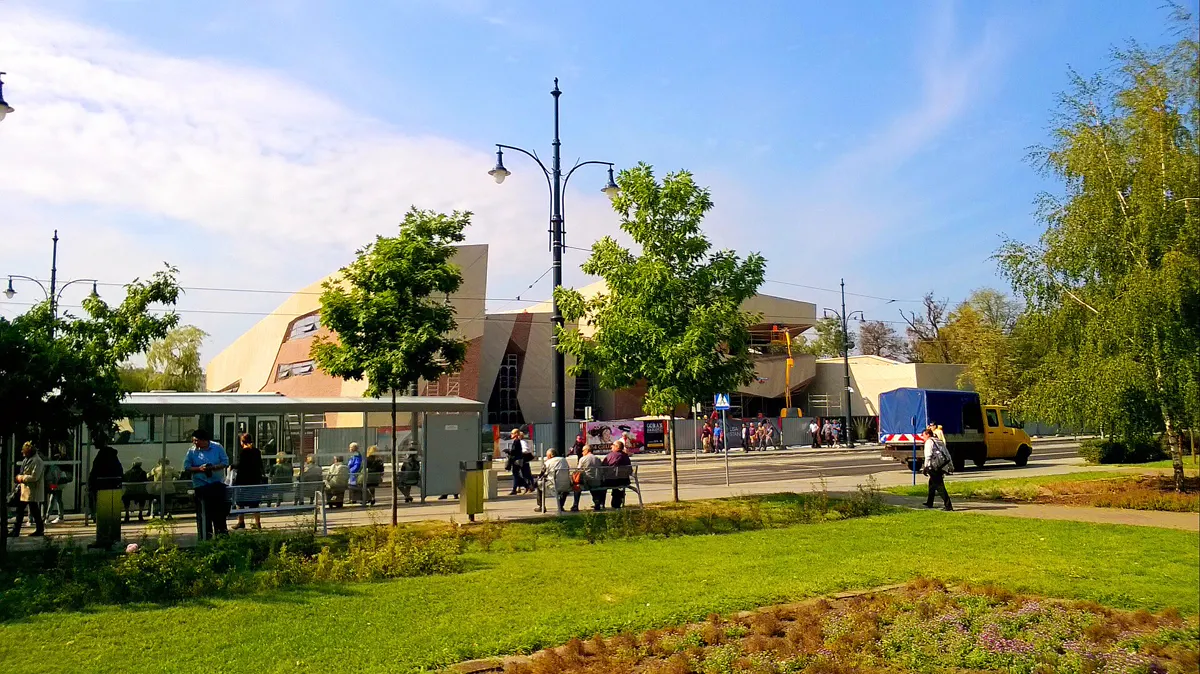
CKK Jordanki Concert and Congress Hall
A sculptural modern concert and congress centre near Toruń's Old Town, home to the Toruń Symphony Orchestra and a repeat winner of international architecture awards.
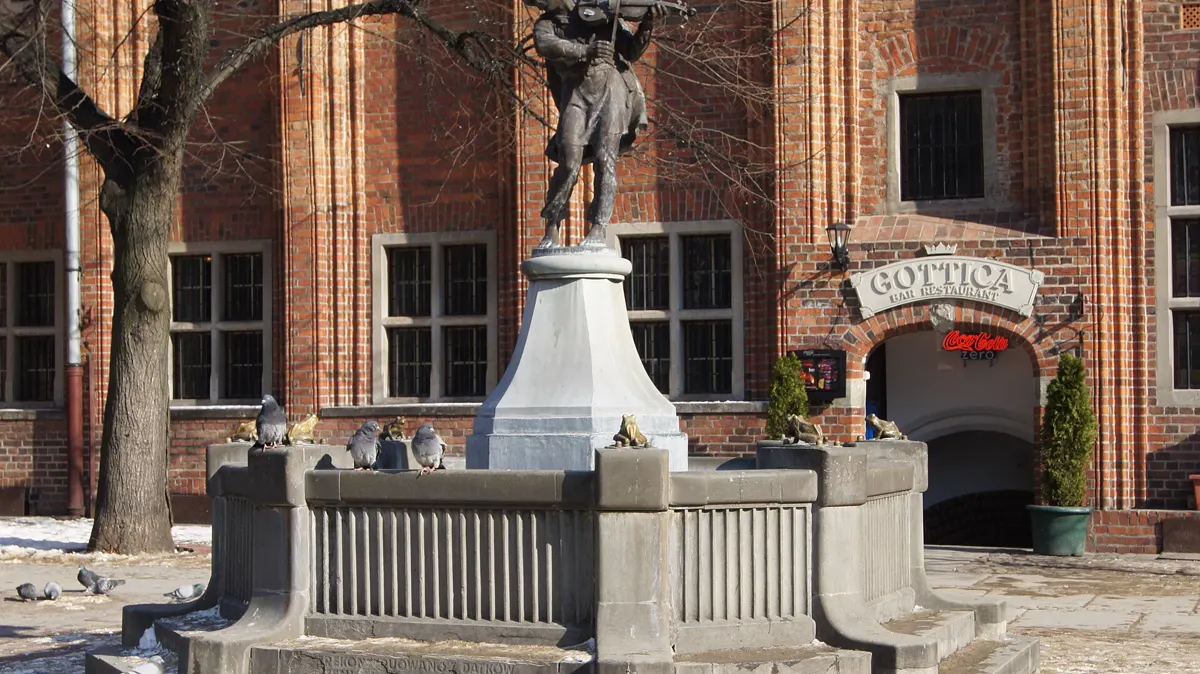
Raftsman Fountain (Flisak Monument)
A small 1914 fountain on Toruń's Old Town Market Square showing a raftsman playing a violin among bronze frogs, tied to a local legend about a plague of frogs.
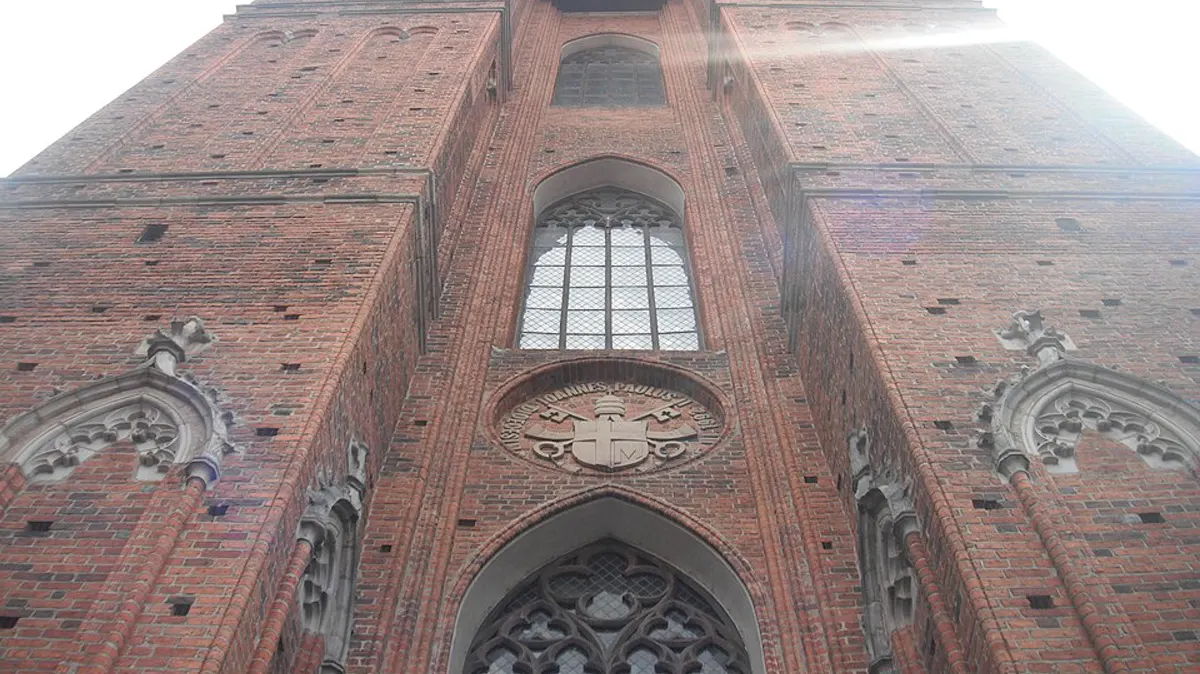
Katedra sw. Janow
The soaring Cathedral of Saints John the Baptist and John the Evangelist is a monumental brick Gothic church begun in the 13th century. It holds the Tuba Dei, one of Poland's largest medieval bells, and a font where Copernicus was baptised.
More to explore in Toruń
Restaurant
Manekin
A local legend for enormous sweet and savoury pancakes at gentle prices.

Hotel
1231 Hotel
A design hotel inside a 13th-century mill by the moat, with a spa and a well-regarded restaurant.

Restaurant
Karczma Gesia Szyja
A rustic inn in the old town leaning into goose and other regional specialities.
Hotel
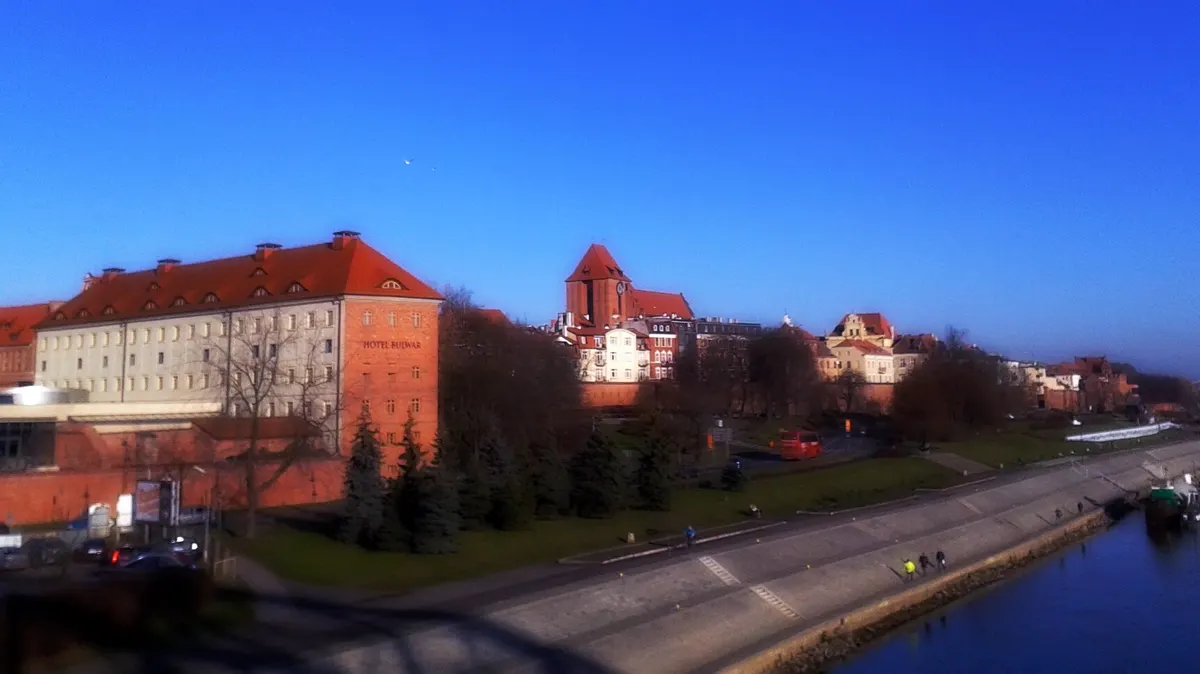
Hotel Bulwar
A comfortable hotel on the Vistula boulevard with the best gingerbread-skyline views.
Restaurant
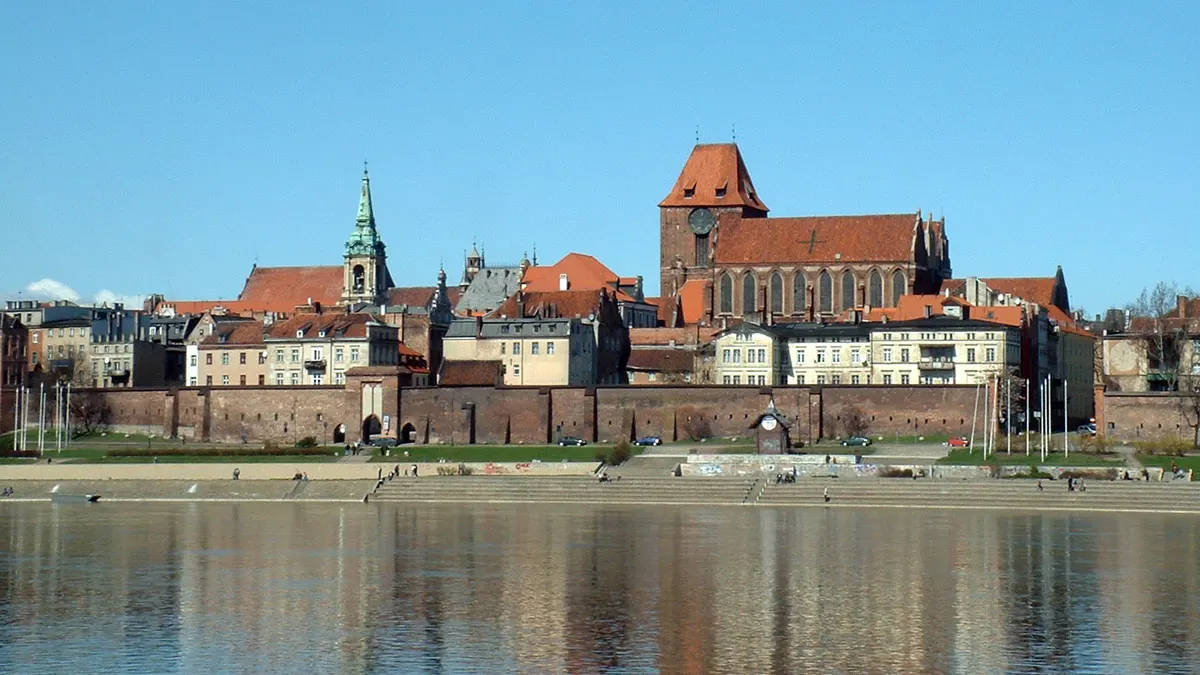
Jan Olbracht Browar Staromiejski
A brewpub inside a Gothic granary on Szczytna, brewing its own beer served in vaulted brick cellars with pub food.
Hotel
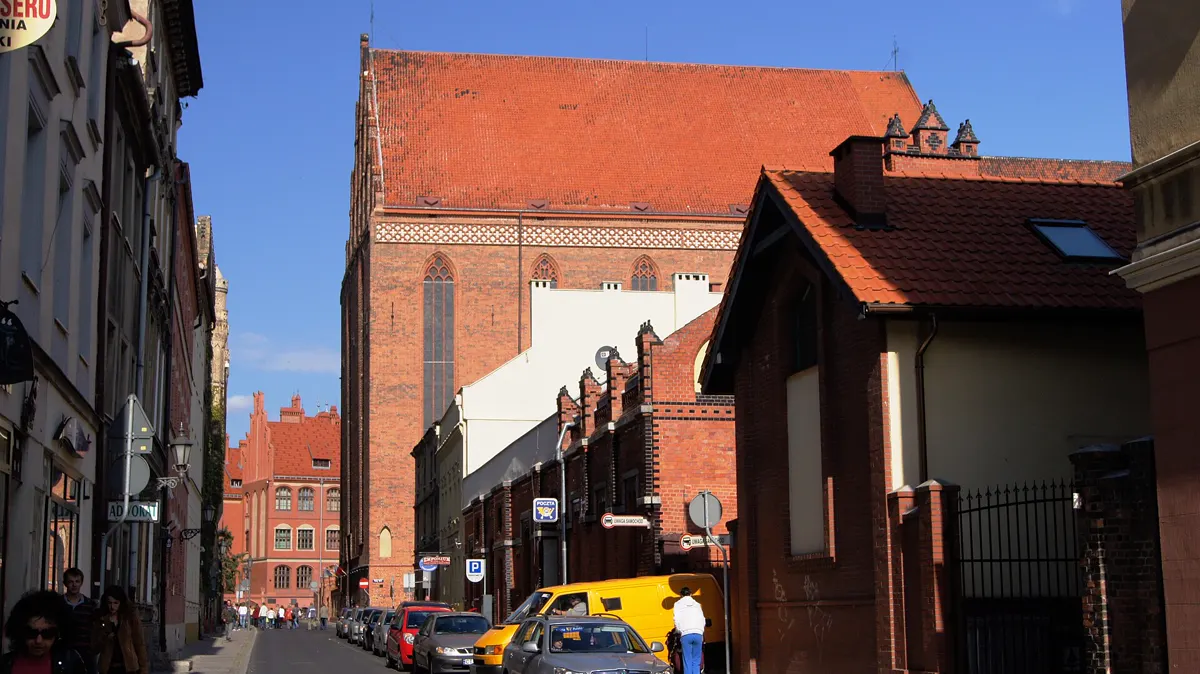
Hotel Gotyk
A small, characterful hotel inside a 14th century townhouse on ul. Piekary, inside the Old Town.