Attraction in Lublin
Dominican Basilica (Basilica of St. Stanislaus)
A Renaissance church and former Dominican monastery in Lublin's Old Town, founded in 1342 and tied to the 1569 Union of Lublin. Its decorated family chapels and European Heritage Label draw visitors interested in Polish history and religious art.
Reviewed and updated July 2026
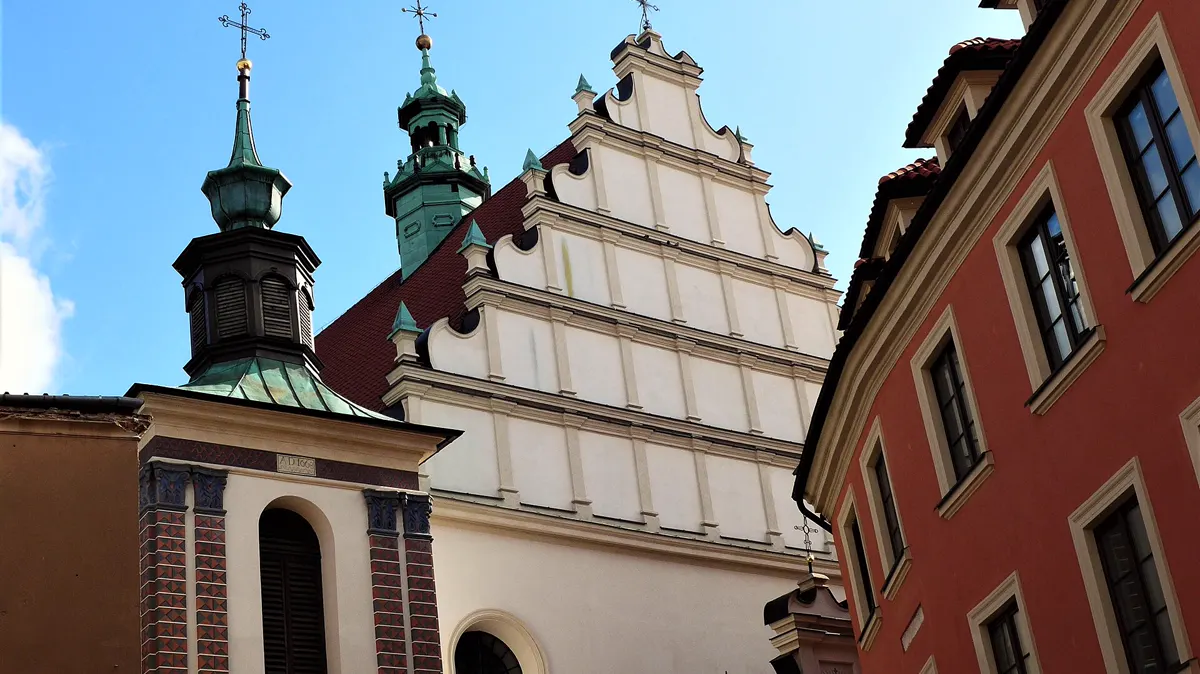
The Dominican Basilica of St. Stanislaus is a Renaissance church and former Dominican monastery in Lublin's Old Town, and it draws visitors as one of the city's most historically significant religious sites. King Casimir III the Great founded the complex in 1342 as a Gothic monastery, and after the great fire of 1575 it was rebuilt in the Renaissance style you see today. People come for its decorated chapels, its connection to the 1569 Union of Lublin, and the European Heritage Label that recognises that legacy.
The chapels and Renaissance interior
The church is known above all for its side chapels, which were added and decorated by Lublin's prominent families. The Firlej Family Chapel dates from 1615, and the Tyszkiewicz Chapel was built between 1645 and 1658, with fine Baroque stucco work that is among the most detailed in the building. The wider interior reflects the reconstruction that followed the fire of 1575, when the earlier Gothic monastery was recast in Renaissance form. Take time to look up, as much of the finest decoration sits on the vaults and chapel ceilings.
A church at the centre of Polish history
This is the church most closely linked to the signing of the Union of Lublin in 1569, the agreement that joined the Kingdom of Poland and the Grand Duchy of Lithuania into a single commonwealth. That role earned the church the European Heritage Label, a distinction given to sites that mark milestones in European history. For centuries the basilica also held a relic of the True Cross, which made it an important place of pilgrimage. The combination of political and religious significance is what sets it apart from Lublin's other churches.
Who it suits and how to visit
The basilica suits travellers interested in Renaissance architecture, Polish and Lithuanian history, or religious art, rather than those looking only for a quick photo stop. It remains an active place of worship, so visitors should dress modestly and keep quiet during Mass. Opening times for sightseeing can vary around services, so check the parish's official channels before you go. Entry arrangements and any charges are best confirmed on site or through the church directly.
Fitting it into a day in Lublin
The basilica sits within the compact Old Town, so it pairs easily with a wider walk around the historic centre and Lublin Castle nearby. Many visitors combine it with the surrounding cobbled streets, the old market square and the city gates in a single afternoon. For ideas on what else to see and how to plan your time, see our Lublin guide. Because everything is close together, you can visit without needing public transport once you reach the Old Town.
Good to know
The basilica is an active parish, so sightseeing is limited during Mass; check the parish's official channels for current visiting times before you arrive.
Frequently asked questions
More attractions in Lublin
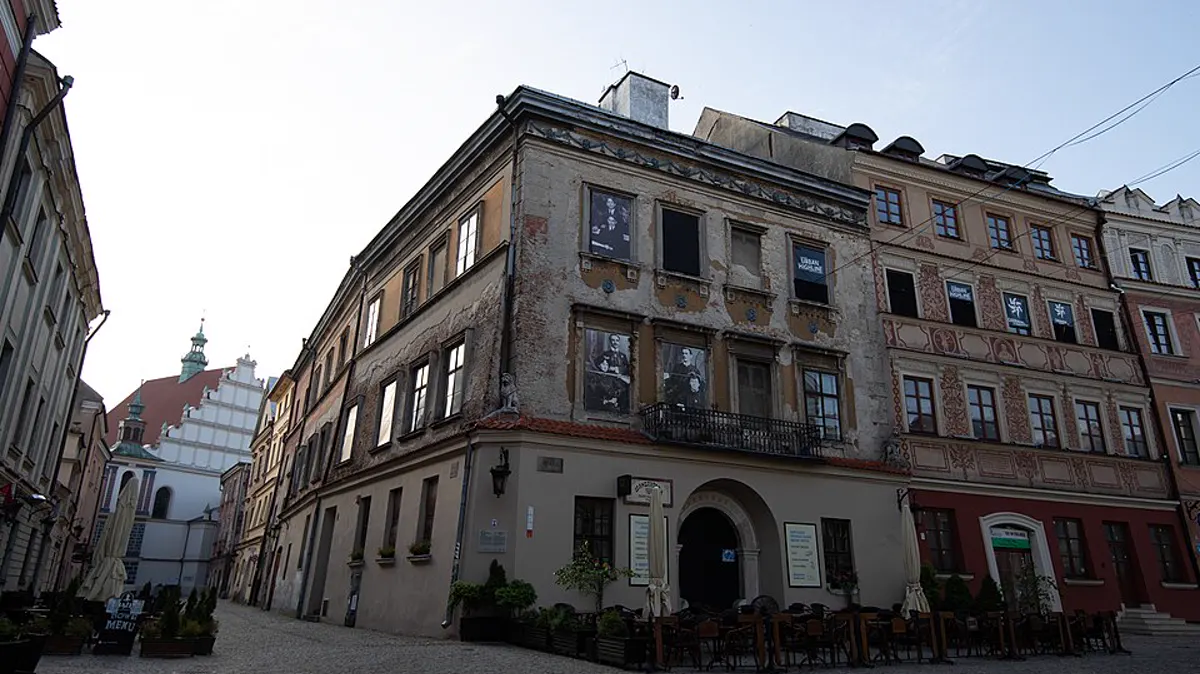
Stare Miasto (Lublin)
Lublin's medieval Old Town winds through narrow lanes and hidden courtyards, with painted Renaissance facades and Rynek square framing the old Trybunal (Crown Tribunal) at its centre.
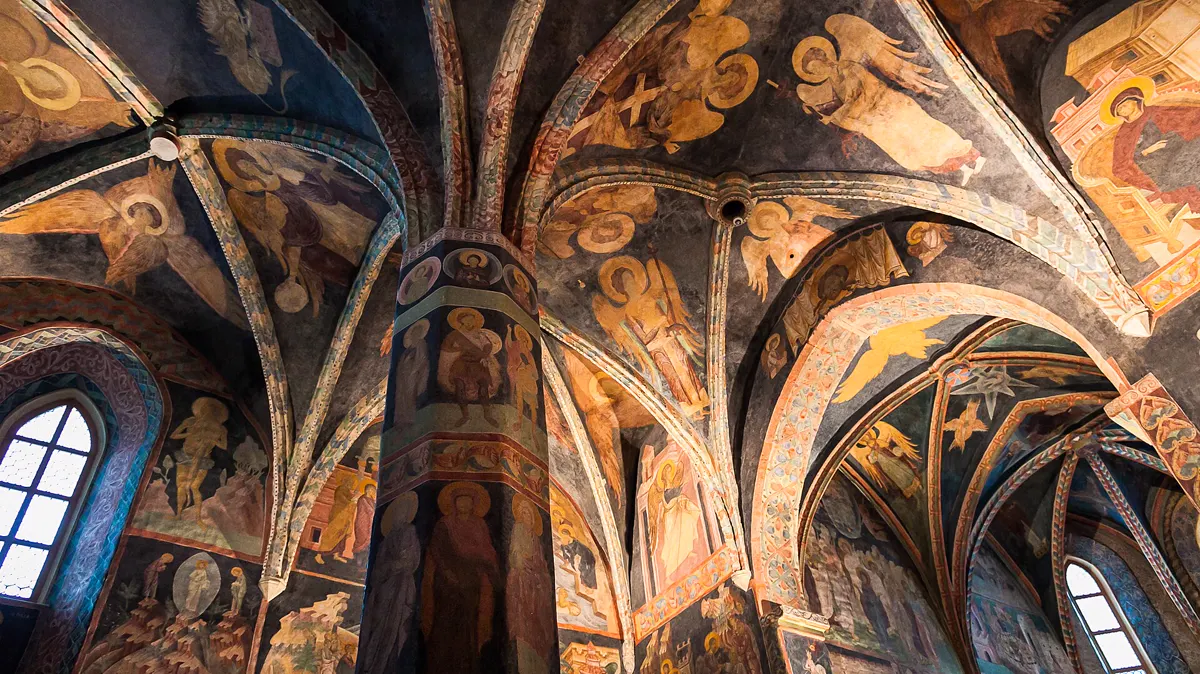
Kaplica Trojcy Swietej
Inside the castle, the Holy Trinity Chapel is covered floor to ceiling with rare Ruthenian-Byzantine frescoes from 1418: Eastern painting under a Western Gothic vault.
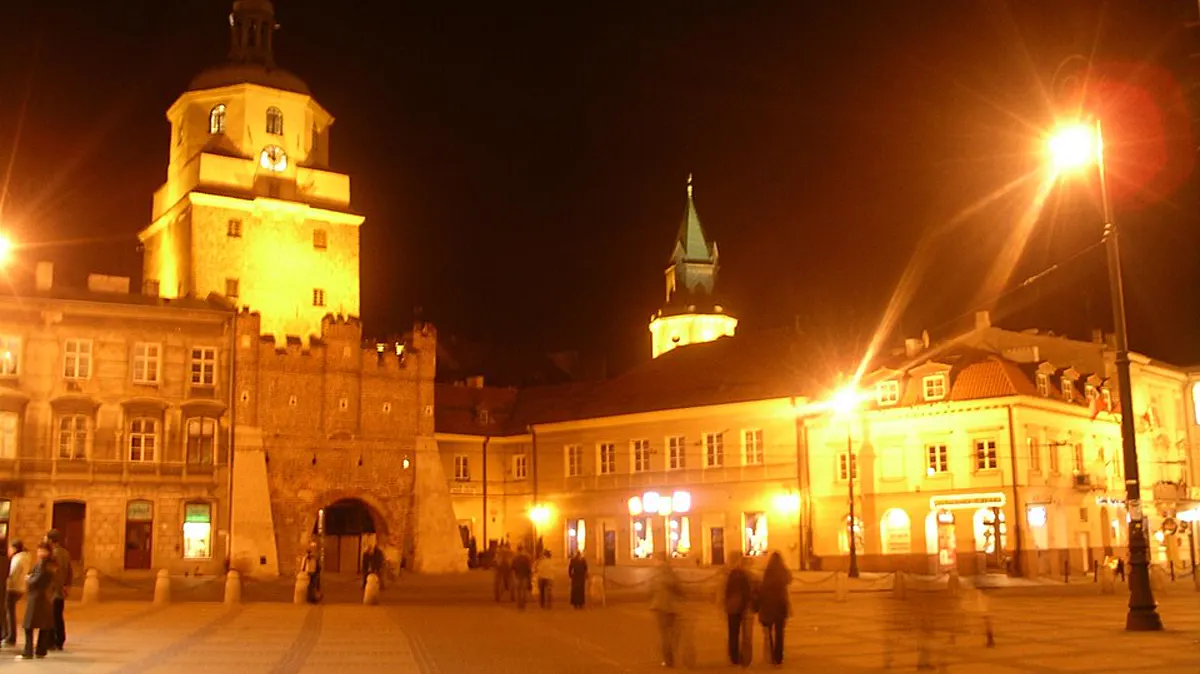
Brama Krakowska
The 14th-century Krakow Gate is Lublin's best-known landmark, a brick tower that guarded the road to Krakow and now houses a small history museum.
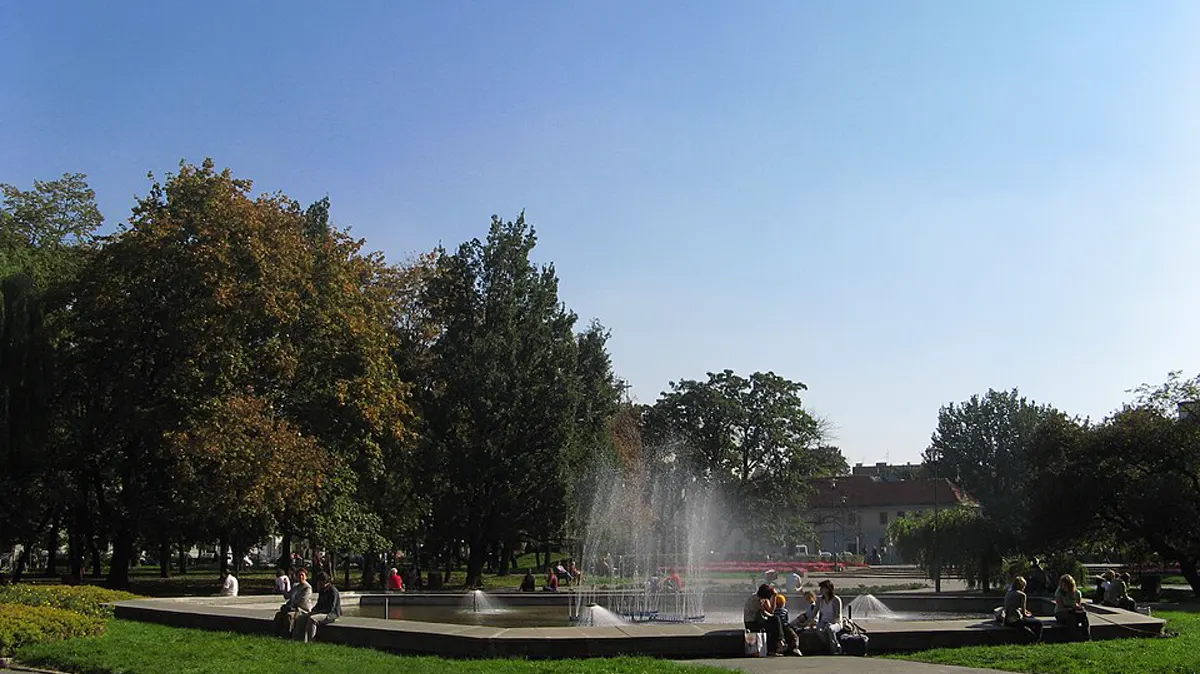
Plac Litewski
The Lithuanian Square marks the 1569 Union of Lublin between Poland and Lithuania, a renovated public space with fountains, monuments and the Saski Palace nearby.
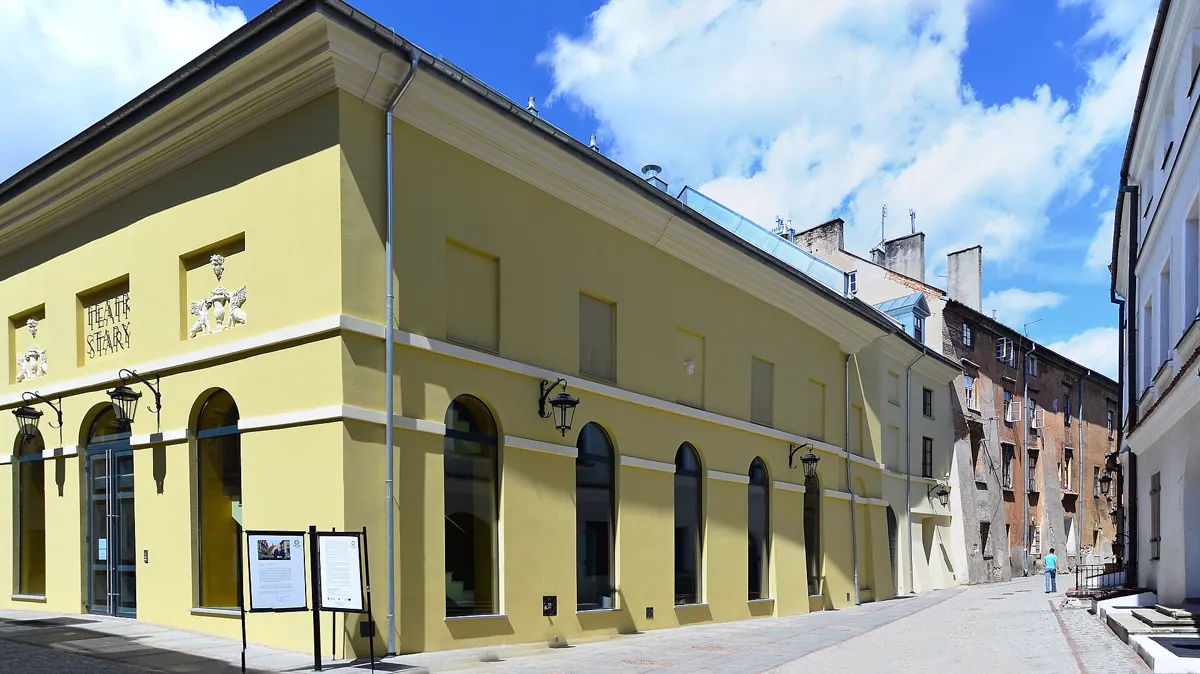
Old Theatre (Teatr Stary)
A working theatre on Jezuicka Street in Lublin's Old Town, built in 1822 and the second-oldest surviving purpose-built theatre building in Poland.
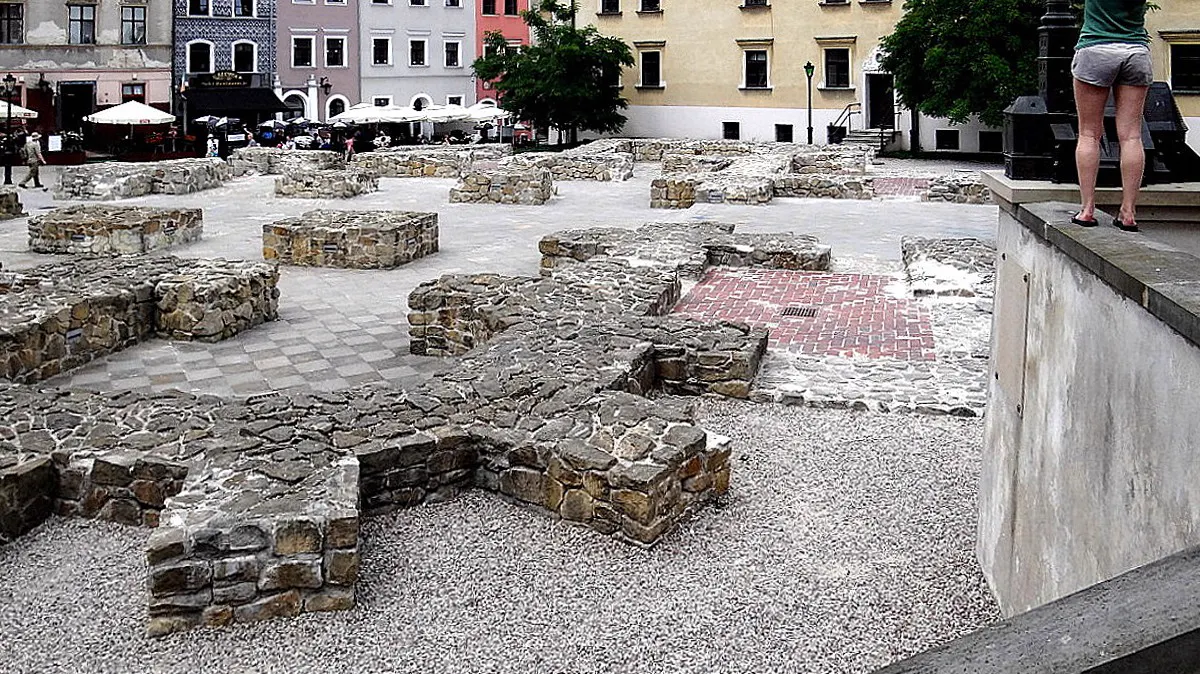
Po Farze Square (Plac Po Farze)
An open square in Lublin's Old Town that marks the site of the demolished parish church of St. Michael the Archangel, with the lost building's outline traced in the paving and an elevated terrace over the rooftops.
More to explore in Lublin
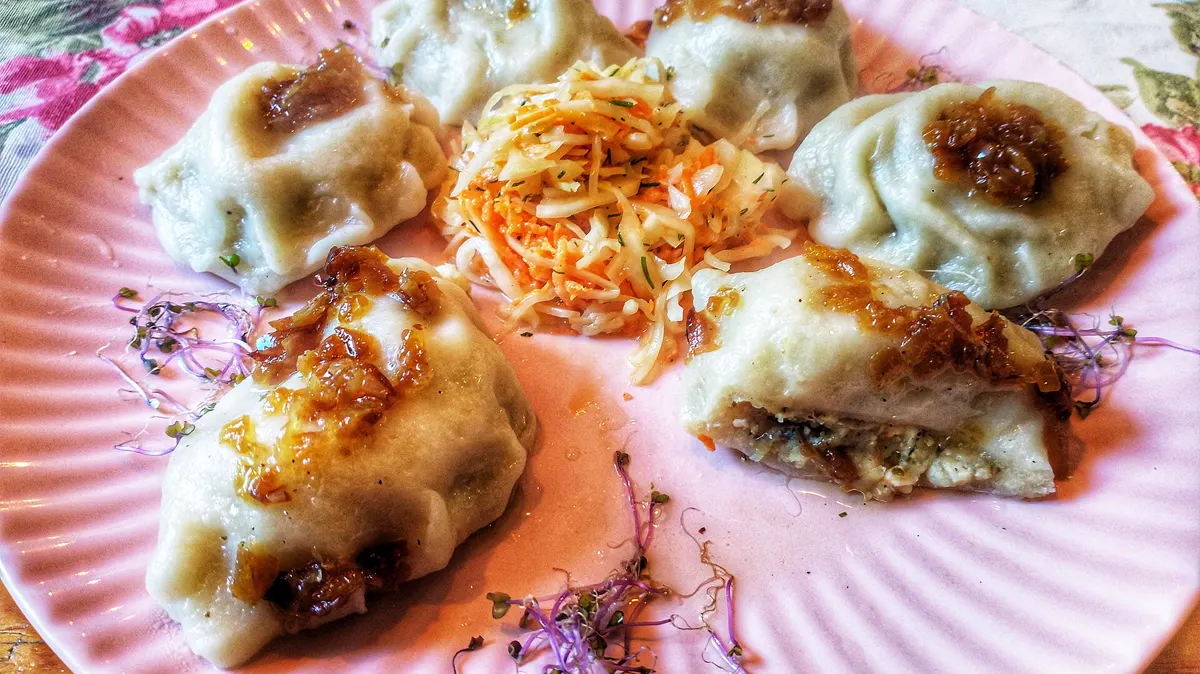
Restaurant
Mandragora
A candlelit restaurant on the Old Town market recreating Lublin's pre-war Jewish and Polish cooking.
Hotel
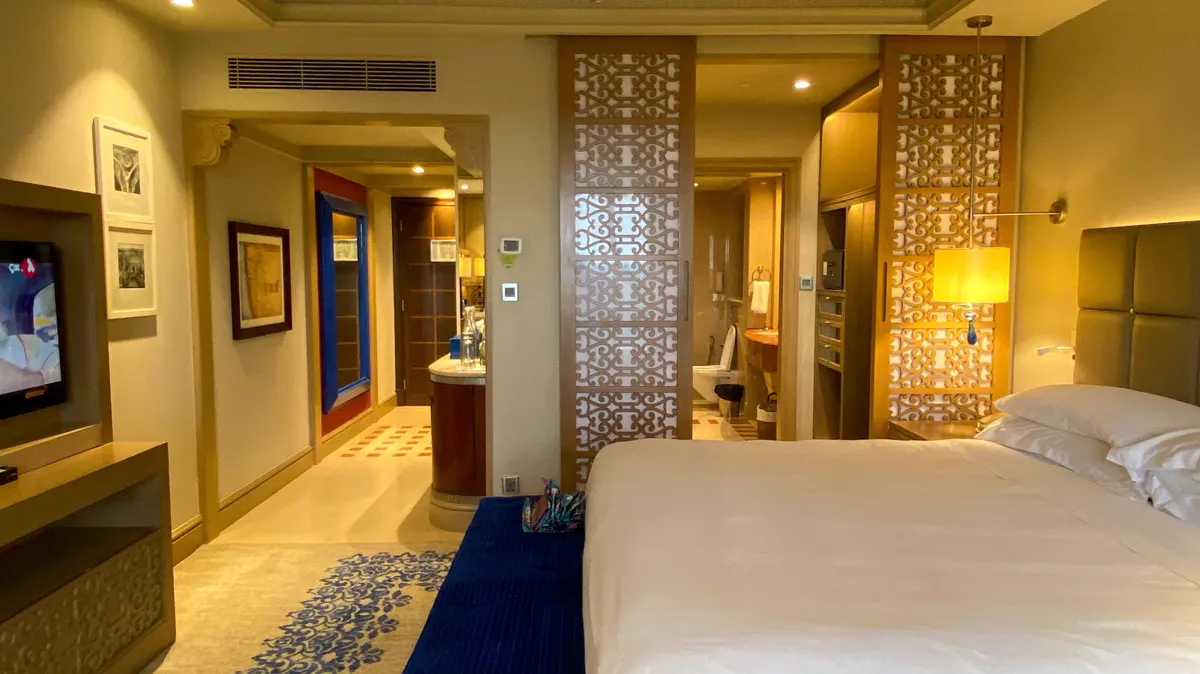
Grand Hotel Lublinianka
A restored early-20th-century hotel on the main promenade with a spa in its cellars.
Castle
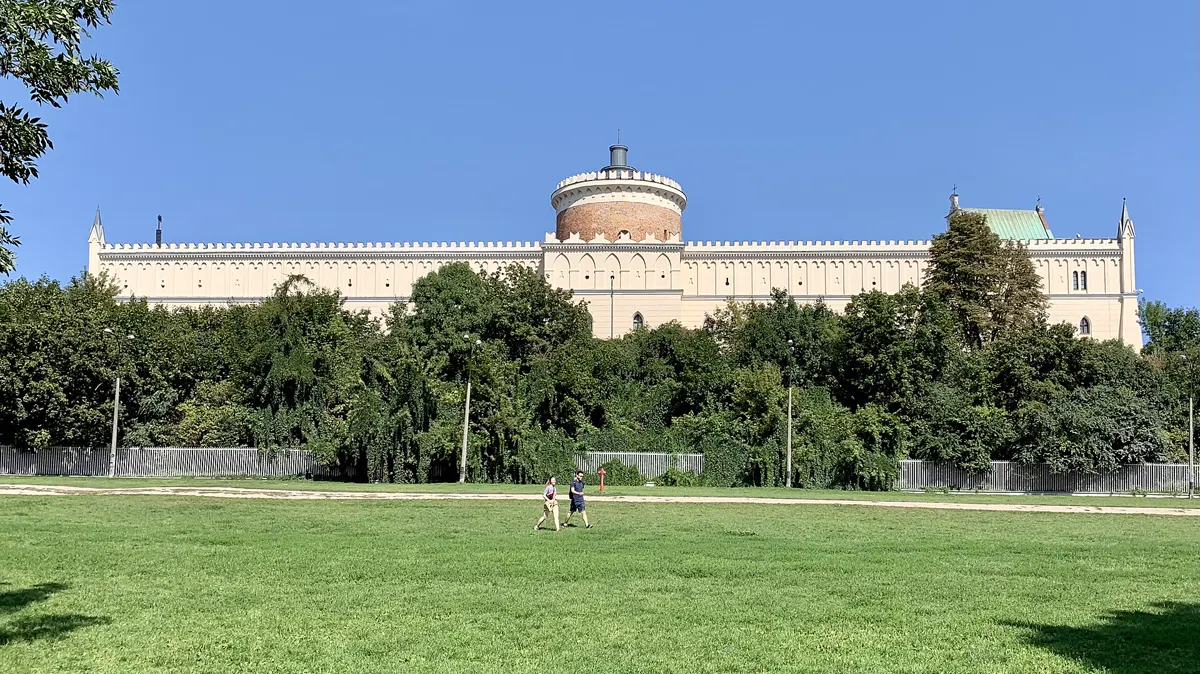
Lublin Castle
A hilltop castle whose Gothic chapel holds a rare cycle of Byzantine-style frescoes from 1418, the finest sight in the city.
Restaurant
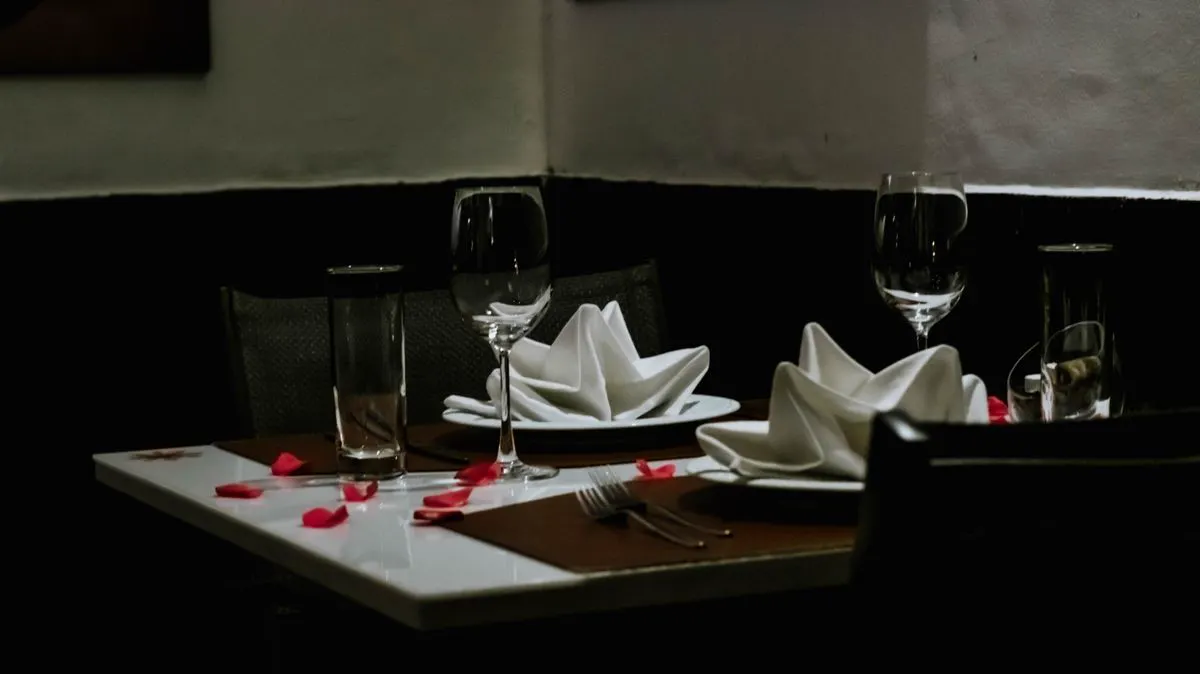
Hades Szeroka
A friendly, good-value spot for Polish plates near the castle.
Hotel
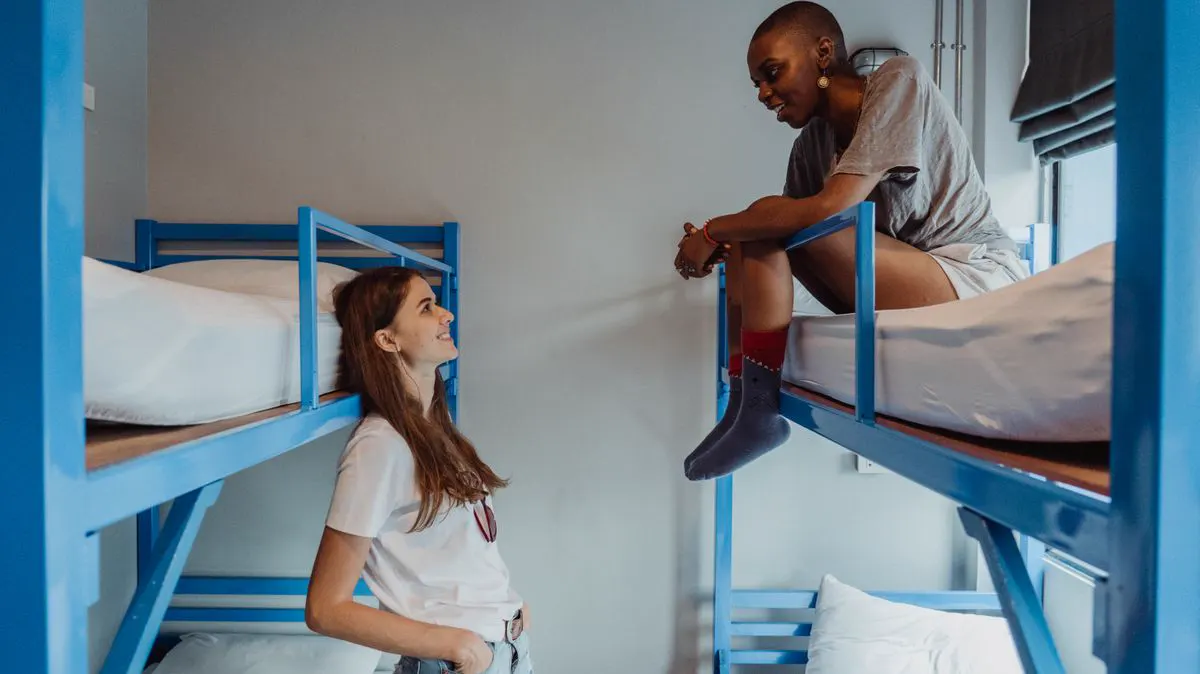
Hostel Lublin
A simple, central hostel with dorms and private rooms close to the Old Town and station, aimed at backpackers and students. Cheap beds and a shared kitchen.
Restaurant
Kardamon
One of the city's more ambitious kitchens, plating modern Polish and international dishes with a strong wine list off Krakowskie Przedmiescie. Book ahead at weekends.