Attraction in Kraków
Ghetto Heroes Square
An open public square in Podgórze that was the centre of the Kraków Ghetto, now marked by a memorial of 70 empty iron chairs standing where residents were assembled for deportation.
Reviewed and updated July 2026
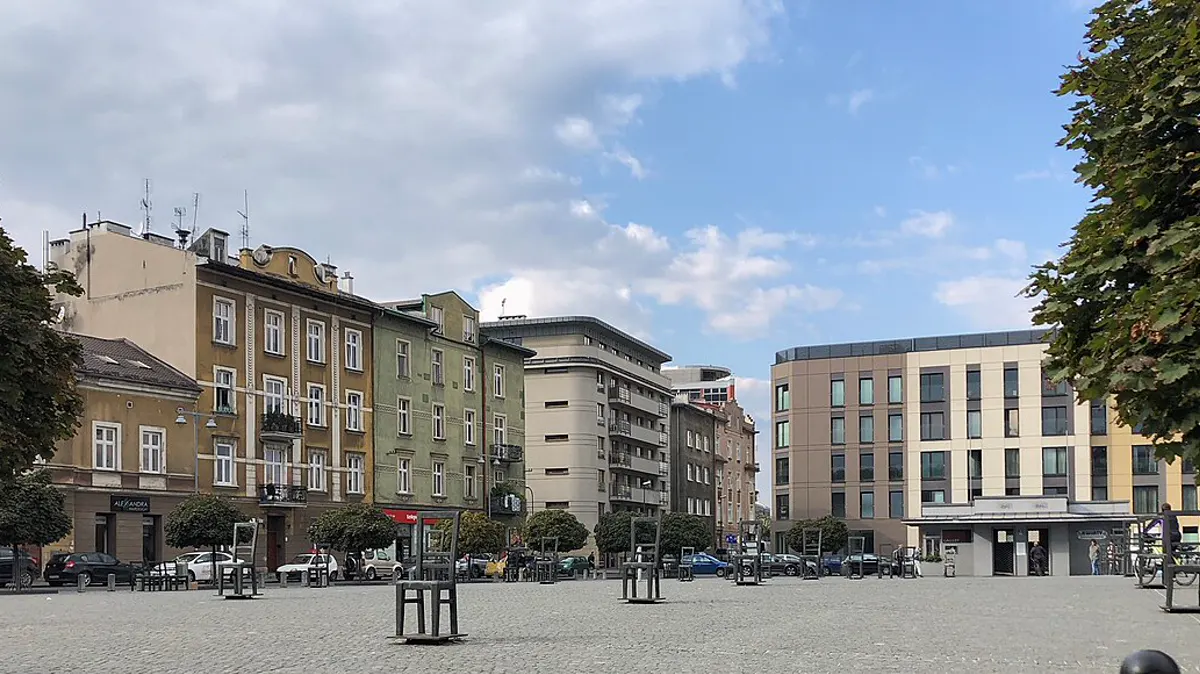
Ghetto Heroes Square (Plac Bohaterów Getta) is an open square in the Podgórze district of Kraków that was the centre of the Kraków Ghetto, and people come to stand where its history happened rather than to see a conventional sight. From March 1941 the ghetto walled off this part of the city, and this square became the assembly point from which Jewish residents were deported during the liquidation of 13 to 14 March 1943. Since 2005 the space has held a memorial of 70 oversized empty iron chairs, which makes a visit quiet, direct and hard to forget.
The empty chairs and what they mean
The memorial that fills the square is a field of 70 oversized iron chairs, set in rows across the paving and facing different directions. Designed by architects Piotr Lewicki and Kazimierz Latak and installed in 2005, the chairs stand for the furniture and belongings that deported residents left behind, and by extension the people themselves. The idea drew on the memoir of Tadeusz Pankiewicz, a pharmacist who witnessed the deportations from the square, who described furniture and possessions strewn across the ground after the ghetto was cleared. Sitting on one of the chairs is part of the point, so the memorial invites you into the space rather than keeping you at a distance.
Why this square carries such weight
Podgórze was chosen by the German occupiers as the site of the Kraków Ghetto, established in March 1941, and this square sat at its core as a gathering ground and marketplace. During the ghetto's liquidation on 13 and 14 March 1943, Jews were assembled here before being sent to camps, which is why the square is named for the ghetto's heroes. The memorial's design received a special mention in the 2006 European Prize for Urban Public Space, recognition that it turns a difficult history into a place the whole city can enter. It is a memorial you walk through rather than a monument you view from a railing.
Who it suits and how to visit
This is a free, open public square rather than a ticketed attraction, so you can walk in at any time, and it suits anyone interested in the history of wartime Kraków or in thoughtful public design. Take time to read the plaques and to notice the pharmacy on the edge of the square, the former Under the Eagle premises where Pankiewicz worked, which today operates as a museum (check current opening hours and admission through official channels before you go). Photography is fine, though the tone of the place asks for some restraint. Allow around twenty to thirty minutes if you want to sit, read and take it in properly.
Fitting it into a Kraków trip
The square sits in Podgórze on the south bank of the Vistula, a short walk or tram ride from the Old Town and Kazimierz covered in our Kraków guide. It pairs naturally with other Podgórze sites tied to the same history, including the nearby Schindler's Factory museum, so many visitors combine them into a single half day. Coming here after the crowds of the centre gives the visit a very different weight. It is one of the most direct places in the city to understand what happened to Kraków's Jewish community.
Good to know
The square is open and free at all hours, but the Under the Eagle Pharmacy museum on its edge keeps set opening times, so check those separately if you want to go inside.
Frequently asked questions
More attractions in Kraków
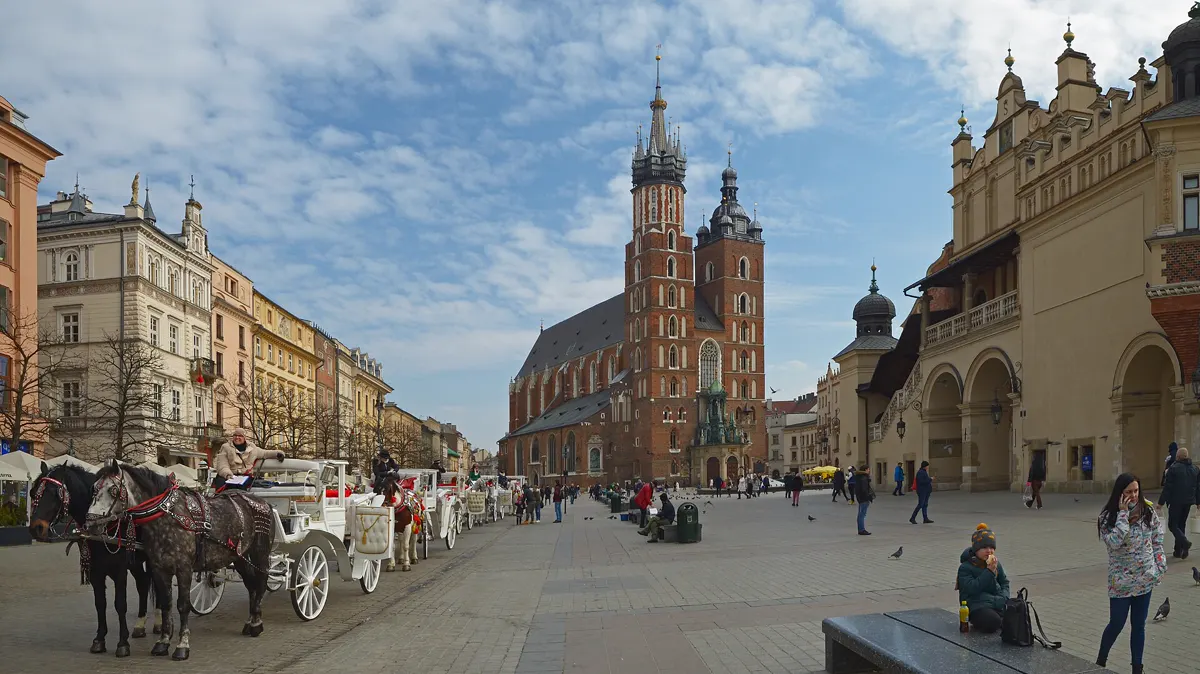
Main Market Square
Europe's largest medieval market square, the social centre of Krakow, with the Cloth Hall running down its middle.
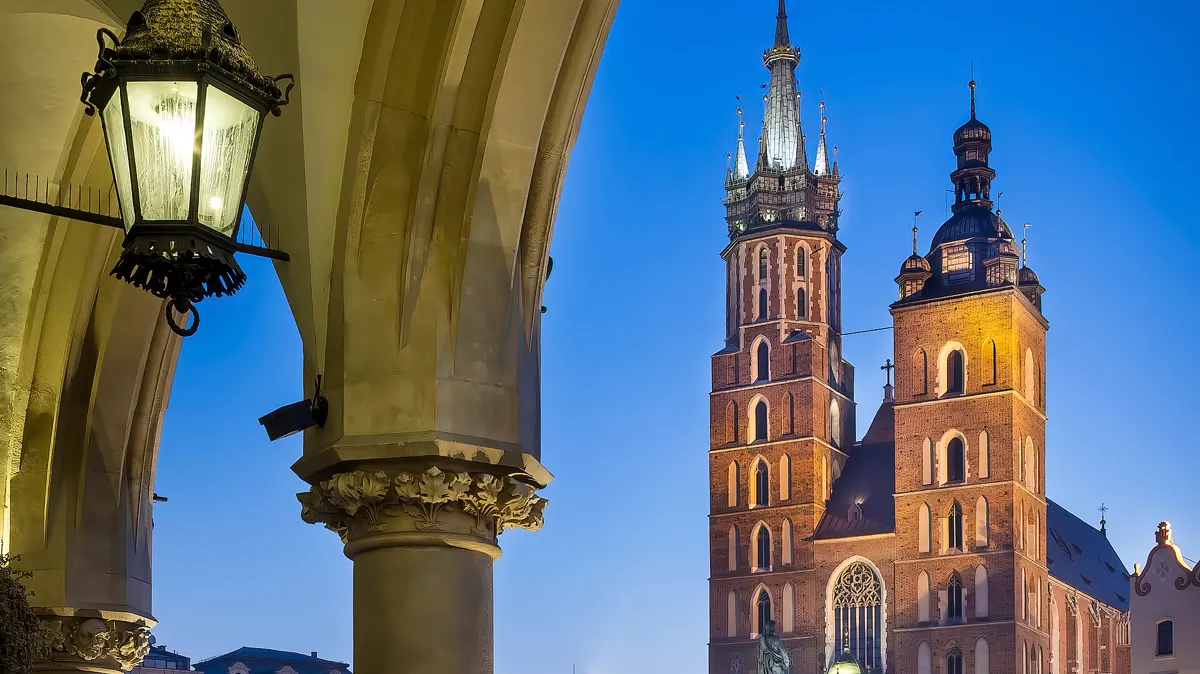
St Mary's Basilica
The brick Gothic church on the main square, famous for its mismatched towers and a carved wooden altarpiece by Veit Stoss.
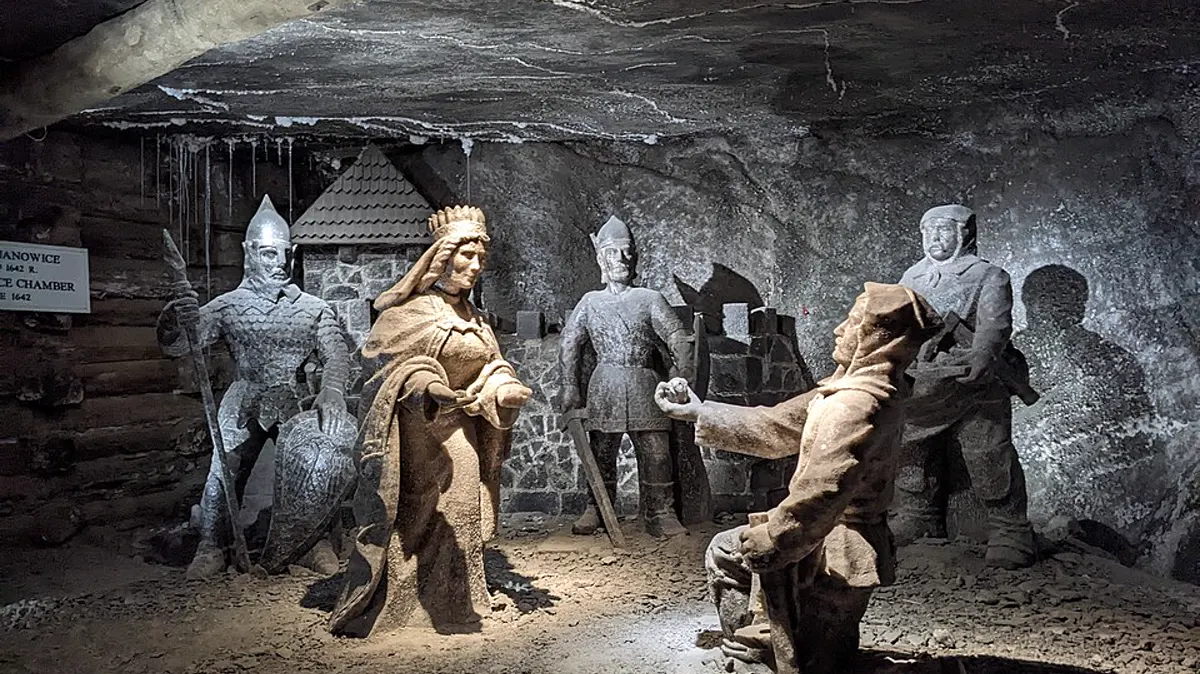
Wieliczka Salt Mine
A UNESCO-listed salt mine worked for seven centuries, with underground chapels, lakes and chambers carved entirely from rock salt.
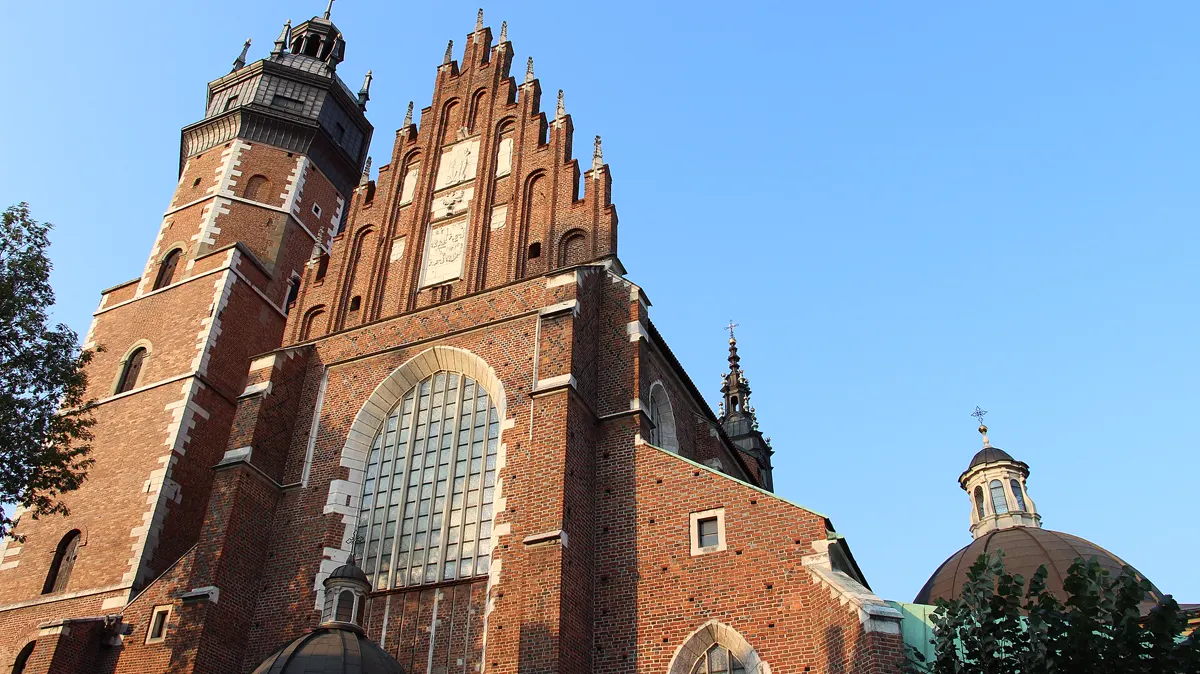
Corpus Christi Basilica
A towering Gothic basilica in Kraków's Kazimierz district, founded by King Casimir III the Great in 1335 and known for its 70-metre tower, five historic bells and a rare boat-shaped Baroque pulpit.
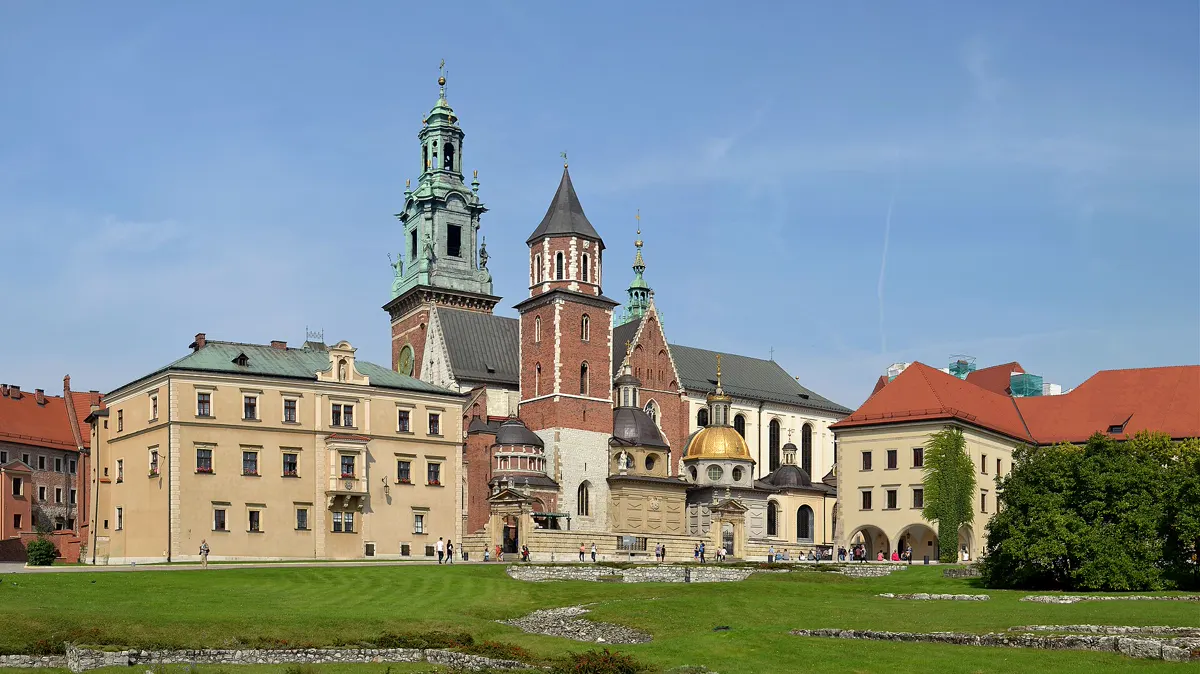
Wawel Cathedral
The coronation and burial church of Polish kings on Wawel Hill, holding royal tombs, national heroes and the famous Sigismund Bell.
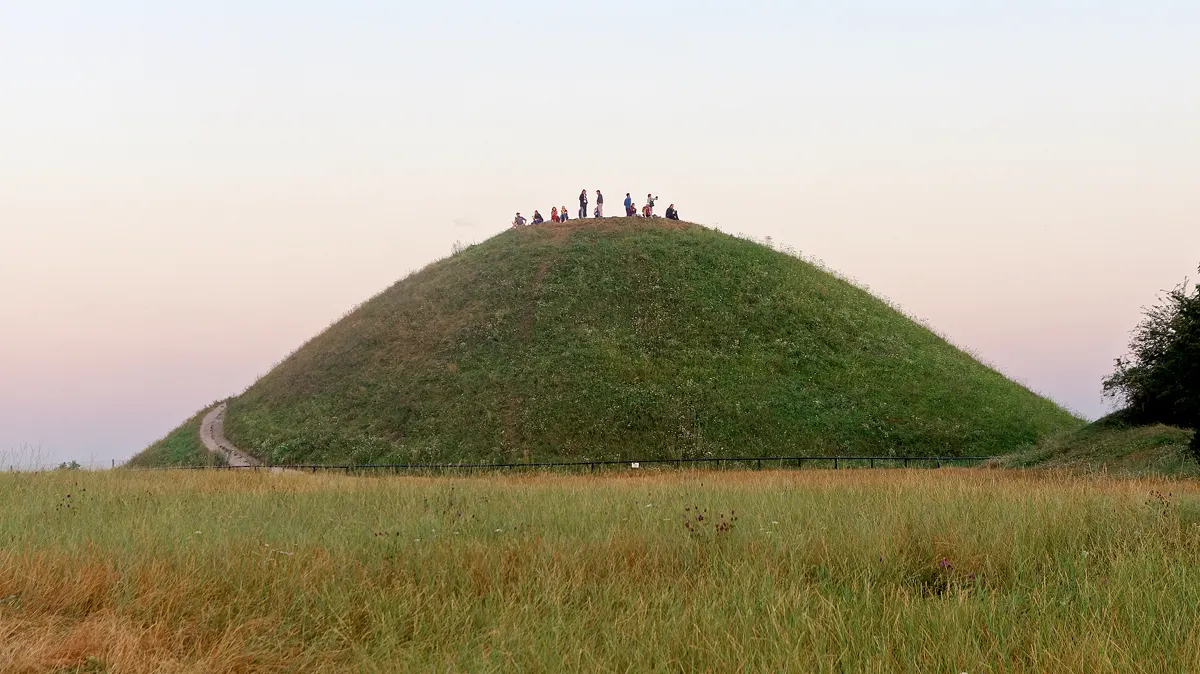
Krakus Mound (Kopiec Krakusa)
A prehistoric earthen mound on Lasota Hill in Podgorze, tied to Kraków's legendary founder and one of the best free viewpoints over the city.
More to explore in Kraków
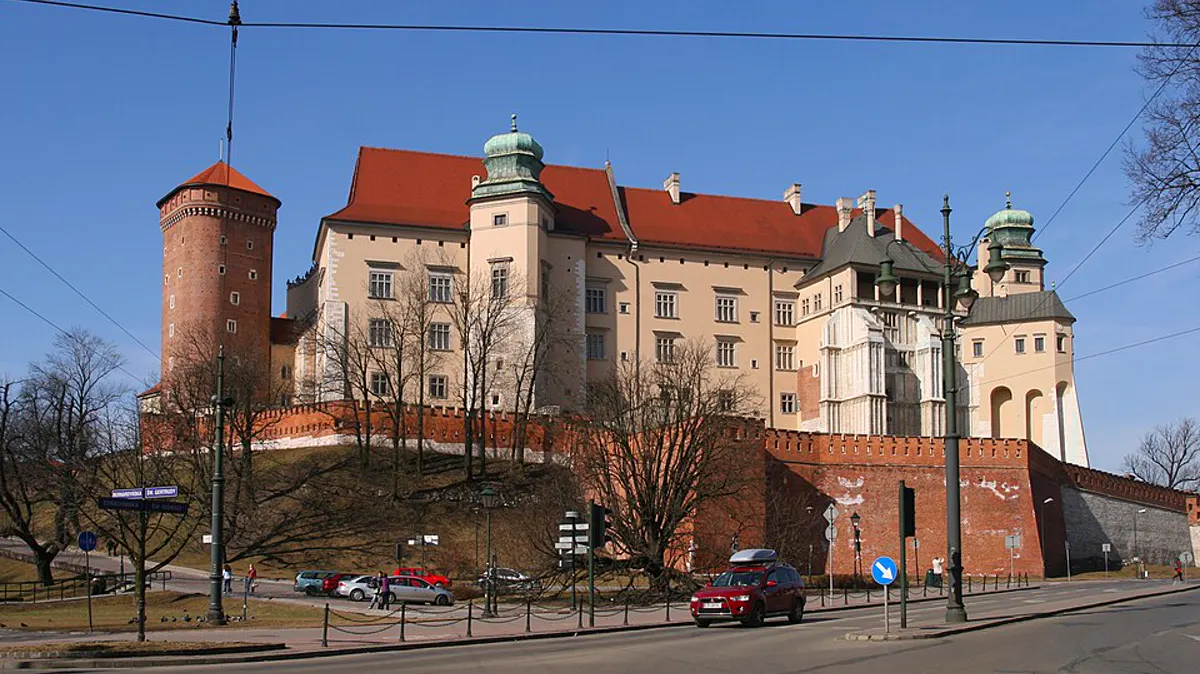
Castle
Wawel Castle
The royal castle and cathedral on the hill above the Vistula, the symbolic heart of the Polish nation for a thousand years.

Restaurant
Bottiglieria 1881
Krakow's Michelin-starred tasting-menu room, a modern Polish kitchen paired with a deep wine cellar.
Hotel
Hotel Copernicus
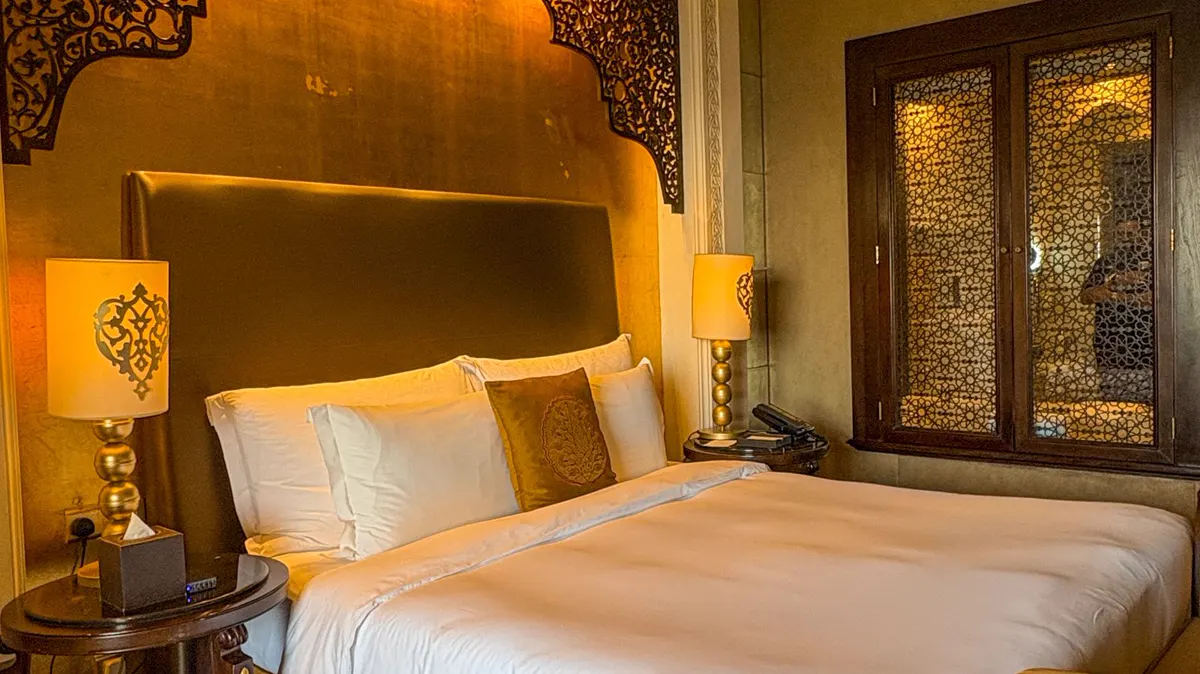
A Relais & Châteaux townhouse on the oldest street in the city, with a rooftop terrace facing Wawel.
Museum
Rynek Underground
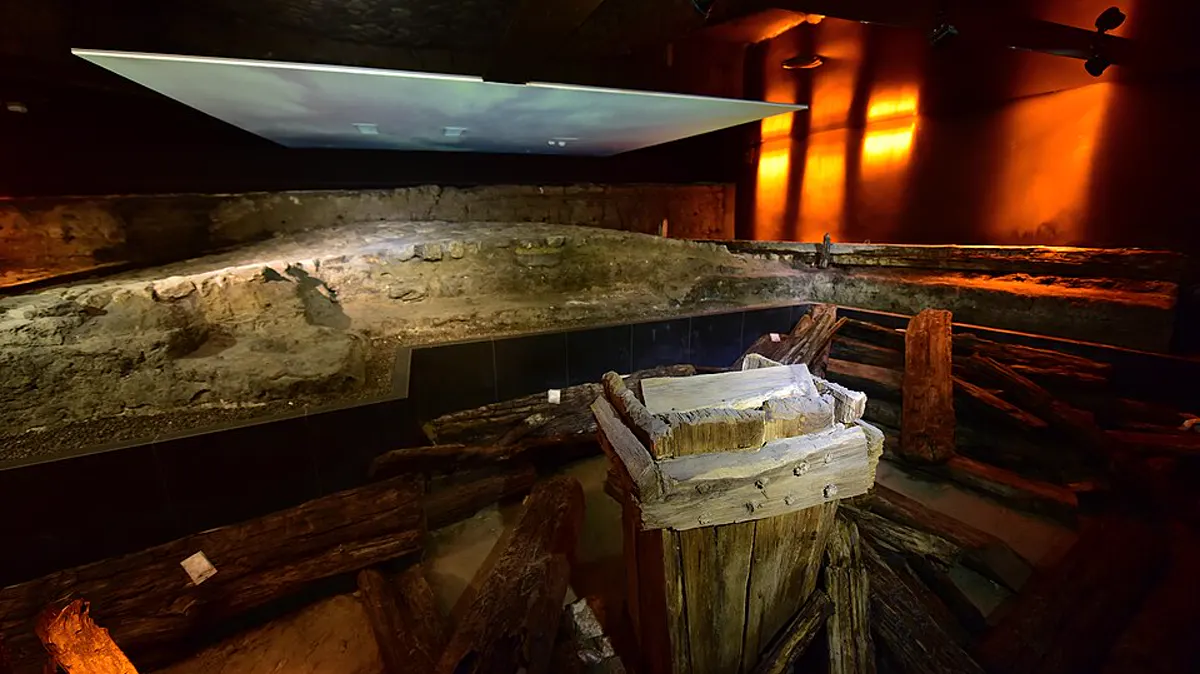
An atmospheric archaeology museum beneath the Main Square, walking you through the medieval market on its original cobbles.

Restaurant
ZaKladka Food & Wine
A relaxed French-leaning bistro across the river in Podgorze, a local favourite for a long lunch.

Restaurant
Bar Mleczny Pod Temida
A classic milk bar on Grodzka: pierogi, soups and cutlets at prices that have barely moved in decades.