Attraction in Łódź
Dętka Canal Museum
A short museum inside a 1926 brick sewer tank beneath Freedom Square in Łódź, where a 142-metre corridor tells the story of the city's early waterworks.
Reviewed and updated July 2026
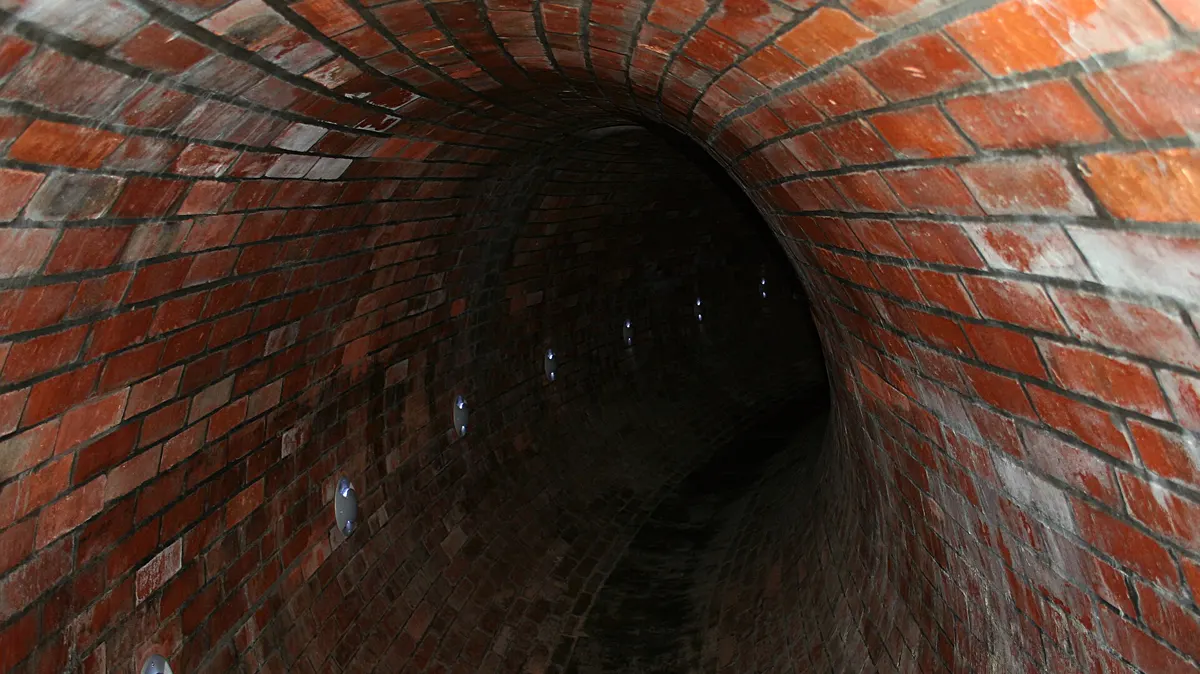
The Dętka Canal Museum is an underground museum built inside an oval brick sewer tank from 1926, sitting directly beneath Freedom Square (Plac Wolności) in central Łódź, and people visit to walk through a genuine 1920s drainage tunnel while learning how the city managed its water. The red-brick corridor once collected rainwater used to flush the city's sewers, and today it holds an exhibition of photographs and objects on the local waterworks. It opened to the public in 2008 as the first historic site of its kind in Poland.
Walking the 142-metre brick corridor
The route runs a loop of 142 metres through a curved red-brick tunnel that is roughly 1.5 metres wide and 1.87 metres tall, so most adults walk it without stooping much. The low arch and the cool, echoing air give the passage the feel of a castle corridor rather than a modern service tunnel. Along the way, photographs and objects trace the history of Łódź's water and sewer system, mounted against the original 1920s brickwork. It is a compact visit, closer to a short guided walk than a large multi-room museum.
A tank designed by William Heerlein Lindley
The chamber belongs to the water and sewer system designed by the British engineer William Heerlein Lindley, whose family shaped modern waterworks in several European cities. Built in 1926, the oval tank, known in Polish as the dętka (inner tube) for its rounded shape, stored rainwater that was later released to rinse out the sewer network beneath the streets. That practical purpose is what makes the space unusual, since visitors stand inside a piece of working infrastructure rather than a purpose-built gallery. The 2008 opening turned a functional relic into a place you can actually enter.
Who it suits and what to expect
The museum works best for anyone curious about industrial history, engineering or the less obvious side of a city, and it rewards a slower, closer look at the brickwork and old photographs. The corridor is narrow and the air is cool underground, so a light layer helps and the confined space is worth keeping in mind if you dislike tight passages. Because the loop is short, it fits easily into a wider day rather than filling one. Opening times can be limited and seasonal, so check the official channels before you go.
Fitting it into a day in Łódź
The entrance sits under Freedom Square at the northern end of Piotrkowska Street, the long central axis of the city, which makes the museum an easy add-on to a walk down that route. You can pair the short underground visit with the shops, cafes and 19th-century architecture above ground, then continue exploring the rest of the city. For ideas on what else to see nearby, our Łódź guide sets out the main sights and neighbourhoods. Its central location means you rarely have to plan a special trip to include it.
Good to know
The corridor is narrow and cool underground and the museum tends to open seasonally, so wear a light layer and confirm current opening times through official channels before visiting.
Frequently asked questions
More attractions in Łódź
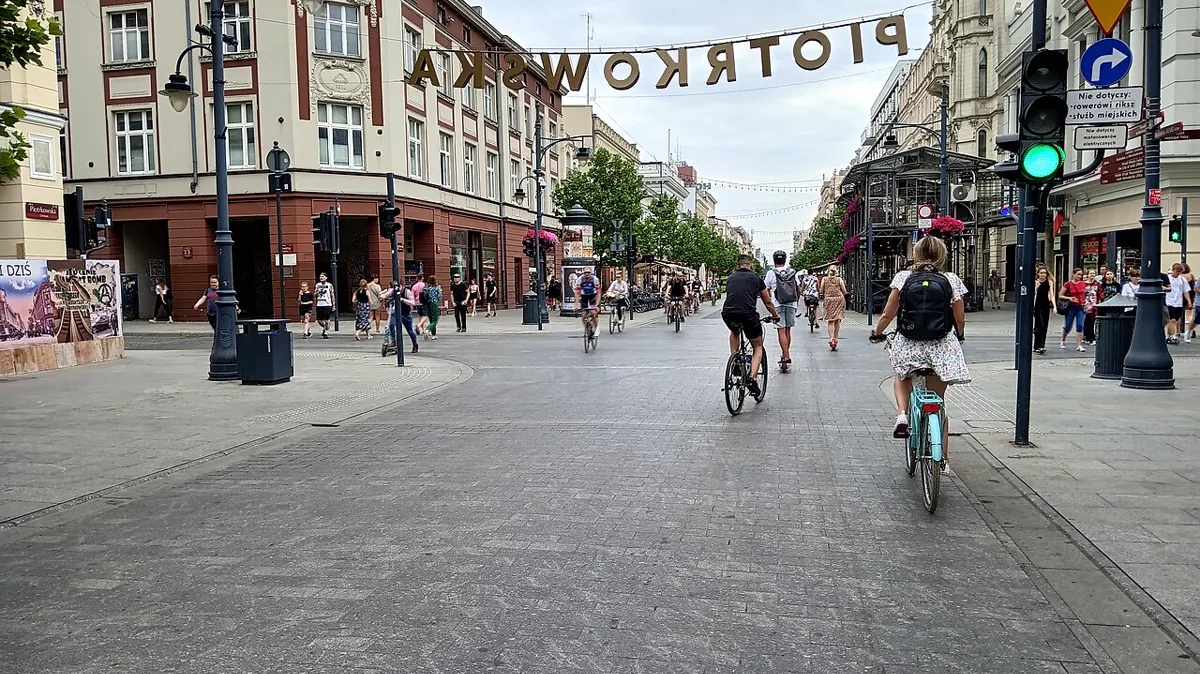
Piotrkowska Street
One of the longest commercial streets in Europe, the four-kilometre spine of Łódź, lined with the facades of its textile-era barons.
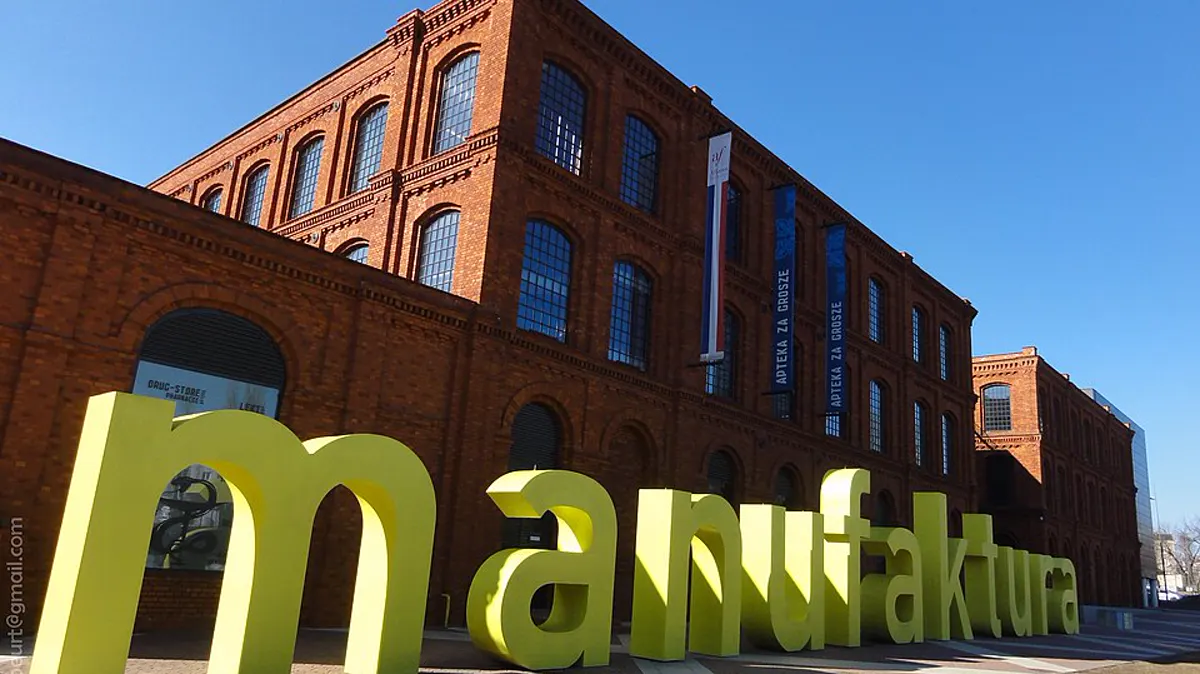
Manufaktura
A vast nineteenth-century textile mill converted into a cultural, dining and shopping quarter around a huge public square.
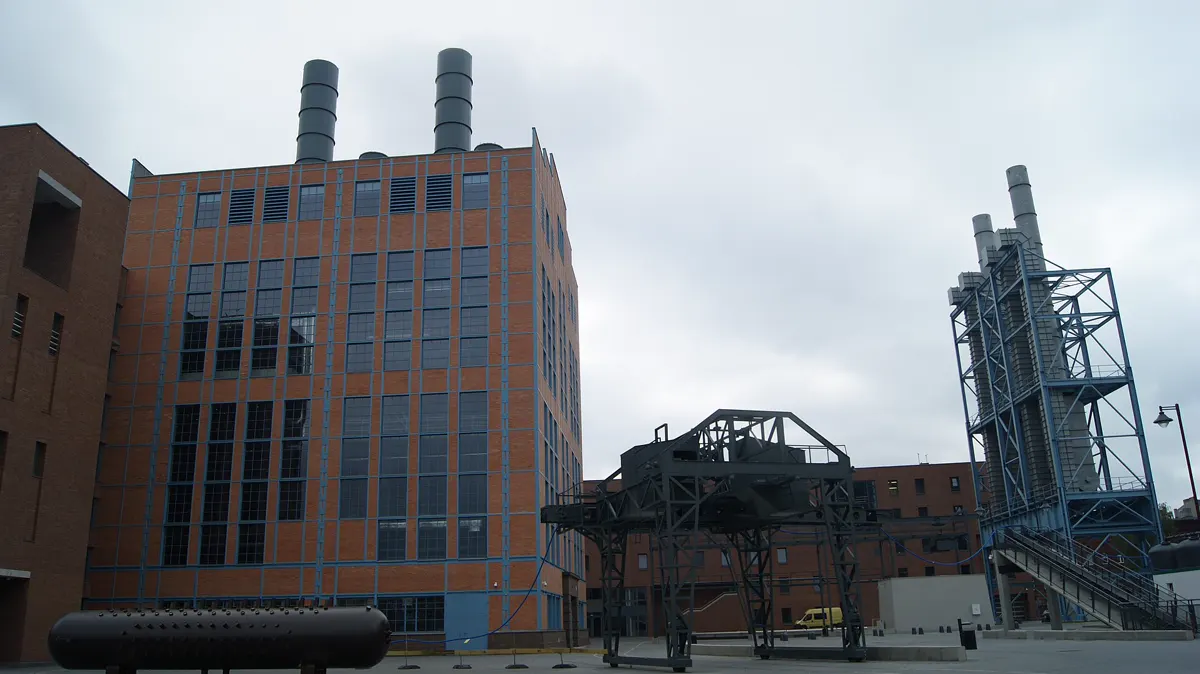
EC1 Łódź
The city's first power station, converted into a hands-on science centre and one of Central Europe's most advanced planetariums.
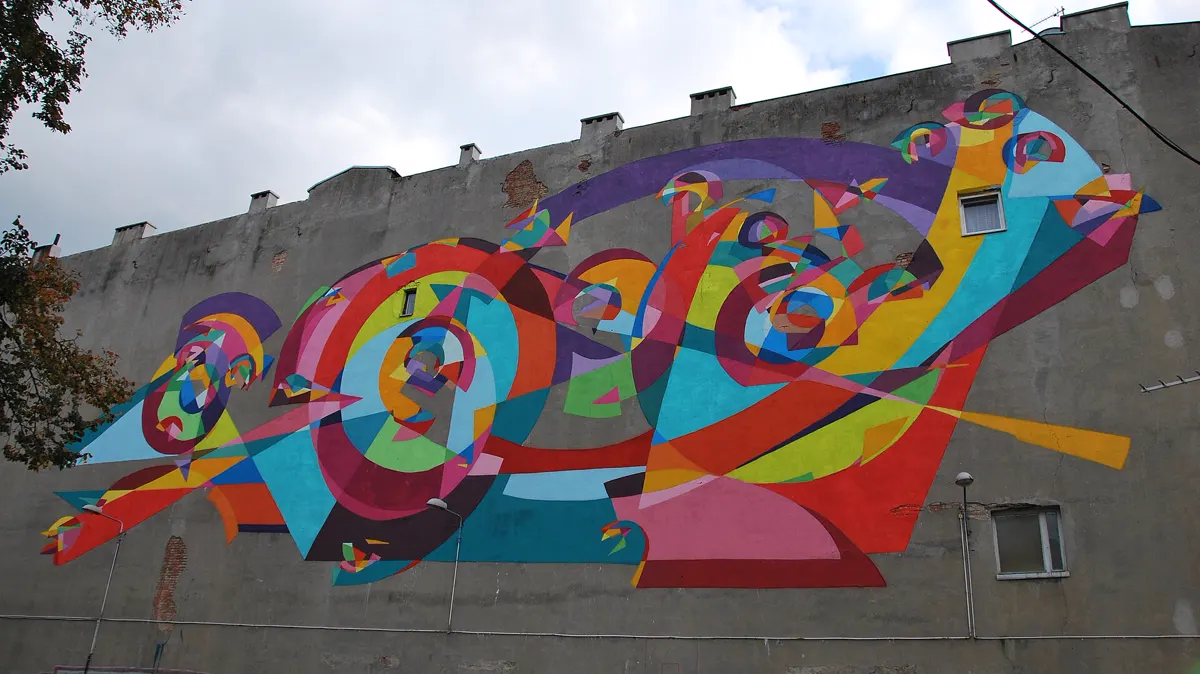
Łódź Murals (Urban Forms Gallery)
Łódź holds the largest open-air mural gallery in Poland, with big-scale artworks painted across the walls of more than 170 buildings by Polish and international artists.
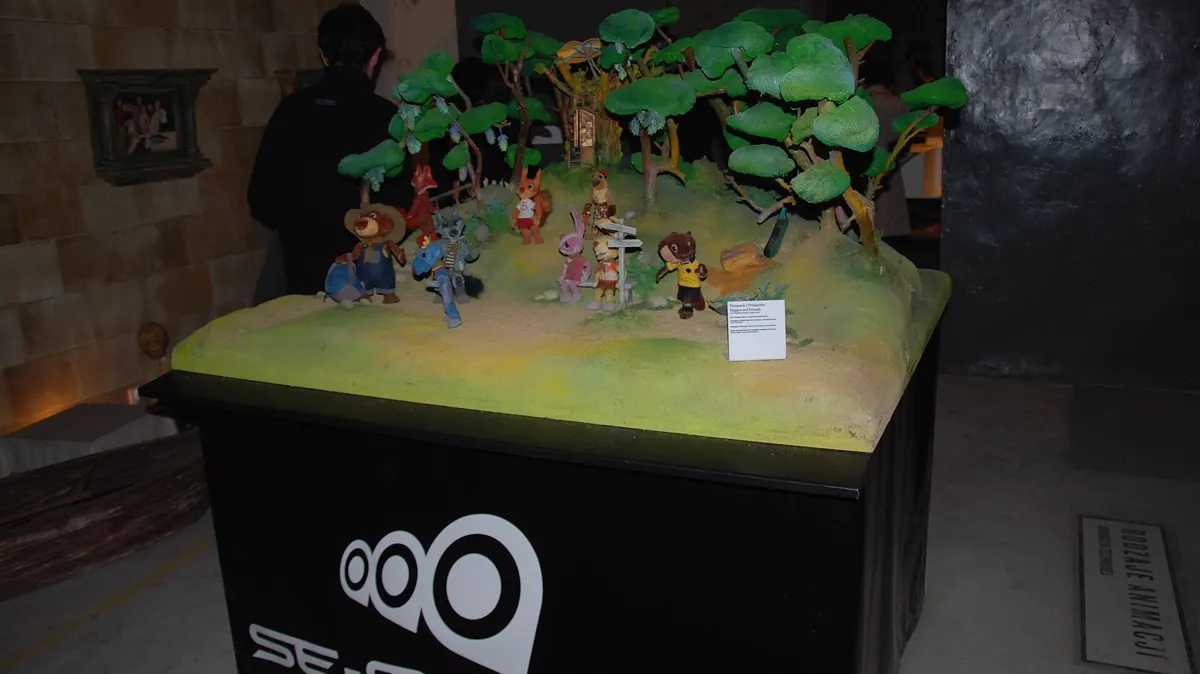
Se-ma-for Animation Museum
A museum in central Łódź devoted to the Se-ma-for studio, home to original puppets, sets and props from classic Polish stop-motion films and the Oscar-winning Peter and the Wolf.
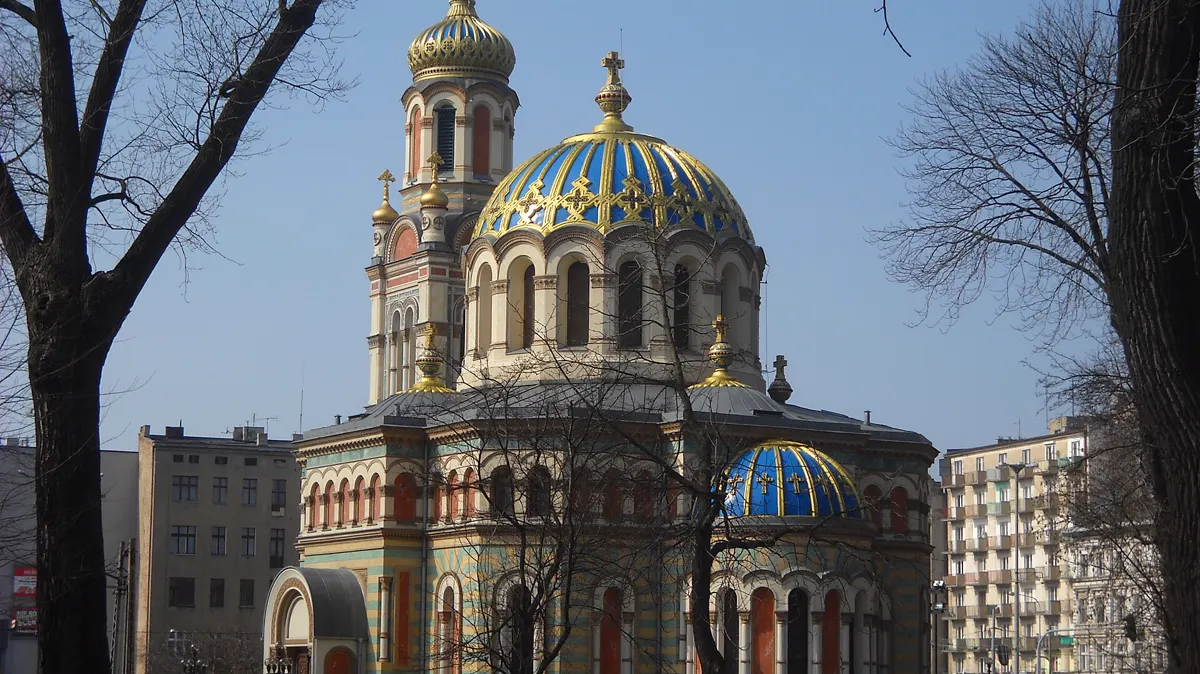
Alexander Nevsky Cathedral
A Polish Orthodox cathedral in central Łódź, built in the 1880s in a Neo-Byzantine style and known for its colourful onion domes and a richly decorated iconostasis made in St. Petersburg.
More to explore in Łódź
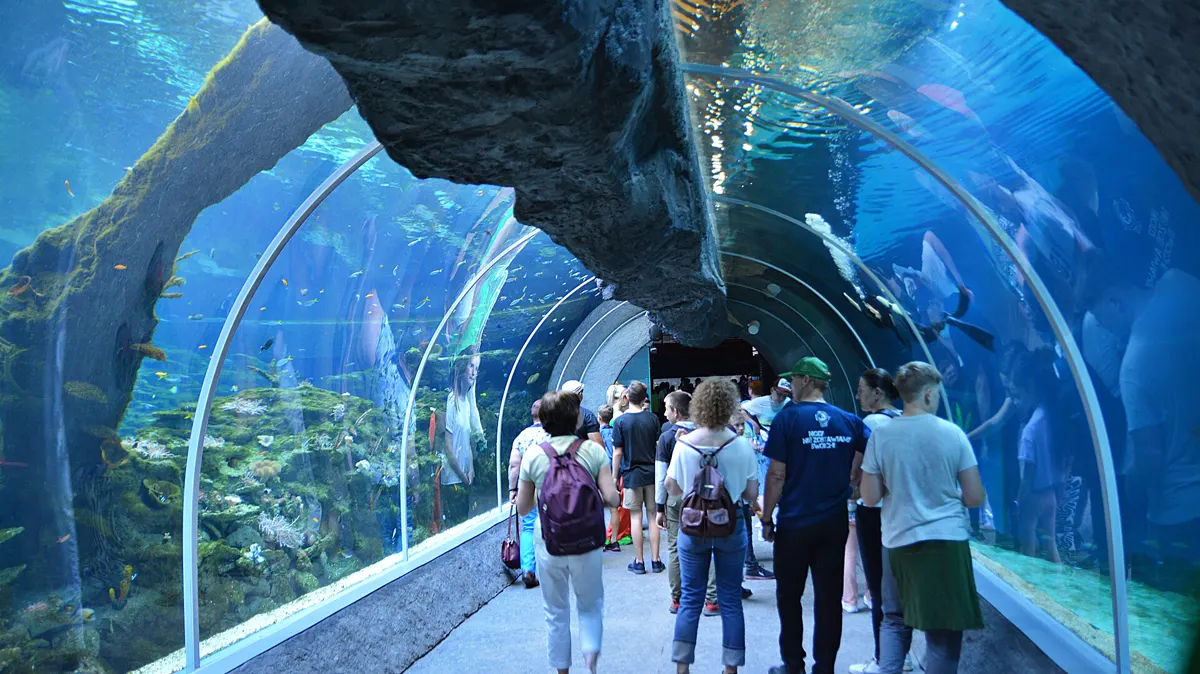
Nature
Orientarium Zoo Łódź
A modern zoo pavilion built around a South-East Asian theme, with an underwater tunnel running beneath a shark and ray tank.
Museum
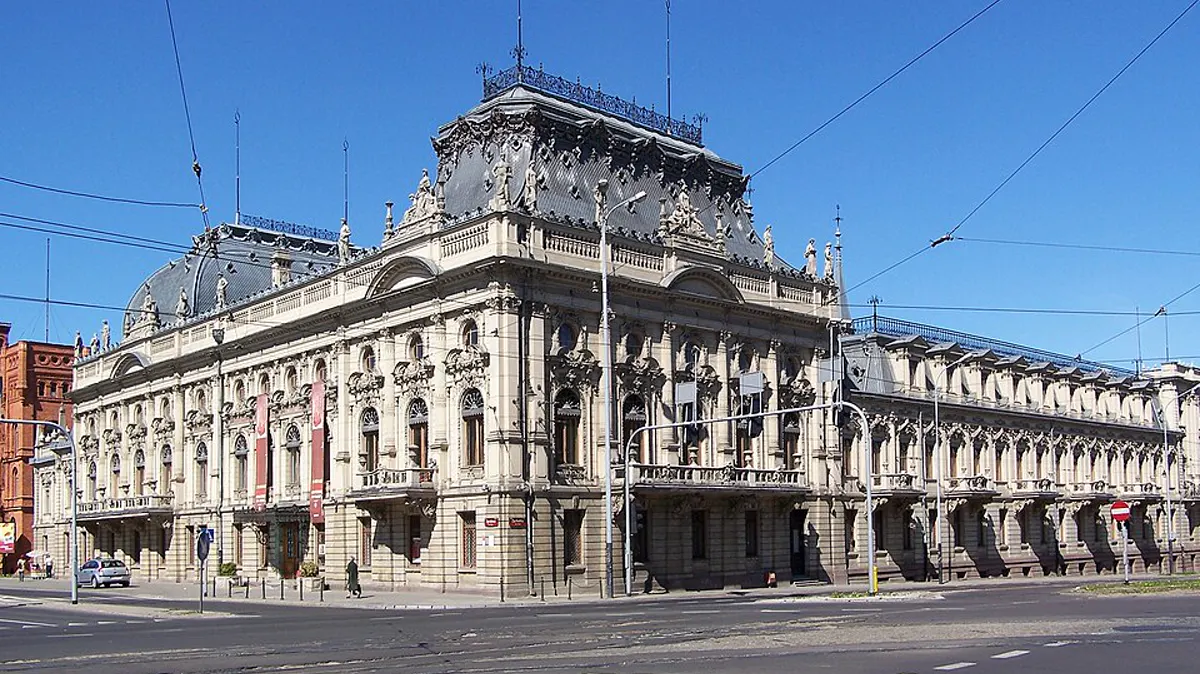
Izrael Poznański Palace (Museum of the City of Łódź)
The largest industrialist's residence in Poland, built for the Poznański cotton dynasty and now the city museum.
Museum
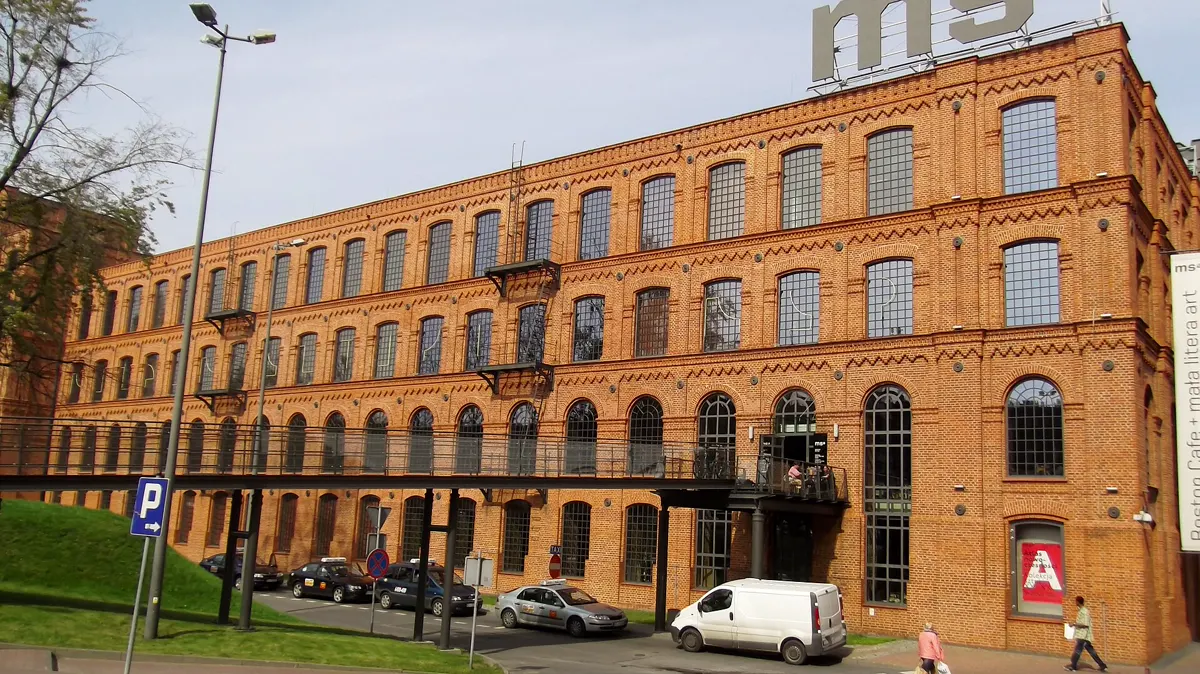
Muzeum Sztuki (ms²)
One of the world's earliest modern-art museums, whose ms² branch shows its avant-garde collection inside a converted Manufaktura mill.
Museum
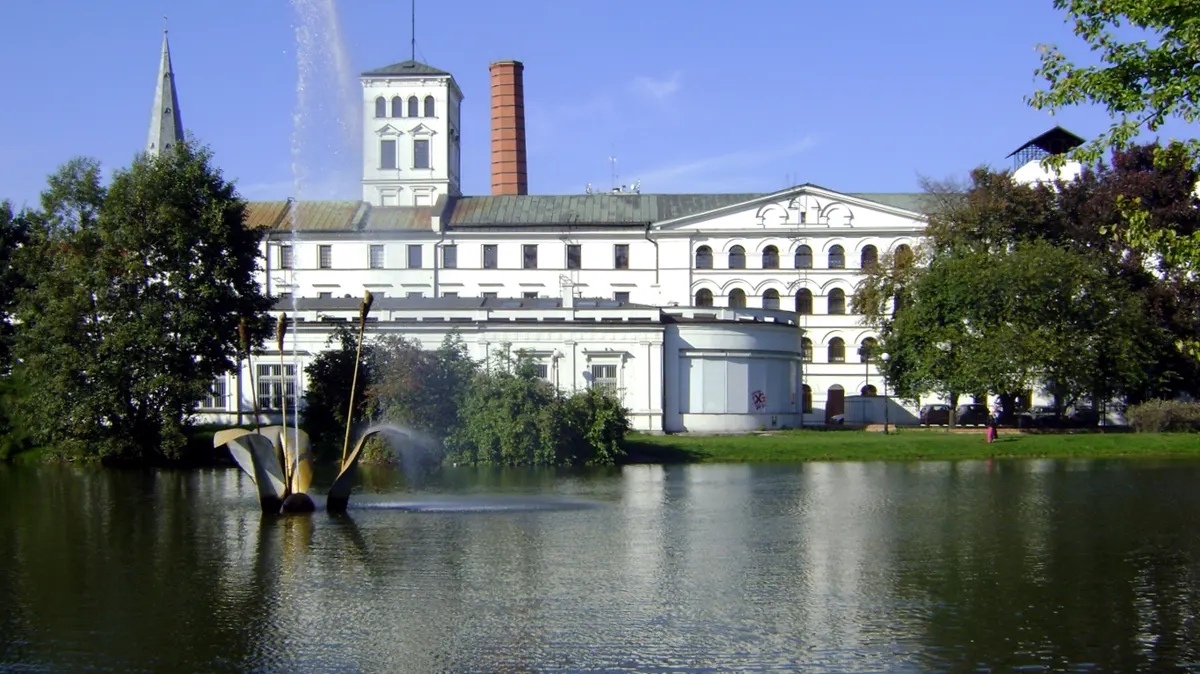
Central Museum of Textiles (White Factory)
A textile museum inside Łódź's landmark White Factory, telling the city's story through the fabric that built it.
Restaurant
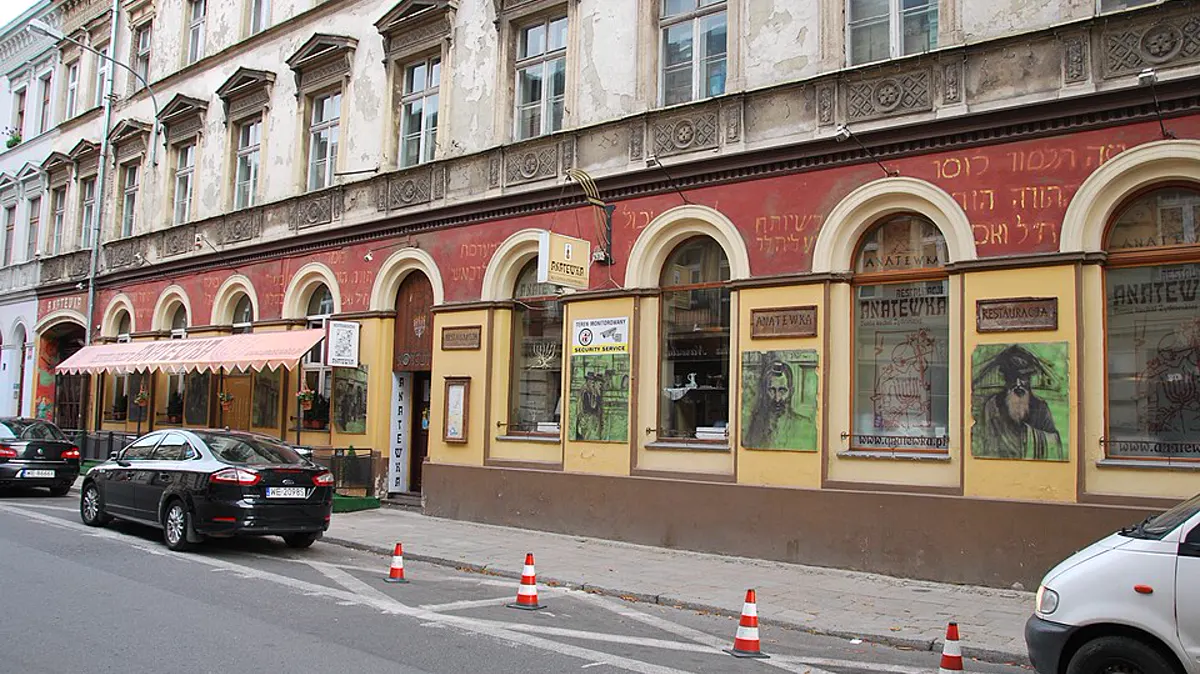
Anatewka
A long-standing Jewish restaurant off Piotrkowska Street, drawing on family recipes and Łódź's pre-war heritage.
Restaurant
Galicja Restaurant
A Manufaktura restaurant serving Polish and Central European classics across a period upstairs room and a brick cellar.