Thematic
Is Poland Worth Visiting?
Poland is an easy yes for most travellers: distinctive cities, walkable history, better food than its reputation, real mountains and coast, and prices still below most of Western Europe.
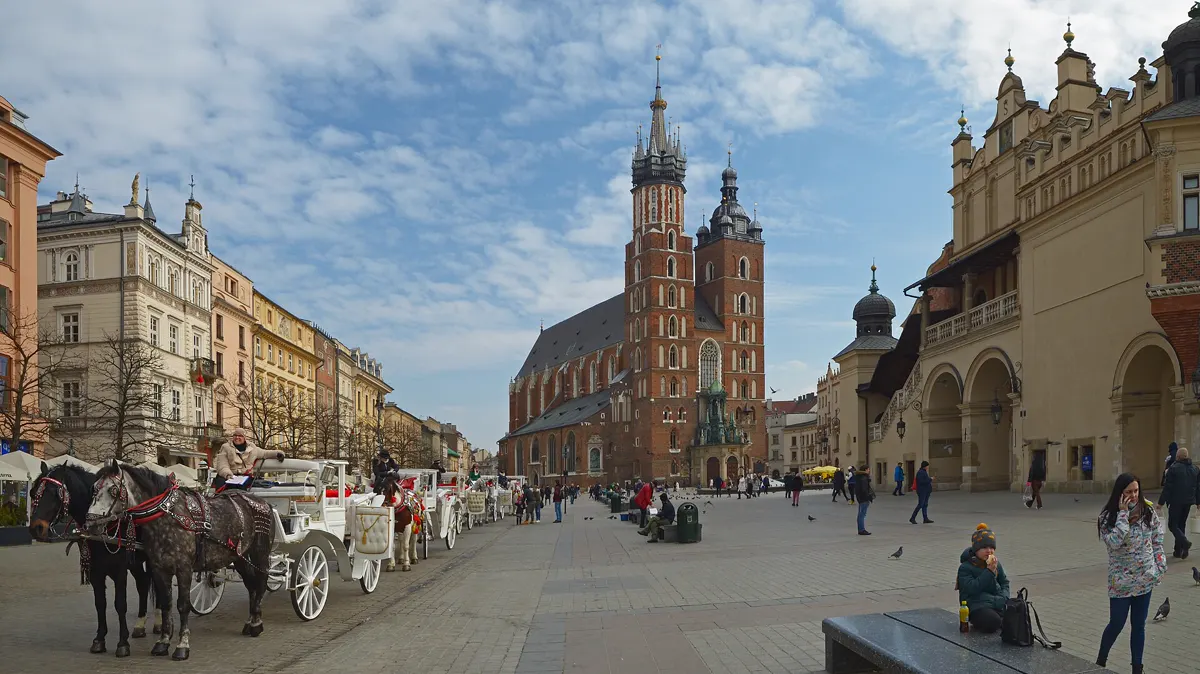
Yes. Poland is worth visiting, and for most travellers it is an easy recommendation. You get several genuinely different cities, a deep and often difficult history you can walk through, food that has moved well beyond stereotypes, and prices that still sit below most of Western Europe. If you are weighing up a first trip, our 10-day Poland itinerary shows how the pieces fit together. This article gives the honest case: why it works, who it suits, and where you might spend your time elsewhere.
The cities are the main reason to go
Poland's cities carry the trip, and each one reads differently. Krakow is the usual first stop, built around the largest medieval market square in Europe and an old royal capital that survived the war largely intact. Warsaw is the opposite story: mostly rebuilt after 1945, sharper and more modern, with a reconstructed Old Town and a strong museum scene.
North, Gdansk gives you a Hanseatic port and Baltic light. West, Wroclaw sits on a cluster of islands and bridges and tends to surprise people who only planned for the big two. If you are torn between the first pair, our Krakow or Warsaw comparison lays out the trade-offs.
History you can walk through
Few countries put twentieth-century history in front of you as directly as Poland. The Auschwitz-Birkenau Memorial, roughly an hour and a half from Krakow, is a sobering half-day and free to enter, though advance timed-entry tickets are usually required, so check the official site before you travel.
It is not only the hard history. The Wieliczka Salt Mine is a working record of centuries of labour, complete with an underground chapel carved from rock salt. Poland also holds some of the best fortresses in the region, gathered in our guide to the best castles in Poland.
Food that is worth the trip
Polish food deserves more credit than it gets abroad. Pierogi and hearty soups are the headline, but the range runs from milk-bar canteens serving cheap home cooking to a serious coffee culture in the bigger cities. Our Polish food guide is a good place to plan what to order and where.
Two practical points. Portions are generous, and vegetarians are catered for far better than they were a decade ago. Eating well here does not require a big budget.
Value: what things actually cost
Cost is a real part of the answer. Poland uses the zloty, not the euro, and as of 2026 restaurant meals, coffee, museum tickets and city transport generally run lower than in France, Germany or the UK. A mid-range trip stretches noticeably further here.
The gap is narrowing in Krakow and Warsaw, and peak-season hotels in the tourist core are not cheap. Even so, the overall value holds up well. Getting between cities is straightforward and inexpensive too, as our guide to getting around Poland explains, and the train or car comparison helps you pick the right way to travel.
Nature and the outdoors
If cities and museums were all Poland offered, it would still be worth the trip. But the country also has real range outdoors. Zakopane is the base for the Tatra mountains in the south, with proper alpine hiking in summer and skiing in winter.
The Baltic coast is a different mood entirely, wide beaches and cooler air, and Bialowieza protects one of Europe's last old-growth forests and its wild bison. If you cannot decide between the two directions, our mountains or Baltic coast comparison weighs them up.
Who it suits, and who might prefer elsewhere
Poland rewards travellers who like history, cities and food, and who want their money to go further without giving up comfort. City breaks, culture-first trips and longer overland routes all work well here. Families do fine, and the walkable old towns help.
It is a weaker fit if your priority is reliable summer beach heat, since the Baltic is cool even in July, or dense Mediterranean coastline. Winters are grey and cold, which suits some and not others. Timing matters, so read when to visit Poland before you book. If you have a short window, our things to do in Krakow guide covers a strong first trip on its own.
Good to know
Poland is not in the eurozone, so carry or withdraw Polish zloty, and expect card payments to be accepted almost everywhere in cities. For a tight first visit, our 3 days in Krakow plan is a reliable starting point.
Written by ViewPoland Editorial for ViewPoland, an independent English-language guide to Poland. Published 24 July 2026. Last updated 24 July 2026.