Thematic
The Polish Food Guide
What to eat and drink in Poland, from pierogi and milk bars to regional specialities, vodka and a fast-improving cafe scene.
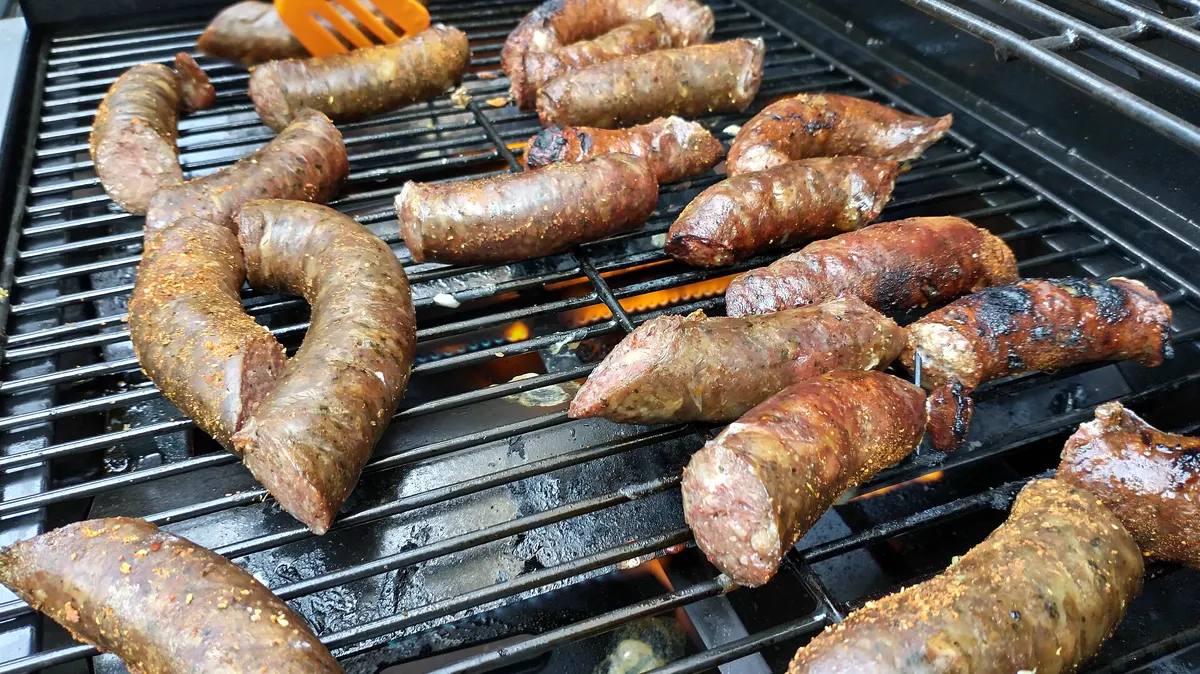
Polish food is built on hearty, seasonal cooking shaped by long winters: dumplings, soups, rye, cabbage, pork and freshwater fish. It rewards a curious eater, and the modern restaurant and cafe scene in the big cities has caught up fast, reworking the classics alongside the milk bars that still serve them plain. This guide runs through the dishes to order, where to eat them, the regional specialities worth a detour, and what to drink.
The dishes to try
Pierogi and dumplings
Pierogi are the dish most people come for: filled half-moon dumplings, boiled or pan-fried. The savoury classics are ruskie (potato and curd cheese), meat, and sauerkraut with mushroom; sweet versions come with fruit or sweet cheese. A dedicated pierogarnia makes them to order, such as Pierogarnia Mandu in Gdansk, while Zapiecek serves them across Warsaw. Look out too for kopytka, little potato dumplings like Italian gnocchi.
Polish soups: zurek, barszcz and rosol
Soup is a serious course here. Żurek is a sour rye soup, often served in a hollowed loaf with sausage and a boiled egg. Barszcz, a clear beetroot broth, turns up on its own or with small filled dumplings called uszka. Rosol is a golden chicken noodle broth, the standard Sunday starter. Zupa grzybowa, wild mushroom soup, is an autumn favourite. Any traditional kitchen, such as Miod Malina in Krakow, will have several on the menu.
Mains and comfort food
Beyond dumplings, the plates to know are bigos, the slow-cooked hunter stew of cabbage, sauerkraut and several meats; kotlet schabowy, a breaded pork cutlet served with potatoes and cabbage; gołąbki, cabbage rolls stuffed with meat and rice; and placki ziemniaczane, crisp potato pancakes. A riverside institution like Kubicki in Gdansk pairs these with Baltic fish, which is worth ordering fresh or smoked anywhere on the coast.
Milk bars and where to eat
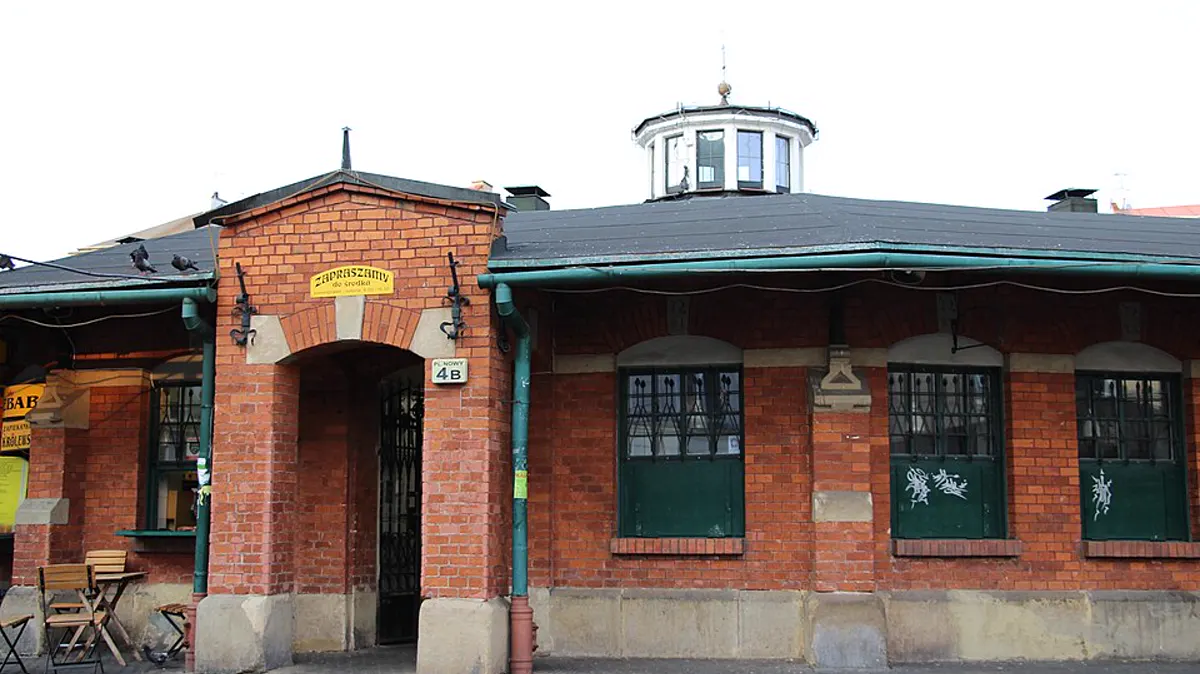
The bar mleczny, or milk bar, is a survivor of the communist era: a no-frills cafeteria serving cheap, filling home-style food, once subsidised to feed workers a hot lunch. They are still the best value meal in the country, and eating in one is part of understanding it. Order at the counter, carry your own tray, and expect classics like pierogi, soups and nalesniki (pancakes) for a few zloty. Try Bar Mleczny Neptun in Gdansk or Bar Prasowy in Warsaw. At the other end of the range, the big cities now have ambitious modern Polish kitchens reshaping these same traditions with tasting menus and local produce.
Regional dishes with protected status
Some of the best eating is tied to one place, and several dishes carry EU protected status that guarantees where and how they are made:
- Oscypek, the smoked sheep cheese of the Tatra highlands, has protected designation of origin status and is sold hot from the grills along Krupowki in Zakopane, often with cranberry sauce.
- Rogal swietomarcinski, a rich white-poppy-seed croissant with protected status, is the pride of Poznan, made in quantity around Saint Martin's Day on 11 November.
- Cebularz lubelski, a protected onion and poppy-seed flatbread, comes from Lublin, where a bakery like Cebularnia u Kordiana turns them out warm through the day.
- Pierniki, spiced gingerbread, has been baked in Torun for centuries; you can press and bake your own at the Living Museum of Gingerbread.
What to drink
Vodka is the national spirit and is best drunk cold and neat alongside food rather than mixed, whether clear or flavoured, like the cherry wisniowka or the bison-grass zubrowka. Poland also has a long beer tradition and a fast-growing craft scene, so ask what is local and on tap. Non-alcoholic staples include kompot, a homemade drink of stewed fruit, and increasingly serious speciality coffee in the cities. In winter, warm up with grzane wino (mulled wine) or mead at the market stalls.
Vegetarian food in Poland
Vegetarians eat well in Poland once you know the dishes. Ruskie pierogi, potato pancakes, mushroom soup and cabbage plates are all meat-free by default, and the milk bars usually have a whole section of them. The cities also have dedicated vegetarian and vegan kitchens, such as Glonojad in Krakow, which take the same traditions in a plant-based direction.
Good to know
Eat where locals do, and do not skip the milk bars. Lunch (obiad) is the main meal of the day and best value in the early afternoon. Treat a long lunch as part of seeing the country rather than a pause from it, and carry a little cash for the smaller bars and market stalls.
Written by ViewPoland Editorial for ViewPoland, an independent English-language guide to Poland. Published 28 June 2026. Last updated 1 July 2026.