Thematic
Getting Around Poland: Trains, Buses and Driving
How to move around the country: the fast intercity trains that link the cities, when buses make sense, city transport, and when you actually need a car.
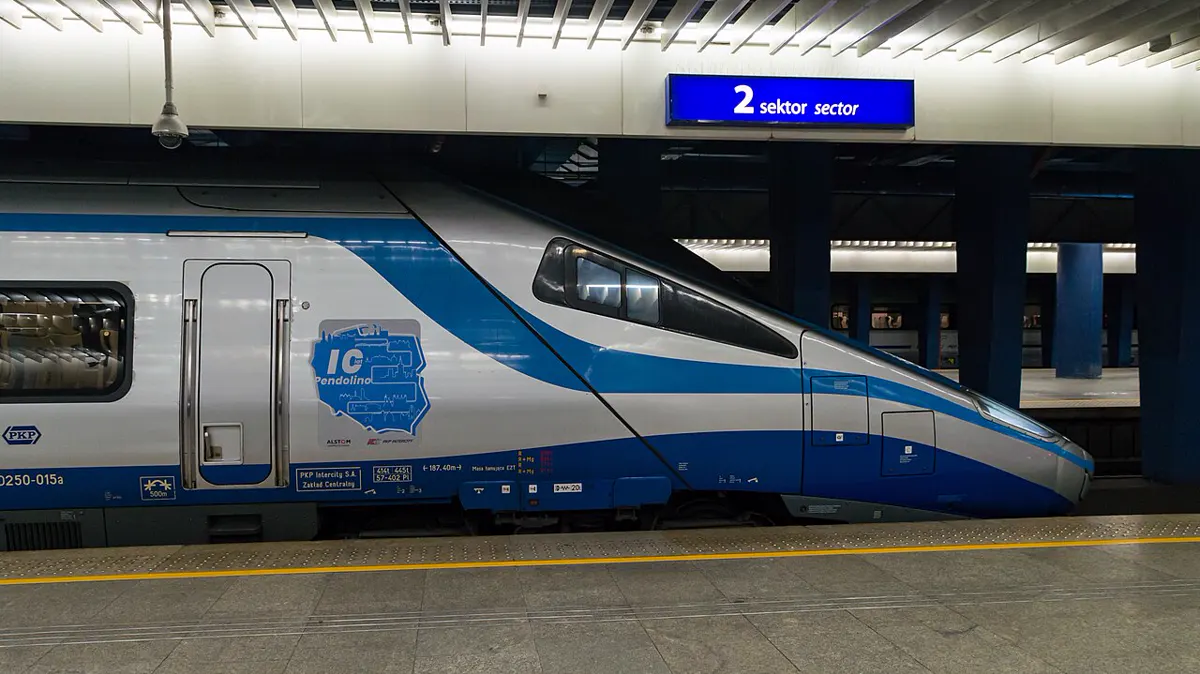
Poland is large but well connected, and for most trips you will not need a car. Fast intercity trains link the main cities in a few hours each, regional trains and coaches reach the towns and mountains between them, and trams and buses handle travel inside the cities. A car earns its place only for the lakes, the eastern borderlands and the deep countryside. This guide covers each option and when to use it, so you can plan around the timetables rather than fight them.
Intercity trains
Fast trains are the backbone of any Poland itinerary. The national long-distance operator is PKP Intercity, and Warsaw sits at the centre of its network. From the capital, direct services reach Krakow, Gdansk and Poznan in roughly two and a half to three hours, and Wroclaw in about three and a half to four hours. Trains are modern, punctual and affordable by Western European standards, with air conditioning, power sockets and a restaurant or trolley on the faster categories. Book online in advance for the cheapest fares and a reserved seat, which is included on every long-distance ticket.
The train categories
PKP Intercity runs four long-distance categories, and the letters on the timetable tell you what to expect:
- EIP (Express InterCity Premium), the Pendolino, is the fastest and most comfortable, running up to 200 km/h on the main lines.
- EIC (Express InterCity) covers similar routes a little slower, with first and second class.
- IC (InterCity) reaches the widest spread of towns at a lower price.
- TLK is the cheapest long-distance category and includes some overnight sleeper services.
All four carry compulsory seat reservations, so every ticket comes with a specific carriage and seat.
Buying tickets
Fares are cheapest bought ahead on the PKP Intercity website or mobile app, where a limited number of advance tickets go on sale well before departure. Prices climb as the train fills and as the date nears, so lock in the popular legs of a route like the one in Poland in 10 days as soon as your dates are set. You can also buy at station counters and machines, and a mobile ticket on your phone is fine to show the conductor.
Regional trains and the Tri-City line
For shorter hops the regional operator PolRegio and the local carriers run slower, cheaper services with no seat reservation. These are how you reach places off the fast lines, such as the Wieliczka Salt Mine from Krakow in about half an hour. On the Baltic coast the SKM commuter train ties Gdansk to Sopot and Gdynia every few minutes, which makes the whole Tri-City feel like one place with a metro between its parts.
Long-distance buses and coaches
For routes the trains miss, modern coaches and minibuses are frequent and cheap. FlixBus runs the widest domestic and international network, and regional minibuses fill in the gaps, especially in the mountains. The bus is often the quickest way south to Zakopane from Krakow, for example, and it reaches valleys and small towns that no railway does. See the day trips from Krakow guide for how the bus and train options compare on specific runs.
Public transport in Polish cities
Within cities, trams and buses are excellent, frequent and inexpensive. Single tickets from machines or a journey-planner app work across the network, and contactless bank cards are widely accepted on newer vehicles. Apps such as jakdojade plan routes and sell tickets in English. Validate a paper ticket in the machine as you board. The historic centres are compact and best walked, so you will mostly use public transport to reach outlying sights and stations rather than to cross the old town.
Driving and car hire
A car earns its keep for the places public transport serves poorly: the Masurian Lakes, the Bialowieza forest in the far east, the remote castles and the Tatra valleys around Zakopane. Motorways and express roads connect the big cities well, though some carry tolls that are paid electronically. In the cities themselves a car is more burden than help, with paid zones, narrow streets and pedestrianised centres, so the sensible pattern is to travel between cities by train and pick up a hire car only when you head into the countryside.
Rail passes and fares
Interrail passes, for European residents, and Eurail passes, for visitors from outside Europe, are both valid on PKP Intercity trains. Because Polish long-distance services assign seats, pass holders have to buy a separate seat reservation before boarding any EIP, EIC, IC or TLK train, which you do through the PKP Intercity app or website. On PolRegio regional trains no reservation is needed and the pass alone is enough. For a single trip the pass rarely beats a cheap advance point-to-point fare, so compare the two before you commit.
Good to know
Book intercity trains as early as you can. Advance fares are a fraction of the walk-up price, and weekend and holiday trains fill quickly. Download a ticketing and journey-planner app before you arrive, and keep a translation app handy for smaller rural stations where English signage runs out.
Published 29 June 2026. Last updated 29 June 2026.