Thematic
When to Visit Poland: A Season-by-Season Guide
What each season actually delivers in Poland, from summer on the Baltic to Christmas markets and snow in the Tatras, and when to come for fewer crowds.
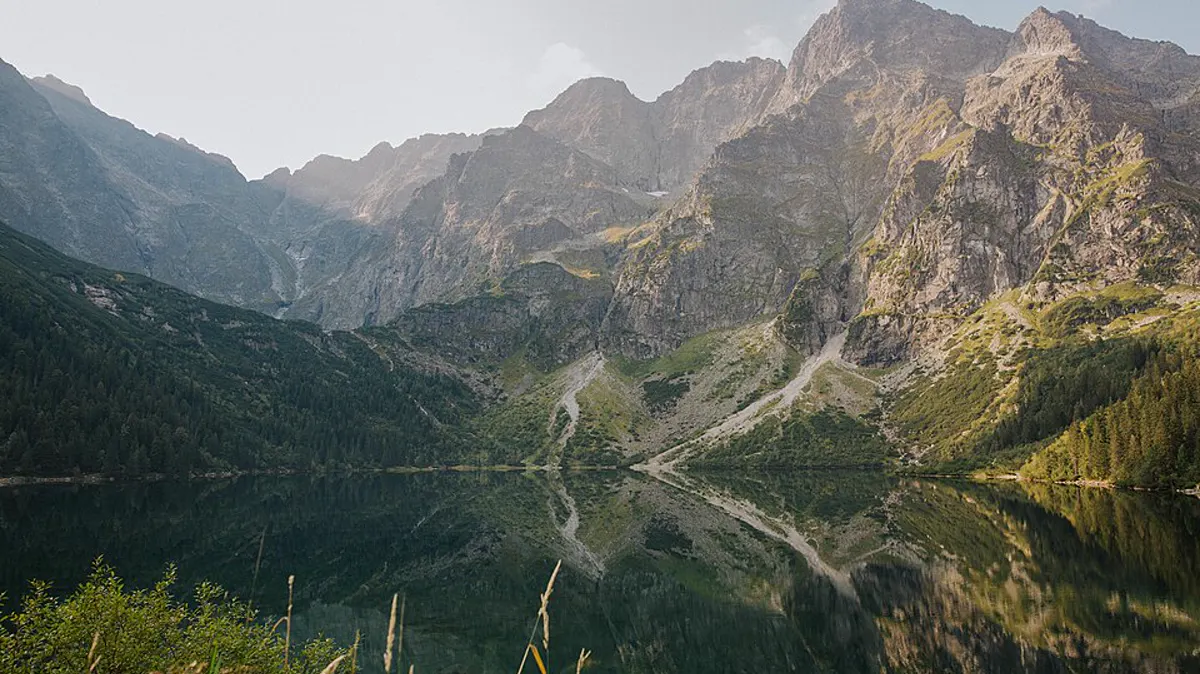
Poland has a full four-season climate, and the right time to visit depends entirely on what you want from the trip. Cities, mountains, lakes and coast each peak at different times, so it pays to match the season to the plan rather than the other way round. As a rule, late spring and early autumn give the best balance of good weather, open sights and manageable crowds, while summer and midwinter each have their own draws and drawbacks.
Spring (April to June)
Spring is one of the best windows for a first trip. Late spring brings warm, long days, parks and gardens at their freshest, and crowds that have not yet reached the summer peak. May and June suit the cities and the start of the hiking season, though the high Tatra trails around Zakopane can still hold snow into May. Prices sit below the summer high, and city sights such as those in Krakow and Wroclaw are comfortable to walk between without the July heat.
Summer (July to August)
Summer is warm and lively, and it is the only realistic time for the Baltic coast and the lakes, where the water and the resorts are at their best. This is the season for a spell in Sopot and the beaches of the coast, covered in more detail in a summer on the Baltic coast, and for sailing on the Masurian Lakes in the northeast. It is also the busiest and most expensive period, with the coast, Zakopane and the popular city sights all at their fullest. Book accommodation and train seats well ahead, and expect the Baltic to feel bracing rather than warm even in August.
Autumn (September to October)
Early autumn rivals late spring as the sweet spot: warm enough, much quieter, and with the forests turning gold. September is excellent for the cities and for hiking, with dry trails and clear views in the Tatras before the first snow. In the east, the Bialowieza forest is at its finest as the leaves change and the bison rut gets under way. By late October the weather cools fast and the daylight shortens. For where to base yourself, see where to go in Poland in autumn.
Winter (November to March)
Winter is cold and often grey, but it has real rewards. Through December the main squares fill with Christmas markets, the best of them in Krakow, Wroclaw and Gdansk, with wooden stalls, mulled wine and grilled sausage; the full run is covered in Christmas markets in Poland. From January to March the ski season takes over in Zakopane and the Tatras, with the cable car up Kasprowy Wierch serving the high slopes. Outside the festive weeks the cities are at their cheapest and quietest, which suits a low-key museum trip.
Which season for which trip
Short version, by what you want most:
- City sightseeing: May, June or September for warmth, open sights and thinner crowds.
- Beaches and lakes: July and August, the only reliably warm stretch on the coast.
- Hiking: June to early October, with September the clearest month in the mountains.
- Christmas markets: the four weeks of Advent, busiest in the final week before Christmas.
- Skiing: January to March in the Tatras.
Public holidays to plan around
A handful of dates change the character of a trip, so it helps to know them before you book. The two big long weekends are the run of holidays around 1 and 3 May, when Poles travel domestically and the coast and mountains fill early, and the stretch around 15 August. Easter and Christmas are quiet, family-centred holidays: many shops, restaurants and museums close on the days themselves, and trains sell out as people head home. All Saints Day on 1 November fills the cemeteries with candles in the evening, a striking sight but a busy travel day. Independence Day on 11 November brings marches and events to the cities. On any of these dates, book trains and rooms early and check opening hours, which shift for the holiday.
Weather and what to pack
Polish weather can swing quickly in any season, so pack layers and a waterproof regardless of the forecast. Summers are warm but broken by thunderstorms; spring and autumn days can start cold and turn mild by noon, or the reverse. Winter brings frost, short daylight and the chance of snow across the country, more of it in the mountains and the east. Good walking shoes matter year round, as the cobbled old towns are hard on thin soles.
Good to know
For a first trip focused on the cities, aim for May, June or September. The weather is warm enough to enjoy the streets, the sights are quiet enough to enjoy properly, and prices are kinder than in high summer or during the Christmas markets.
Published 29 June 2026. Last updated 29 June 2026.