Museum in Kraków
Oskar Schindler's Enamel Factory
The wartime enamelware factory, now a museum about Krakow under German occupation from 1939 to 1945.
Reviewed and updated July 2026
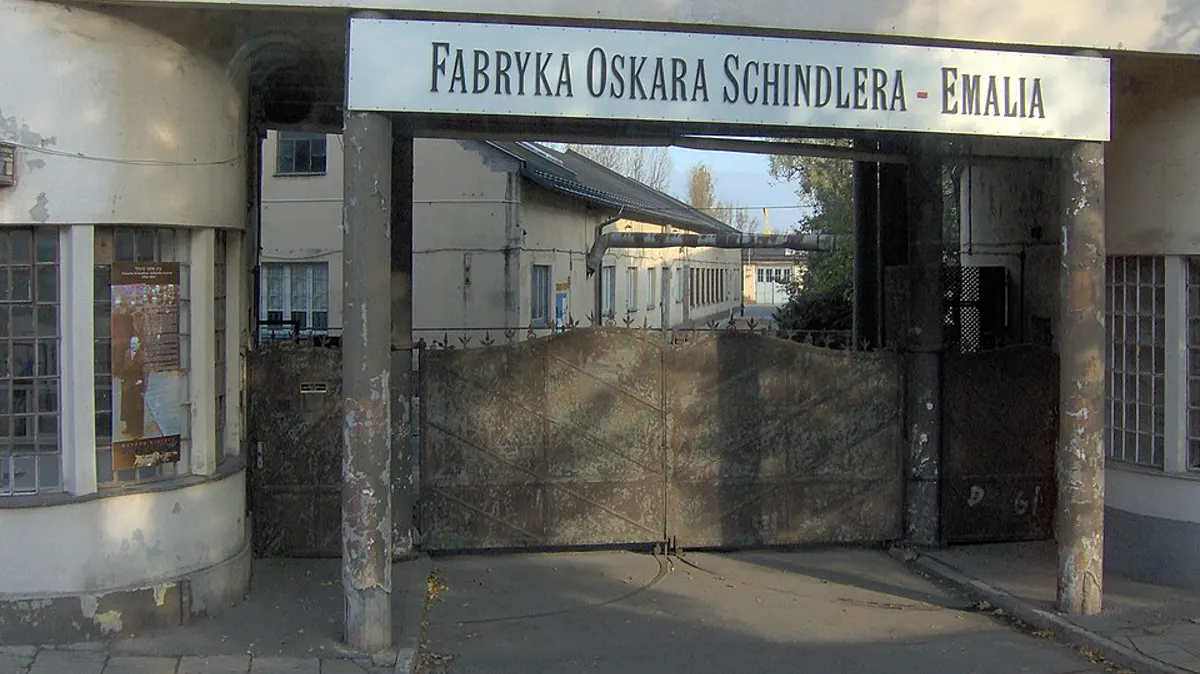
In the Zablocie part of the Podgorze district, the former enamelware factory run by Oskar Schindler is now a branch of the Museum of Krakow. The permanent exhibition opened here in 2010 and uses the building as a starting point to tell the wider story of the city under German occupation, not only the events made famous by the film. It sits across the river from the Krakow Old Town.
Why visit Schindler's Factory
This is the best single account of Krakow during the Second World War, told in the place where part of it happened. The exhibition is immersive and detailed, and it sets Schindler's story inside the far larger history of the occupied city and its people. It works well alongside a visit to the surviving traces of the wartime ghetto nearby.
What the museum shows
The permanent exhibition, titled "Krakow under Nazi Occupation 1939 to 1945", fills the old factory offices and halls. Galleries reconstruct streets, shops and apartments to trace daily life in the occupied city, the fate of its Jewish population, the ghetto across the river in Podgorze, and the resistance. Schindler's own office survives as one thread within this broader, sobering account, along with the story of the workers he saved.
The factory's wartime history
Oskar Schindler took over a Krakow enamelware works at the start of the war and ran it through the occupation, employing Jewish workers whom he came to protect. More than a thousand people are credited to his lists. The building later stood empty before the city turned it into a museum, keeping the administrative block and creating the current exhibition. The factory floor itself is used for other displays and events.
How long to spend
Give it about two hours. The route is long and dense, and the reconstructed spaces reward slow reading rather than a quick pass. Add time for the walk over from the Old Town and for the ghetto sites nearby if you plan to see them the same day.
Best time to visit
This is one of the busiest museums in Krakow and entry is timed. Same-day tickets routinely sell out, so reserve online before you go, and aim for an early or late slot to avoid the fullest galleries. Weekday mornings out of the summer peak are the quietest.
Getting to the factory in Podgorze
The museum is on the south bank of the Vistula in Zablocie, in the Podgorze district. It is a walk of around twenty to thirty minutes from the Old Town, crossing the river, or an electric cart tour that takes in the ghetto sites on the way, or a short tram ride to the Zablocie stops nearby. It pairs naturally with a walk through Podgorze and Kazimierz.
Accessibility at the museum
The exhibition runs over more than one floor and uses uneven, reconstructed surfaces underfoot as part of its design. Lifts serve the building, but some passages are tight. If you have specific access needs, check the museum's official information in advance.
Around Podgorze
The museum sits in the historic wartime quarter, so several linked sites are close:
- The surviving fragment of the ghetto wall and Ghetto Heroes Square, a short walk away in Podgorze.
- Kazimierz, the old Jewish quarter, over the footbridge to the north.
- Wawel Castle and the Main Market Square back in the Old Town.
Good to know
Entry is timed and same-day tickets often sell out, so book online in advance. The exhibition is detailed and sombre; allow around two hours. Check the Museum of Krakow's official site for current hours and prices.
Common questions about the museum
Is the museum about the film?
No. The permanent exhibition tells the wider story of Krakow under German occupation from 1939 to 1945. Schindler's factory and the workers he saved are one part of a much larger account of the city and its people.
Do I need to book tickets?
In practice, yes. Entry is timed and this is one of the busiest museums in Krakow, so same-day tickets frequently sell out. Reserve online before you travel.
How long does a visit take?
About two hours. The route is long and the displays are dense, so it rewards an unhurried visit rather than a quick walk-through.
Frequently asked questions
More museums in Kraków
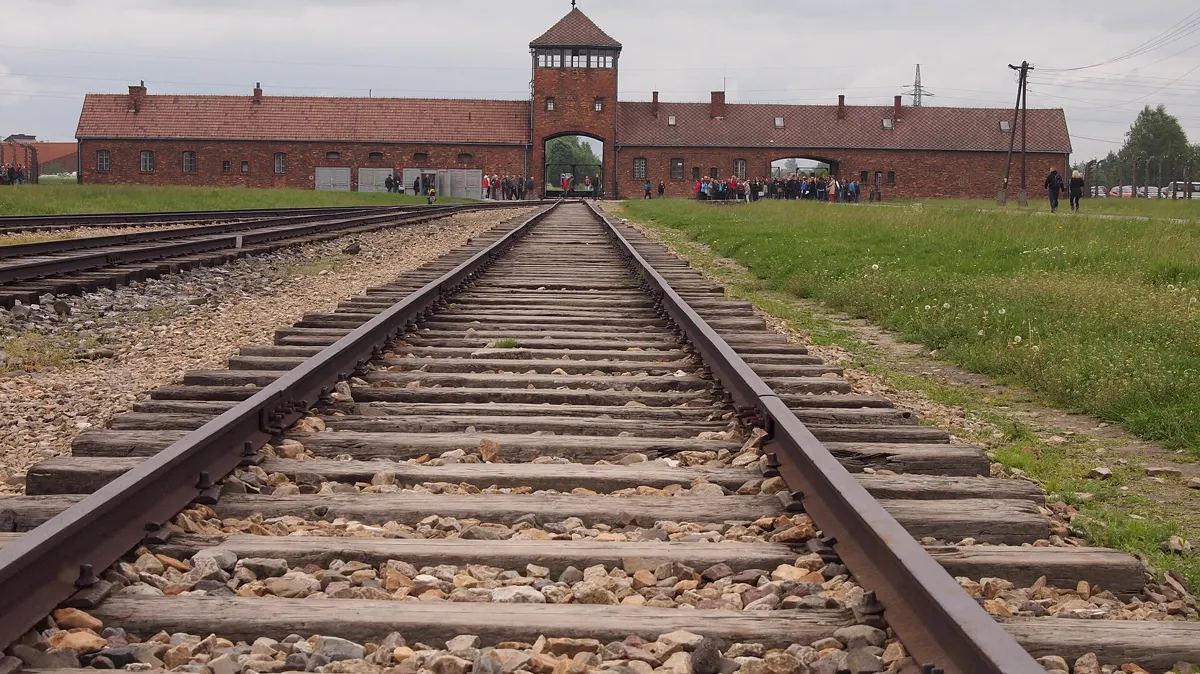
Auschwitz-Birkenau Memorial
The preserved site of the largest German Nazi concentration and extermination camp, now a memorial and museum to its victims, west of Krakow.
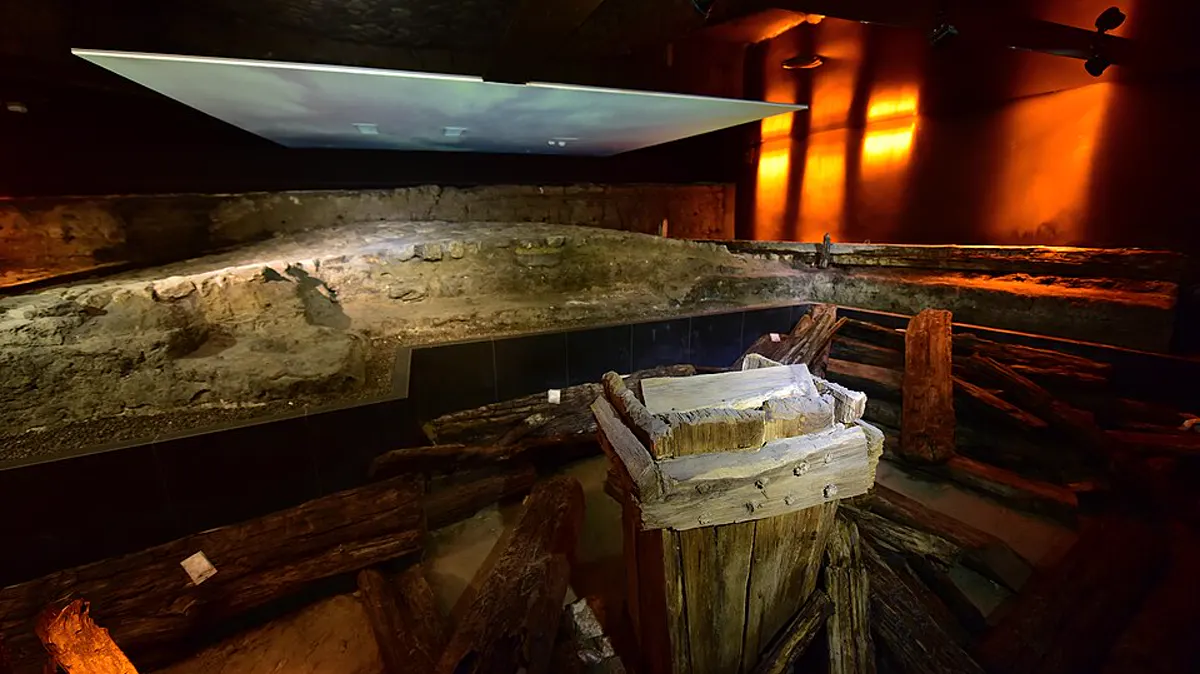
Rynek Underground
An atmospheric archaeology museum beneath the Main Square, walking you through the medieval market on its original cobbles.
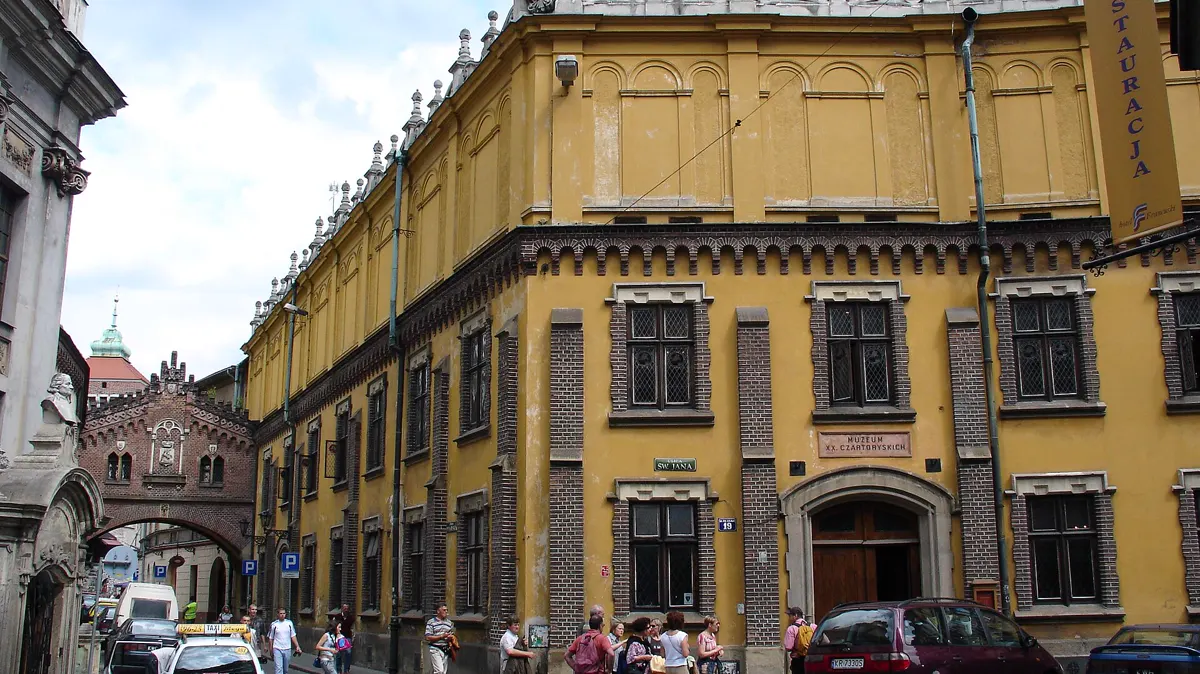
Czartoryski Museum
Home to Leonardo da Vinci's "Lady with an Ermine", the star of Poland's oldest museum collection.
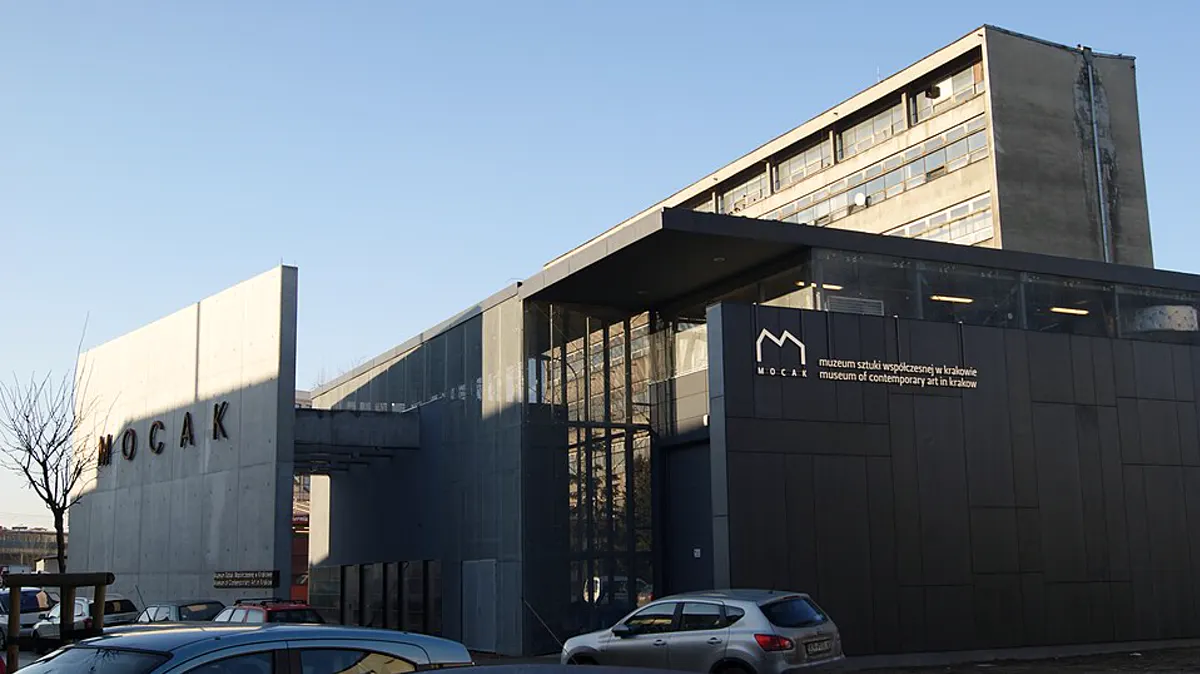
MOCAK Museum of Contemporary Art
Poland's leading contemporary-art museum, built beside the Schindler factory in Podgorze.
Featured in
More to explore in Kraków
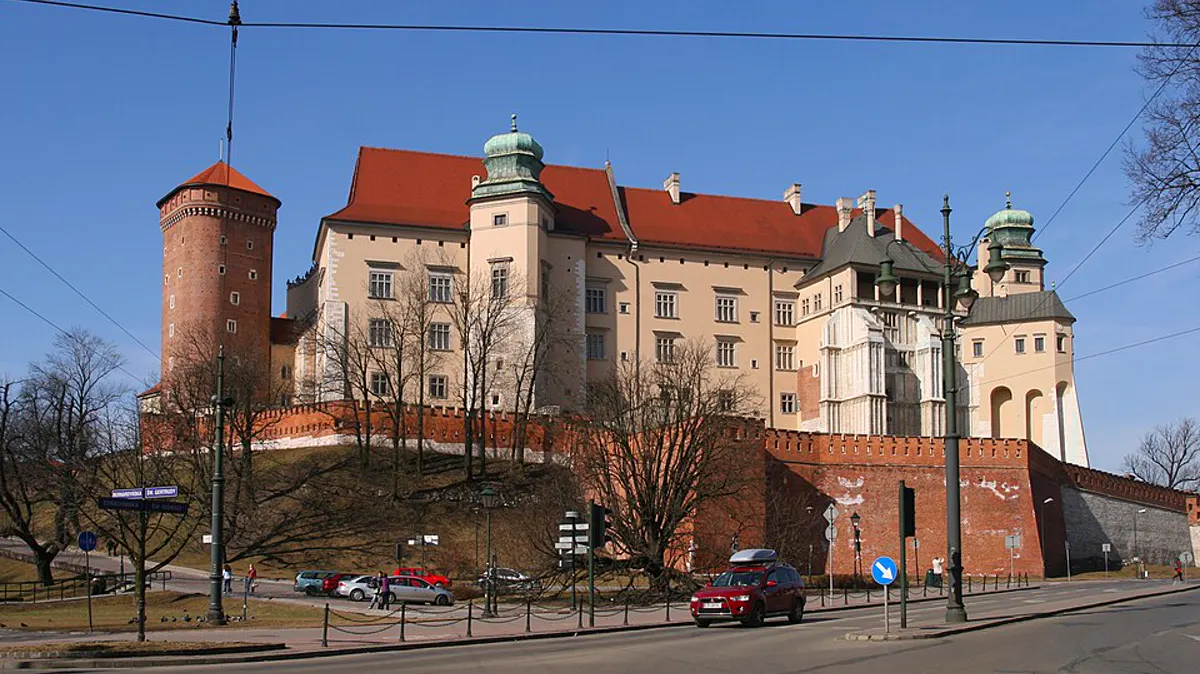
Castle
Wawel Castle
The royal castle and cathedral on the hill above the Vistula, the symbolic heart of the Polish nation for a thousand years.
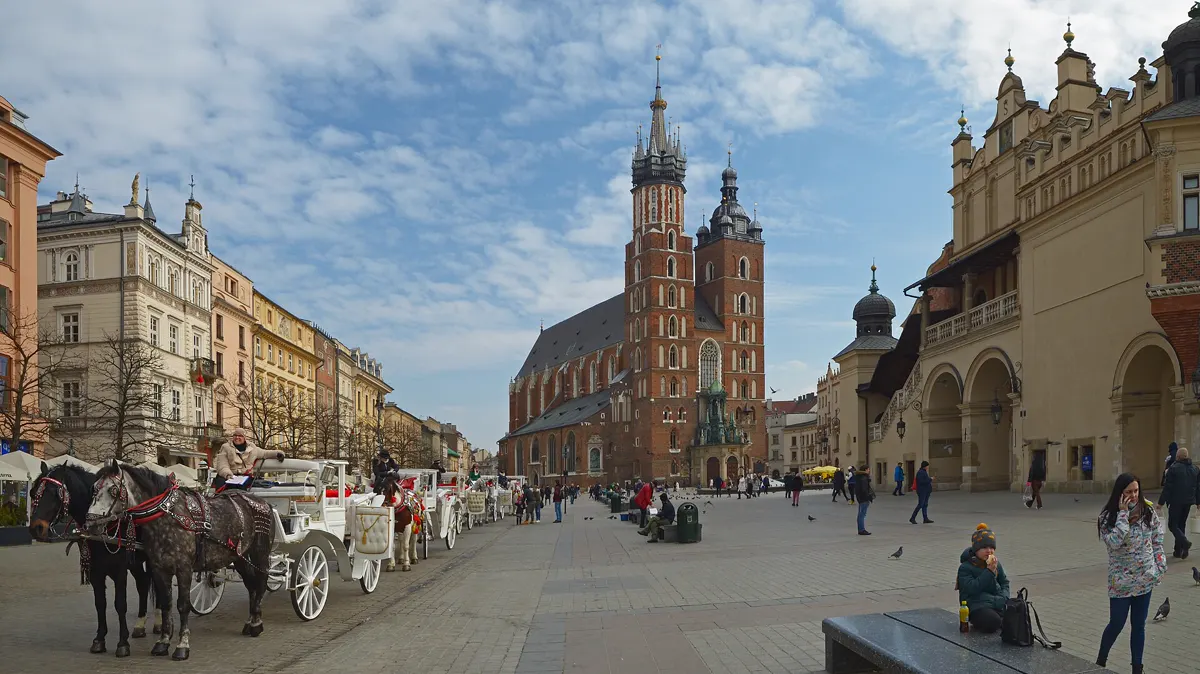
Attraction
Main Market Square
Europe's largest medieval market square, the social centre of Krakow, with the Cloth Hall running down its middle.
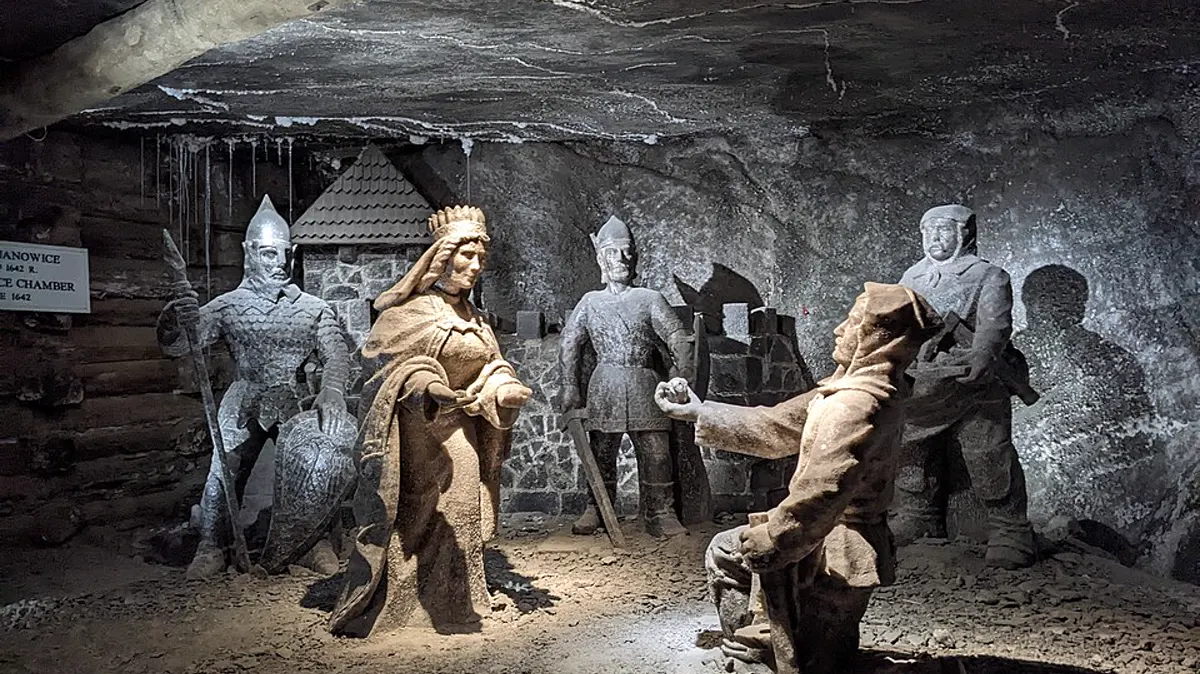
Attraction
Wieliczka Salt Mine
A UNESCO-listed salt mine worked for seven centuries, with underground chapels, lakes and chambers carved entirely from rock salt.

Restaurant
Bottiglieria 1881
Krakow's Michelin-starred tasting-menu room, a modern Polish kitchen paired with a deep wine cellar.
Attraction
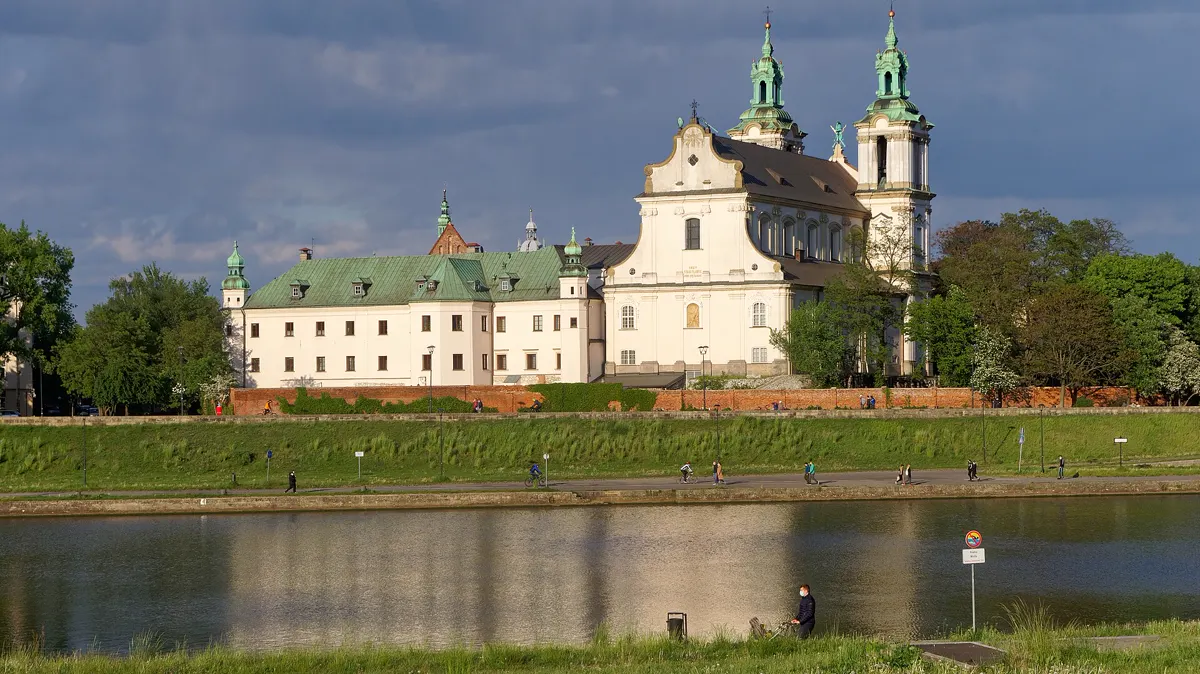
Skałka (Church on the Rock)
A Baroque Pauline church on Skałeczna Street in Kazimierz, built on the spot linked to the killing of Bishop Stanislaus in 1079, with a crypt that serves as a national pantheon for eminent Poles.
Restaurant
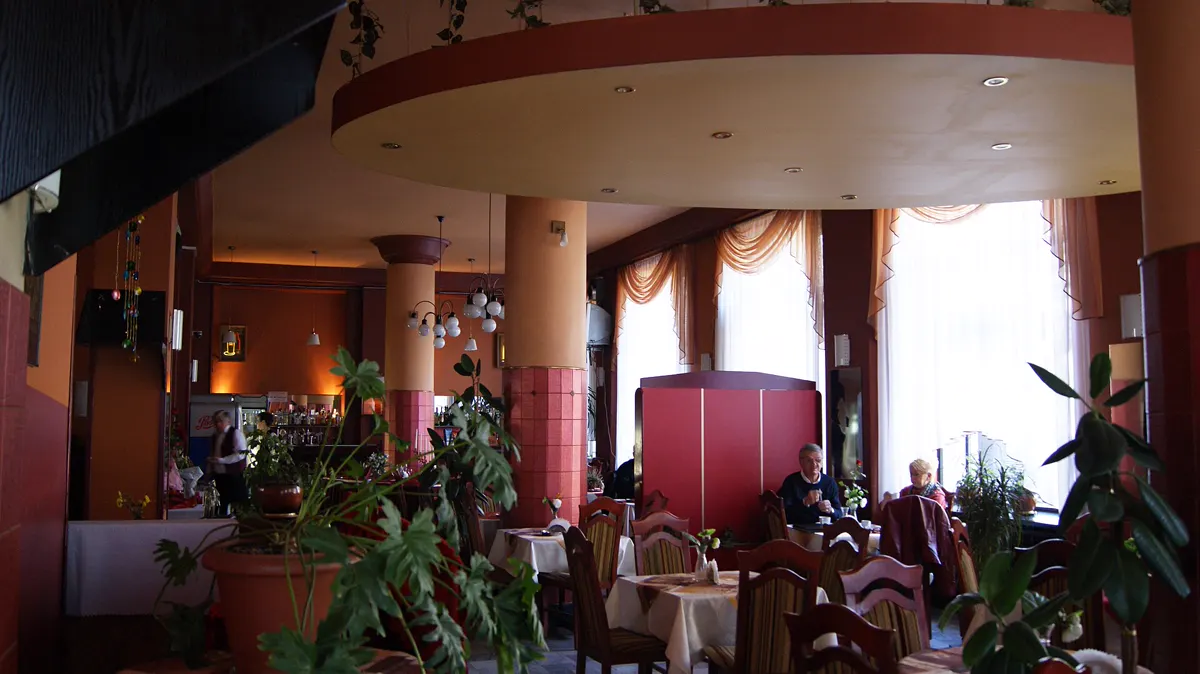
Restauracja Pod Nosem
A Michelin-listed spot below Wawel serving modern Polish tasting menus with an old-Krakow sensibility. Small, candlelit and worth the splurge.