Nature in Kraków
Blonia Meadow
A vast open meadow minutes from the centre, used for picnics, cycling and the biggest public gatherings.
Reviewed and updated July 2026
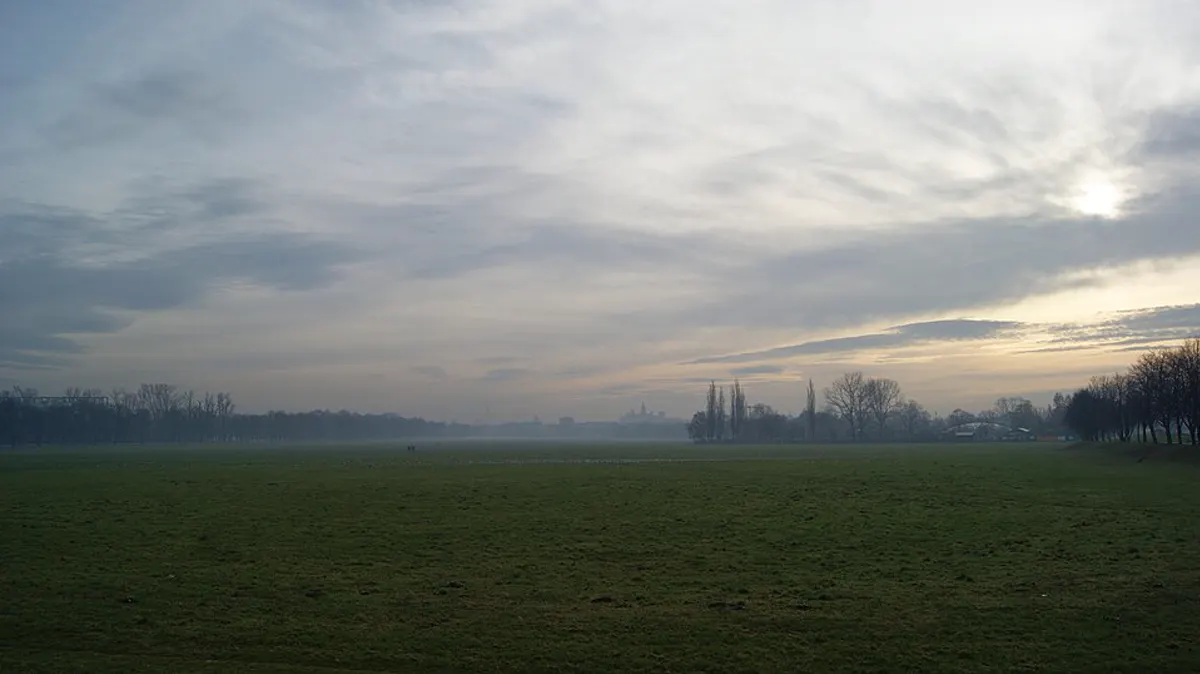
Blonia is a flat, open meadow of about 48 hectares just west of the Old Town, one of the largest grassed spaces of its kind so close to a European city centre. It has no formal gardens or paths cutting across it, just a wide green field ringed by a walking and cycling loop. For centuries it was common grazing land, and today it is where Krakow comes to picnic, run, fly kites and gather for its biggest public events.
Why visit Blonia
Blonia is the city's breathing space. It is a short walk from the Old Town yet feels open and unhurried, with room to spread out that the packed centre never offers. Come to walk or jog the perimeter, lie on the grass, or watch the city use it, from morning runners to weekend football. When Krakow hosts a concert, mass or festival, this is usually where it happens.
What to do on the meadow
The main draw is simply the space. The surfaced loop around the edge is popular with runners, cyclists and inline skaters, and the open middle is left for picnics, ball games and sunbathing. There is little shade on the field itself, so bring cover in summer. The green ring of the Planty and the paths along the Rudawa link Blonia to the rest of the western parks, making it an easy anchor for a longer walk or ride.
History of the meadow
The meadow's recorded story goes back to 1162, when the land was given to the Norbertine order. In 1366 the nuns exchanged it with the city, and for centuries it served as common pasture, with cattle from nearby villages grazing here; the last of them into the 1970s. The low ground was prone to flooding from the Rudawa until it was drained, after which it became suitable for large gatherings. It is best known for the open-air masses celebrated by Pope John Paul II, drawing enormous crowds, and later by Pope Benedict XVI in 2006.
How long to spend
A loop of the perimeter takes around half an hour on foot. Most people come for longer, to picnic or exercise, so an hour or two is typical. It fits naturally into a walk that also takes in the Planty and the river.
Best time to visit
Late spring through early autumn is when the meadow is busiest and greenest. Mornings and early evenings are best for running or a quiet picnic. Check the city's event listings before you go, as Blonia hosts concerts, fairs and races that can close off large sections or draw big crowds on certain dates.
Getting to Blonia
Blonia lies about 700 metres west of the Old Town, an easy fifteen-minute walk from the Main Market Square through the Planty and past the National Museum. Several tram lines stop nearby. For routes across the city, see the Krakow guide.
Getting around the meadow
The perimeter path is flat and surfaced, which suits wheelchairs, prams and skaters. The open field is grass and can be soft or muddy after rain. There is no natural shade in the middle, so plan for sun in summer.
Around the meadow
Blonia sits among the city's western green spaces:
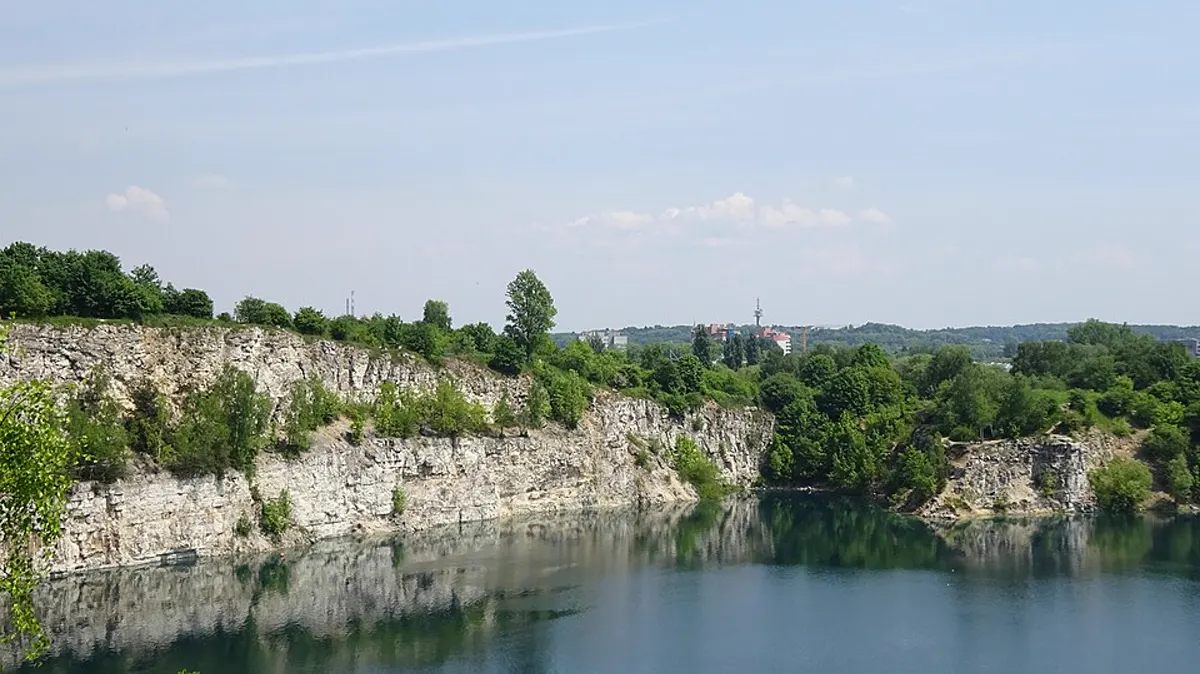
- Zakrzowek, the flooded quarry and swimming park, further south-west.
- Wolski Forest, the large city woodland with trails and the zoo, to the west.
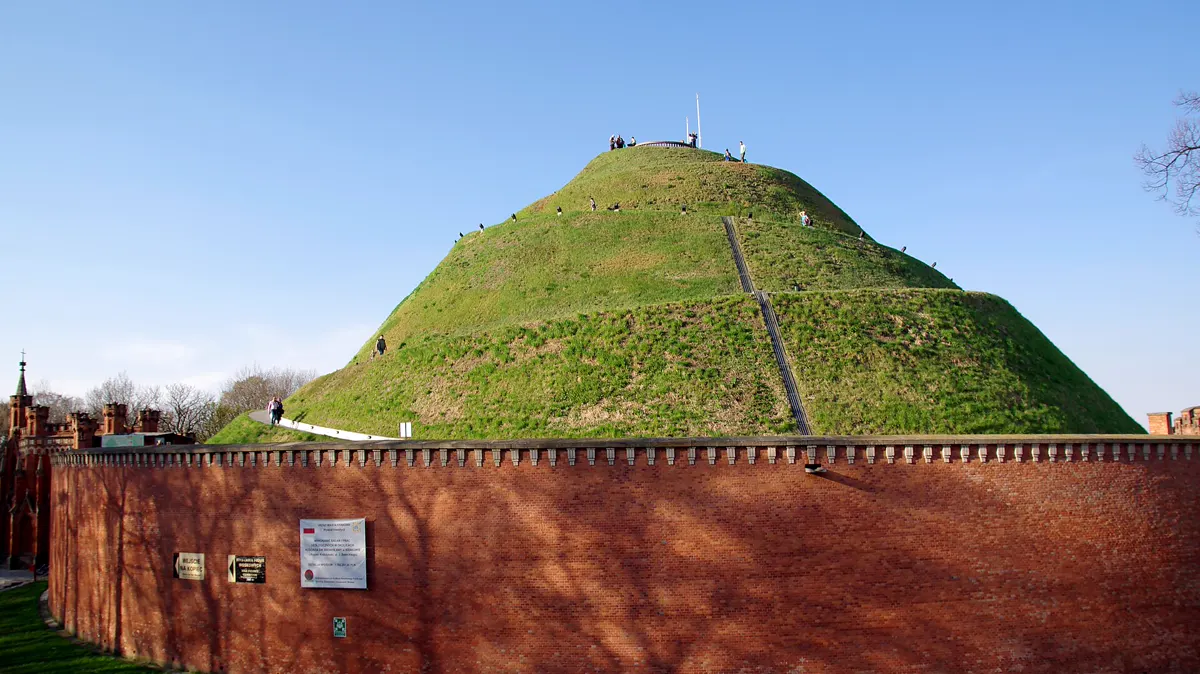
- Kopiec Kosciuszki, the viewpoint mound on the hill above, reachable on a longer walk.
Good to know
The field is open at all hours and free. There is almost no shade in the middle, so bring water and sun cover in summer. Check event listings, as large concerts and races can take over the meadow on some dates.
Common Blonia questions
How big is Blonia?
The meadow covers about 48 hectares, making it one of the largest open green spaces this close to a European city centre. A walk around the edge is roughly a couple of kilometres.
Why is it just an empty field?
Blonia was common grazing land for centuries, so it was never laid out as a formal park. That open character is why it now hosts the city's largest gatherings, including the papal masses of John Paul II and, in 2006, Benedict XVI.
Can you cycle and run there?
Yes. The flat, surfaced loop around the meadow is one of the most popular running and cycling routes in the city, and the open field is used for picnics and casual sport.
Frequently asked questions
More natures in Kraków
More to explore in Kraków
Castle
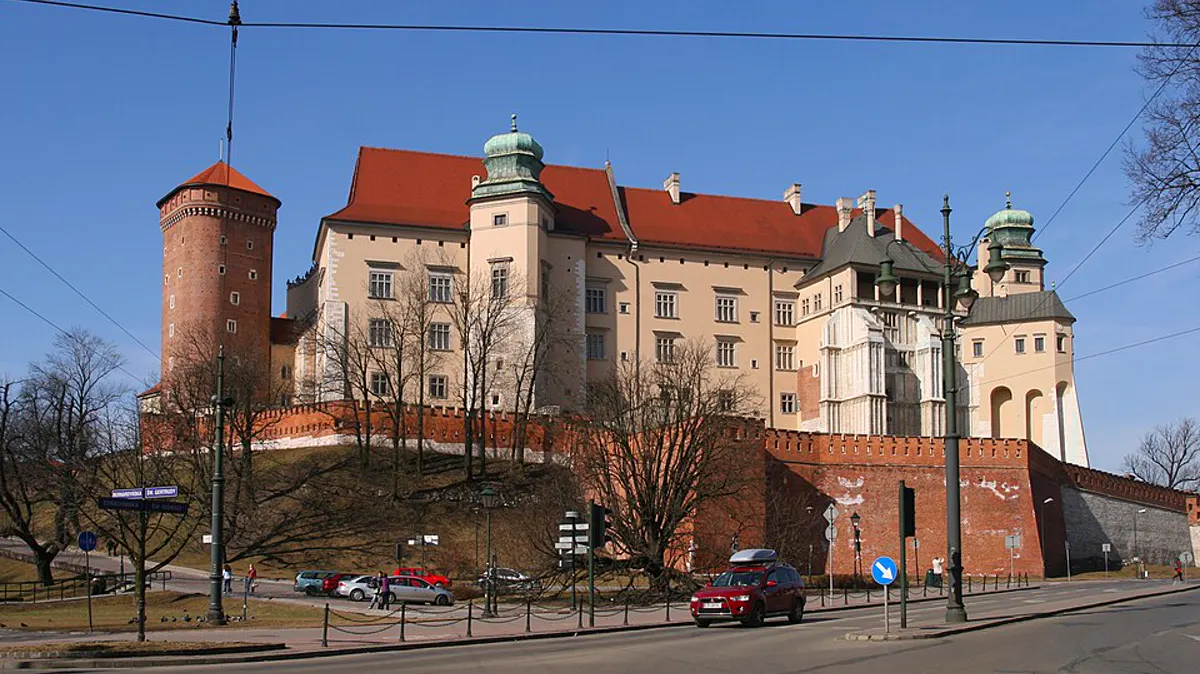
Wawel Castle
The royal castle and cathedral on the hill above the Vistula, the symbolic heart of the Polish nation for a thousand years.
Attraction
Main Market Square
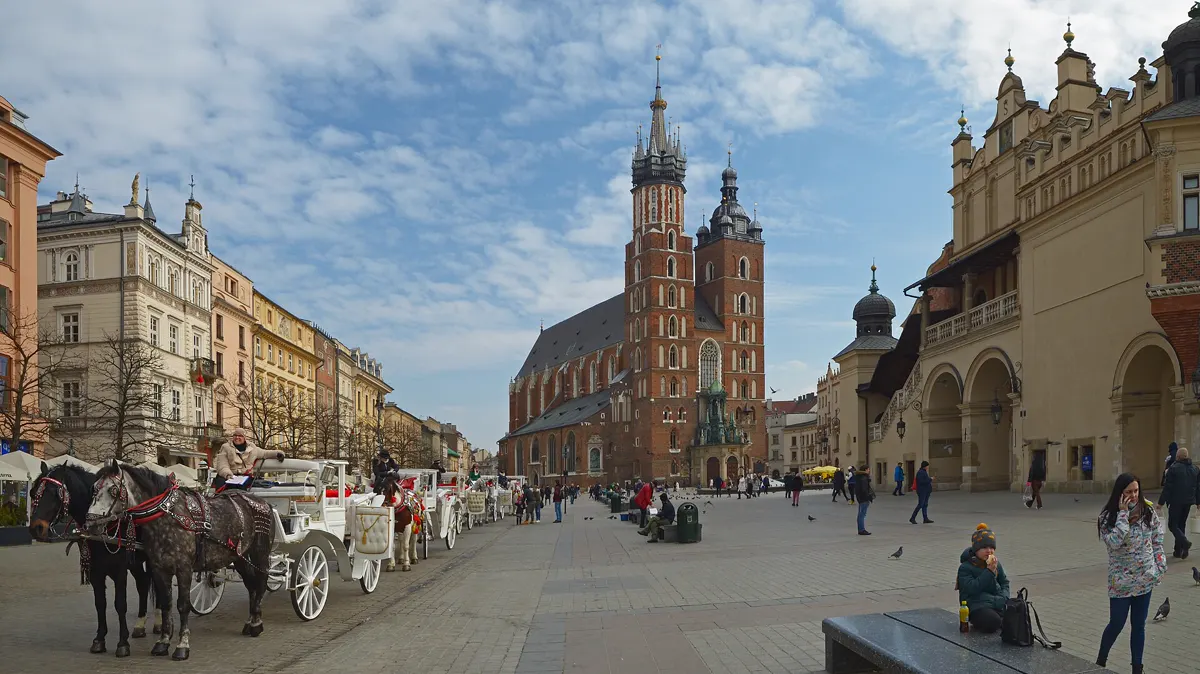
Europe's largest medieval market square, the social centre of Krakow, with the Cloth Hall running down its middle.
Attraction
Wieliczka Salt Mine
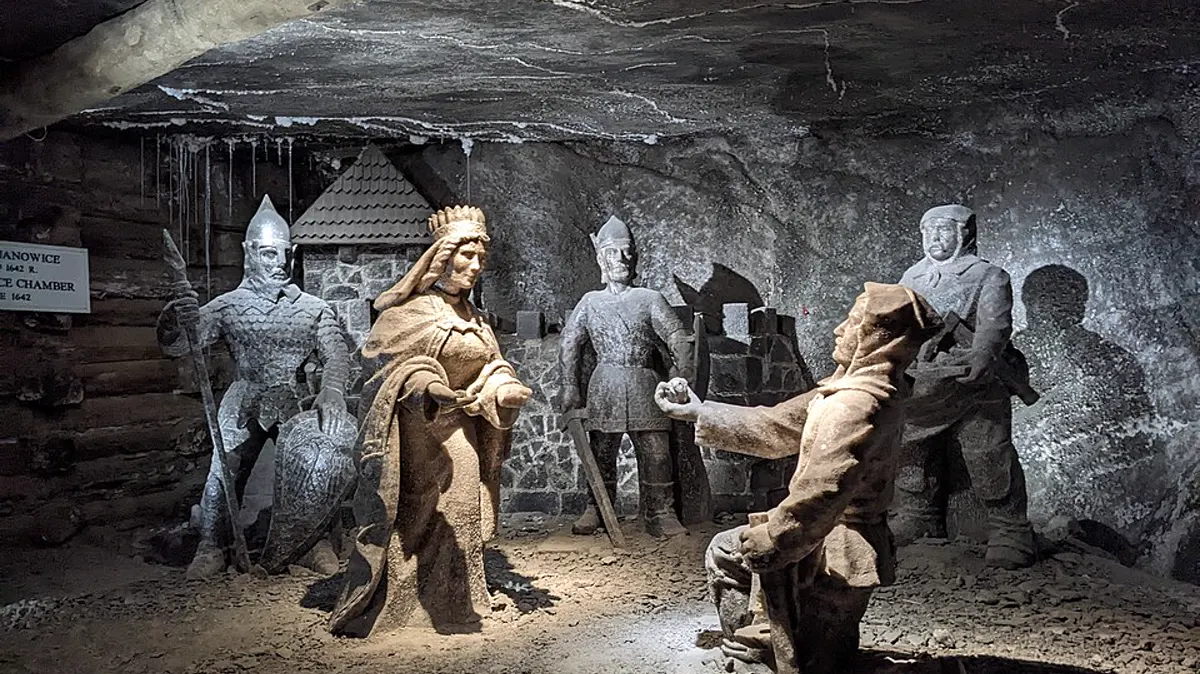
A UNESCO-listed salt mine worked for seven centuries, with underground chapels, lakes and chambers carved entirely from rock salt.
Restaurant
Bottiglieria 1881
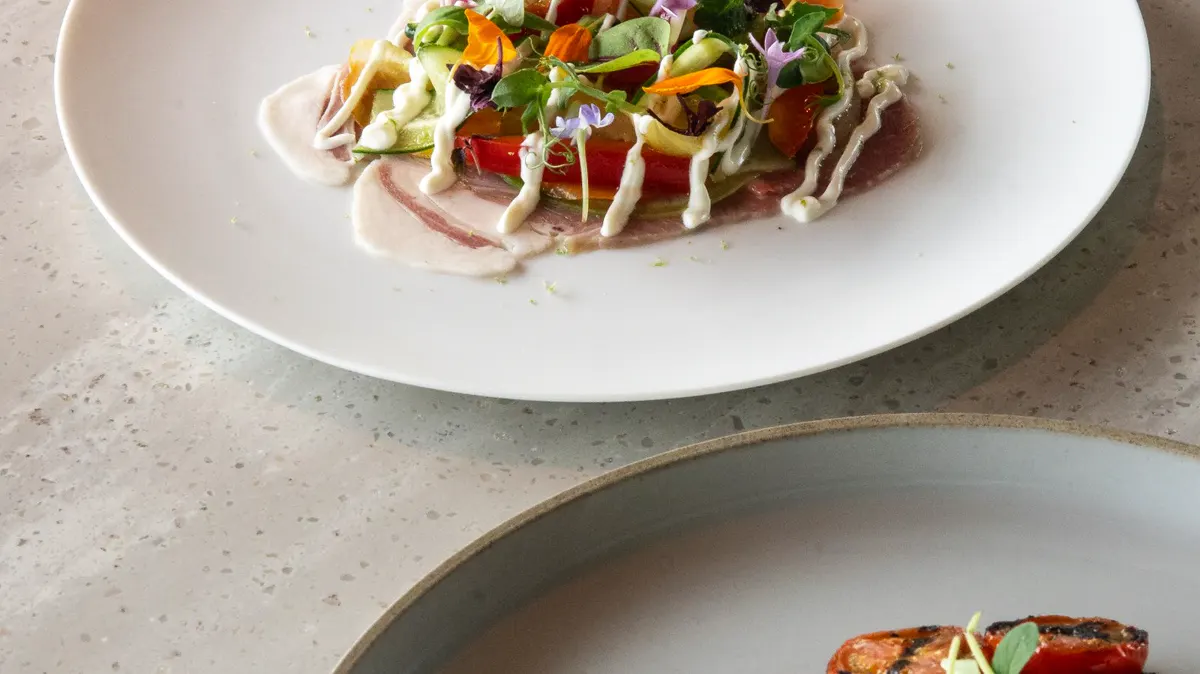
Krakow's Michelin-starred tasting-menu room, a modern Polish kitchen paired with a deep wine cellar.
Restaurant
Charlotte
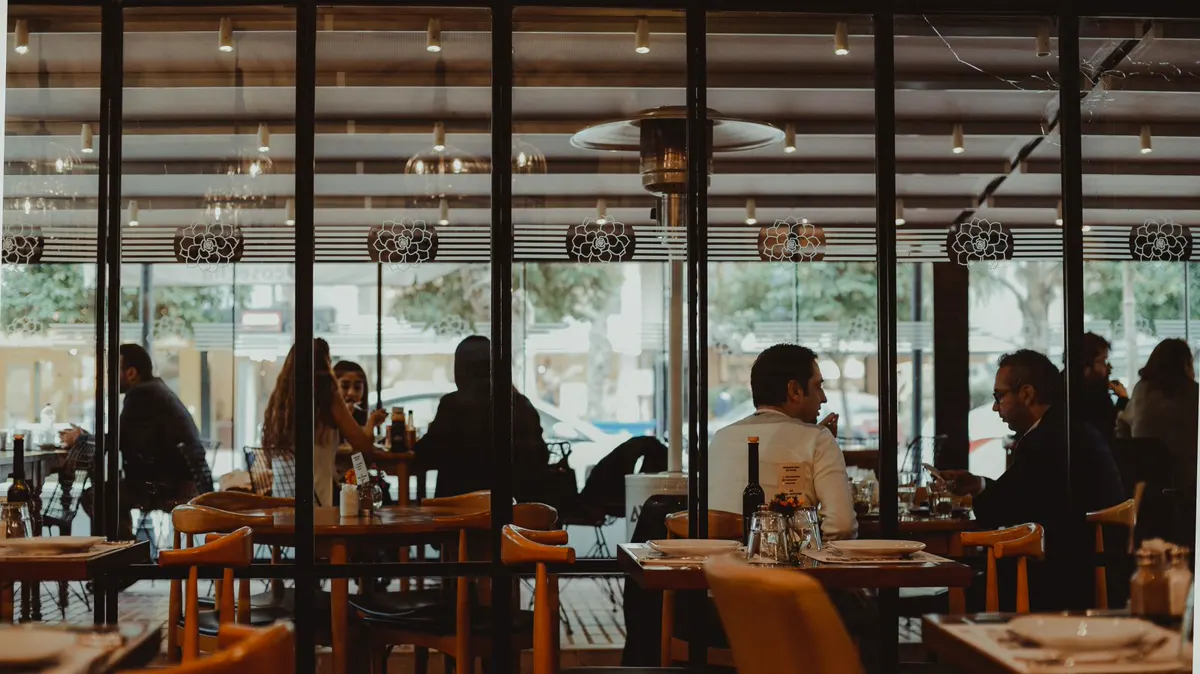
A French bakery-café on Plac Szczepanski with morning croissants, fresh bread and coffee under the trees.
Attraction
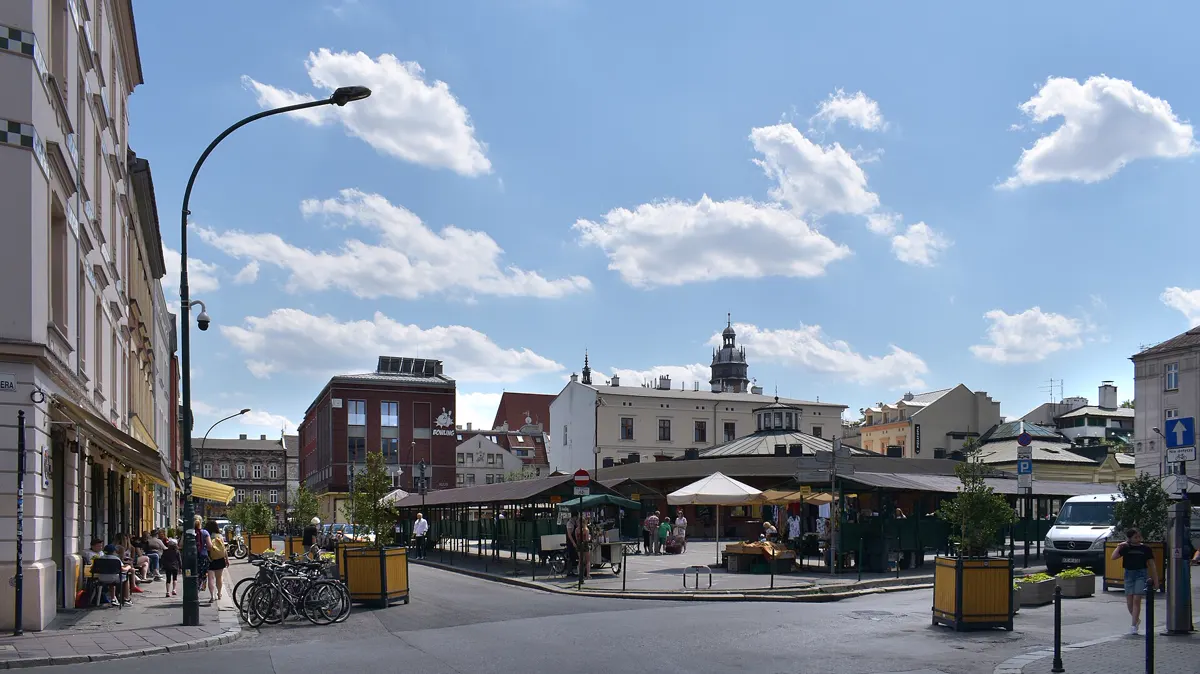
Plac Nowy (New Square)
Plac Nowy is the social centre of Kraków's Kazimierz district, a trapezoidal 19th-century square built around a round market hall whose windows now sell the city's famous zapiekanki.