Nature
Nature in Poland
Mountains, lakes, dunes and old-growth forest.
Poland's landscapes span the Tatra Mountains in the south, the primeval Bialowieza Forest in the east, the Masurian lakes in the northeast and the shifting dunes of the Baltic coast. These are the parks and natural sites we cover, with where to go and when.
All Nature in Poland
Poznań
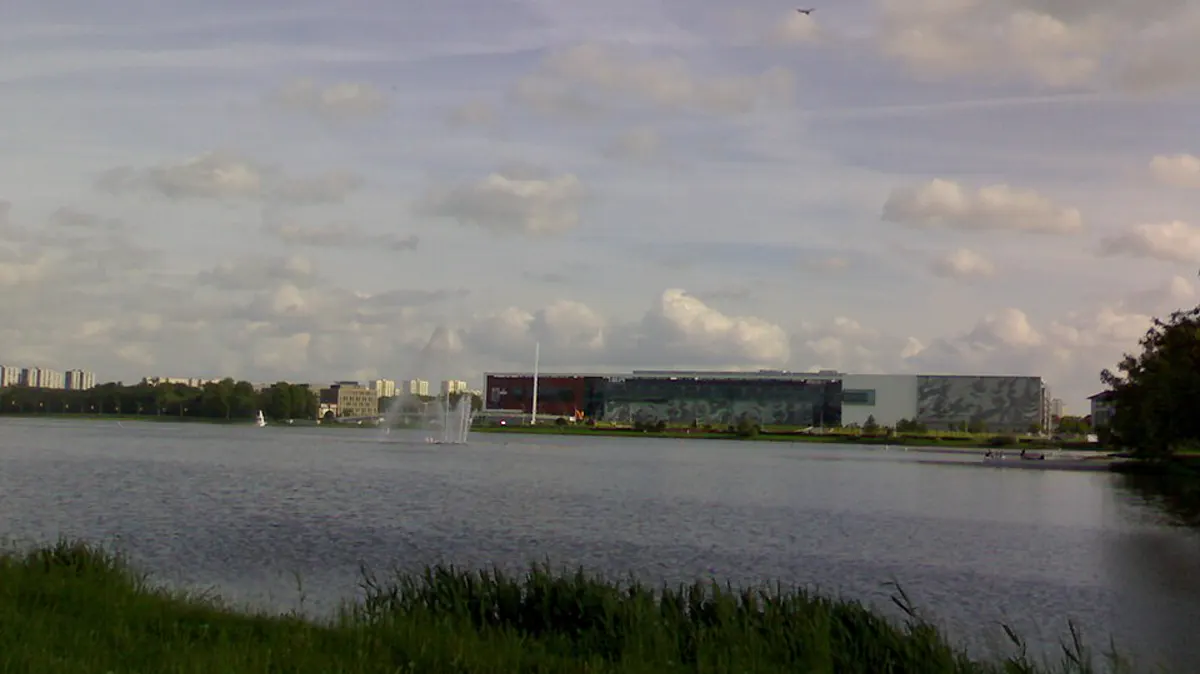
Lake Malta
A long artificial lake close to the centre, lined with trails, a ski slope and a summer resort.
Gdańsk
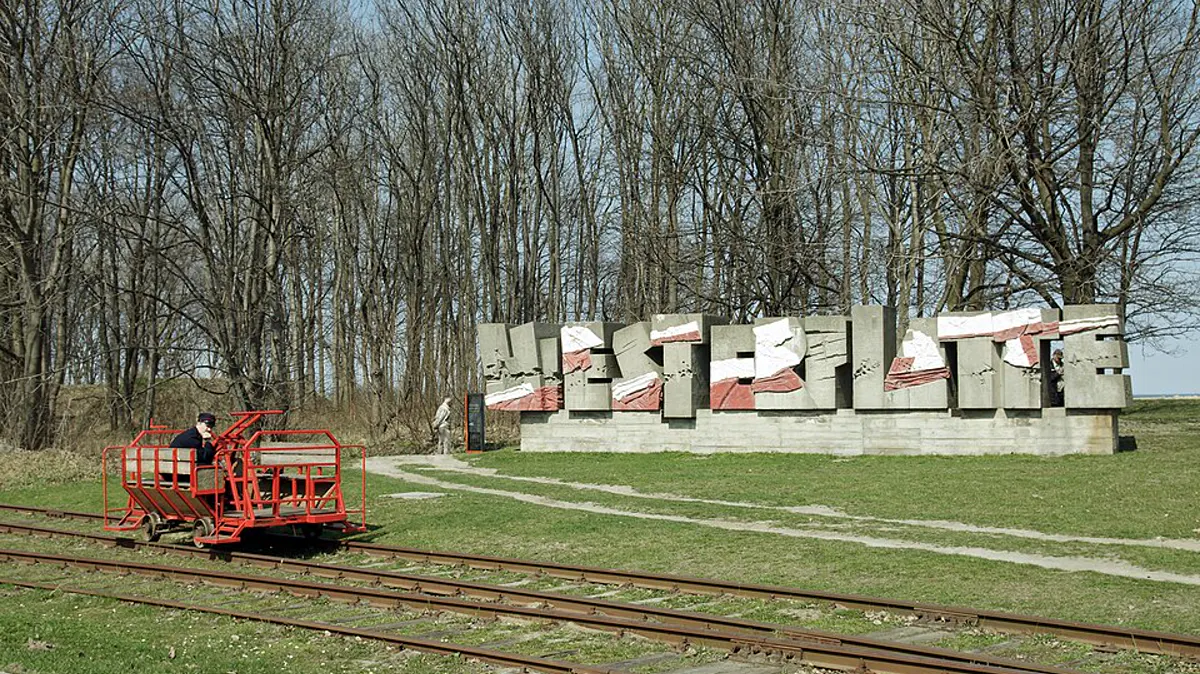
Westerplatte
The seaside peninsula where WWII began, now a memorial park reached by a summer river boat.
Zakopane
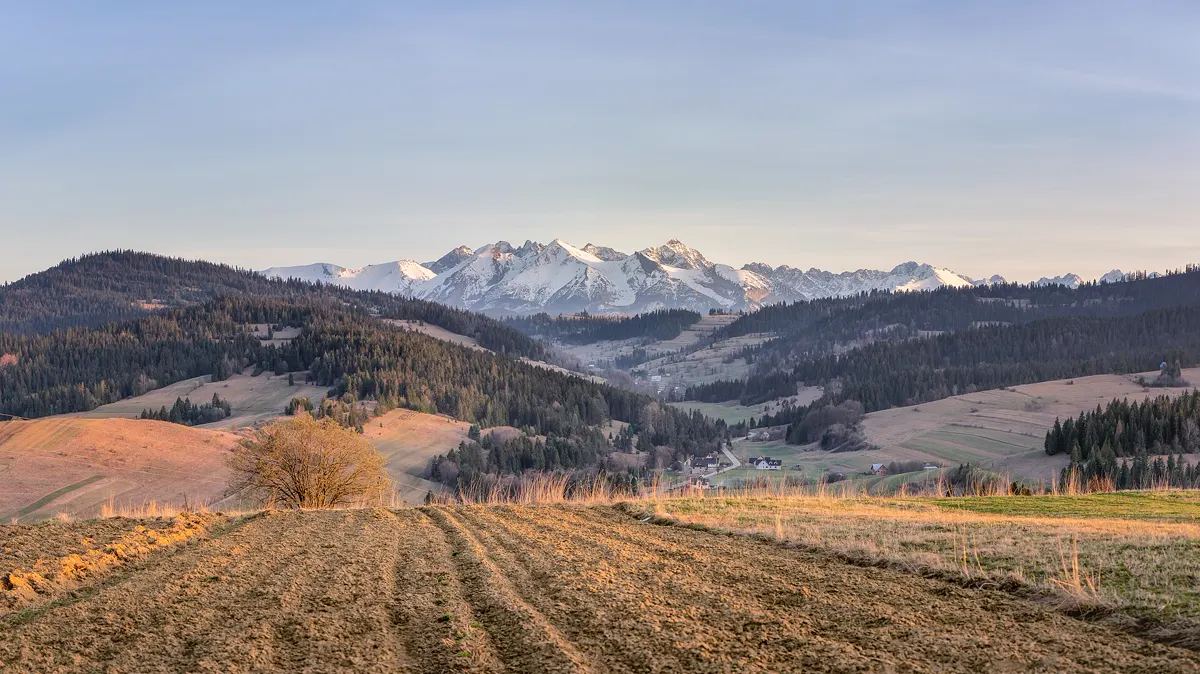
Tatra National Park
Poland's highest mountains, protected as a national park, with alpine peaks, glacial lakes and the country's most demanding trails.
Białowieża
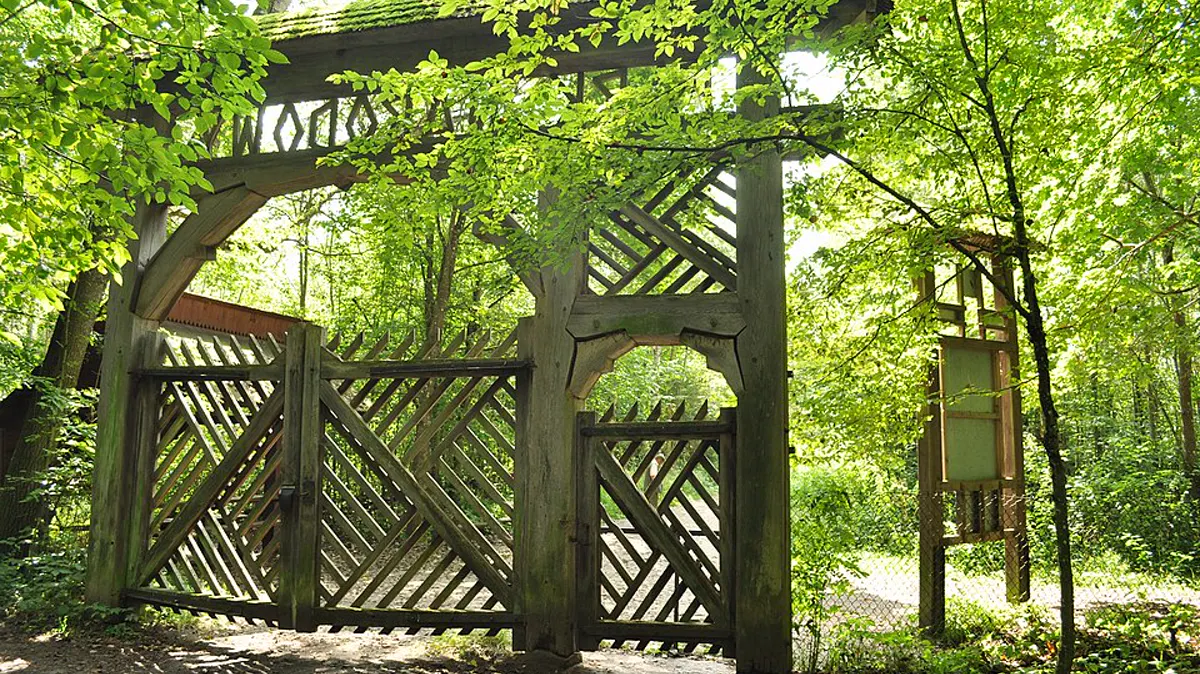
Bialowieza National Park
A fragment of primeval lowland forest, never logged in its core, protecting Europe's largest wild population of bison.
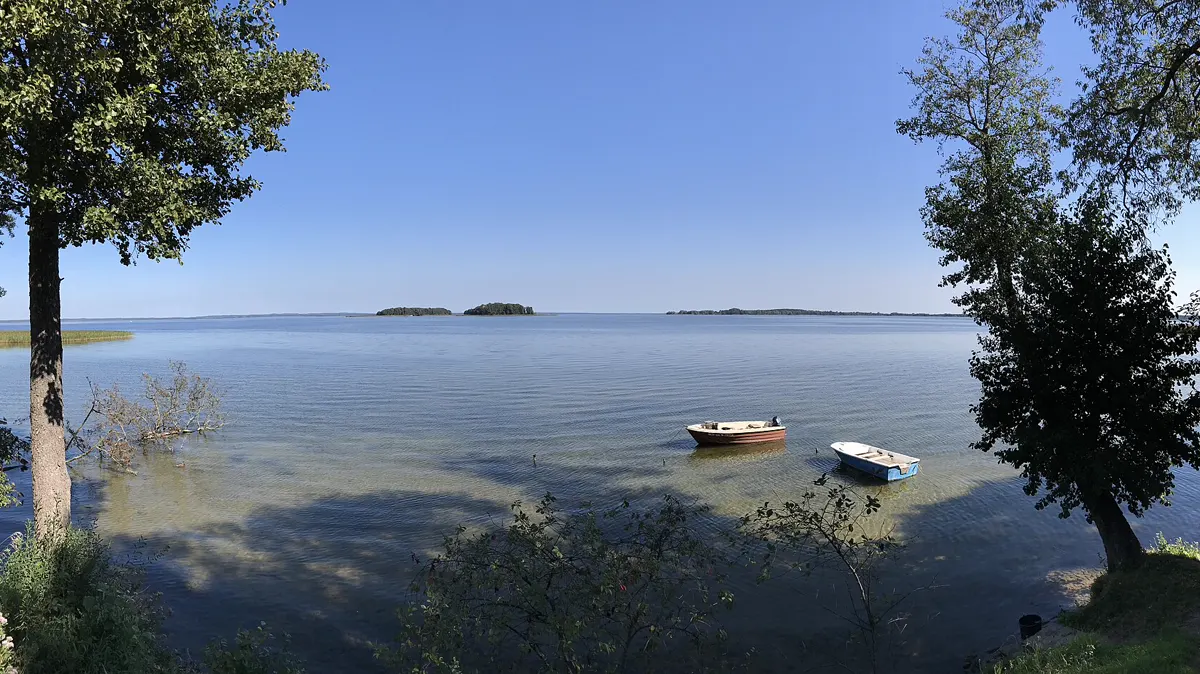
Olsztyn
Masurian Lakes
A glacial maze of interconnected lakes and forest in the northeast, Poland's prime region for sailing, kayaking and slow summers on the water.
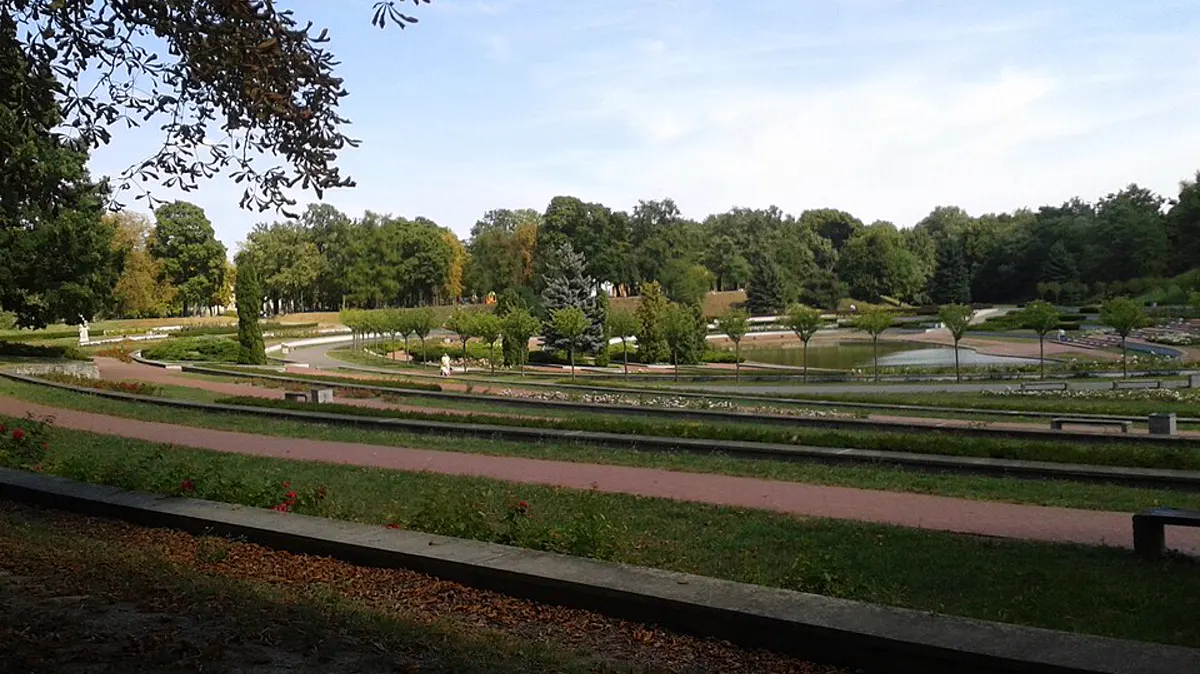
Poznań
Cytadela Park
The city's largest park on a former fortress hill, dotted with striking open-air sculpture.
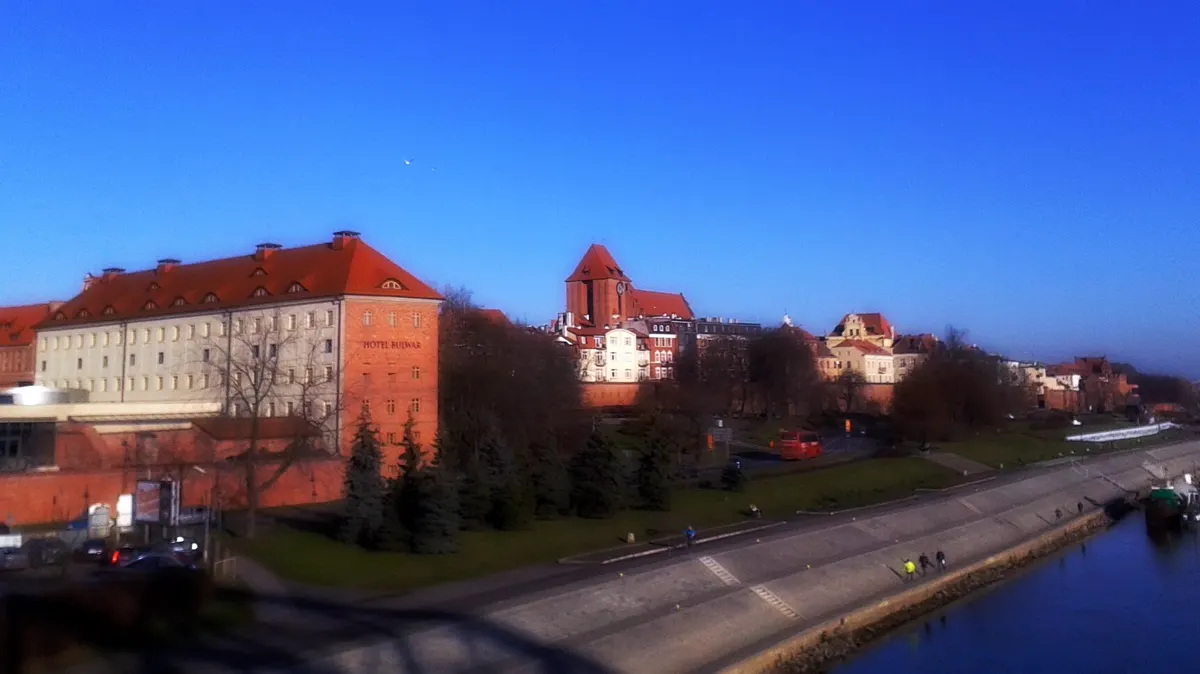
Toruń
Vistula Boulevard
The riverside walk that frames the classic view of Torun's medieval waterfront.
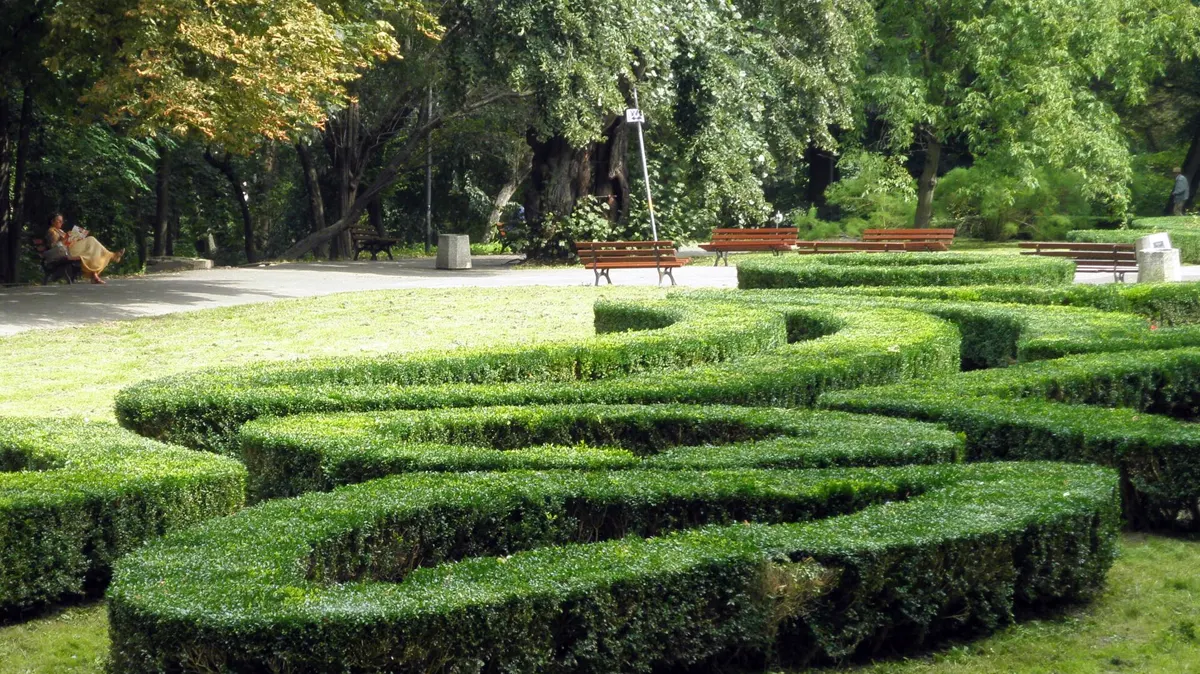
Lublin
Saxon Garden
Lublin's elegant 19th-century park, a shaded promenade of old trees and fountains.
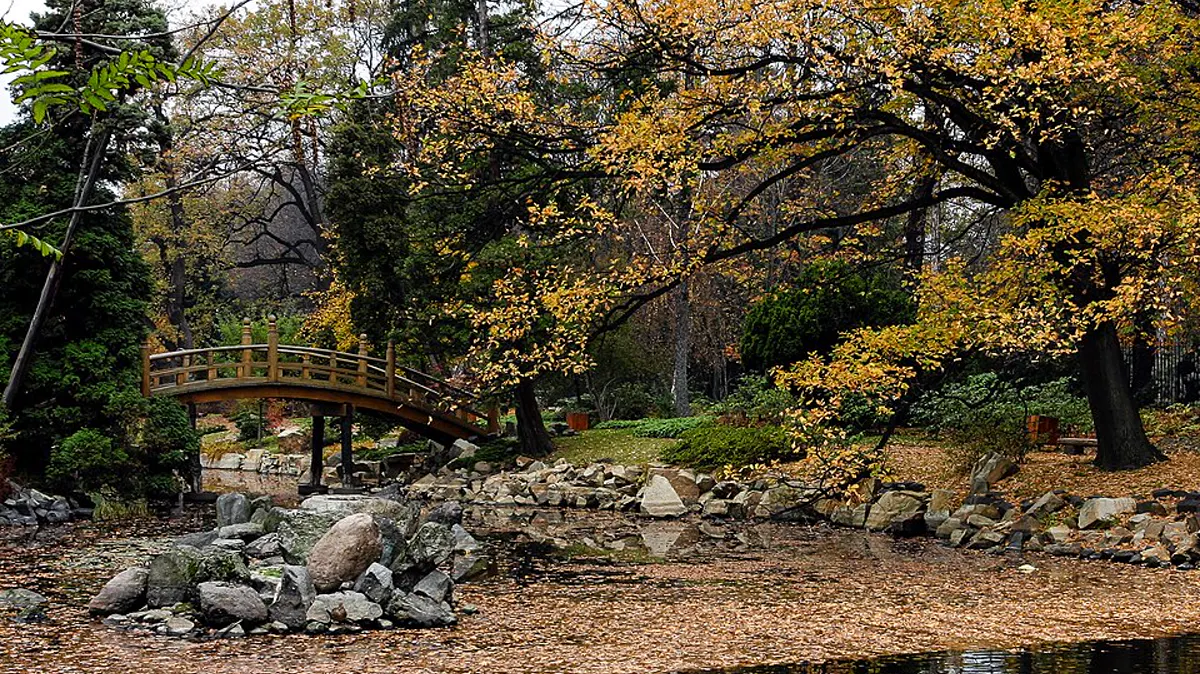
Wrocław
Szczytnicki Park & Japanese Garden
A large landscape park beside the Centennial Hall, home to a jewel-like Japanese garden.
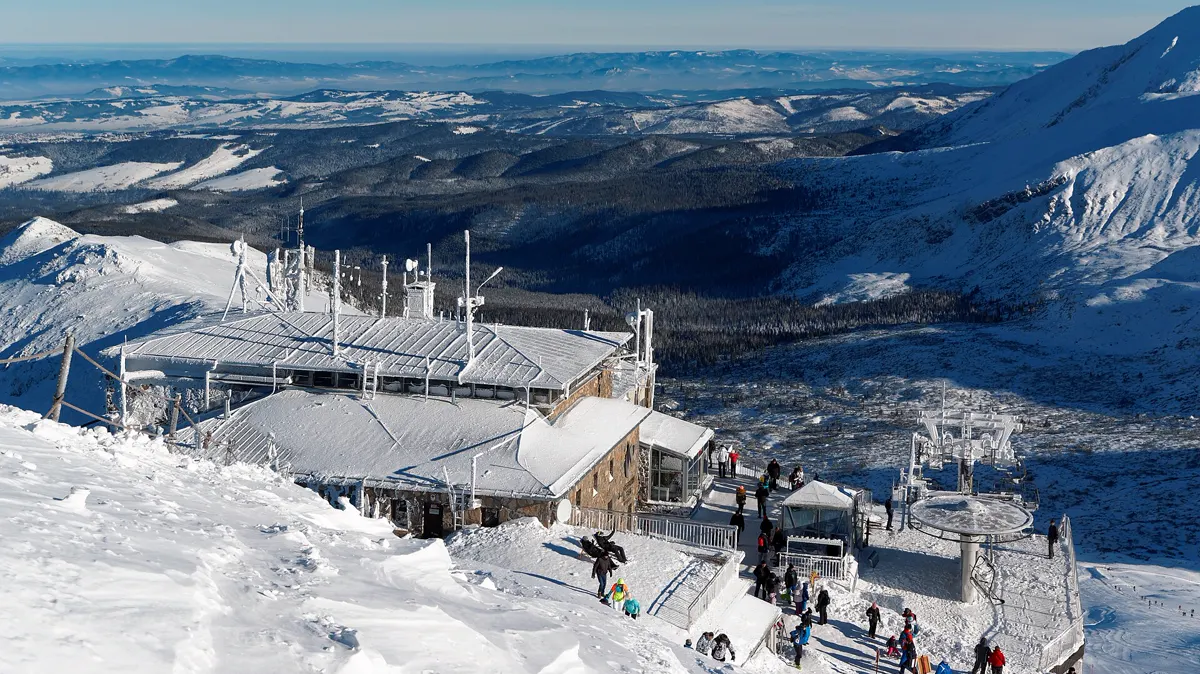
Zakopane
Kasprowy Wierch
A 1,987 m summit on the Slovak border, reached by the cable car from Kuznice for a ridge-top panorama.
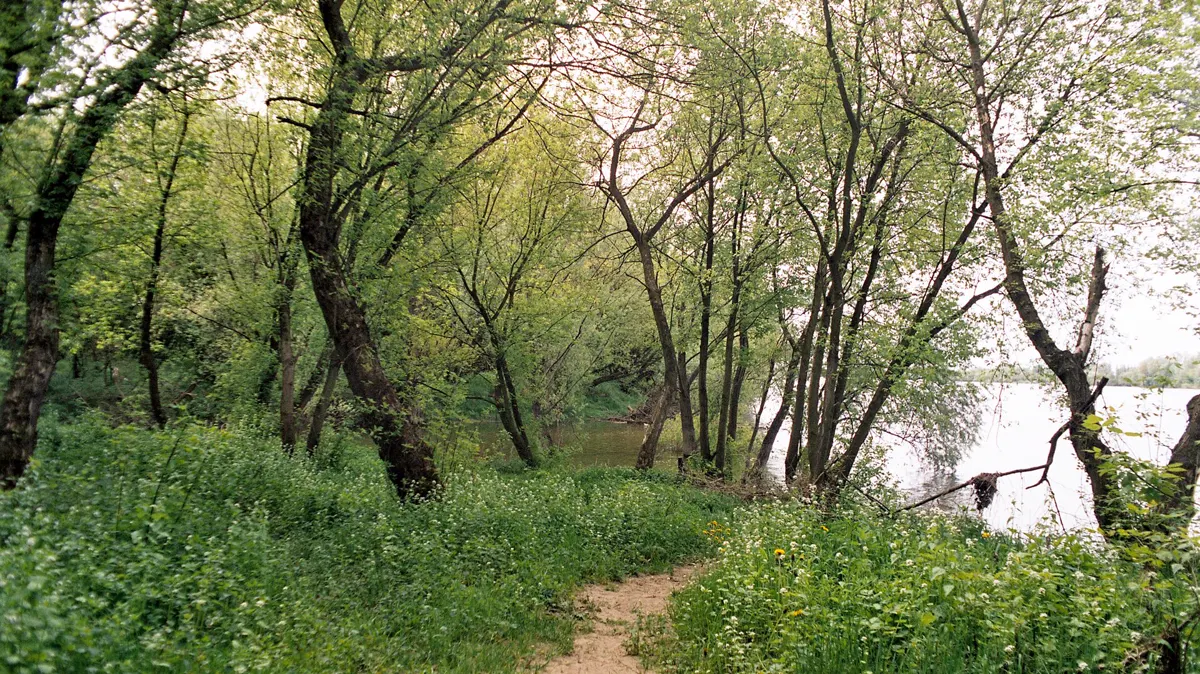
Toruń
Kepa Bazarowa
A wooded island opposite the old town, with the postcard panorama from its far bank.
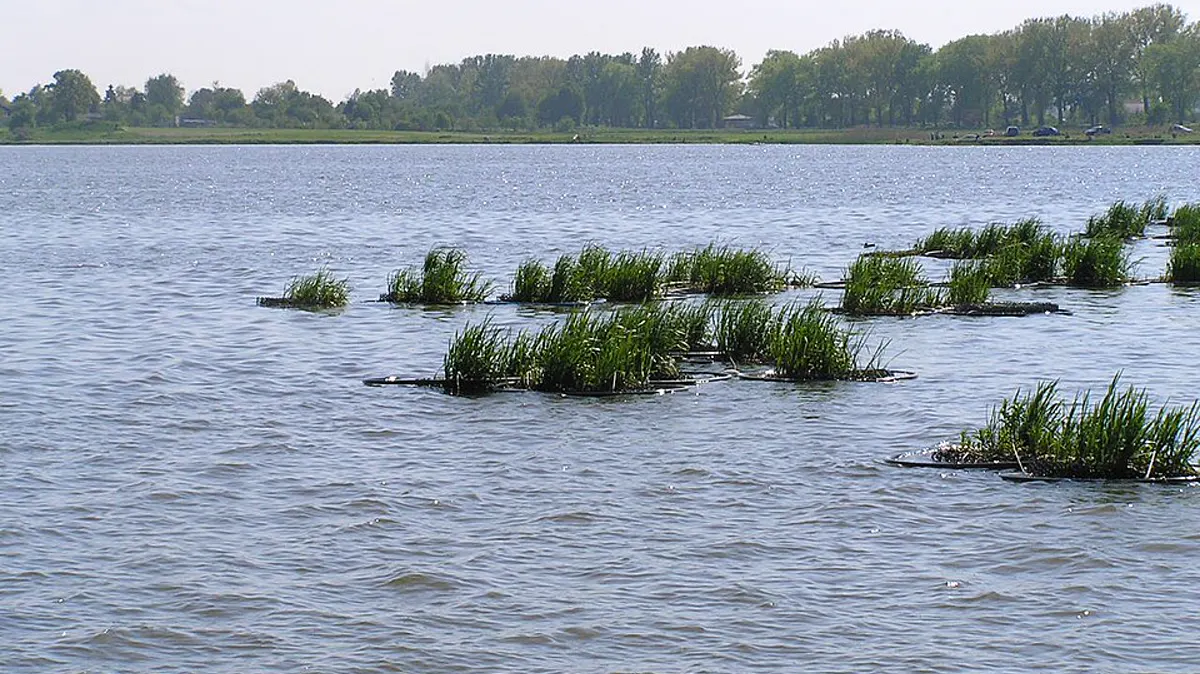
Lublin
Zemborzycki Lake
A big reservoir on the city's southern edge for beaches, walks and watersports in summer.
Poland is greener and wilder than its reputation. It has 23 national parks, from alpine peaks to shifting coastal dunes, plus one of the last primeval forests on the continent. The landscapes divide neatly by corner of the country, so you can match the scenery to where your trip already takes you.
National parks in Poland: mountains, lakes and forest
The Tatra Mountains in the south hold Poland's highest peak, Rysy at 2,499 m, and the glacial lake Morskie Oko above Zakopane. In the northeast, the Masurian Lake District is known as the land of a thousand lakes and draws sailors and kayakers. Along the Baltic, Slowinski National Park protects active sand dunes that move like a slow desert. In the east, the Bialowieza Forest is the last large lowland primeval forest in Europe and home to around 900 wild European bison.
Best time to visit Poland for the outdoors
Summer suits the lakes, the coast and high mountain trails, when paths are clear of snow. Late spring and early autumn are quieter for walking, and winter brings skiing and snowshoeing to the Tatras. For the full seasonal picture, see when to visit Poland.
Best hiking and lakes in Poland
For routes and standouts, browse the best hiking and the best lakes, or reach the mountains and forest as a day trip from a nearby city.
Nature by city
Travel guides
Krakow Golf Cart Tours: The Four Routes, Compared
Four electric cart routes cover the Old Town, Kazimierz, the ghetto in Podgorze and Schind...
Best Castles in Poland
From the Teutonic fortress at Malbork to the royal seats at Wawel and Warsaw, the Polish c...
3 Days in Krakow
A practical three-day plan for Krakow, pairing the Old Town and Wawel with Kazimierz and o...
Things to Do in Krakow
The sights, neighbourhoods and day trips that make Krakow worth several days, ranked by ho...