Nature in Wrocław
Szczytnicki Park & Japanese Garden
A large landscape park beside the Centennial Hall, home to a jewel-like Japanese garden.
Reviewed and updated July 2026
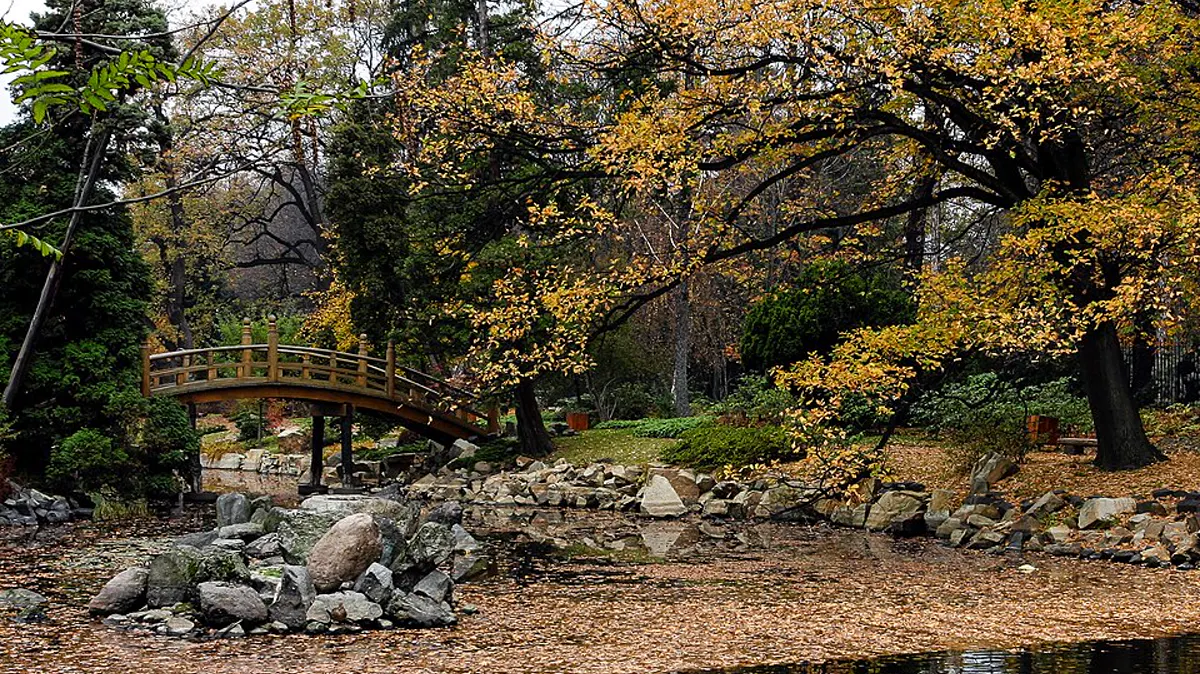
Szczytnicki Park is Wroclaw's largest park, a landscape park of around 100 hectares on the eastern side of the city. It sits beside the Centennial Hall and holds a jewel-like Japanese garden within its grounds. See the Wroclaw guide for the wider city.
Why visit Szczytnicki Park
It is the green heart of eastern Wroclaw and a calm counterpoint to the Old Town. Wide lawns, old trees and winding paths make it good for a long walk or a break between the sights clustered here. Several of the city's set-piece attractions sit on or beside the park, so it is easy to combine them.
The Japanese garden and grounds
The park works as a hub for several things:
- The Japanese garden, a small, carefully planted garden with ponds and bridges.
- The Centennial Hall and its Pergola on the park's edge.
- An old wooden church moved here from the countryside, dedicated to St John of Nepomuk.
- The wide lawns and tree-lined avenues that make up the bulk of the park, planted with a broad range of species.
History of the park
The park was laid out in the landscape style and developed further around the 1913 centennial exhibition held at the neighbouring hall, when the city was the German Breslau. It has served as the city's main recreation ground ever since and is valued today for its trees as well as its layout.
How long to spend
Half an hour for a short stroll, or a half-day if you fold in the Japanese garden, the Centennial Hall and the nearby zoo.
Best time to visit
Late spring to early autumn is best, when the trees are in leaf and the Japanese garden is open. Autumn colour is a strong second. The park is open and free year round, though winter is bare and the Japanese garden usually closes.
Getting to the park
The park is east of the centre, a short tram ride from the Old Town, with stops by the Centennial Hall on its edge. The city zoo is next door.
Accessibility
The main paths are broad and mostly flat, which makes much of the park easy going. Some surfaces are gravel or grass, and the Japanese garden within it has narrower, uneven paths and arched bridges.
Nearby by Centennial Hall
The Centennial Hall, its Pergola and fountain, the Japanese garden and the zoo all sit on or beside the park, forming a natural cluster for a half-day out.
Good to know
The park is free and open year round. The Japanese garden inside it charges a small fee and usually opens only in the warmer months, so check its season separately.
Common questions
Is Szczytnicki Park free?
Yes. The park is a public open space, free to enter at any time. The Japanese garden within it charges a separate small admission.
What is near the park?
The Centennial Hall, its Pergola and fountain, the Japanese garden and the city zoo all sit on or beside it, so several sights can be seen in one trip.
Frequently asked questions
More to explore in Wrocław

Restaurant
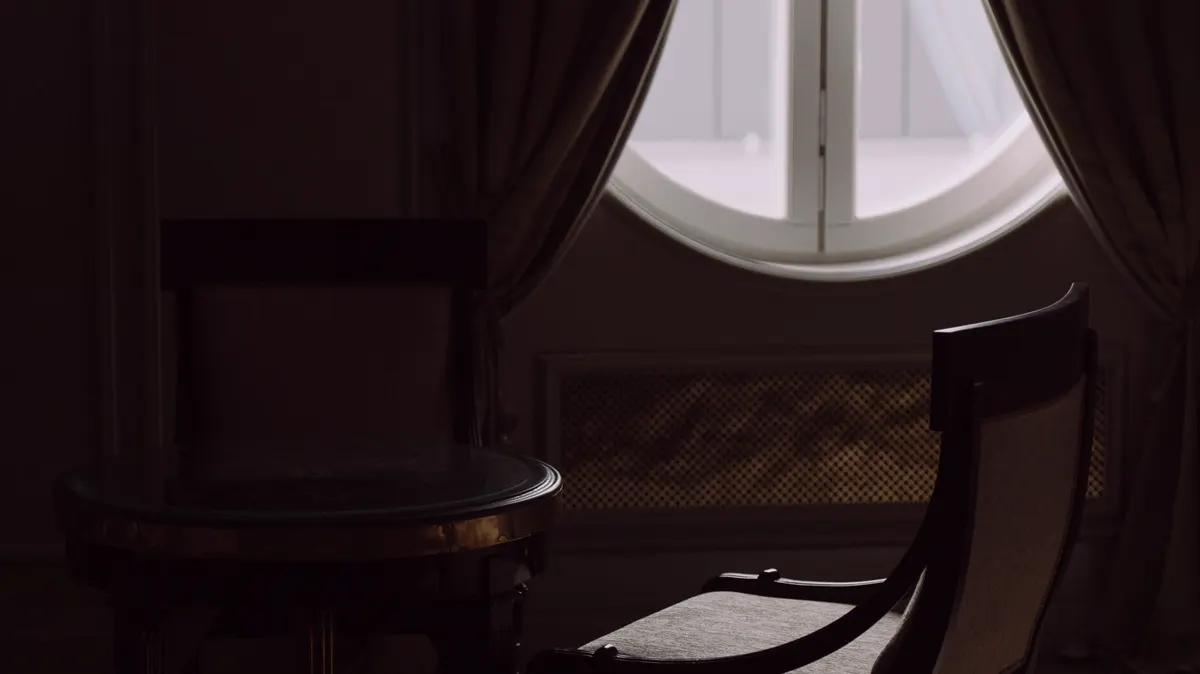
Jadka
An elegant fine-dining room under gothic vaults just off the Rynek, a special-occasion staple.
Hotel
Hotel Monopol
A grand Art Nouveau hotel by the opera with a rooftop terrace over the old town and a spa pool.
Attraction
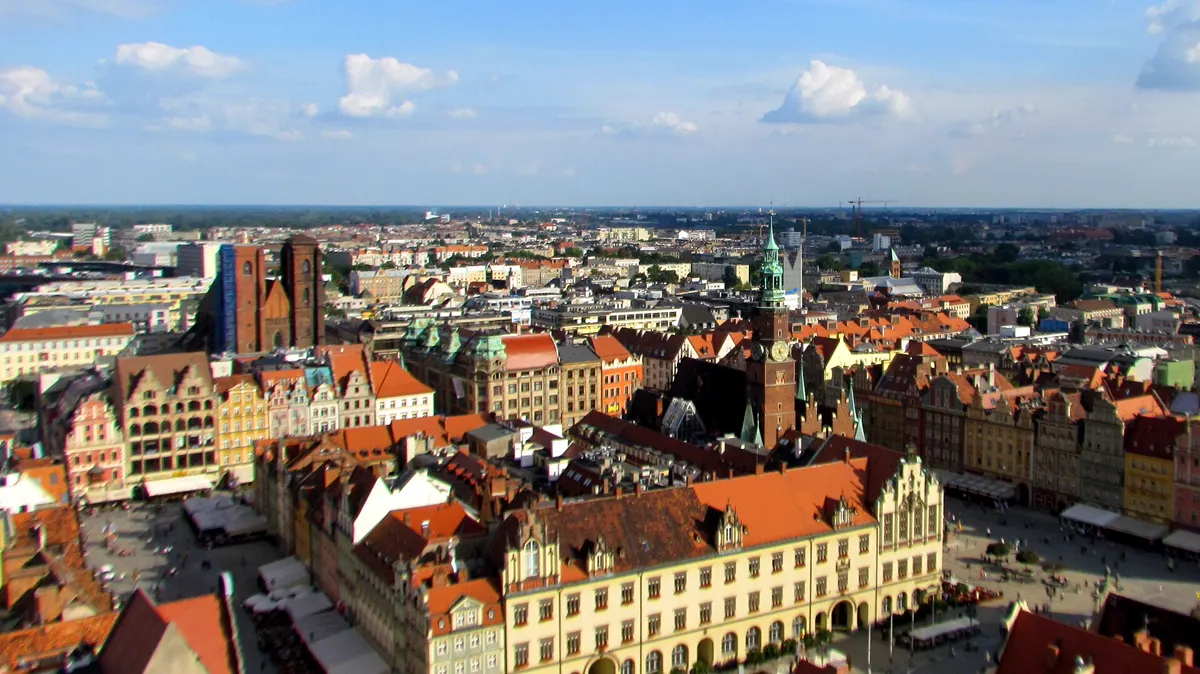
Market Square
One of the largest medieval squares in Poland, ringed by colourful townhouses and centred on an ornate Gothic town hall.
Attraction
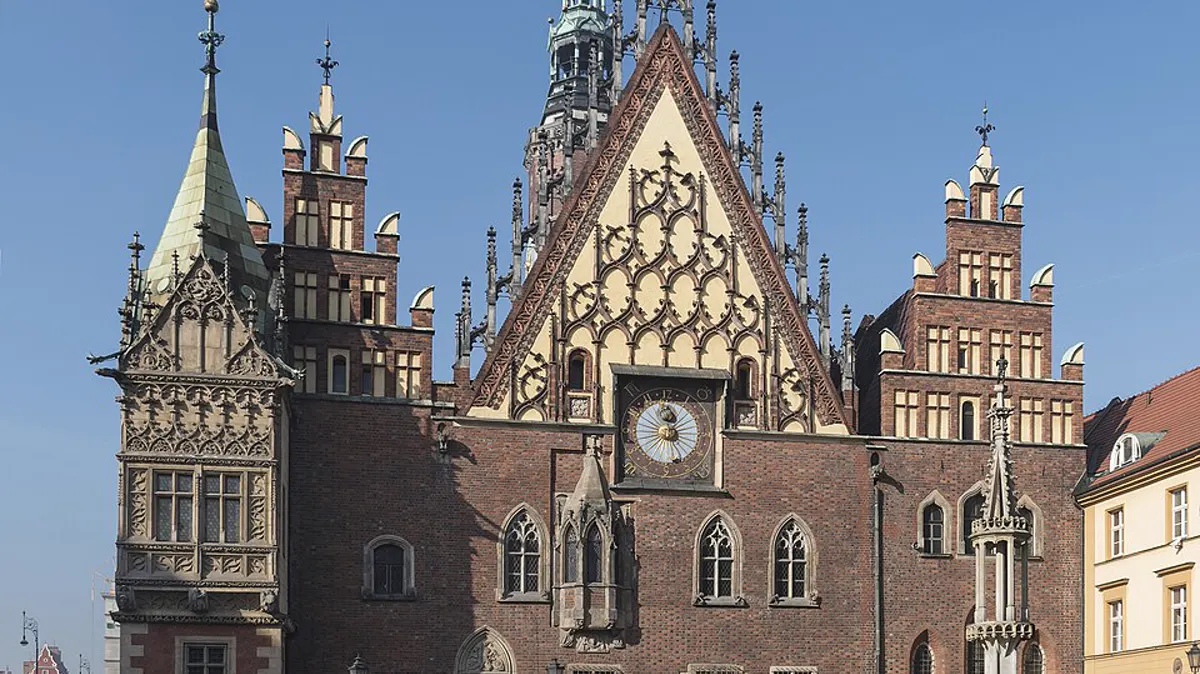
Ratusz (Old Town Hall)
A late-Gothic town hall built over roughly 250 years, famed for its richly carved south facade and astronomical clock from 1580. It houses the Museum of Burgher Art and the historic Piwnica Swidnicka beer cellar below.
Attraction
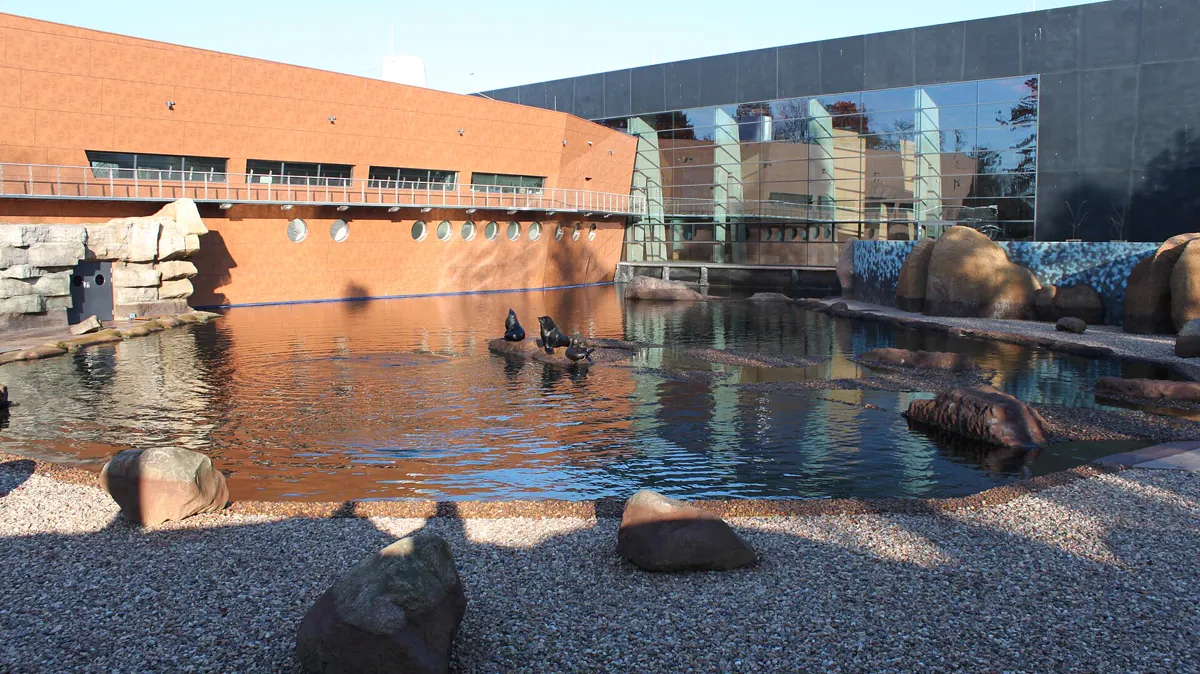
Wrocław Zoo and Afrykarium
Poland's oldest zoo, home to more than 10,000 animals, paired with the Afrykarium, the world's only oceanarium devoted entirely to Africa's aquatic life.
Attraction
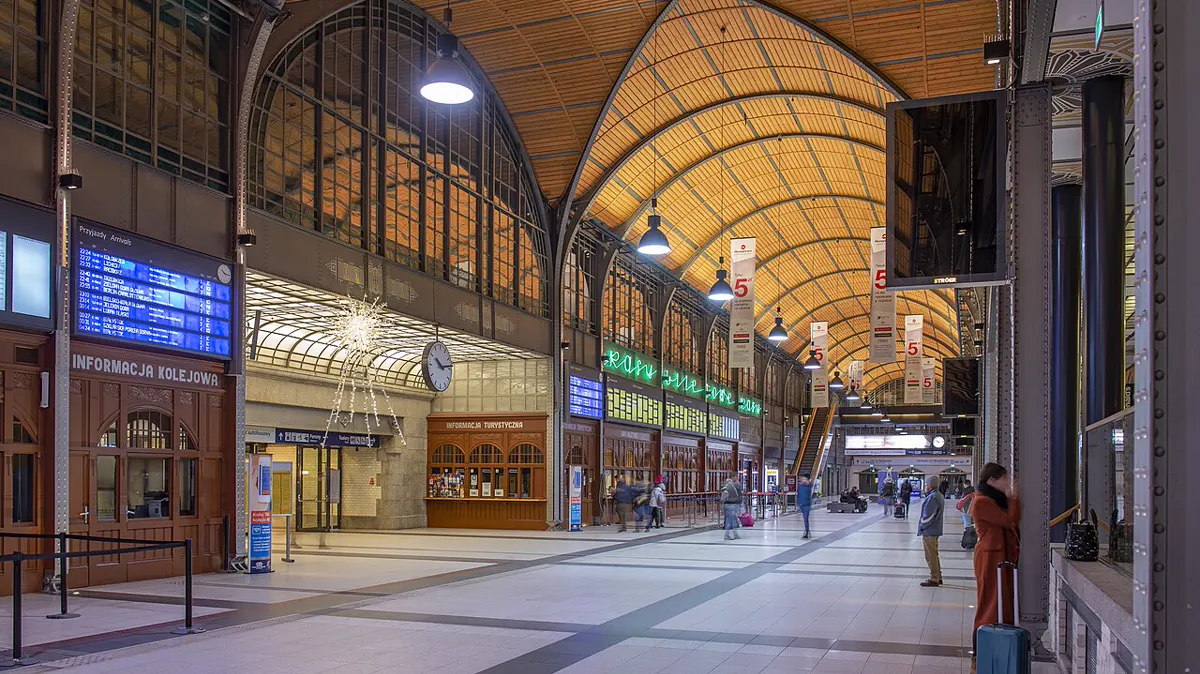
Wrocław Main Railway Station (Wrocław Główny)
Wrocław's main railway station is a castle-like Tudor neo-Gothic terminus from 1857, and for many arriving travellers it is the first thing they see of the city.