National Park in Białowieża
Bialowieza National Park
A fragment of primeval lowland forest, never logged in its core, protecting Europe's largest wild population of bison.
Reviewed and updated June 2026
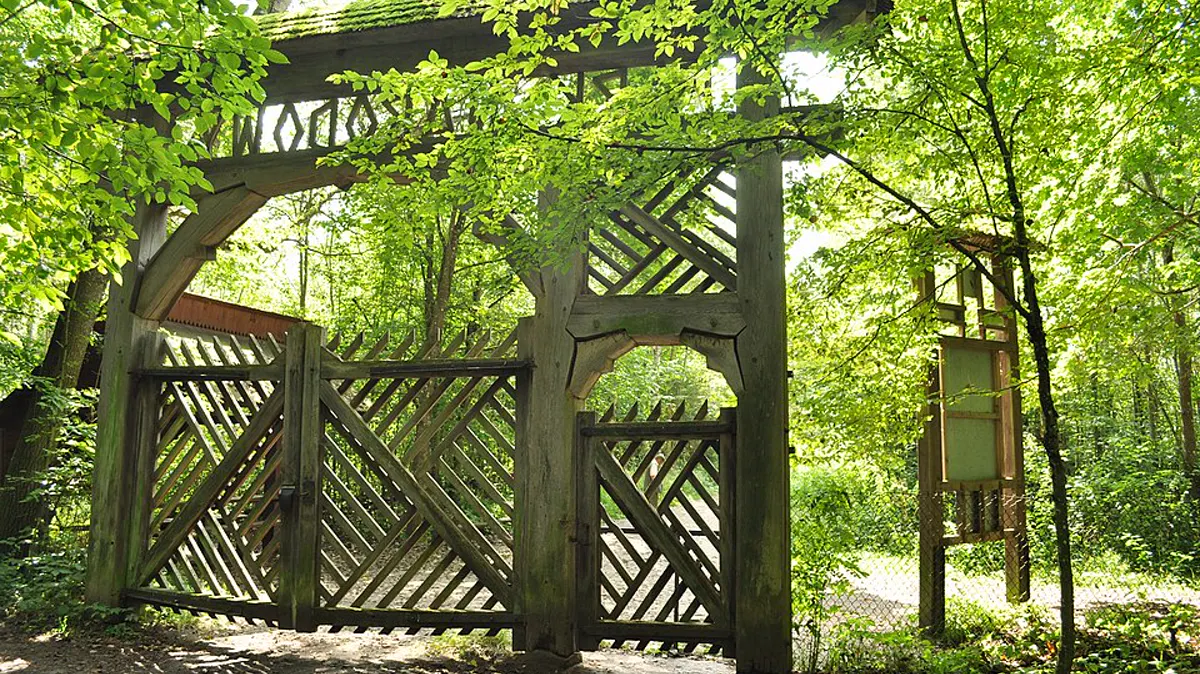
Bialowieza National Park protects the Polish portion of the last great primeval forest of the European lowland. Its strict reserve has been left to nature for generations, with fallen trees allowed to lie and decay, which produces a richness of fungi, insects, birds and mammals found in few other places. The forest is also the stronghold of the European bison. See the Bialowieza guide for the village and where to stay.
Why visit Bialowieza
This is old-growth forest of a kind that has almost vanished from Europe, and walking it is a slow, quiet experience rather than a checklist of sights. The park shares a UNESCO World Heritage listing that crosses into Belarus. For naturalists and birdwatchers it is one of the best destinations in Poland.
The wild bison
The European bison, the heaviest land animal in Europe, was hunted until the wild population died out in the early twentieth century. Animals bred in captivity were later returned to Bialowieza, and several hundred now live wild in the Polish forest, the largest free population anywhere. Seeing one in the open takes patience and an early start. A show reserve near the village keeps bison and other native animals for a more reliable encounter.
Seeing the primeval forest
Entry to the Strict Protection Reserve is controlled. You go on foot, in a small group, with a licensed guide, on a fixed route that protects the fragile core. Beyond it, marked trails and cycle paths let you explore the managed forest more freely, and the park's nature museum sets out what makes the place exceptional. Reserve a guide and permit before you travel.
History of the forest
The forest survived because it was long held as a royal and then imperial hunting ground, which spared its core from the axe. Protection was formalised when the national park was established in 1932, making it the oldest in Poland. The strict reserve at its heart has never been logged.
How long to spend in Bialowieza
Give the area a day or two rather than a rushed trip. A guided walk in the strict reserve takes around three hours, and the show reserve, the museum and the outlying trails fill the rest. The village is remote, so plan an overnight stay.
Best time to visit Bialowieza
Spring and early summer bring the fullest birdsong and long daylight, while autumn is the best time to hear the bison rut. Winter is cold and stark, and snow can make bison easier to spot in open glades. Mornings and evenings are the most rewarding hours for wildlife.
Getting to Bialowieza
The village lies in the far east of Poland, close to the border with Belarus, and there is no regular passenger train. Most visitors drive, or take a bus by way of Hajnowka and the regional capital, Bialystok. From Warsaw the road journey takes several hours, so treat this as a destination in its own right.
Accessibility in the park
Forest trails are unpaved and the strict reserve is covered on foot over uneven ground. Bring boots, layers and insect protection in the warmer months. The museum and show reserve are more accessible; check ahead with the park if you have limited mobility.
What's nearby in Bialowieza
This is a remote corner of the country, but it pairs with other outdoor trips in the northeast:
- The Masurian Lakes, a glacial lake district to the north.
- Warsaw, the usual gateway city to the west.
Good to know
You cannot enter the Strict Protection Reserve without a licensed guide and a permit, both booked in advance. Do not feed or approach wild bison; give them a wide berth and use binoculars.
Common questions about Bialowieza
Will I see wild bison?
Sightings in the open forest are never guaranteed and take luck and an early start. To be sure of seeing them, visit the show reserve near the village, where bison are kept in large enclosures.
Do I need a guide?
For the Strict Protection Reserve, yes: access is only on foot with a licensed guide and a permit. The wider managed forest, with its marked trails, can be explored on your own.
How long should I stay?
Plan for at least one night, ideally two. The village is remote and the forest rewards an unhurried visit, so a rushed day trip does not do it justice.
For more of Poland's wild side, see the lakes and forests of the Masurian lake district and the high peaks around Morskie Oko in the Tatras.
Frequently asked questions
Featured in
More to explore in Białowieża
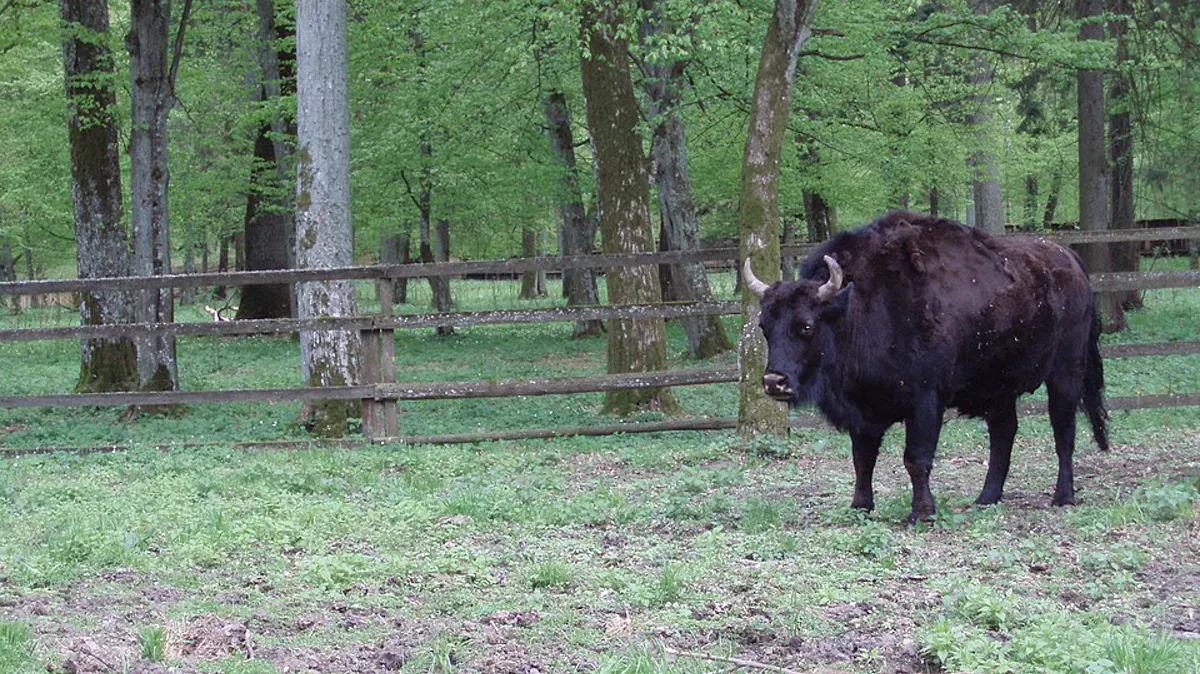
Nature
European Bison Show Reserve
A managed enclosure west of the village where you can reliably see European bison along with wolves, lynx and elk.
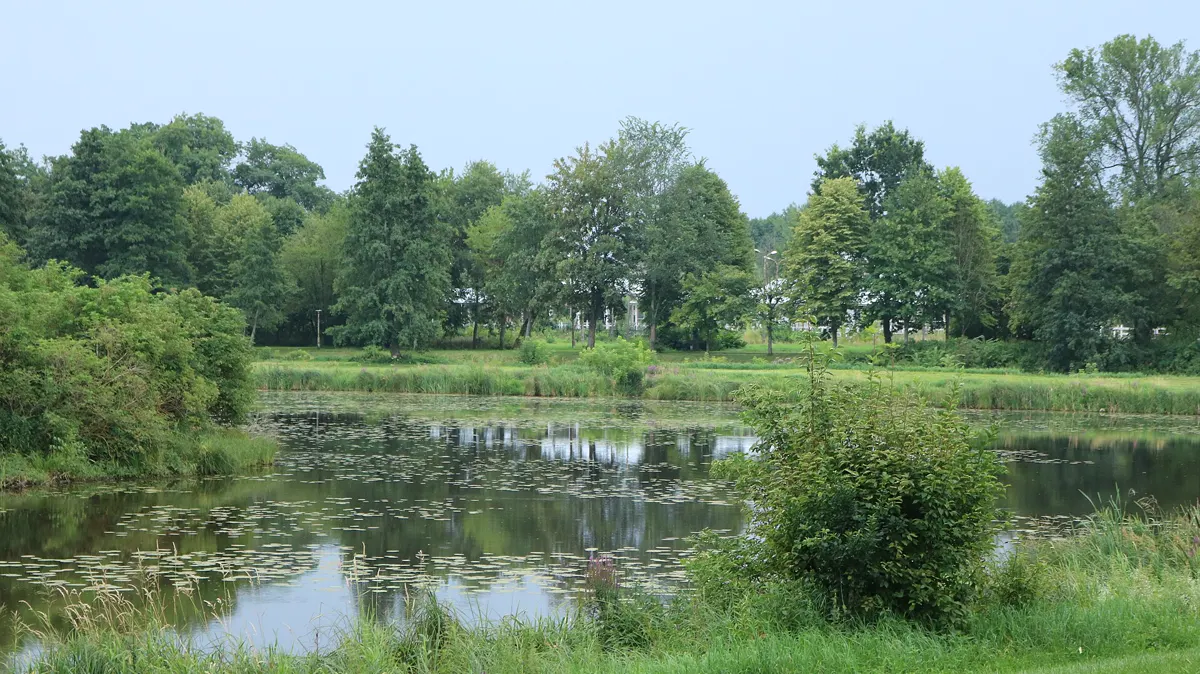
Attraction
Palace Park (Park Pałacowy)
Landscaped grounds around the site of the tsars' burned hunting palace, now the setting for the national park museum.
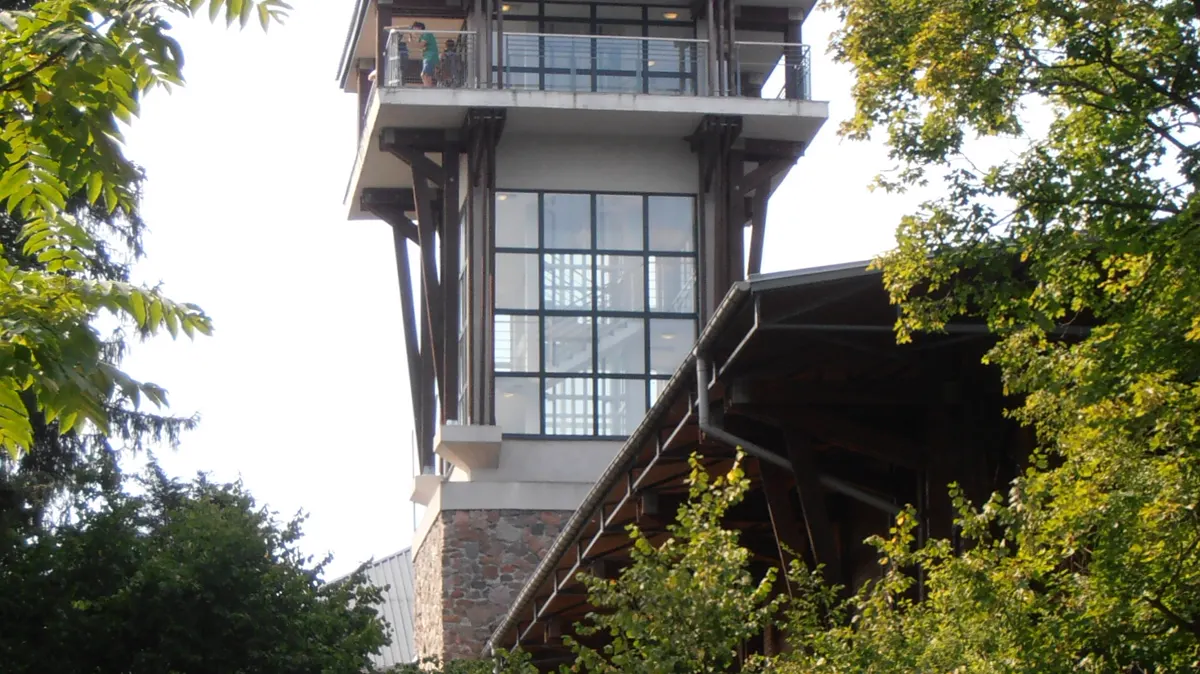
Museum
Nature and Forest Museum (Muzeum Przyrodniczo-Leśne)
The national park's natural-history museum in Palace Park, with forest dioramas and a viewing tower.
Attraction
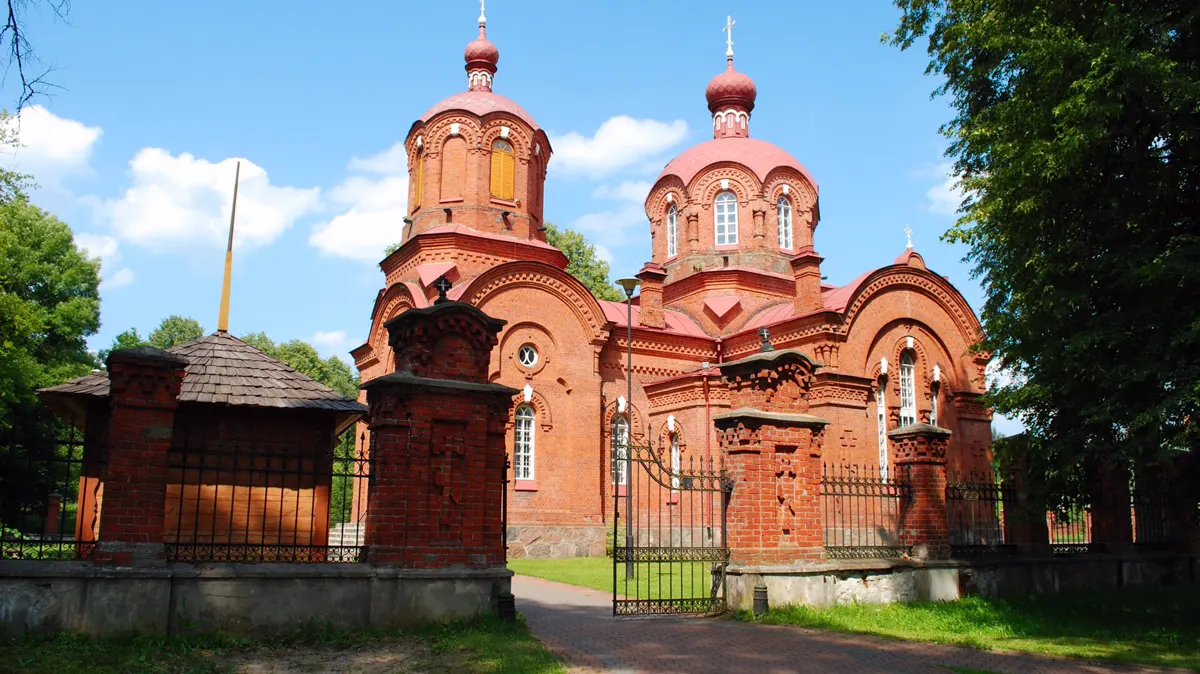
Orthodox Church of St Nicholas
A tsarist-era Orthodox church holding a rare glazed-ceramic iconostasis, unusual in Poland.
Attraction
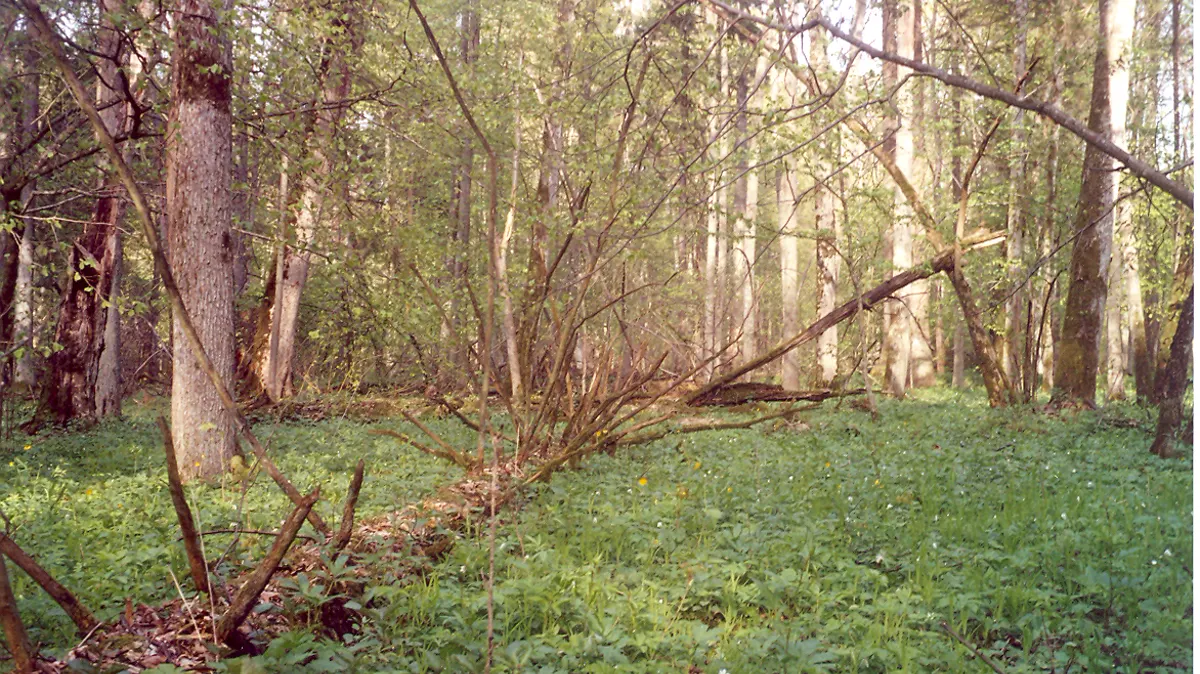
Strict Nature Reserve, Białowieża (Guided Primeval Forest Walk)
The strictly protected core of the Białowieża primeval forest, a UNESCO World Heritage site entered only on foot with a licensed park guide. Visitors walk through old-growth woodland that has never been cleared.
Attraction
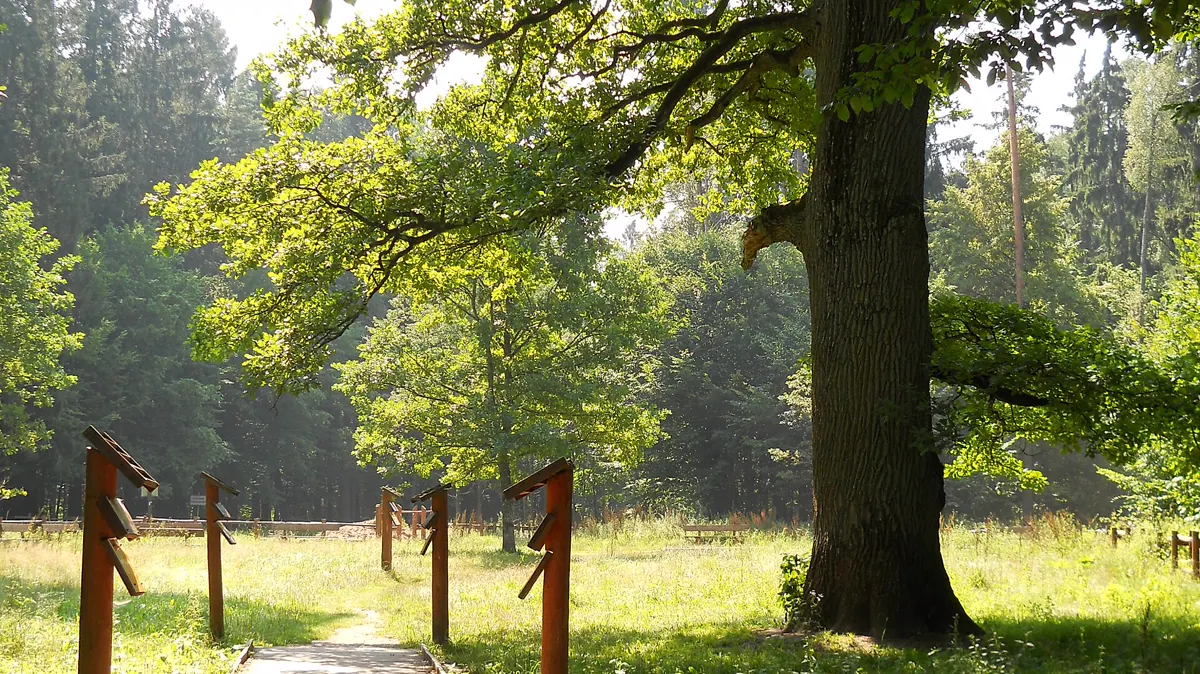
Royal Oaks Trail (Szlak Dębów Królewskich)
A short boardwalk loop in the Stara Białowieża tract that winds past monumental oaks, each named after a Polish king or Lithuanian duke who once hunted in the forest.