Nature in Gdańsk
Westerplatte
The seaside peninsula where WWII began, now a memorial park reached by a summer river boat.
Reviewed and updated July 2026
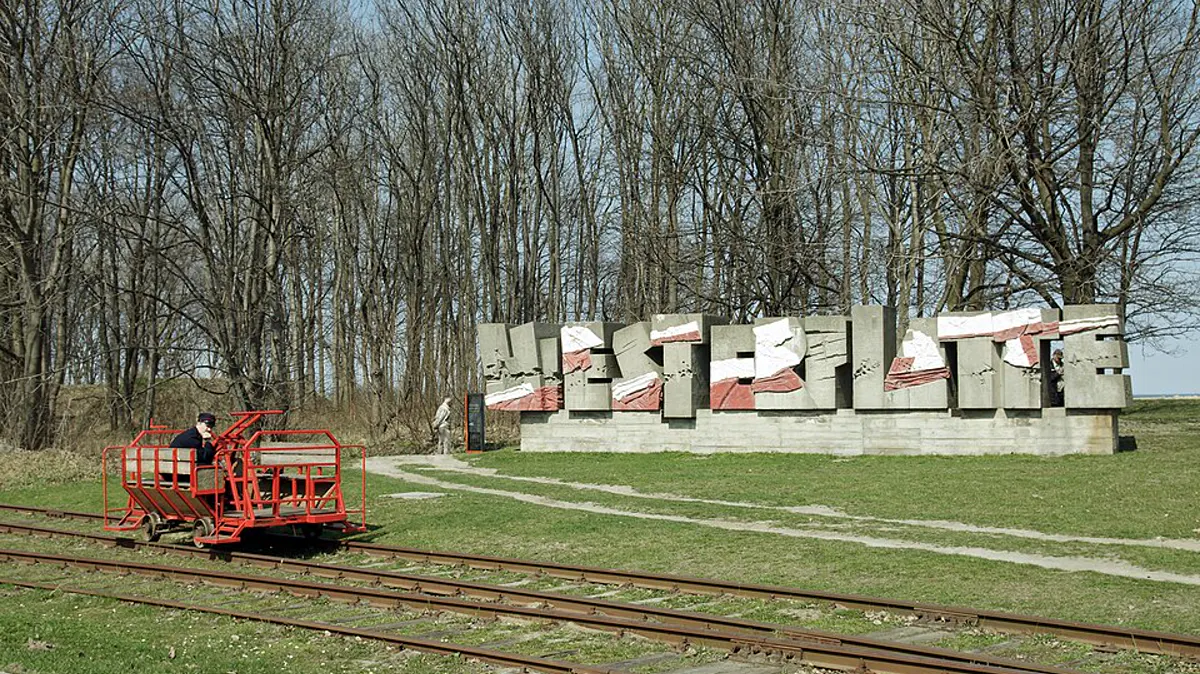
Westerplatte is a low, wooded peninsula at the mouth of the Gdansk harbour channel, where the Motlawa and the port meet the sea. It is where the Second World War began. On 1 September 1939 a German warship opened fire on the small Polish garrison stationed here, and the site is now a memorial park of monuments, ruins and open ground.
Why visit Westerplatte
Few places carry the weight of history that Westerplatte does. Between the wars it held a Polish military depot inside the Free City of Danzig. At dawn on 1 September 1939 the battleship Schleswig-Holstein began shelling it, and a small Polish force held out for seven days against far larger numbers before running out of supplies. The memorial marks that stand. It pairs well with the Museum of the Second World War in the centre for the full story.
What to see at the memorial
The main landmark is the tall stone Monument to the Coast Defenders, unveiled in 1966, a jagged column on a raised mound that you can see from the water. Around the grounds are the ruins of the defenders' barracks and guardhouses, left as they fell, and a preserved guardhouse that has served as a small museum. Information boards along the paths explain the course of the fighting. The setting, open and quiet by the sea, does much of the work.
How long to spend
An hour to ninety minutes on site covers the monument, the ruins and the boards at a walking pace. With the boat or bus journey each way from the centre, budget half a day for the whole outing.
Getting there by river boat
The best way in summer is by river boat from the Motlawa waterfront in the old town, a scenic trip out through the port to the peninsula. Outside the season, or year round, a city bus runs to Westerplatte from the centre. The boats are seasonal, so check they are running before you count on one. For routes and tickets, see the Gdansk guide.
Accessibility
The main paths through the park are broad and mostly firm, and the monument is reached up a gentle mound with steps at the top. The ground is open and grassy in places. The boat and bus each have their own boarding arrangements, so check ahead if step-free access matters.
Nearby on the coast
Westerplatte pairs with the city's 20th-century sites:
- The Museum of the Second World War, near the old town.
- The European Solidarity Centre, at the old shipyard.
- The Crane (Zuraw) and the Motlawa waterfront, where the boats depart.
Good to know
The memorial park is open air and free to walk. There is little shade and few facilities, so bring water and sun cover in summer. Confirm boat sailings and museum hours on their official channels before you set out, as both are seasonal.
Common questions
Why is Westerplatte important?
It is where the Second World War began, on 1 September 1939, when a German warship shelled the Polish garrison here. The defenders held out for seven days, and the site is now a national memorial.
How do I get there from the old town?
In summer, take a river boat from the Motlawa waterfront. Out of season, or if the boats are not running, a city bus goes to Westerplatte from the centre.
Frequently asked questions
More to explore in Gdańsk

Restaurant
Eliksir
A refined tasting-menu restaurant in the Garnizon district of Wrzeszcz, making the most of Baltic ingredients.
Hotel
Hotel Podewils
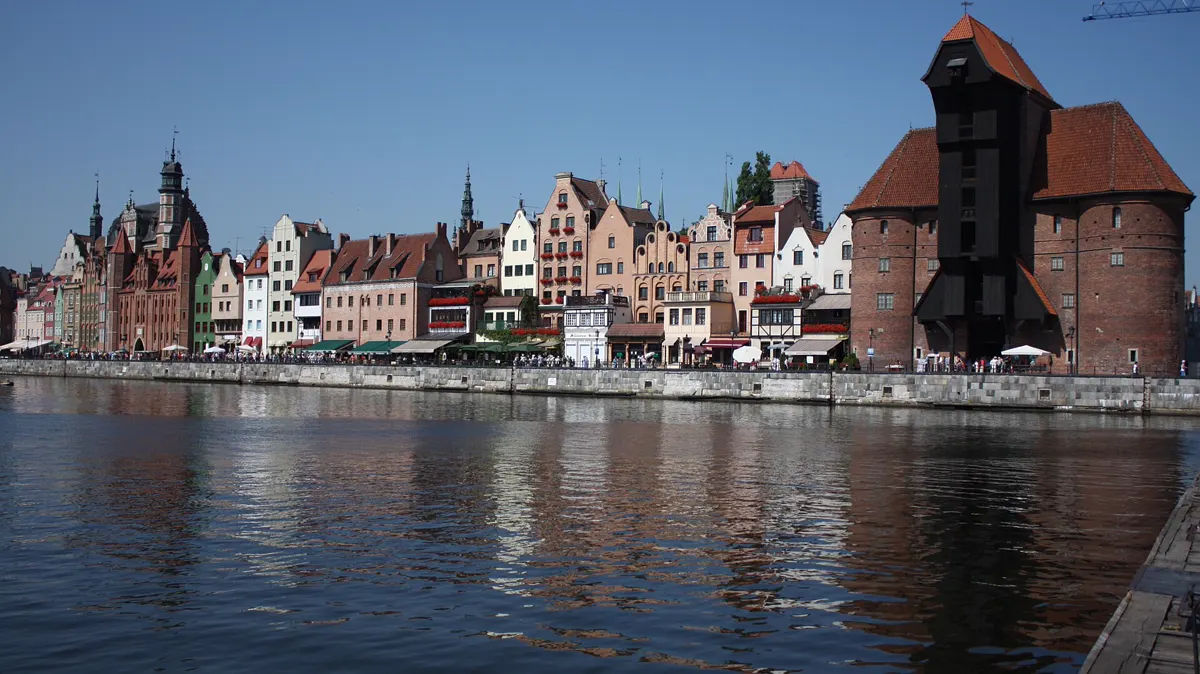
A baroque townhouse hotel right on the marina, facing the old crane across the water.
Attraction
Long Market
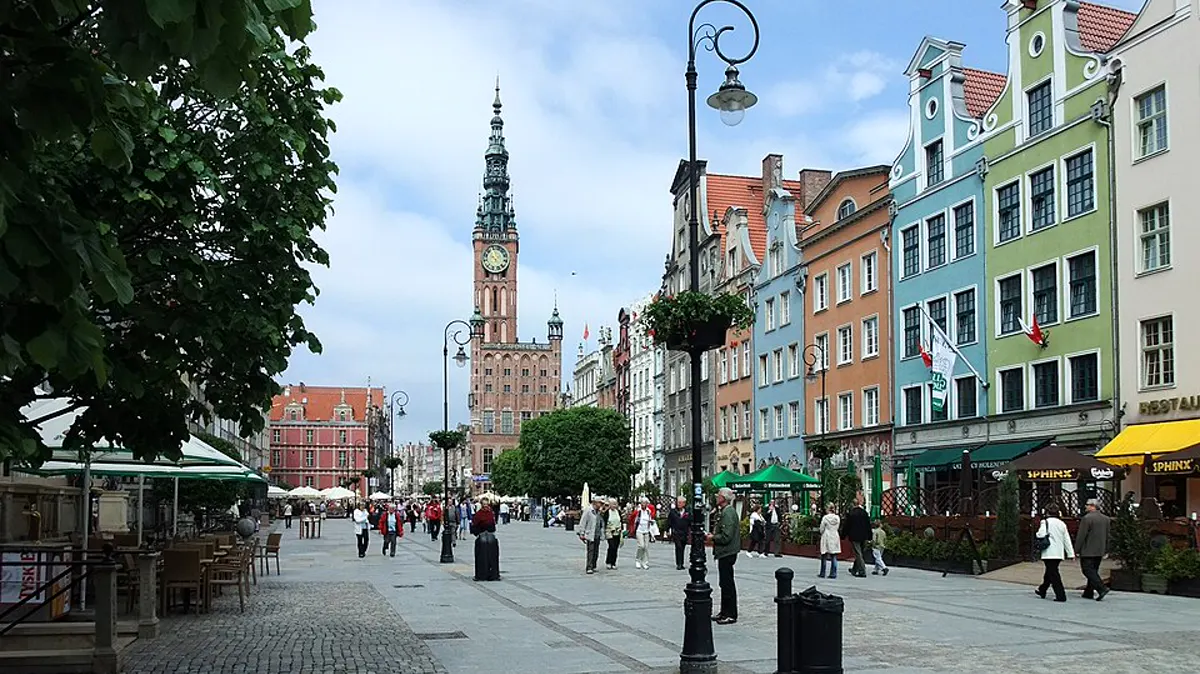
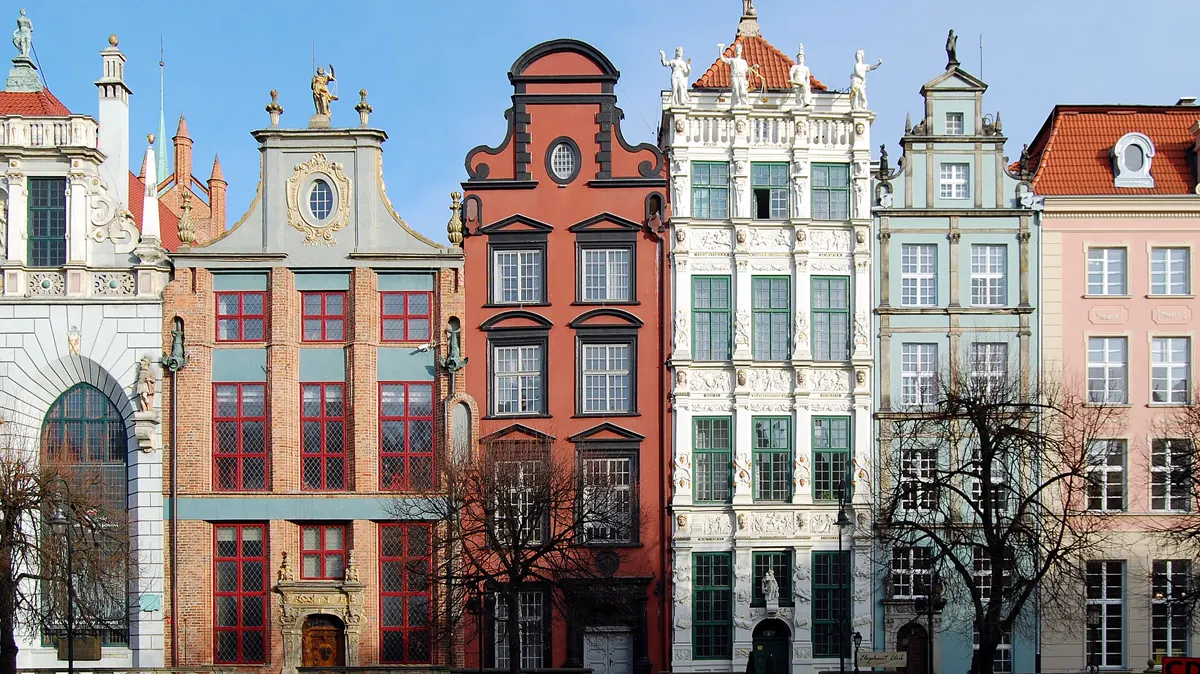
The grand main thoroughfare of Gdansk, a wide promenade of merchant facades running from the Golden Gate to the river.
Castle
Malbork Castle
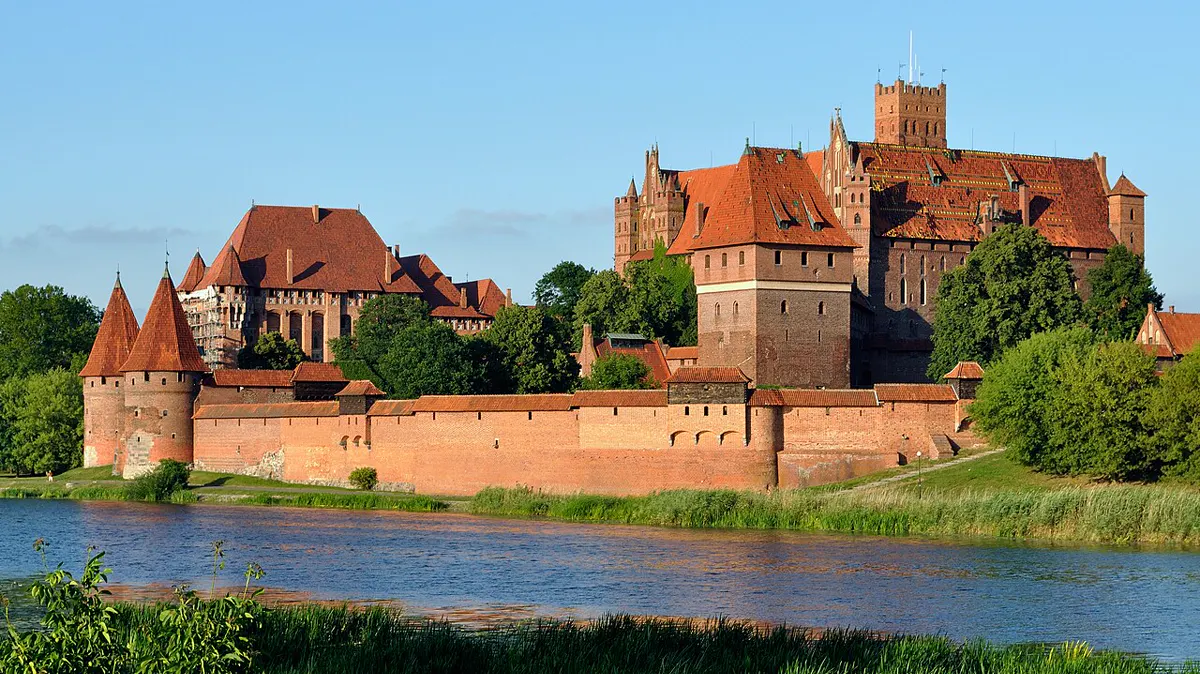
The largest castle in the world by land area, a vast red-brick fortress built by the Teutonic Knights on the Nogat river.
Attraction
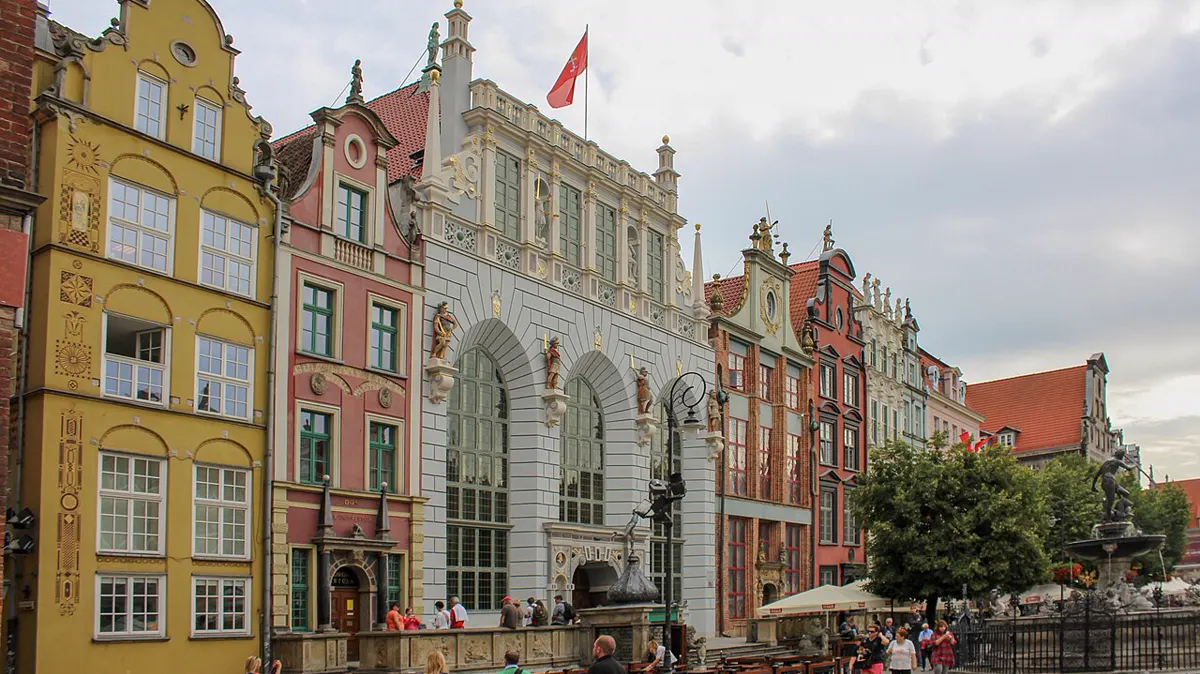
Artus Court (Dwor Artusa)
A grand merchants' meeting hall on Gdansk's Long Market, now a branch of the Museum of Gdansk, home to one of Europe's tallest tiled stoves.
Hotel
Radisson Blu Hotel Gdansk
A refined five-star just off Dluga in the Main Town, steps from the Neptune Fountain, with spacious rooms and a spa.