Nature
Nature in Poland
Mountains, lakes, dunes and old-growth forest.
Poland's landscapes span the Tatra Mountains in the south, the primeval Bialowieza Forest in the east, the Masurian lakes in the northeast and the shifting dunes of the Baltic coast. These are the parks and natural sites we cover, with where to go and when.
All Nature in Poland
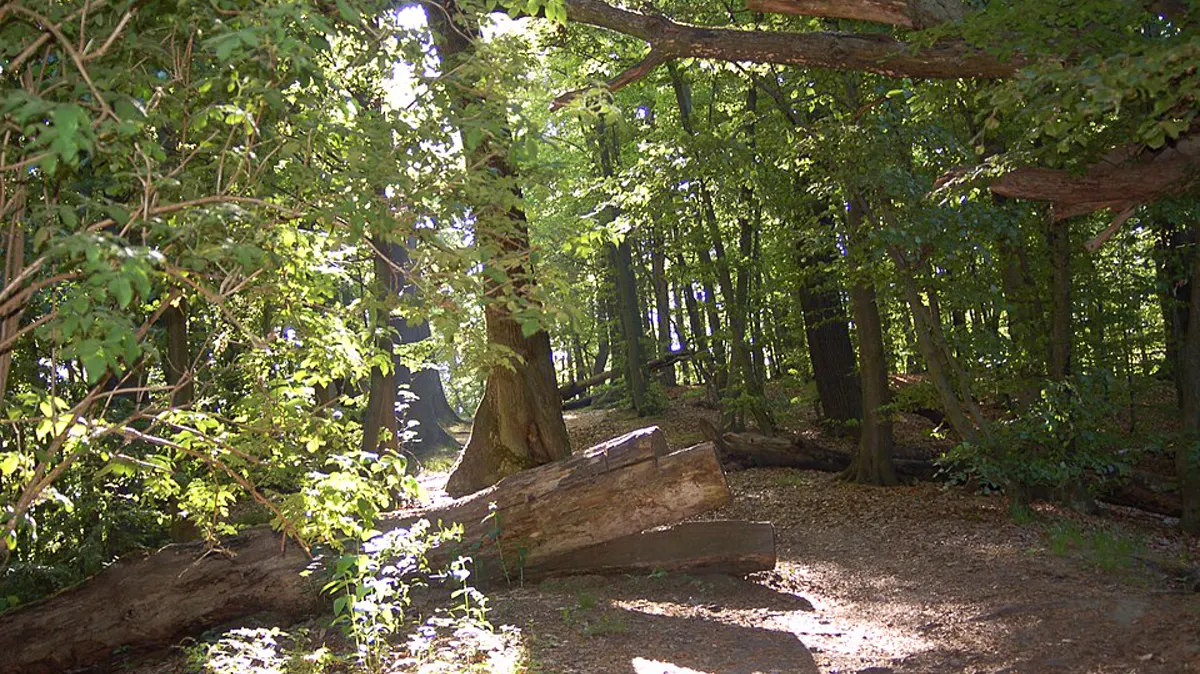
Sopot
Tricity Landscape Park
The wooded hills rising behind Sopot, laced with walking and biking trails above the sea.
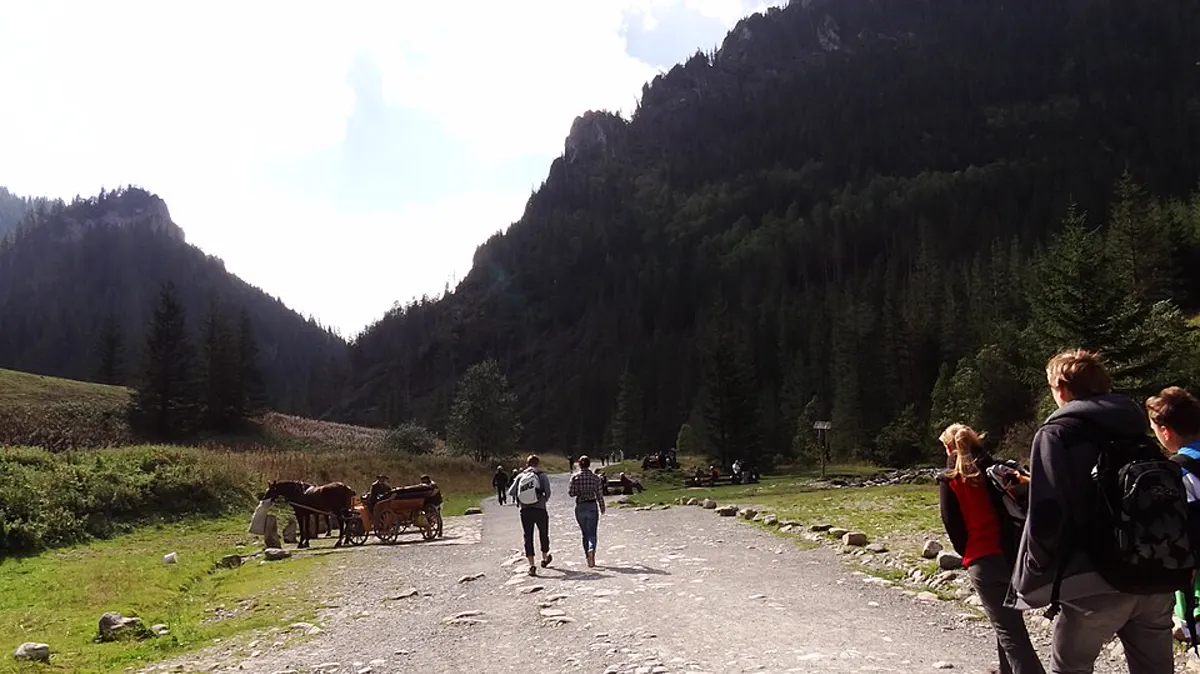
Zakopane
Dolina Koscieliska
A broad, gentle valley of meadows, caves and limestone walls, the easiest of the great Tatra walks.
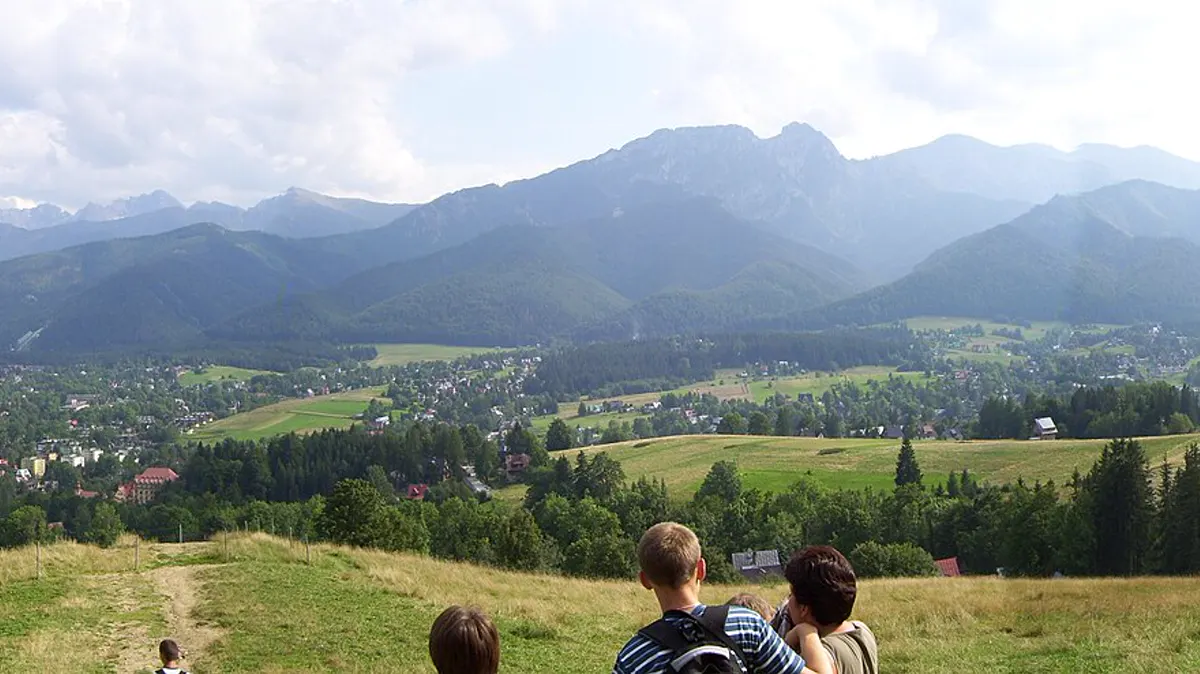
Zakopane
Gubalowka
The ridge above town, up a funicular, for the classic postcard panorama of the Tatra skyline.
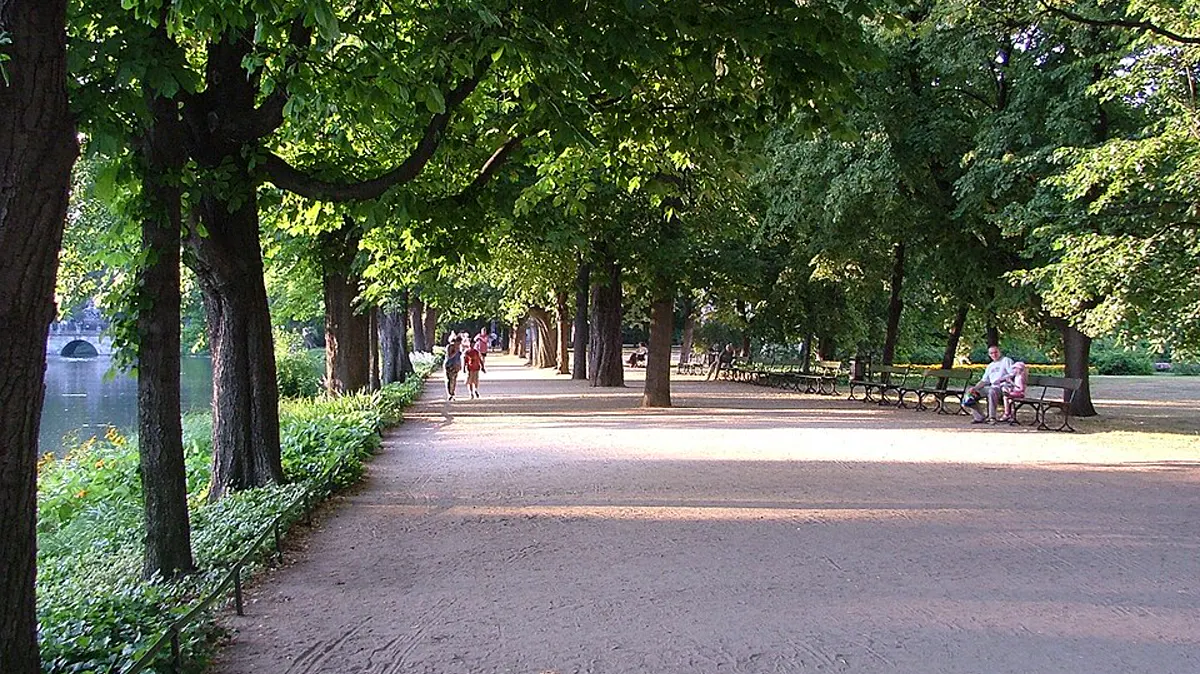
Warsaw
Lazienki Park
Warsaw's largest park, a landscaped royal garden with a palace on an island, peacocks and free Chopin concerts in summer.
Warsaw
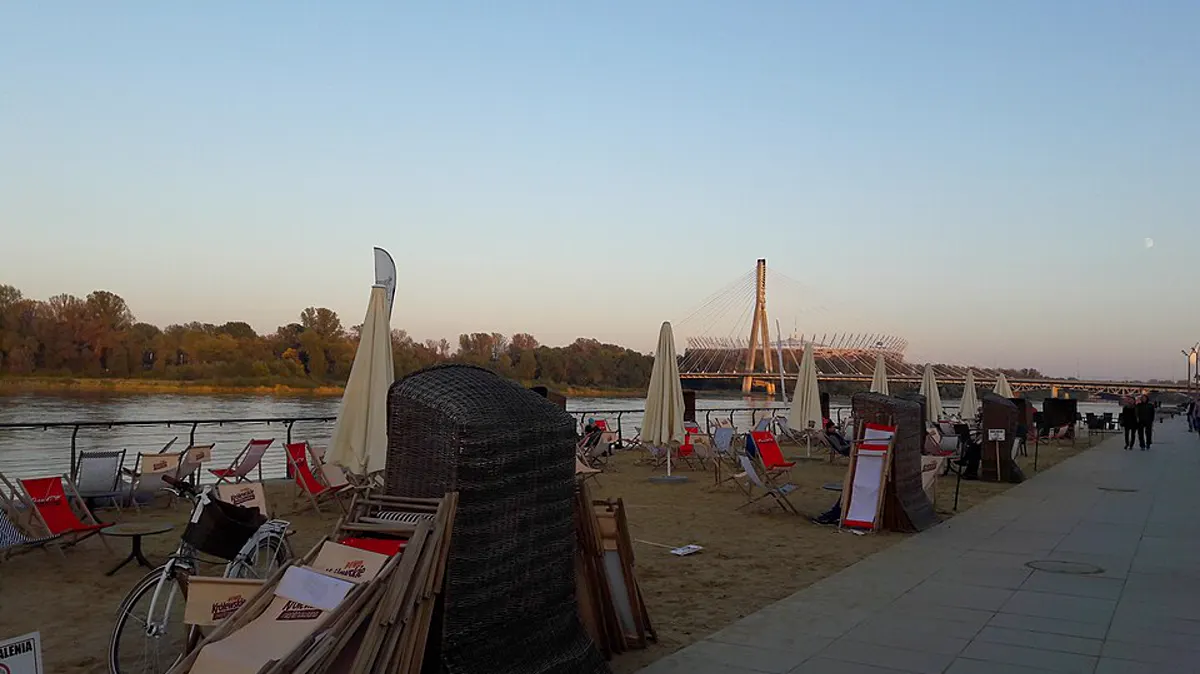
Vistula Boulevards
The revamped riverfront promenade, all bars and beaches on one bank facing wild woods on the other.
Warsaw
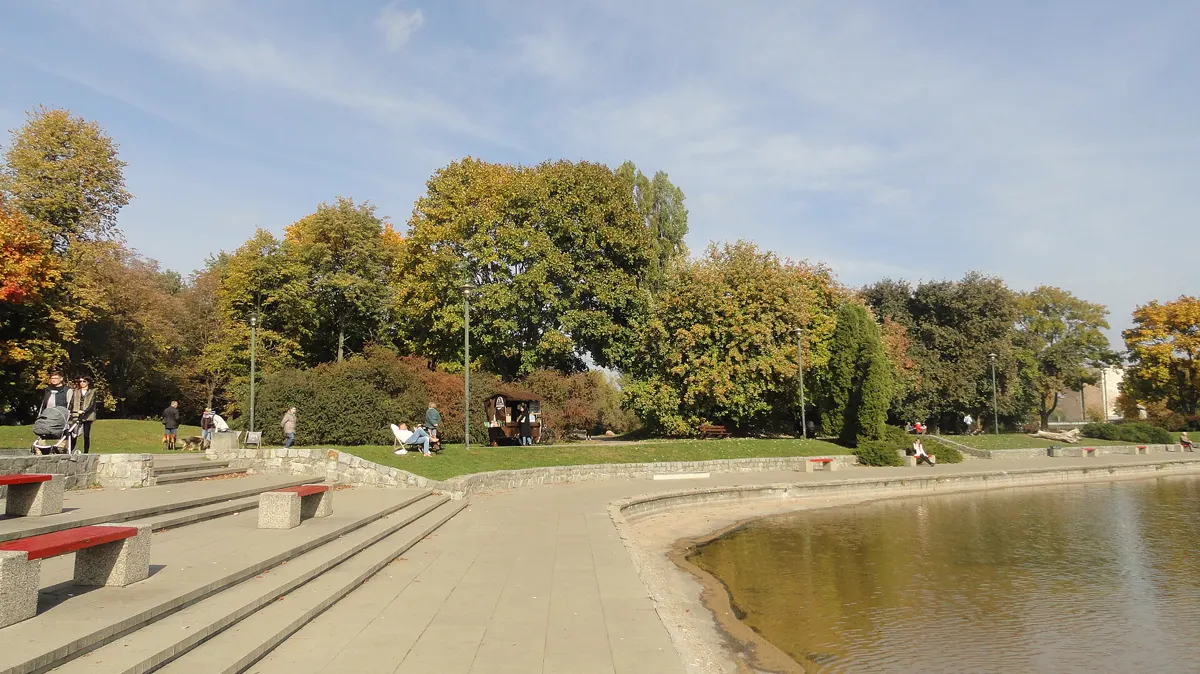
Pole Mokotowskie
A big, easygoing city park where Varsovians run, cycle and picnic.
Zakopane
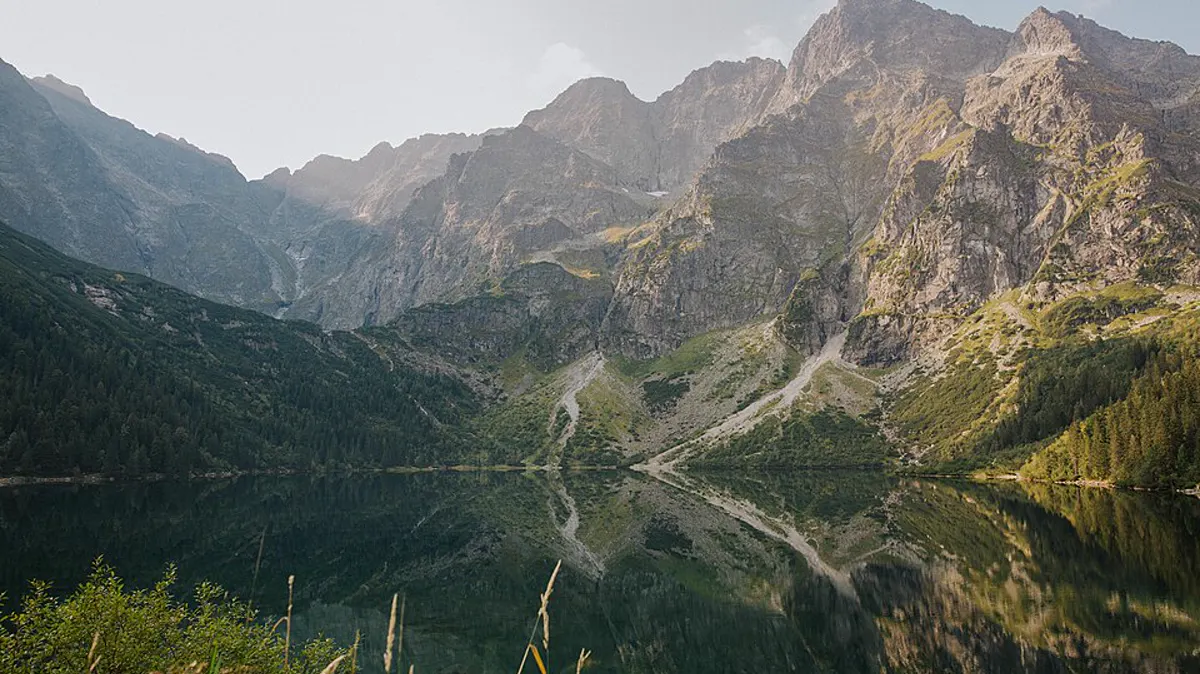
Morskie Oko
The largest lake in the Tatras, a glacial pool ringed by high peaks and the most popular mountain destination in Poland.
Kraków
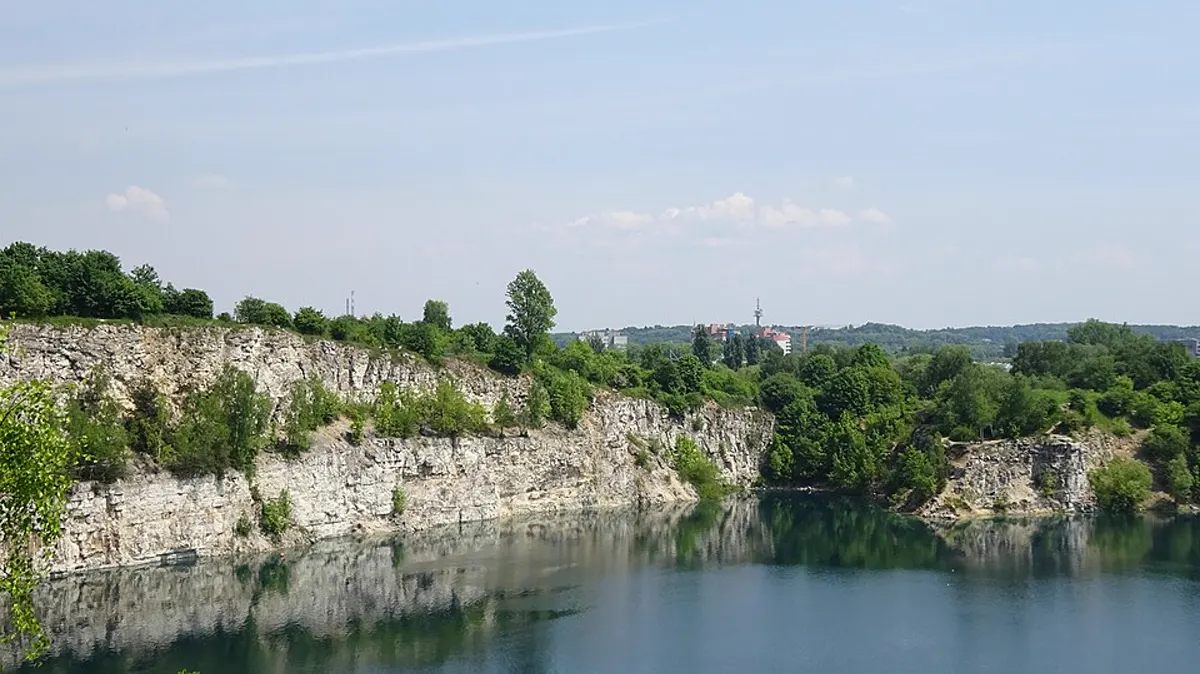
Zakrzowek
A flooded former limestone quarry with startling turquoise water and white cliffs, now a swimming park.
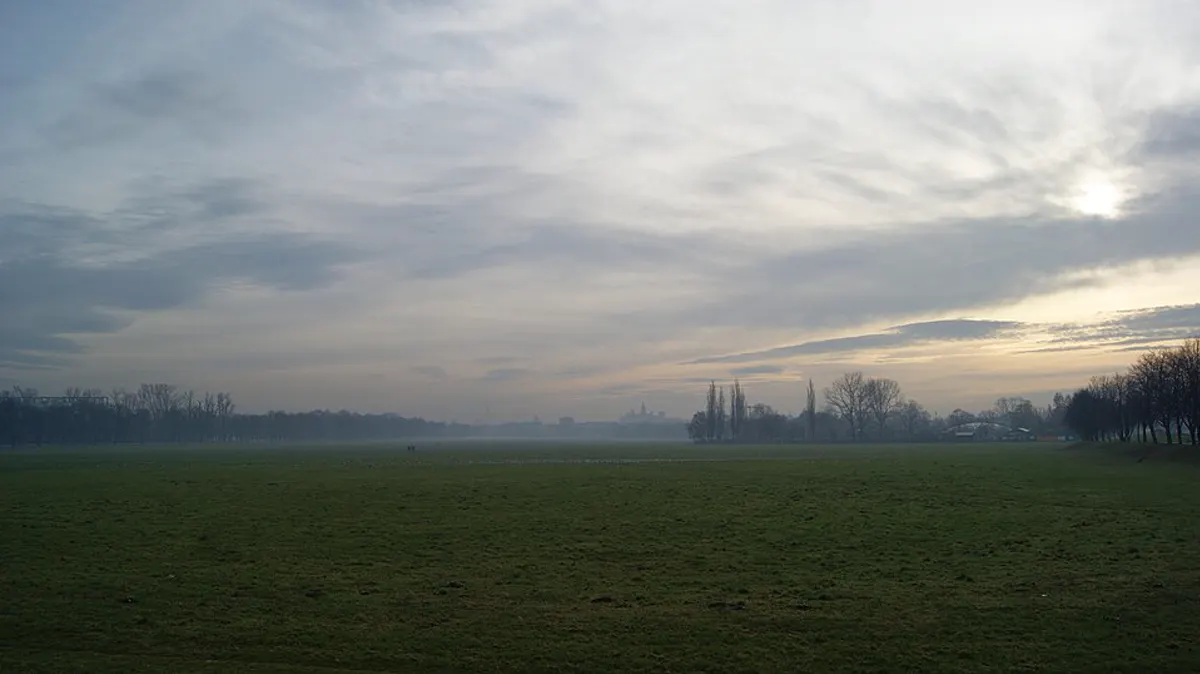
Kraków
Blonia Meadow
A vast open meadow minutes from the centre, used for picnics, cycling and the biggest public gatherings.
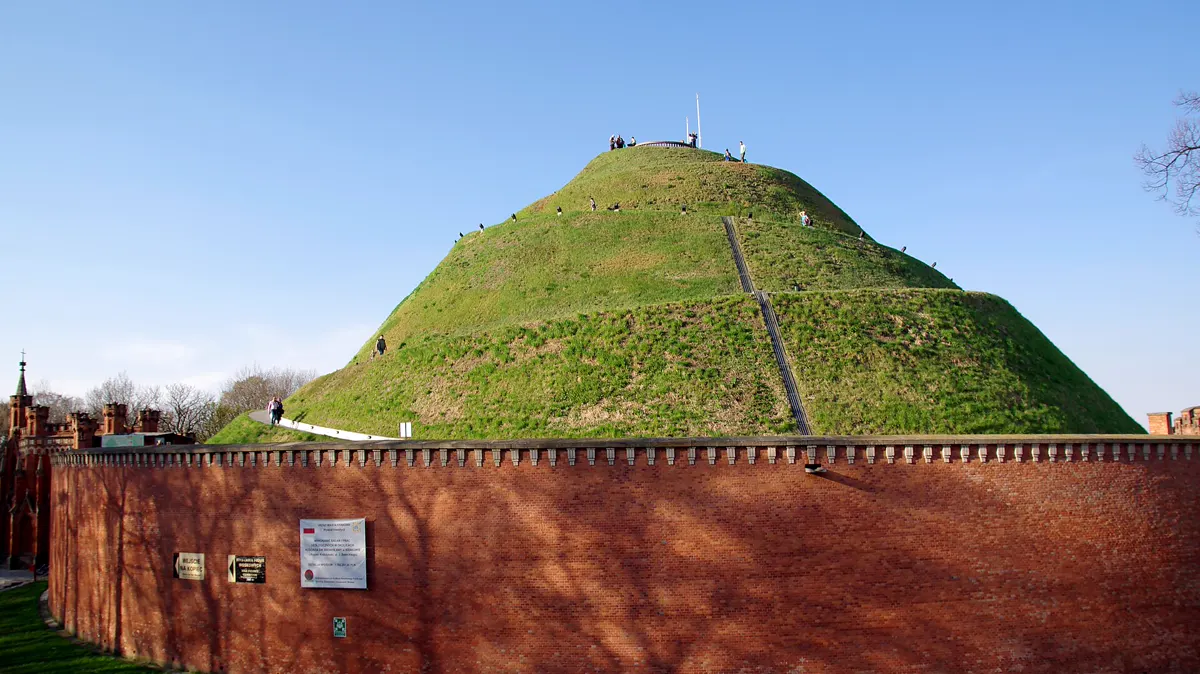
Kraków
Wolski Forest & Kosciuszko Mound
The city's big western woodland, with trails, the zoo and a viewpoint mound over the whole valley.
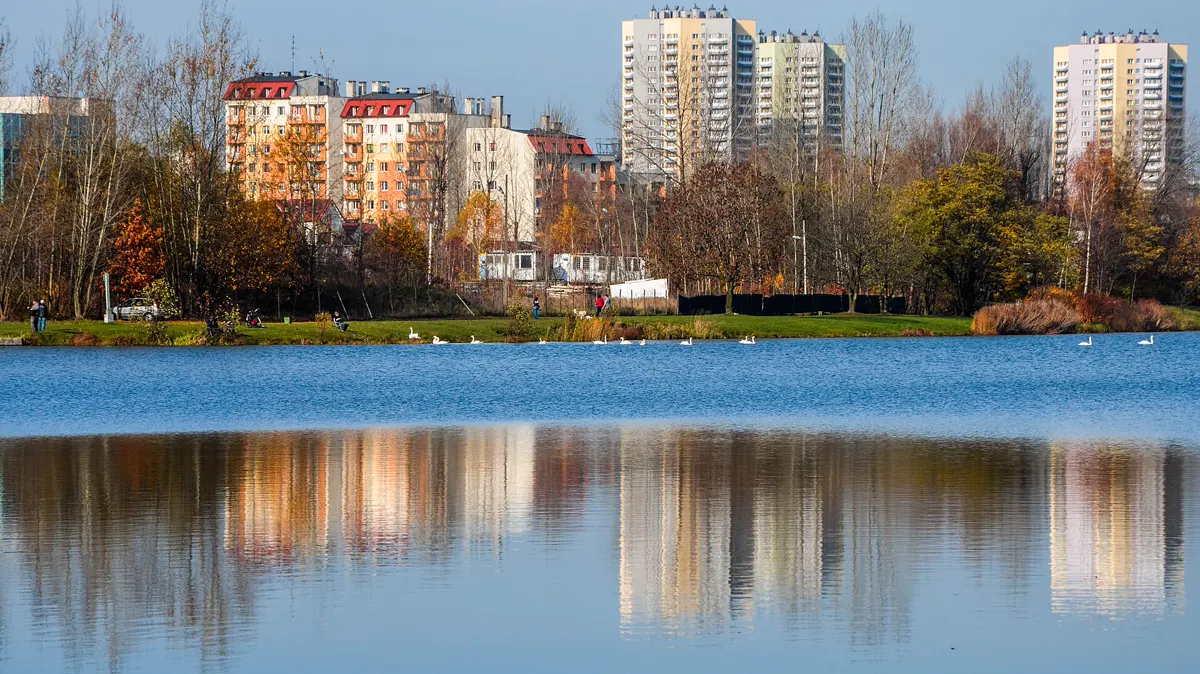
Katowice
Valley of Three Ponds (Dolina Trzech Stawow)
A large lakeside park in southern Katowice for walking, cycling and water sports, and home to the OFF Festival.
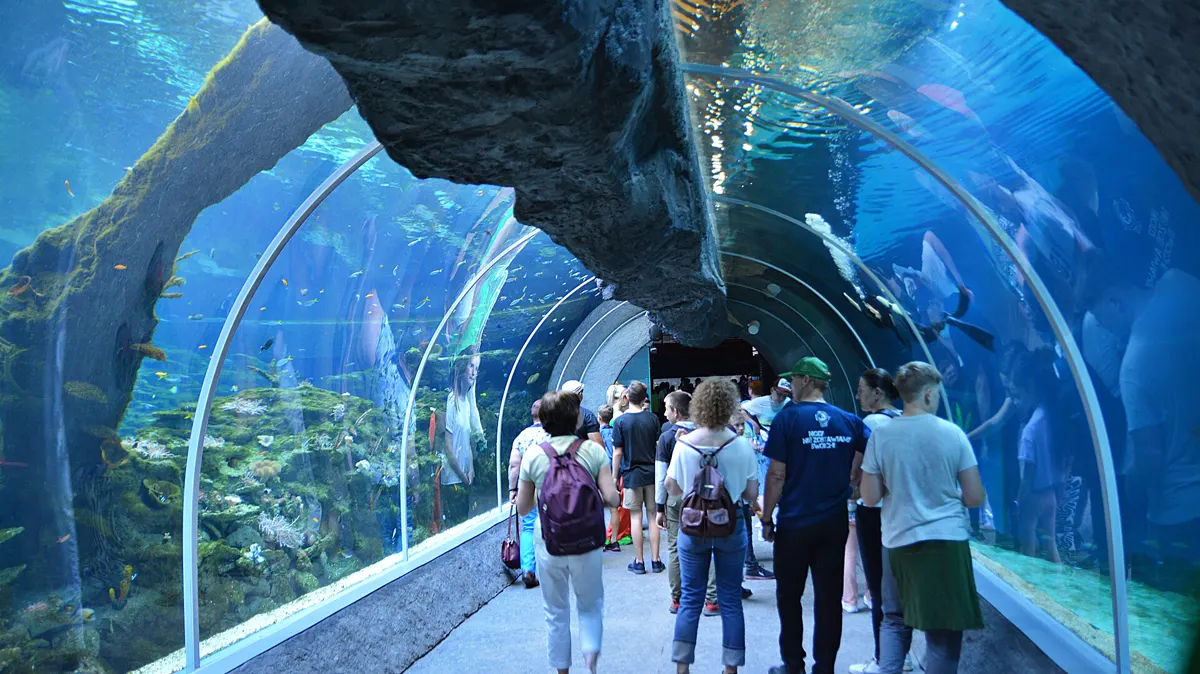
Łódź
Orientarium Zoo Łódź
A modern zoo pavilion built around a South-East Asian theme, with an underwater tunnel running beneath a shark and ray tank.
Poland is greener and wilder than its reputation. It has 23 national parks, from alpine peaks to shifting coastal dunes, plus one of the last primeval forests on the continent. The landscapes divide neatly by corner of the country, so you can match the scenery to where your trip already takes you.
National parks in Poland: mountains, lakes and forest
The Tatra Mountains in the south hold Poland's highest peak, Rysy at 2,499 m, and the glacial lake Morskie Oko above Zakopane. In the northeast, the Masurian Lake District is known as the land of a thousand lakes and draws sailors and kayakers. Along the Baltic, Slowinski National Park protects active sand dunes that move like a slow desert. In the east, the Bialowieza Forest is the last large lowland primeval forest in Europe and home to around 900 wild European bison.
Best time to visit Poland for the outdoors
Summer suits the lakes, the coast and high mountain trails, when paths are clear of snow. Late spring and early autumn are quieter for walking, and winter brings skiing and snowshoeing to the Tatras. For the full seasonal picture, see when to visit Poland.
Best hiking and lakes in Poland
For routes and standouts, browse the best hiking and the best lakes, or reach the mountains and forest as a day trip from a nearby city.
Nature by city
Travel guides
Krakow Golf Cart Tours: The Four Routes, Compared
Four electric cart routes cover the Old Town, Kazimierz, the ghetto in Podgorze and Schind...
Best Castles in Poland
From the Teutonic fortress at Malbork to the royal seats at Wawel and Warsaw, the Polish c...
3 Days in Krakow
A practical three-day plan for Krakow, pairing the Old Town and Wawel with Kazimierz and o...
Things to Do in Krakow
The sights, neighbourhoods and day trips that make Krakow worth several days, ranked by ho...