Nature in Poznań
Cytadela Park
The city's largest park on a former fortress hill, dotted with striking open-air sculpture.
Reviewed and updated July 2026
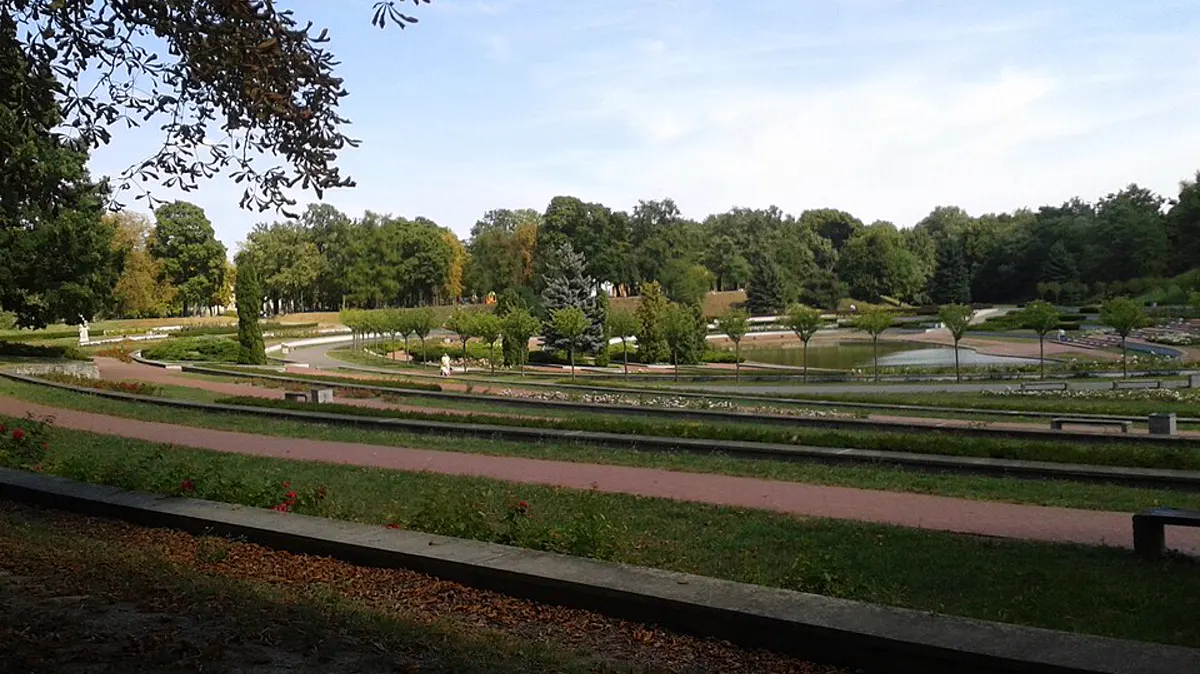
Cytadela is the largest park in Poznan, spread over around 100 hectares on Winiary hill, north of the Old Town. The ground was once Fort Winiary, the core of the Prussian fortress ring built around the city in the 19th century. Today wide lawns and woodland cover the slopes, but the memorials, cemeteries and old fort walls keep the history in plain sight, so this is a walk with a serious past behind it.
Why visit Cytadela Park
Cytadela is where Poznan comes to breathe. It is the biggest green space in the city, large enough that the crowds thin out. It also carries the weight of the fortress and the fighting of 1945, alongside one of the most talked-about outdoor sculptures in Poland. You can treat it as a park walk, a history lesson, or both.
Open-air sculpture to see
The best-known sight is Nierozpoznani, or The Unrecognised, a field of 112 headless cast-iron figures by the artist Magdalena Abakanowicz, long associated with Poznan. Each stands about two metres tall, and the group was unveiled in 2002 for the city's 750th anniversary. Two small museums sit in the surviving fort buildings, the Poznan Army Museum and the Museum of Armaments, with heavier military hardware displayed outside. On the southern slope are war cemeteries, including a Soviet soldiers' cemetery and a Commonwealth war cemetery. The paths between them are long and green.
The fortress hill history
Fort Winiary was built by the Prussians as part of Festung Posen, the ring of forts that turned Poznan into a garrison city. Work began in 1828 and the main fort was completed by 1842. In 1945 it became the last German strongpoint in the Battle of Poznan and held out until Soviet troops took it on 23 February. Most of the fortress was cleared after the war, and the hill was reshaped into the park you see now.
How long to spend
Allow an hour or two for a loop of the park. Add more to go inside the museums or walk the cemeteries. The grounds are large, so it is easy to spend a whole morning here.
Getting to the park
Cytadela is a short tram ride or a walk north of the centre. From the Old Town, head up through the older streets to the southern entrances, where the sculpture and the museums are closest. See the Poznan guide for getting around the rest of the city.
Nearby in Poznan
The park pairs well with the sights back in the centre and the city's other green space:
- The Old Market Square and its noon goats, a short way south.
- The Palm House in Wilson Park, on the far side of the centre.
- Lake Malta, for lakeside trails east of town.
Good to know
The park is open and free at all hours. It is large and partly wooded, so allow time and wear comfortable shoes. The two museums keep their own opening days and tickets, so check their official channels.
Common questions about Cytadela
Is Cytadela free to visit?
Yes. The park is a public space, open day and night at no charge. You only pay to go inside the Poznan Army Museum or the Museum of Armaments, which keep separate hours.
What are the figures in the park?
They are Nierozpoznani, The Unrecognised, a group of 112 headless cast-iron figures by Magdalena Abakanowicz, unveiled in 2002 for the city's 750th anniversary.
Frequently asked questions
More natures in Poznań
More to explore in Poznań
Hotel
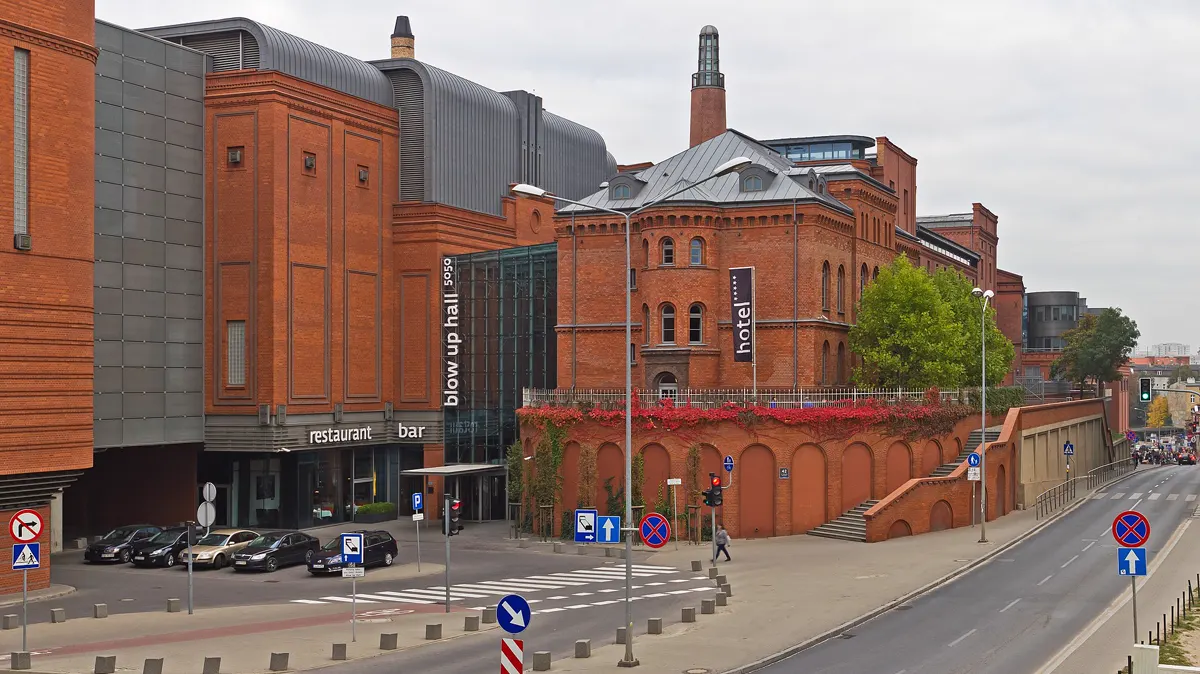
Blow Up Hall 5050
A striking art-design hotel inside the Stary Browar complex, with keyless art-app rooms.
Attraction
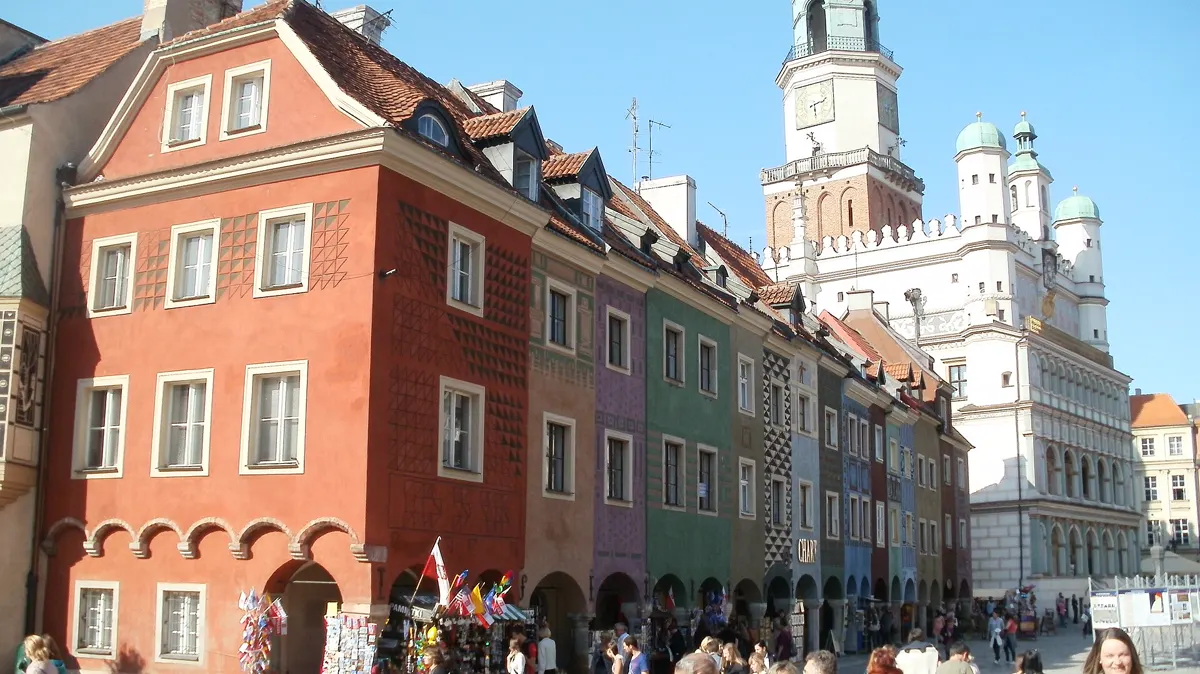
Old Market Square
The Renaissance heart of Poznan, where two mechanical goats butt heads on the town hall clock every day at noon.
Attraction
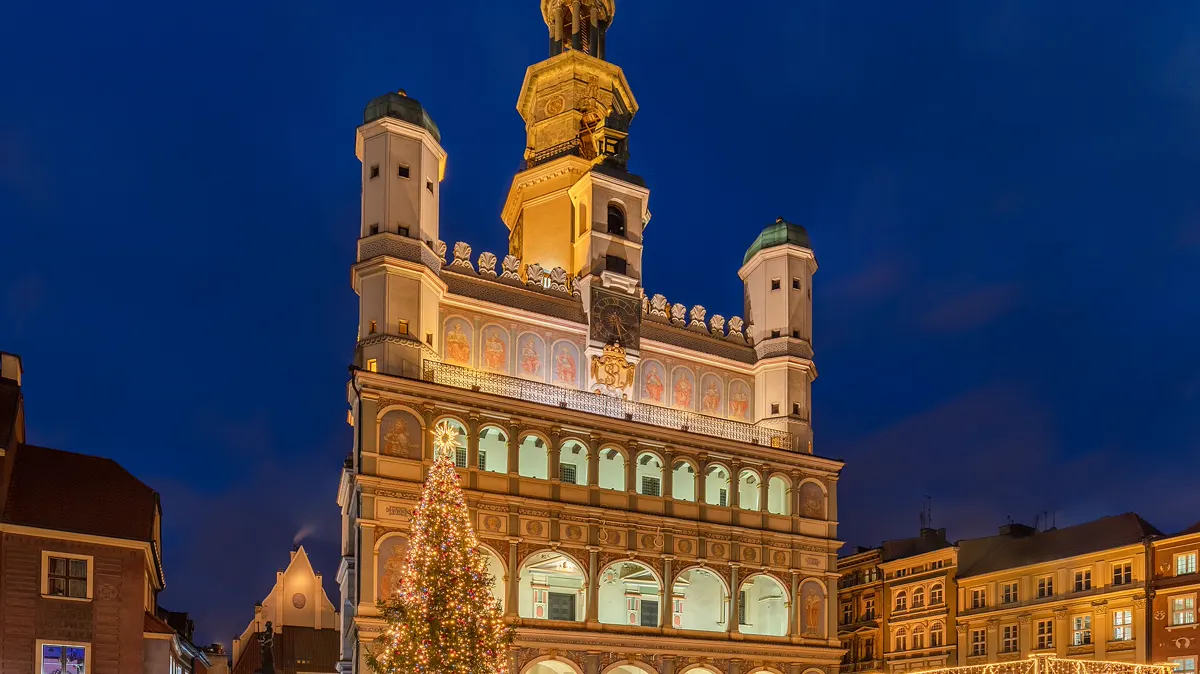
Ratusz i koziolki
At noon two mechanical billy goats emerge above the Ratusz clock and butt heads twelve times, drawing a crowd every single day. The Renaissance town hall, remodelled by Giovanni Battista di Quadro, also houses the city's history museum.
Attraction
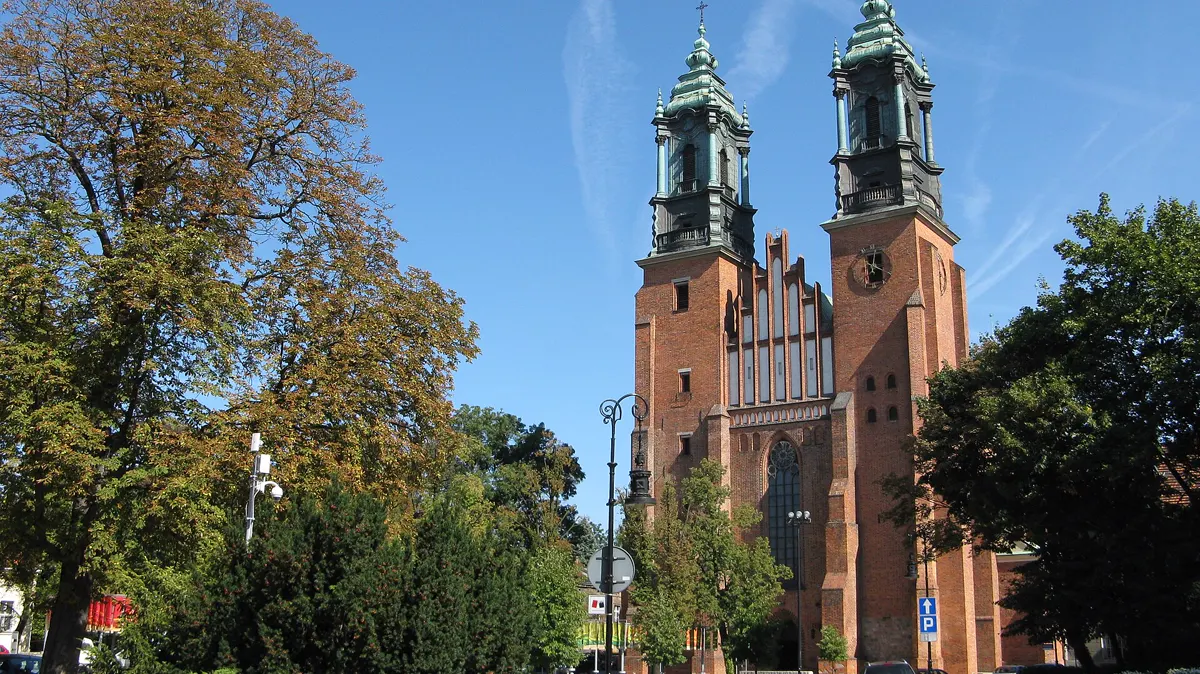
Katedra
The Archcathedral Basilica of St Peter and St Paul is Poland's oldest cathedral, first raised in the 10th century. Its Golden Chapel holds the tombs of the first Polish rulers Mieszko I and Boleslaw Chrobry.
Attraction
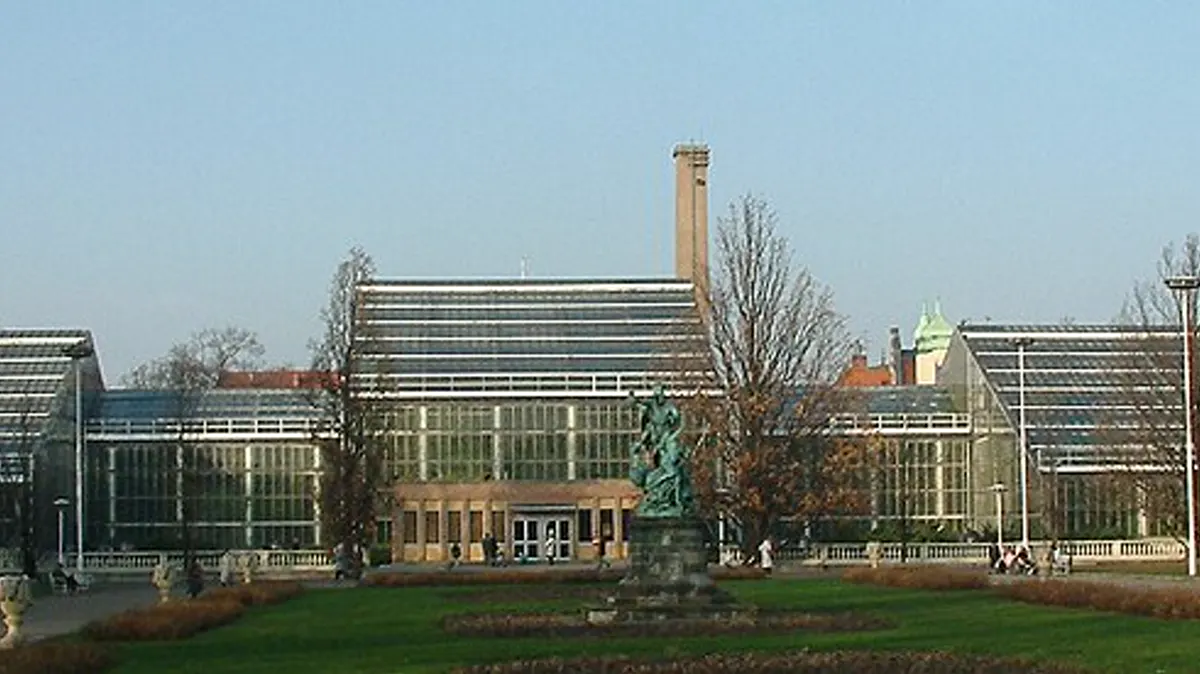
Palmiarnia
One of the largest palm houses in Europe, sheltering thousands of plant species across ten climate pavilions. Towering palms, cacti and a freshwater aquarium fill the glass halls in Wilson Park.
Attraction
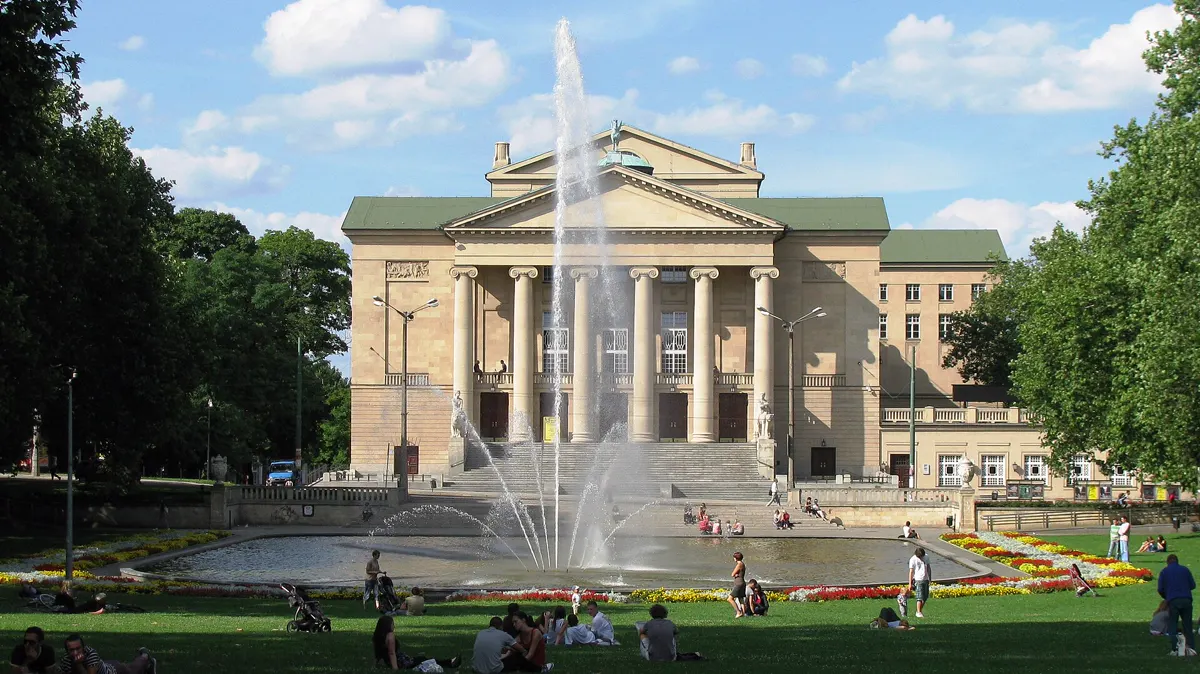
Grand Theatre (Moniuszko Opera House)
Poznań's main opera house, a neoclassical landmark from 1910 topped by a bronze Pegasus, staging opera and ballet in the city centre beside Adam Mickiewicz Park.