Nature in Olsztyn
Masurian Lakes
A glacial maze of interconnected lakes and forest in the northeast, Poland's prime region for sailing, kayaking and slow summers on the water.
Reviewed and updated June 2026
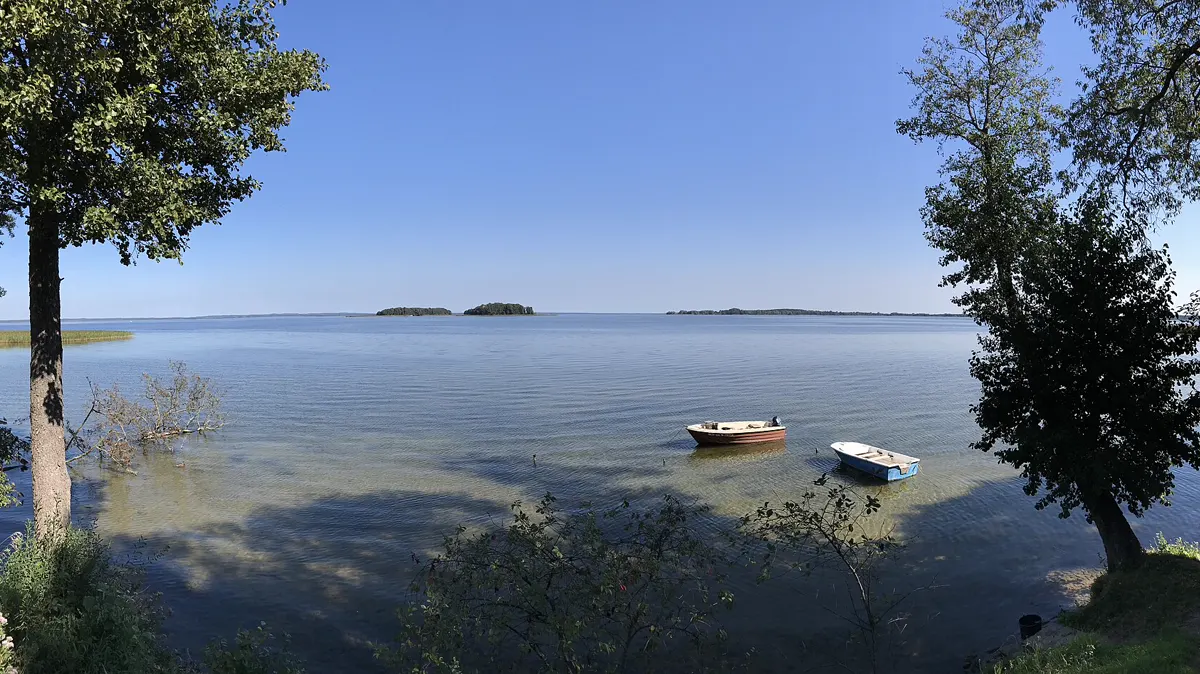
The Masurian Lake District, the Land of a Thousand Lakes, spreads across the northeast in a landscape shaped by retreating glaciers. Thousands of lakes, many linked by natural and cut channels into navigable systems, thread through forest and farmland. It is the country's foremost outdoor playground on the water, and Olsztyn is the usual gateway from the west.
Why visit the Masurian Lakes
Masuria is where Poland goes to sail, paddle and slow down. The scale of the water is real: you can cross a linked chain of lakes by boat for days at a time, mooring at a different town each night. Away from the marinas the region is quiet, green and thinly populated, which makes it as good for a still morning on a kayak as for a week under sail.
On the water in Masuria
Two great lakes anchor the region. Sniardwy is the largest in Poland and Mamry the second largest, and between them they form the core of a system you can navigate for days. Towns like Gizycko and Mikolajki are the main bases, with marinas, sailing schools and yacht charter. For something quieter, the Krutynia trail winds for roughly a hundred kilometres through smaller lakes and rivers, with gentle current and no serious rapids, one of the best beginner-friendly paddling routes in Europe.
Beyond the boat in Masuria
Not everything is on the water. Forest trails and cycle paths link the resorts, and the lakeside towns have their own draws, from the human-powered swing bridge on the canal at Gizycko to the wooden-house waterfront at Mikolajki. Birdlife is abundant in the reedbeds and reserves.
How long to spend in Masuria
A long weekend based in one resort gives a taste, with day sails or short paddles. To do it properly, allow a week and move between towns by boat, or follow the Krutynia trail over several days. Distances by road are real, so plan around the water.
Best time to visit the Masurian Lakes
Masuria comes alive from June to August and largely shuts down out of season. Time a visit for the warm months, and book boats and lakeside rooms well ahead in the July and August peak. Late spring and early September are quieter and often just as pleasant on the water, though many marinas and charters close out of season.
Getting to the Masurian Lakes
Olsztyn is the gateway city from the west, with rail and road links onward to the lake towns, and trains also reach Gizycko and Mikolajki. Public transport within the region is thin, however, so a car makes it far easier to move between resorts, or better still, explore from the deck of a boat.
Accessibility around the lakes
The main resort promenades and marinas are reasonably level, but jetties, boats and forest trails are harder going and often uneven. If mobility is a concern, base yourself in a larger town like Gizycko or Mikolajki and choose a passenger cruise, which is the easiest way to get out on the water.
What's nearby in Masuria
Masuria pairs with the other wild landscapes of the northeast:
- Bialowieza National Park, the primeval forest and bison country to the south.
- Warsaw, the nearest major city and a common starting point.
Good to know
Sniardwy and Mamry are large enough to build real waves in a wind, so check conditions and, if hiring a boat, be honest about your experience. Book charters and lakeside rooms early for July and August.
Common questions about Masuria
Do I need a boat licence?
Rules vary by craft. Small sailing boats and kayaks can often be hired without a formal qualification, while larger yachts and motorboats may require a licence. Check the exact requirements with the charter operator before you book.
Which are the largest lakes?
Sniardwy is the largest lake in Poland and Mamry the second largest, both in the eastern part of the district. Together they anchor the main navigable network.
Is it worth visiting out of season?
The region is built around the summer, and many services close outside it. Late spring and early autumn can be rewarding and quiet, but in the depths of the off-season expect much to be shut.
To carry on into wild Poland, read about the primeval forest and bison at Bialowieza and the mountain lakes around Morskie Oko.
Frequently asked questions
More natures in Olsztyn
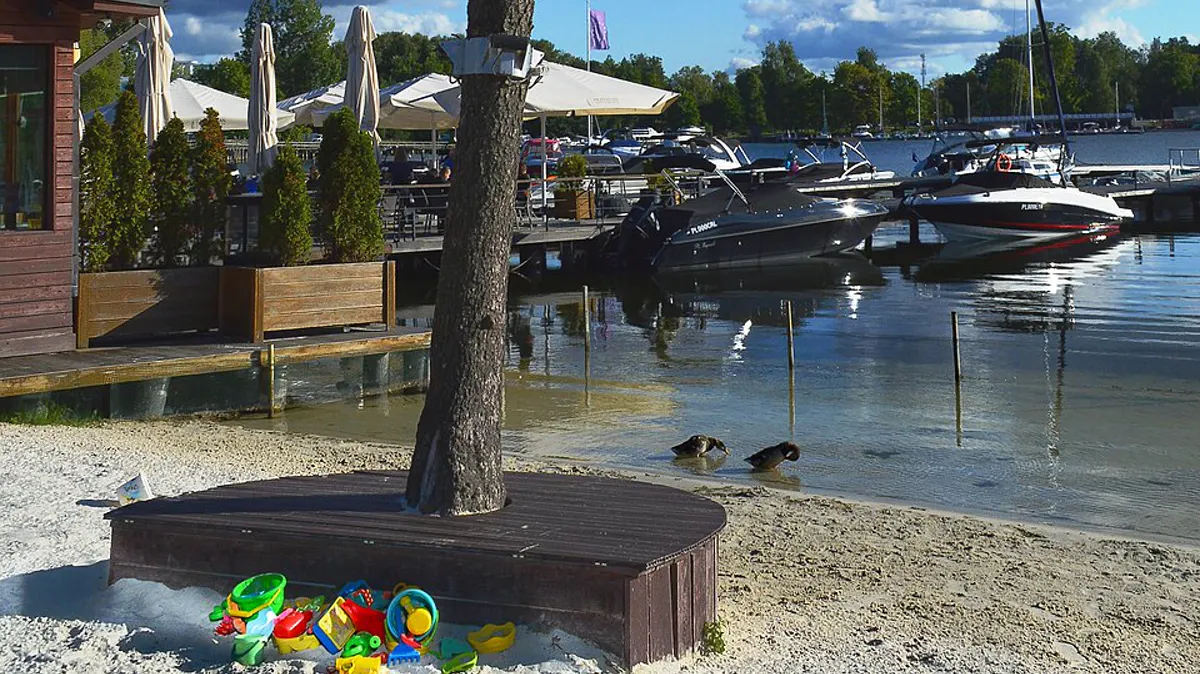
Featured in
More to explore in Olsztyn
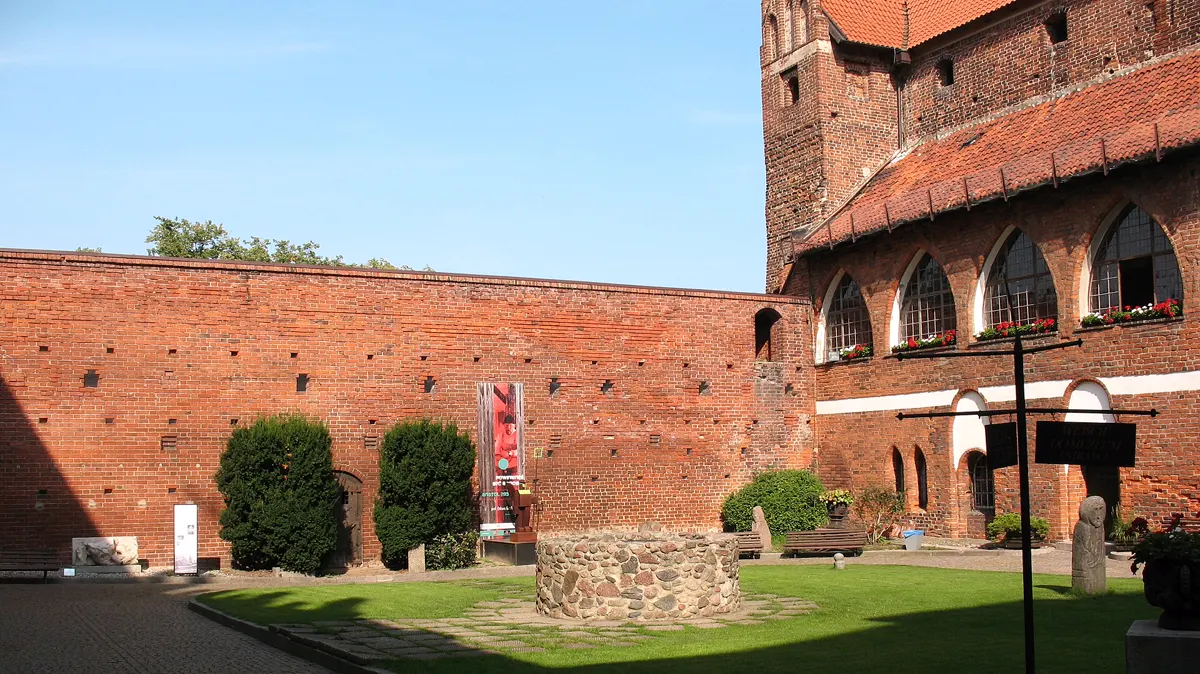
Castle
Olsztyn Castle (Castle of the Warmian Cathedral Chapter)
The 14th-century Gothic castle where Nicolaus Copernicus lived, worked and left behind the only astronomical instrument of his that survives.
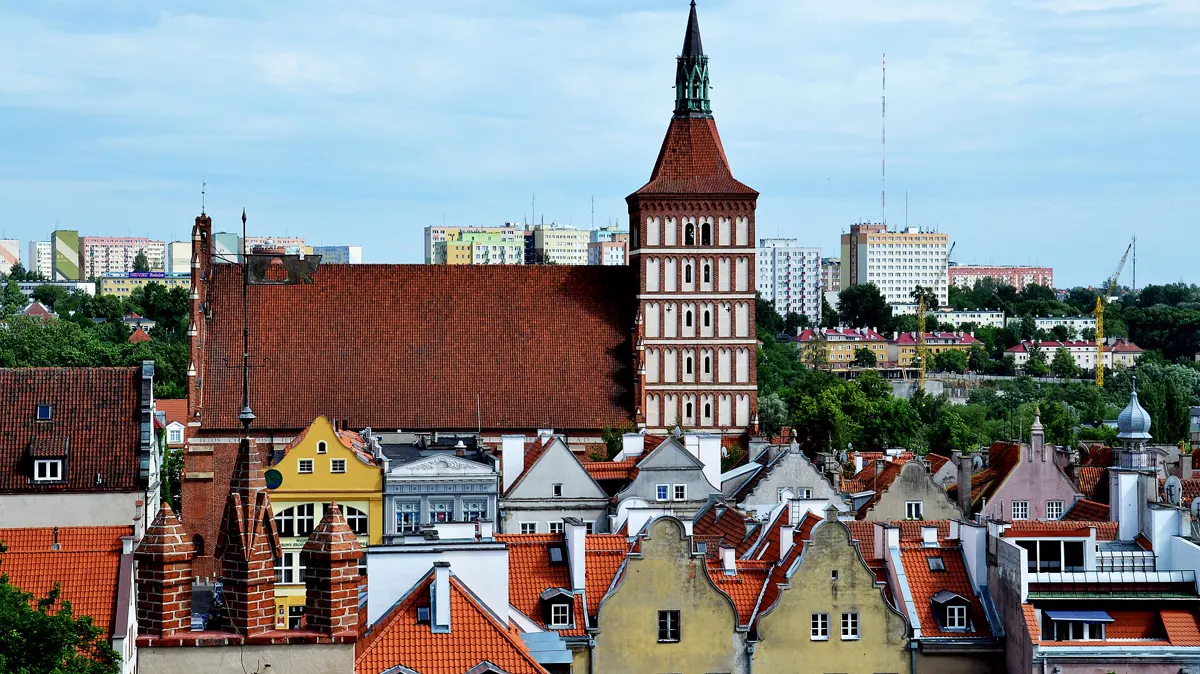
Attraction
Co-Cathedral Basilica of St James in Olsztyn
A red-brick Gothic hall church at the centre of Olsztyn's Old Town, raised for a Latin greeting.
Attraction
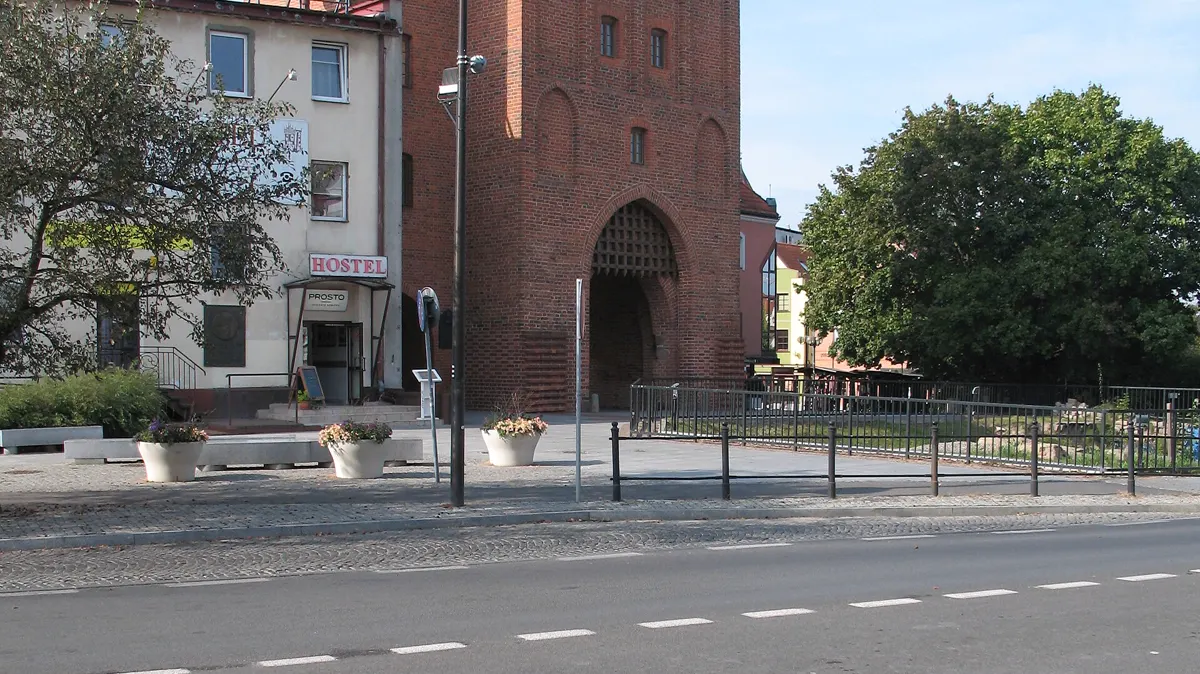
High Gate (Wysoka Brama)
The last of Olsztyn's three medieval gates and the most striking surviving piece of the old city walls.
Attraction
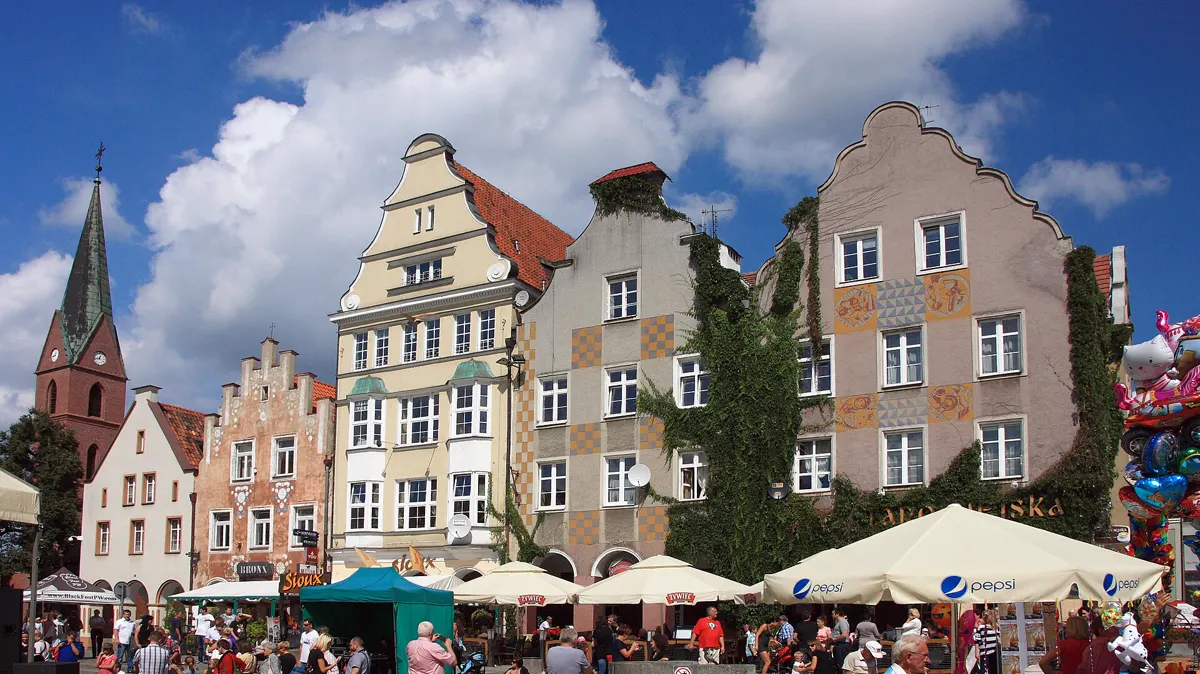
Olsztyn Old Town
A compact market square of gabled burgher houses, ringed by fragments of the medieval walls.

Attraction
Central Park (Park Centralny), Olsztyn
Central Park is a 13-hectare English-style riverside park along the Łyna in central Olsztyn, best known for its elliptical fountain whose submerged hemispheres represent the solar system.
Museum
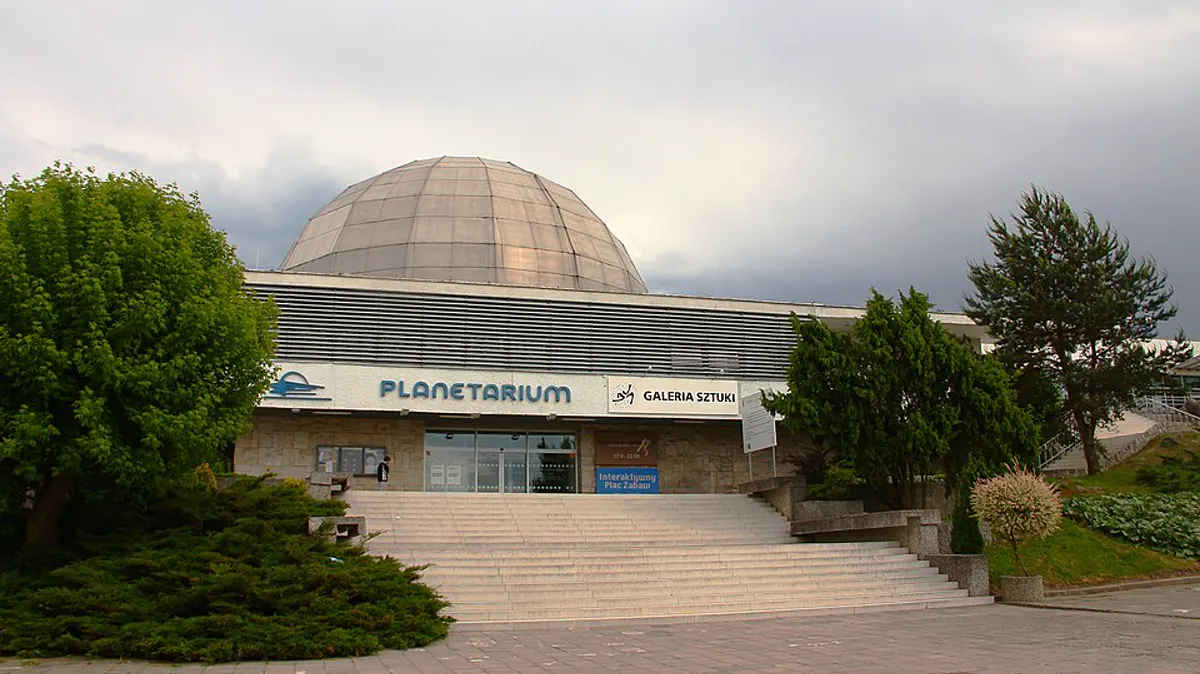
Olsztyn Planetarium and Astronomical Observatory
A Copernicus-themed planetarium under a 15-metre dome, paired with an observatory set inside a 19th-century water tower.