Restaurant in Gdańsk
Targ Rybny area stalls and fish spots
The old fish market quarter by the Motlawa has casual fried-fish and seafood counters near the water. Baltic cod and herring served fast and simple.
Reviewed and updated July 2026
Targ Rybny, the old fish market quarter, sits by the Motlawa at the northern end of the Main Town waterfront. The name means fish market, and the area keeps a run of casual fried-fish and seafood counters near the water. This is quick, informal eating rather than a sit-down restaurant, and it is the place to try Baltic fish served fast and simple.
Baltic cod and herring
The staples are Baltic cod and herring, fried and served without fuss. These are the everyday fish of the Polish coast, and the counters here keep the preparation plain. Menus and the exact catch vary from stall to stall and day to day, so read what each counter is serving rather than expecting a set list.
Casual counters by the water
The setting is casual and quick, geared to a fast bite by the river rather than a long meal. Several counters cluster in the same quarter, so you can walk between them and pick what looks best. It works well as a light lunch or a snack while you are exploring the waterfront.
Who it's best for
Good for travellers who want fresh Baltic fish without the price or wait of a restaurant, and for anyone eating on the move along the river. A practical option between sights rather than a destination dinner.
Around the old fish market
The Targ Rybny quarter lies on the Motlawa at the north end of the Main Town waterfront. The medieval crane (Zuraw) stands a short walk south along the same riverside, and the Long Market runs inland. For a sit-down riverside meal nearby, see Mercato. The Gdansk guide covers the waterfront.
The square earns its name honestly. A fish market was chartered here by the Teutonic Grand Master Ludolf König in 1343, and for centuries the Knights took first pick of the catch. The market originally opened straight onto the Motława until a wall and gate, later known as the Brama Tobiasza, closed it off from the water in 1448.
Under German rule the spot was called Der Fischmarkt. The 1945 destruction ended its role as a working market, and today the draw is the run of fish and seafood places gathered along this stretch of waterfront rather than the trade itself. Menus and the day's catch change from counter to counter, so check current offerings on site.
Good to know
These are independent counters, so hours, prices and the day's catch differ from stall to stall. Check what each is serving on the day rather than relying on a fixed menu.
Frequently asked questions
More restaurants in Gdańsk
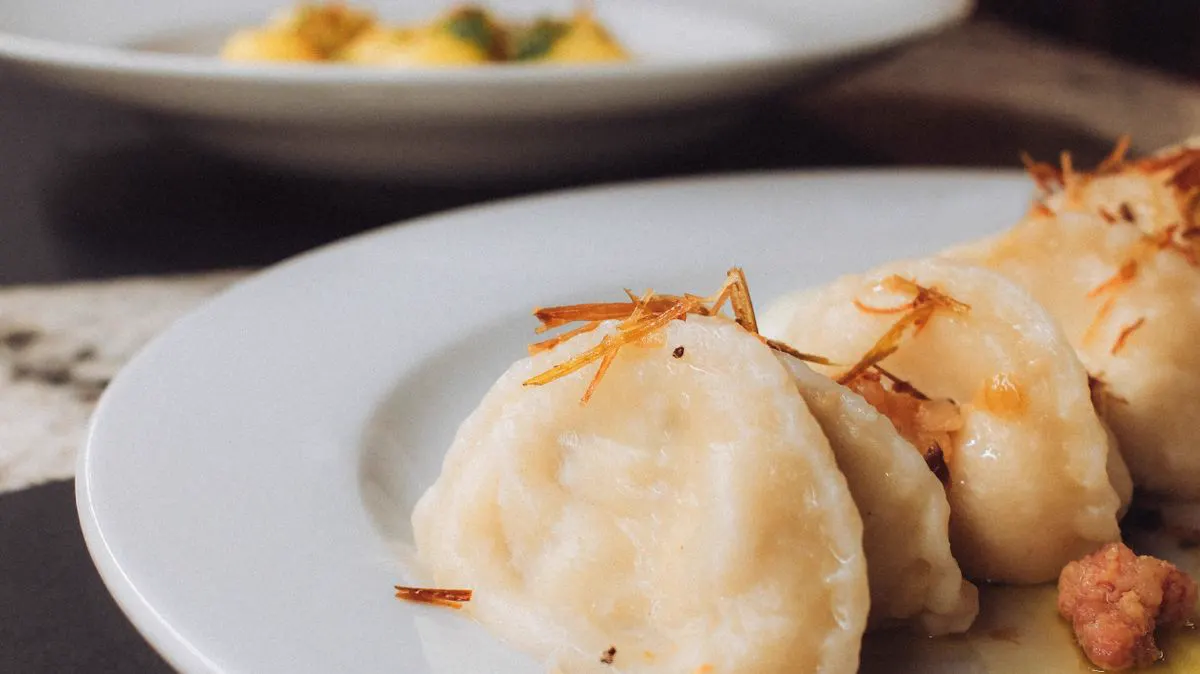
Pierogarnia Mandu
A much-loved dumpling house handmaking both Polish pierogi and Georgian khinkali.
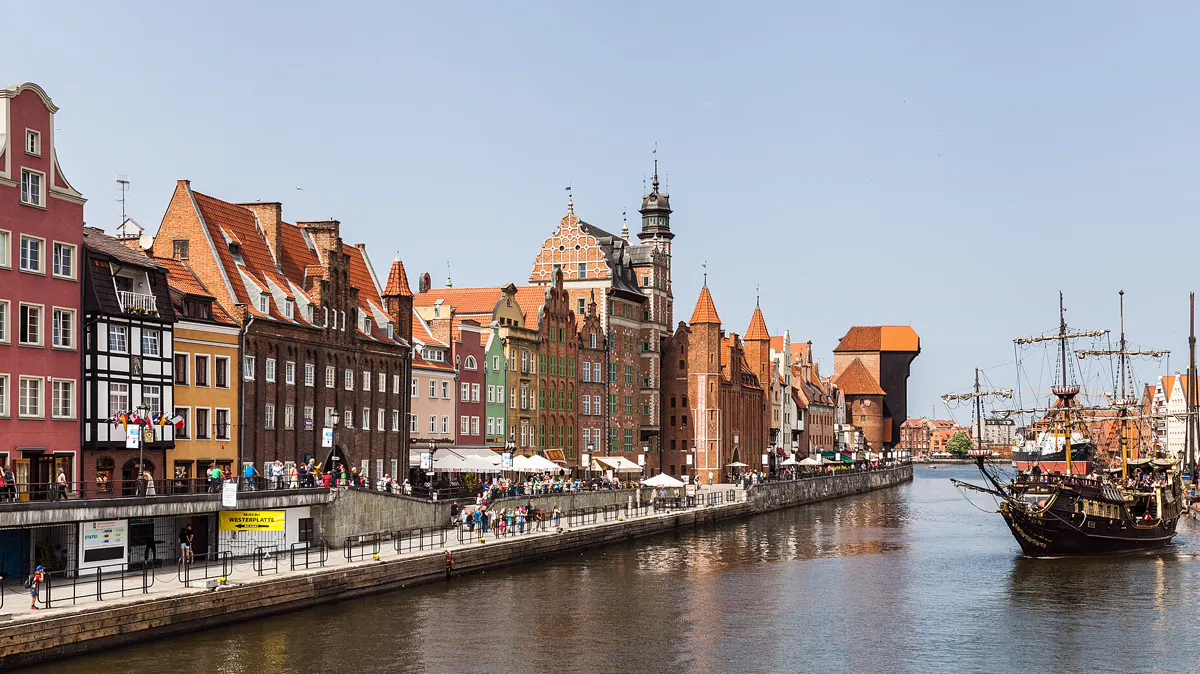
Gdanski Bowke
A riverside tavern on the Motlawa serving Pomeranian classics and its own beer.
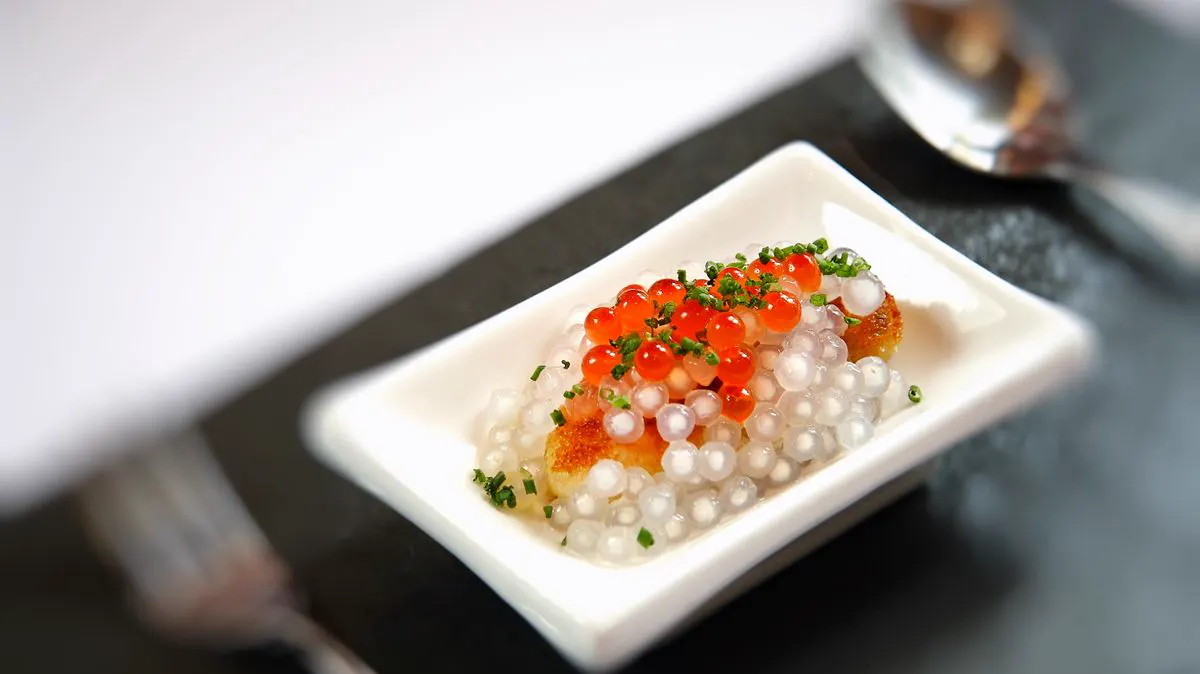
Eliksir
A refined tasting-menu restaurant in the Garnizon district of Wrzeszcz, making the most of Baltic ingredients.
Restauracja Gvara
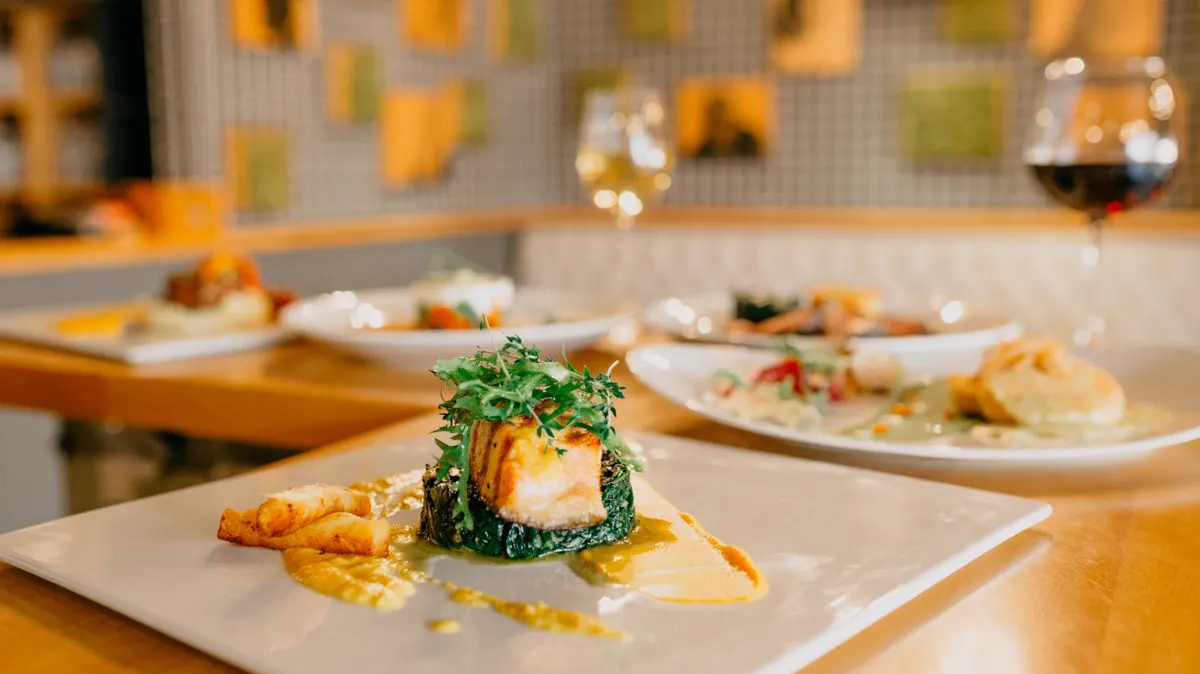
Modern Polish tasting menus using Pomeranian and Baltic ingredients, one of the city's more ambitious kitchens. Set several courses at a calmer remove from the tourist quays.
Kubicki
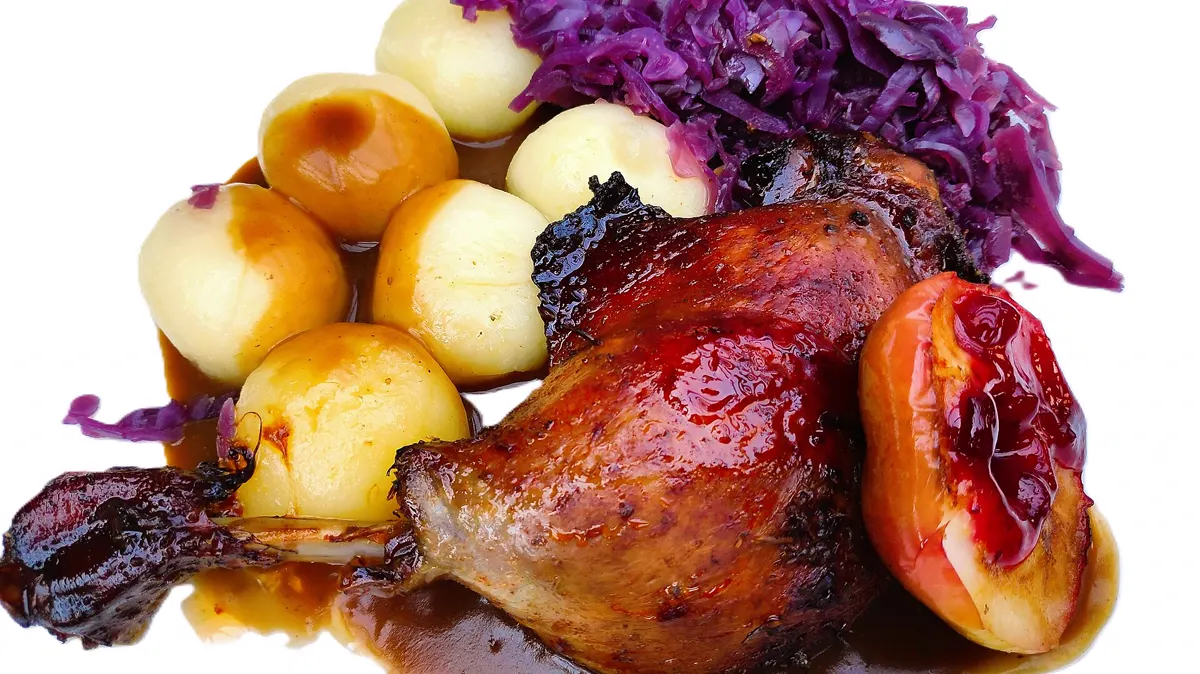
A Gdansk institution on the Motlawa since 1918, serving classic Polish and Baltic dishes including duck and fresh fish. Old-school dining rooms with river views.
Mercato (Hotel Hilton)
The Hilton's riverside restaurant on the Motlawa, Italian-leaning with a strong seafood list and terrace views of the crane. A polished option right on the waterfront.
Featured in
More to explore in Gdańsk
Hotel
Hotel Podewils
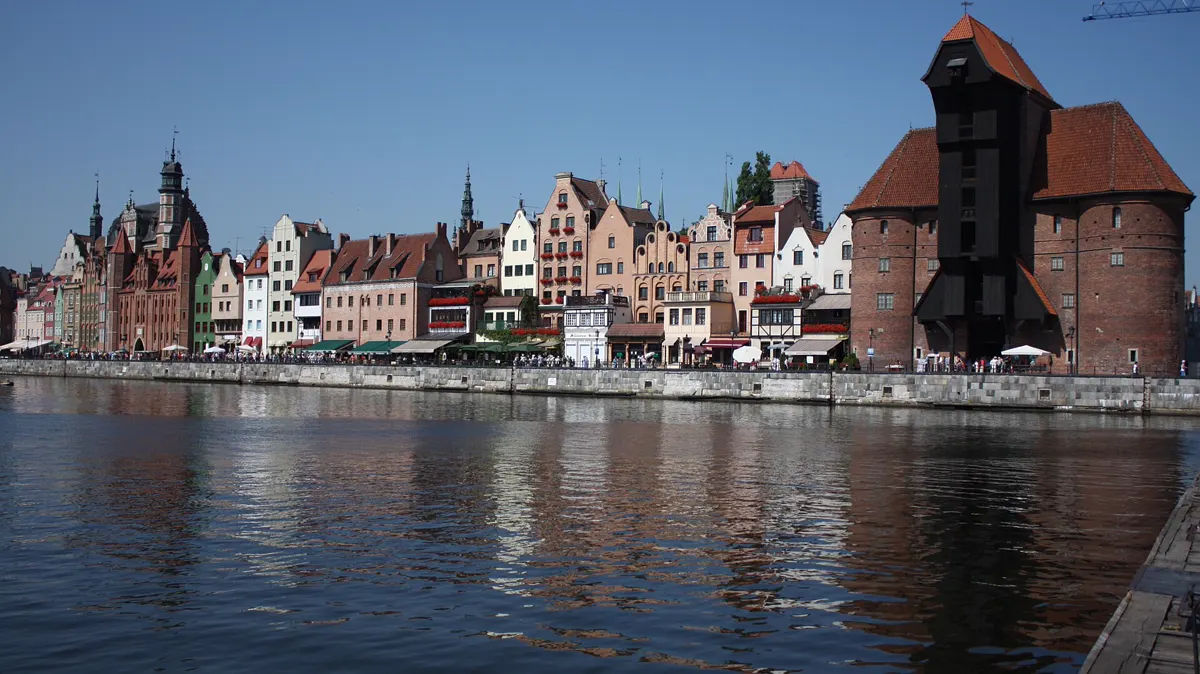
A baroque townhouse hotel right on the marina, facing the old crane across the water.
Nature
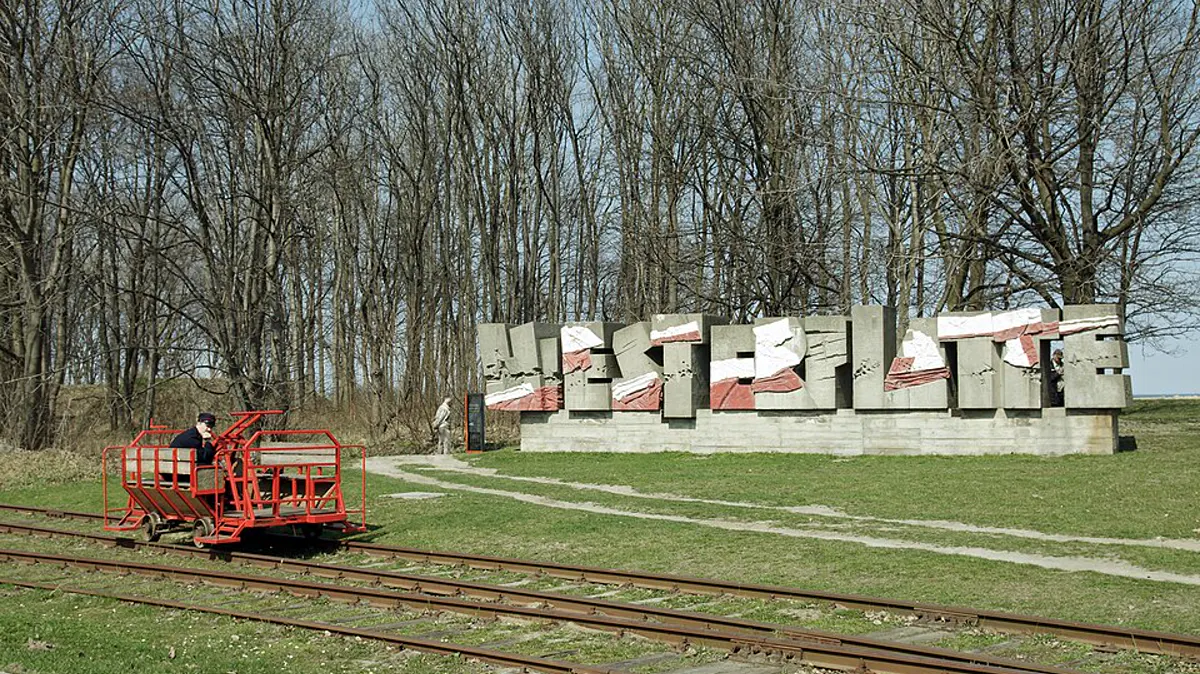
Westerplatte
The seaside peninsula where WWII began, now a memorial park reached by a summer river boat.
Attraction
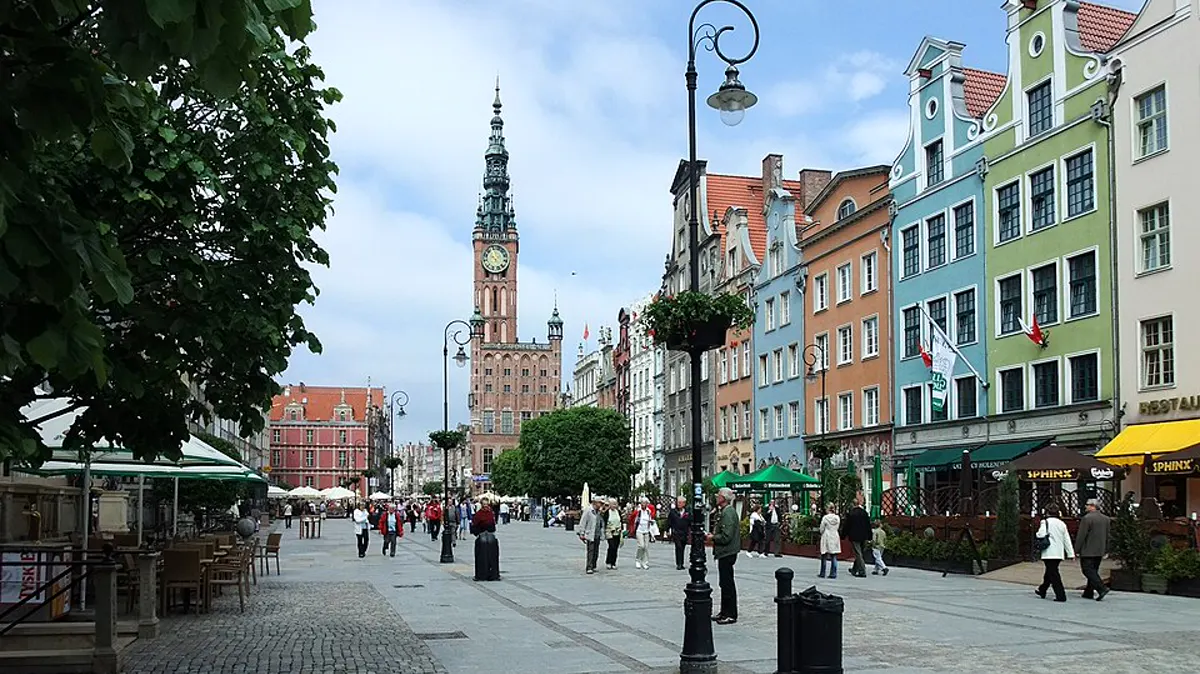
Long Market
The grand main thoroughfare of Gdansk, a wide promenade of merchant facades running from the Golden Gate to the river.
Castle
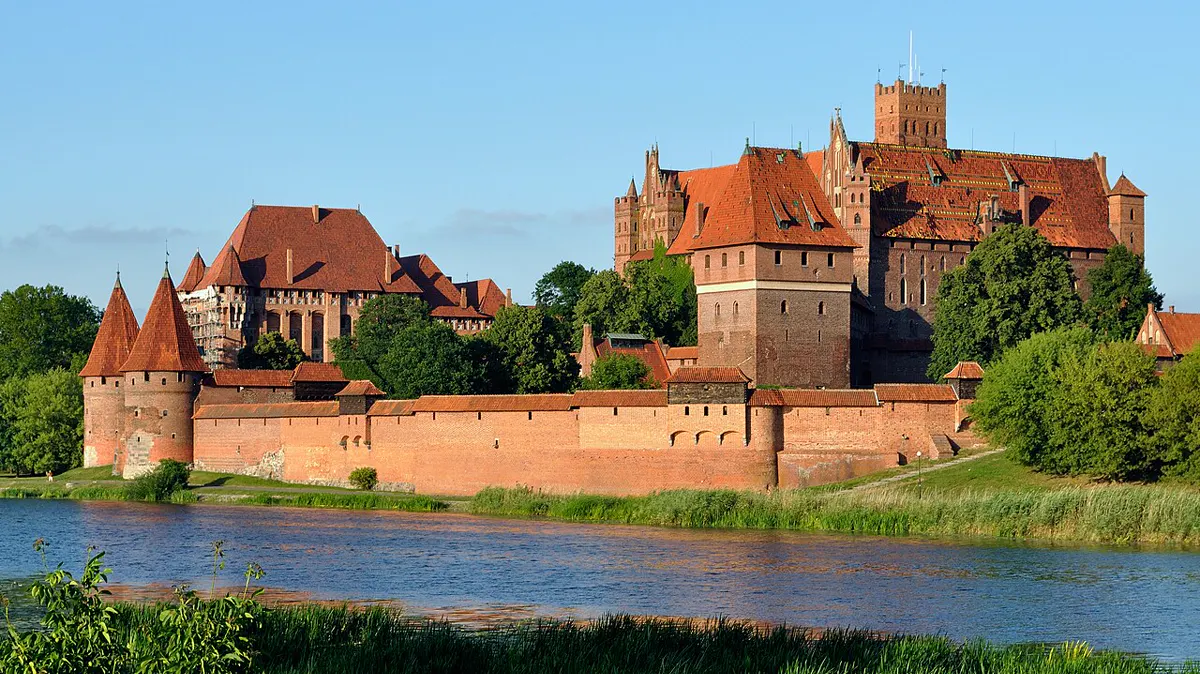
Malbork Castle
The largest castle in the world by land area, a vast red-brick fortress built by the Teutonic Knights on the Nogat river.
Attraction
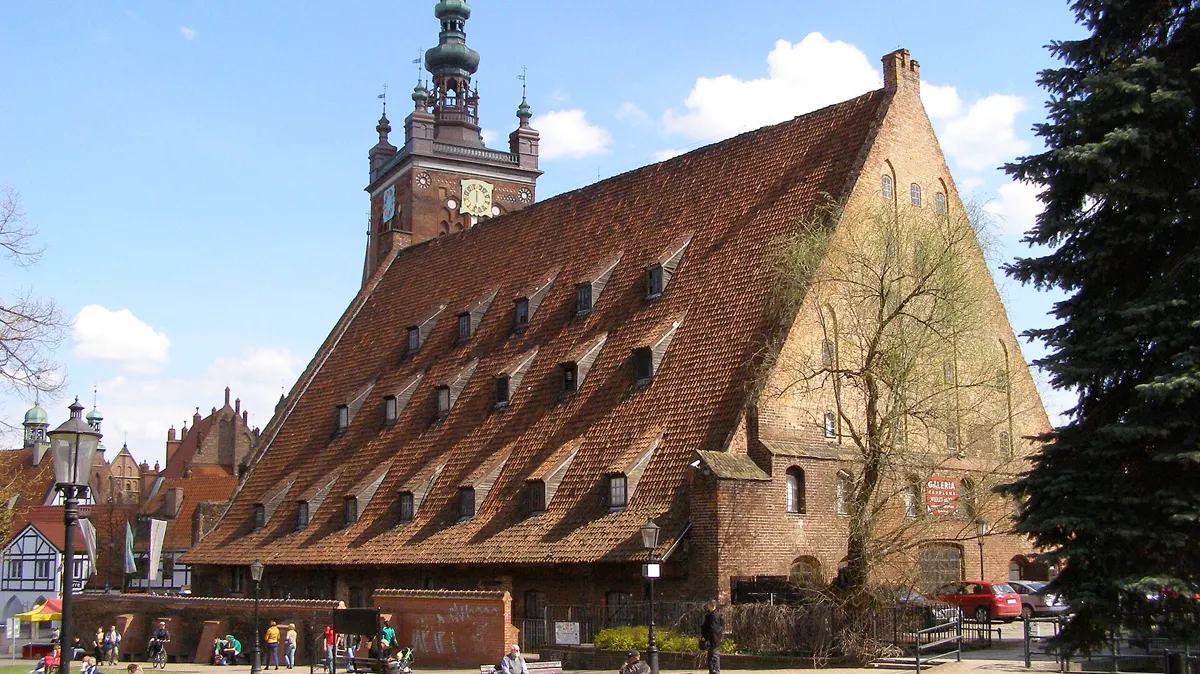
Amber Museum (Great Mill)
The Amber Museum in Gdańsk tells the story of Baltic amber, from raw fossilised resin to jewellery and art, inside the Great Mill, a 14th-century Teutonic watermill.
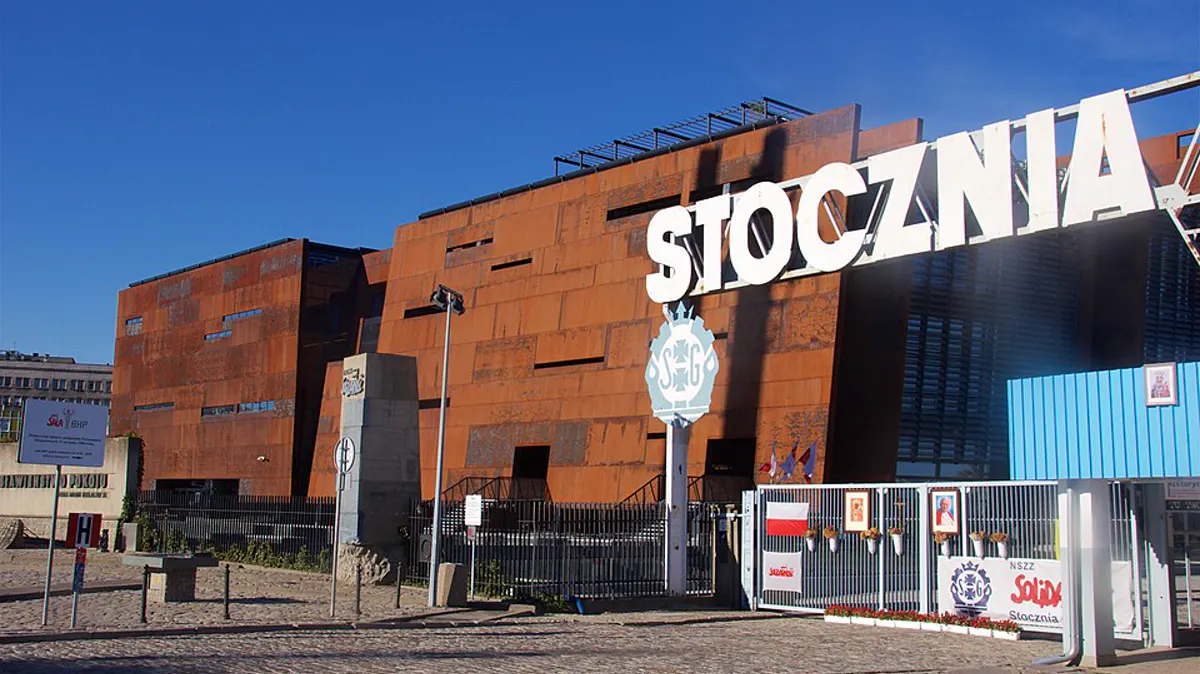
Museum
European Solidarity Centre
A museum beside the Gdansk shipyard charting the rise of the Solidarity movement and the fall of communism in Europe.