Thematic in Gdańsk
Amber in Gdansk: Where to Buy and How to Spot Fakes
Gdansk has cut and sold Baltic amber for centuries, and its workshops carry everything from museum-grade inclusions to moulded plastic. Here is where to see it, where to buy it and how to check a piece without damaging it.
Gdansk has traded, cut and polished Baltic amber for centuries, and it remains one of the best places in the world to buy it. Amber is fossilised tree resin, around 40 to 45 million years old, and the Baltic coast here is one of the places it still washes ashore. The catch is that a busy tourist street also attracts plastic and copal sold as the real thing. This guide covers where to see it, where to buy it, how prices work and which checks you can make in a shop, alongside our coverage of Gdansk.
Why Gdansk is the amber capital
The city earned the title because the raw material arrives on its own coastline. Storms lift amber from the seabed and throw it onto the beaches of the bay, and the routes that carried it south to the Roman Empire are known as the Amber Road. The largest worked deposit lies further east, on the Sambian Peninsula in the Kaliningrad region, but Gdansk is where the trade settled: the first statute of the local amber guild was registered here in 1477.
The International Amber Association, which sets the grading vocabulary used across the trade and issues certificates, has its seat in Gdansk, and the city hosts Amberif, a major international fair, at the AmberExpo centre. For anyone working through a list of things to do in Gdansk, it means workshops where the seller also cut the piece.
What Baltic amber actually is
Baltic amber, known to geologists as succinite, is the hardened resin of conifer forests that covered northern Europe in the Eocene, around 40 to 45 million years ago. It is not sap: resin was the tree's defence against injury and insects, which is why beetles, flies and plant fragments sometimes ended up sealed inside.
Two properties matter once a piece is in your hand. Amber is light, with a density only slightly above that of water, and it conducts heat poorly, so it warms against your skin instead of feeling cold like glass. Copal, the material most often passed off as amber, is also tree resin, but it is geologically young, from a few hundred years to a few million, and has not fully polymerised. It looks convincing but behaves differently under heat and solvents.
Where to see amber before you buy
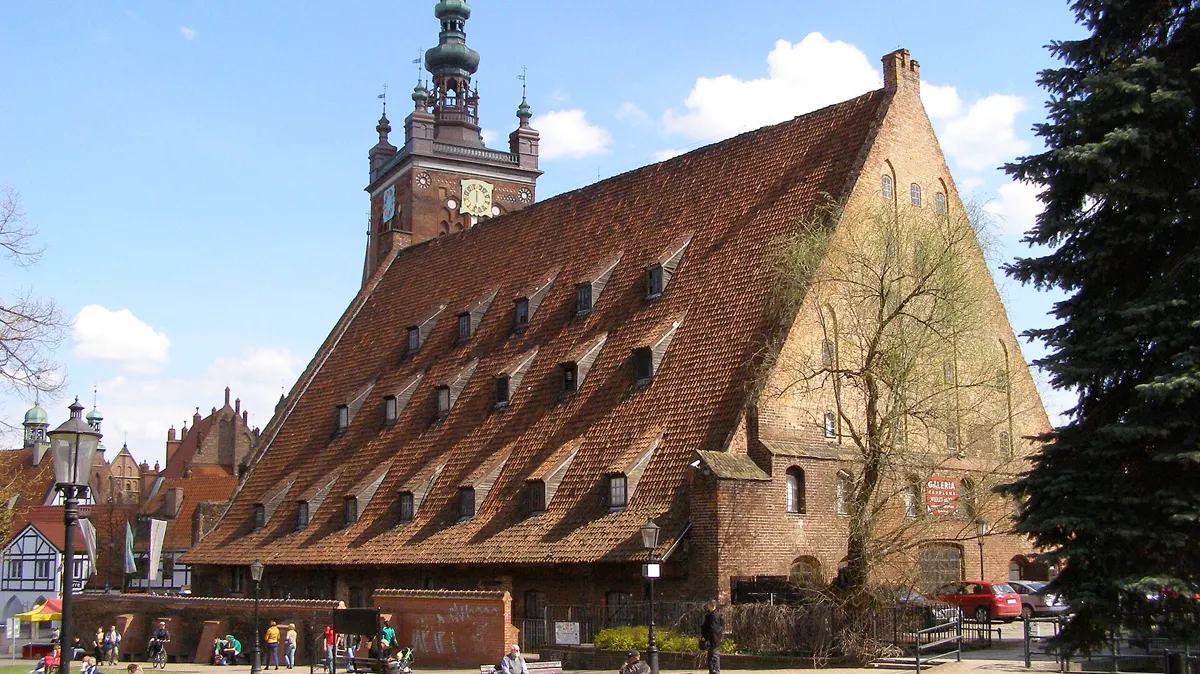
Spend an hour with a museum collection first, because your eye improves quickly. The Amber Museum moved into the Great Mill in July 2021 from the Prison Tower and Torture Chamber, and covers the geology, the inclusions and the craft. Check opening days and prices on the museum's site before you go.
Then walk to St. Bridget's Church, where work on a monumental amber altar began around 2000. Consecrated in 2017 and still being added to, it is generally described as the largest amber structure in the world.
Where to buy it
Mariacka Street is the obvious answer, and for once the obvious answer is right. The lane runs from Bazylika Mariacka down to the Motlawa, its raised stone terraces lined with small workshops, many run by the people who make the pieces.
Stalls around Long Market and the main tourist route sell a much wider range of quality, including cheap resin passed off as amber. Ask for a written certificate, and ask which trade category the piece falls into: natural amber, modified amber that has been heat or pressure treated, reconstructed or pressed amber, or bonded amber. All four are recognised categories under the International Amber Association's classification, but only the first is untouched, and a shop that cannot answer the question is one to leave.
How prices work
Price follows weight, size, clarity and colour, then workmanship. One large clear piece costs far more than several small cloudy ones of the same weight, because big clean lumps are rare. White and so-called royal amber, deep cognac tones and genuine insect inclusions carry a premium, and a verified insect can multiply the price.
Figures move constantly, so compare a few workshops on the day. Everything is priced in zloty, cards are accepted almost everywhere, and non-EU residents should ask about a VAT refund before paying for anything expensive.
How to spot fakes in a shop
Start with the checks that do no damage. Pick the piece up: amber feels light and warms in seconds, while glass stays cold and heavy. Knocked gently together, amber beads give a soft click rather than the sharper sound of plastic. Rubbed on wool, amber builds a static charge that lifts a scrap of paper, though some plastics do too.
Then look closely with a loupe, which any decent seller will lend you. Natural amber shows irregular flow lines and bubbles of varying size. Repeating patterns, a mould seam, evenly spaced bubbles or a large, undamaged insect posed neatly in the centre point to moulded resin. An ultraviolet torch helps too: Baltic amber usually shows a pale blue glow and many plastics stay dull, but copal can glow as well, so UV narrows the field rather than settling it.
The famous tests are destructive and belong at home or in a laboratory. Amber floats in a saturated salt solution while glass and most plastics sink, though copal floats too. A hot needle draws a pine resin smell from amber and an acrid chemical smell from plastic, and acetone leaves amber unchanged while copal turns tacky. Both mark the surface, so never try them on stock you have not bought.
Good to know
No single test proves a piece is genuine, so combine two or three and buy from a workshop that issues a certificate naming the amber category. Keep the receipt: a lab, an insurer or a customs officer will ask for it. Our weekend in Gdansk guide sets out walking routes that pass most of the workshops.
Written by ViewPoland Editorial for ViewPoland, an independent English-language guide to Poland. Published 2 August 2026. Last updated 2 August 2026.