Restaurant in Gdańsk
Pierogarnia Mandu
A much-loved dumpling house handmaking both Polish pierogi and Georgian khinkali.
Reviewed and updated July 2026
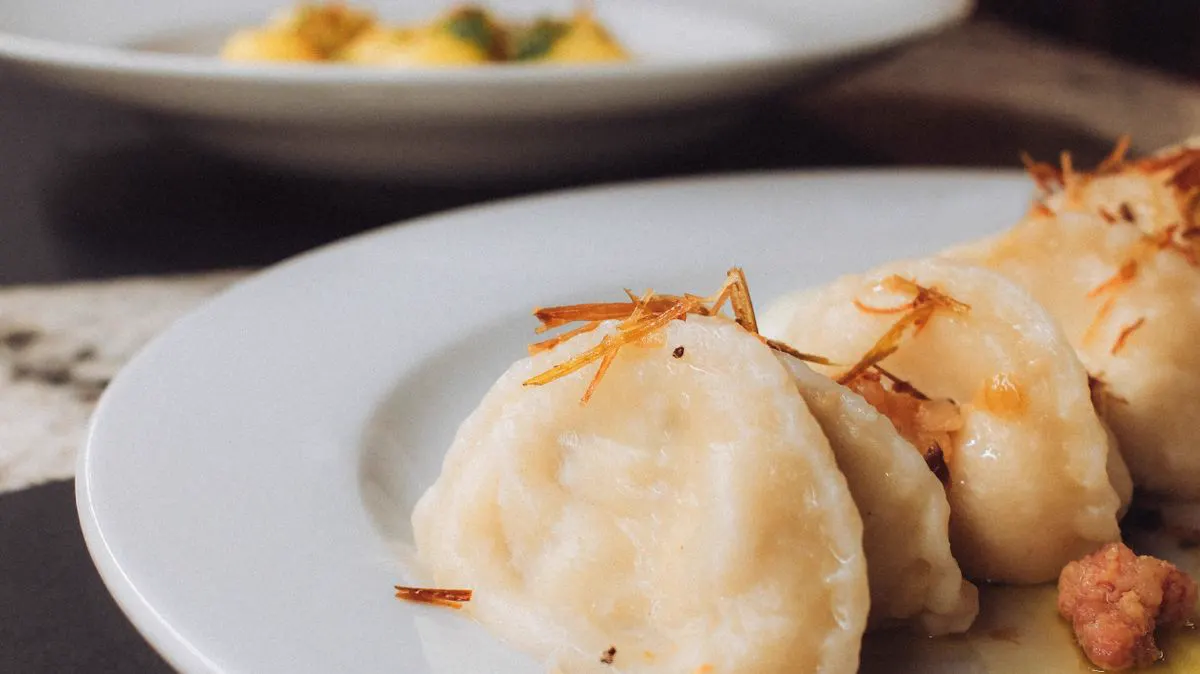
Pierogarnia Mandu is a dumpling house in Gdansk with a strong local following. The kitchen handmakes both Polish pierogi and Georgian khinkali, so one table covers two dumpling traditions. That mix, along with the reputation for making them by hand, is what draws the queues.
Pierogi and khinkali to order
The two headline items are pierogi, the filled and boiled Polish dumplings, and khinkali, the larger twisted dumplings of Georgian cooking. Both are made in house. Fillings and the wider menu change, so read the current card at the venue or on its own channels rather than expecting a fixed list.
The dumpling-house atmosphere
This is a popular, casual dumpling restaurant rather than a formal one. Given how well liked it is, expect it to be busy at peak times and be ready for a short wait. It works for a relaxed lunch or an early dinner.
Who Mandu suits
Good for travellers who want handmade dumplings done properly, for families, and for anyone curious to try Polish and Georgian versions side by side. A solid, good-value sit-down alternative to the milk bars.
Where Mandu is and nearby
It sits on the northern edge of the Main Town, within walking distance of the central sights. St Mary's Basilica and the Long Market are a short walk south. For the cheapest traditional Polish food nearby, see Bar Mleczny Neptun. The Gdansk guide has more on the area.
The khinkali sit within a wider 'Dumplings of the World' section that also runs to Russian pelmeni and Asian gyoza and mandu, the Korean dumpling that gives the place its name. The founders picked it up on a culinary trip to South Korea. The Polish pierogi come more than one way too: boiled in the classic style, oven-baked in a yeast dough, or deep-fried, with a separate menu for vegetarians and vegans covering fillings such as tofu or spinach with feta.
The Elżbietańska 4/8 kitchen is the city-centre branch; Mandu also runs sites in Gdynia and in Gdańsk's Oliwa district. The centre restaurant carries a Tripadvisor Travellers' Choice 2024 award. Fillings and the wider card change, so read the current menu at the venue or on Mandu's official channels.
Good to know
It is popular and can be busy at mealtimes, so expect a possible wait. Confirm opening hours, the current menu and whether to book on the venue's official channels.
Frequently asked questions
More restaurants in Gdańsk
Gdanski Bowke
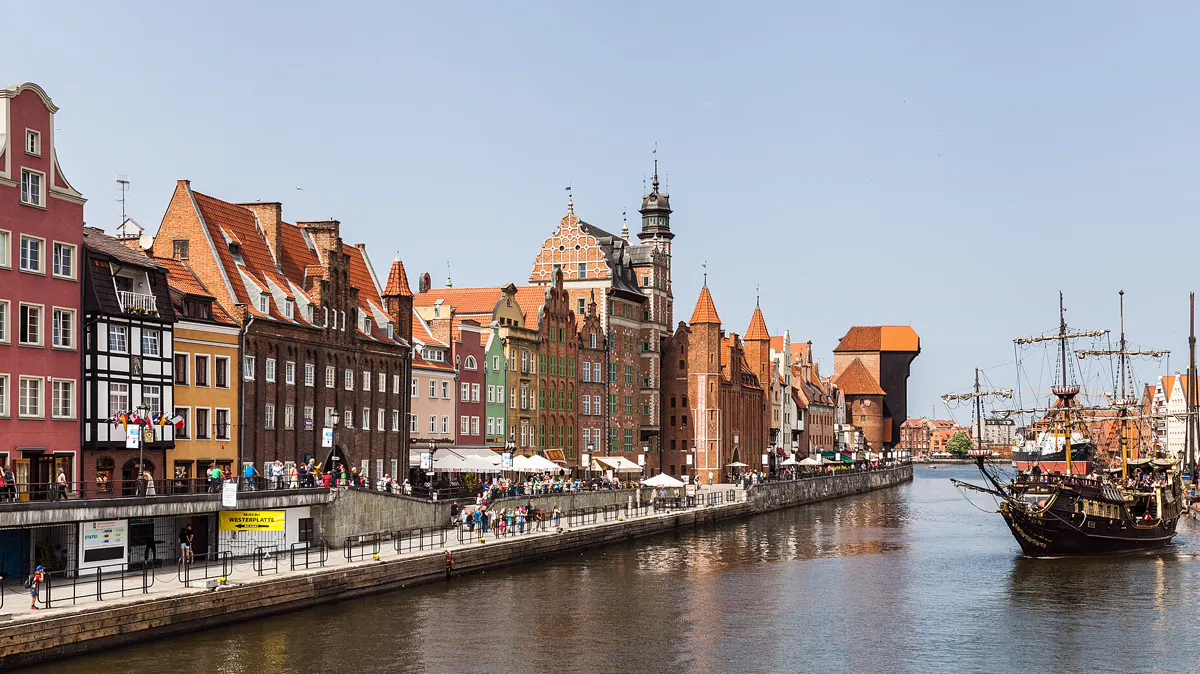
A riverside tavern on the Motlawa serving Pomeranian classics and its own beer.
Eliksir
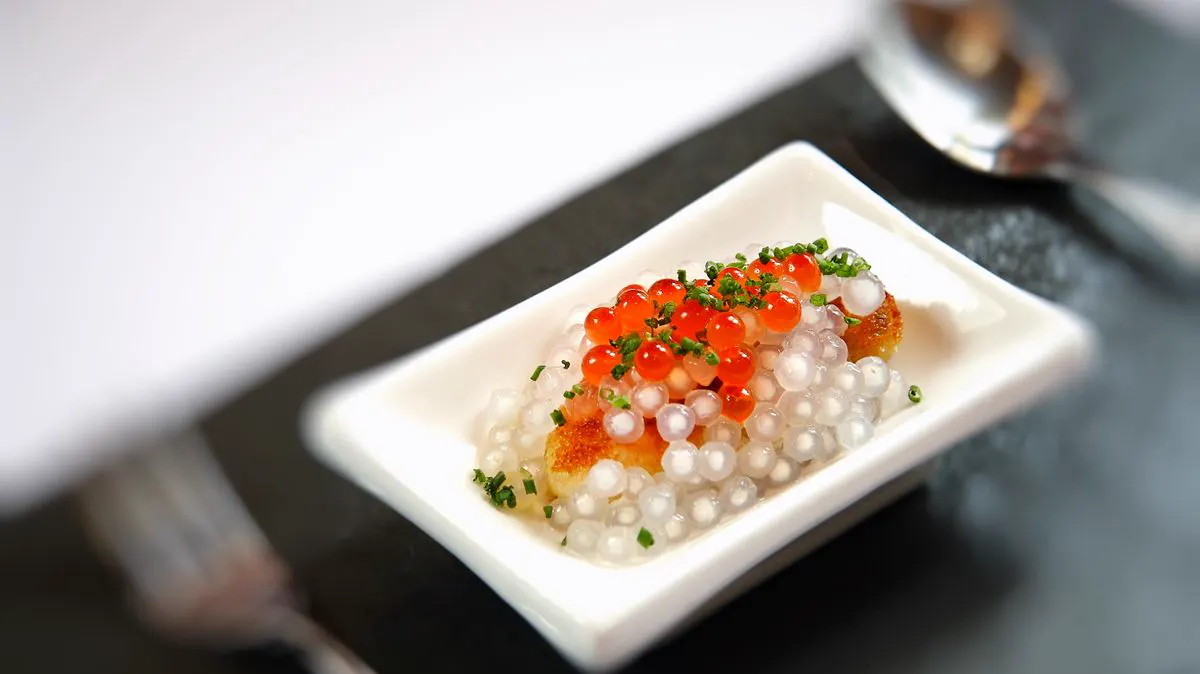
A refined tasting-menu restaurant in the Garnizon district of Wrzeszcz, making the most of Baltic ingredients.
Restauracja Gvara
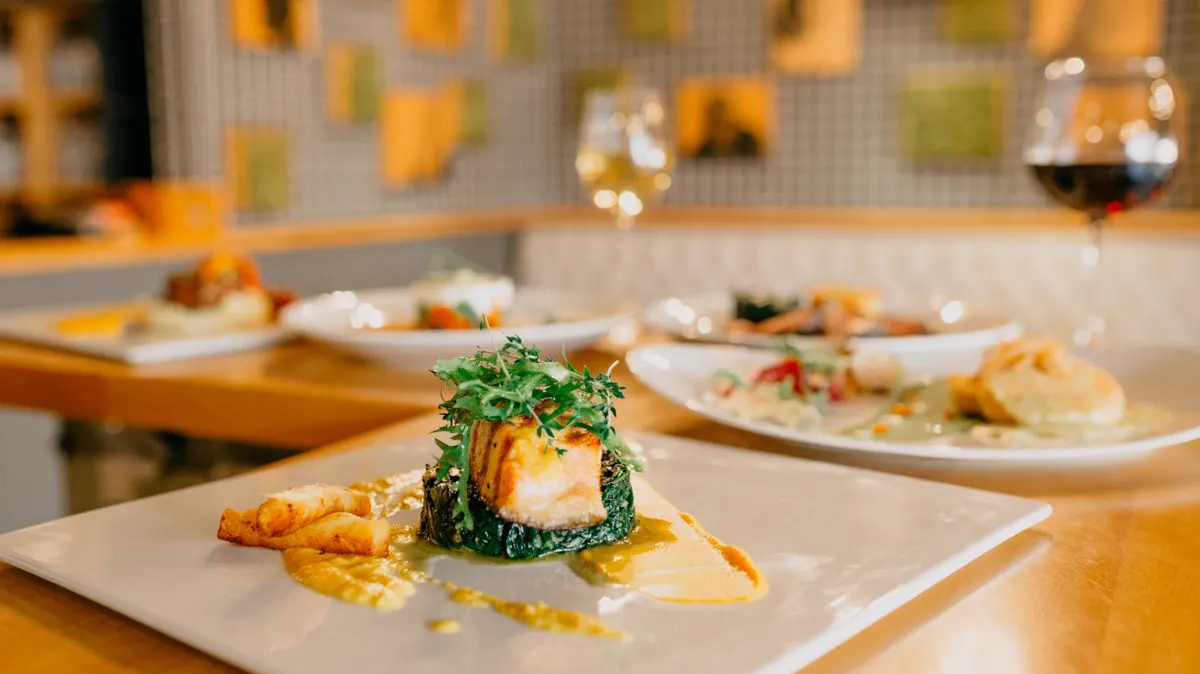
Modern Polish tasting menus using Pomeranian and Baltic ingredients, one of the city's more ambitious kitchens. Set several courses at a calmer remove from the tourist quays.
Kubicki
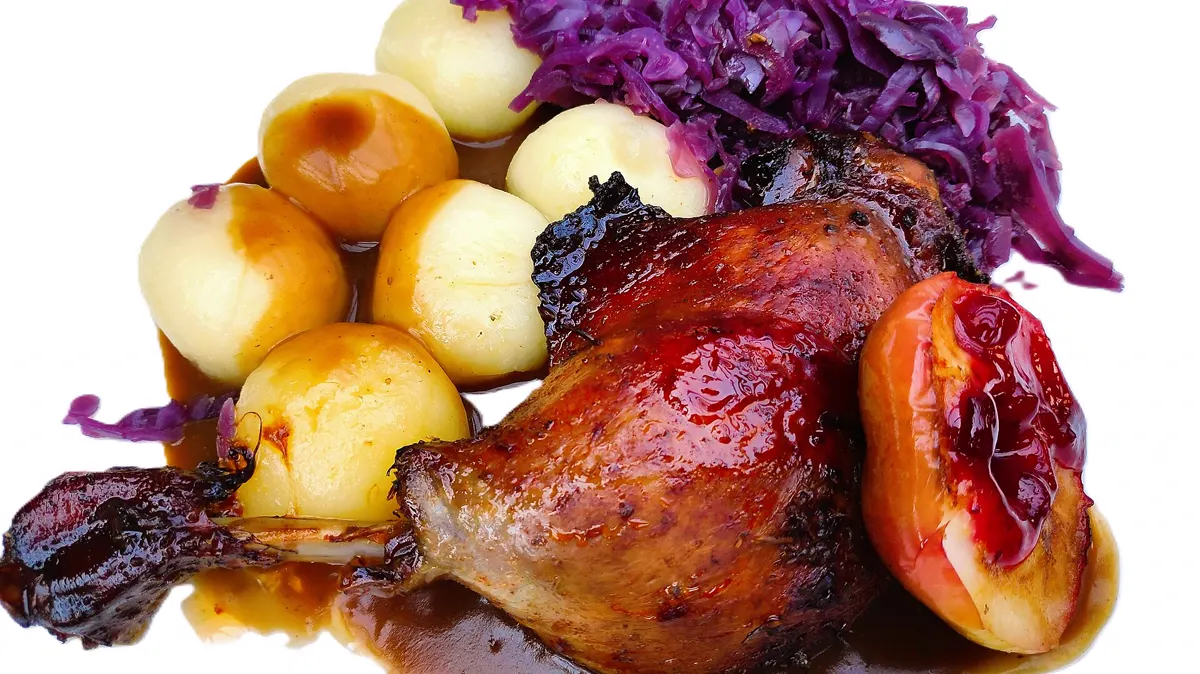
A Gdansk institution on the Motlawa since 1918, serving classic Polish and Baltic dishes including duck and fresh fish. Old-school dining rooms with river views.
Mercato (Hotel Hilton)
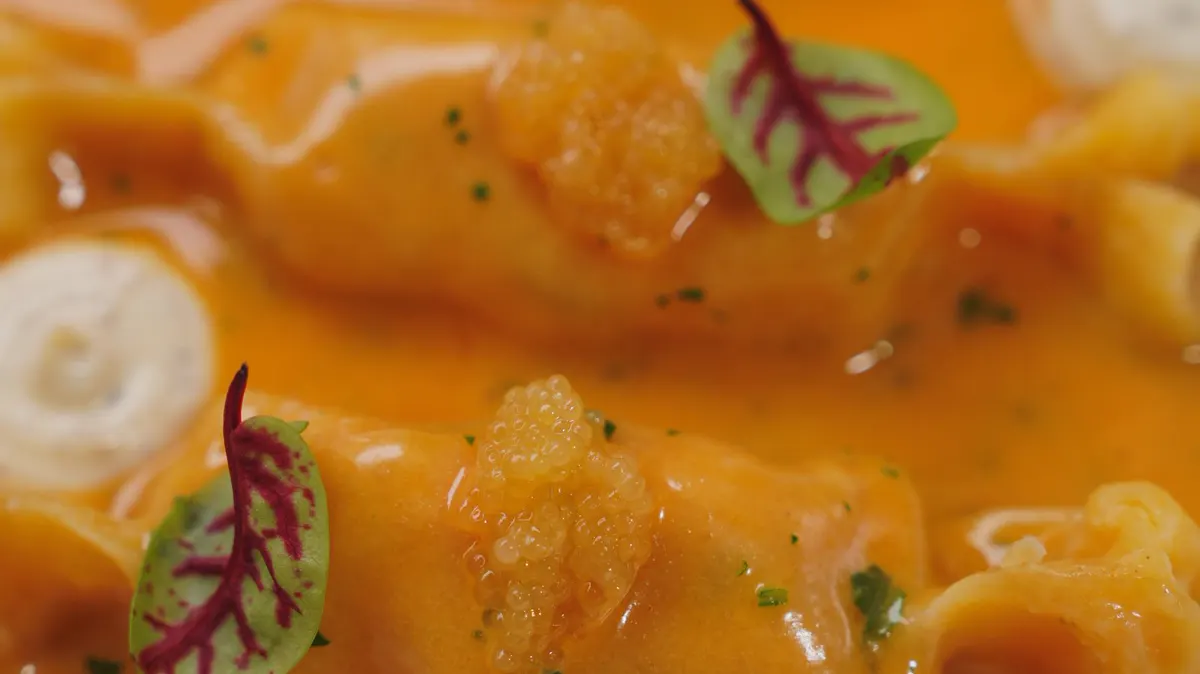
The Hilton's riverside restaurant on the Motlawa, Italian-leaning with a strong seafood list and terrace views of the crane. A polished option right on the waterfront.
Bar Mleczny Neptun
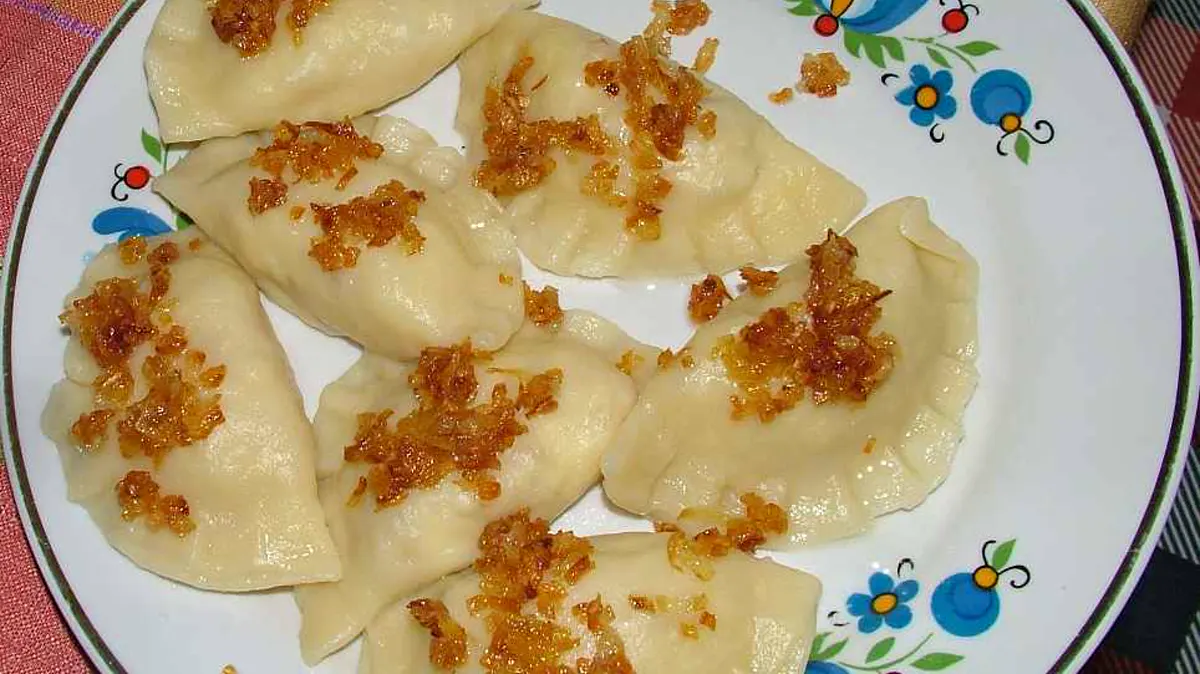
A classic milk bar on Dluga serving pierogi, soups and cutlets at low prices in a self-service canteen setting. The cheapest honest Polish food in the old town.
More to explore in Gdańsk
Hotel
Hotel Podewils
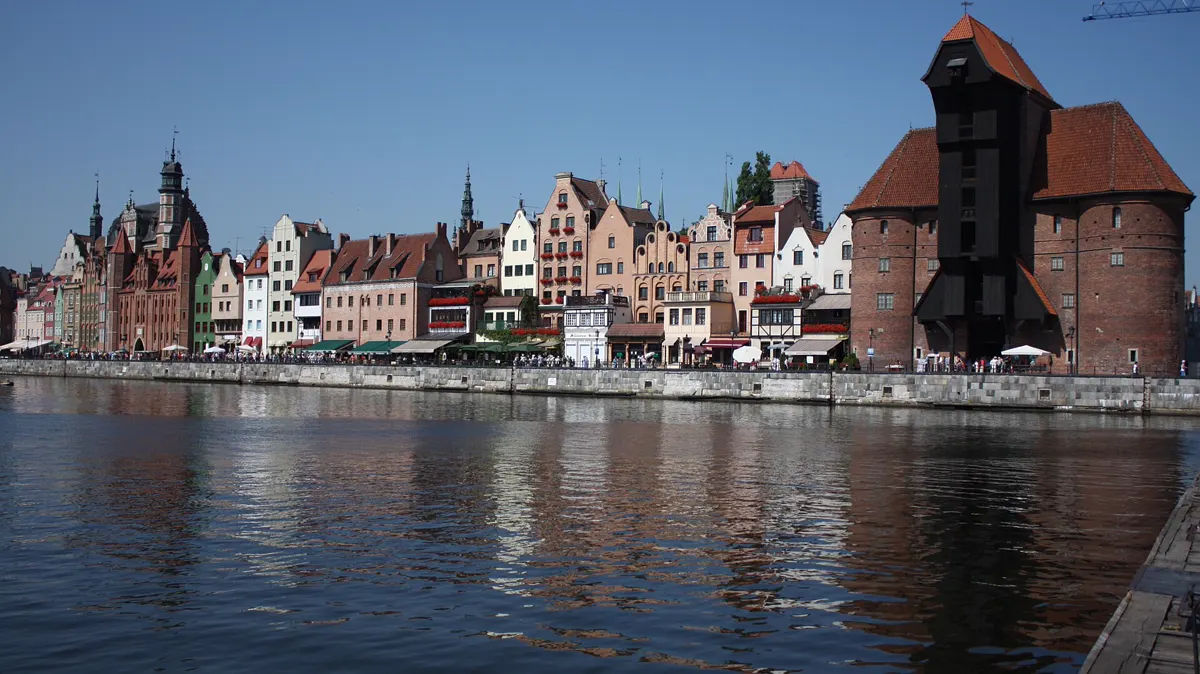
A baroque townhouse hotel right on the marina, facing the old crane across the water.
Nature
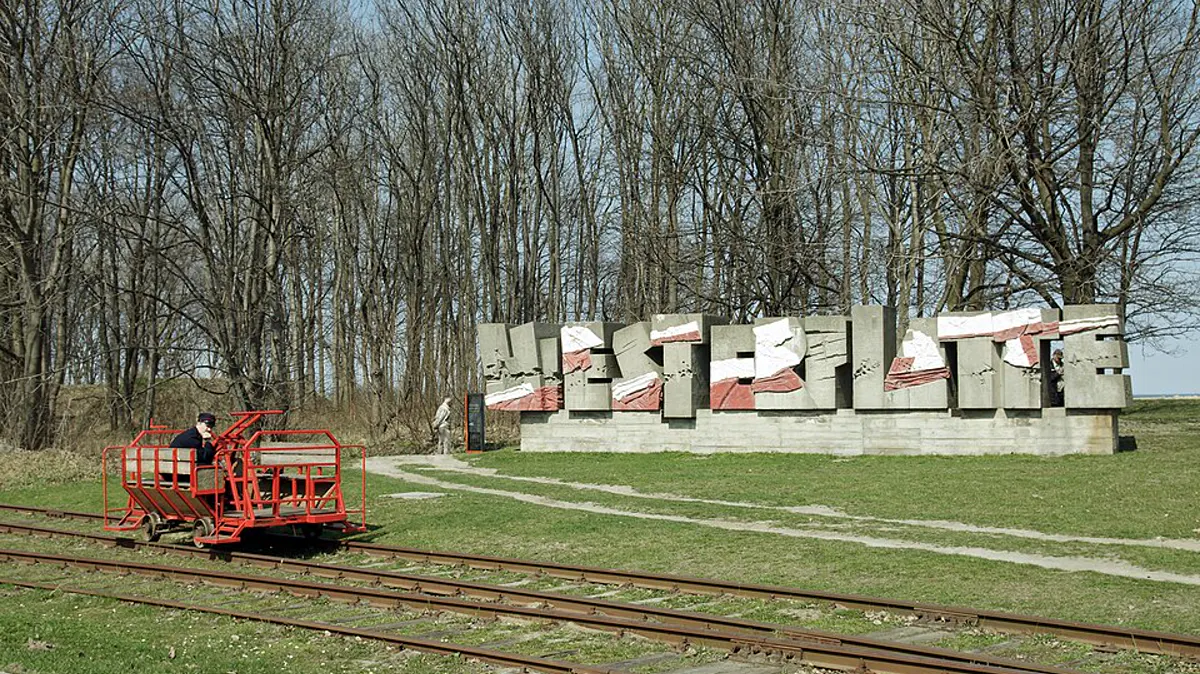
Westerplatte
The seaside peninsula where WWII began, now a memorial park reached by a summer river boat.
Attraction
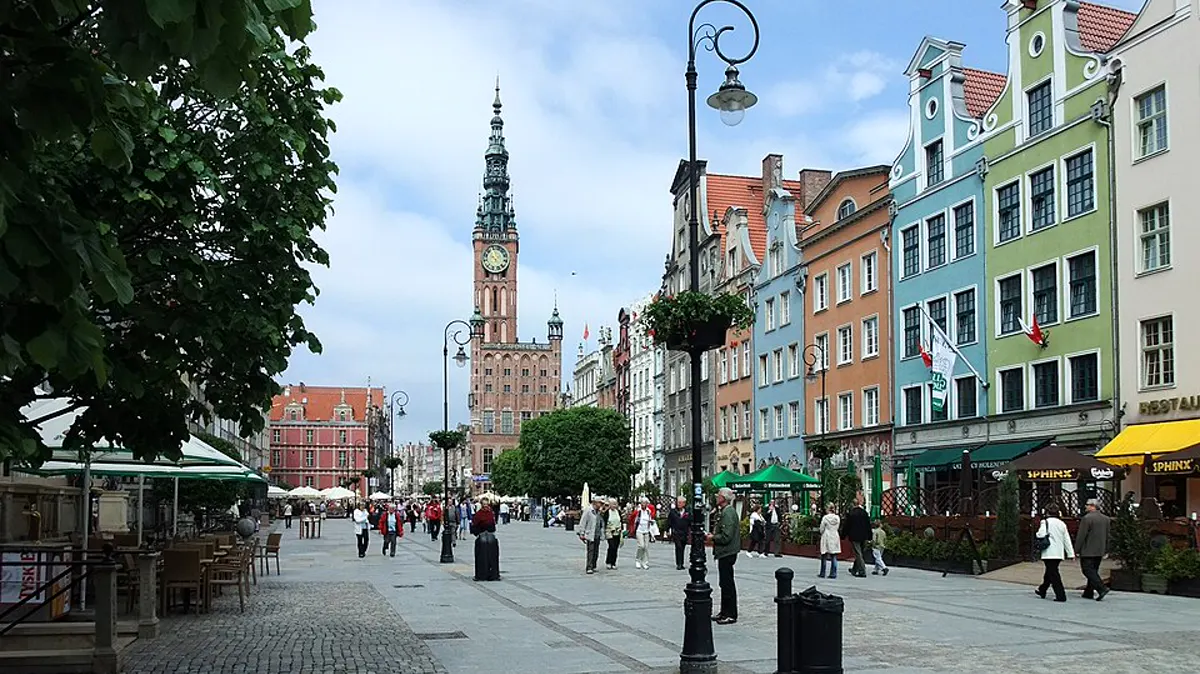
Long Market
The grand main thoroughfare of Gdansk, a wide promenade of merchant facades running from the Golden Gate to the river.
Castle
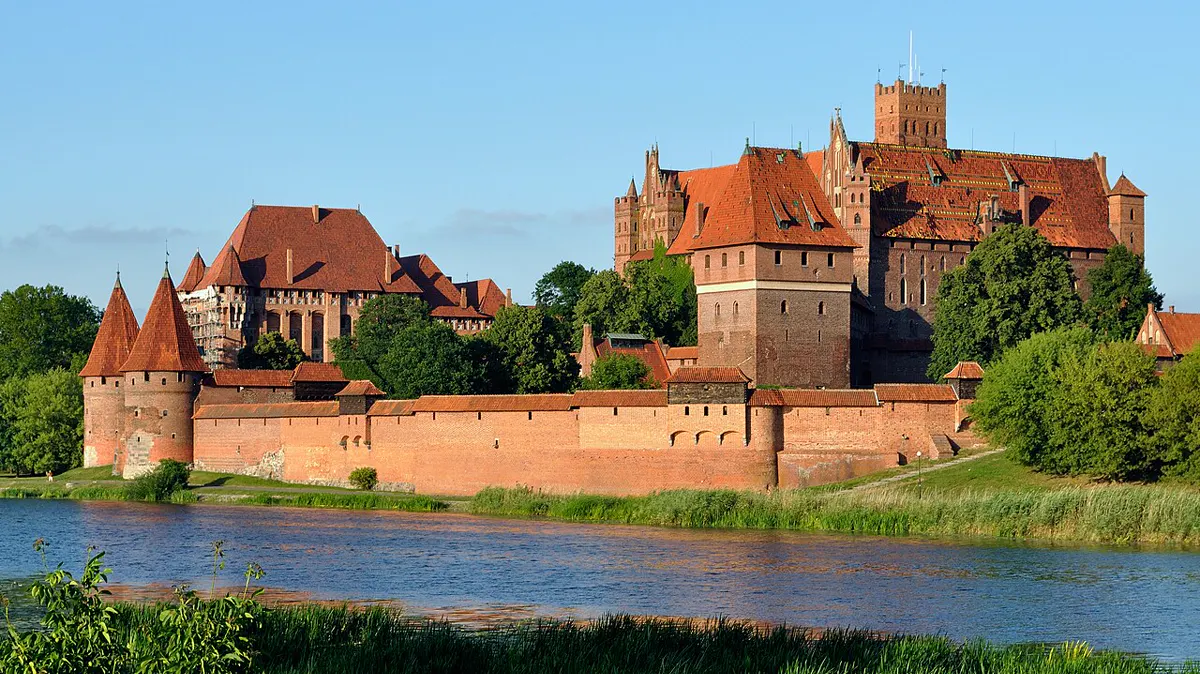
Malbork Castle
The largest castle in the world by land area, a vast red-brick fortress built by the Teutonic Knights on the Nogat river.
Attraction
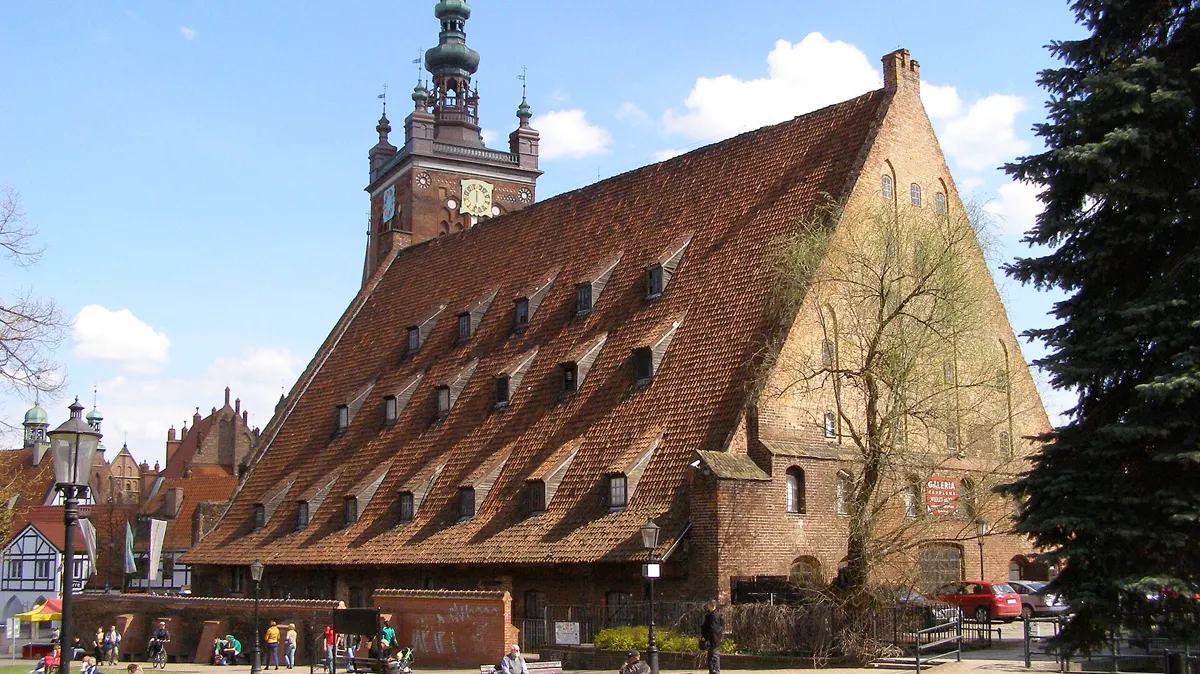
Amber Museum (Great Mill)
The Amber Museum in Gdańsk tells the story of Baltic amber, from raw fossilised resin to jewellery and art, inside the Great Mill, a 14th-century Teutonic watermill.
Museum
European Solidarity Centre
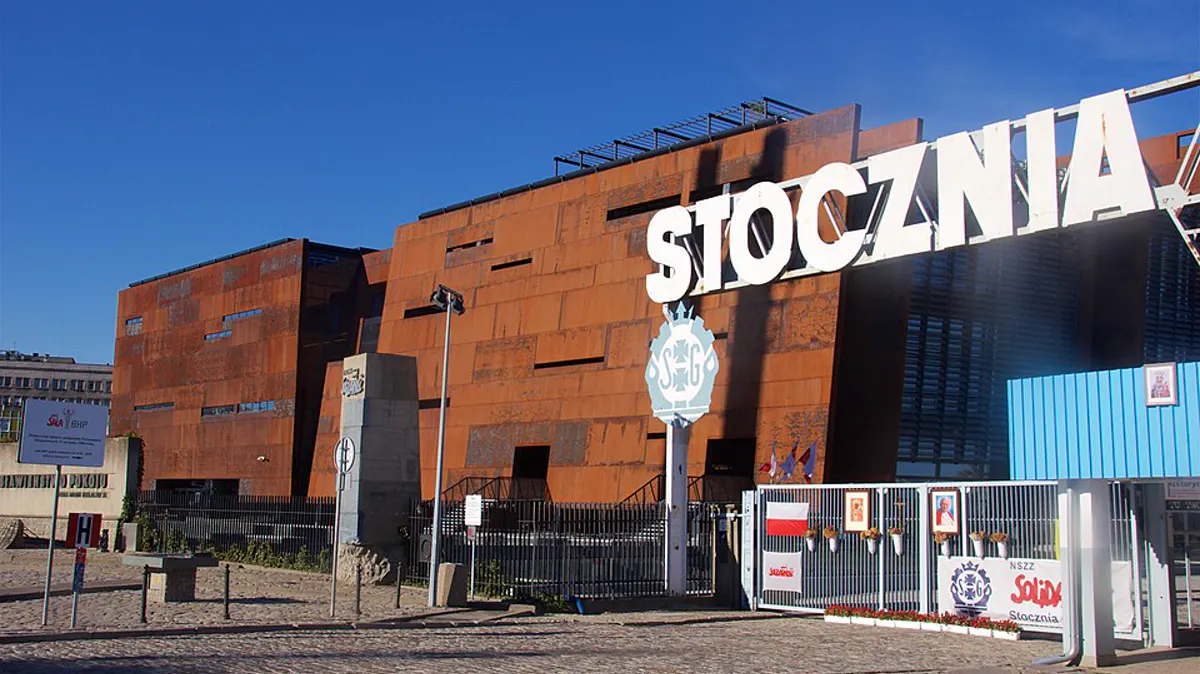
A museum beside the Gdansk shipyard charting the rise of the Solidarity movement and the fall of communism in Europe.