Attraction in Gdańsk
Bazylika Mariacka
One of the largest brick churches in the world, this vast Gothic basilica can hold up to 25,000 people. Climb its 405 steps to a viewing terrace for a sweeping panorama over the red rooftops of the old town.
Reviewed and updated July 2026
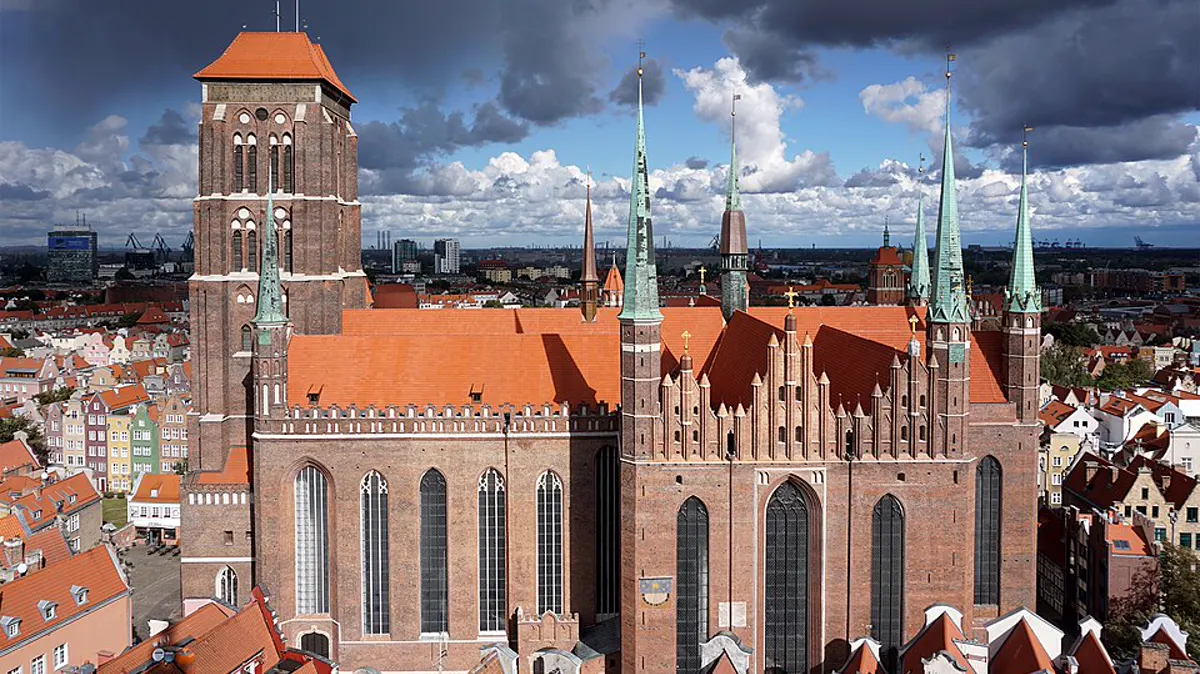
Bazylika Mariacka, St Mary's Basilica, is one of the largest brick churches in the world. It is a vast Brick Gothic hall church in the Main Town of Gdansk, begun in the 14th century and finished in 1502. Locals call it the Crown of Gdansk. The interior is white, tall and unusually open, and it can hold a very large congregation, with figures often put at up to 25,000 people.
Why visit Bazylika Mariacka
Two things bring most people here: the scale of the church itself, and the climb up the tower for the best rooftop view in the city. The basilica sits a short walk from the main sights, so it slots easily into a walk down Dlugi Targ and along the river. Entry to the church is usually by a small donation, and the tower is a separate ticket.
Inside the Gothic basilica
The nave is the main event: a plain, light-filled brick interior on a scale that is hard to take in from photographs. Look for the large astronomical clock in the north transept, a tall medieval piece with a calendar and moving figures. There is also a stone Pieta and a copy of Hans Memling's Last Judgement, the original of which is held by the National Museum in Gdansk. The plainness is deliberate, the result of the city's Protestant centuries, and it gives the space its calm.
Climbing the 405 steps
The tower is about 78 metres tall, and the climb to the viewing terrace is 405 steps up a narrow brick staircase. There is no lift. At the top you get a full circle over the red rooftops of the old town, the Motlawa river and, on a clear day, out towards the coast. Wear proper shoes and take your time on the way up, as the stairs are steep and can be busy in summer.
How long to spend inside
Twenty minutes is enough to walk the interior. Add another thirty to forty-five minutes for the tower climb, allowing for the queue and the descent. An hour covers both comfortably.
Getting to the basilica
The basilica is in the middle of the Main Town, on Podkramarska, just off the market streets. The whole area is pedestrianised, so you arrive on foot. From the main railway station it is about a fifteen-minute walk. For orientation and transport across the city, see the Gdansk guide.
Access and the tower climb
The church floor is flat and step-free at the main entrances, so the interior is manageable for wheelchairs and prams. The tower is reached by stairs only and is not accessible to anyone who cannot manage a long, steep climb.
Nearby in the Main Town
Everything in the Main Town is a few minutes away on foot:
- The Neptune Fountain and Artus Court on Dlugi Targ.
- The Crane (Zuraw) and the Motlawa waterfront.
- The market streets around the church, good for amber and a coffee stop.
Good to know
The church is a working place of worship, so dress modestly and avoid visiting during Mass. Tower and interior opening times vary by season, so check the basilica's official channels before you go, and buy the tower ticket at the entrance inside.
Common questions about the basilica
How many steps is the tower?
It is 405 steps up a narrow staircase to the viewing terrace, with no lift. Allow time and reasonable footwear.
Is it really one of the largest brick churches in the world?
Yes. It is regularly listed among the largest brick churches anywhere, alongside a small number of other giant Gothic buildings in Europe.
Is there an entry fee?
The church itself is usually entered on a small donation, and the tower climb is a separate paid ticket. Check current details on the basilica's official channels.
Frequently asked questions
More attractions in Gdańsk
Long Market
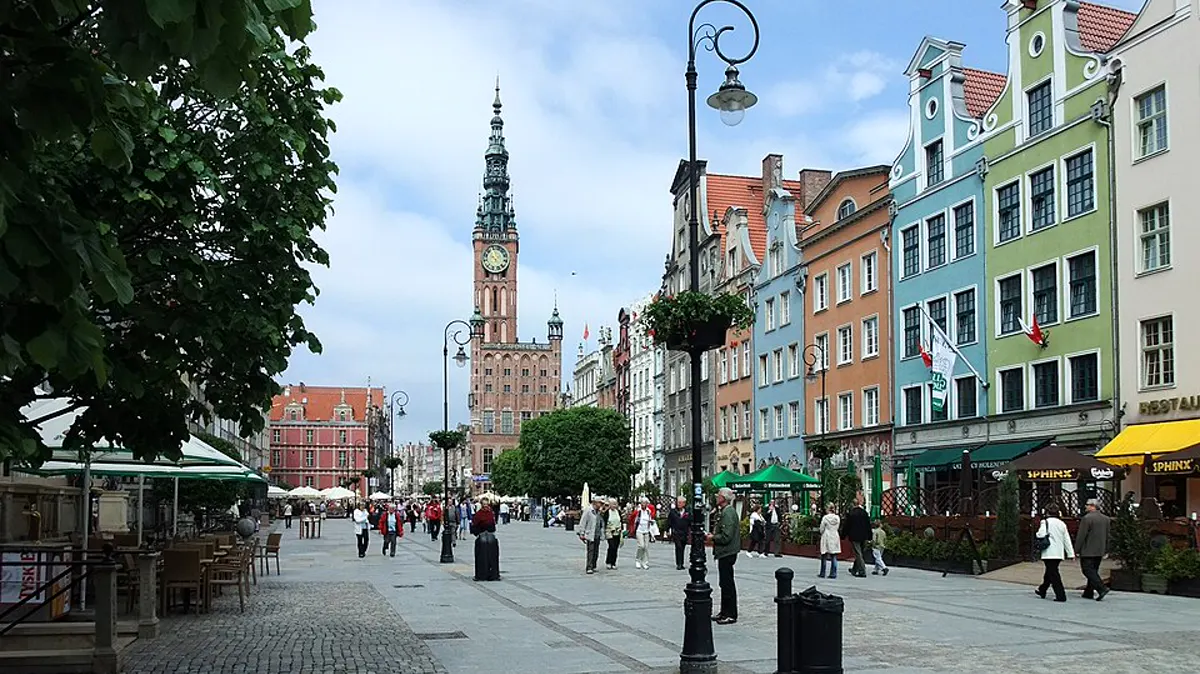
The grand main thoroughfare of Gdansk, a wide promenade of merchant facades running from the Golden Gate to the river.
Fontanna Neptuna
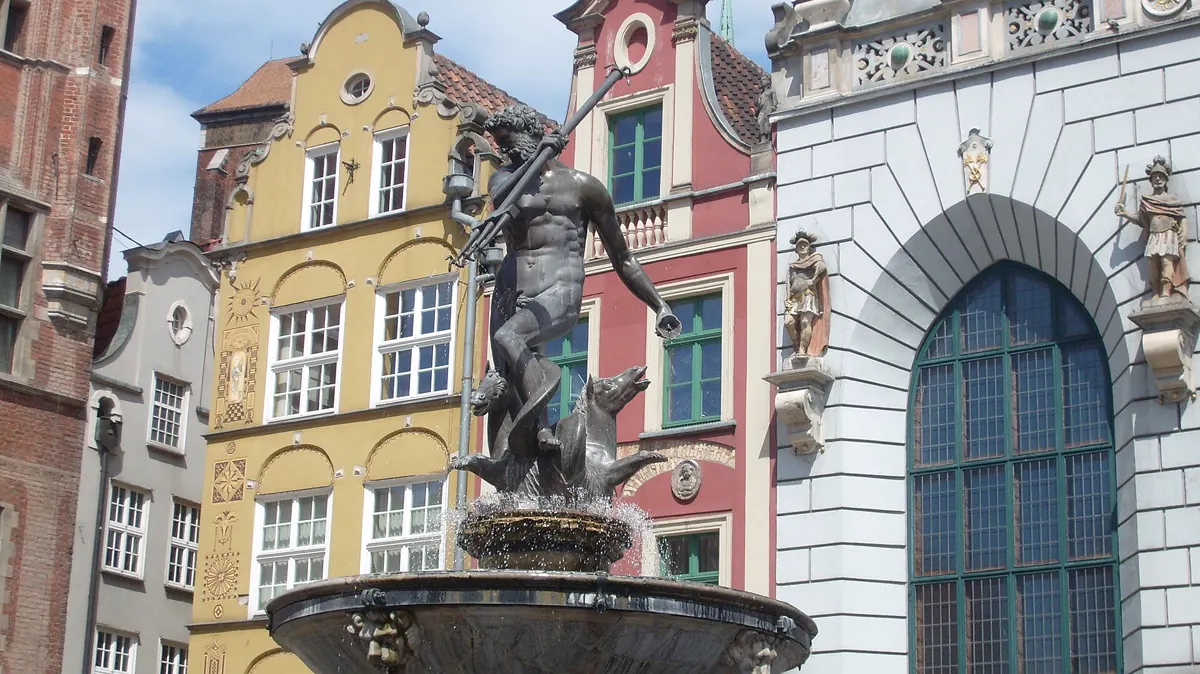
The bronze Neptune Fountain, cast in the early 17th century, has stood in front of the Artus Court since 1633 and became the symbol of Gdansk. Local legend claims the god's trident scattered gold flakes into the water, inspiring the herbal liqueur Goldwasser.
Zuraw
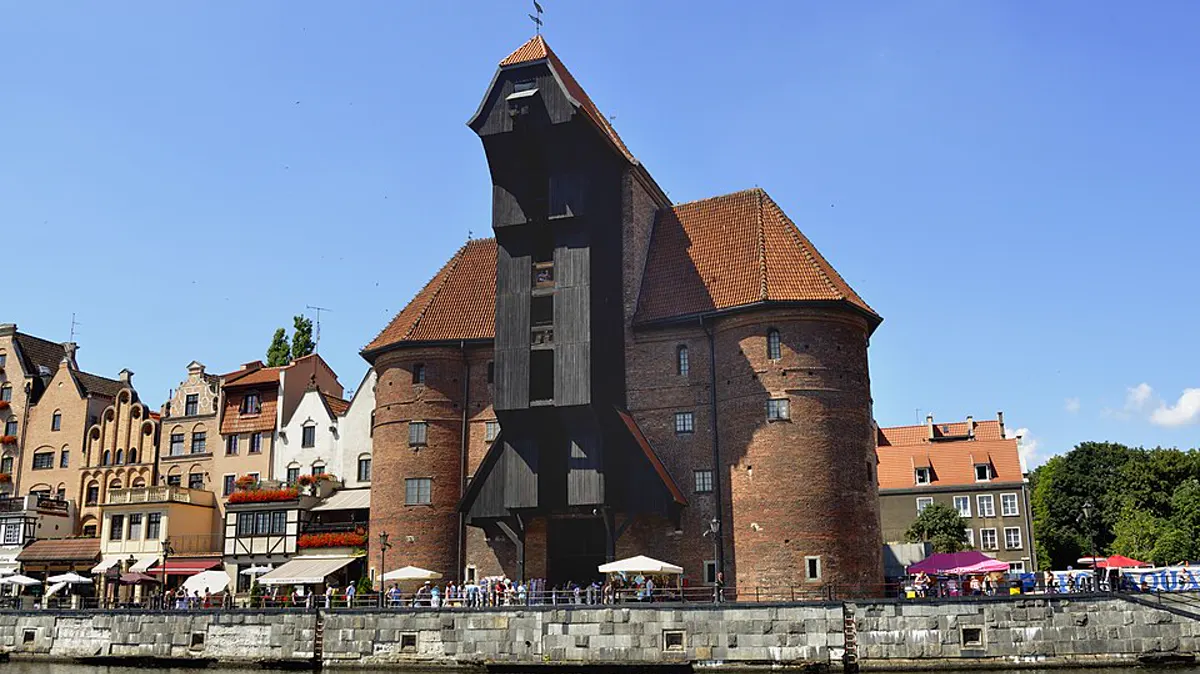
The medieval port crane on the Motlawa riverfront is the largest medieval port crane in Europe, once able to lift loads of up to two tonnes using giant human-powered treadwheels. It now forms part of the National Maritime Museum.
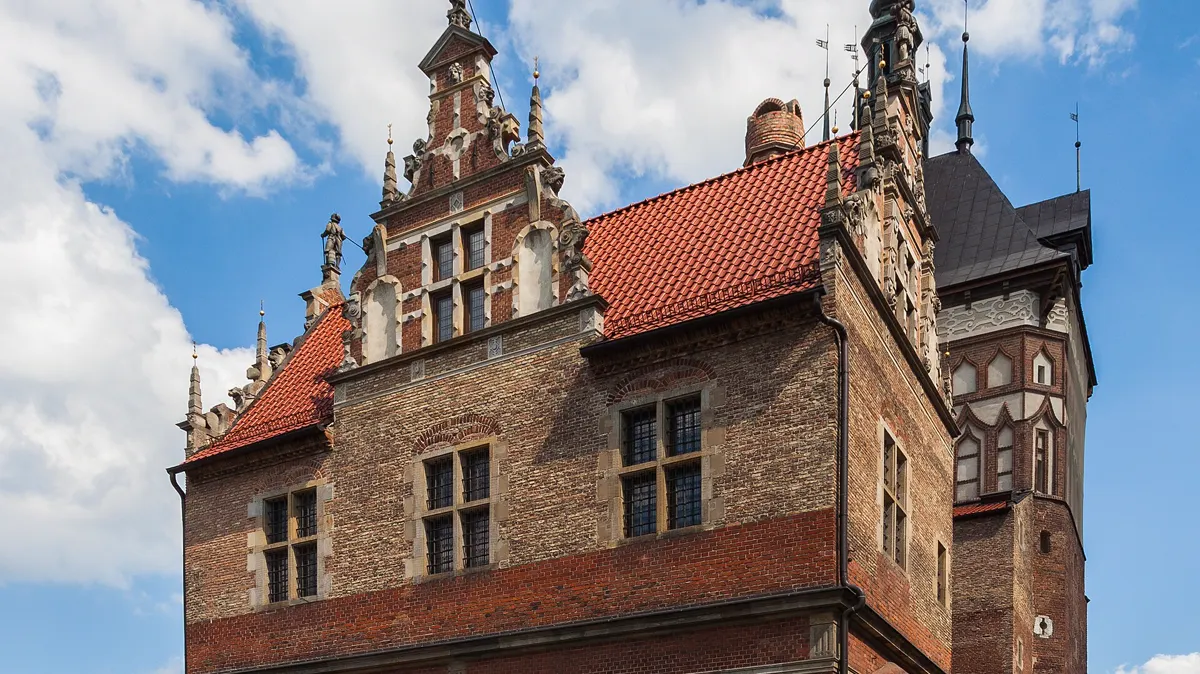
Prison Tower and Torture Chamber
A 16th-century fortified complex in Gdansk's Main Town that once held prisoners and carried out interrogations, now marking the start of the Royal Route.
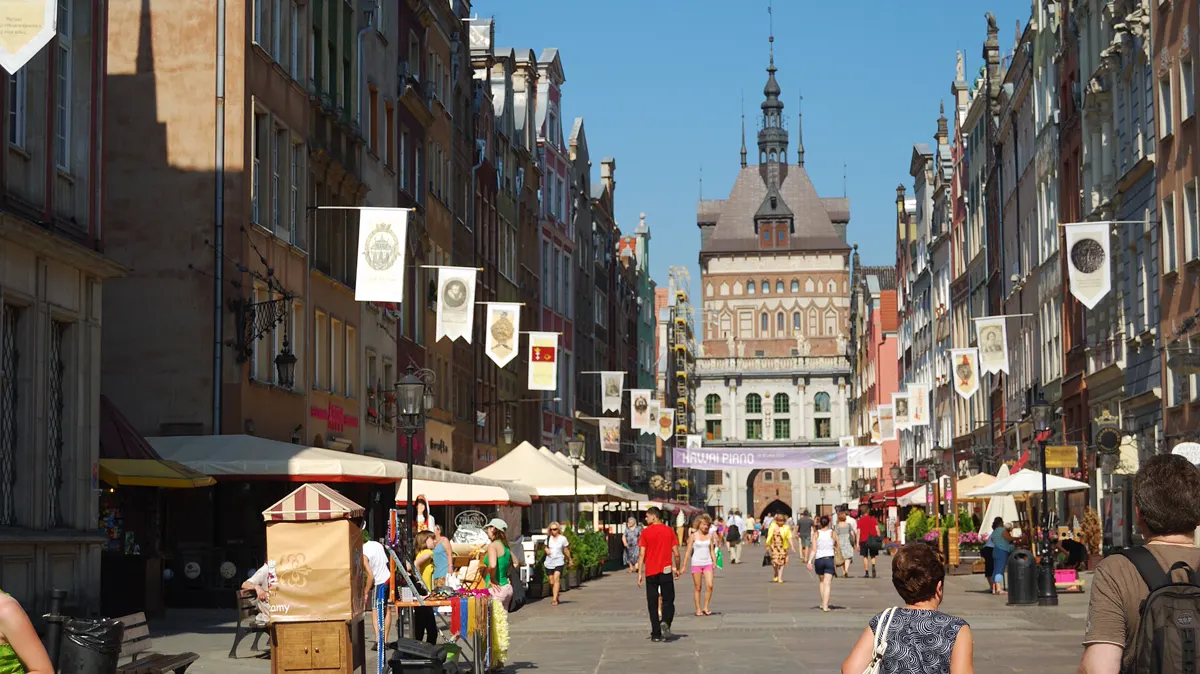
Long Street and the Royal Route (ulica Długa)
Długa (Long Street) is the main pedestrian street of Gdańsk's Main Town and the western stretch of the historic Royal Route, lined with tall reconstructed burgher houses and the city's landmark buildings.
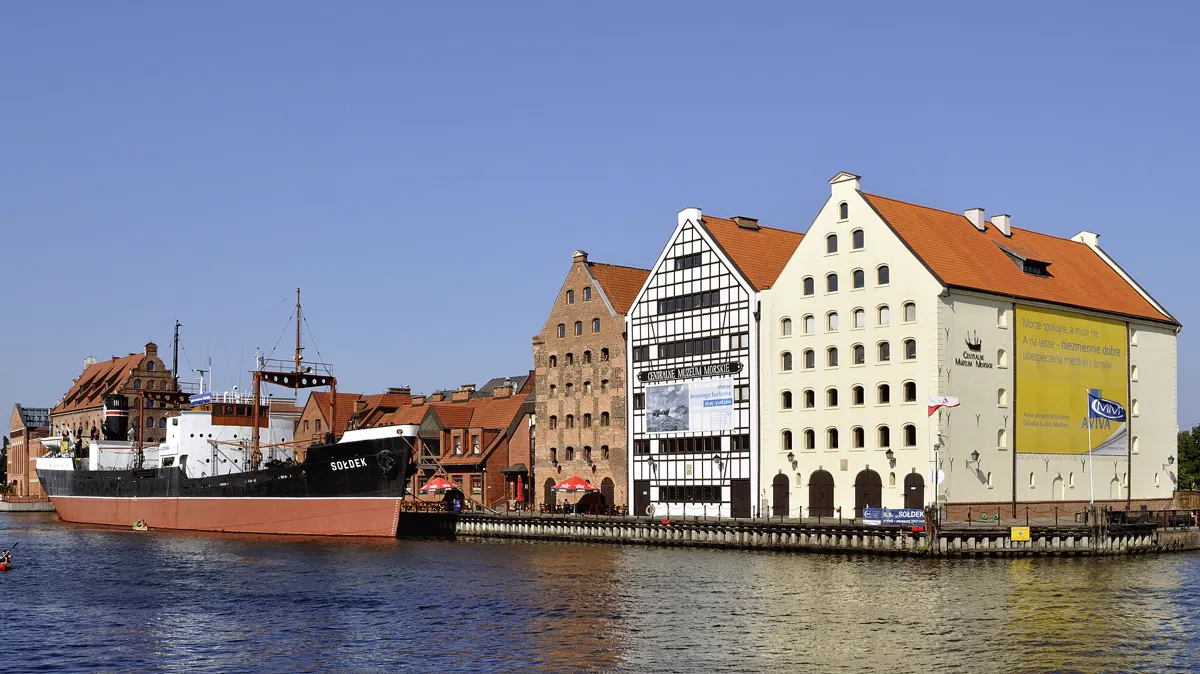
National Maritime Museum and SS Sołdek
Gdańsk's National Maritime Museum spreads across historic granaries on Ołowianka Island and the opposite Motława bank, with the SS Sołdek, a post-war Gdańsk-built cargo ship, moored alongside as a floating museum you can board.
Featured in
More to explore in Gdańsk

Restaurant
Eliksir
A refined tasting-menu restaurant in the Garnizon district of Wrzeszcz, making the most of Baltic ingredients.
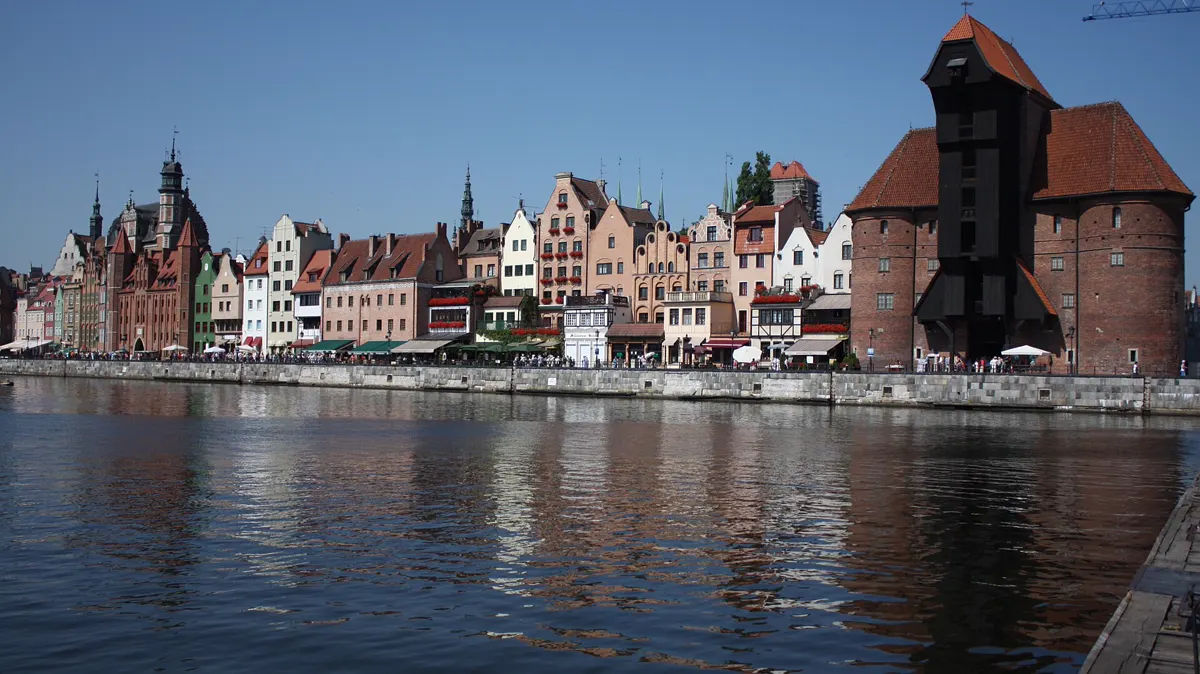
Hotel
Hotel Podewils
A baroque townhouse hotel right on the marina, facing the old crane across the water.
Nature
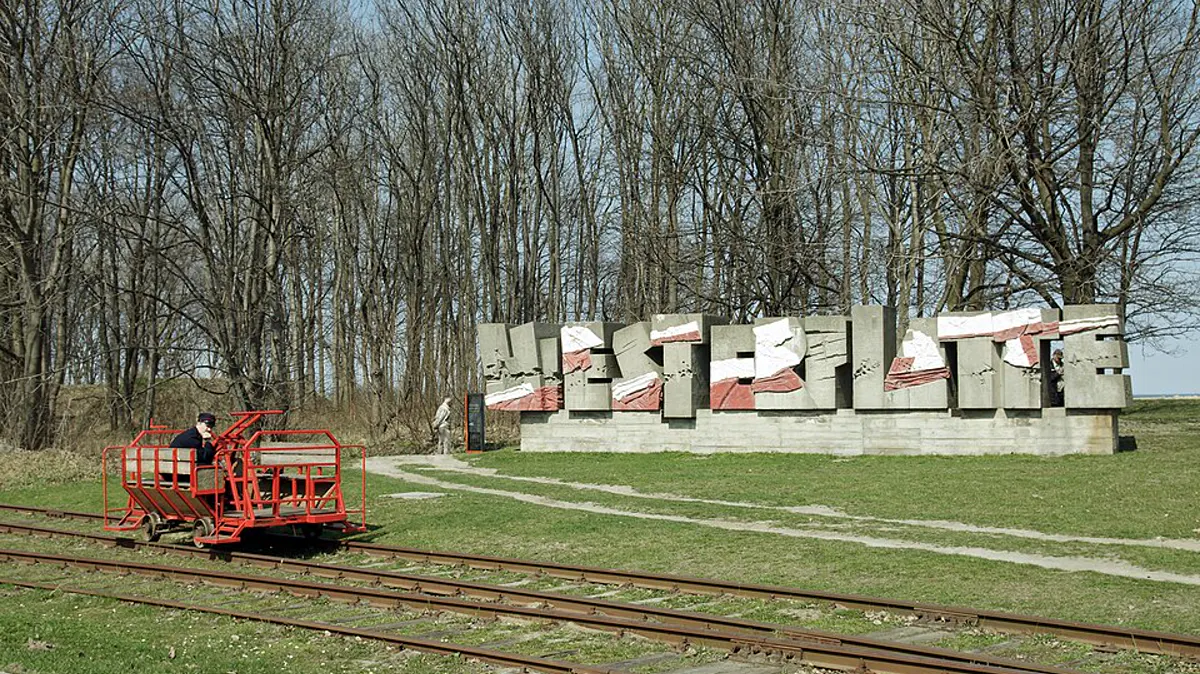
Westerplatte
The seaside peninsula where WWII began, now a memorial park reached by a summer river boat.
Castle
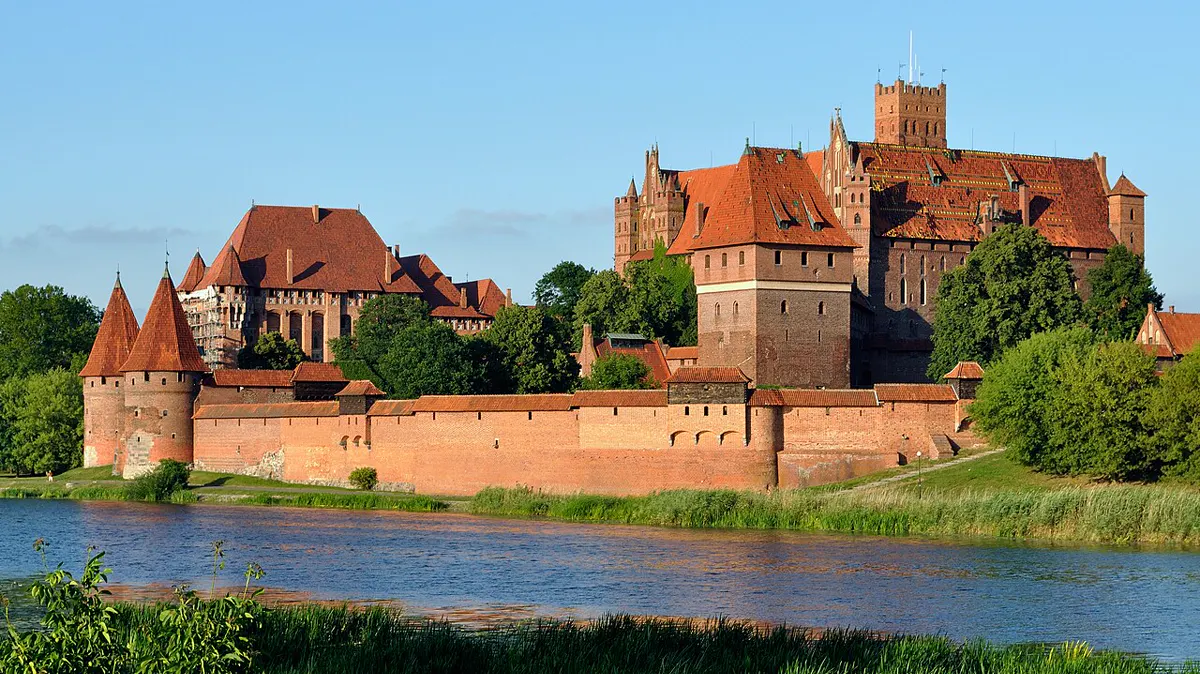
Malbork Castle
The largest castle in the world by land area, a vast red-brick fortress built by the Teutonic Knights on the Nogat river.

Restaurant
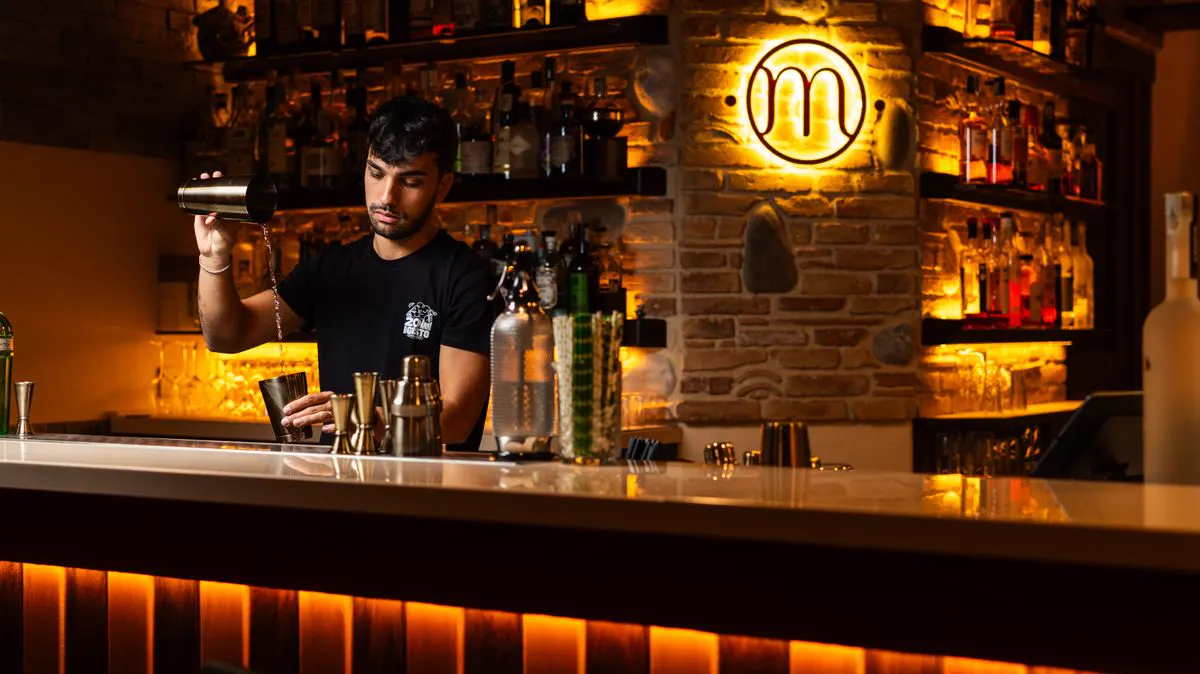
Jozef K
A characterful cocktail bar off the main drag with a literary theme and inventive drinks. Popular with locals for an evening away from the riverfront prices.
Restaurant
Piwna and Garnizon bars
Piwna street in the Main Town and the Garnizon quarter in Wrzeszcz hold the densest cluster of craft-beer bars and pubs. Good for sampling Polish craft breweries on tap.