Attraction in Warsaw
St. John's Archcathedral
St. John's Archcathedral is Warsaw's oldest church, a Masovian Gothic cathedral in the Old Town where Poland's 1791 constitution was sworn and Masovian dukes were crowned and buried.
Reviewed and updated July 2026
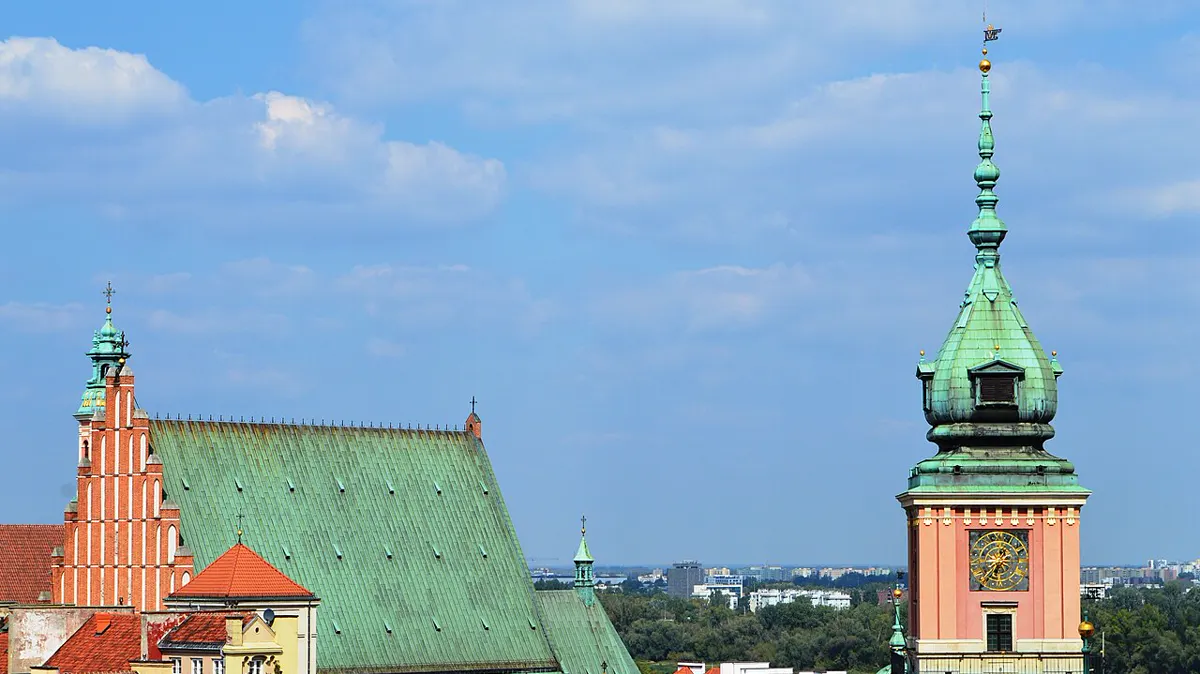
St. John's Archcathedral is the oldest church in Warsaw, a Masovian Gothic cathedral in the Old Town that served as the coronation and burial site of the Dukes of Masovia. People visit for its place at the centre of Polish history: on 3 May 1791 the oath to Europe's first modern written constitution was sworn inside these walls, and today the archcathedral stands as one of Poland's national pantheons within the UNESCO-listed Old Town.
What you see inside
The archcathedral follows the Masovian Gothic style, a red-brick form typical of the region rather than the stone Gothic of western Europe. Its founding in the late 14th century makes it the senior church of the city, and it has functioned across the centuries as a place of coronations, burials and national ceremony. The interior serves as a resting place for figures central to Poland's past, which is why it is counted among the country's national pantheons. Come with an eye for the crypts and memorials rather than expecting an untouched medieval shell, since much of what stands today was reconstructed.
The 1791 constitution and the dukes of Masovia
Before Warsaw became the seat of Polish kings, this was the church of the Dukes of Masovia, who were crowned and buried here. Its single most consequential moment came on 3 May 1791, when the oath to Europe's first modern written constitution was sworn within the archcathedral. That link ties the building directly to a document Poles still mark as a national anniversary. Standing inside makes the abstract history of the constitution feel rooted in a specific place.
Destruction in 1944 and the rebuilding
During the 1944 Warsaw Uprising the Germans drove an explosive-laden tank inside the archcathedral and detonated it, destroying much of the structure. What visitors see now is the result of a careful reconstruction carried out between 1947 and 1954, when the church was rebuilt down to its foundations. This story of ruin and recovery mirrors the fate of the whole Old Town, which was raised again from wartime rubble and later recognised by UNESCO. Knowing the history changes how the walls read, since almost everything around you is a deliberate act of restoration.
Fitting it into a Warsaw visit
The archcathedral sits in the Old Town, so it pairs naturally with the Royal Castle, the market square and the surrounding lanes on foot. It works well as an early stop on a walk through the district, giving context to the reconstruction story you will see repeated across the neighbourhood. For a wider plan of the city and nearby sights, see our Warsaw guide. As an active place of worship, it rewards a quiet, respectful visit rather than a rushed one.
Good to know
This is a working church that holds regular services, so dress modestly and check the parish's official channels for current visiting times and any restrictions during Mass.
Frequently asked questions
More attractions in Warsaw
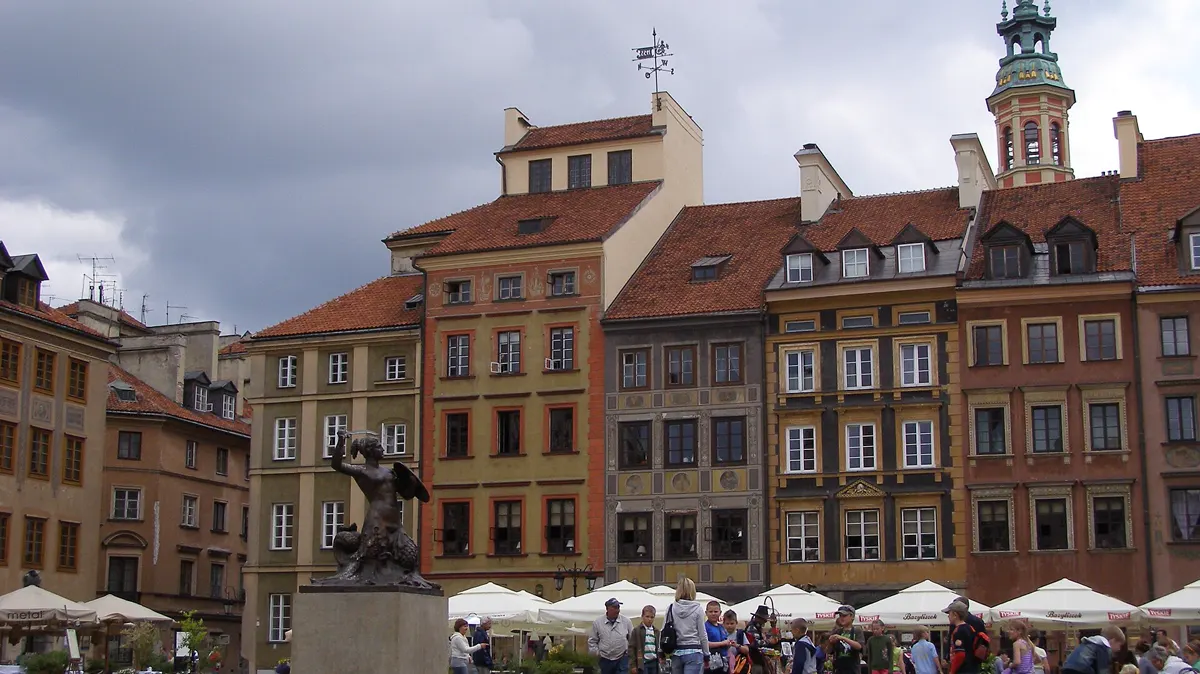
Old Town Market Square
The reconstructed heart of Warsaw Old Town, a UNESCO-listed feat of post-war rebuilding ringed by colourful townhouses.
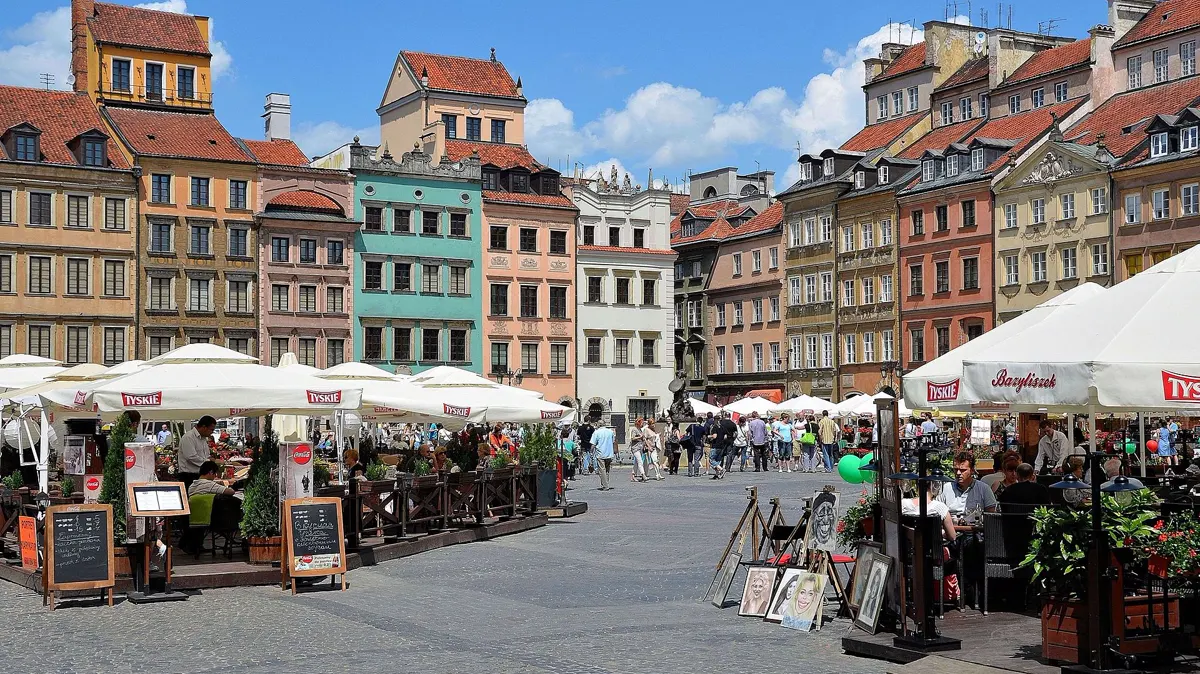
Stare Miasto (Warsaw)
Warsaw's Old Town was rebuilt from rubble after World War II so faithfully that UNESCO added it to the World Heritage list. Its Market Square is lined with pastel merchant houses and centred on the bronze Mermaid statue, the city's symbol.
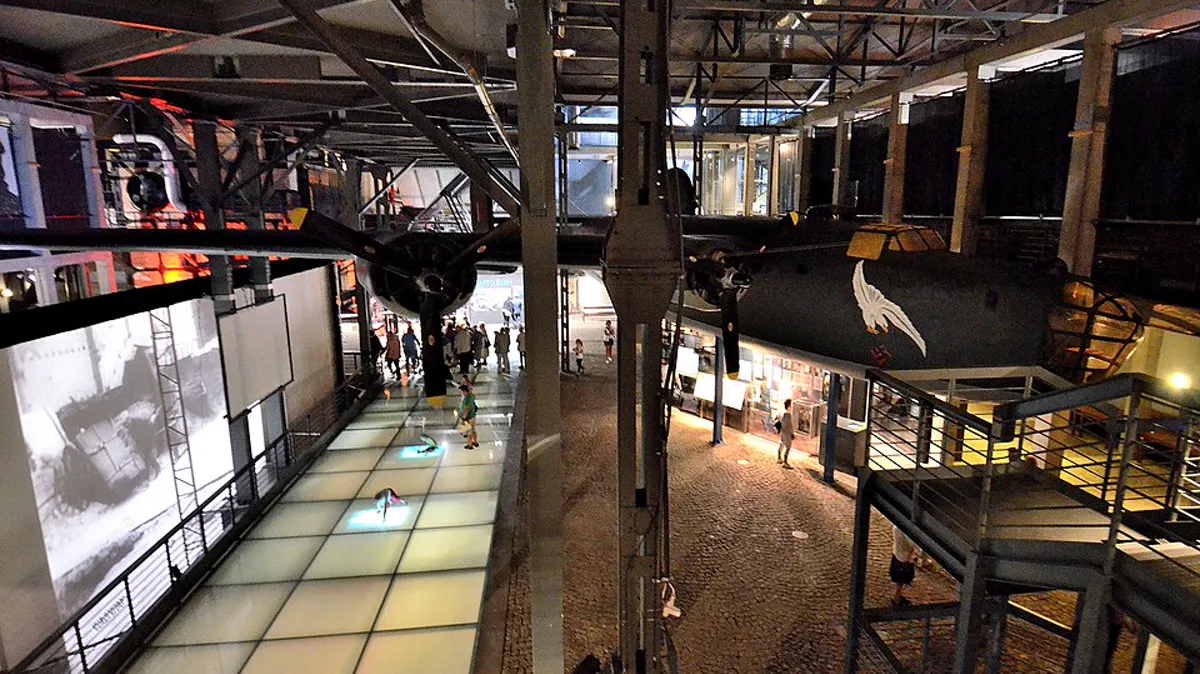
Muzeum Powstania Warszawskiego
The Warsaw Uprising Museum documents the 63-day insurrection of 1944 through survivor recordings, a replica Liberator bomber, and a beating-heart sound installation. It sits in a former tram power station in the Wola district.
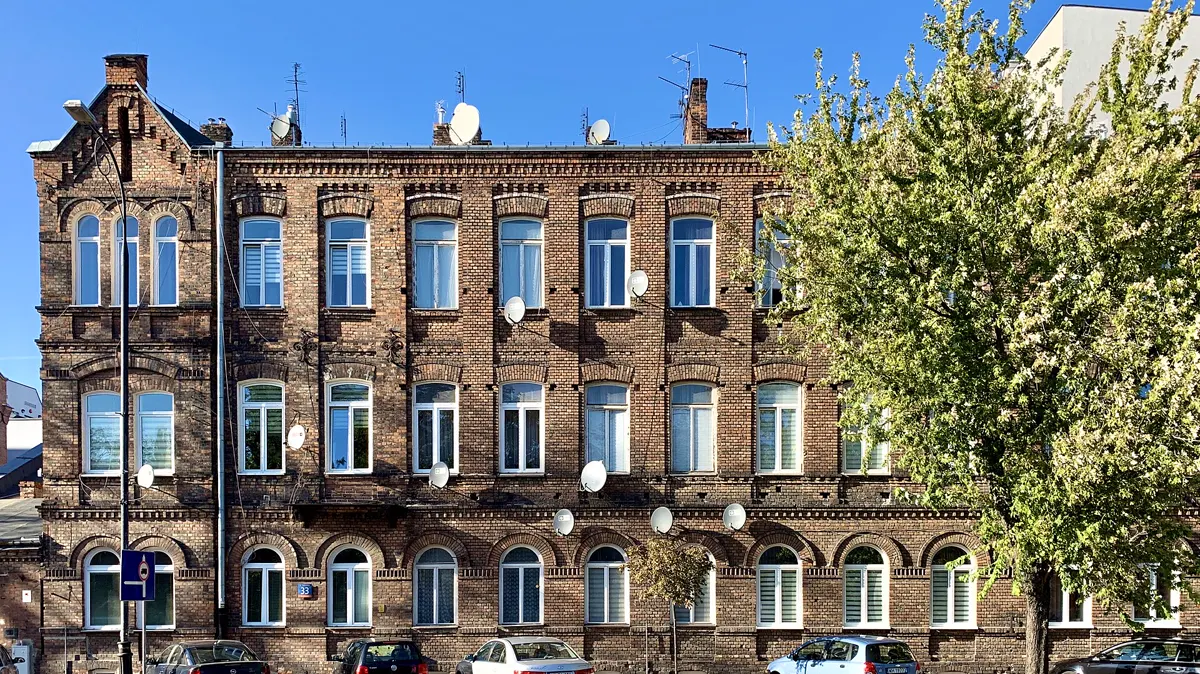
Praga District
Praga is Warsaw's district on the eastern bank of the Vistula, one of the few areas to survive the war intact, now a centre for artists, galleries and nightlife set among genuine pre-war tenements.
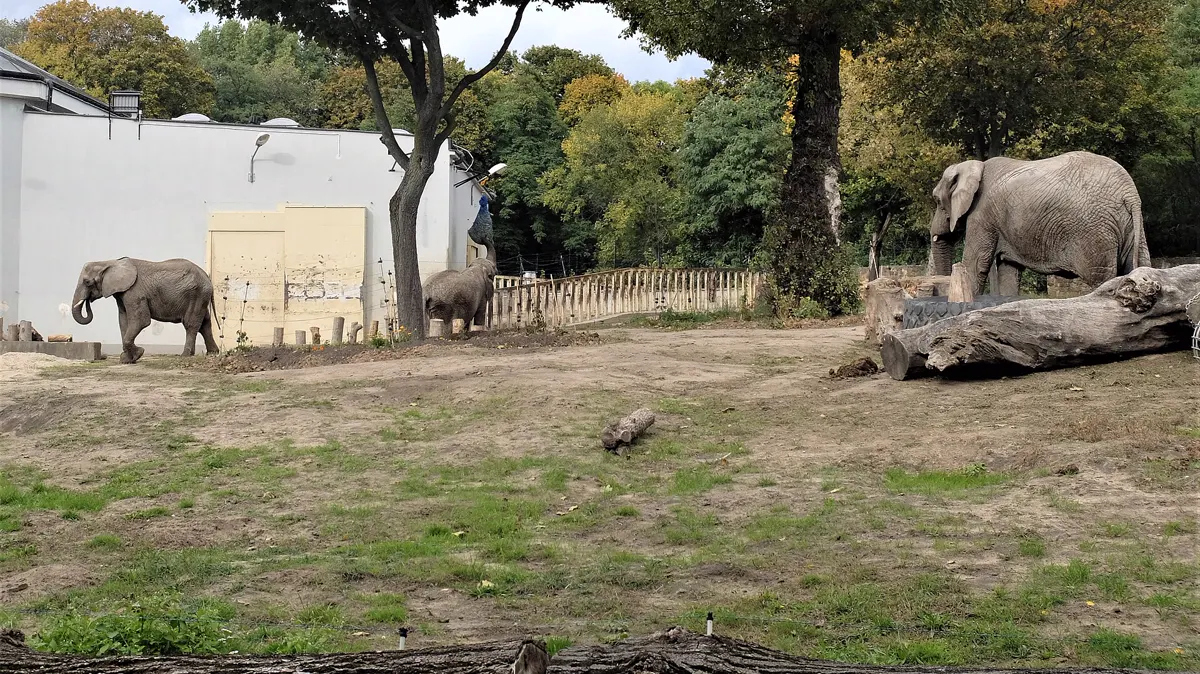
Warsaw Zoo
Warsaw's municipal zoo sits on the Praga bank of the Vistula and is known both for its thousands of animals and for the wartime rescue story behind 'The Zookeeper's Wife'.
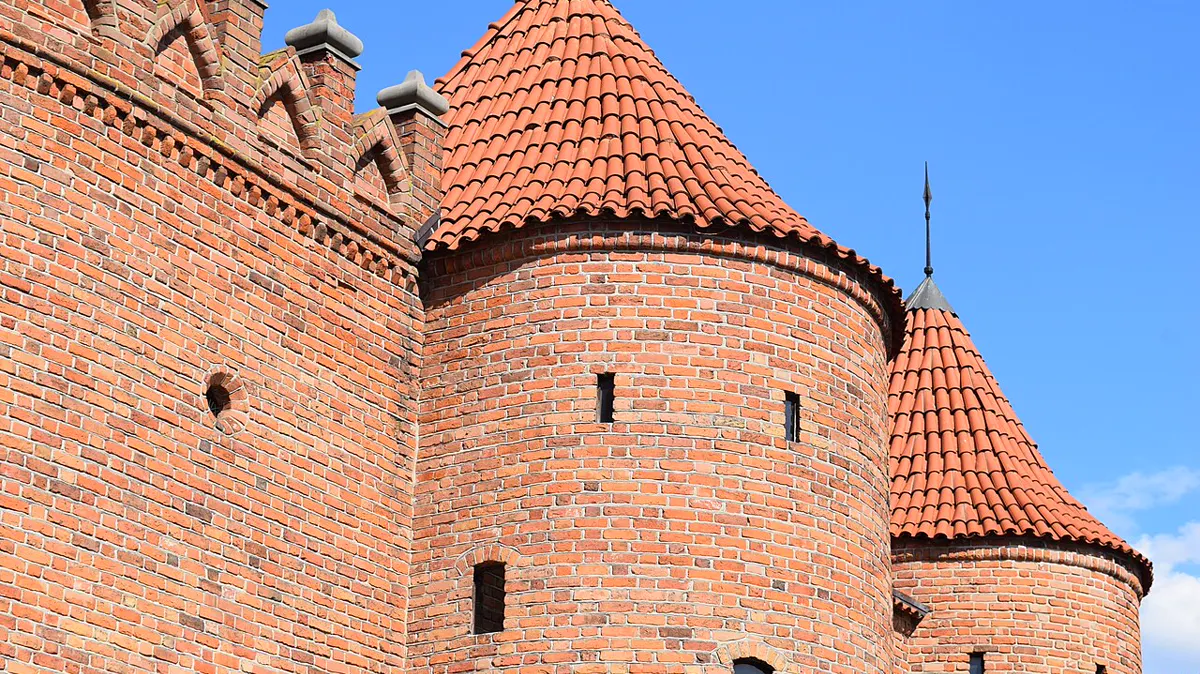
Warsaw Barbican (Barbakan)
The Warsaw Barbican is a semicircular brick fortress gate from around 1540 and one of the last surviving pieces of the city's medieval walls. It stands between the Old and New Towns, where street artists and vendors gather.
More to explore in Warsaw

Restaurant
Nolita
A Michelin Guide-listed kitchen turning Polish produce into precise modern tasting menus.
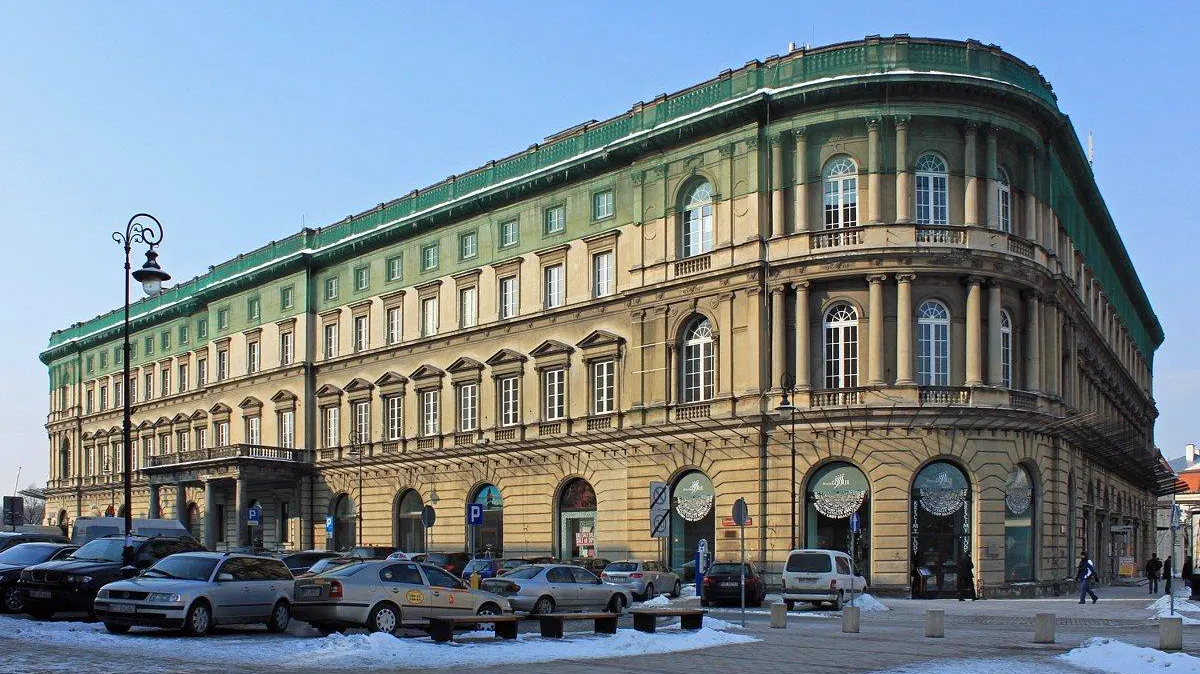
Hotel
Raffles Europejski Warsaw
A landmark 19th-century hotel on the Royal Route, reborn with a serious art collection.
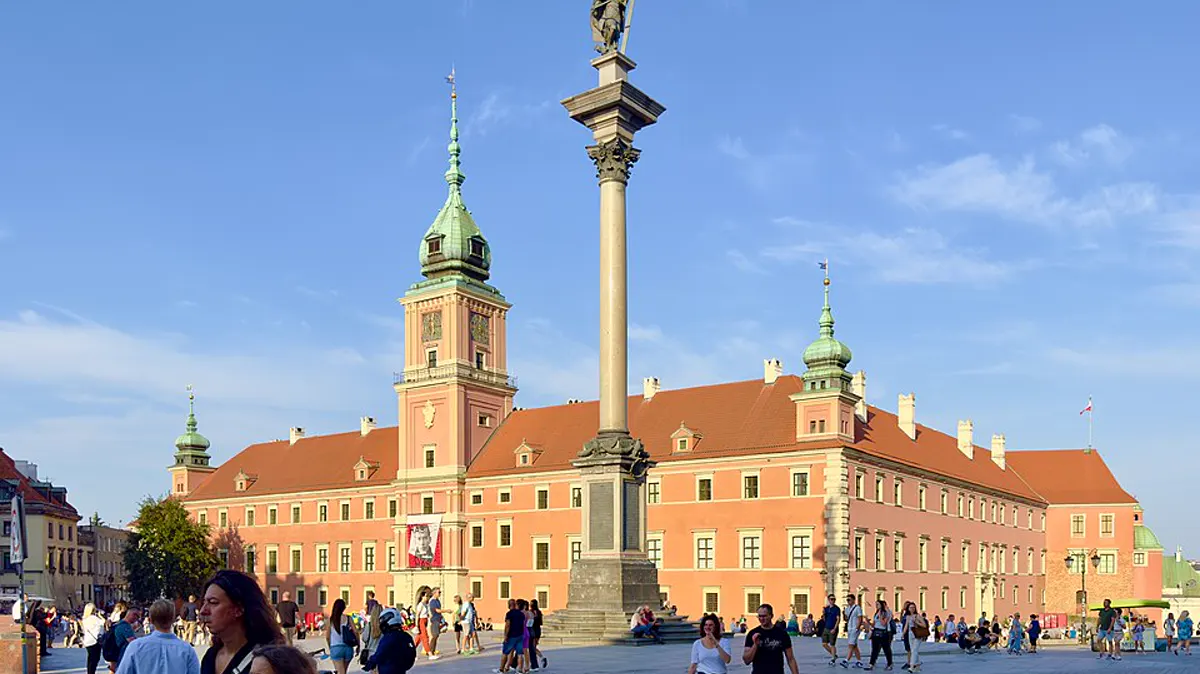
Castle
Royal Castle
The reconstructed seat of Polish kings and parliament on Castle Square, rebuilt from rubble after wartime destruction.
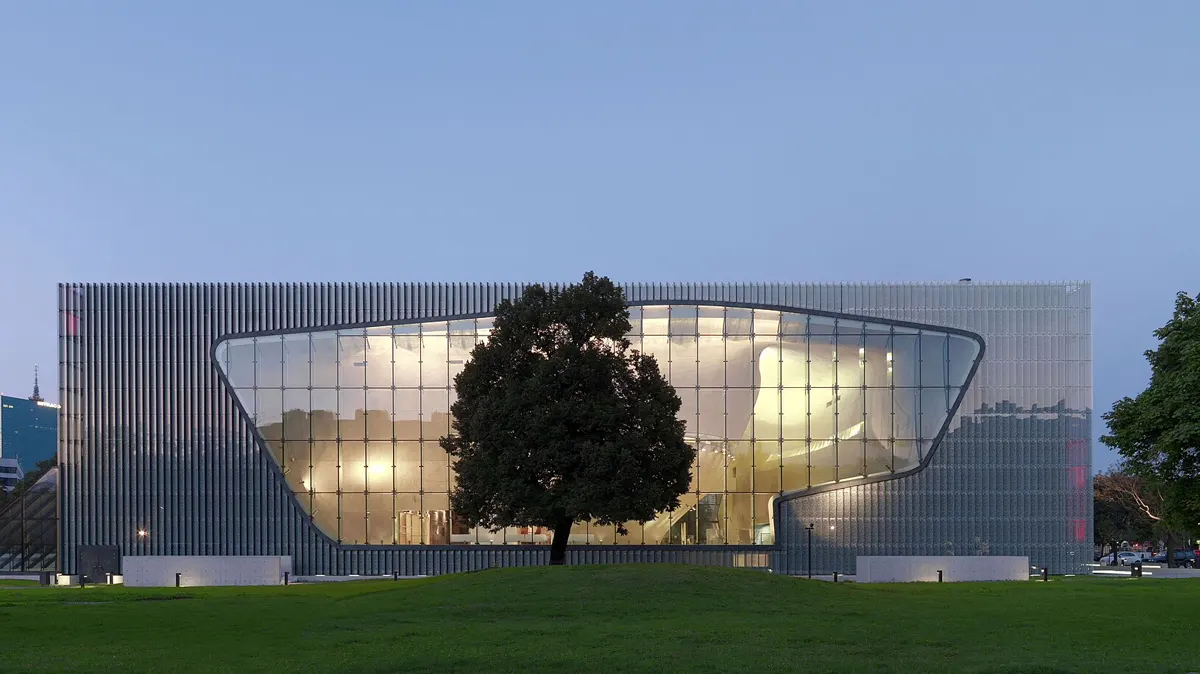
Museum
POLIN Museum of the History of Polish Jews
An award-winning museum tracing a thousand years of Jewish life in Poland, on the site of the former Warsaw Ghetto.
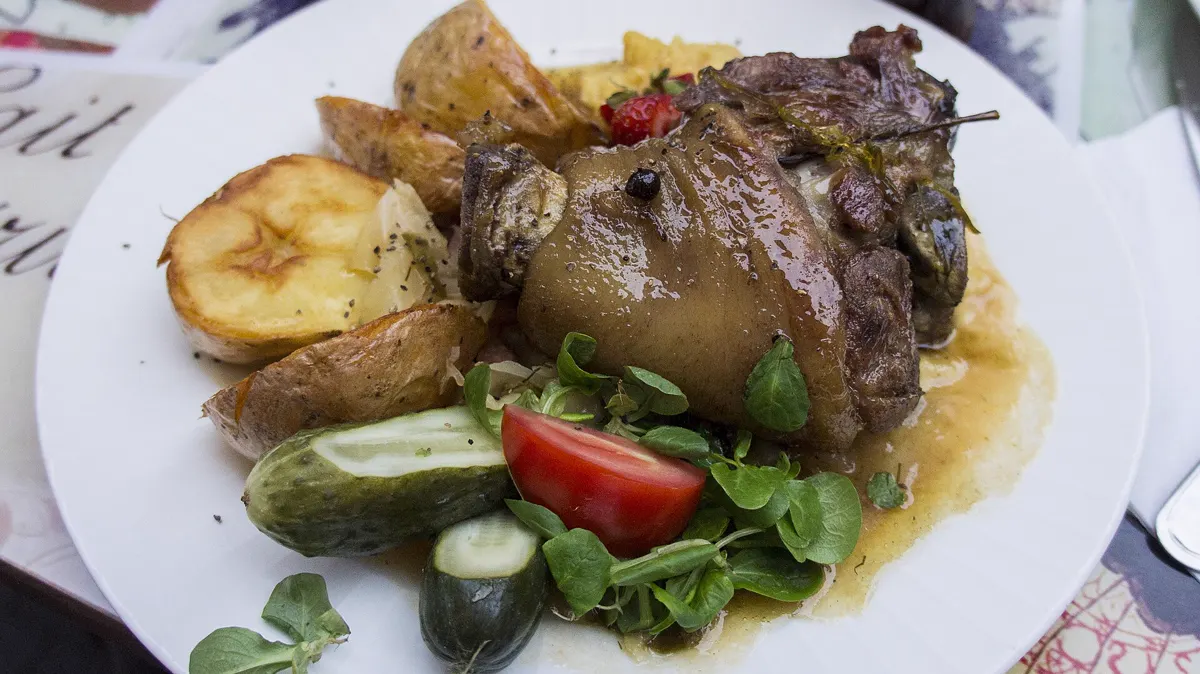
Restaurant
Restauracja Podwale 25
A beer hall and grill just outside the Old Town walls, known for giant pork knuckle (golonka) and Masovian dishes. Big portions, garden seating, and a good beer selection.
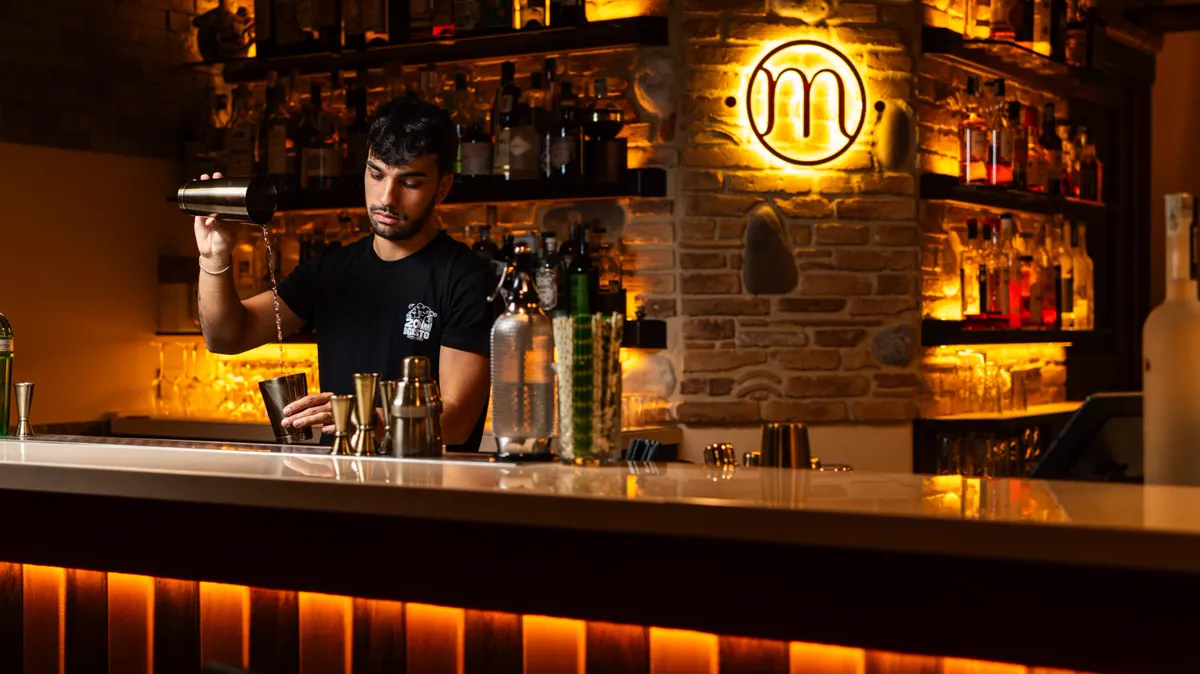
Restaurant
Backroom
A polished cocktail bar hidden off the tourist track, mixing to a high standard.