Attraction in Warsaw
Presidential Palace (Palac Prezydencki)
Warsaw's largest palace and the official seat of the President of Poland, a Neoclassical landmark on the Royal Route fronted by Thorvaldsen's statue of Prince Jozef Poniatowski.
Reviewed and updated July 2026
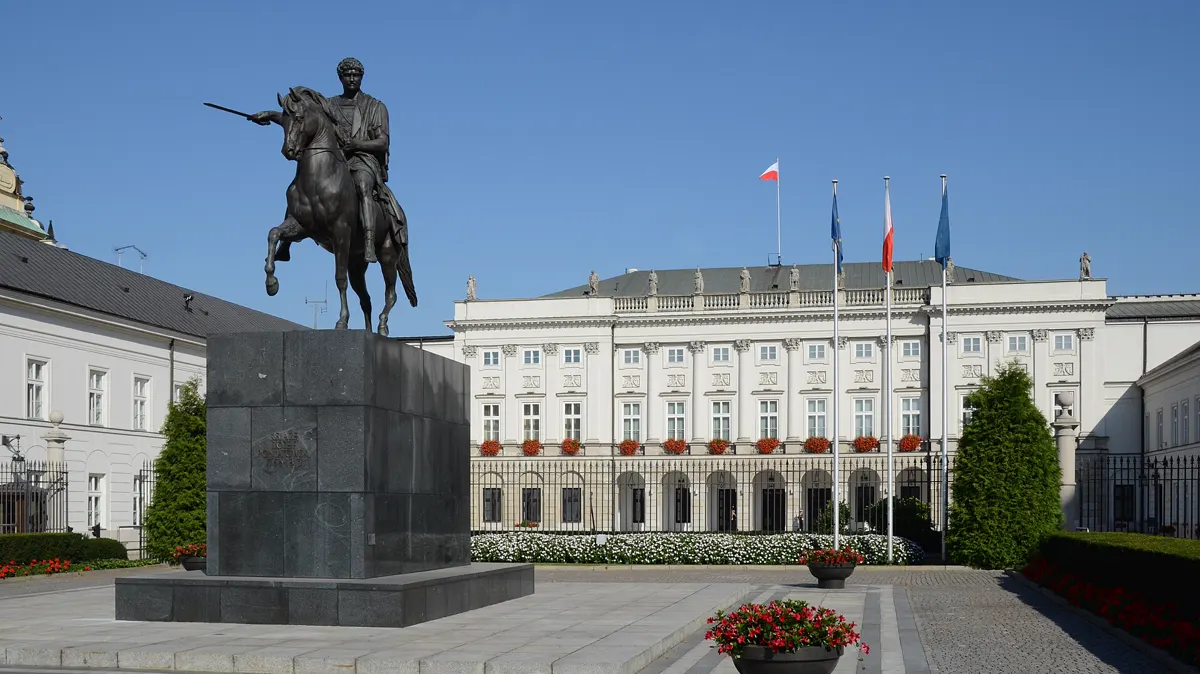
The Presidential Palace (Palac Prezydencki) is the largest palace in Warsaw and the official seat of the President of Poland, and people stop here to see a working centre of state that also carries centuries of history. Standing on Krakowskie Przedmiescie along the Royal Route, the Neoclassical building began as an aristocratic residence in the 17th century before taking on its current role in 1994. It is guarded and viewable from the street, with the equestrian statue of Prince Jozef Poniatowski set out front.
What you see from the street
The white Neoclassical facade fronts a forecourt where the equestrian statue of Prince Jozef Poniatowski, sculpted by the Danish artist Bertel Thorvaldsen, faces the avenue. Because this is a functioning seat of the president, the palace is guarded and normally viewed from outside rather than entered, so the exterior, the statue and the ceremonial guard are what most visitors come to photograph. It is one of the more recognisable stops as you walk the Royal Route.
History behind the walls
Built in the 17th century as an aristocratic residence, the palace grew into the largest in Warsaw and passed through several roles before becoming the official presidential seat in 1994. It was the venue where the Warsaw Pact was signed in 1955, a moment that ties the building directly to Cold War history. A young Chopin also gave one of his early public performances here, linking the palace to the composer whose name recurs across the city.
Who it suits and how to visit
This is a good stop for anyone interested in Polish politics, 20th-century history or the Chopin trail, and it works well as a short pause rather than a lengthy visit. The palace interior is not a standard tourist attraction, so plan around the exterior, the Poniatowski statue and the guard. For opening arrangements or any occasional public access, check official channels before you go, as access can depend on state events.
Fitting it into a Warsaw walk
The palace sits on Krakowskie Przedmiescie, the grand stretch that links the Old Town with the university and the wider city centre, which makes it easy to fold into a stroll rather than a separate trip. Pair it with the churches, the university gate and the Chopin benches nearby, then continue toward Castle Square. See our Warsaw guide for how the Royal Route connects the main sights.
Good to know
The palace is a guarded, working seat of state, so treat it as a street-level and photo stop and check official channels for any public access around state events.
Frequently asked questions
More attractions in Warsaw
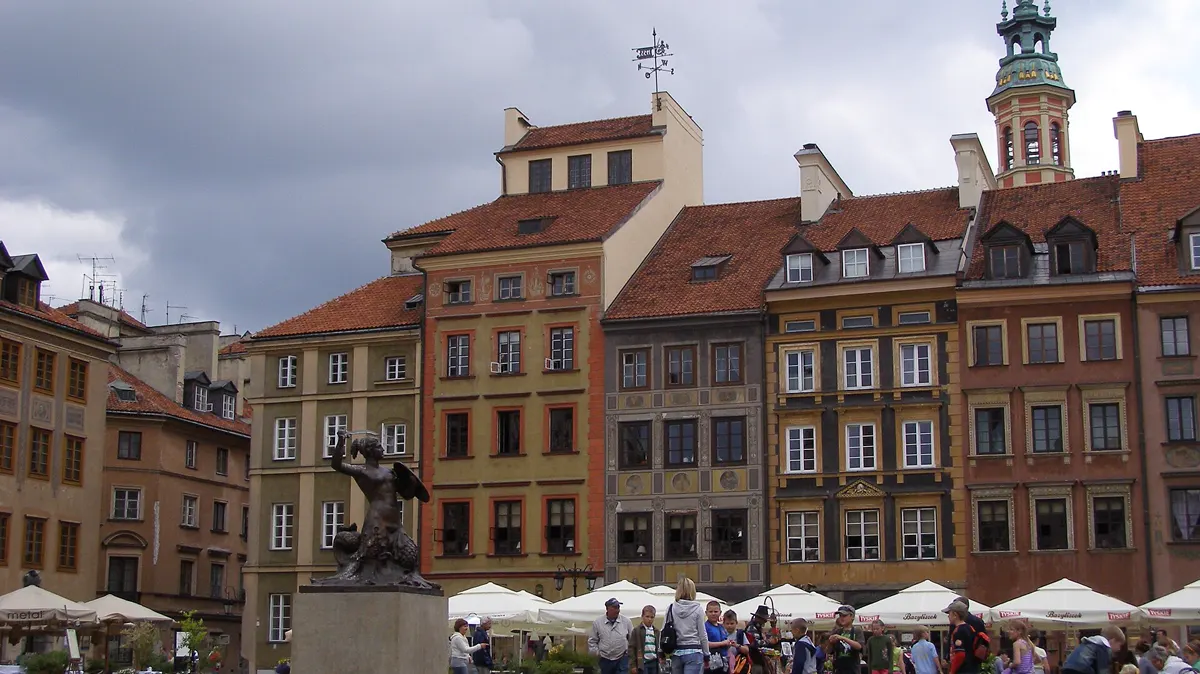
Old Town Market Square
The reconstructed heart of Warsaw Old Town, a UNESCO-listed feat of post-war rebuilding ringed by colourful townhouses.
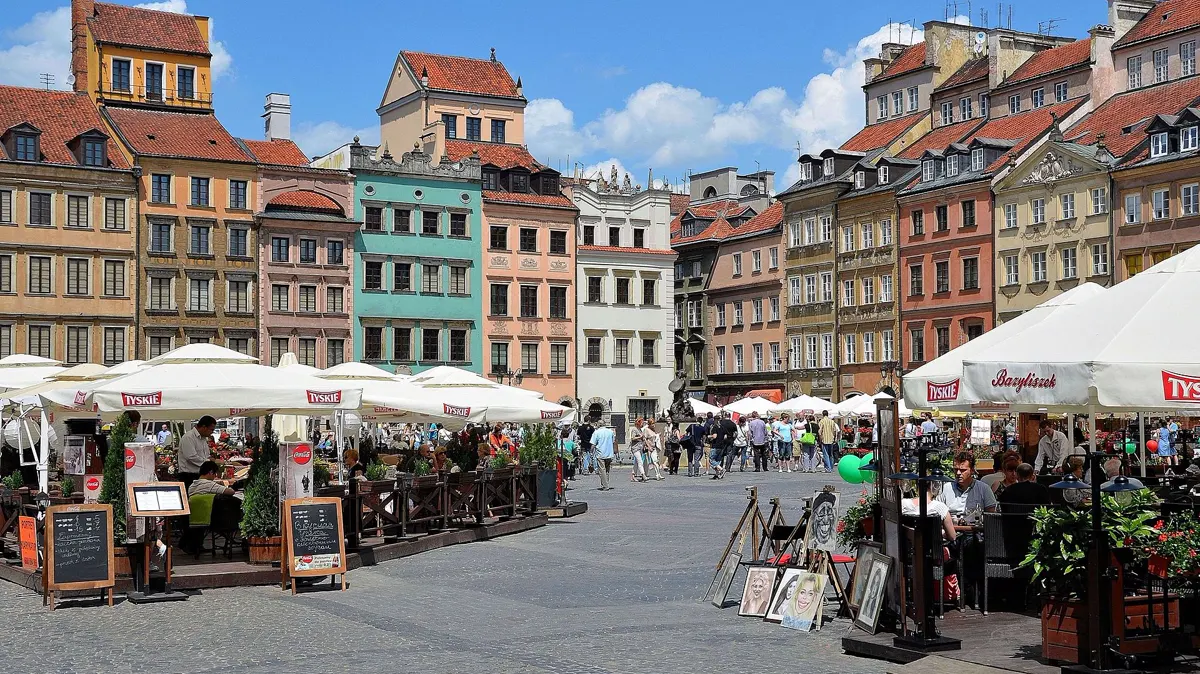
Stare Miasto (Warsaw)
Warsaw's Old Town was rebuilt from rubble after World War II so faithfully that UNESCO added it to the World Heritage list. Its Market Square is lined with pastel merchant houses and centred on the bronze Mermaid statue, the city's symbol.
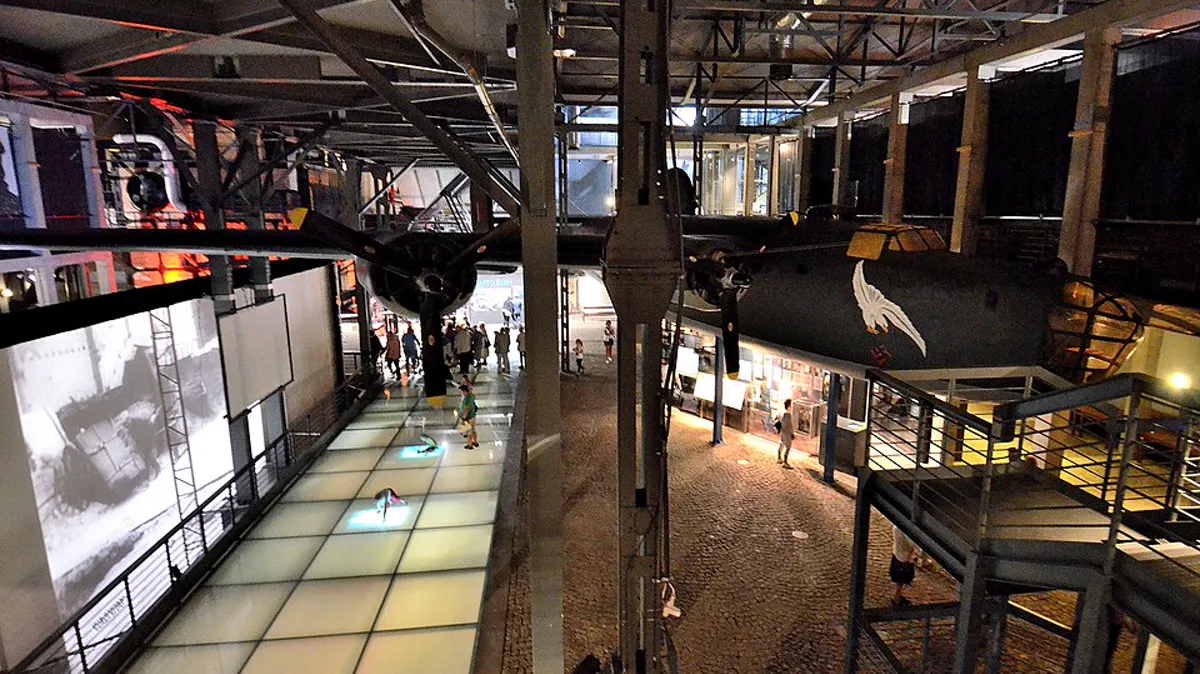
Muzeum Powstania Warszawskiego
The Warsaw Uprising Museum documents the 63-day insurrection of 1944 through survivor recordings, a replica Liberator bomber, and a beating-heart sound installation. It sits in a former tram power station in the Wola district.
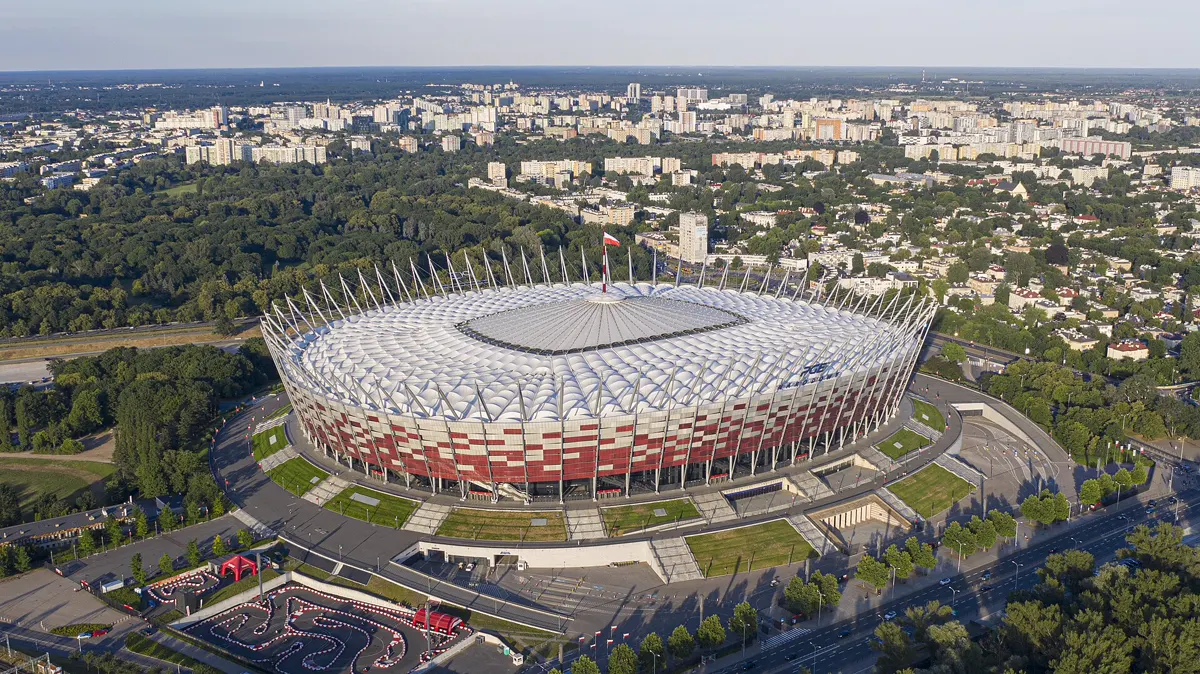
PGE Narodowy (National Stadium)
Warsaw's national stadium is Poland's largest football arena, built for Euro 2012 and known for its red-and-white latticework facade and retractable roof.
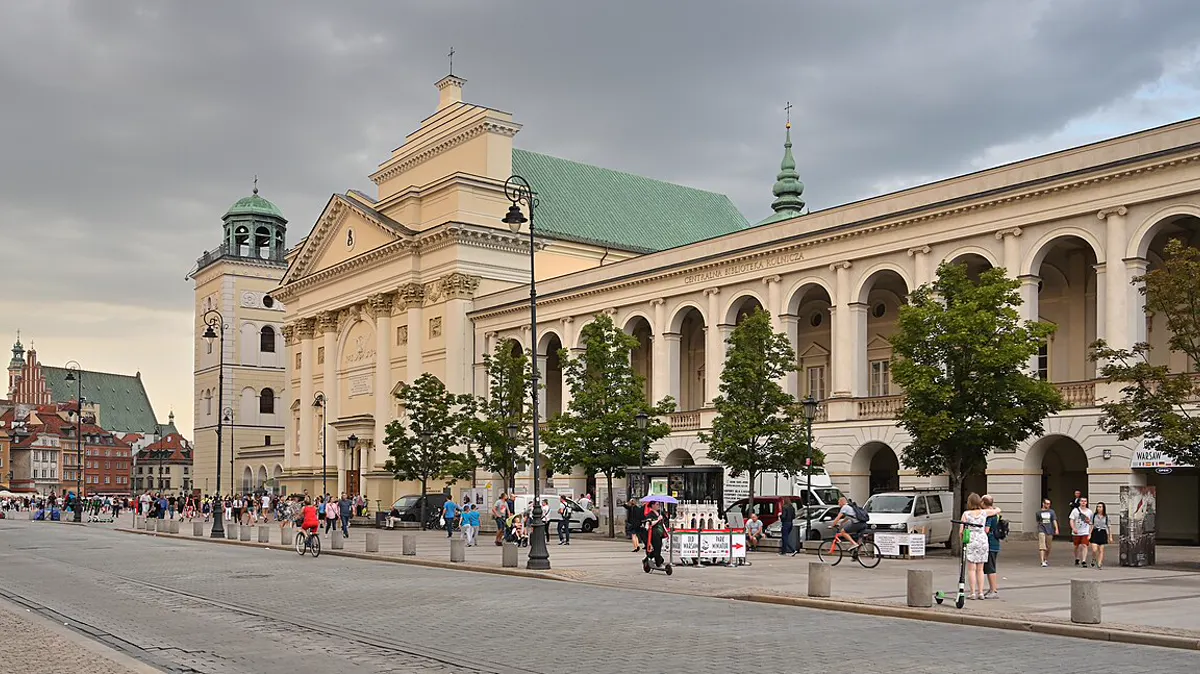
St. Anne's Church
One of Warsaw's finest Baroque churches, set beside Castle Square, with a richly decorated interior and a bell tower you can climb for wide views over the Old Town.
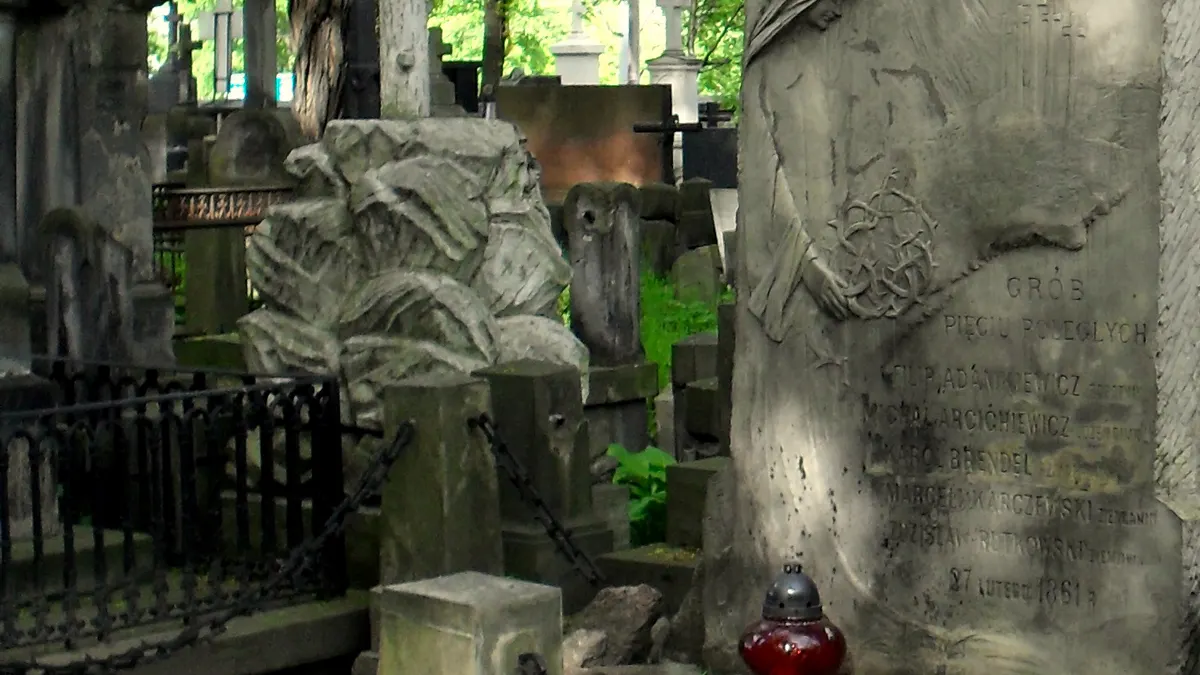
Powazki Cemetery
Founded in 1790, Powazki is Warsaw's oldest and most famous cemetery, an open-air gallery of funerary sculpture spread across roughly 43 hectares in the Wola district.
More to explore in Warsaw
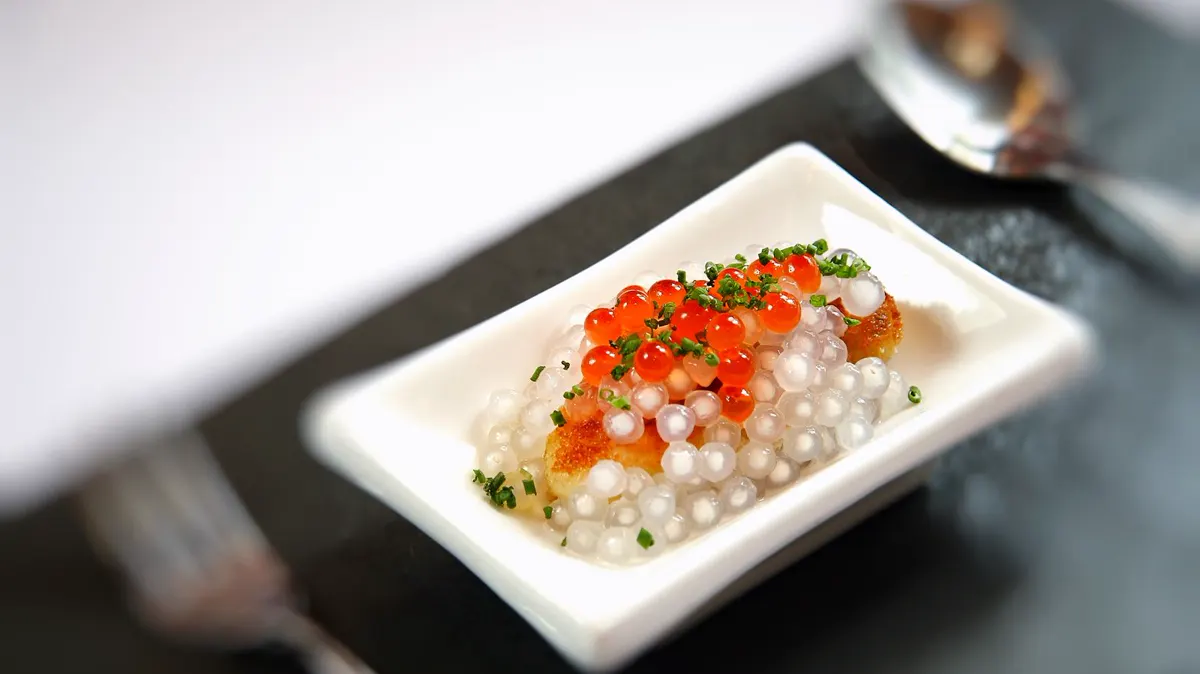
Restaurant
Nolita
A Michelin Guide-listed kitchen turning Polish produce into precise modern tasting menus.
Hotel
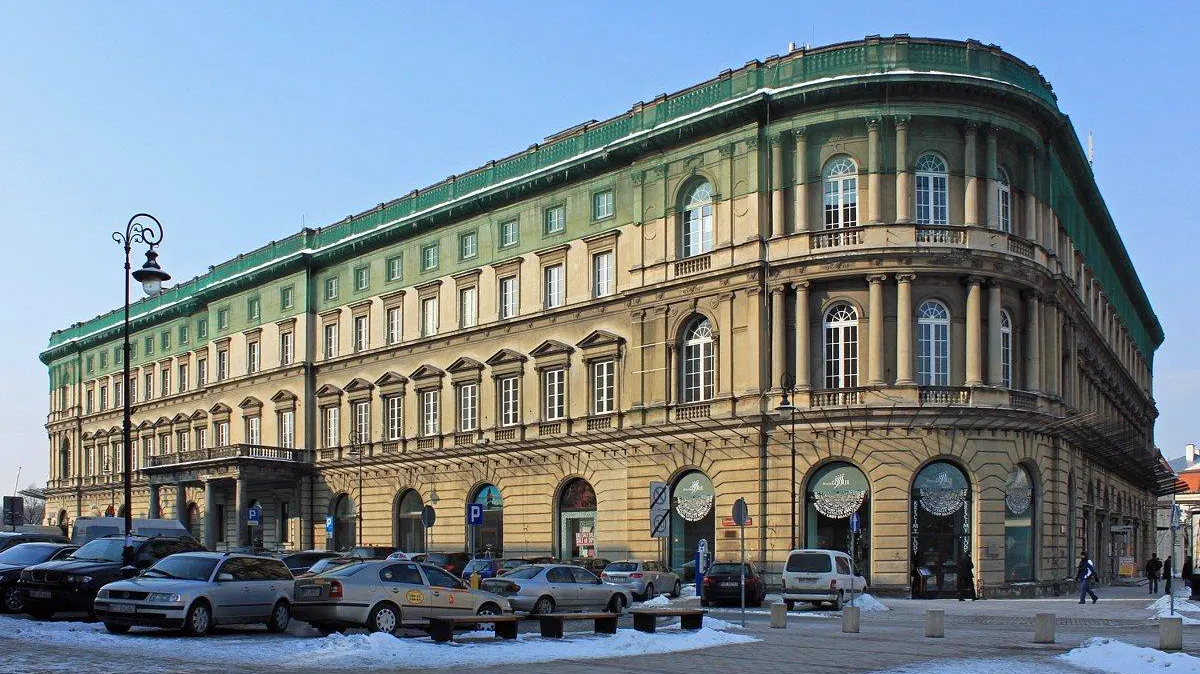
Raffles Europejski Warsaw
A landmark 19th-century hotel on the Royal Route, reborn with a serious art collection.
Castle
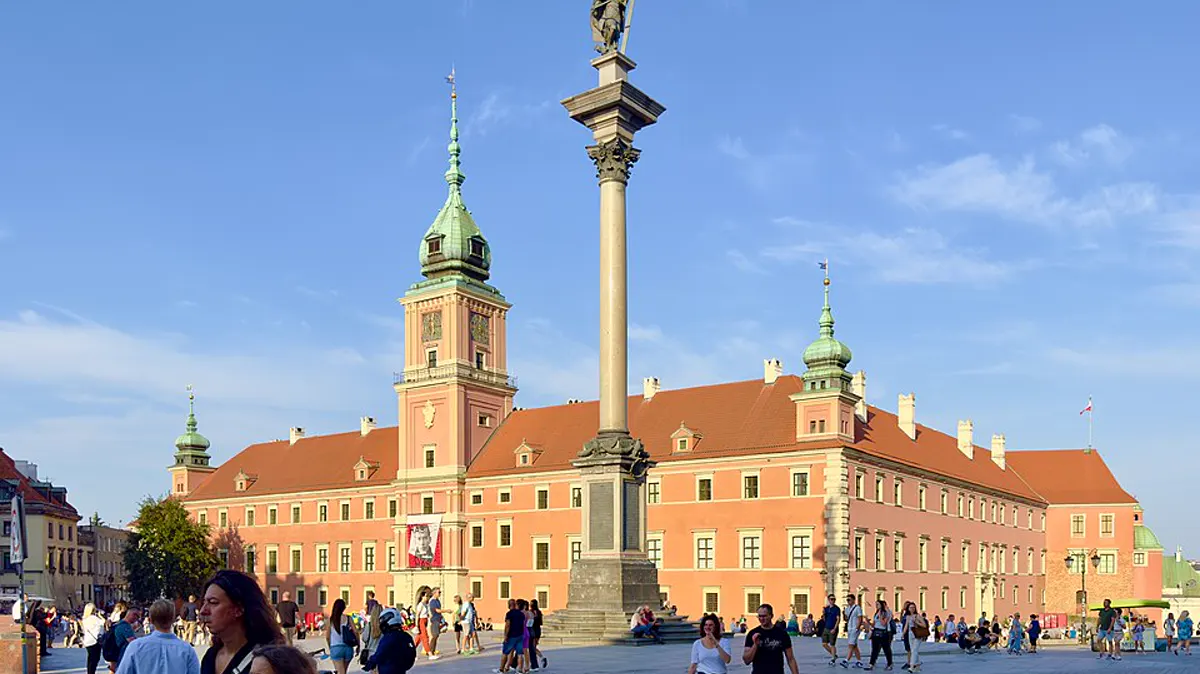
Royal Castle
The reconstructed seat of Polish kings and parliament on Castle Square, rebuilt from rubble after wartime destruction.
Museum
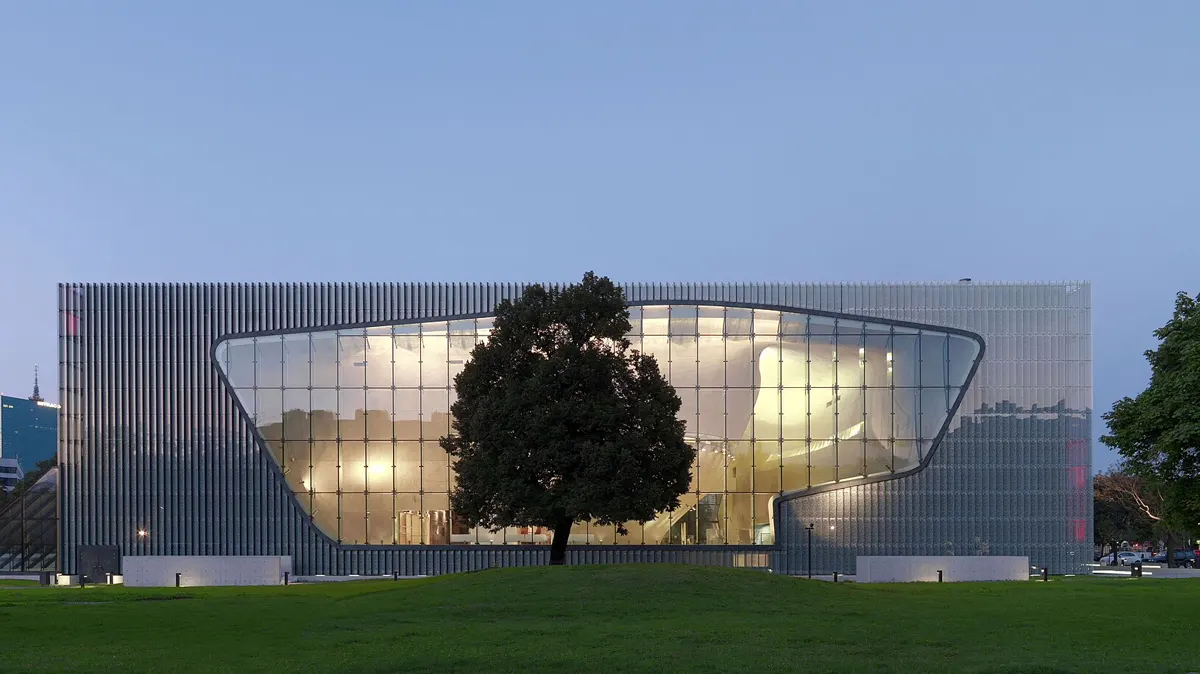
POLIN Museum of the History of Polish Jews
An award-winning museum tracing a thousand years of Jewish life in Poland, on the site of the former Warsaw Ghetto.
Nature
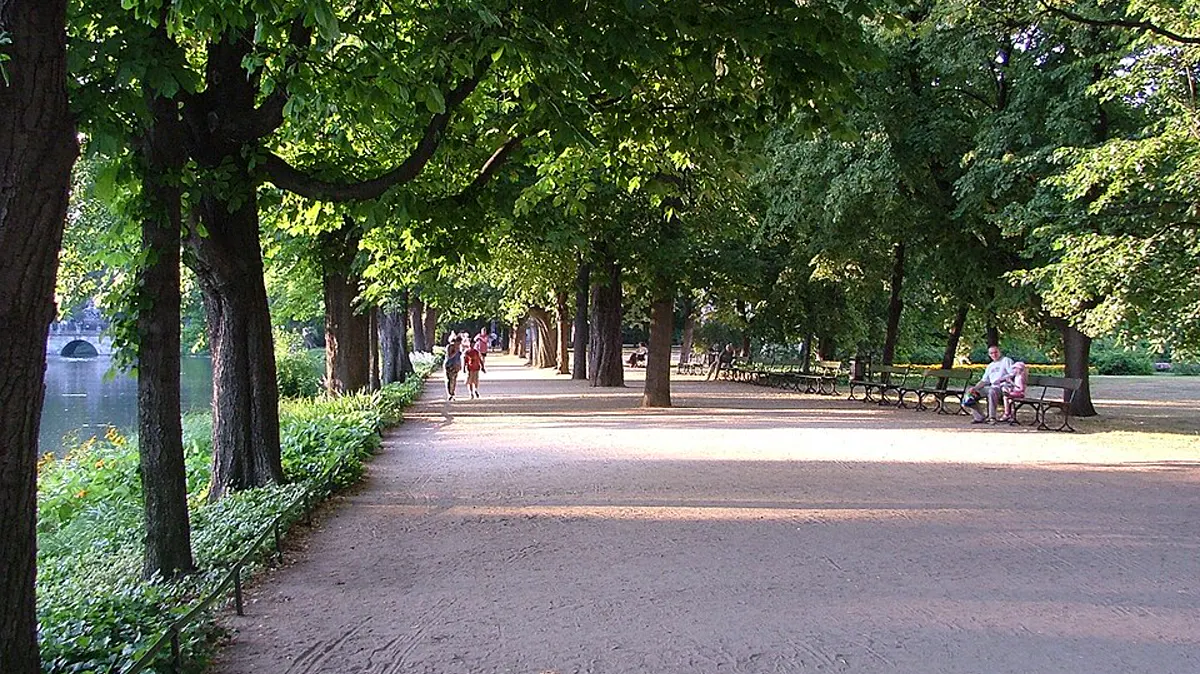
Lazienki Park
Warsaw's largest park, a landscaped royal garden with a palace on an island, peacocks and free Chopin concerts in summer.
Restaurant
Bar Mleczny Prasowy
A revived communist-era milk bar on Marszalkowska serving żurek, pierogi, and cutlets at low prices. Order at the counter and eat under retro tiling.